
Handexer Blogs
Grip Strength and Hand Health

RSI Recovery for Musicians: How to Regain Hand Function and Play Without Fear
For musicians, Repetitive Strain Injury (RSI) can feel like a career-ending diagnosis. This guide explores why traditional passive treatments often fail and how chronic pain differs from structural damage. Discover how to safely regain hand function by replacing guesswork with Handexer’s approach: clear measurement, purposeful training, and data-driven recovery tracking.
Read moreabout RSI Recovery for Musicians: How to Regain Hand Function and Play Without Fear
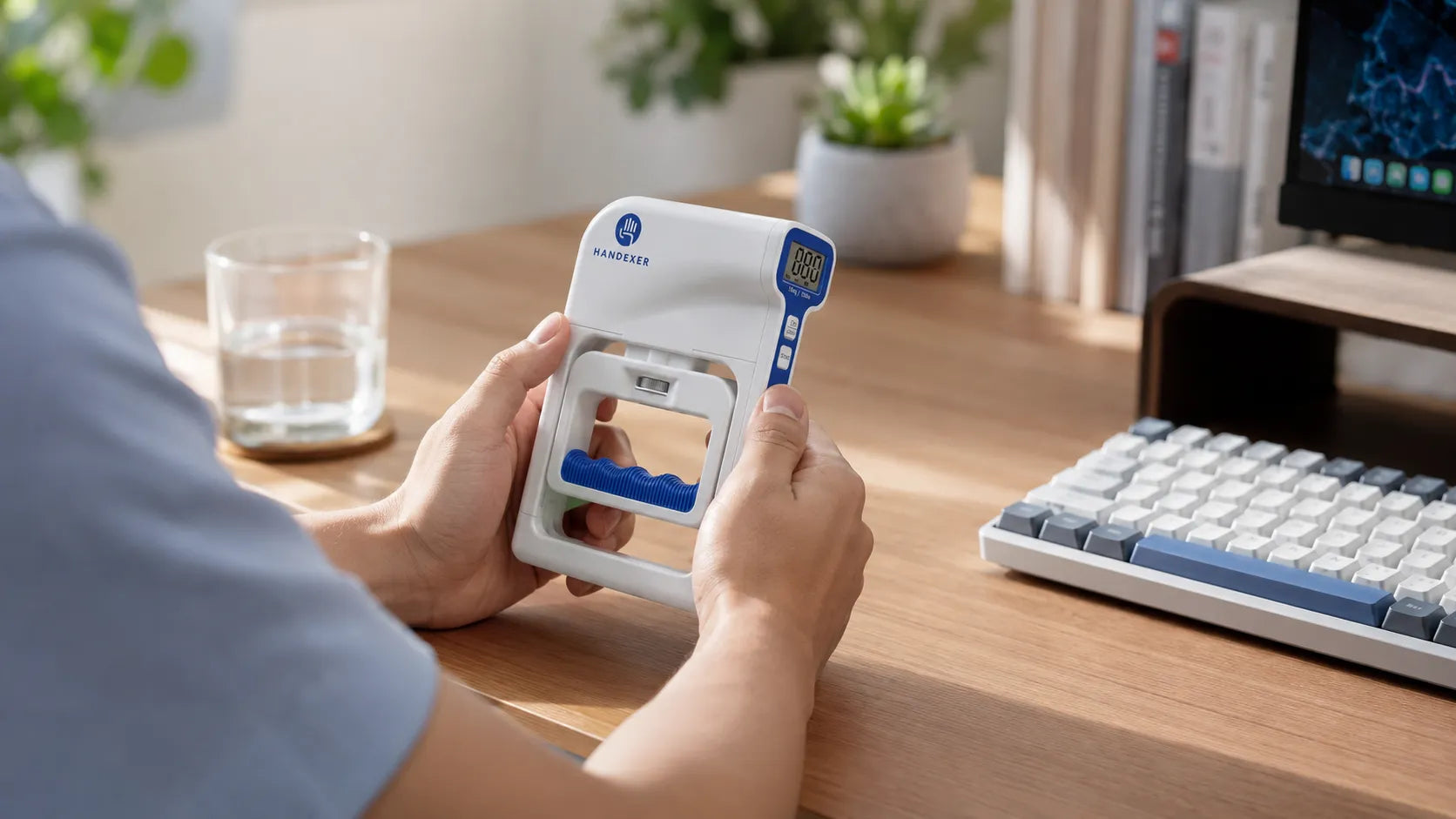
Gaming Hand Pain Recovery: Guide to Fix Wrist & Hand Pain from Gaming
Wrist and hand pain from gaming is often misdiagnosed as Carpal Tunnel Syndrome, leading to outdated advice like complete rest. However, resting actually weakens tendons. This article explains the "Hand Healthbar" concept, detailing how gamers can resolve hand pain through progressive loading and careful load management. By assessing baseline strength, training with purpose, and tracking recovery, gamers can rebuild tissue capacity and safely return to play. Discover how professional hand health strategies can help you play longer and recover with confidence.
Read moreabout Gaming Hand Pain Recovery: Guide to Fix Wrist & Hand Pain from Gaming

Fix Tennis Elbow Fast: Exercises, Stages & Recovery Strategy Backed by Science
Struggling with tennis elbow that won't go away? Traditional treatments like rest and braces often provide only temporary relief because they ignore the root cause: a structural endurance deficit in your tendons. This guide breaks down why tennis elbow is a repetitive strain injury (RSI) and outlines a progressive, 3-phase recovery plan. Learn how to accurately assess your baseline, train with purpose using eccentric loading, and track your functional recovery to confidently overcome lateral epicondylitis.
Read moreabout Fix Tennis Elbow Fast: Exercises, Stages & Recovery Strategy Backed by Science
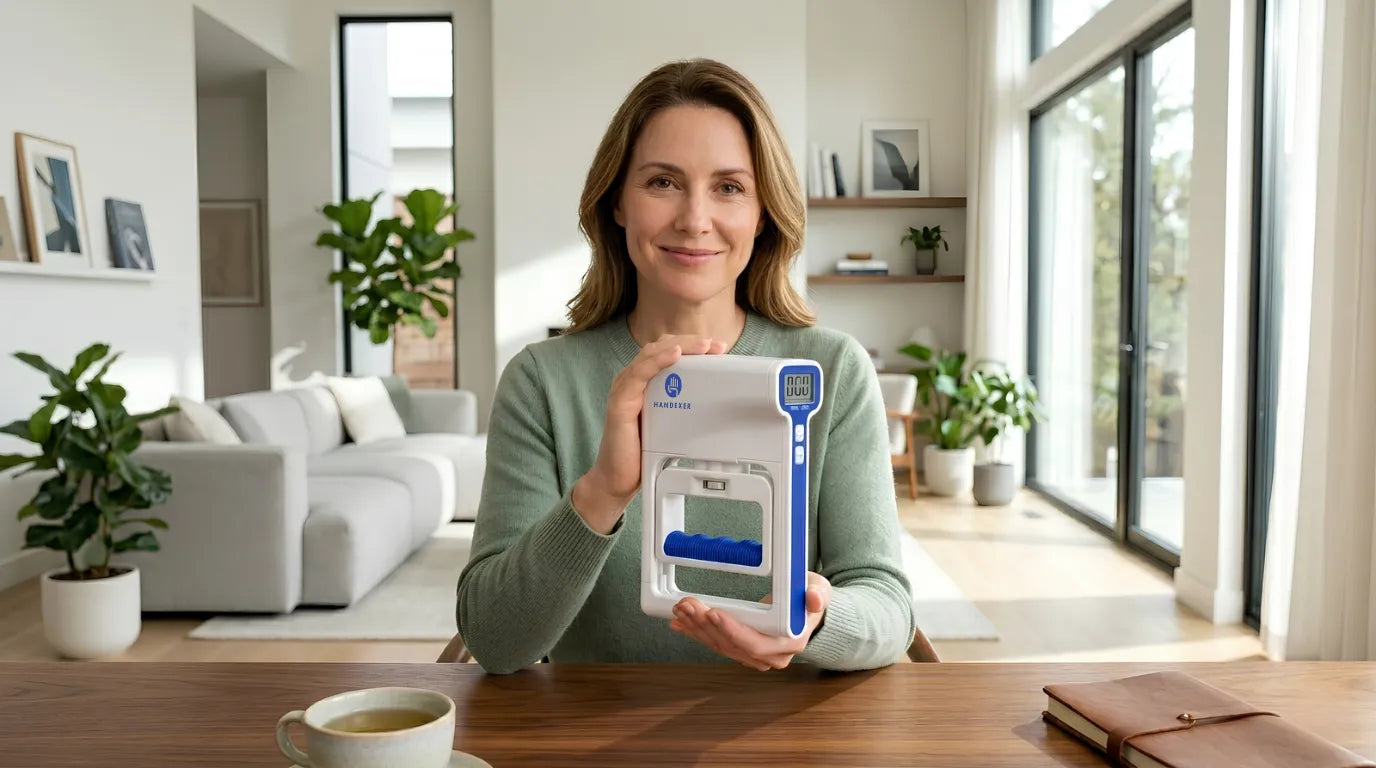
Are Hand Grippers Effective?The Truth About Building Real Hand Function
Many people wonder if hand grippers are effective for building strength. While traditional grippers are excellent for testing your crushing grip, mindless squeezing often leads to joint strain and stalled progress. True hand health requires a structured approach: assessing your baseline, training with clear goals, and prioritizing recovery. This guide explores the pros and cons of hand grippers and explains how modern, measurement-focused tools can help you build real, functional hand strength safely and reliably.
Read moreabout Are Hand Grippers Effective?The Truth About Building Real Hand Function

Why Grip Strength Matters for Healthy Aging: Measure, Improve, and Restore Hand Function
Recent discussions highlight grip strength as a crucial biomarker for longevity and overall health. Rather than just a measure of hand power, grip strength acts as an indicator for neuromuscular and cardiovascular wellness. By assessing and tracking hand function, individuals can gain valuable insights into their physical resilience as they age. This guide explores the science behind grip strength and how purposeful measurement leads to healthier aging.
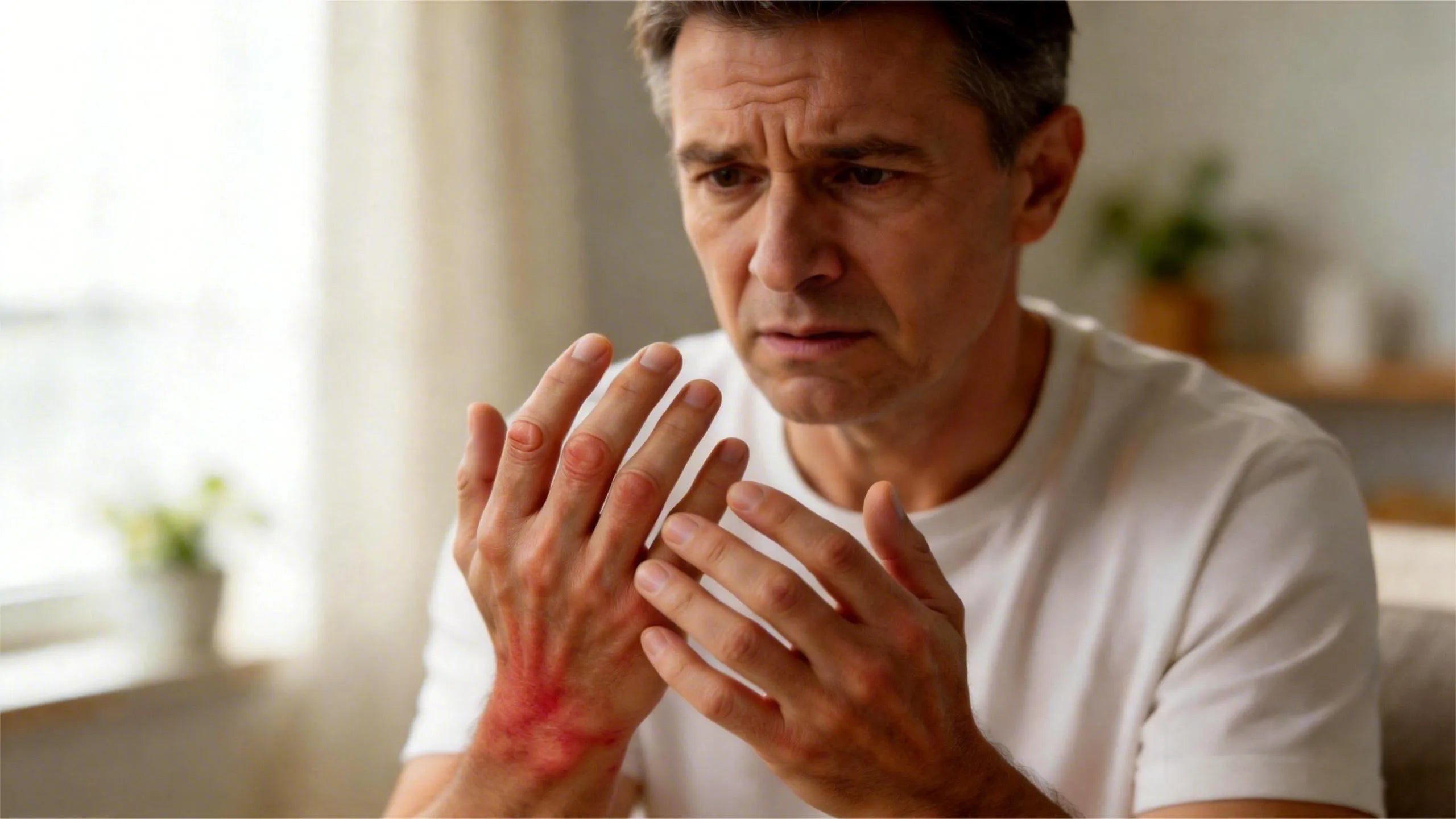
Is Decreased Grip Strength an Early Sign of Arthritis? 5 Warning Signs You Need to Test at Home
Decreased grip strength may be an early sign of arthritis, especially when combined with symptoms like joint pain, stiffness, and swelling. It can also result from overuse or aging. Regular hand exercises and resistance training can help maintain and improve grip strength over time.

Average Grip Strength by Age and Gender: What’s Normal and How to Improve It
This article explains average grip strength by age and gender, how to interpret your score, and why regular tracking matters for fitness, recovery, and healthy aging.
Read moreabout Average Grip Strength by Age and Gender: What’s Normal and How to Improve It

Grip Strength by Age: What’s Normal After 50?
Grip strength declines with age, especially after 50, but regular tracking helps identify changes early. This article explains age-related grip strength patterns, how to measure it accurately at home, and why long-term trends matter more than a single result.
Read moreabout Grip Strength by Age: What’s Normal After 50?
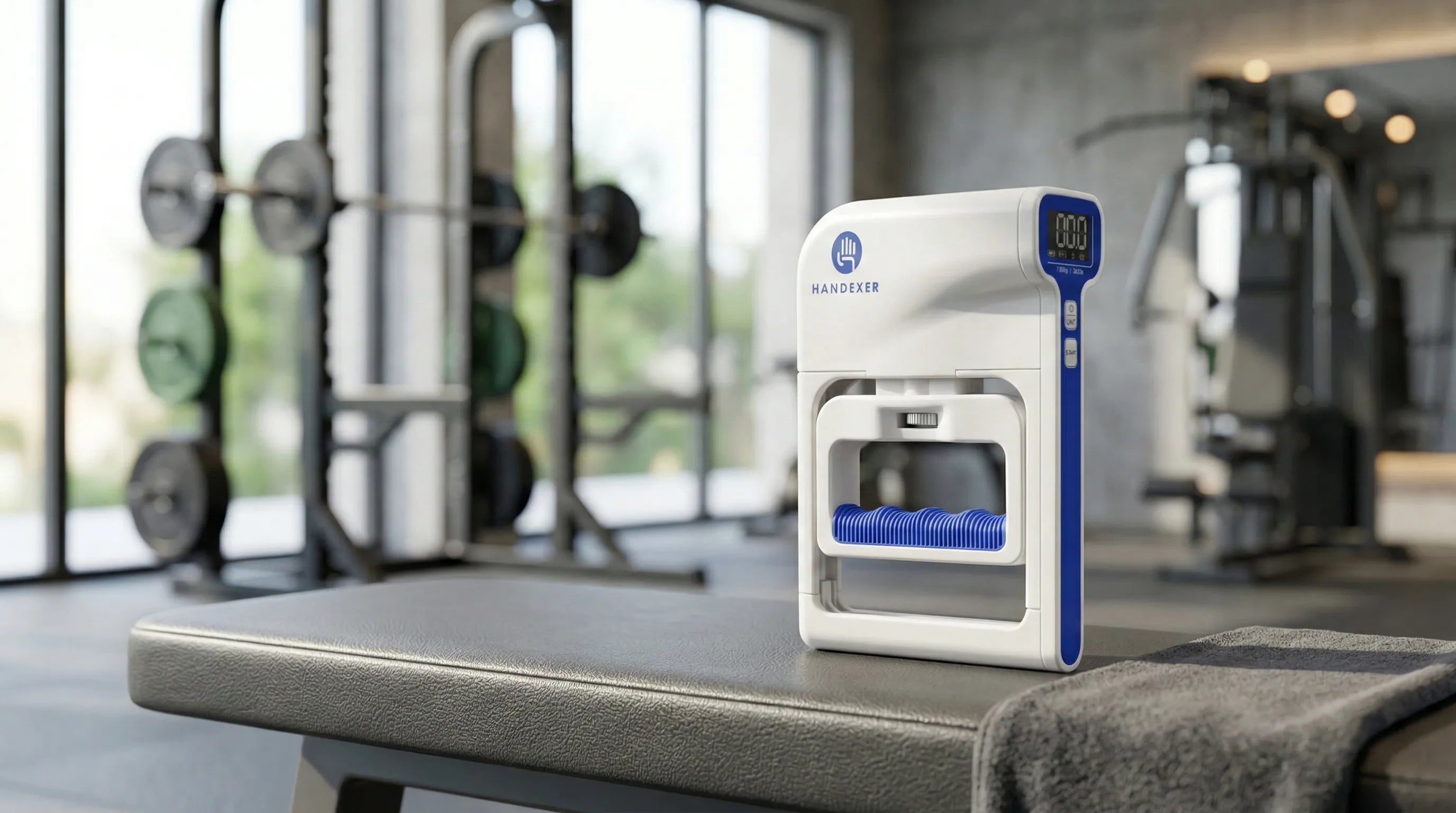
How to Interpret & Improve Your Grip Strength Score (2026 Action Guide)
Grip strength varies by age and gender, making context essential when evaluating your results. This article explains normal grip strength ranges, key factors that influence performance, and how to measure and track your strength accurately over time.
Read moreabout How to Interpret & Improve Your Grip Strength Score (2026 Action Guide)