
Handexer Blogs
Grip Strength and Hand Health
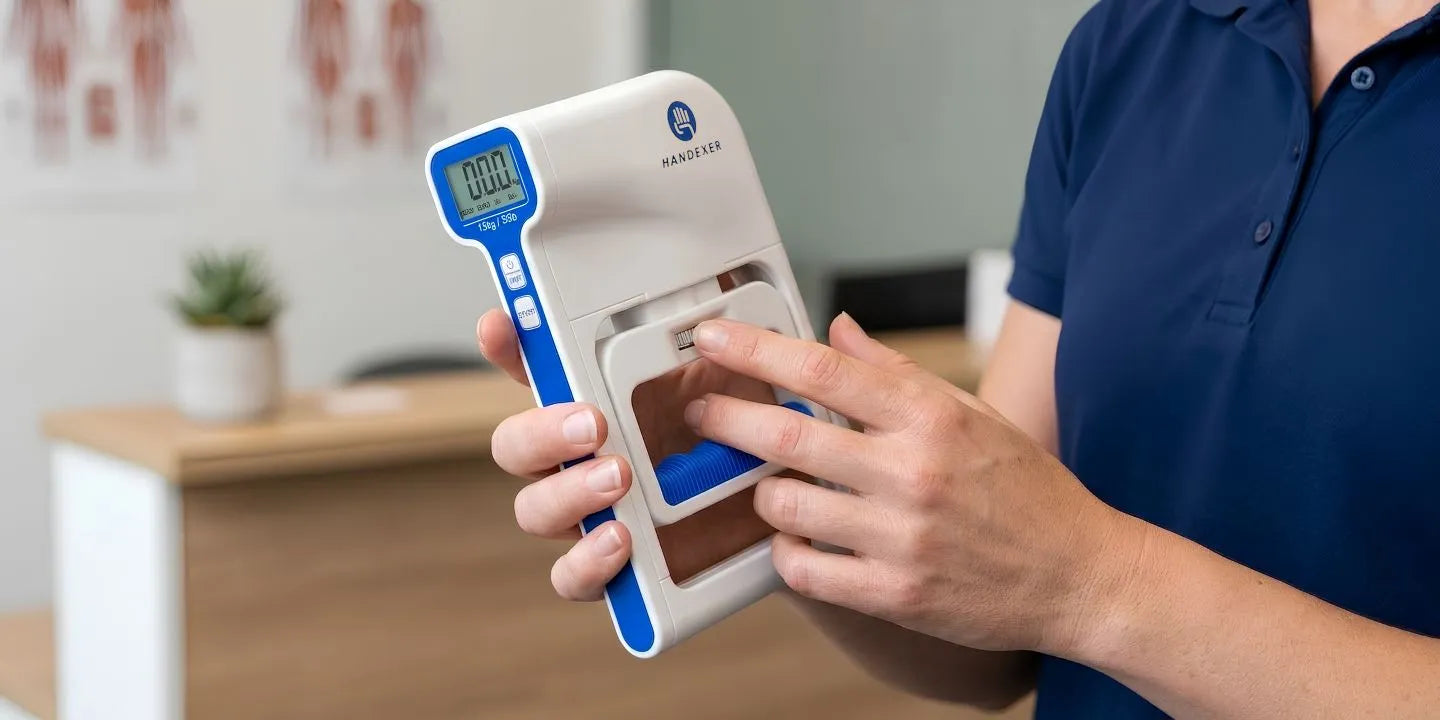
Why Grip Strength Drops After an Injury—and How to Rebuild It Safely
Grip strength can decline after an injury, making everyday tasks like opening jars, holding a cup, or carrying a bag feel surprisingly difficult. Discover why this happens, how to gradually rebuild hand function with appropriate exercises, and how consistent grip strength measurements can help you track changes over time. Learn how to approach recovery safely and understand your progress with greater confidence.
Read moreabout Why Grip Strength Drops After an Injury—and How to Rebuild It Safely
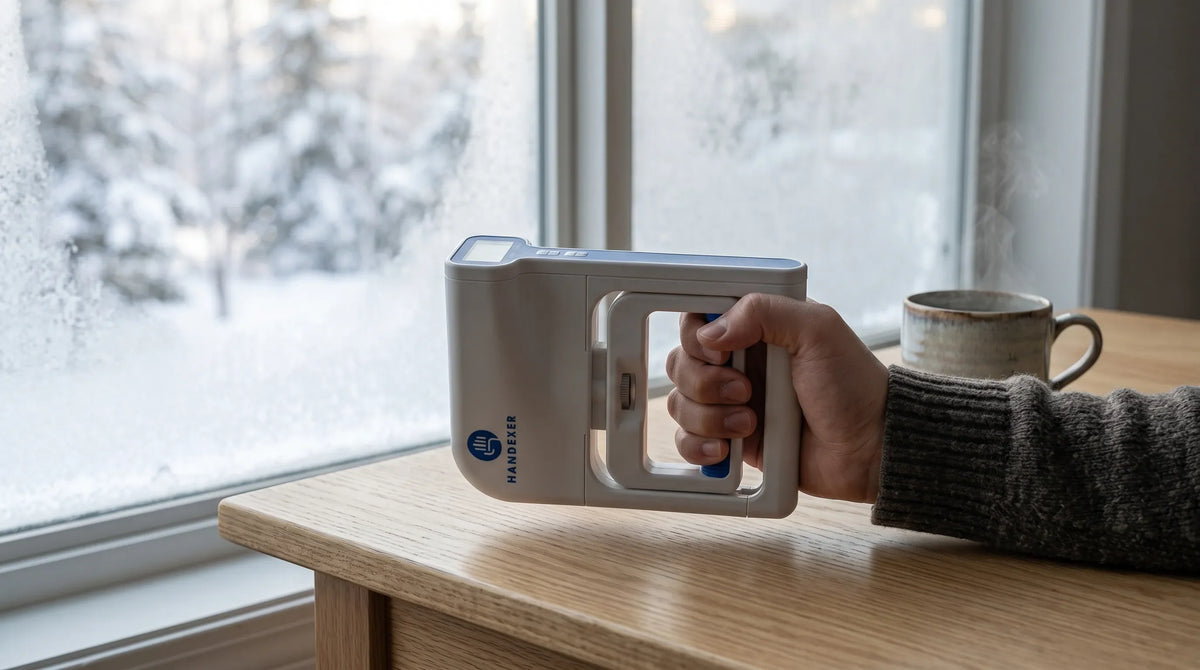
Did Your Grip Strength Drop a Few Kilograms This Winter? What Exercise Physiology Actually Suggests
A lower grip strength reading on a chilly morning doesn't necessarily mean you've lost strength or aren't recovering well. Cold temperatures may influence hand function and force production, making testing conditions an important part of reliable tracking. Discover what exercise science actually says about cold exposure, how to distinguish temporary fluctuations from longer-term trends, and three simple steps to keep your grip strength measurements consistent throughout winter.
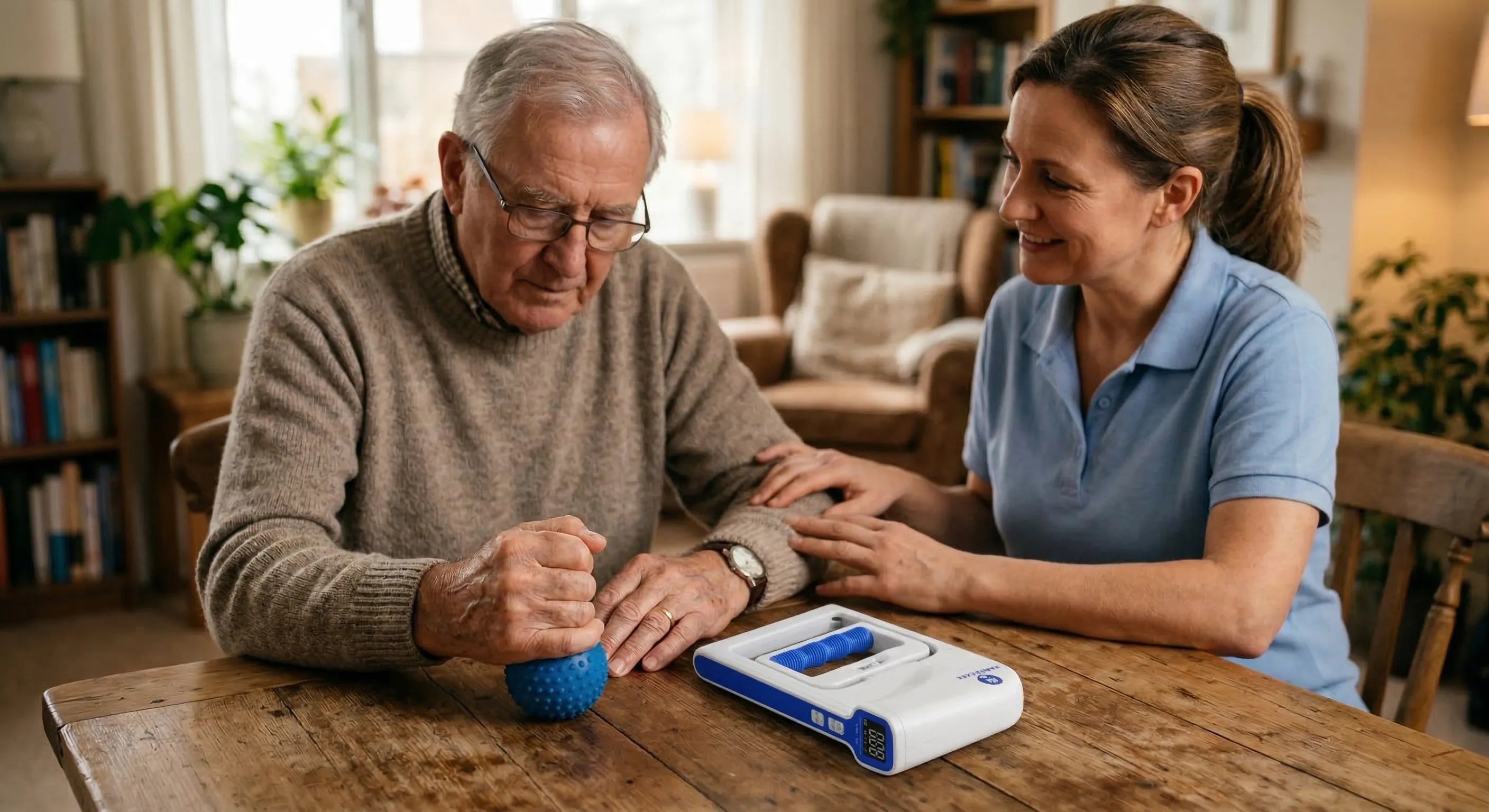
Grip Strength After Stroke: Safe Recovery Guide
Recovering grip strength after stroke is an important part of rebuilding hand function and daily independence. This guide covers the causes of post-stroke hand weakness, practical rehab exercises, and how consistent measurement can help patients monitor real progress over time.
Read moreabout Grip Strength After Stroke: Safe Recovery Guide

Losing Your Grip at Work? How Strong Emotions Can Affect Your Body
Have you ever felt your grip suddenly give way during a stressful moment at work? Strong emotions can trigger noticeable physical responses, including changes in breathing, muscle tension, shaking, and, in some cases, sudden muscle weakness. This article explores how stress, repetitive work, nerve-related issues, and emotion-triggered muscle weakness can affect your hands, including when cataplexy may be relevant. It also explains when sudden weakness deserves medical attention and how consistent grip-strength monitoring can help you establish a baseline, recognize changes over time, and better understand your physical function.
Read moreabout Losing Your Grip at Work? How Strong Emotions Can Affect Your Body

The Unexpected Link Between Grip Strength and Depression
Could stronger muscles help support mental health, or can depression contribute to physical weakness? New research suggests there may be a two-way connection between physical strength and depression. This article explores the science behind the muscle-brain connection and explains how grip strength can provide a simple, objective way to track changes in physical performance over time.
Read moreabout The Unexpected Link Between Grip Strength and Depression
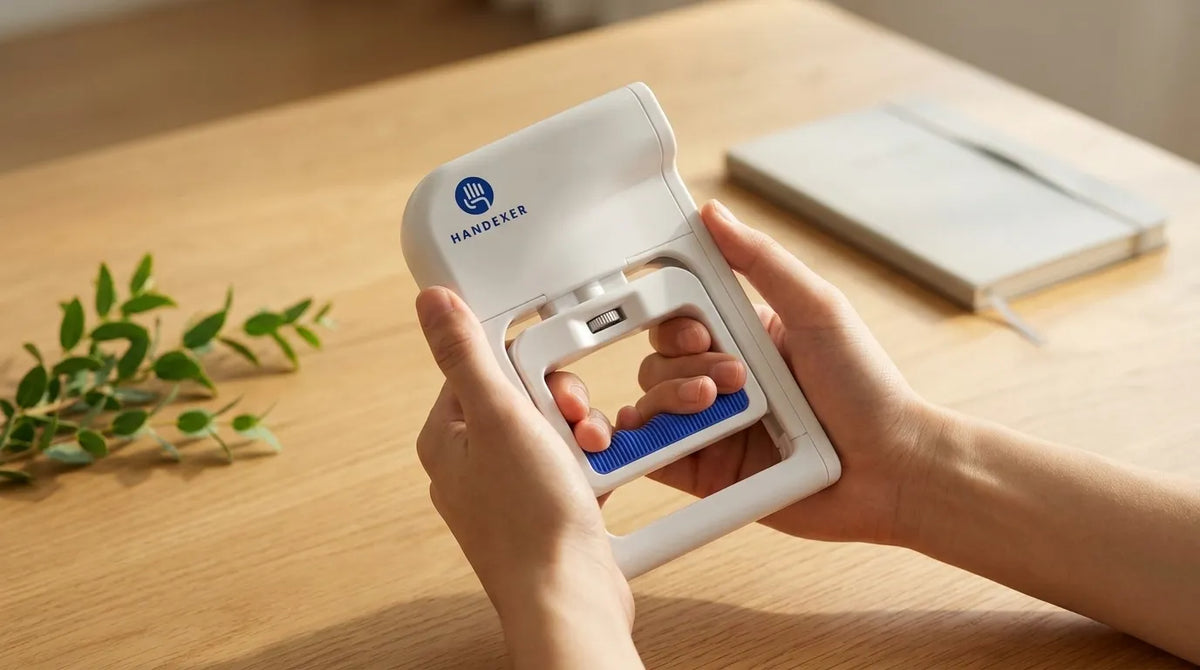
What 90 Days of Grip Strength Training Actually Changes (Before & After Results)
What can 90 days of consistent grip training actually change? From stronger grips and better control to reduced fatigue and more balanced performance between your hands, three months can reveal measurable progress—but there is no one-size-fits-all result. This guide breaks down what you may notice across Days 1–30, 31–60, and 61–90, what research says about 12-week training, and how to use a simple Day 1 baseline to see your own before-and-after results.
Read moreabout What 90 Days of Grip Strength Training Actually Changes (Before & After Results)

When Is Clumsiness a Concern? 4 Signs of Muscle Weakness in Children
Is your child becoming more tired, struggling with stairs, or having difficulty with activities that once seemed easy? Occasional clumsiness is common, but a persistent change in movement, endurance, or everyday abilities may be worth paying attention to. This guide explains 4 signs of muscle weakness in children, what parents can observe at home, when to talk with a pediatrician, and how consistent grip-strength tracking can provide useful information without replacing professional evaluation.
Read moreabout When Is Clumsiness a Concern? 4 Signs of Muscle Weakness in Children

How to Improve Grip Strength at Home (Science-Backed Guide)
Stronger hands don’t require a complicated gym setup. This step-by-step guide shows you how to improve grip strength at home with practical exercises for crush, support, and pinch strength, plus a simple 4-week training plan. Learn how to progress safely, avoid common mistakes, and use consistent grip-strength measurements to track whether your training is actually working.
Read moreabout How to Improve Grip Strength at Home (Science-Backed Guide)

Changes in Gut Microbiota Associated with Decreased Grip Strength in Older Adults
Your gut may have more to do with muscle strength than you think. A new study found a surprising difference in grip strength among older adults based on the bacteria detected in their gut—and saw similar muscle-related changes in mice. Explore the science behind the gut-muscle axis and what these findings could mean for understanding muscle health.
Read moreabout Changes in Gut Microbiota Associated with Decreased Grip Strength in Older Adults