
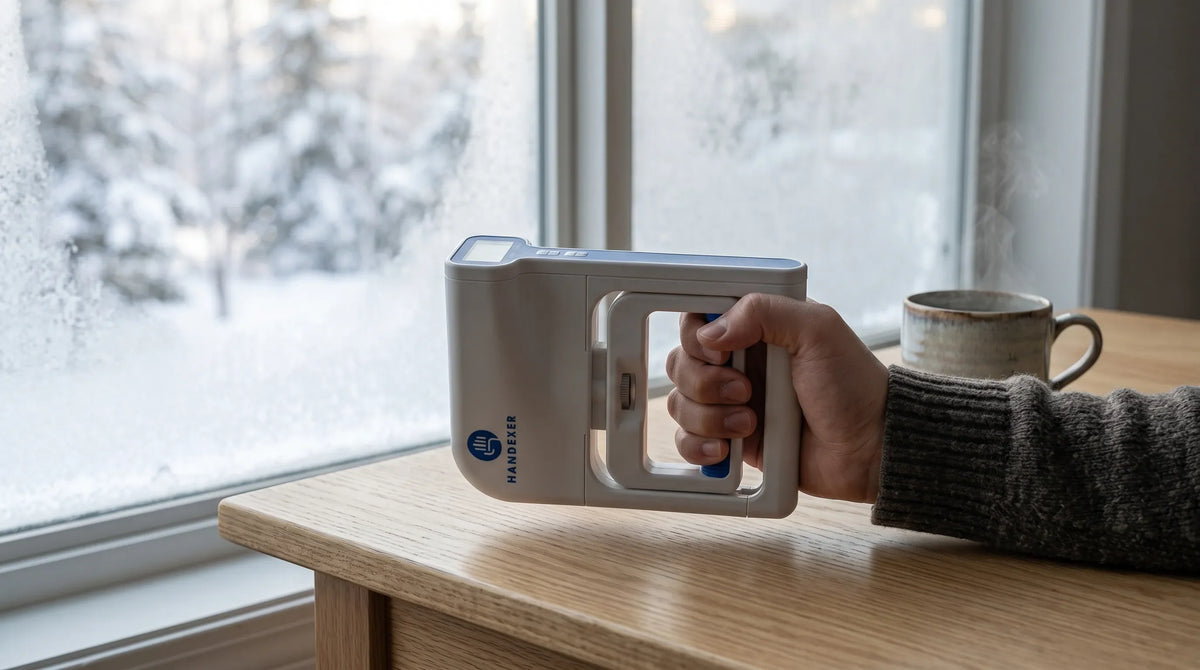
You pick up your hand dynamometer for a routine morning check. You squeeze the handle with everything you have, expecting your normal numbers.
If you track your health or athletic performance closely, your first reaction is often a wave of panic: Did I overtrain? Am I losing muscle? Is my nervous system exhausted?
Before you change your workout routine or assume the worst, pause and touch your fingertips: are your hands cold?
In exercise science, cold hands are one of the most common—and most frequently ignored—environmental variables that artificially lower your score. Squeezing a dynamometer requires fast electrical nerve impulses, rapid muscle contraction, and smooth tendon gliding. When your hands and forearms are cold, your body temporarily slows down these mechanical processes.
01 The Laboratory Reality: How Much Does Cold Skew Your Numbers?
Sports scientists and ergonomics researchers have spent decades measuring how low ambient temperatures affect manual dexterity and isometric force output.
When researchers expose hands and forearms to chilly air or cold water baths, the drop in maximum voluntary contraction (MVC) happens fast and reliably. In an occupational study published in the European Journal of Applied Physiology, researchers observed an acute 15% to 25% decline in maximum grip force following moderate local cooling.
On a digital dynamometer, that translates to a sudden deficit of 2 to 5 kg (roughly 4.5 to 11 lbs)—even though your actual muscle tissue and long-term strength have not changed at all.
02Why Temperature Can Change Your Grip Strength Reading?
Motor Nerve Signals Travel Slower
To squeeze a digital hand dynamometer with full effort, your brain must send rapid electrical signals through your peripheral nerves to recruit forearm muscle fibers.
Nerve conduction velocity is sensitive to temperature. In a clinical neurophysiology report on thermal effects published by the Canadian Society for Exercise Physiology (CSEP), researchers noted that motor nerve conduction velocity slows by approximately 1.5 to 2.0 meters per second for every 1°C drop in local tissue temperature.
When nerve propagation lags, muscle fibers fire slightly out of sync. Your brain intends to squeeze with 100% effort, but the delayed recruitment arriving at your forearm flexors blunts your peak force curve on the screen.
Muscle Contractions Become Sluggish
At the microscopic level, muscle contraction relies on protein filaments—actin and myosin—binding, pulling, detaching, and rebinding. This cycle requires fuel and rapid calcium movement inside muscle cells.
Cool temperatures disrupt this process. In a study on actomyosin cross-bridge kinetics published in the Journal of General Physiology, researchers demonstrated that lower temperatures directly reduce myosin ATPase activity. In plain English: your muscle filaments move in slow motion and calcium ions take longer to clear. Cold fibers reach a lower peak force during a typical 3-second squeeze.
Joint and Tendon Stiffness Increases
The tendons that close your fingers run through narrow sheaths lubricated by synovial fluid. When your hands are exposed to cold air, this fluid becomes thicker—much like motor oil in freezing weather.
Clinical assessment recommendations from the American Society of Hand Therapists (ASHT) emphasize that the testing environment directly impacts soft-tissue compliance. As tendons and passive tissues stiffen, a measurable portion of your muscular contraction must overcome internal resistance rather than pressing into the dynamometer sensor. Cold skin also desensitizes tactile receptors, impairing optimal handle leverage.
Curious Where Your Baseline Stands?
Don't let cold weather or single-day dips create unnecessary worry. Use our free interactive tool to compare your typical numbers against population-validated percentiles for your age and gender
03 Cold Hands vs. Real Fatigue: How to Tell the Difference
Before you conclude that you are overtraining or losing muscle reserve, use this comparison matrix to diagnose your situation:
| Observation | Cold-Induced Fluke | Systemic Fatigue | Age–Related Loss |
|---|---|---|---|
| When it happens | Sudden drop on cold mornings or in chilly rooms | Follows intense training, poor sleep, or high stress | Gradual decrease across months or years |
| Finger feeling | Cold, pale, and slightly stiff to flex | Normal skin temperature and color | Normal skin temperature |
| Response to warmth | Recovers 2–4 kg within 5–10 min | Stays low even after thorough warming | Stays consistent across ambient temps |
| Overall body feeling | Stiff fingers, but mind and body feel alert | Heavy limbs, soreness, low motivation | Normal daily energy, lower functional grip |
| Immediate action | Warm hands and re-test consistently | Review sleep, recovery, and volume | Adopt progressive resistance training |
04How to Measure Grip Strength More Consistently in Winter?
To ensure your readings reflect true neuromuscular output rather than ambient weather, run through this concise three-stage preparation:
Step 1: Active Peripheral Re-Warming
Rinse your hands under warm tap water for 30 to 60 seconds, or rub your palms vigorously together until normal capillary refill and pink coloration return to your fingertips.
Step 2: Micro-Resistance Vascular Pumping
Gentle, rhythmic movement encourages circulation without tapping into your anaerobic fuel reserves:
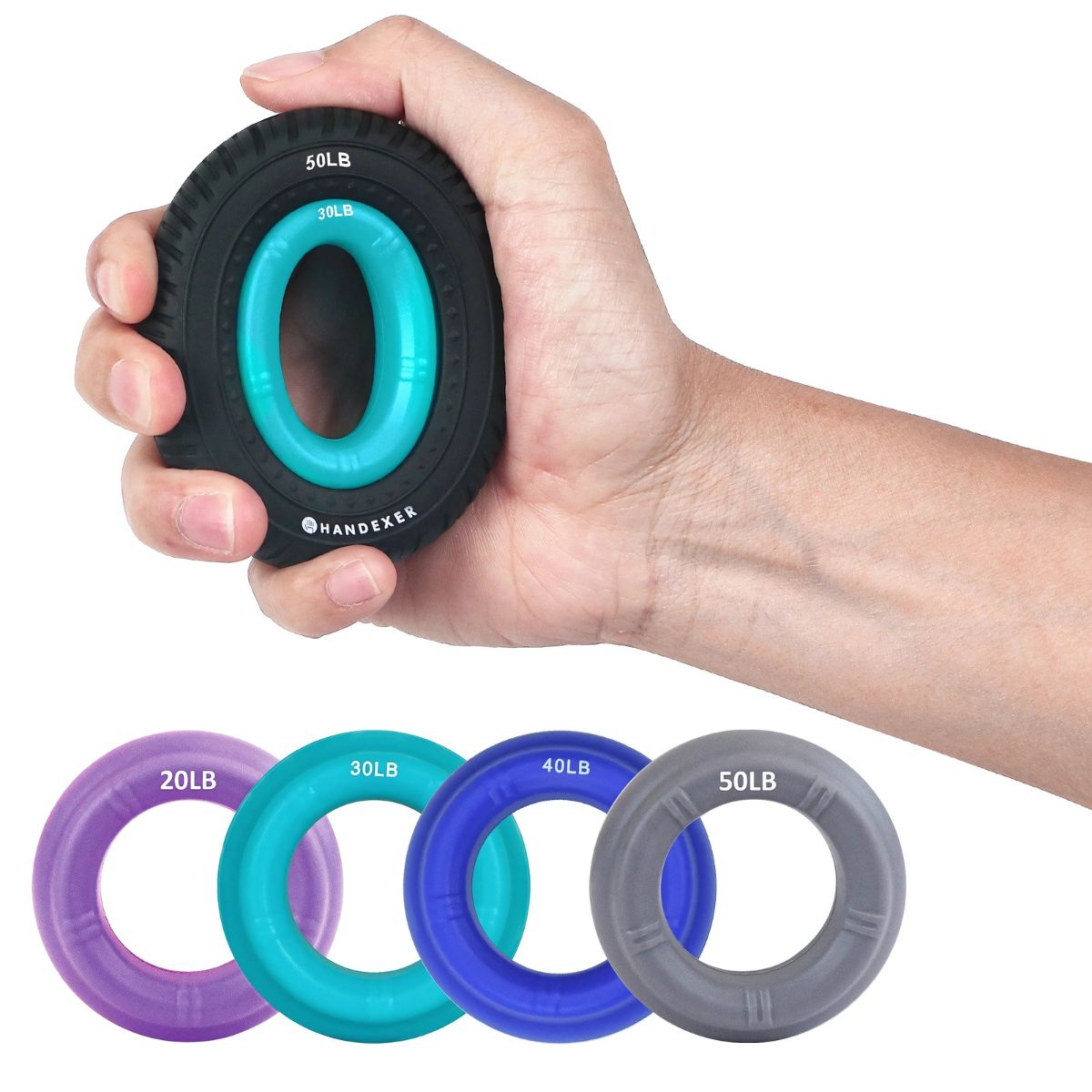
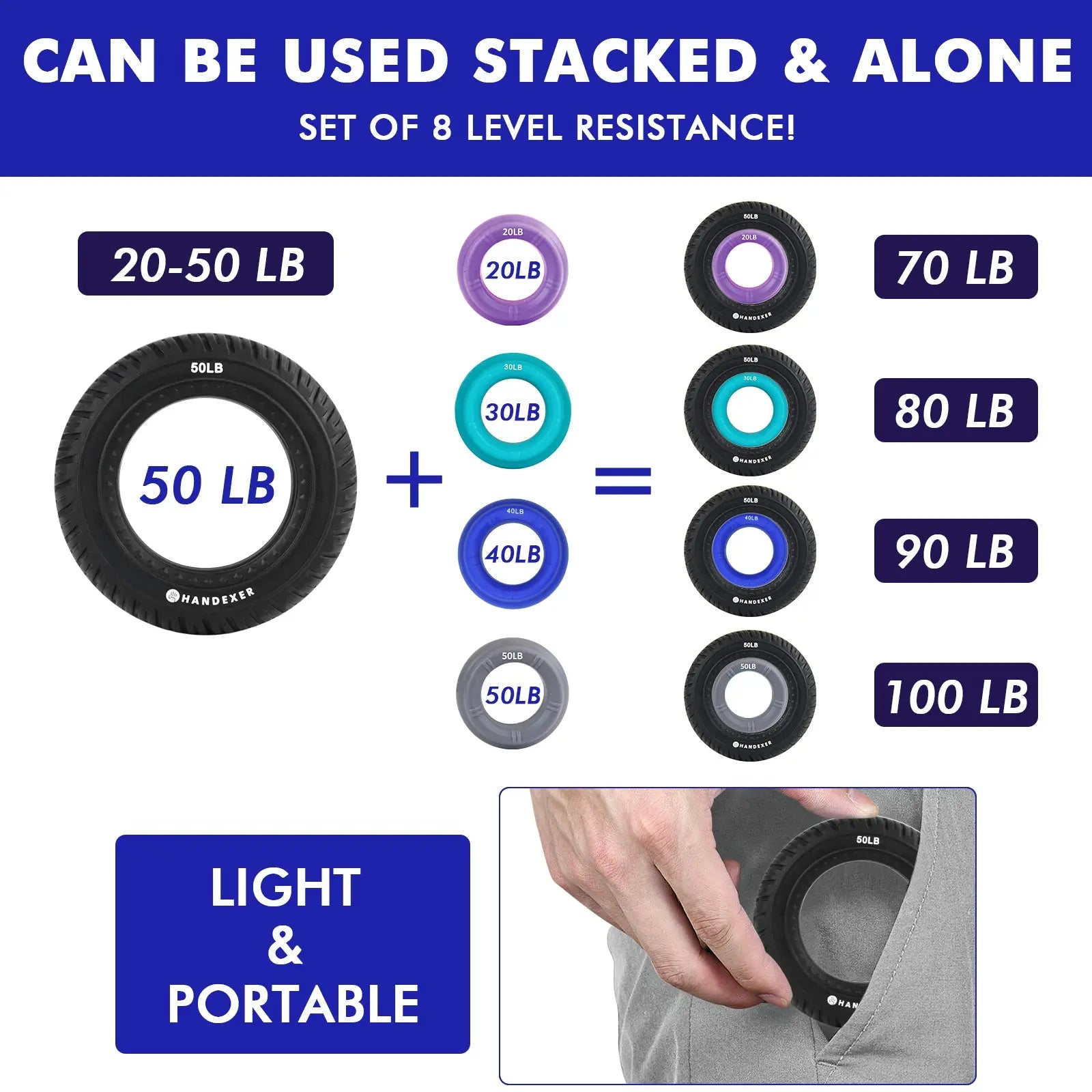
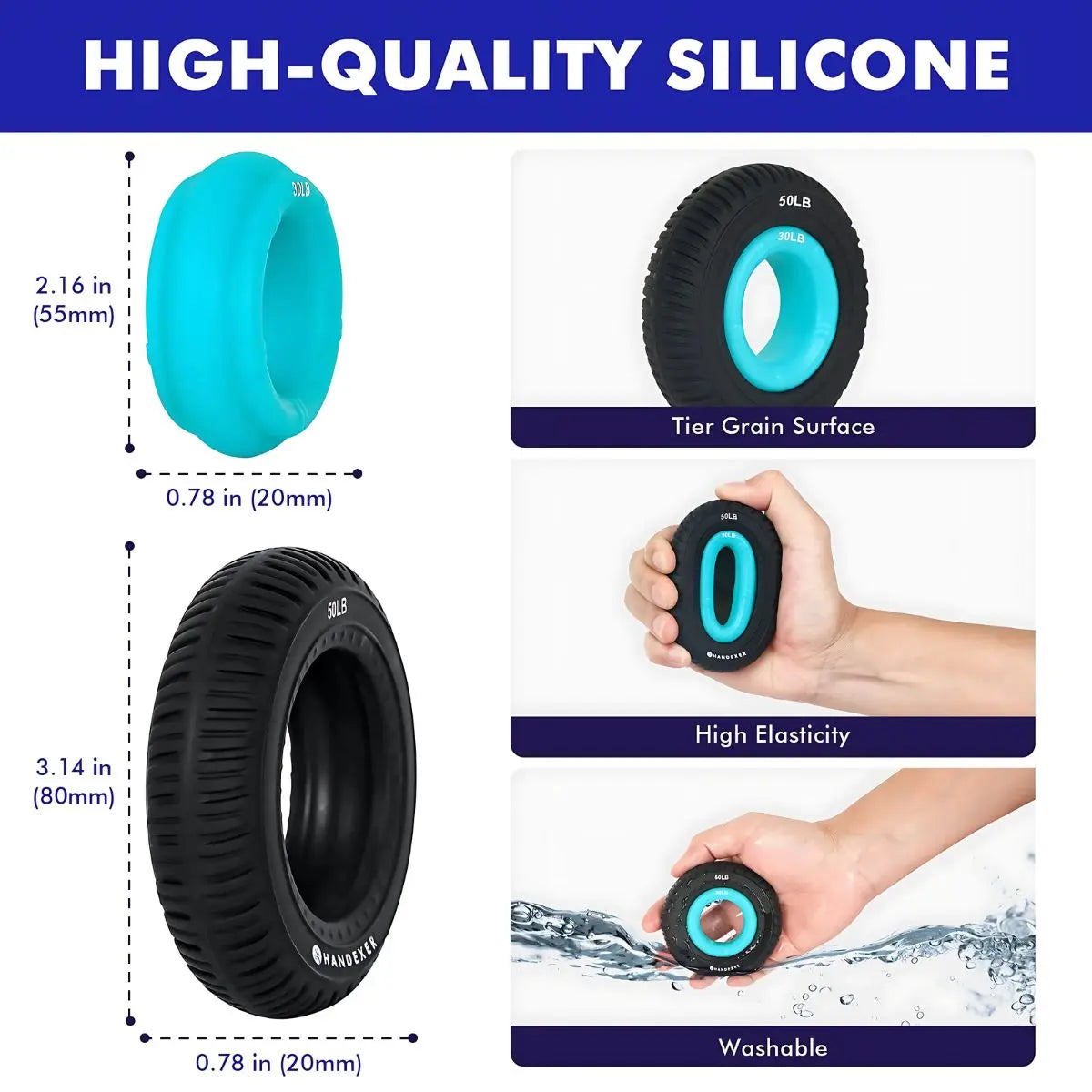
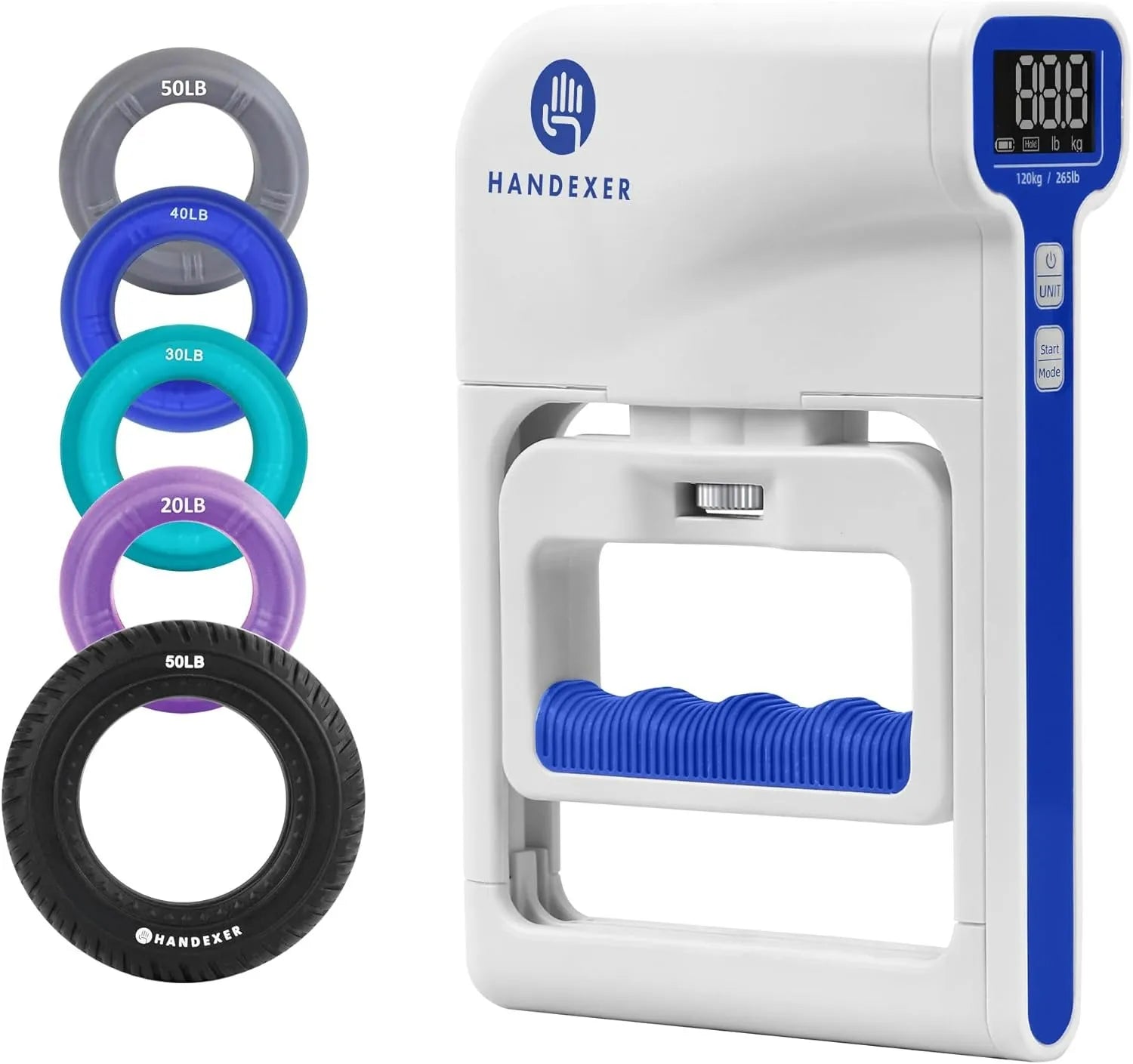
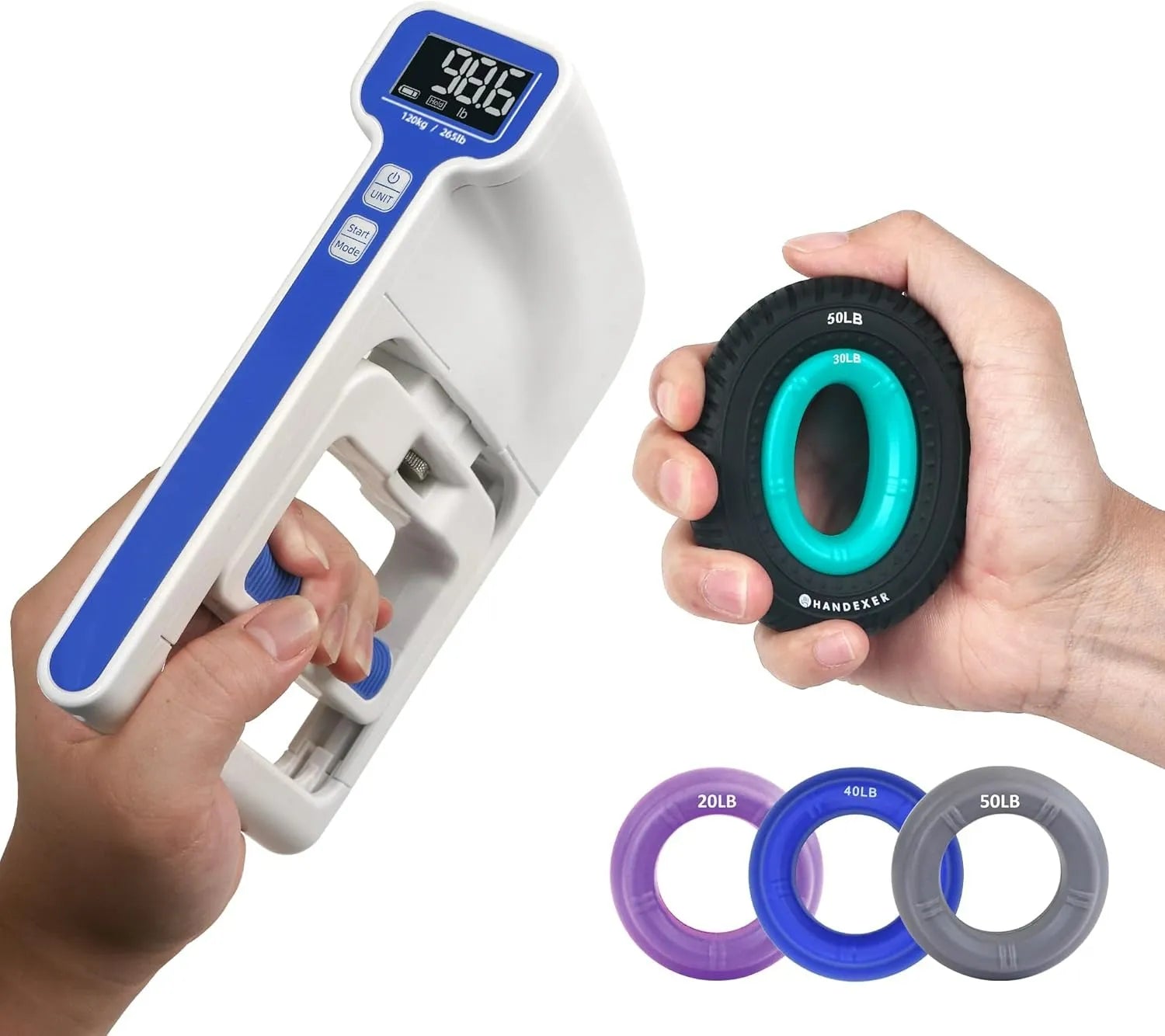
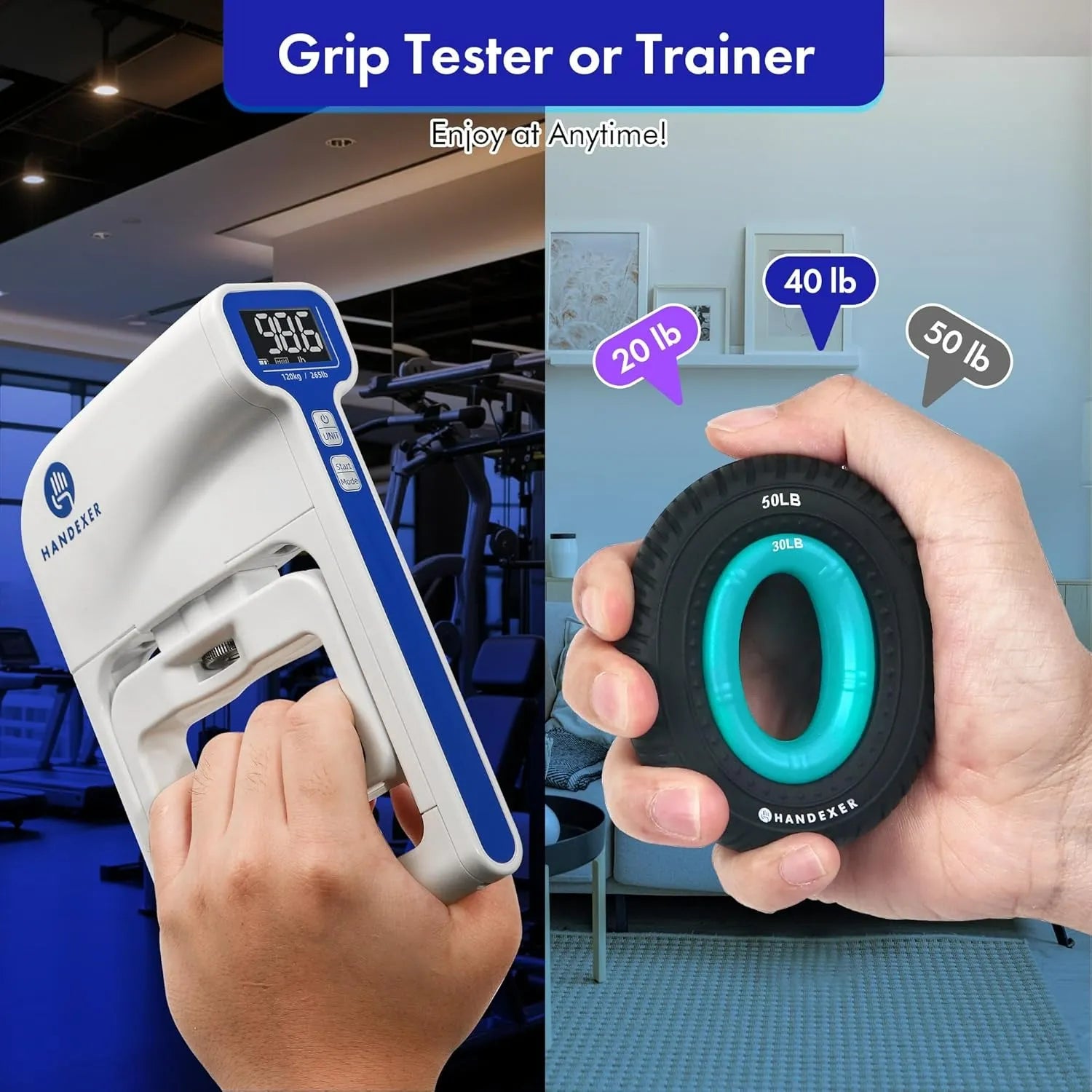
- Use a light silicone grip ring (20–30 lbs tension).
- Perform 10 to 12 slow, controlled squeezes per hand, holding each for 1 second.
- Extend and open your fingers wide for 5 to 10 repetitions to stretch the extensors.
Step 3: Standardized Measurement
Rest for 60 seconds after warm-up to allow ATP restoration before your baseline pull:
- Stand or sit tall with elbow flexed at 90° and wrist in a neutral posture.
- Squeeze your digital dynamometer smoothly for 3 seconds while steadily exhaling.
- Log your reading to watch multi-week baseline trends objectively.
05 Frequently Asked Questions
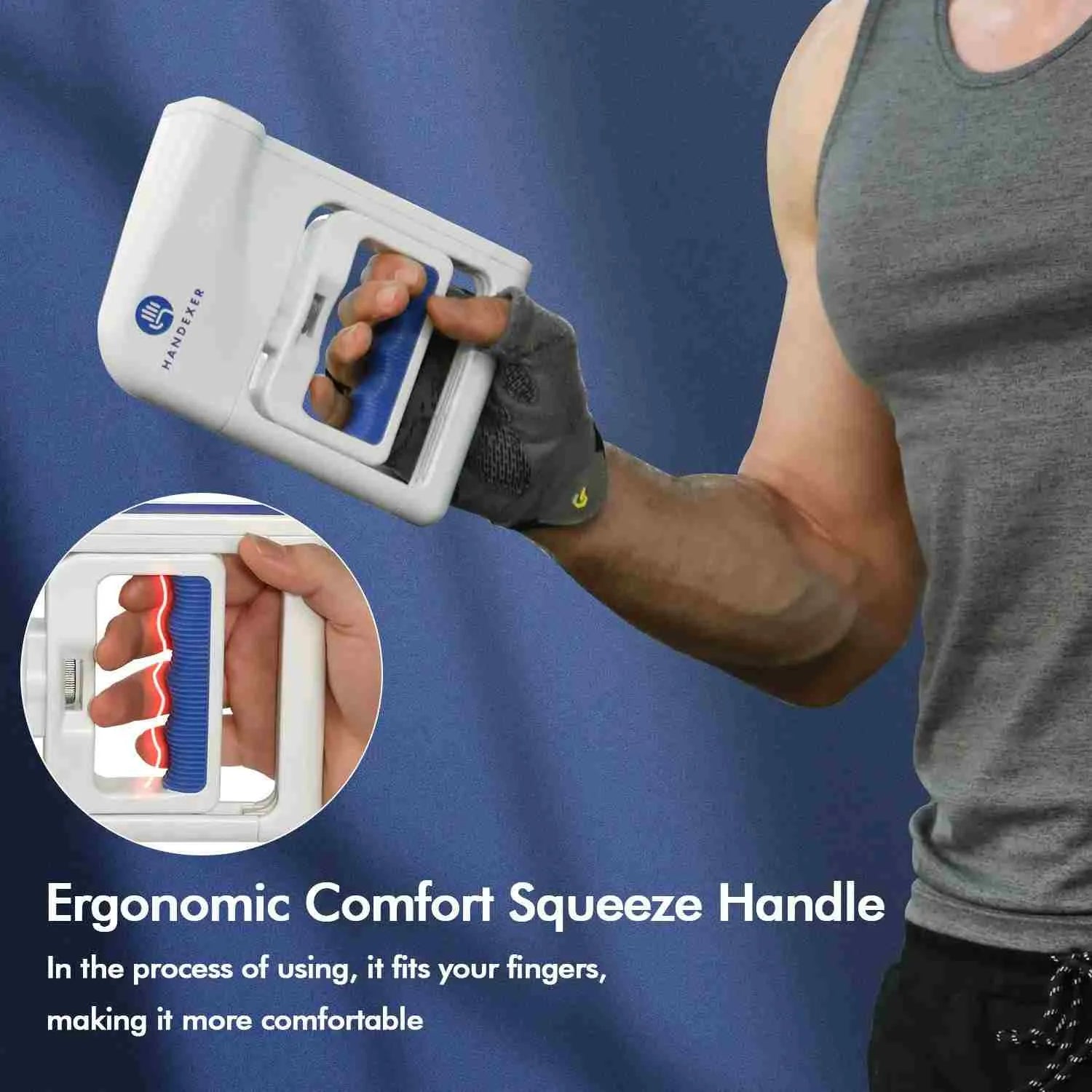
Wearing gloves during a test usually introduces larger measurement errors than the cold itself. Gloves reduce skin friction, alter your leverage on the handle, and dampen sensor compliance. Research published in Applied Ergonomics indicates gloves can artificially lower measured grip force by 15% to 30%. Warm your bare hands first, dry them completely, and test directly against the handle.
Standard clinical protocols from the American Society of Hand Therapists (ASHT) recommend a consistent ambient environment between 20°C and 23°C (68°F to 73°F). Maintaining steady testing conditions prevents seasonal room shifts from distorting your scores.
If numbers stay depressed over several days despite warm hands and standardized posture, environmental influence is ruled out. This pattern typically signals true neuromuscular fatigue, sleep deficits, or elevated systemic lifestyle load requiring active recovery.
Stop Guessing Your Recovery
Don't let cold hands trick you into false overtraining panic. Establish a repeatable morning baseline to spot true fatigue trends before they impact your training.
SCIENTIFIC REFERENCES & EVIDENCE ▼
- Debenham M, et al. Cold temperature influence on motor unit recruitment and muscle contractile properties. Canadian Society for Exercise Physiology (CSEP) Review, 2021.
- Ranatunga KW. Temperature effects on force generation and actomyosin cross-bridge kinetics in mammalian skeletal muscle. J Gen Physiol. 2018;150(8):1063–1079.
- Clark RE, et al. The effects of cold water immersion and hand protection on maximum voluntary grip strength and electromyographic activity. Eur J Appl Physiol Occup Physiol. 1993;67(1):63–68.
- Bobos P, Nazari G, Lu Z, MacDermid JC. Measurement Properties of the Hand Grip Strength Assessment: A Systematic Review With Meta-analysis. Archives of Physical Medicine and Rehabilitation. 2020;101(3):553–565.
- American Society of Hand Therapists (ASHT). Clinical Assessment Recommendations: Grip and Pinch Dynamometry Protocols. 3rd ed.





Share:
Grip Strength After Stroke: Safe Recovery Guide
Why Grip Strength Drops After an Injury—and How to Rebuild It Safely