

RSI (Repetitive Strain Injury) often starts quietly, with mild discomfort after long hours of focused practice — complex guitar chord transitions, intensive piano rehearsals, or late-night music production on a laptop. What begins as subtle wrist tightness, finger fatigue, or forearm soreness can gradually develop into more persistent symptoms: stiffness during warm-ups, tingling or burning sensations with specific movements, declining grip strength, and eventually difficulty performing even basic daily tasks like typing, holding a phone, or opening a jar.
For musicians, RSI can be particularly unsettling because the hands are not just functional tools — they are central to expression, creativity, and professional identity. The reassuring reality, however, is that many musicians do recover fully and return to a high level of performance. Sustainable recovery typically goes beyond rest or short-term symptom relief; it requires a structured, progressive process of restoring hand function, rebuilding strength, and regaining confidence in movement.
Understanding RSI: Why Pain Can Persist After Tissue Healing?
One of the biggest misconceptions about RSI is assuming that persistent pain always means ongoing structural damage.
In many cases, mild tendon irritation or muscle overload heals within weeks to a few months. However, musicians often continue experiencing pain long after tissues have recovered.
This happens because the nervous system can become hypersensitive after prolonged overuse.Instead of responding only to actual tissue damage, the brain begins associating certain movements — like barre chords, octave stretches, rapid finger repetition, or extended keyboard use — with danger. As a result, even normal movement can trigger pain signals.
This explains why many musicians experience:
- Pain that moves around
- Symptoms that flare unpredictably
- Grip weakness despite normal scans
- Pain during playing but not during daily tasks
- Increased symptoms during stress or anxiety
Understanding this distinction is critical because chronic RSI often requires retraining the nervous system and rebuilding load tolerance — not simply avoiding movement forever.
Why Passive Treatments Often Fail Musicians?
Many musicians perform frequently on stage and often return to playing as soon as hand pain slightly subsides. Over time, this pattern can easily accumulate into chronic overuse injuries. In many cases, only when the condition becomes more severe do they stop playing for recovery.
However, excessive rest can introduce a new problem: a gradual decline in physical conditioning and overall hand capacity.
When muscles, tendons, and connective tissues stop being exposed to load, they lose strength and endurance. This is especially problematic for musicians because playing an instrument demands extremely high levels of:
- Fine motor control
- Finger independence
- Forearm endurance
- Grip stability
- Repetitive load tolerance
Without rebuilding these capacities gradually, returning to practice often causes another flare-up.
The goal of rehabilitation is not just pain reduction.The goal is restoring functional capacity so your hands can tolerate music again.
Musician-Specific RSI Patterns
Not all RSI cases are the same. Different instruments place stress on different structures of the hand and forearm.
Guitar Players
Guitarists commonly experience:
- Thumb joint strain
- Wrist compression from aggressive fretting
- Forearm tightness during barre chords
- Finger tendon irritation from repetitive scales
Long sessions with excessive grip tension often overload the forearm flexor muscles.
Pianists and Keyboard Players
Pianists frequently deal with:
- Finger extensor fatigue
- Wrist tension during fast passages
- Overuse from octave repetition
- Forearm burning during long rehearsals
Because piano requires repeated high-speed finger movement, endurance becomes just as important as strength.
Violinists and String Players
Violinists often develop:
- Shoulder-to-wrist tension chains
- Static grip fatigue
- Thumb overuse
- Chronic neck and forearm tightness
Sustained asymmetrical posture can overload stabilizing muscles over time.
Drummers
Drummers commonly experience:
- Grip overuse
- Wrist tendon irritation
- Elbow pain
- Forearm fatigue from impact repetition
High repetition combined with forceful movement creates significant cumulative load.
The Pathway to Recovery: Assess, Train, and Track
At Handexer, we believe that true recovery starts with measurement. When you rely on how your hands feel on any given day, recovery feels like a rollercoaster. By structuring your recovery, you can remove the guesswork and rebuild your hand health safely.
1. Measure Clearly
A common symptom of RSI is the sensation that your grip is fading. But is your hand actually weaker, or is pain simply making it feel that way?
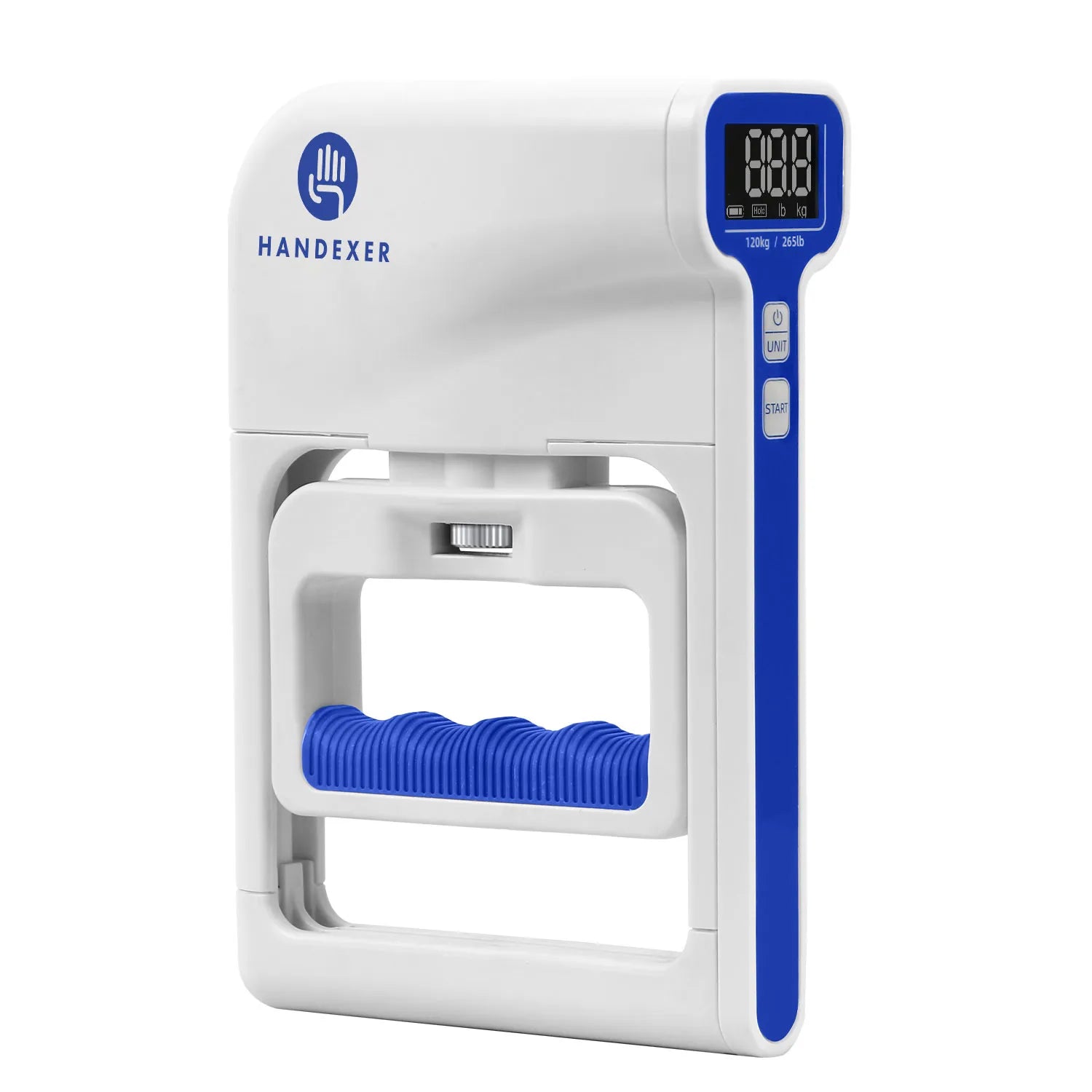
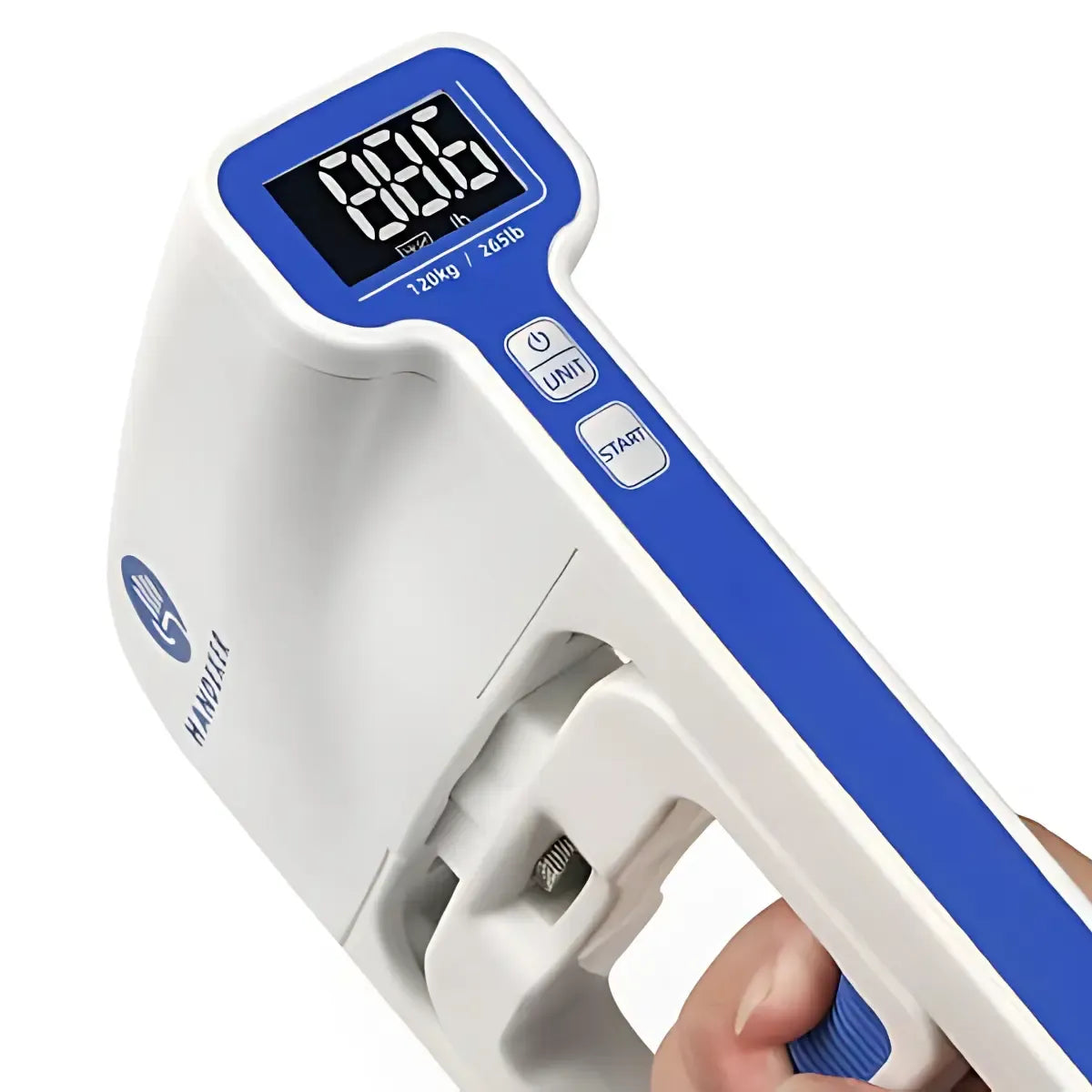
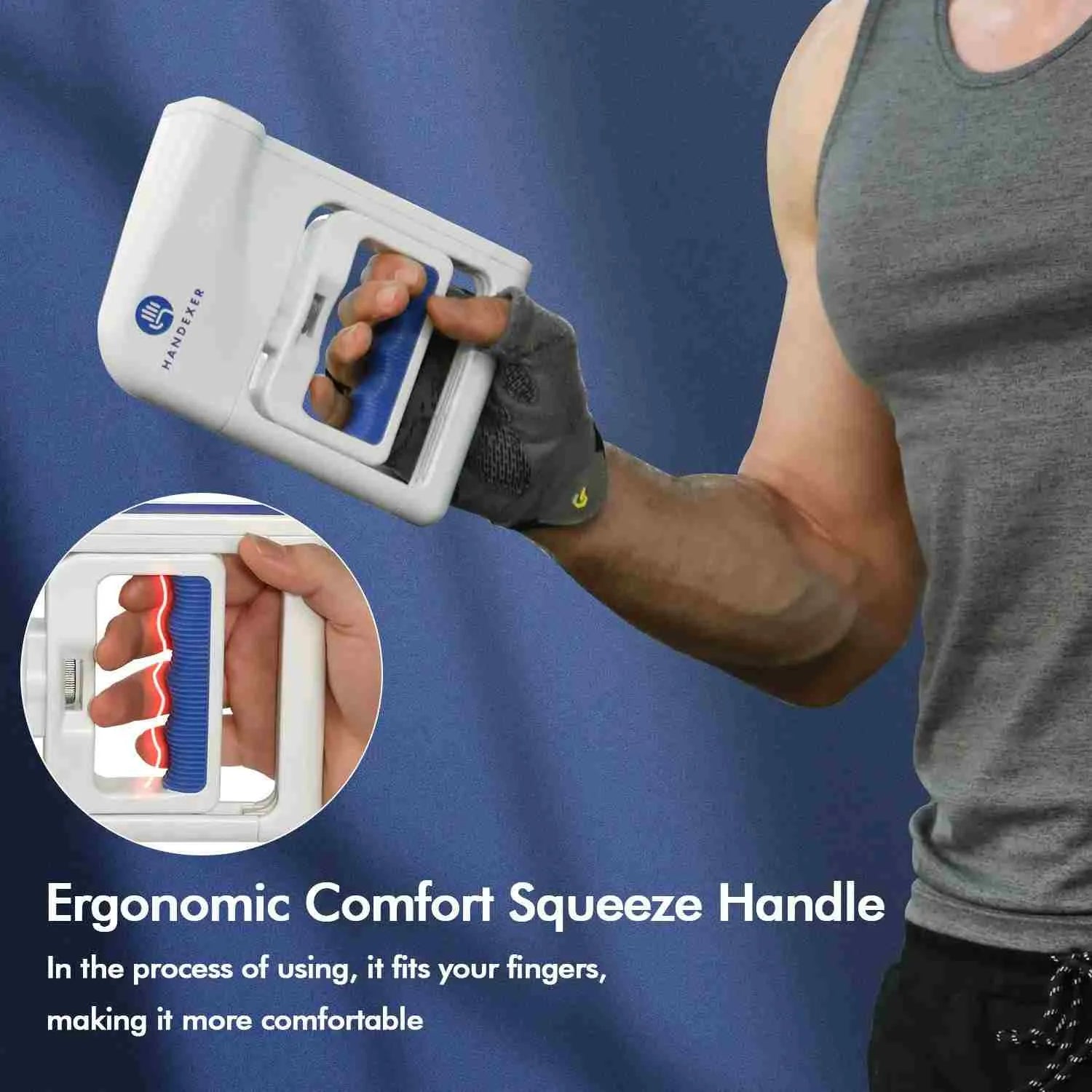
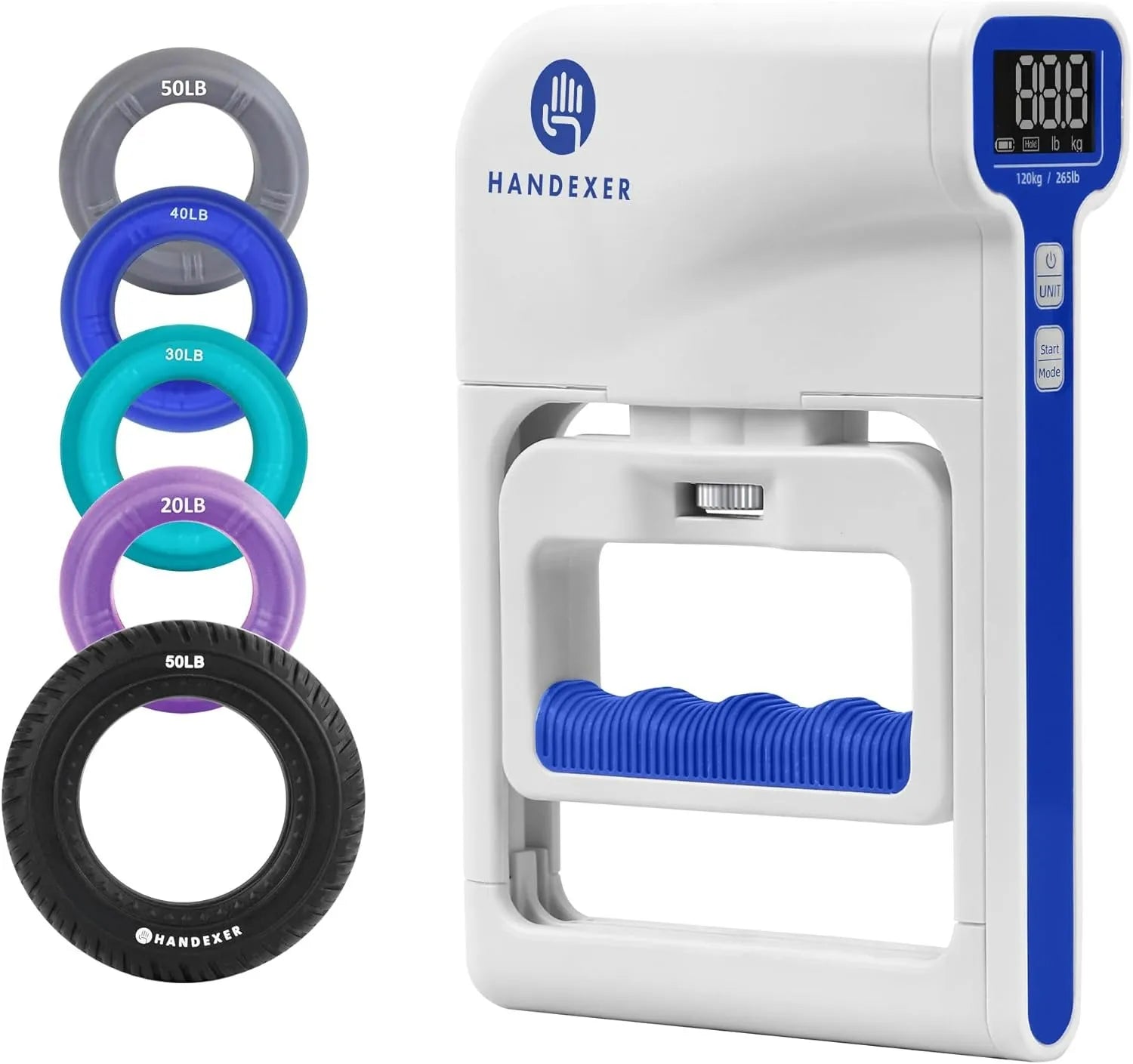
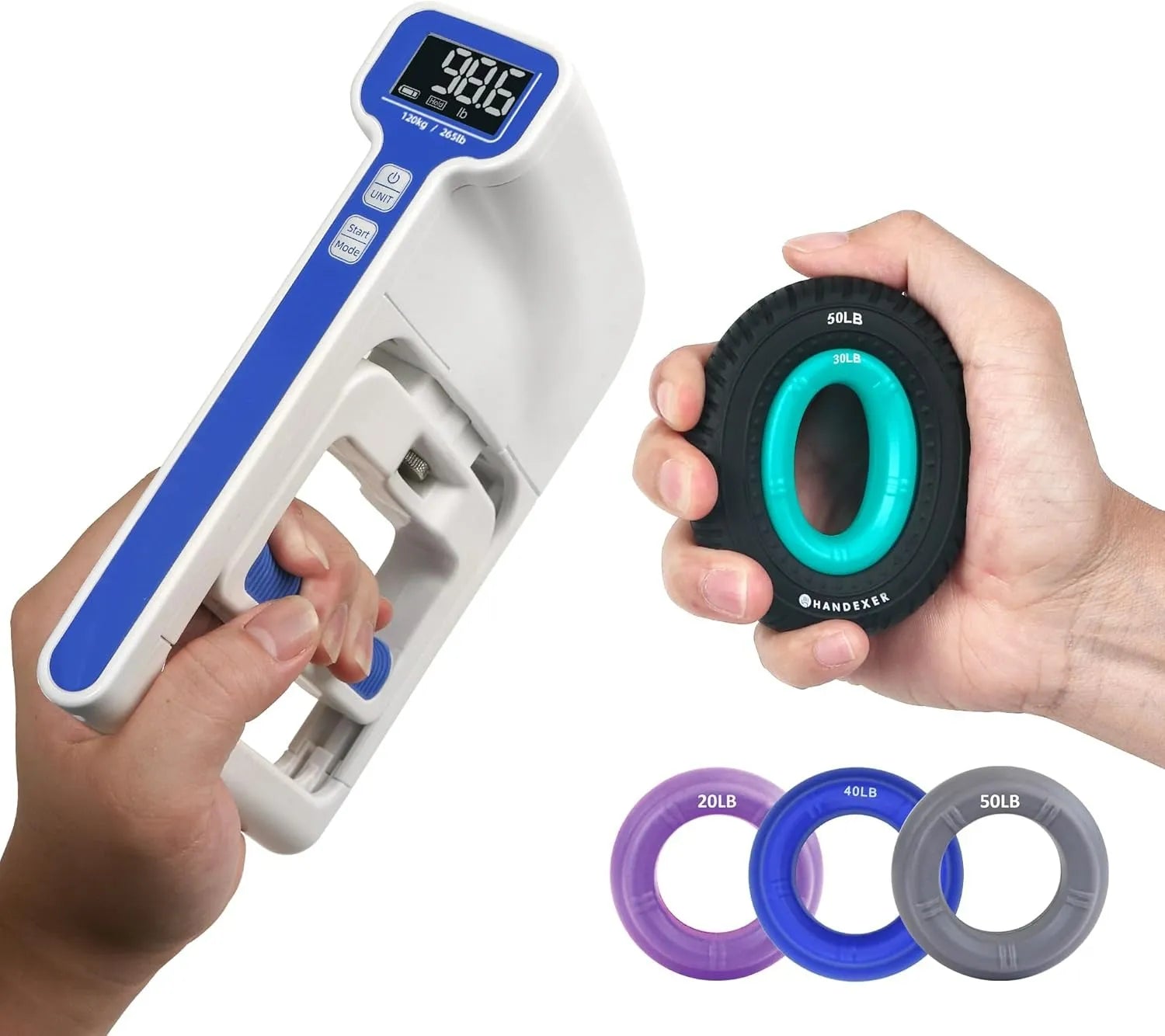
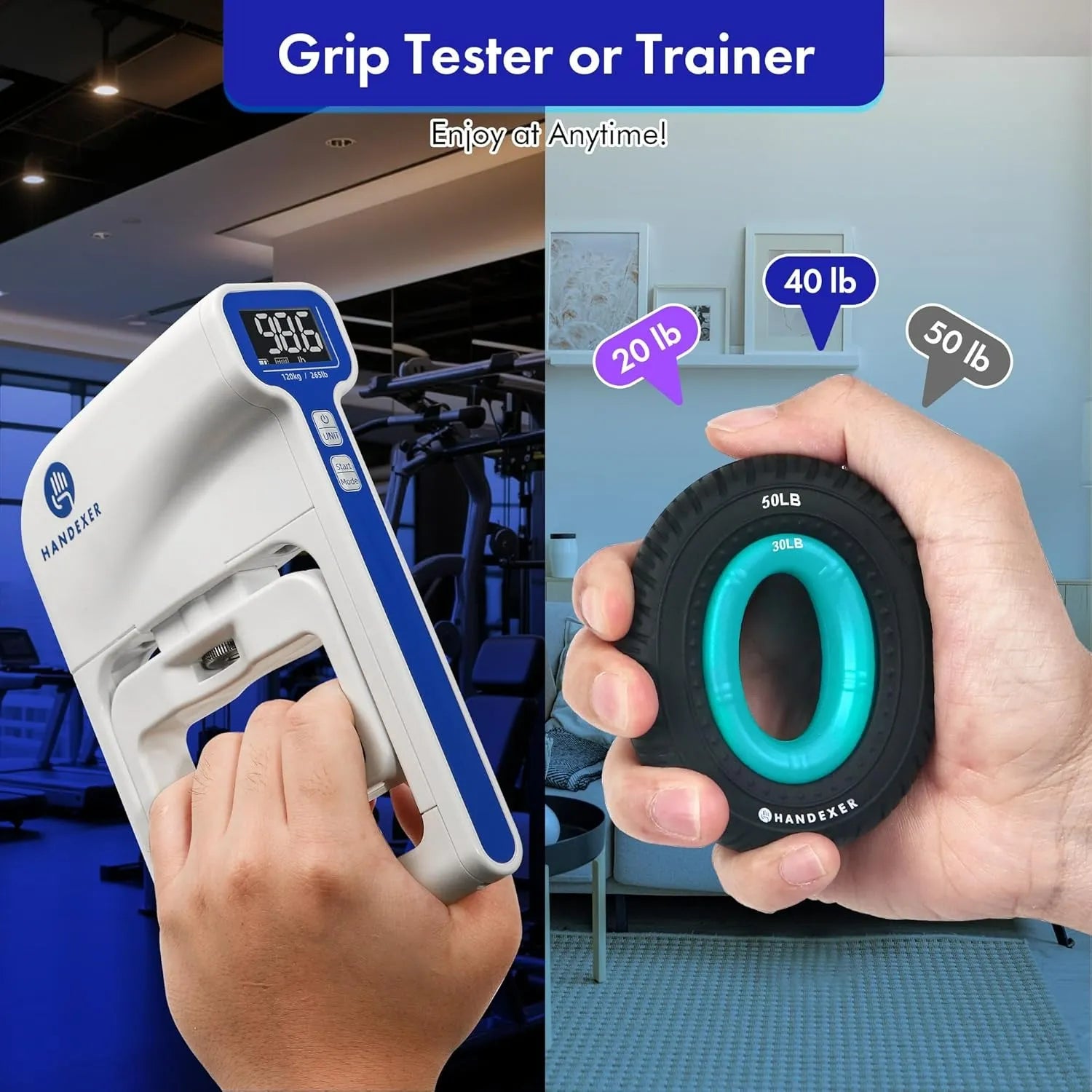
Without data, it is impossible to know. Using a digital hand dynamometer allows you to objectively assess your baseline grip strength. By capturing accurate, measurable data, you can see your true starting point. If your grip strength remains stable despite a pain flare-up, you can reassure yourself that you are not losing function—a powerful tool for reducing anxiety.
2. Train with Purpose
Once you know your baseline, you can begin to train safely. The goal is not to push through sharp pain, but to gradually expose your hands, wrists, and forearms to load.
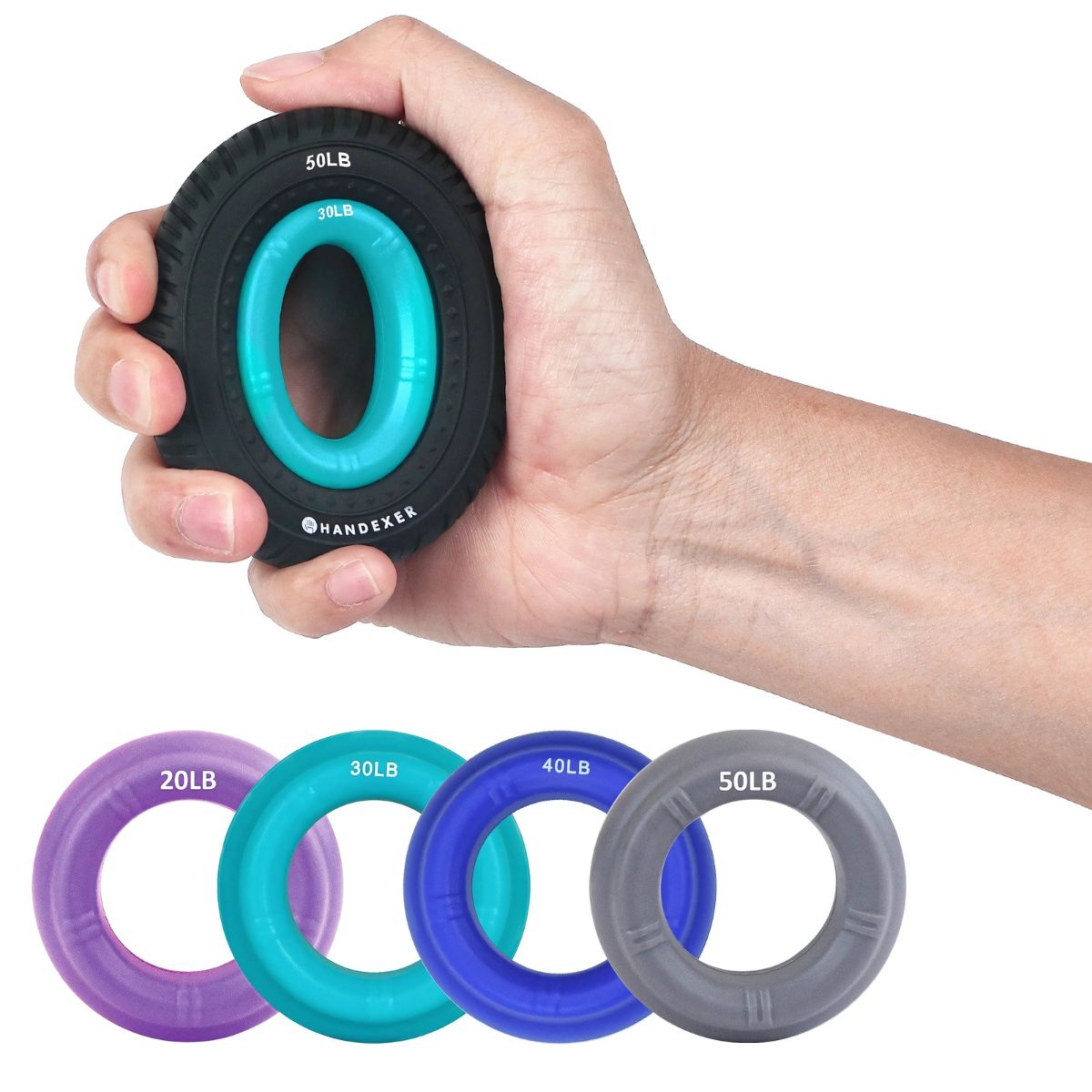
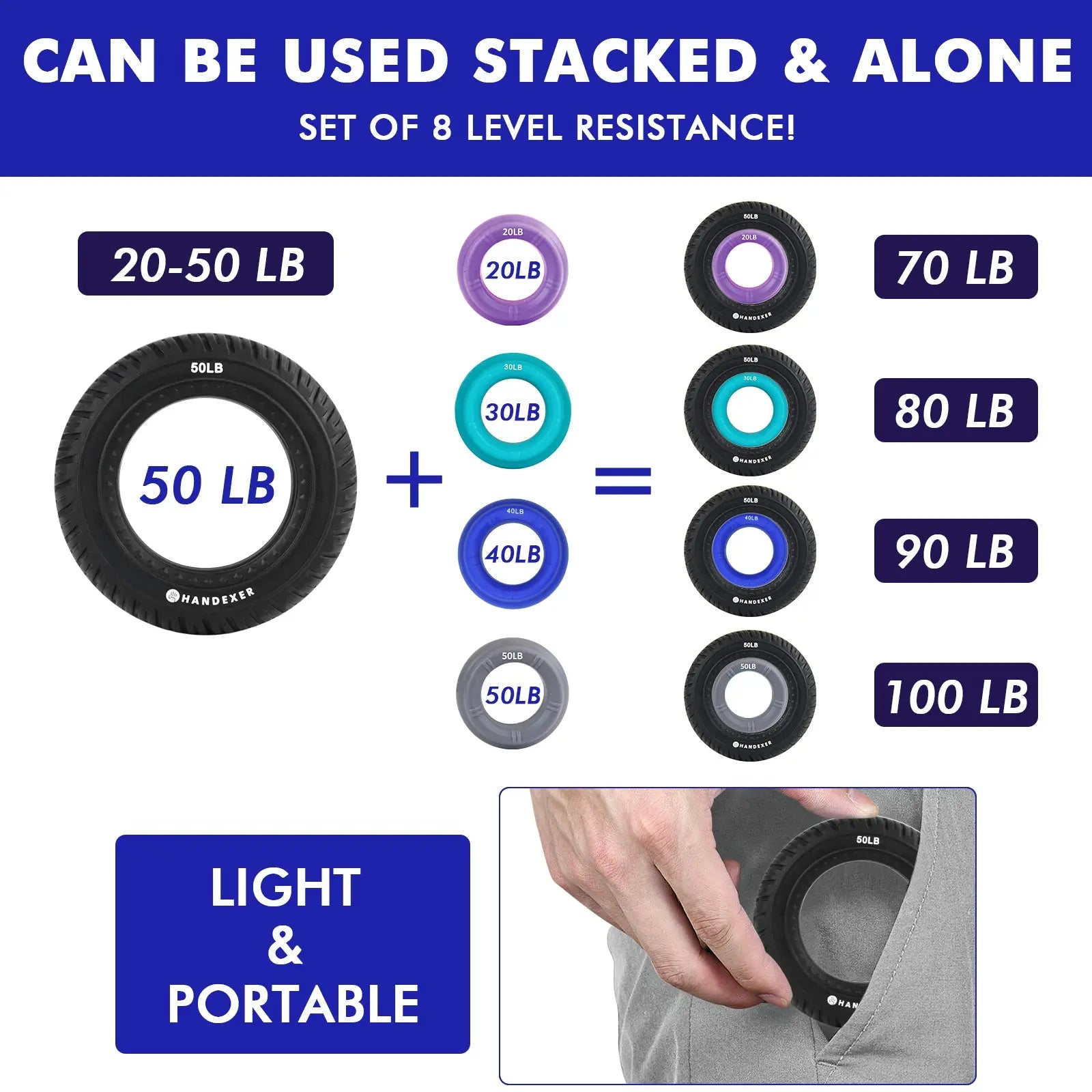
Rather than blindly squeezing high-resistance fitness gadgets that might aggravate your symptoms, opt for purposeful training routines. Start with low-level resistance that focuses on stability, functional movement, and building strength that matters for your specific instrument.
3. Recover with Confidence
Recovery from RSI is rarely a perfectly straight line. There will be good days where you can play for an hour, and bad days where typing feels stiff.
This is where tracking your progress becomes your greatest asset. By consistently monitoring your hand strength and functional metrics over time, you create a tangible record of your improvement. Progress you can prove helps you stay patient, objective, and confident that your rehabilitation plan is working.
Conclusion: Your Hands Matter More Than You Think
Overcoming RSI is not about finding a overnight miracle cure; it is about taking control of your hand health. By shifting your mindset from avoiding pain to actively building function, you can guide your hands back to doing what they love.
Take the guesswork out of your recovery. Assess your baseline, train with intention, and track your hand health every step of the way.
👉 Ready to recover with confidence? Explore our professional hand assessment and training tools today.
FAQ
Q1:Can musicians fully recover from RSI?
Yes, many musicians successfully recover from RSI. The key is often transitioning from passive treatments (like prolonged rest and icing) to active, progressive strengthening and regular hand function assessment.
Q2:Why does my hand feel weak even if medical scans are normal?
Pain itself can reduce muscle activation. Your brain may temporarily limit force output to protect sensitive areas, even when no major structural damage exists.
Q3:Should I completely stop playing during RSI recovery?
Not always. In many chronic RSI cases, complete avoidance can increase sensitivity and reduce tissue capacity. Controlled, gradual exposure is often more effective than total rest.
Q4:Why do my symptoms flare up even after improvement?
Temporary flare-ups are common during recovery and do not always mean new damage. Factors like stress, sleep, workload, and sudden increases in playing volume can temporarily increase nervous system sensitivity.






Share:
Why Grip Strength Declines So Quickly After Inactivity (And How to Recover It)
Grip Endurance Training: Why You Can Lift Heavy but Can’t Hold It (and How to Fix It)