
Handexer Blogs
Grip Strength and Hand Health
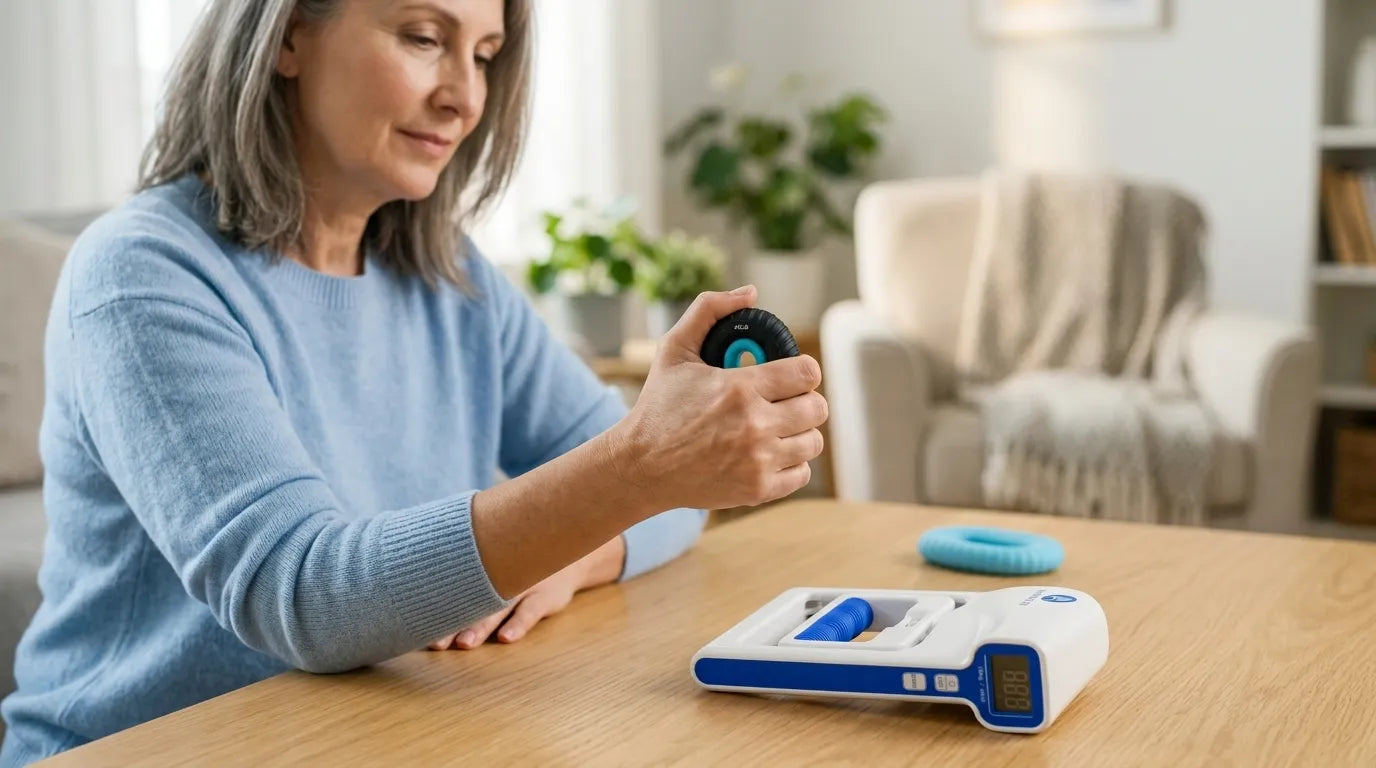
8 Best Hand Exercises for Stroke Recovery
This article introduces 8 effective hand exercises for stroke recovery designed to improve strength, mobility, and coordination. It explains how neuroplasticity supports rehabilitation and provides a structured approach to hand therapy, including stretching, tendon glides, thumb opposition, and functional training. Ideal for stroke survivors seeking to rebuild hand function at home through consistent, guided rehabilitation and progress tracking.
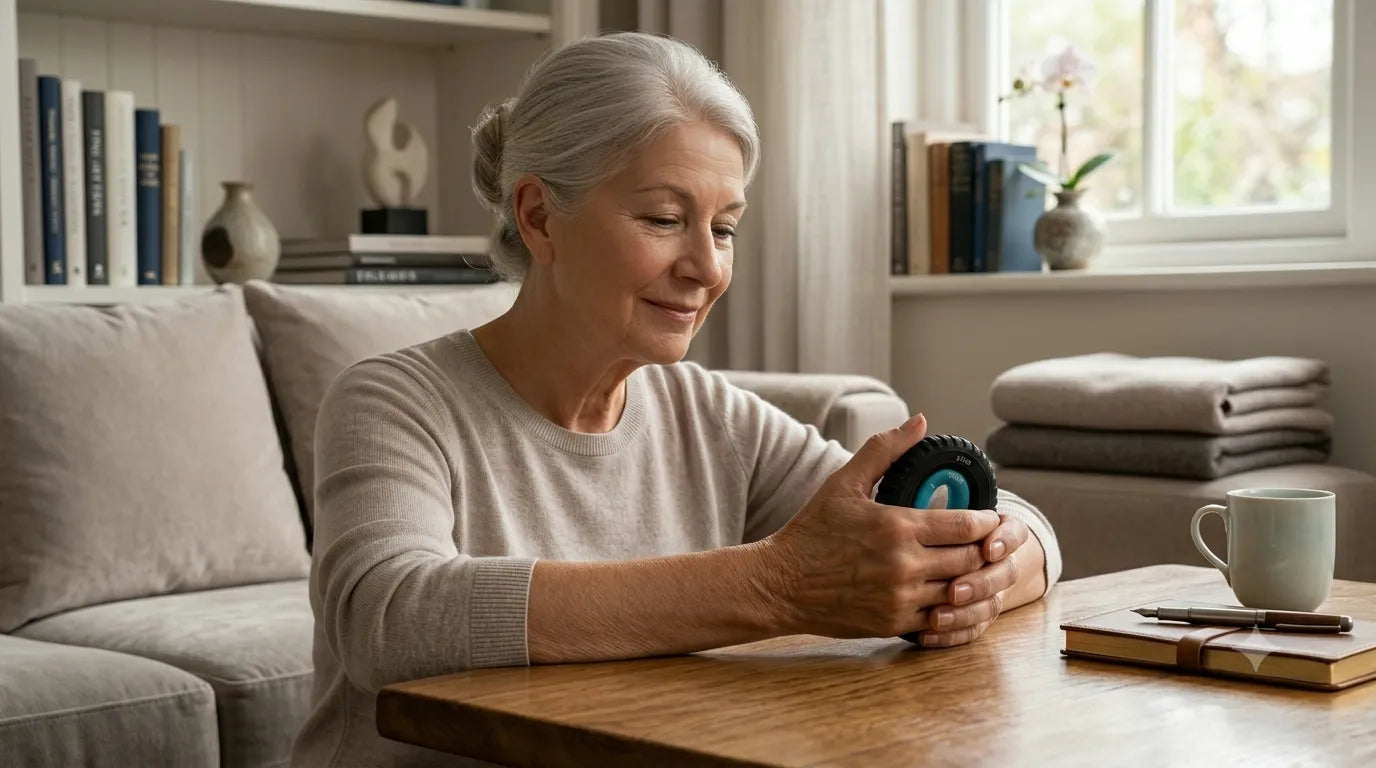
How to Use Grip Rings for Hand Strength Training
Discover how to use grip rings to effectively build hand strength and improve dexterity. This guide outlines professional, progressive techniques suitable for rehabilitation, senior health, and daily functional improvement. Learn how to transition from basic squeezing to targeted finger-strengthening exercises to achieve meaningful, measurable results in your hand health journey.
Read moreabout How to Use Grip Rings for Hand Strength Training
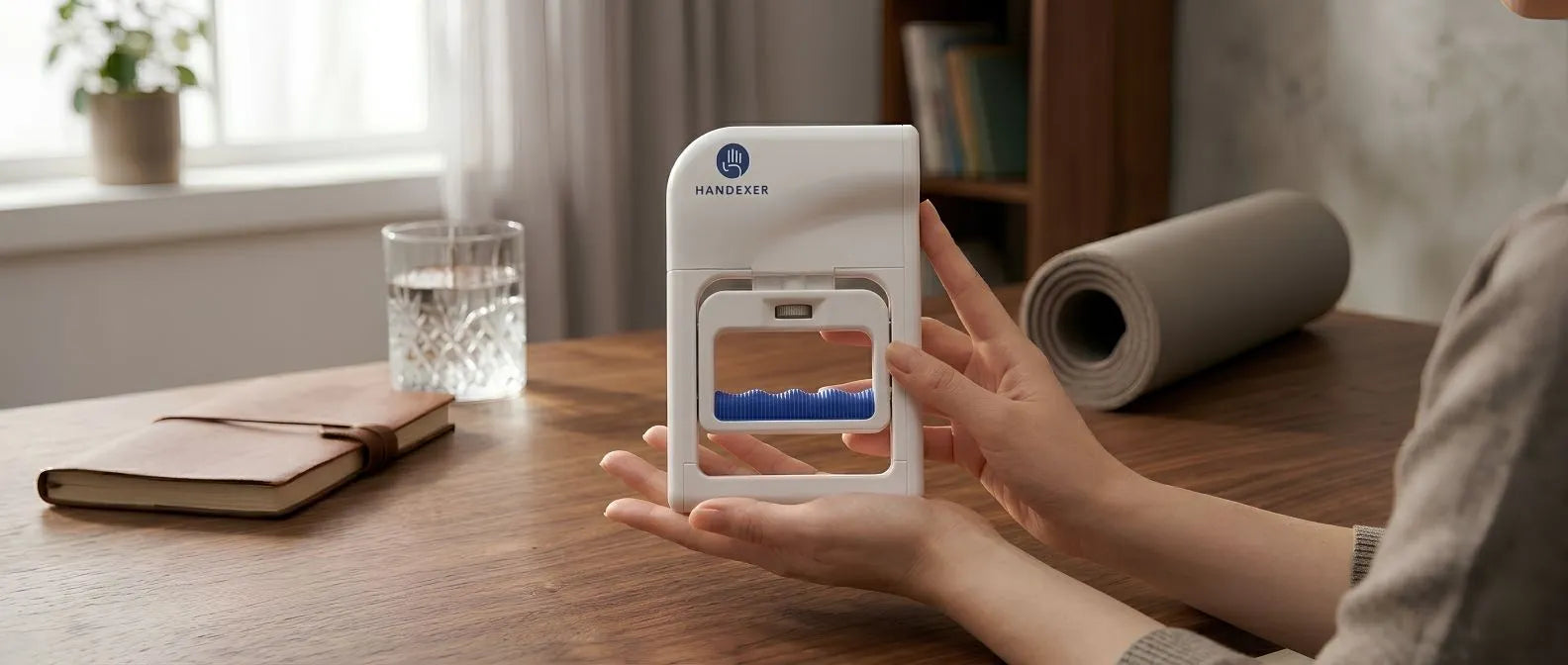
Grip Endurance Training: Why You Can Lift Heavy but Can’t Hold It (and How to Fix It)
Grip stamina is the ability of hand muscles to perform under load without metabolic failure. Unlike max strength, it relies on the density of the forearm's capillary network. This guide introduces the Handexer framework—Assessment, Training, Recovery, and Tracking—to help users move from "getting pumped" to achieving sustained functional power through the science-based ARC protocol.
Read moreabout Grip Endurance Training: Why You Can Lift Heavy but Can’t Hold It (and How to Fix It)

RSI Recovery for Musicians: How to Regain Hand Function and Play Without Fear
For musicians, Repetitive Strain Injury (RSI) can feel like a career-ending diagnosis. This guide explores why traditional passive treatments often fail and how chronic pain differs from structural damage. Discover how to safely regain hand function by replacing guesswork with Handexer’s approach: clear measurement, purposeful training, and data-driven recovery tracking.
Read moreabout RSI Recovery for Musicians: How to Regain Hand Function and Play Without Fear
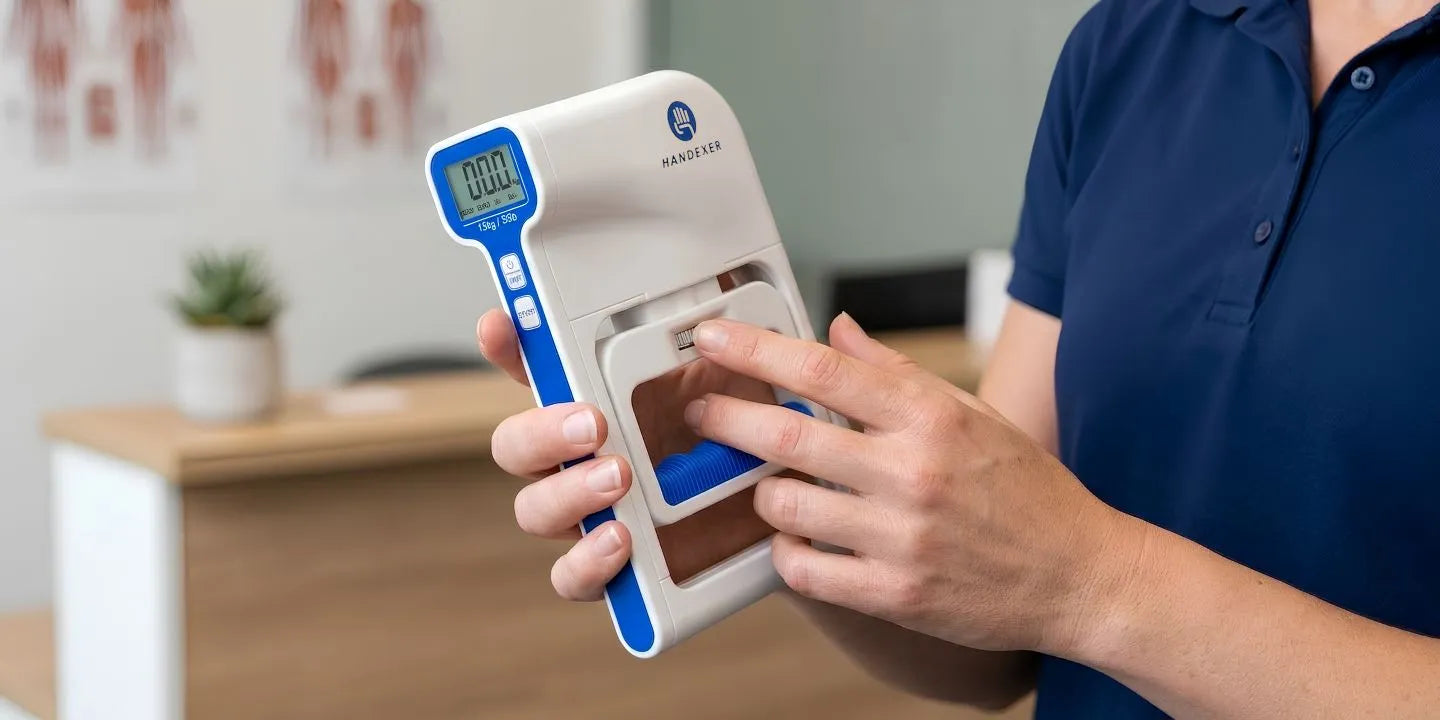
Why Grip Strength Declines So Quickly After Inactivity (And How to Recover It)
Have you ever noticed that after a few weeks of inactivity, your hand strength is the first thing to disappear? This rapid decline isn't just about muscle loss—it's tied directly to your central nervous system. In this article, we explain why highly innervated hand muscles detrain so quickly and how a structured approach of assessing, training, and tracking can help you recover your hand function with confidence.
Read moreabout Why Grip Strength Declines So Quickly After Inactivity (And How to Recover It)
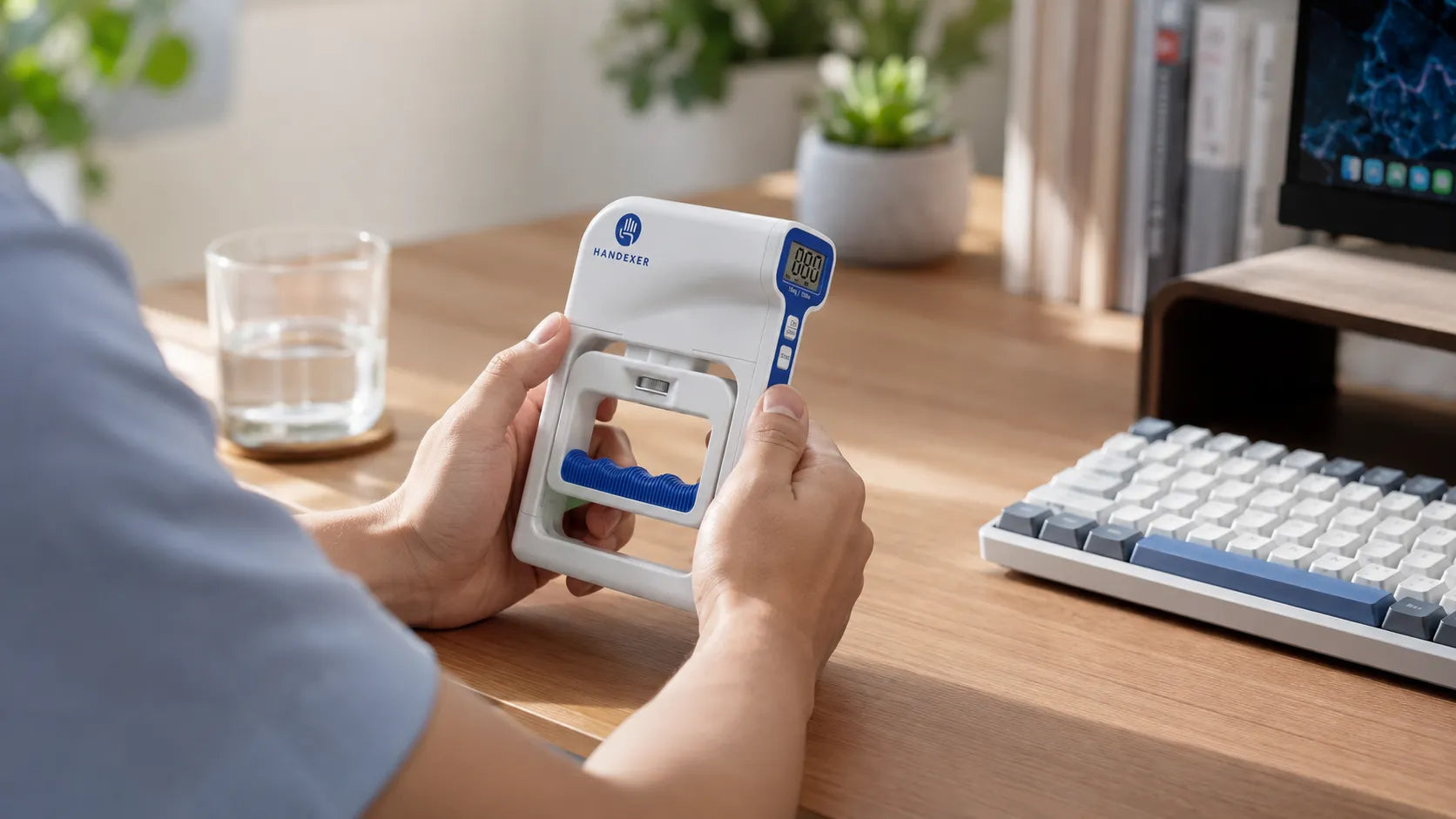
Gaming Hand Pain Recovery: Guide to Fix Wrist & Hand Pain from Gaming
Wrist and hand pain from gaming is often misdiagnosed as Carpal Tunnel Syndrome, leading to outdated advice like complete rest. However, resting actually weakens tendons. This article explains the "Hand Healthbar" concept, detailing how gamers can resolve hand pain through progressive loading and careful load management. By assessing baseline strength, training with purpose, and tracking recovery, gamers can rebuild tissue capacity and safely return to play. Discover how professional hand health strategies can help you play longer and recover with confidence.
Read moreabout Gaming Hand Pain Recovery: Guide to Fix Wrist & Hand Pain from Gaming
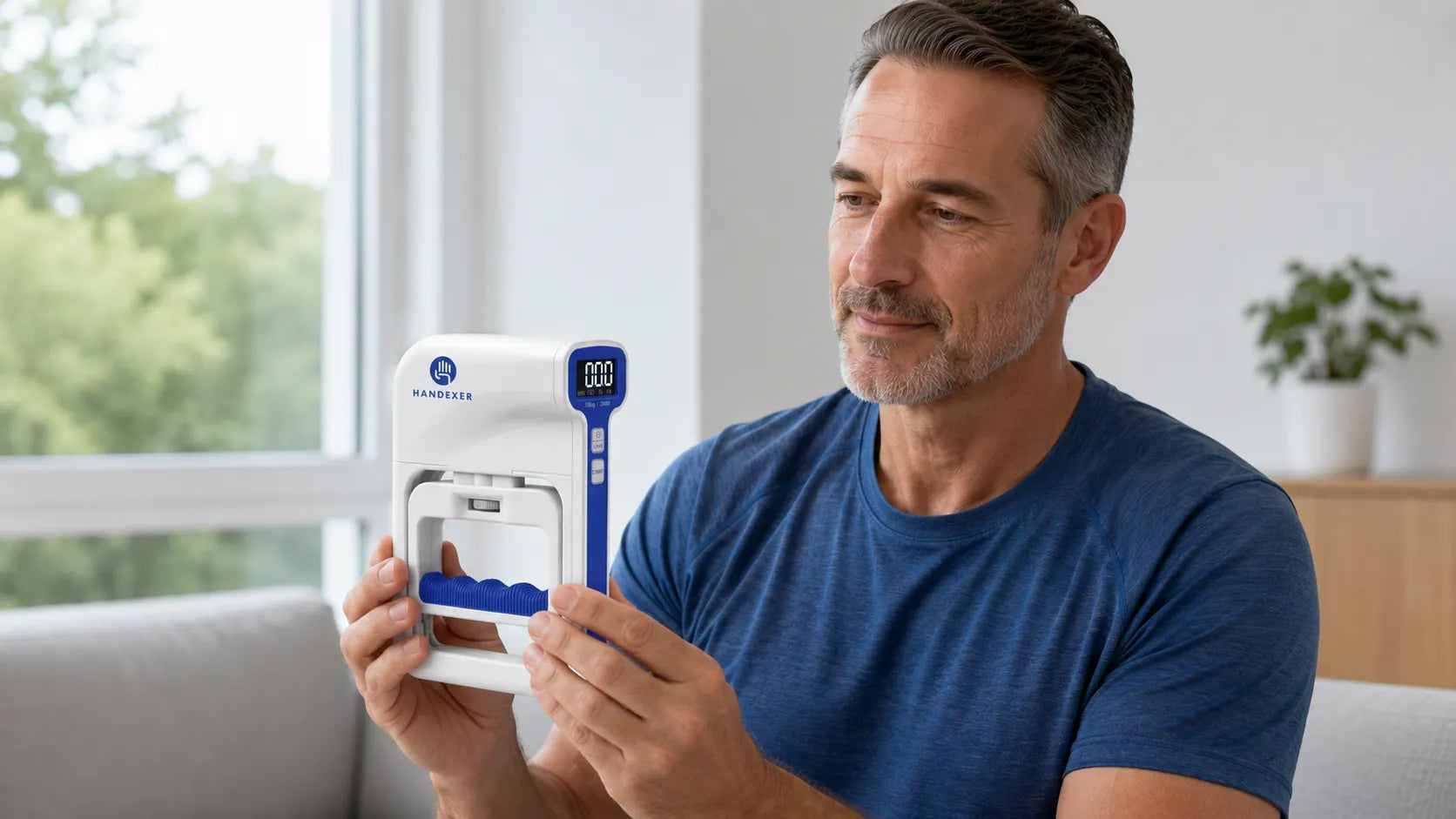
Fix Tennis Elbow Fast: Exercises, Stages & Recovery Strategy Backed by Science
Struggling with tennis elbow that won't go away? Traditional treatments like rest and braces often provide only temporary relief because they ignore the root cause: a structural endurance deficit in your tendons. This guide breaks down why tennis elbow is a repetitive strain injury (RSI) and outlines a progressive, 3-phase recovery plan. Learn how to accurately assess your baseline, train with purpose using eccentric loading, and track your functional recovery to confidently overcome lateral epicondylitis.
Read moreabout Fix Tennis Elbow Fast: Exercises, Stages & Recovery Strategy Backed by Science
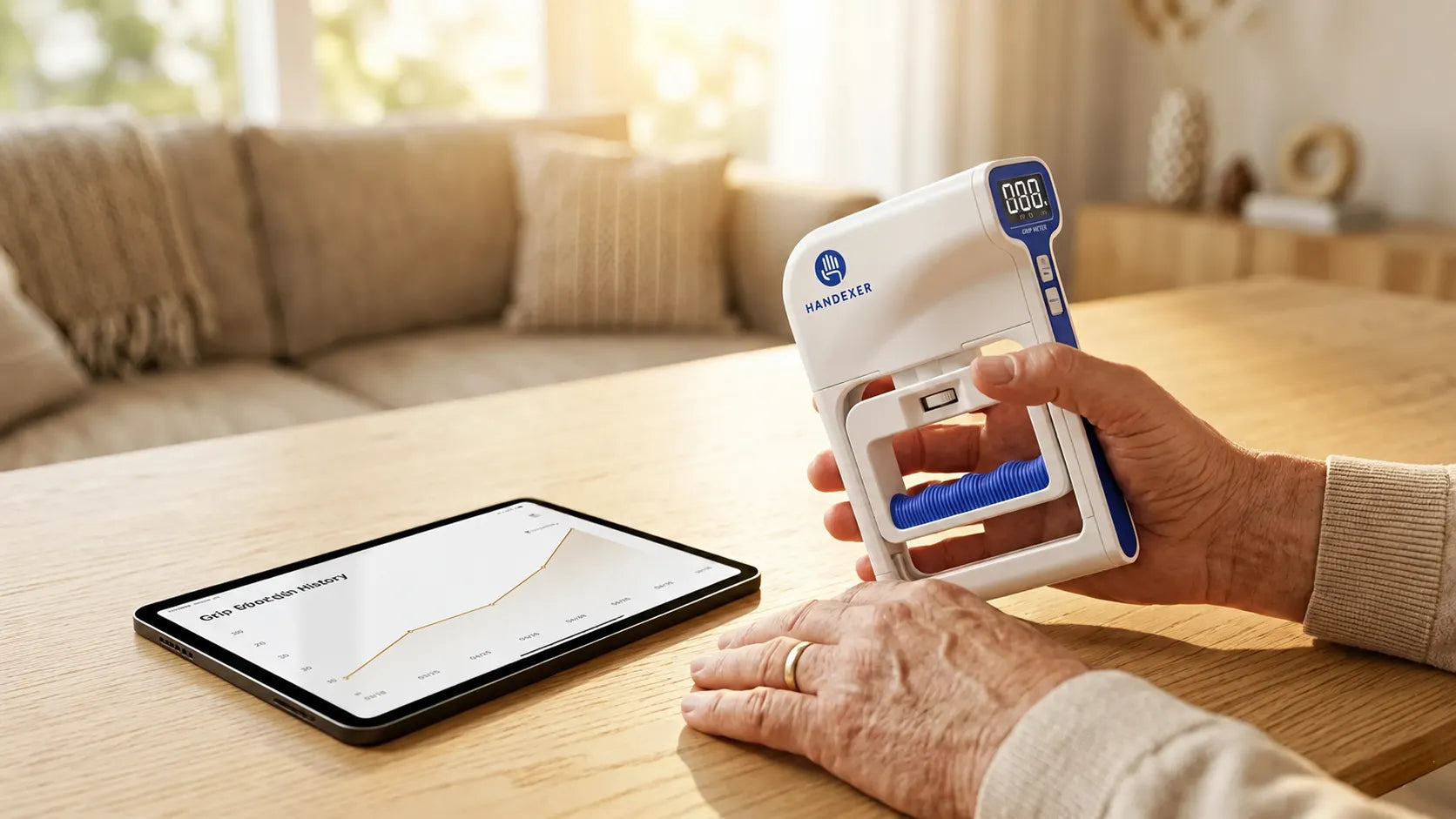
Recover Hand Function After Stroke at Home: A Practical, Step-by-Step Recovery Guide
Recovering hand function after a stroke is possible with the right approach. This guide explains how the brain relearns movement, why repetition and daily use matter, and how to build a structured home recovery plan. Learn practical exercises, common mistakes to avoid, and how tracking your progress can improve outcomes and confidence over time.
Read moreabout Recover Hand Function After Stroke at Home: A Practical, Step-by-Step Recovery Guide
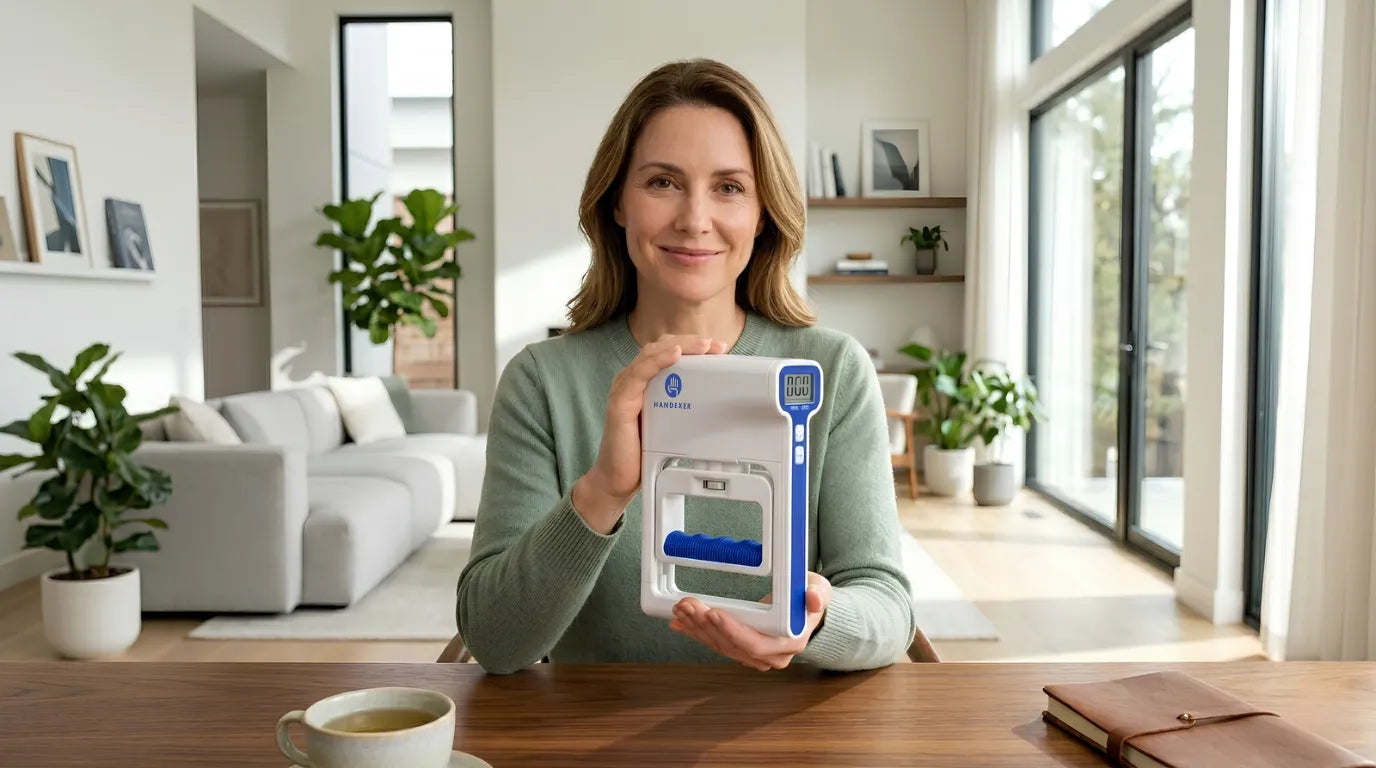
Are Hand Grippers Effective?The Truth About Building Real Hand Function
Many people wonder if hand grippers are effective for building strength. While traditional grippers are excellent for testing your crushing grip, mindless squeezing often leads to joint strain and stalled progress. True hand health requires a structured approach: assessing your baseline, training with clear goals, and prioritizing recovery. This guide explores the pros and cons of hand grippers and explains how modern, measurement-focused tools can help you build real, functional hand strength safely and reliably.
Read moreabout Are Hand Grippers Effective?The Truth About Building Real Hand Function