
Handexer Blogs
Grip Strength and Hand Health
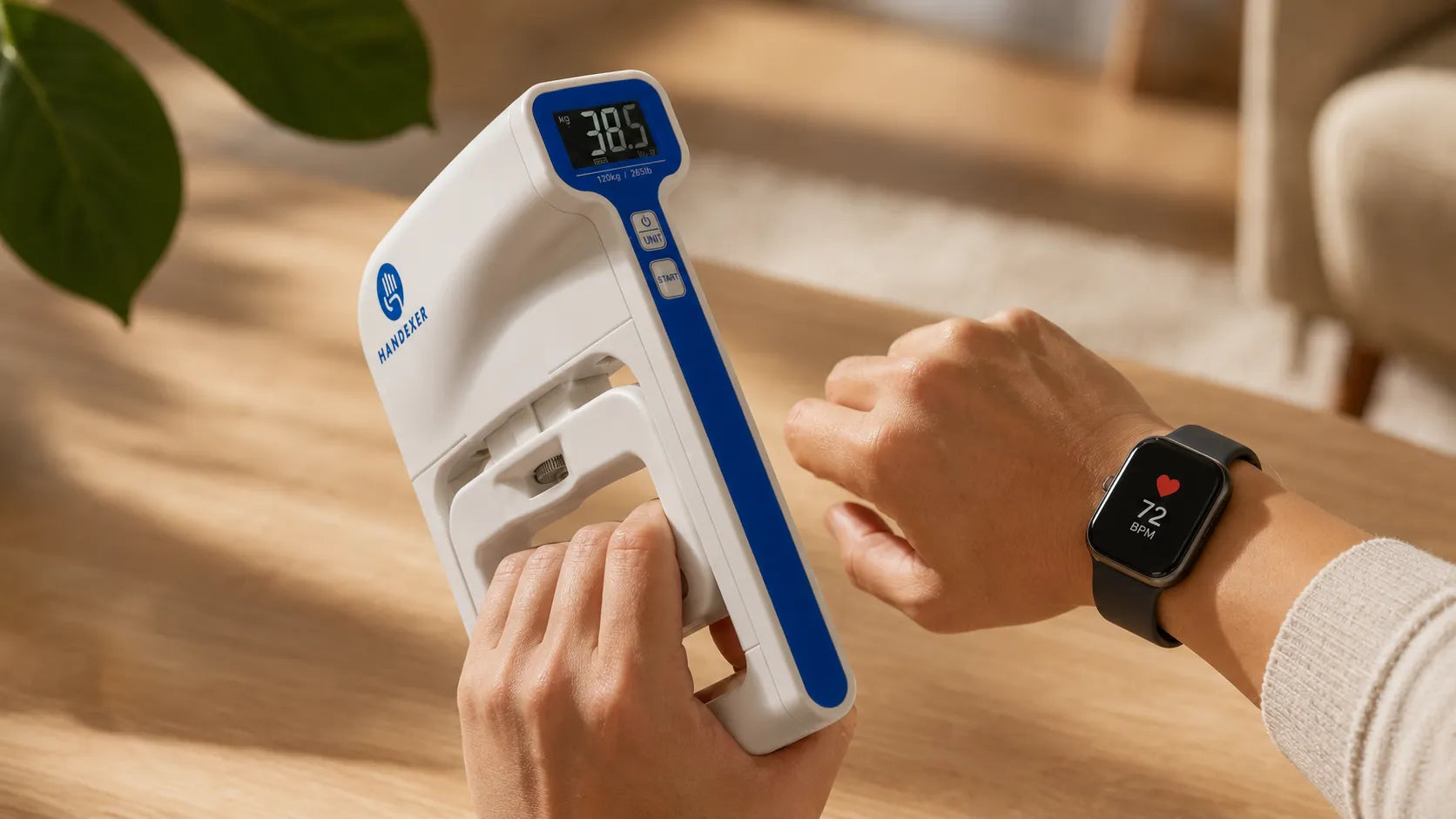
Don’t Just Watch Your Heart Rate! What a 10-Second Grip Strength Test Reveals About Your Heart
Grip strength is more than a measure of hand power—it may provide valuable insights into overall physical health and cardiovascular wellness. This article explores the science behind the connection between grip strength and heart health, explains how to measure your baseline at home, and introduces isometric handgrip training. Learn how a digital hand dynamometer can help track strength trends and support smarter wellness decisions.
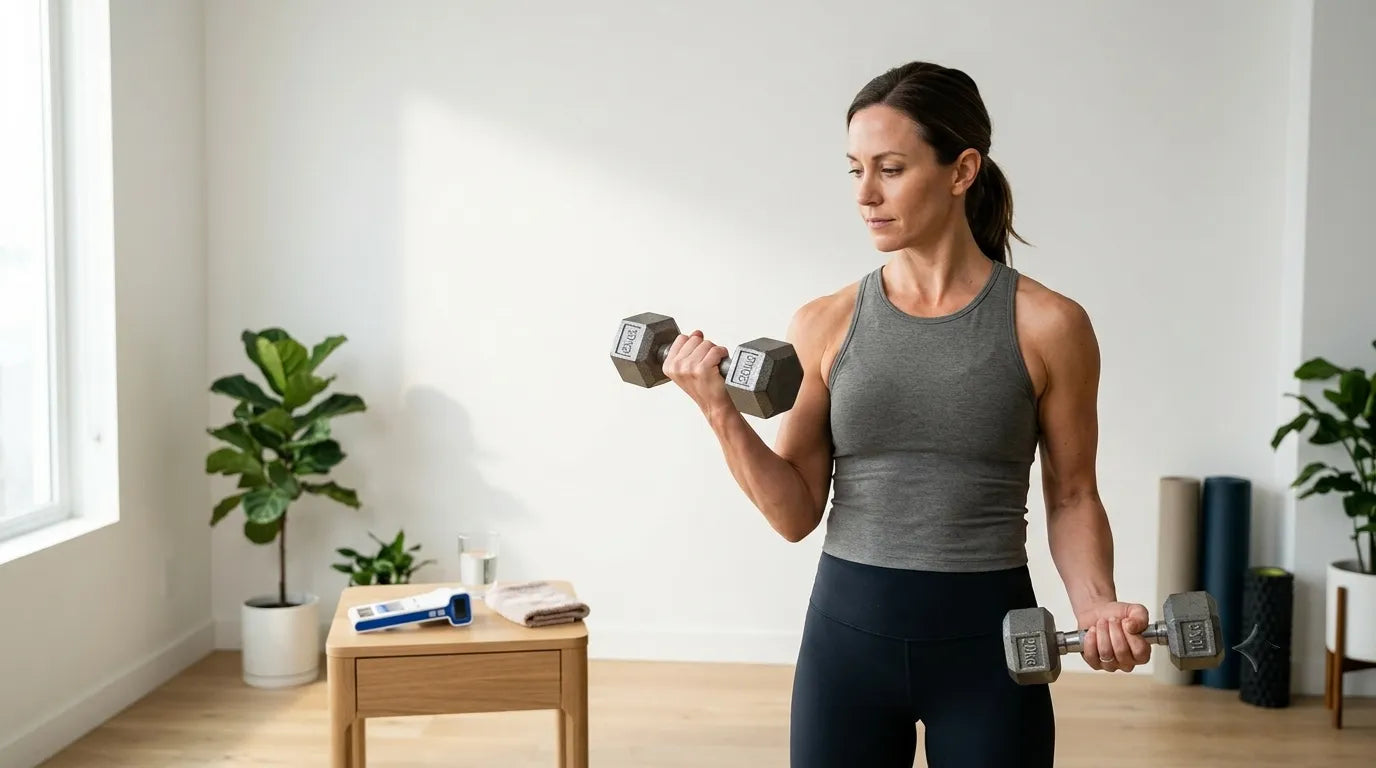
Why is One Hand Stronger Than the Other? How to Fix Grip Strength Imbalance Safely
Grip strength imbalance is common after injury, overuse, or everyday habits. This guide explains why one hand may be stronger than the other, how the cross-education effect supports recovery, and practical ways to rebuild strength safely. Learn how to measure grip strength, train each hand appropriately, monitor progress, and avoid overtraining with a digital hand dynamometer.
Read moreabout Why is One Hand Stronger Than the Other? How to Fix Grip Strength Imbalance Safely
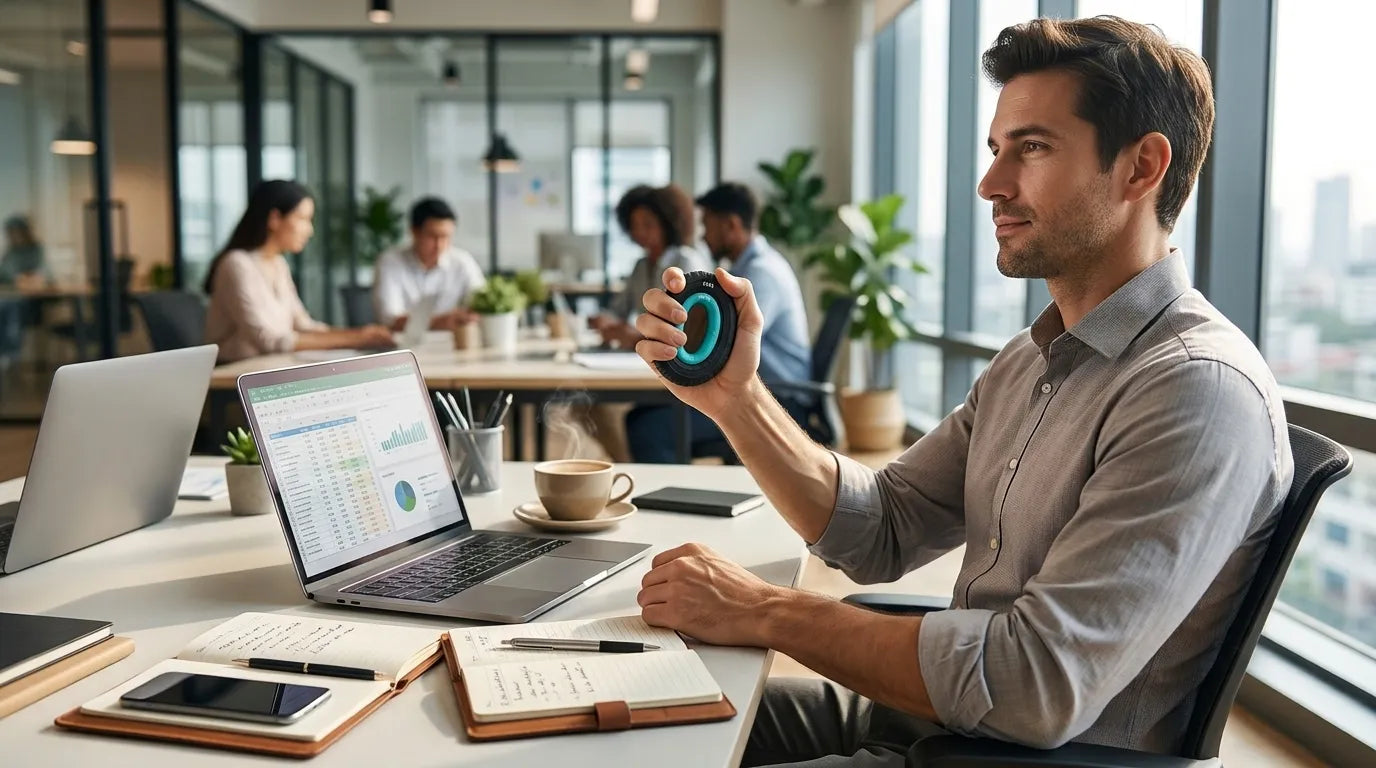
Micro Grip Strength Workouts: 10-Minute Hand Grip Exercises for Busy People
Discover how to improve your grip strength with simple micro workouts that fit into your everyday routine. This guide explores easy hand grip exercises you can do at your desk, during commutes, or anywhere with minimal equipment. Learn why grip strength matters, how to build hand and forearm endurance, and how to track your progress with effective training methods. Whether you want better athletic performance, stronger hands, or a smarter way to stay active, these practical grip training strategies help you make every moment count.
Read moreabout Micro Grip Strength Workouts: 10-Minute Hand Grip Exercises for Busy People
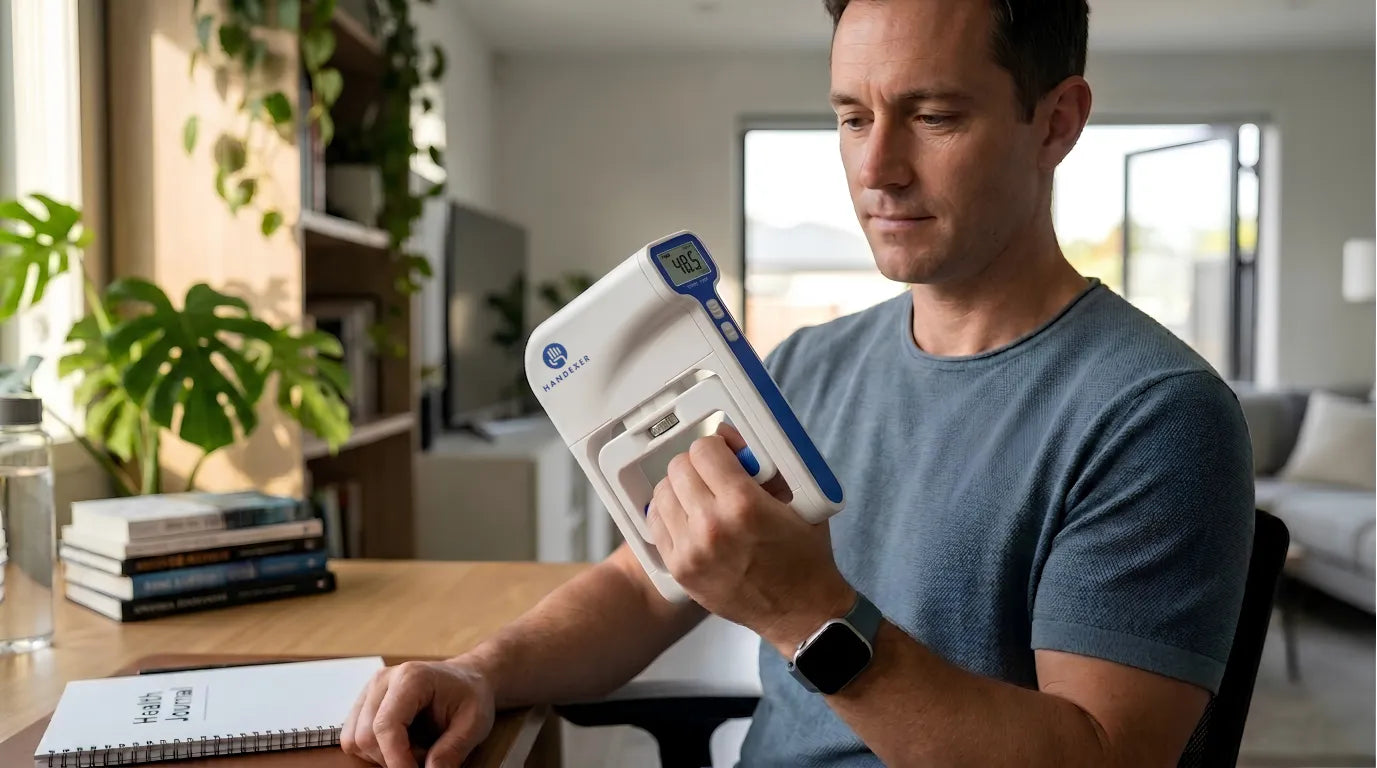
From Visceral Fat to Insulin Sensitivity: How the Number in Your Palm Reveals Your Metabolic Age
Grip strength is more than a measure of hand power—it can provide valuable insights into muscle quality, functional fitness, and overall metabolic health. This article explores the connection between grip strength, insulin sensitivity, visceral fat, and healthy aging, explaining why a simple hand dynamometer test may help track changes in your body over time. Learn how monitoring your grip strength baseline and using progressive grip training can support stronger muscles, better movement, and a healthier lifestyle.

Weak Grip From Office Work? How to Prevent Mouse Hand and Build Stronger Forearms
Prolonged computer use can weaken grip strength, contribute to mouse hand, and increase the risk of repetitive strain injuries. This guide explains why office work affects your forearm muscles and wrist health, how to recognize early warning signs, and practical ways to monitor, recover, and strengthen your hands. Learn evidence-based strategies to reduce discomfort, improve grip strength, and maintain long-term hand function.
Read moreabout Weak Grip From Office Work? How to Prevent Mouse Hand and Build Stronger Forearms
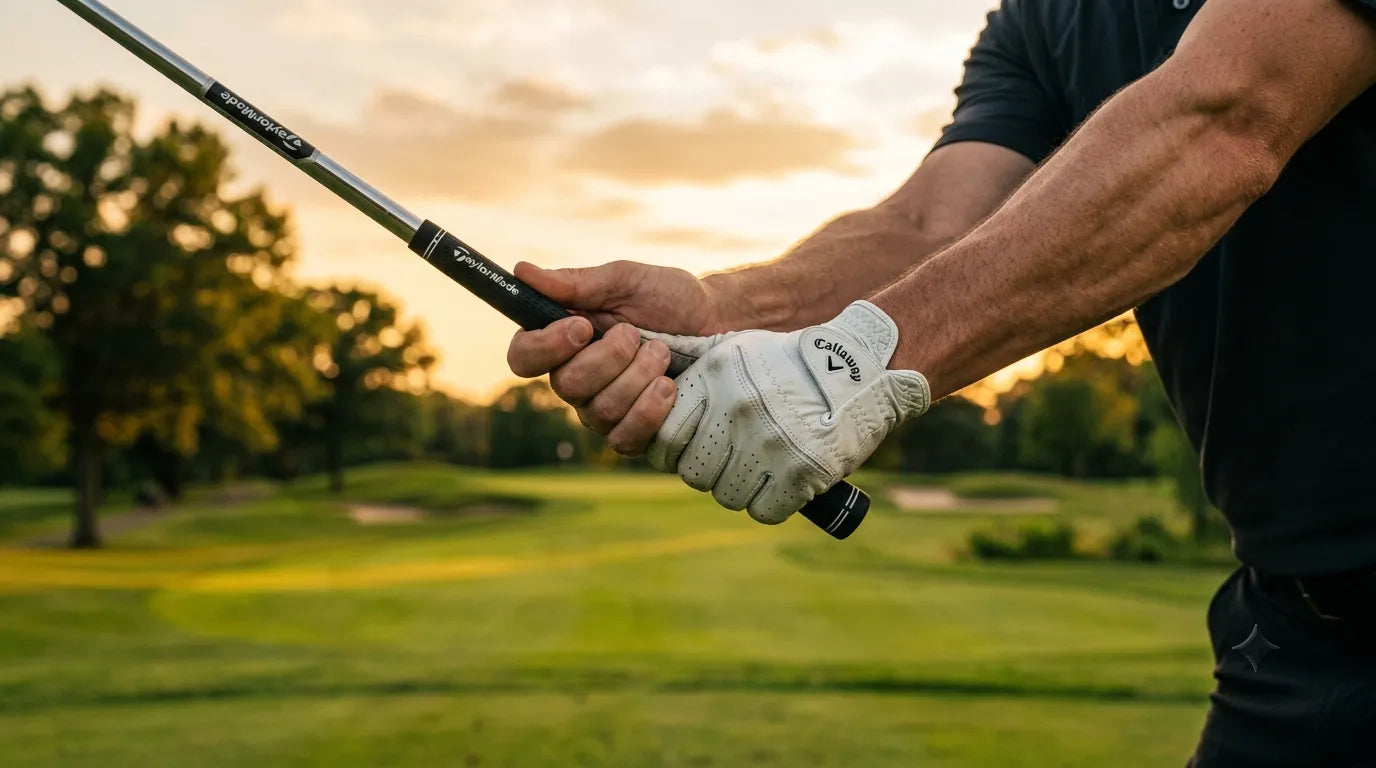
Golf Grip Strength: The Overlooked Key to Longer Drives
Grip strength plays a crucial role in golf performance, influencing swing speed, control, and driving distance. This article explains how functional hand training helps reduce tension, improve stability, and enhance power transfer through the swing. It also provides an 8-week progressive training plan designed to build endurance, dynamic control, and measurable improvements for more consistent and longer drives.
Read moreabout Golf Grip Strength: The Overlooked Key to Longer Drives
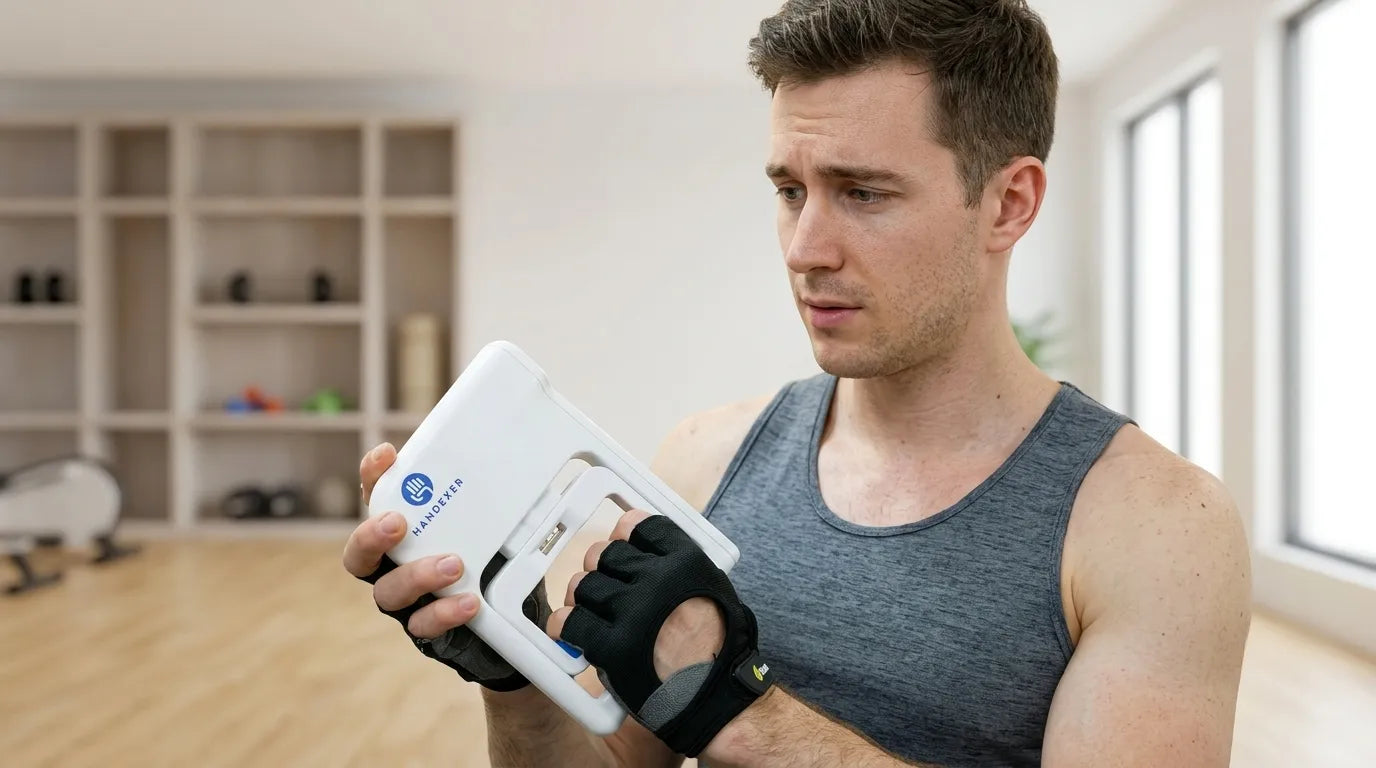
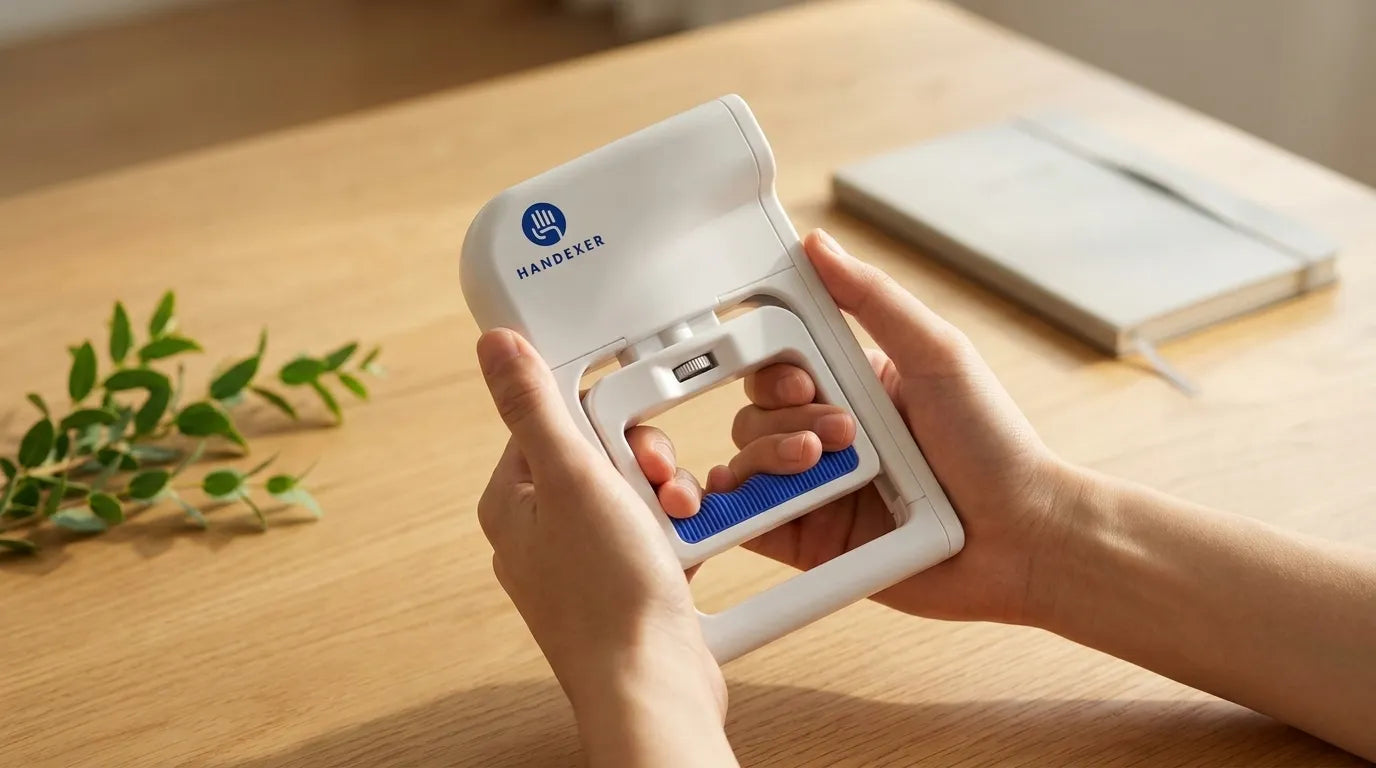
What 90 Days of Grip Strength Training Actually Changes (Before & After Results)
In a 90-day observational protocol involving adults aged 26–71, consistent 5–10 minute daily grip training improved grip strength by roughly 22–24% across participants. Benefits included reduced joint strain, delayed forearm fatigue, restored daily-task confidence, and better motor control in older adults. The article outlines a three-phase, 12-week hand-health roadmap focused on assessment, consistency, progressive overload, and progress tracking.
Read moreabout What 90 Days of Grip Strength Training Actually Changes (Before & After Results)
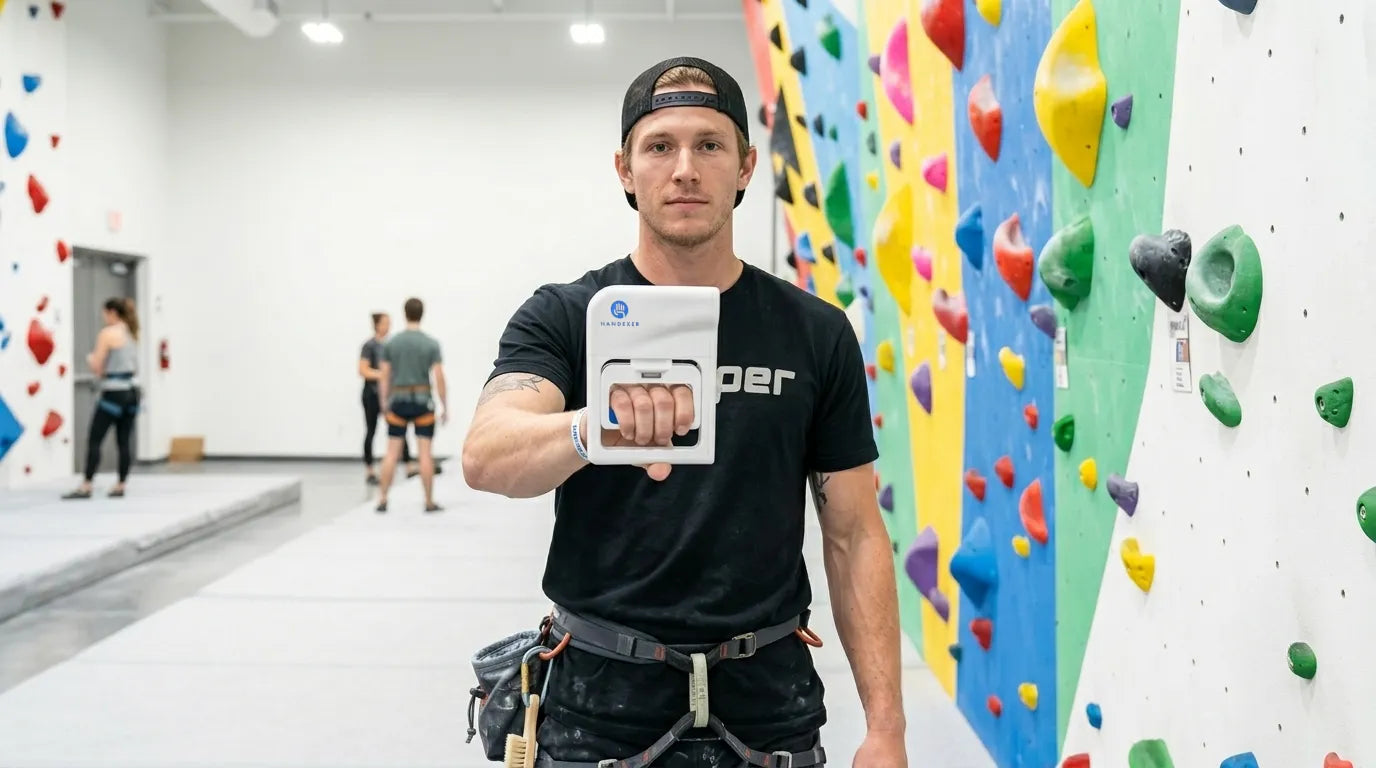
Climbing Finger Strength Training Guide: Injury Prevention, Recovery & Performance
Climbing finger strength training requires more than just hard sessions—it depends on recovery, tendon adaptation, and smart load management. This guide explains how climbers can build finger strength safely, prevent pulley injuries, and track progress using objective grip strength feedback for more consistent long-term performance and injury-free climbing.
Read moreabout Climbing Finger Strength Training Guide: Injury Prevention, Recovery & Performance