
Blogs de Handexer
Fuerza de agarre y salud de las manos
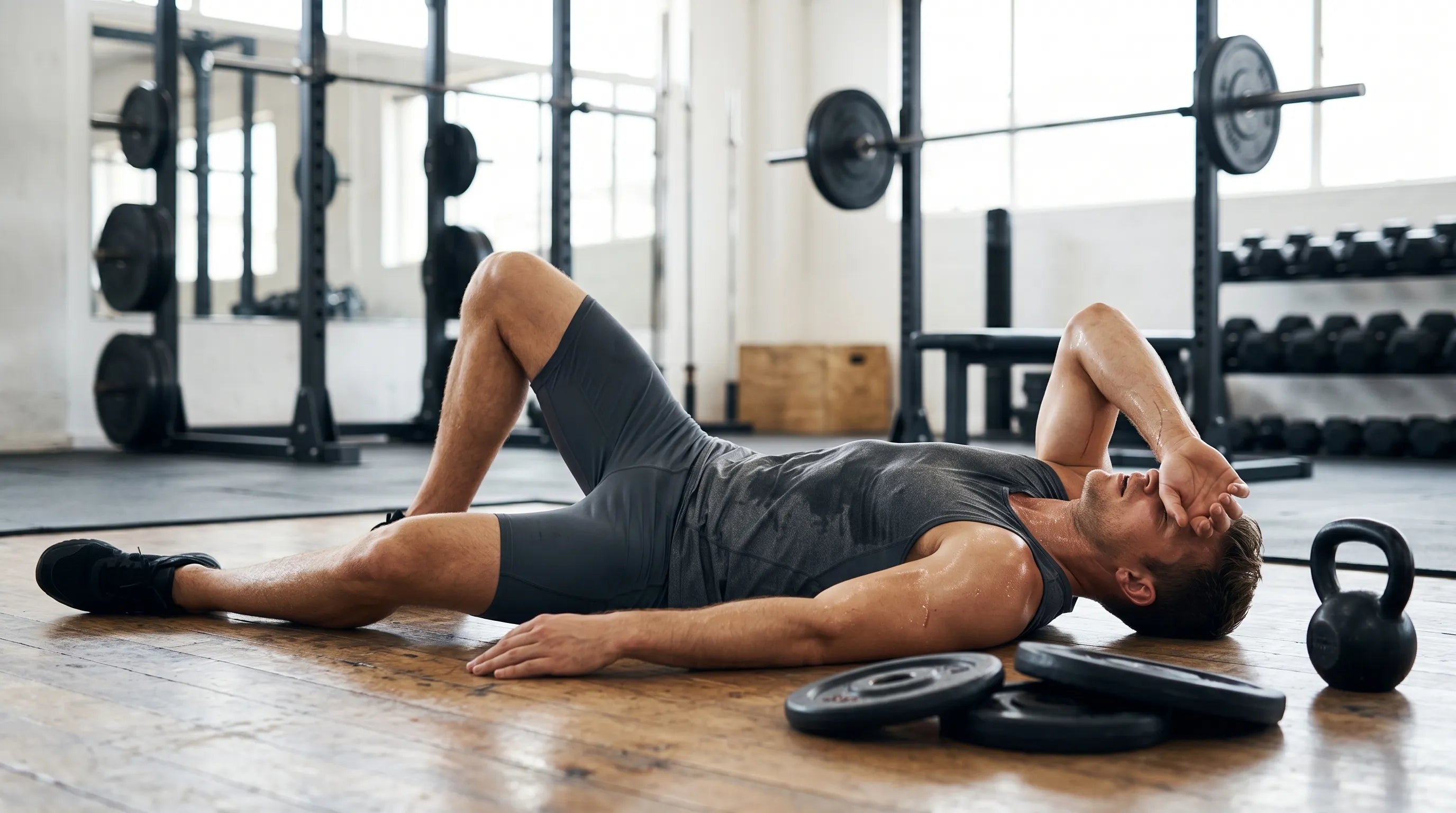
How to Tell If You Are Overtraining (And How to Track Recovery)
Recognizing overtraining requires balancing subjective signals like poor sleep and low motivation with objective physical metrics. By tracking daily recovery indicators alongside simple force tests, such as grip strength, active individuals can spot early fatigue trends, avoid performance burnout, and adjust their training loads safely.
Leer mássobre How to Tell If You Are Overtraining (And How to Track Recovery)
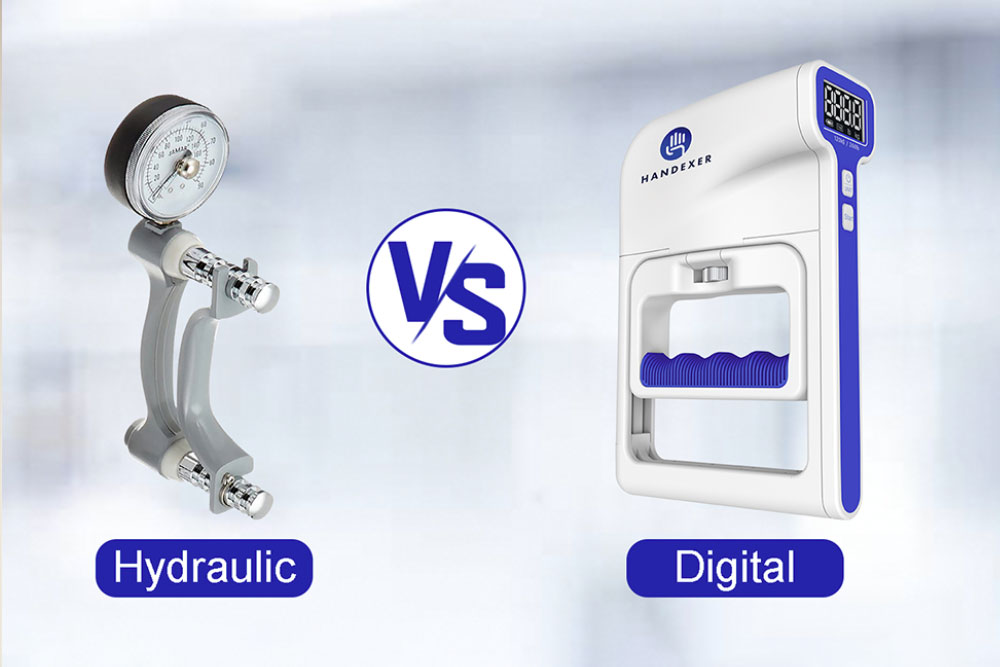
Dinamómetros de mano digitales vs. hidráulicos vs. de resorte: guía de compra comparativa 2026
¿Buscas un dinamómetro de agarre? Olvídate de los sistemas hidráulicos con fugas y los resortes mecánicos desgastados. Los dinamómetros digitales modernos con célula de carga ofrecen mediciones rápidas y muy precisas, sin complicaciones de calibración. Tanto si haces un seguimiento de tu salud a diario, te recuperas de una lesión o llevas tu rendimiento deportivo al límite, esta guía te ayuda a distinguir lo importante para encontrar la herramienta adecuada y medir la fuerza de tu agarre con confianza.
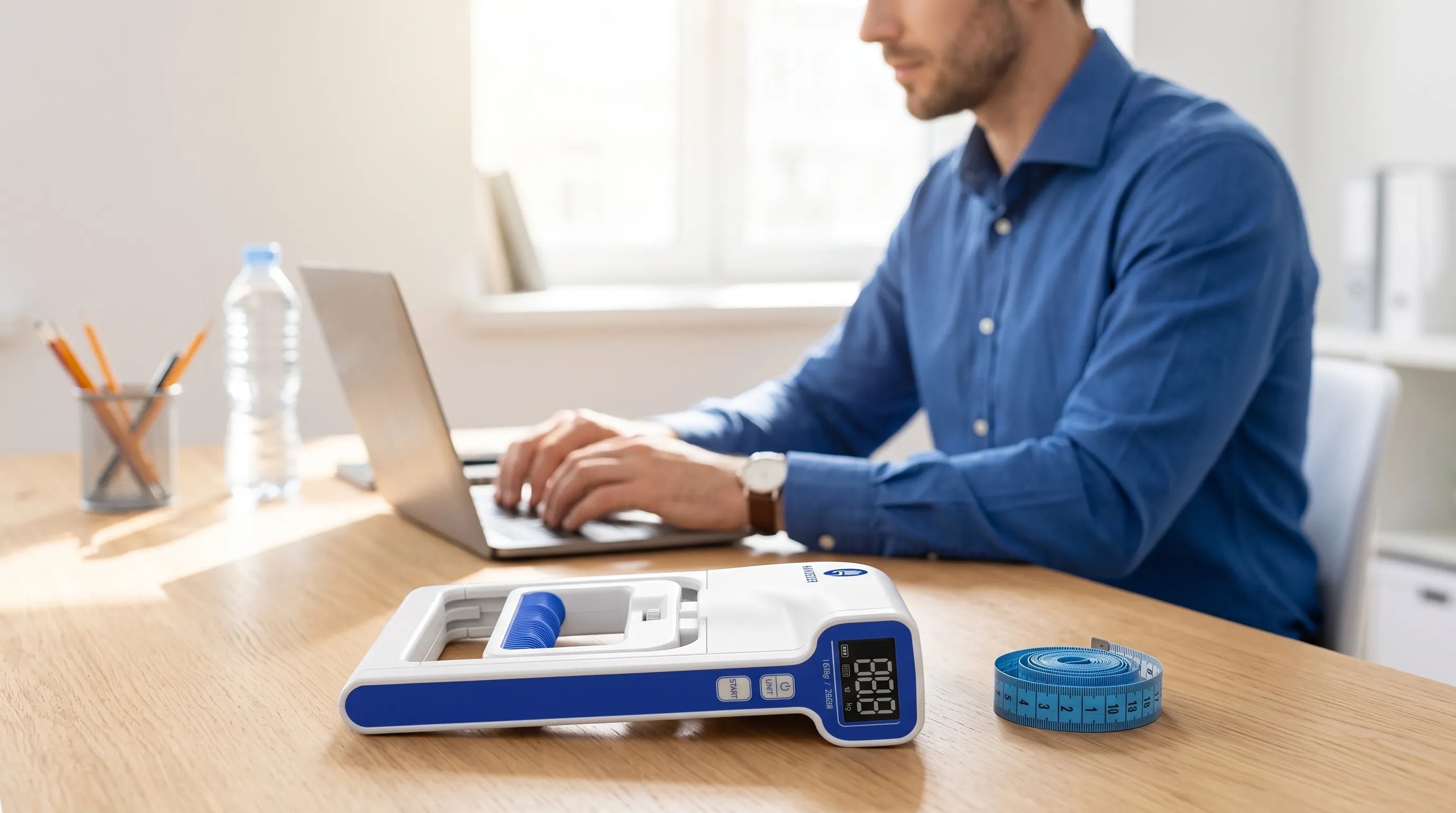
Are You Losing Muscle Mass? How to Screen Your Muscle Reserve at Home
Modern sedentary lifestyles often conceal silent muscle loss under a stable scale weight. As your body's vital metabolic engine, skeletal muscle supports blood sugar balance, brain health, and daily energy. Because muscle mass peaks before age 35, checking your baseline early helps protect long-term physical independence. Easily screen your muscle health at home using four simple markers: Age, BMI, Calf Size, and Digital Grip Strength.
Leer mássobre Are You Losing Muscle Mass? How to Screen Your Muscle Reserve at Home

How to Test Grip Strength at Home Accurately: Step-by-Step Guide & Norms
Learn how to test your hand grip strength at home accurately using a digital dynamometer following ASHT protocols. Check official age norms (20–70+) and track your scores online.
Leer mássobre How to Test Grip Strength at Home Accurately: Step-by-Step Guide & Norms
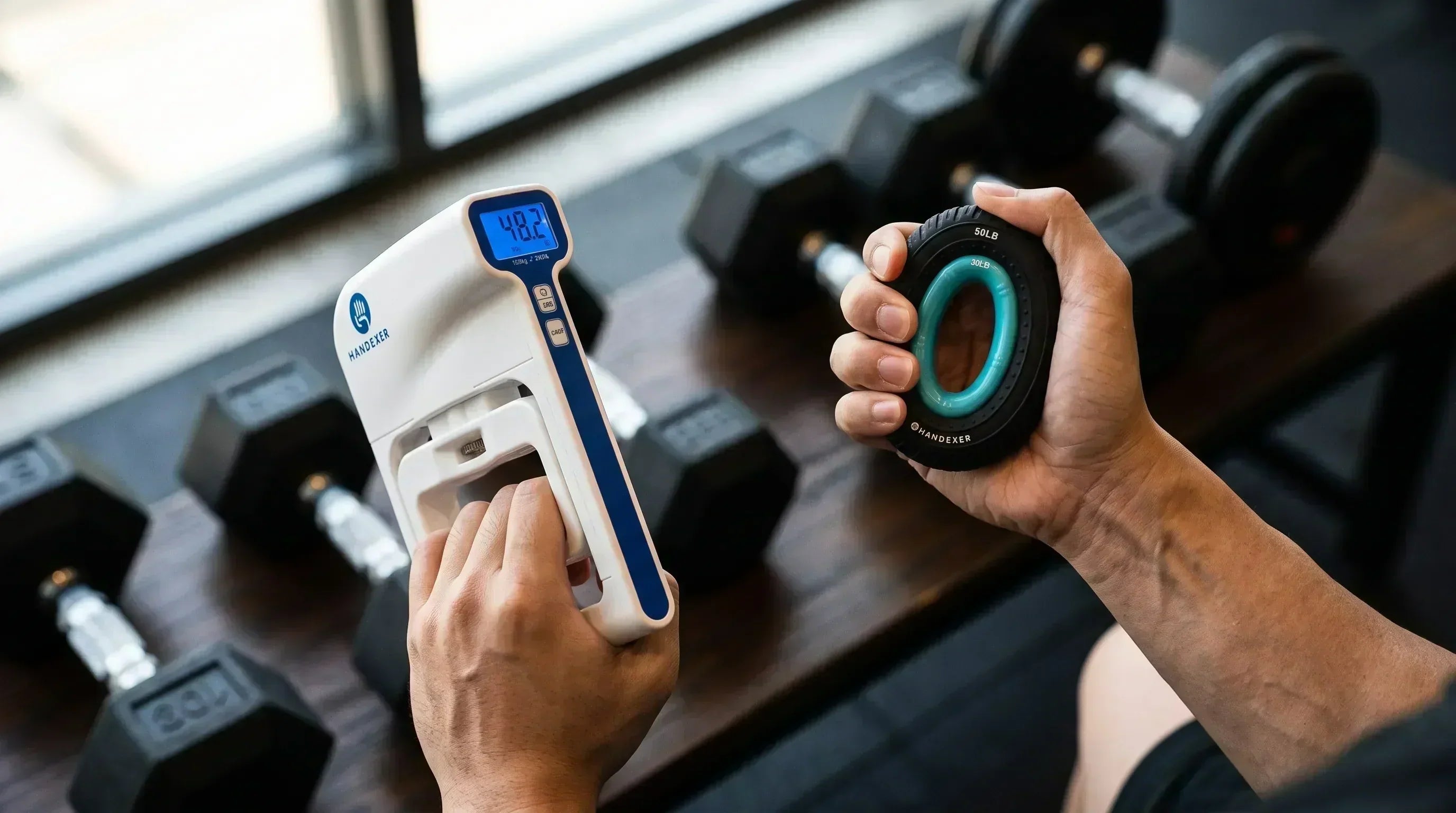
Crush, Pinch & Support Grip: Key Differences & How to Train
Grip strength is categorized into three biomechanical types: Crush (dynamic closure), Pinch (thumb-opposed precision), and Support (isometric holding endurance). Each grip relies on distinct hand and forearm muscle structures. Identifying your specific bottleneck through self-testing allows you to apply targeted training—such as hand squeezer exercises for Crush, wooden pinch blocks for Pinch, and heavy carries for Support. Tracking objective dynamometer output ensures consistent progress.
Leer mássobre Crush, Pinch & Support Grip: Key Differences & How to Train
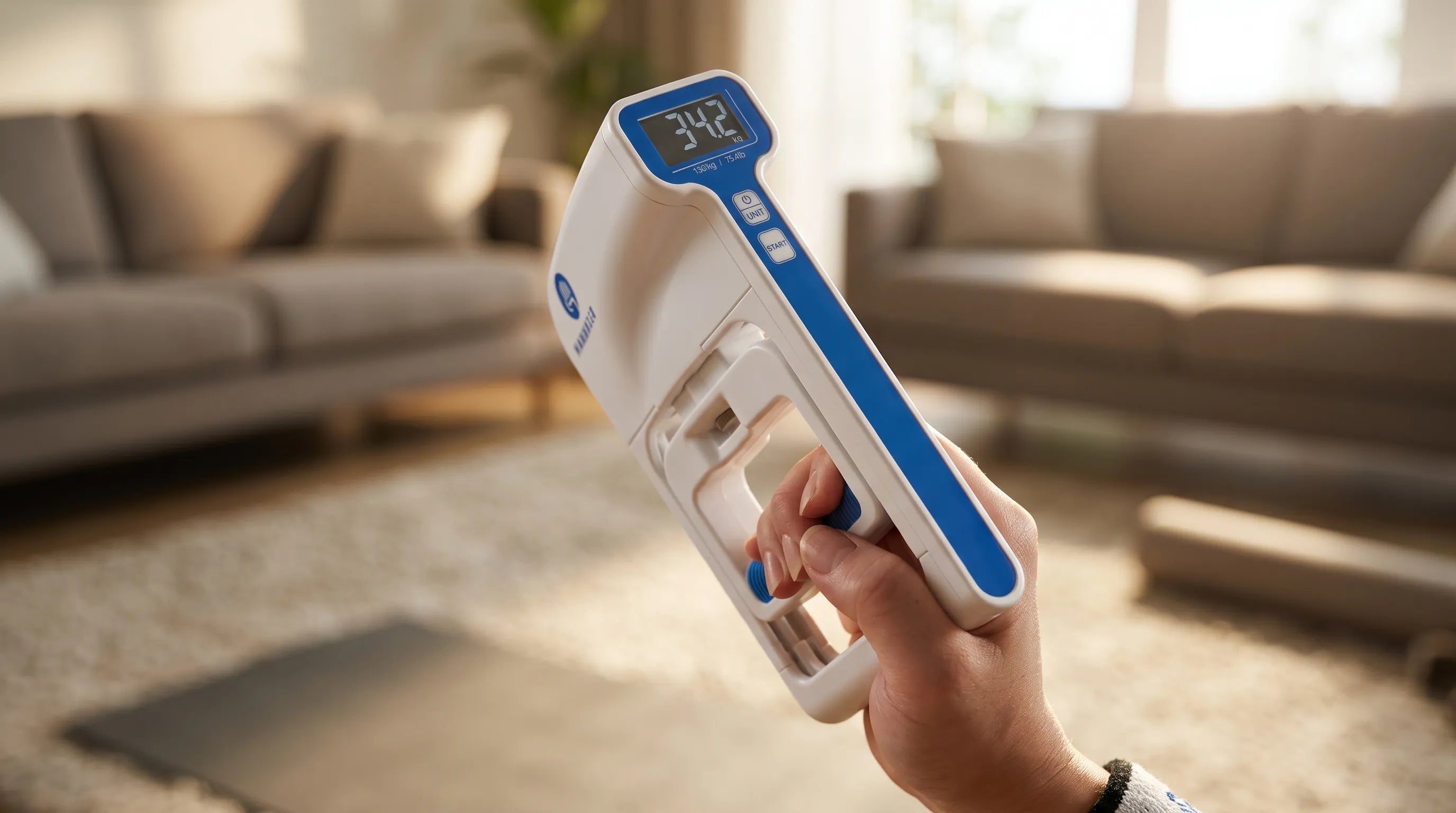
How to Build a Grip Strength Plan for Different Ages and Sexes
Grounded in NSCA exercise physiology, this guide analyzes grip strength development across youth, adult female, and senior populations. It highlights neural adaptations in youth, muscle quality in females, and power retention in seniors, providing a standardized protocol for baseline testing using the Handexer Digital Hand Dynamometer.
Leer mássobre How to Build a Grip Strength Plan for Different Ages and Sexes
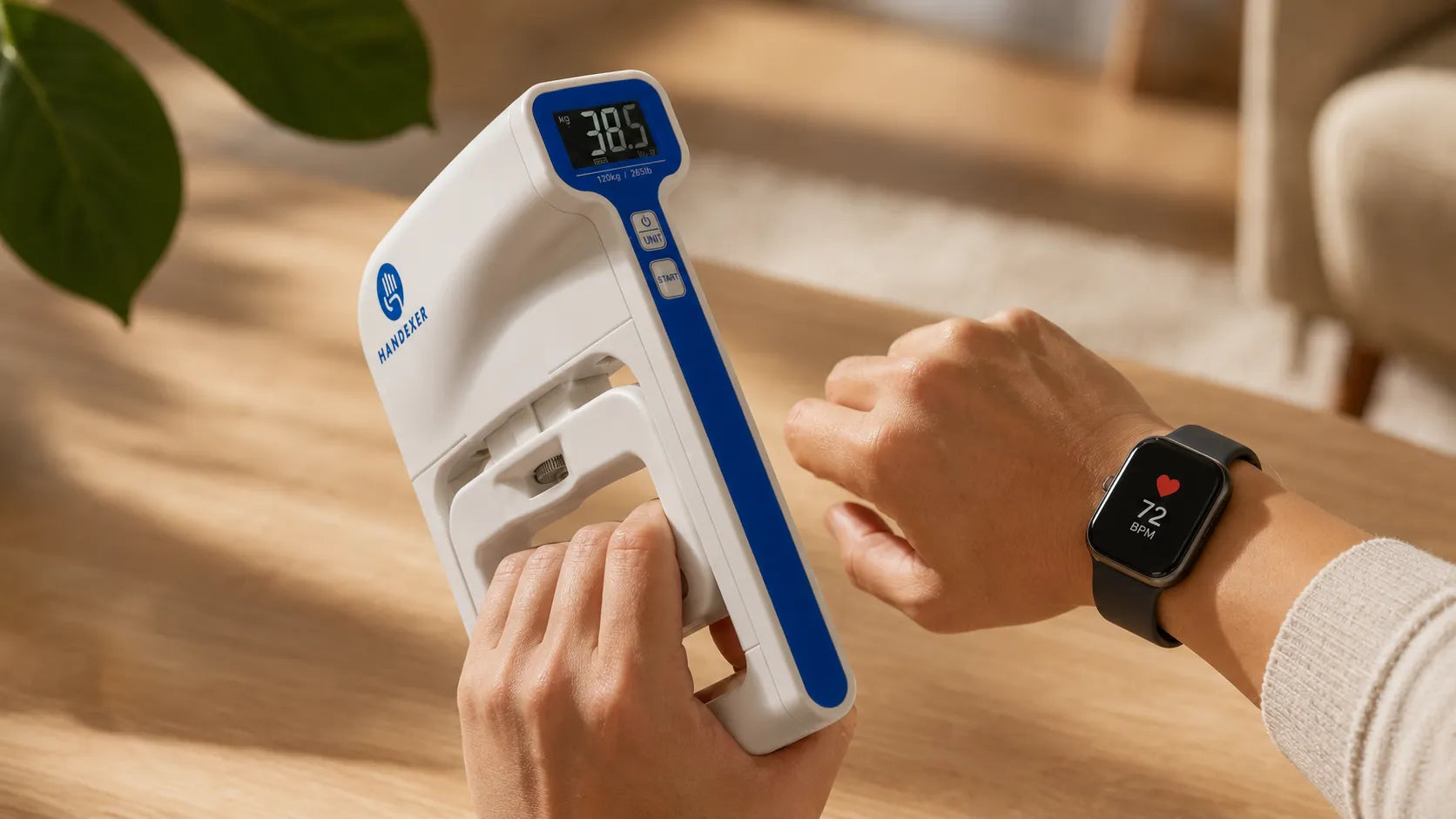
Don’t Just Watch Your Heart Rate! What a 10-Second Grip Strength Test Reveals About Your Heart
Grip strength is more than a measure of hand power—it may provide valuable insights into overall physical health and cardiovascular wellness. This article explores the science behind the connection between grip strength and heart health, explains how to measure your baseline at home, and introduces isometric handgrip training. Learn how a digital hand dynamometer can help track strength trends and support smarter wellness decisions.
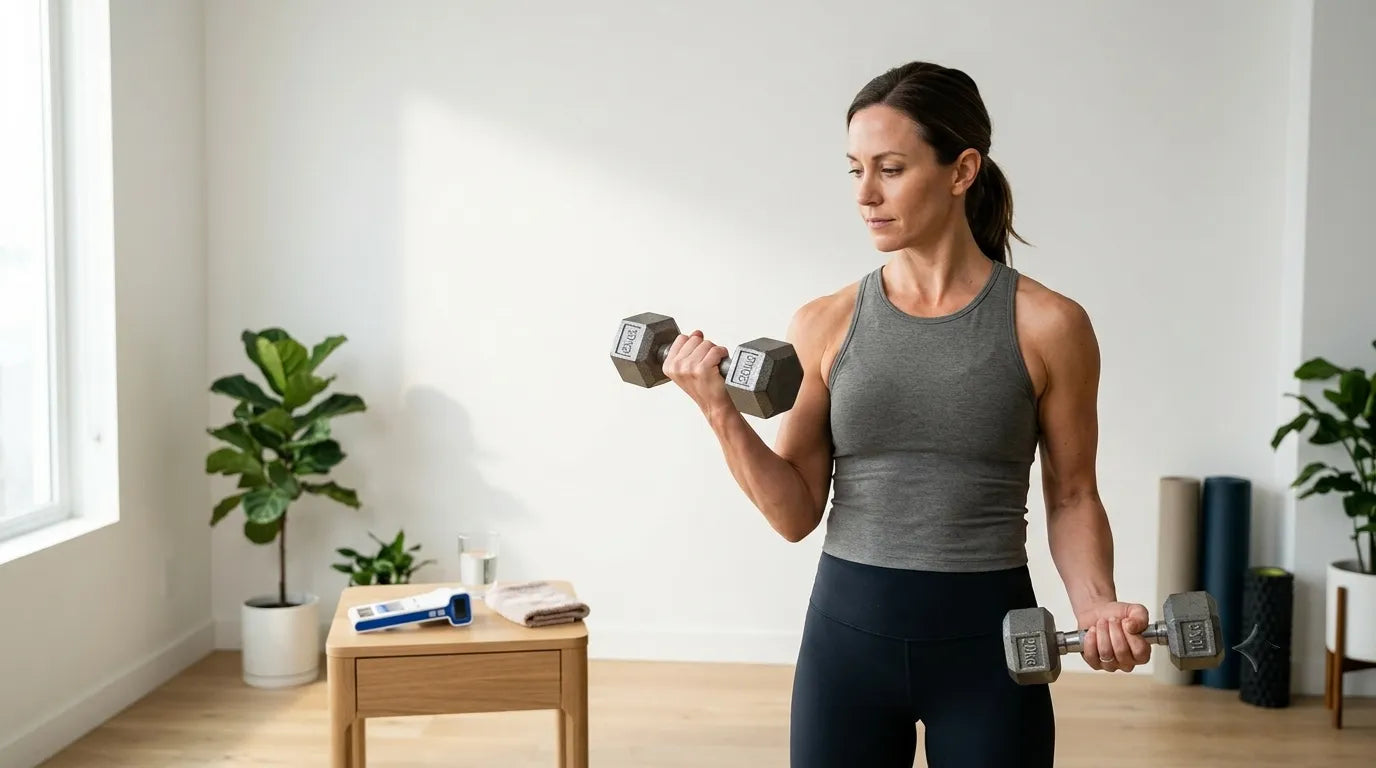
Why is One Hand Stronger Than the Other? How to Fix Grip Strength Imbalance Safely
Grip strength imbalance is common after injury, overuse, or everyday habits. This guide explains why one hand may be stronger than the other, how the cross-education effect supports recovery, and practical ways to rebuild strength safely. Learn how to measure grip strength, train each hand appropriately, monitor progress, and avoid overtraining with a digital hand dynamometer.
Leer mássobre Why is One Hand Stronger Than the Other? How to Fix Grip Strength Imbalance Safely

Micro Grip Strength Workouts: 10-Minute Hand Grip Exercises for Busy People
Discover how to improve your grip strength with simple micro workouts that fit into your everyday routine. This guide explores easy hand grip exercises you can do at your desk, during commutes, or anywhere with minimal equipment. Learn why grip strength matters, how to build hand and forearm endurance, and how to track your progress with effective training methods. Whether you want better athletic performance, stronger hands, or a smarter way to stay active, these practical grip training strategies help you make every moment count.
Leer mássobre Micro Grip Strength Workouts: 10-Minute Hand Grip Exercises for Busy People