
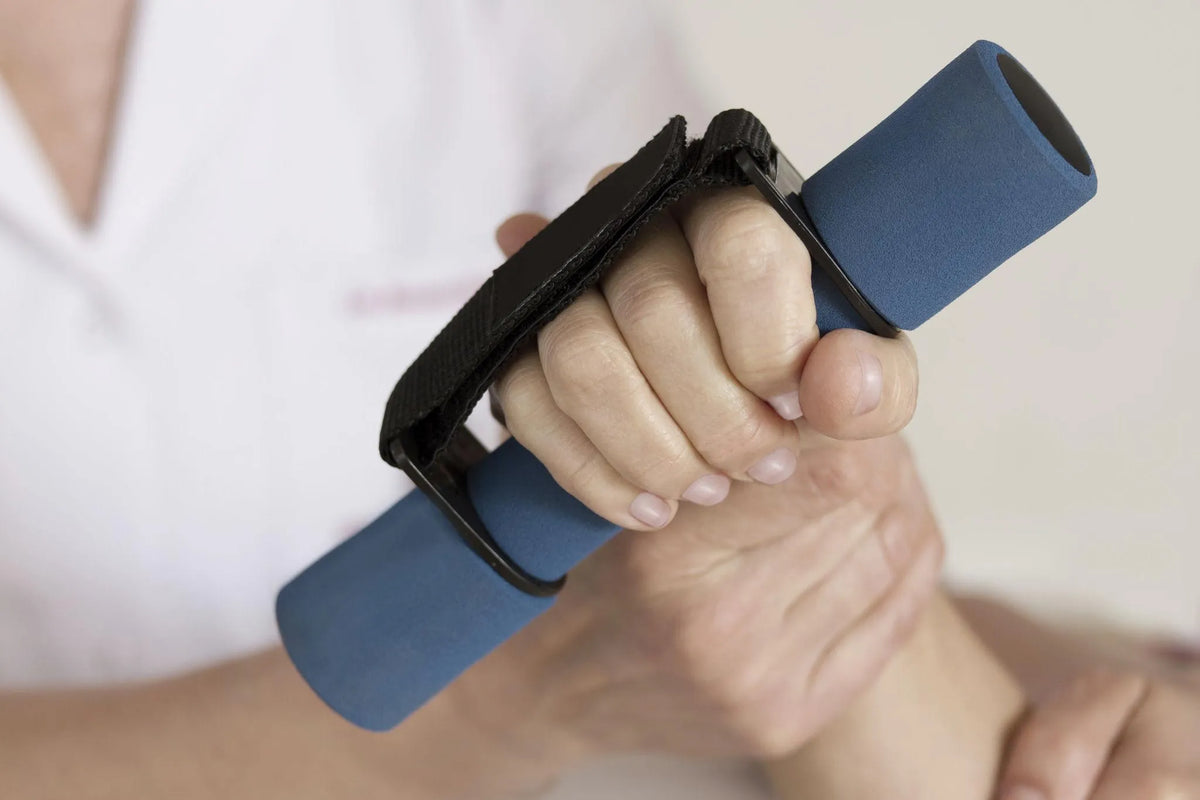
Every time you open a jar, carry a shopping bag, hold a phone, or turn a doorknob, multiple muscles in your hands and forearms work together.
Grip strength is more than the ability to squeeze an object. It depends on coordinated muscle activity that allows your fingers to generate force, your thumb to secure objects, and your wrist to provide stability.
Understanding the hand grip muscles worked during different gripping movements helps explain why different activities place different demands on your hands and forearms.
In this guide, we'll explore the major muscles involved in gripping, how they work together, how different grip types use these muscles, and how targeted training and measurement help you understand grip performance.
How Does Grip Strength Work?
Grip strength is the ability to apply and maintain force when holding, squeezing, or manipulating an object. Two groups of muscles play particularly important roles:
Located primarily in the forearm, these muscles connect to the fingers and hand through long tendons. They act as the primary engine, generating much of the brute force needed for finger movement.
Located entirely within the hand, these smaller muscles help control finger positioning, thumb movement, and the motor coordination to adapt to varied object geometries.
The extrinsic muscles provide much of the force required for gripping, while the intrinsic muscles help position and control the fingers. Together, they allow the hand to adapt to different objects and gripping demands.
What Muscles Are Used for Grip Strength?

Several muscle groups contribute to gripping. Each has a distinct role in generating force, positioning the fingers, and controlling hand movement.
Finger Flexors: Generating Grip Force
The flexor digitorum superficialis (FDS) and flexor digitorum profundus (FDP) are two major muscles responsible for bending the fingers. Both originate in the forearm and connect to the fingers through long tendons.
Bends the middle joints of the four fingers, helping curl them toward the palm.
Bends the fingertip joints, allowing the fingers to wrap more completely around an object.
Together, these muscles contribute significantly to power gripping, such as squeezing a hand gripper, holding a dumbbell, or carrying a bag.
Thumb Muscles: Supporting Pinch and Opposition
The thumb allows the hand to hold and control objects by moving across the palm and opposing the fingers. Important thumb muscles include:
Bends the thumb, particularly at its tip joint.
Draws the thumb toward the fingers and contributes to pinch force.
Moves thumb across palm to directly oppose fingers.
Helps bend the thumb at its base joint.
Essential when holding a key, picking up a coin, or gripping an object between the thumb and fingers.
Intrinsic Hand Muscles: Controlling Finger Movement
The intrinsic hand muscles help position the fingers, coordinate movements, and adjust the hand to objects of different shapes. Main groups include:
Base of the thumb; support thumb movement and opposition.
Base of the little finger; help position and move the fifth digit.
Flex knuckles while extending the finger joints for precise articulation.
Move fingers toward/away from one another (abduction/adduction).

Finger Extensors
The extensor digitorum is the primary muscle responsible for straightening fingers, supported by the extensor indicis and extensor digiti minimi.
They create essential balance: after squeezing, extensors open the hand and reset tension for the subsequent contraction.
Antagonistic balance prevents repetitive strain.
Wrist Stabilizers
Several forearm muscles anchor the wrist during force transfer:
- • ECRL & ECRB: Extend & stabilize wrist.
- • Extensor Carpi Ulnaris: Ulnar extension.
- • FCR & FCU: Wrist flexion & side stabilization.
Provides the solid foundation for finger flexor leverage.
How Do Hand and Forearm Muscles Work Together During Grip?
Grip strength is not produced by one muscle alone. It depends on several muscle groups coordinating three essential functions:
Finger flexors bend the digits toward the palm, driving closing force around the object.
Thumb and intrinsic hand muscles position the fingers, opposing the thumb for a secure lock.
Wrist stabilizers support the joint under heavy loads to prevent energy leakage or joint collapse.
Key Takeaway: Grip performance depends on coordinated multi-tier muscle function, not simply raw squeezing capability.
Which Muscles Work During Different Grip Types?
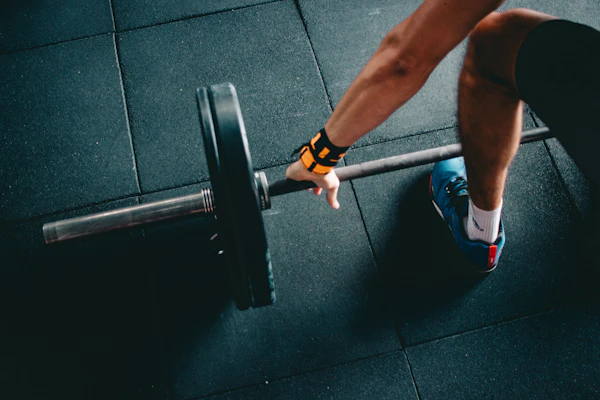


Different gripping movements place different demands on the hands and forearms. Understanding these differences helps explain why grip strength is not a single, isolated physical ability.
1. Crush Grip
Dynamic ForceInvolves closing fingers toward the palm to compress an object. Finger flexors produce peak concentric force.
2. Pinch Grip
Thumb DrivenRelies heavily on thumb opposition against the fingers, placing high demands on thumb intrinsic strength.
3. Support Grip
Isometric EnduranceFocuses on maintaining a continuous hold over time rather than a single peak squeeze; demands muscular endurance.
4. Hook Grip
Mechanical WedgeThe thumb is secured under the fingers against the bar, creating a mechanical friction lock that reduces flexor strain.
How to Strengthen the Muscles Used for Gripping
Different gripping movements challenge different muscle groups. A balanced approach to grip training considers finger flexion, thumb control, finger extension, and coordination rather than focusing exclusively on squeezing.
| Muscle Group | Main Function | Training Focus |
|---|---|---|
| Finger flexors | Bending fingers & generating grip force | Squeezing exercises |
| Thumb muscles | Thumb opposition & pinch force | Pinch training |
| Finger extensors | Straightening and opening the fingers | Finger extension bands |
| Intrinsic hand muscles | Finger positioning & dexterity | Coordination & dexterous drills |
| Wrist stabilizers | Supporting the wrist during gripping | Controlled wrist stability loads |
Each approach addresses a different aspect of hand function. No single exercise targets every muscle involved in gripping.

How to Measure and Track Grip Strength
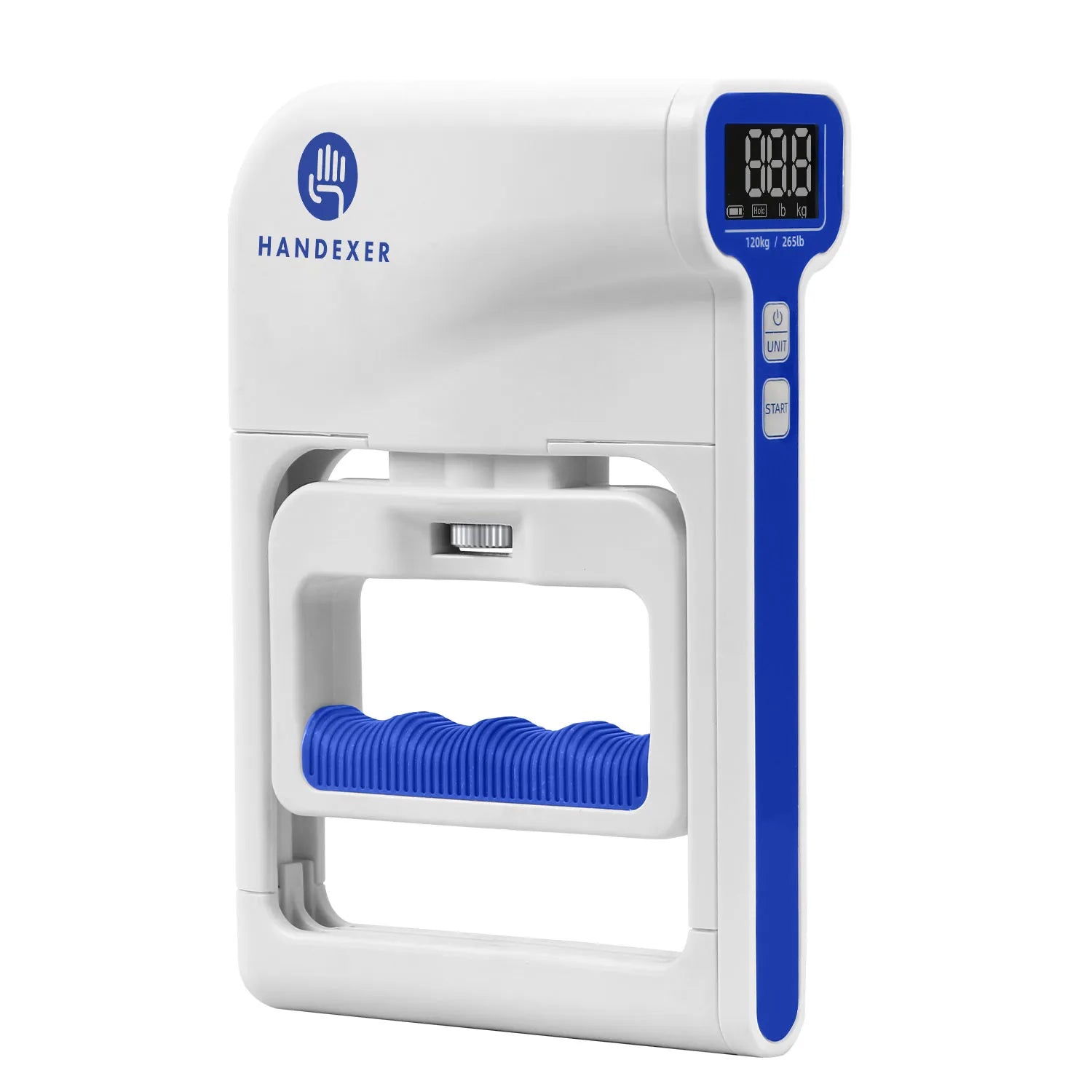
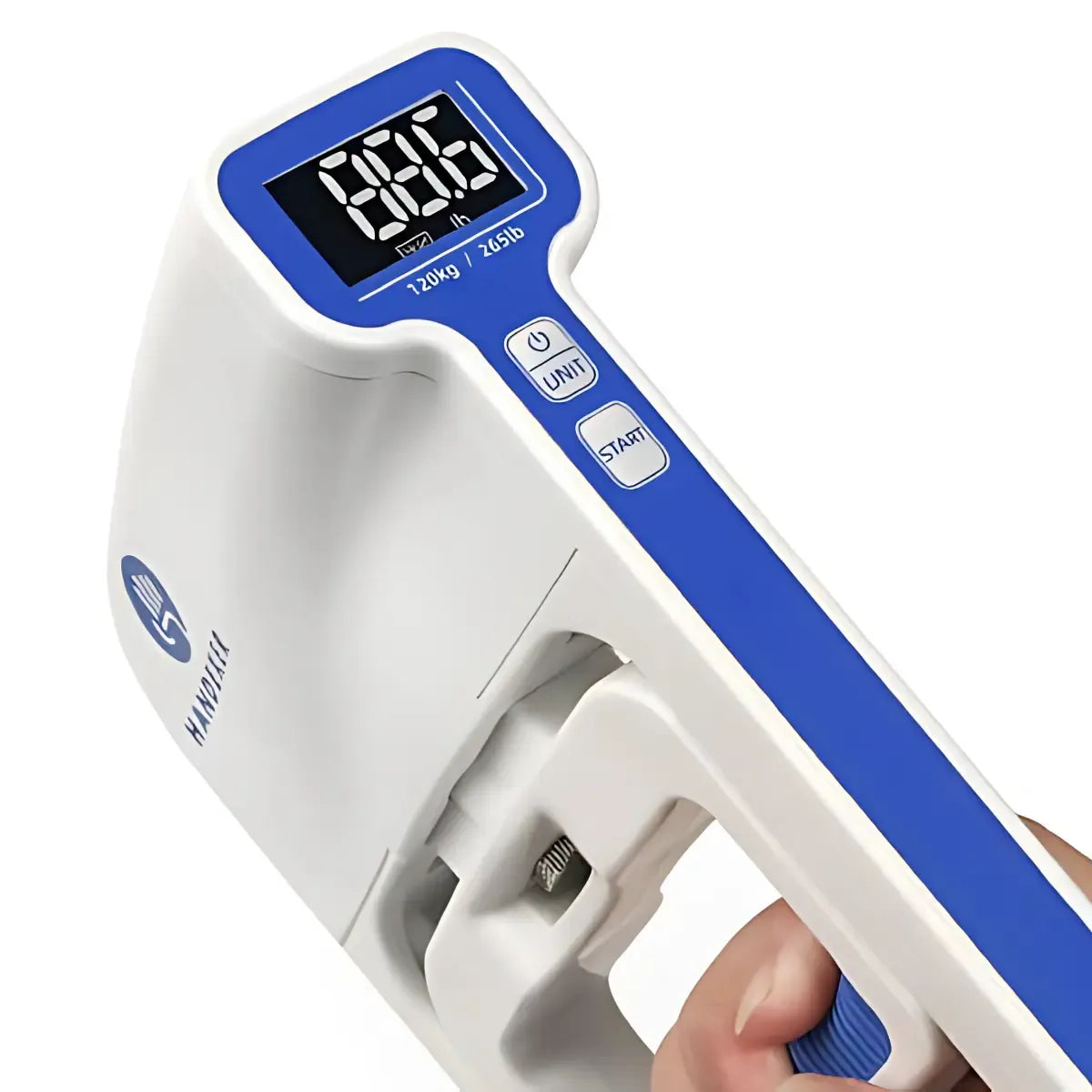
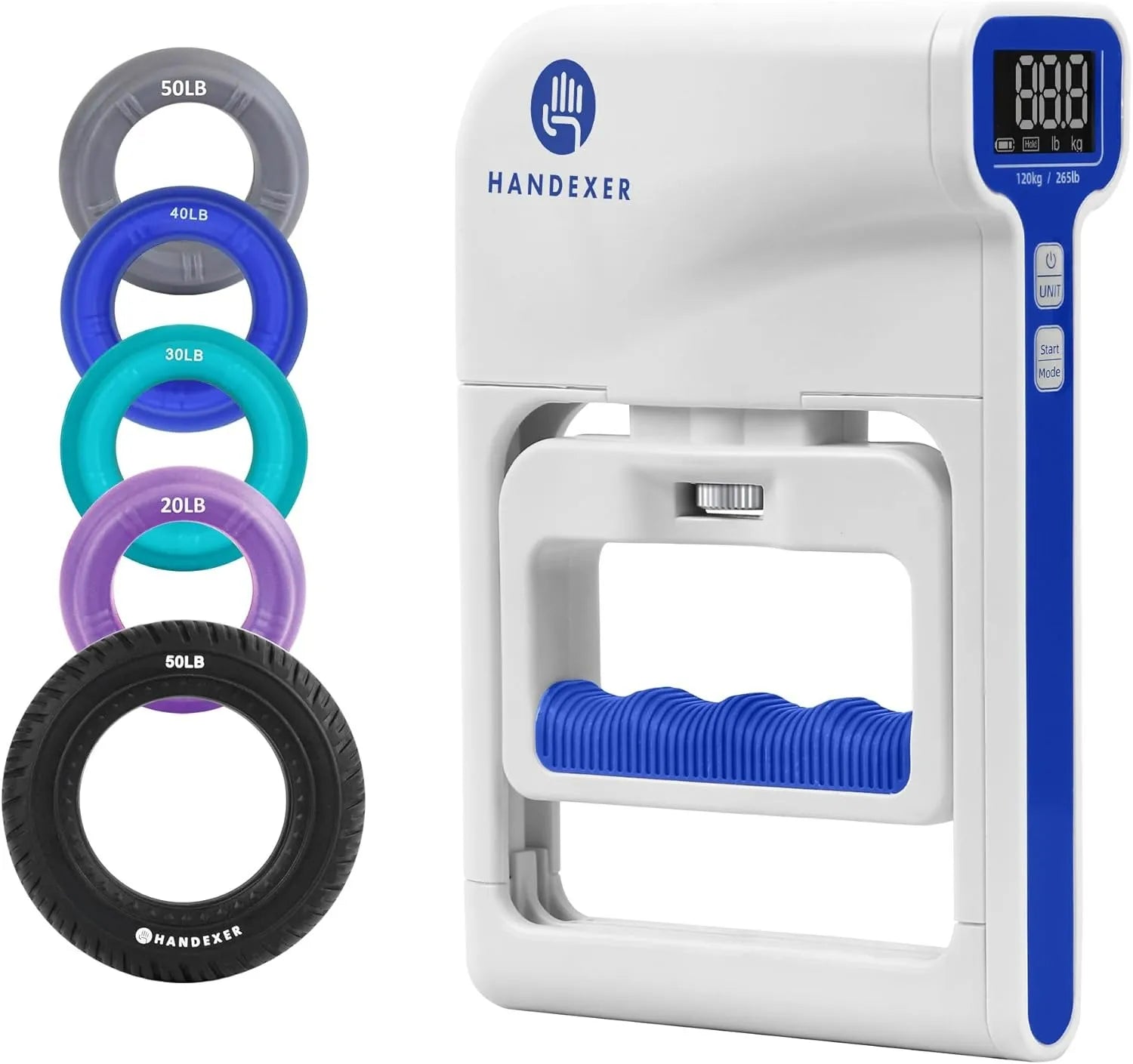
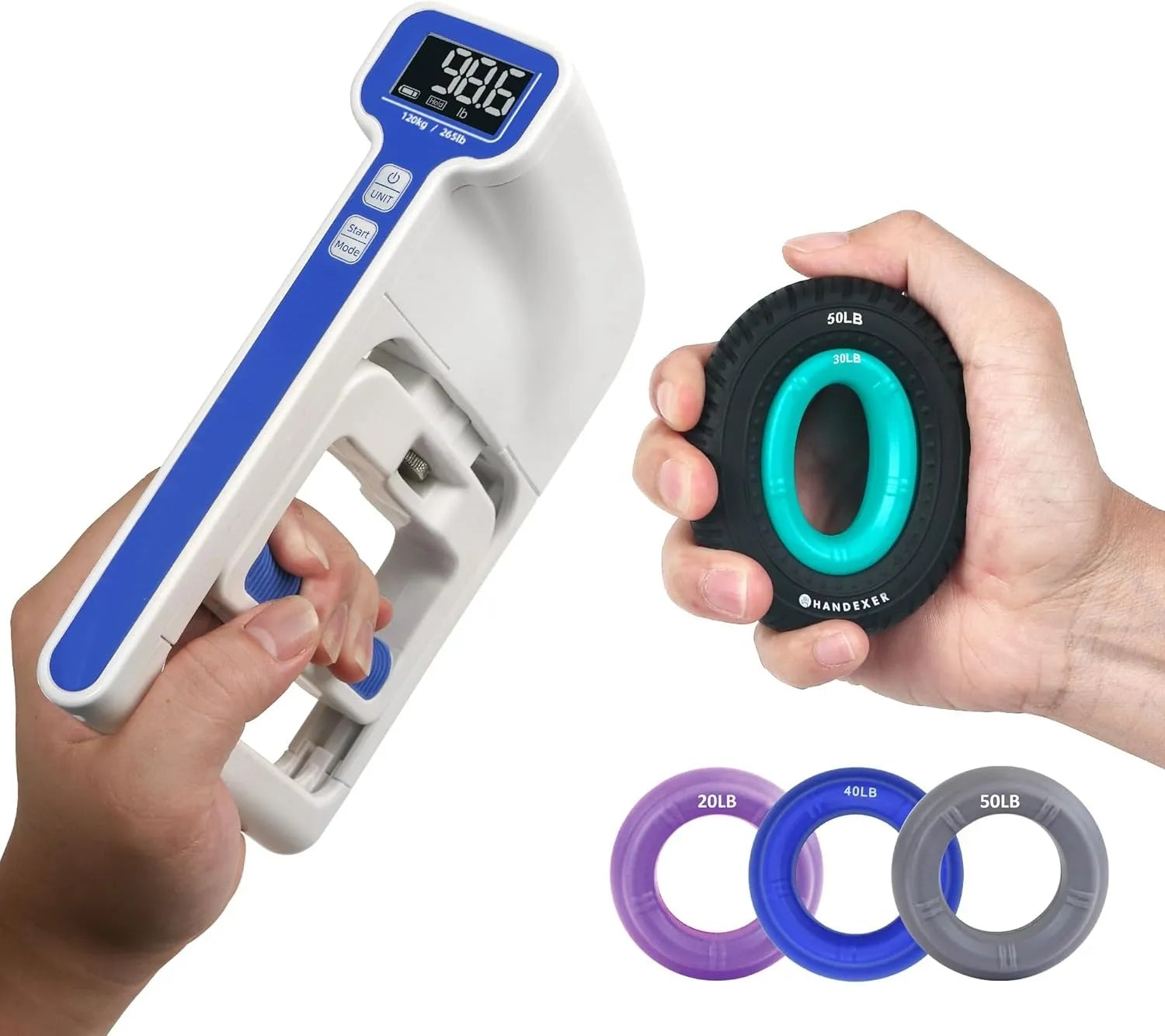
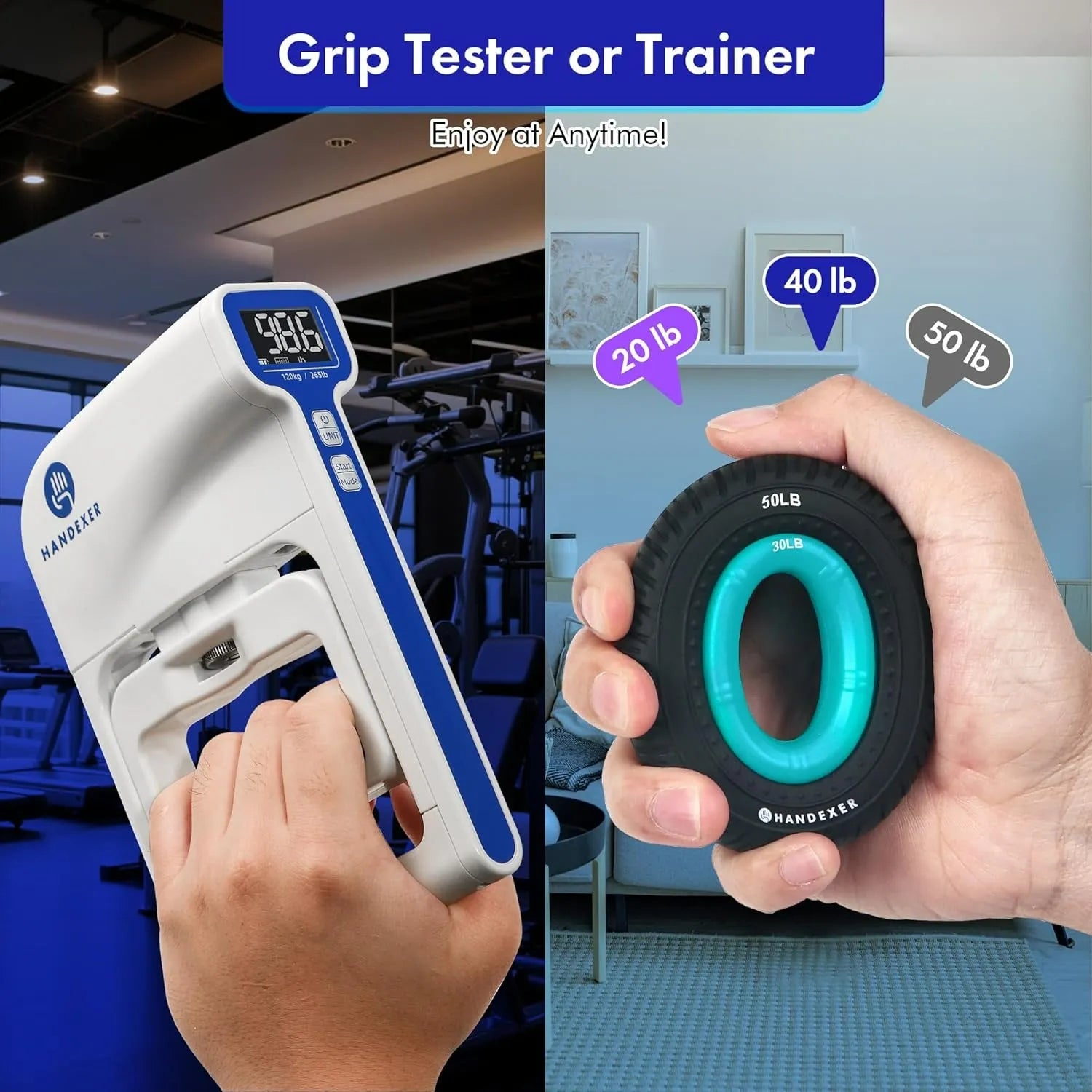
Training helps develop grip performance, but how do you know whether your grip strength is changing? Measurement provides an objective reference point. A digital hand dynamometer measures the overall force produced during a gripping action.
-
1
Use the same dynamometer: Keep the equipment consistent whenever possible across test dates.
-
2
Maintain the same handle setting: Handle distance changes leverage and influences mechanical output.
-
3
Use a consistent testing posture: Keep your arm at 90 degrees and wrist posture fixed between sessions.
-
4
Test each hand separately: Record left- and right-hand outputs independently to identify imbalances.
-
5
Repeat under similar conditions: Track tests at similar times of day, avoiding post-fatigued sessions.

Frequently Asked Questions
What muscles are used for grip strength?
Grip strength involves the finger flexors, thumb muscles, intrinsic hand muscles, and wrist stabilizers. These groups work together to generate force, position the fingers, and control gripping movements.
Do grip exercises work your forearms?
Yes. Squeezing exercises heavily engage forearm muscles, particularly the finger flexors (FDS & FDP). Wrist stabilizers in the forearm also work isometrically to maintain wrist position under tension.
What muscles are used when squeezing a hand gripper?
The flexor digitorum superficialis and flexor digitorum profundus are major contributors. Other hand muscles and wrist stabilizers assist with positioning and control.
Can you strengthen the small muscles in your hands?
Yes. Exercises involving finger spreading, thumb opposition, and controlled finger movements can help train the intrinsic hand muscles and improve coordination.
How can I measure my grip strength?
A digital hand dynamometer measures the force produced during a gripping action. Repeated measurements under consistent conditions can help you track changes in overall grip performance.
Final Thoughts
Grip strength depends on the coordinated work of muscles in the hands and forearms. Finger flexors generate much of the force, thumb muscles help secure objects, intrinsic hand muscles control finger movement, and wrist stabilizers provide a steady foundation.
Understanding these roles helps explain why different gripping activities place different demands on your hands. It also provides a foundation for choosing appropriate training approaches and understanding what grip strength measurements represent.
Understand Your Grip. Train with Purpose. Measure Your Progress.
Training helps develop grip capacity, while measurement provides a way to establish a reference point, monitor changes, and make more informed training decisions.







Share:
Grip Strength and Aging: What Your Grip Can Reveal About Biological Age