

Thanksgiving is one of those rare times when families slow down, fill the dining table, and ask the familiar question: “How have you been?” Beyond the holiday greetings, it is also a meaningful moment to notice the everyday physical strength that keeps our parents independent—from opening stubborn jars to carrying groceries inside.
This year, introduce a simple new tradition between dinner and dessert: The Thanksgiving Family Grip Check-In. Using only a digital hand dynamometer, it invites everyone to check in on their handgrip strength in a relaxed, encouraging way.
What a Grip Check-In Reveals About Everyday Strength
A grip reading does not diagnose health conditions, but it provides an objective number families can monitor over time.
Practical Muscle Indicator
Carrying shopping bags, opening containers, and holding kitchen utensils all rely on hand and forearm strength.
139,691 Adults Studied
Across 17 countries, lower grip strength was associated with higher population risks of all-cause and cardiovascular mortality.
Low Strength Screening
Low handgrip strength serves as a primary clinical indicator of probable age-related muscle loss (sarcopenia).

How to Organize Your Family Grip Check-In
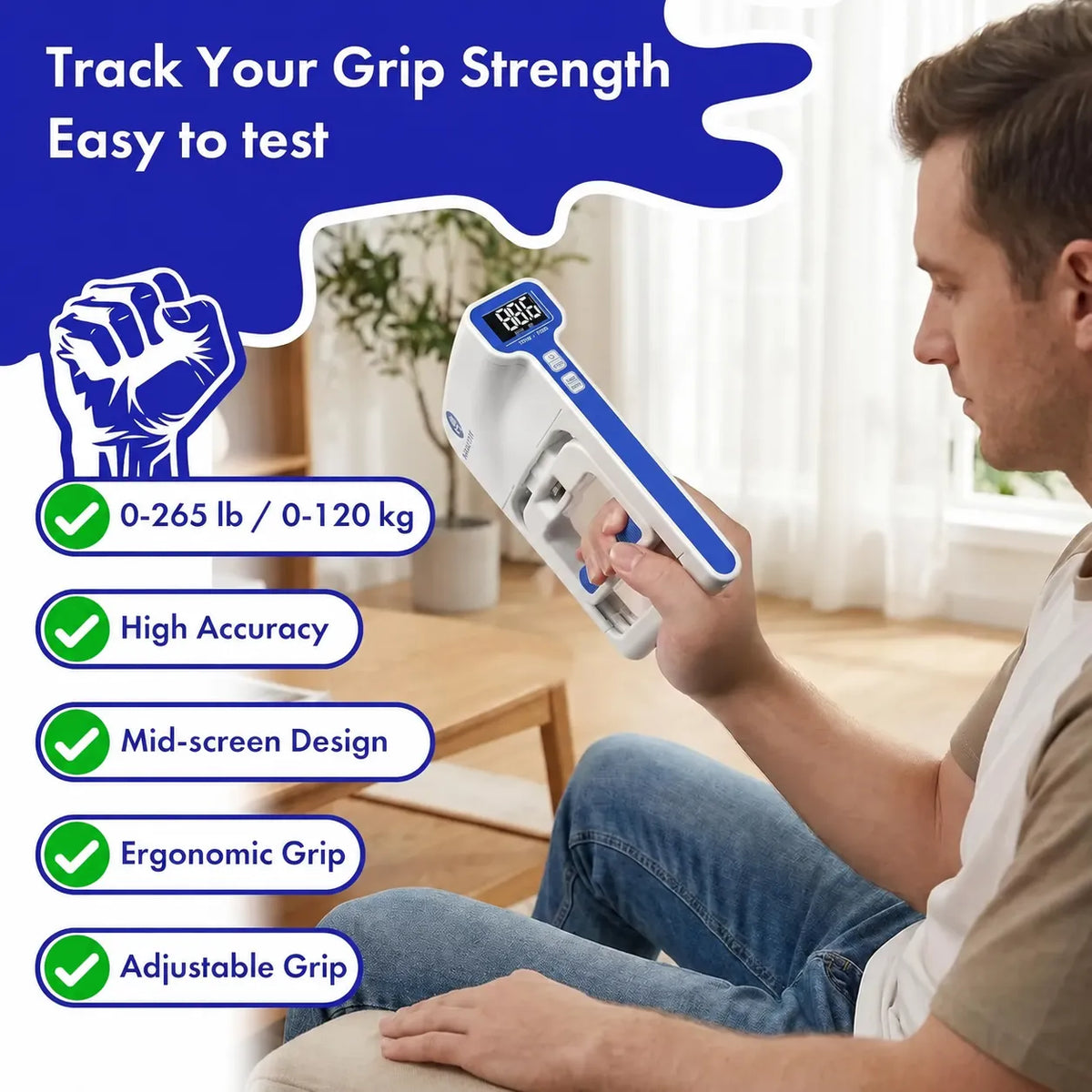
All you need is a digital hand dynamometer, a comfortable chair, and a few minutes together.
Invite Everyone to Join
Go first yourself and say: “We found this little hand strength tester—let’s see how everyone does!”
Scores vary naturally by age, sex, and hand size. Focus on participation rather than comparing who is strongest.
Get Comfortable First
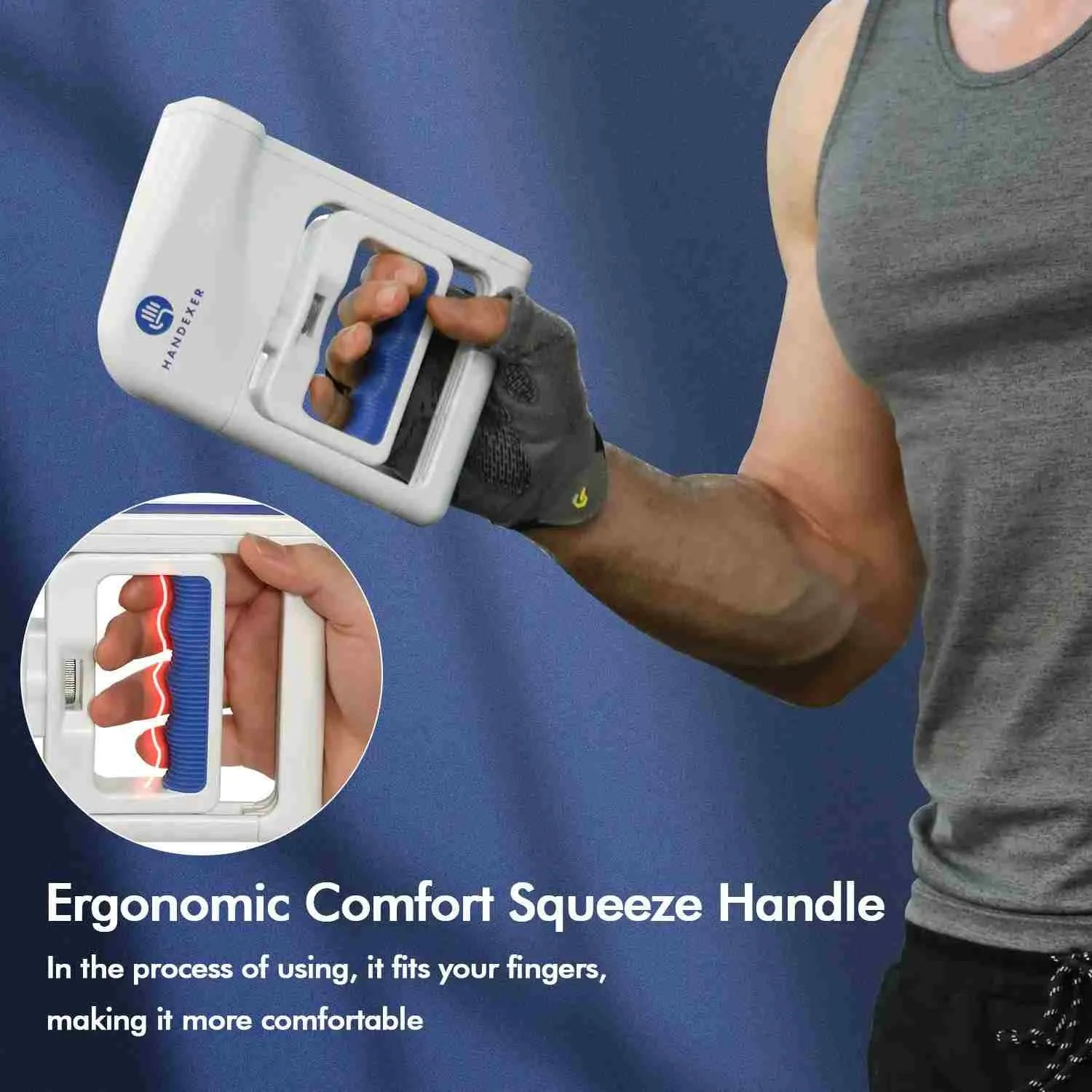
Ensure hands are warm and dry, choose a sturdy chair, and adjust the dynamometer handle to fit each hand comfortably.
Anyone with painful or swollen joints should skip forceful gripping without pressure.
Take Turns Measuring
Squeeze firmly while breathing normally. Take up to 3 trials per hand, alternating sides with short rests between attempts.
Record Everyone’s Results
Log each person’s left and right readings along with the date and device used so you can compare personal trends next year.
| Family Member | Left Hand (Avg) | Right Hand (Avg) | Overall Avg |
|---|---|---|---|
| Mom | — | ||
| Dad | — | ||
| You | — | ||
| Sibling | — |
A Thanksgiving Gift That Supports Everyday Strength
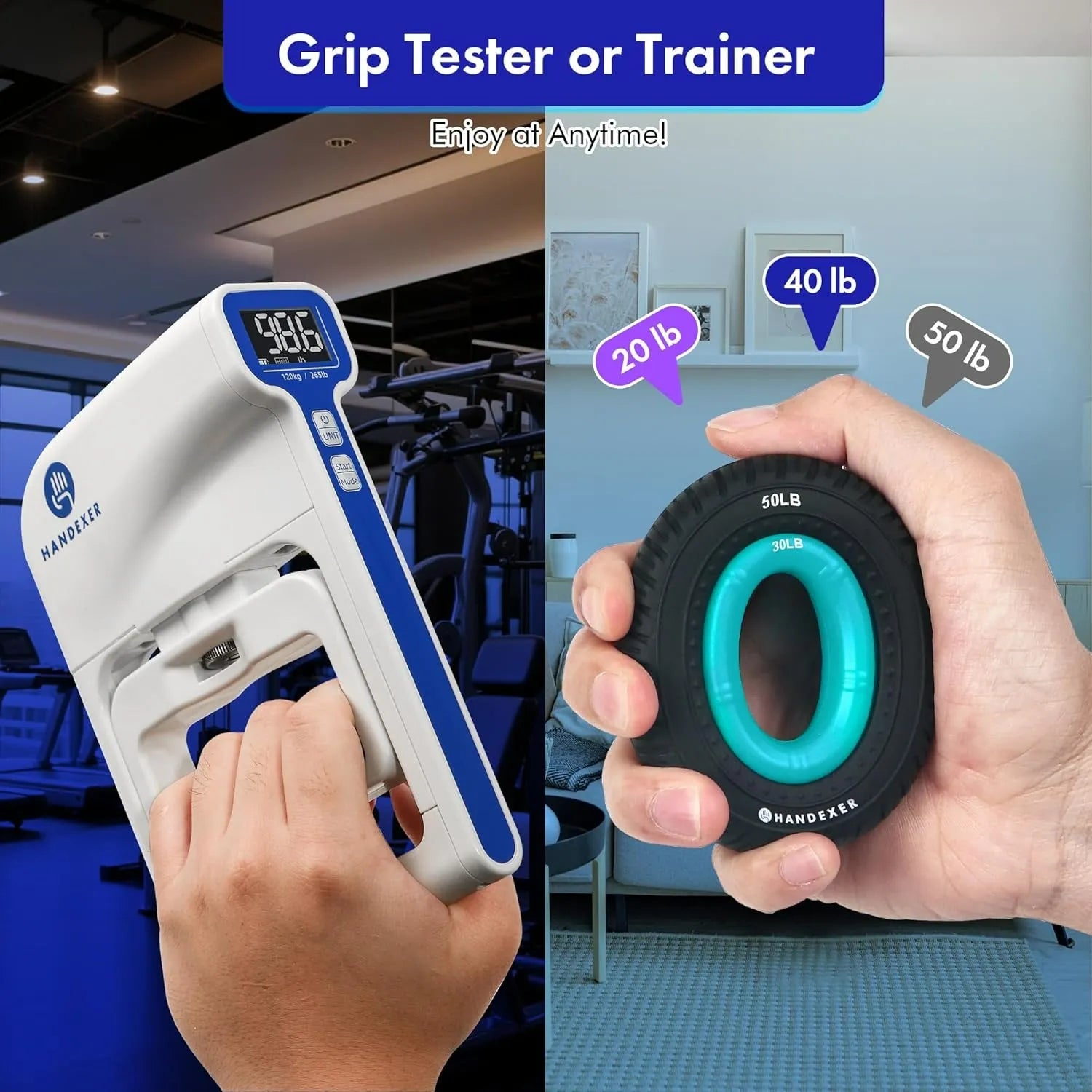
Two complementary home tools to measure grip baselines and keep hands active throughout the year.
 Measure & Track
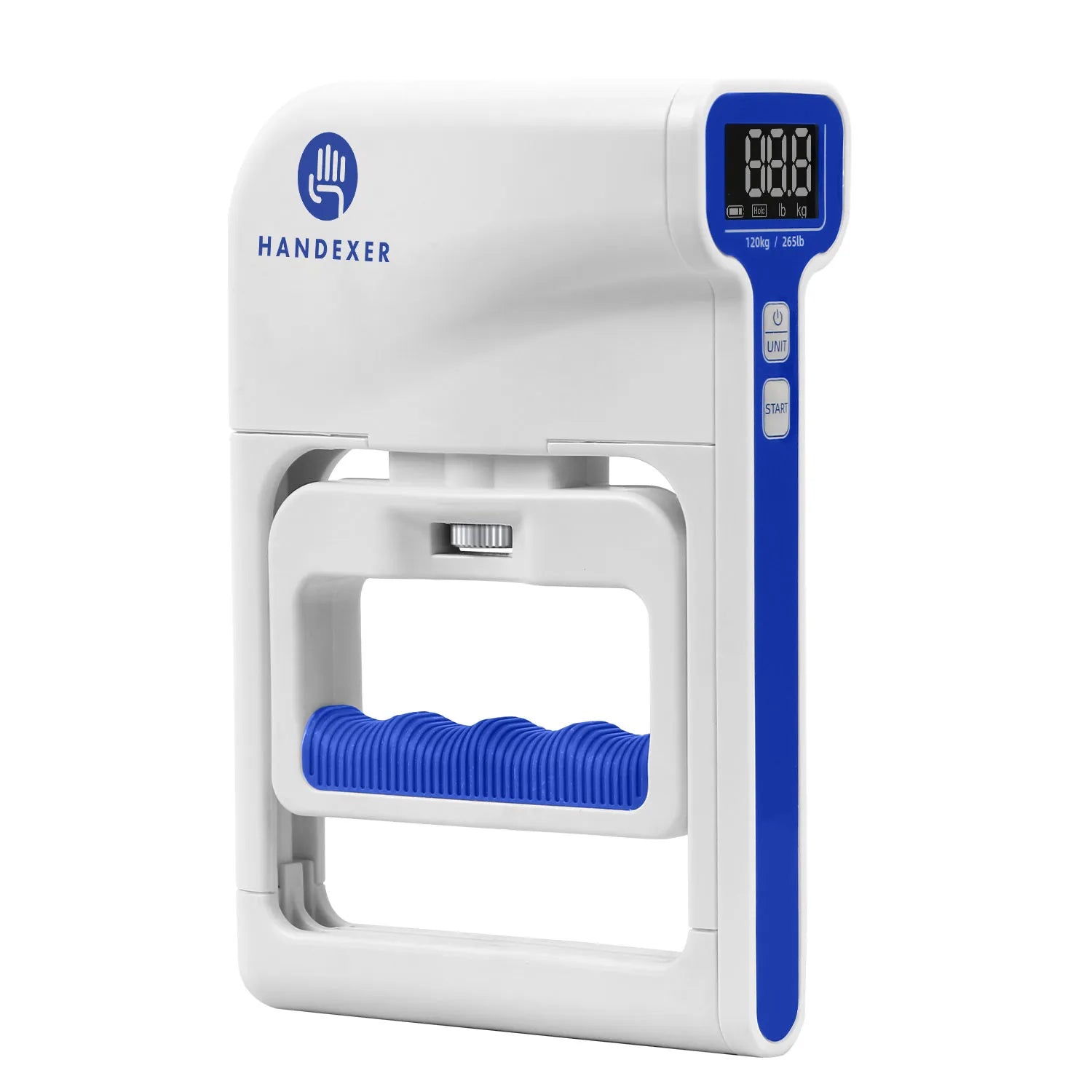
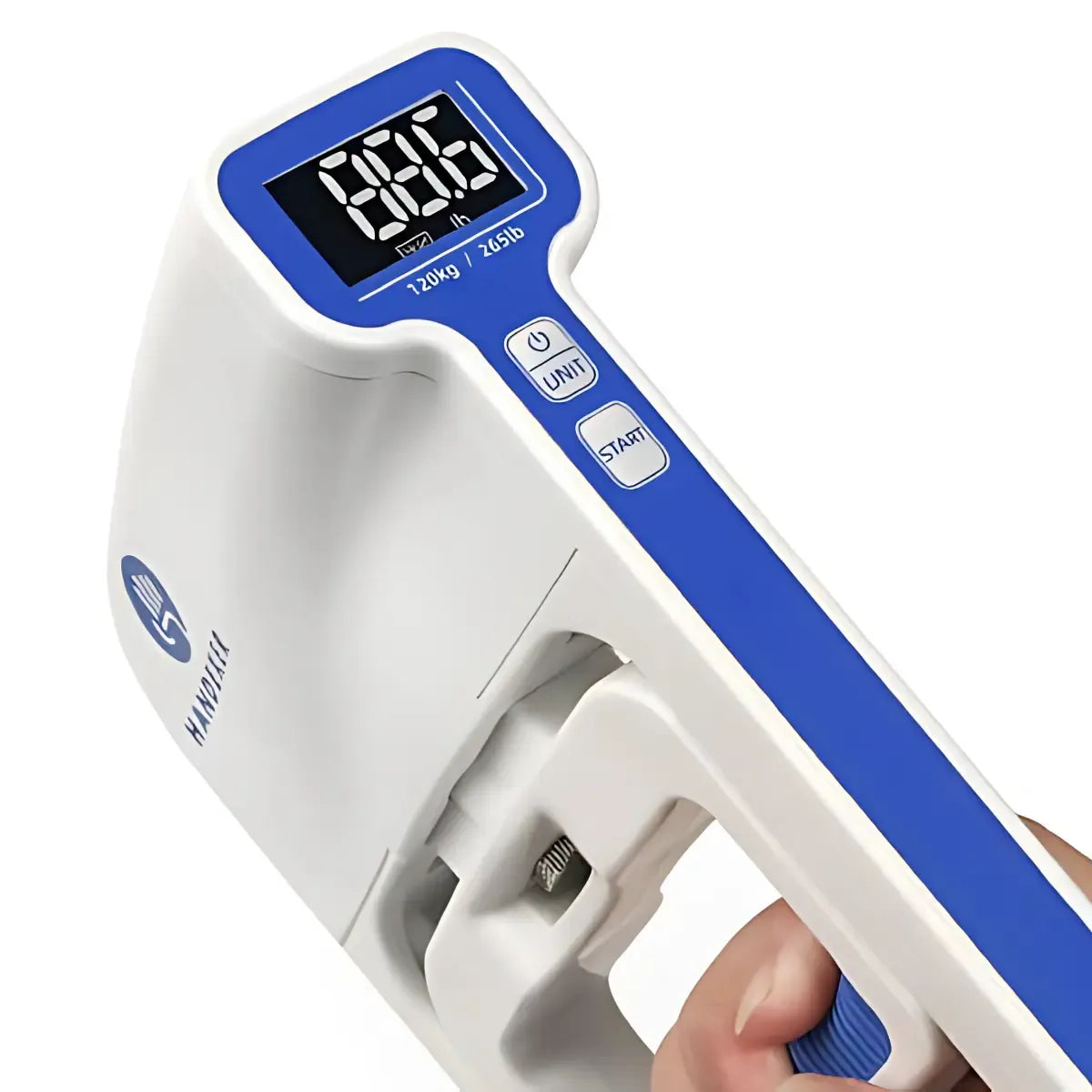
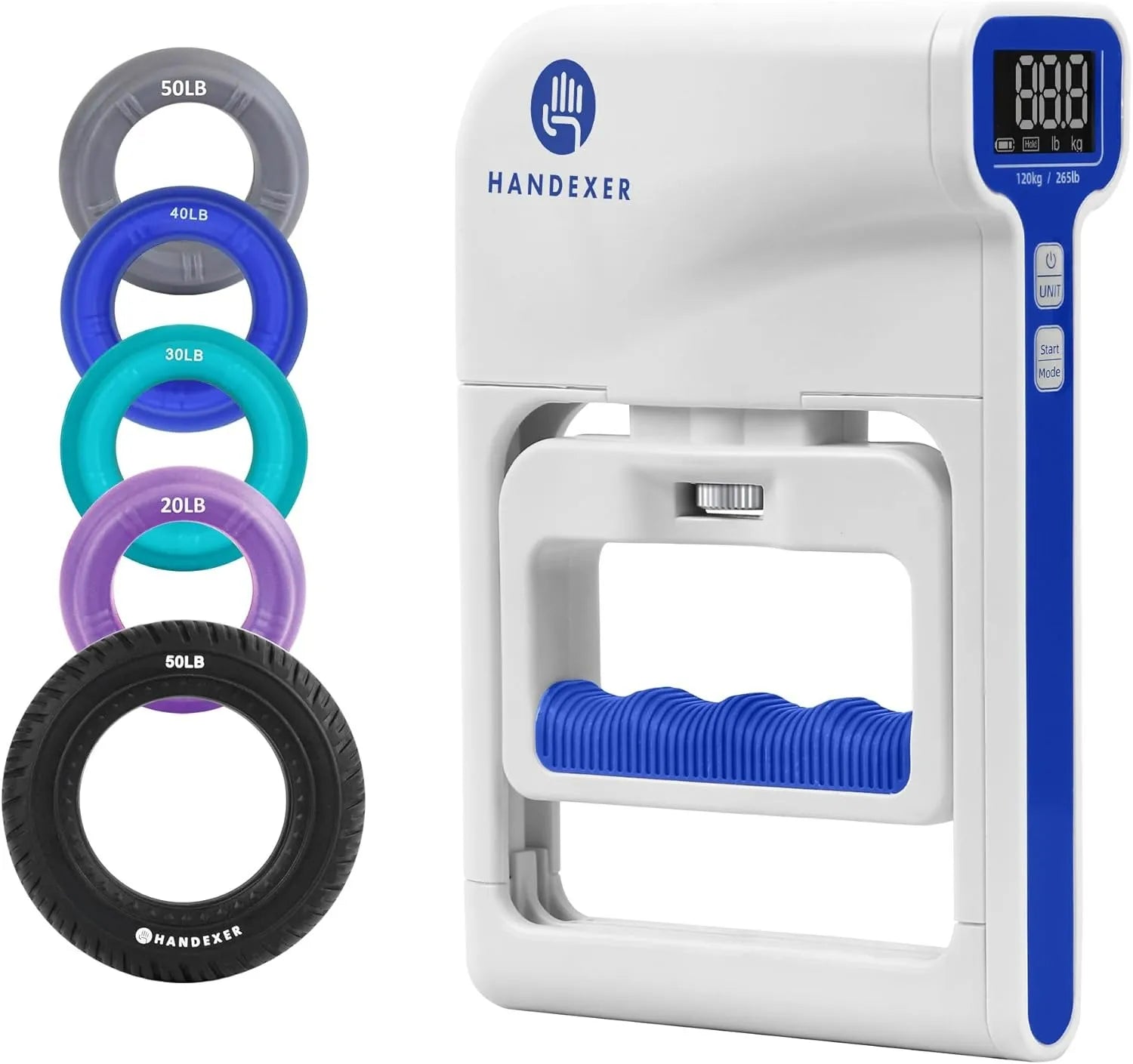
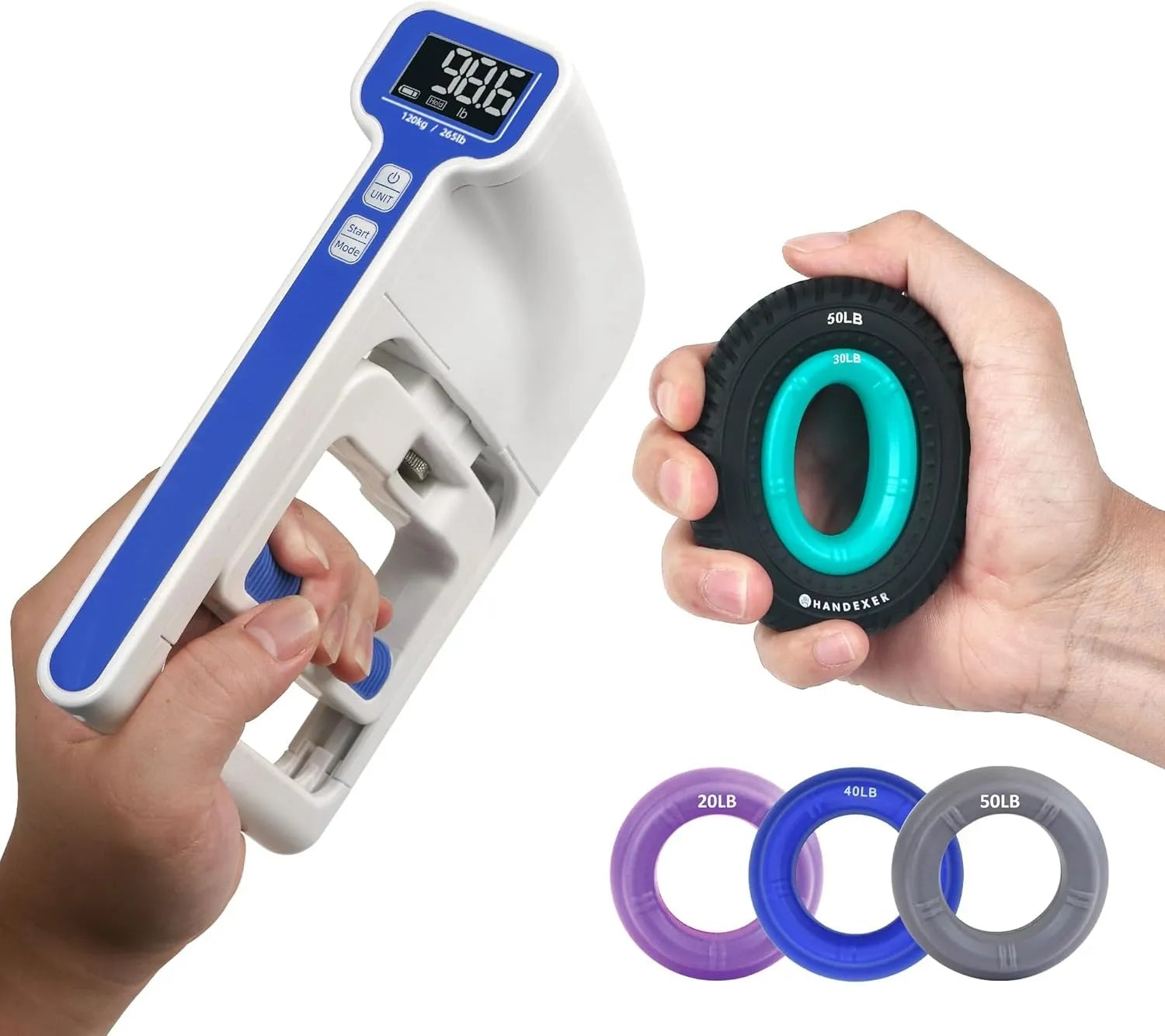
265lb Handexer Digital Hand Dynamometer
Provides instant numerical grip force readings so parents can establish and monitor a personal baseline at home.
- Clear digital kg / lbs display
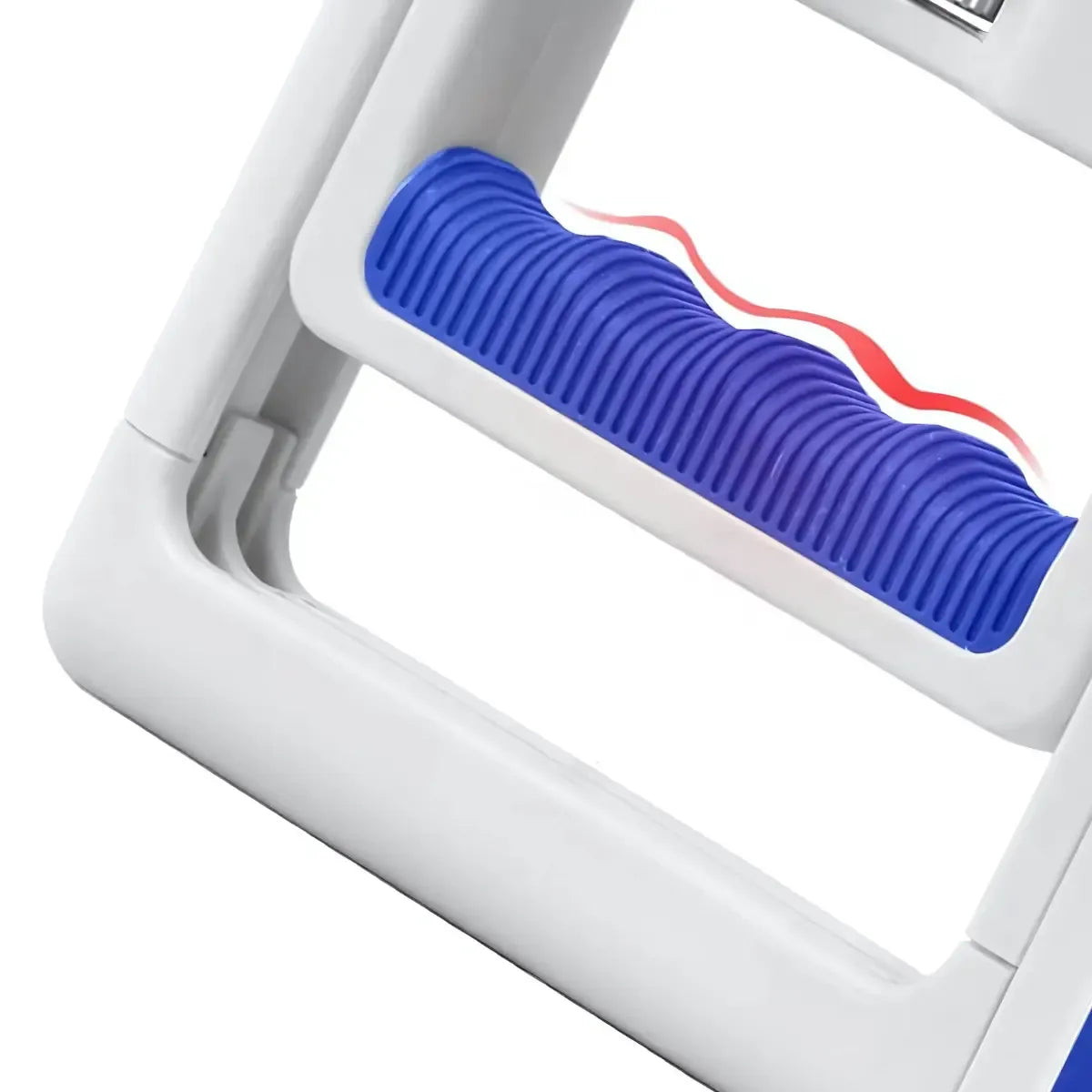
- Adjustable ergonomic handle
- Tracks left- and right-hand progress
- Standard capacity option: 198lb Handexer Digital Hand Dynamometer
 Train & Exercise
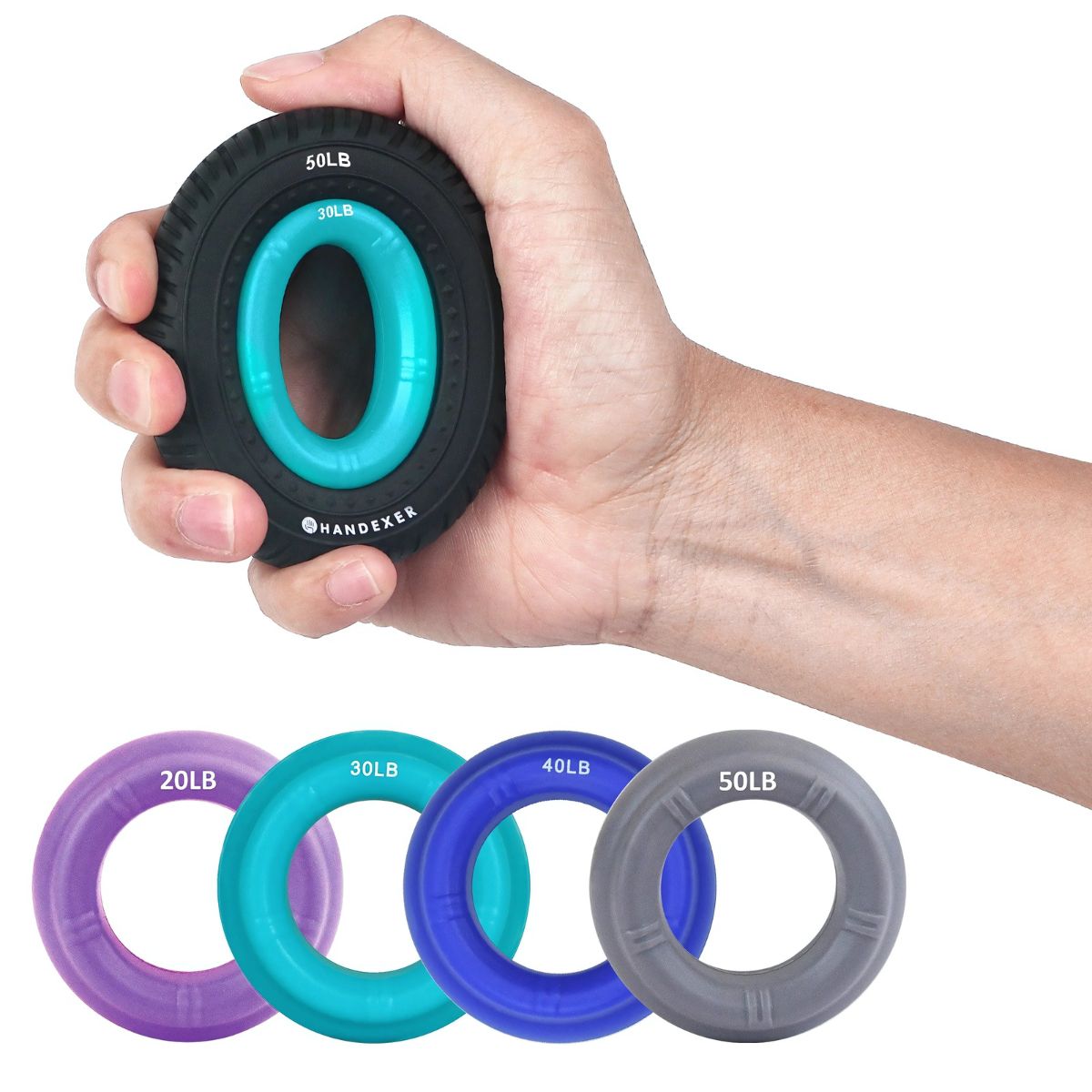
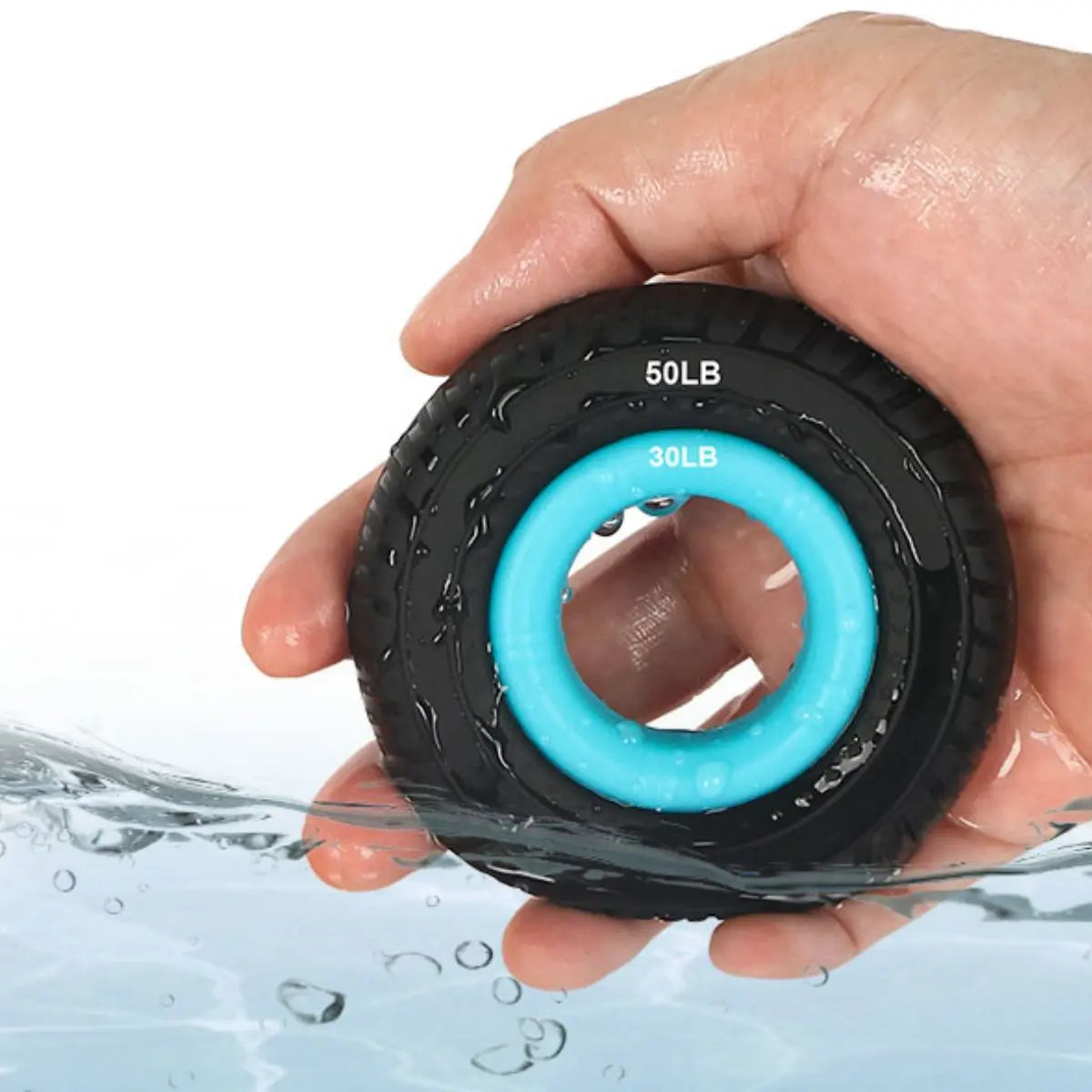
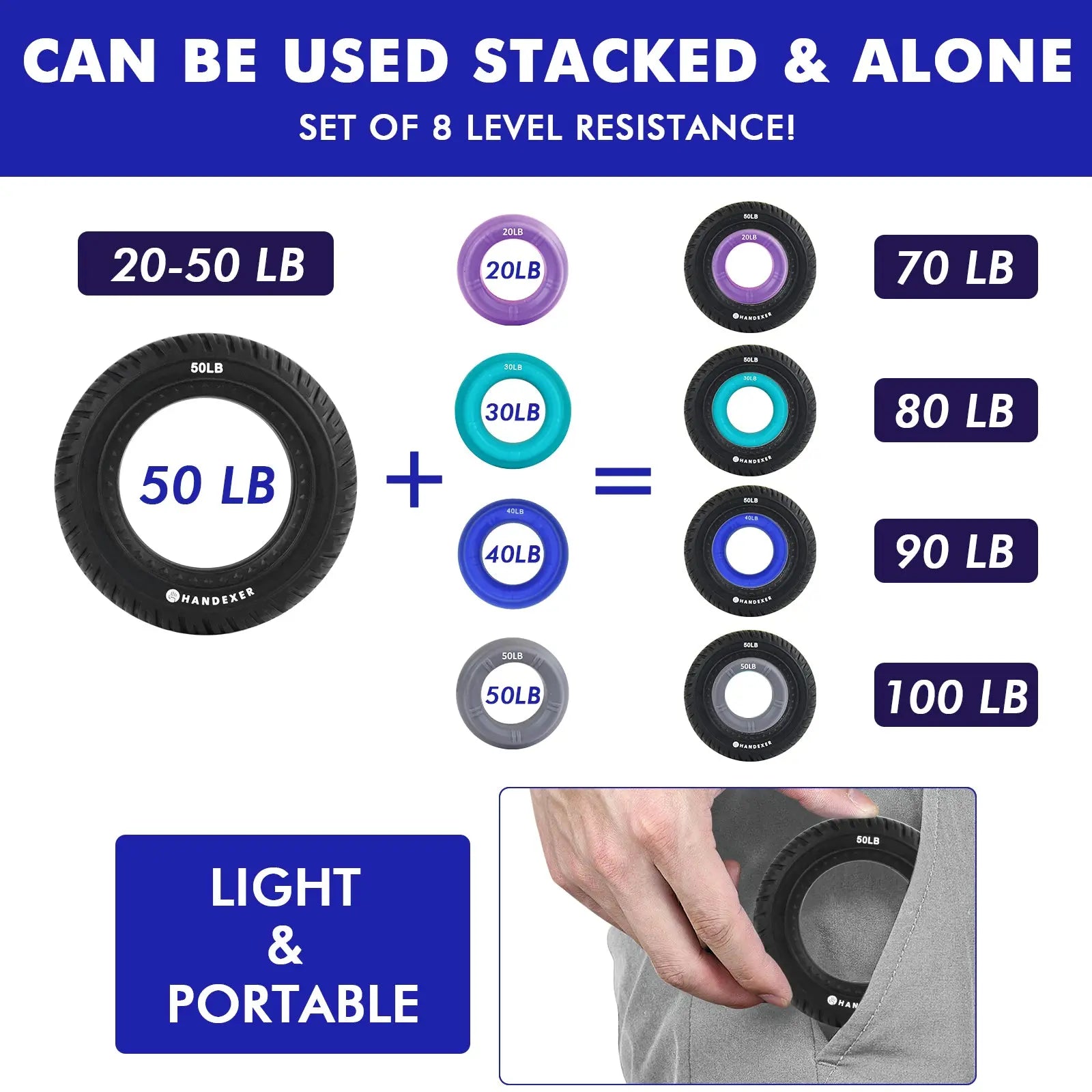
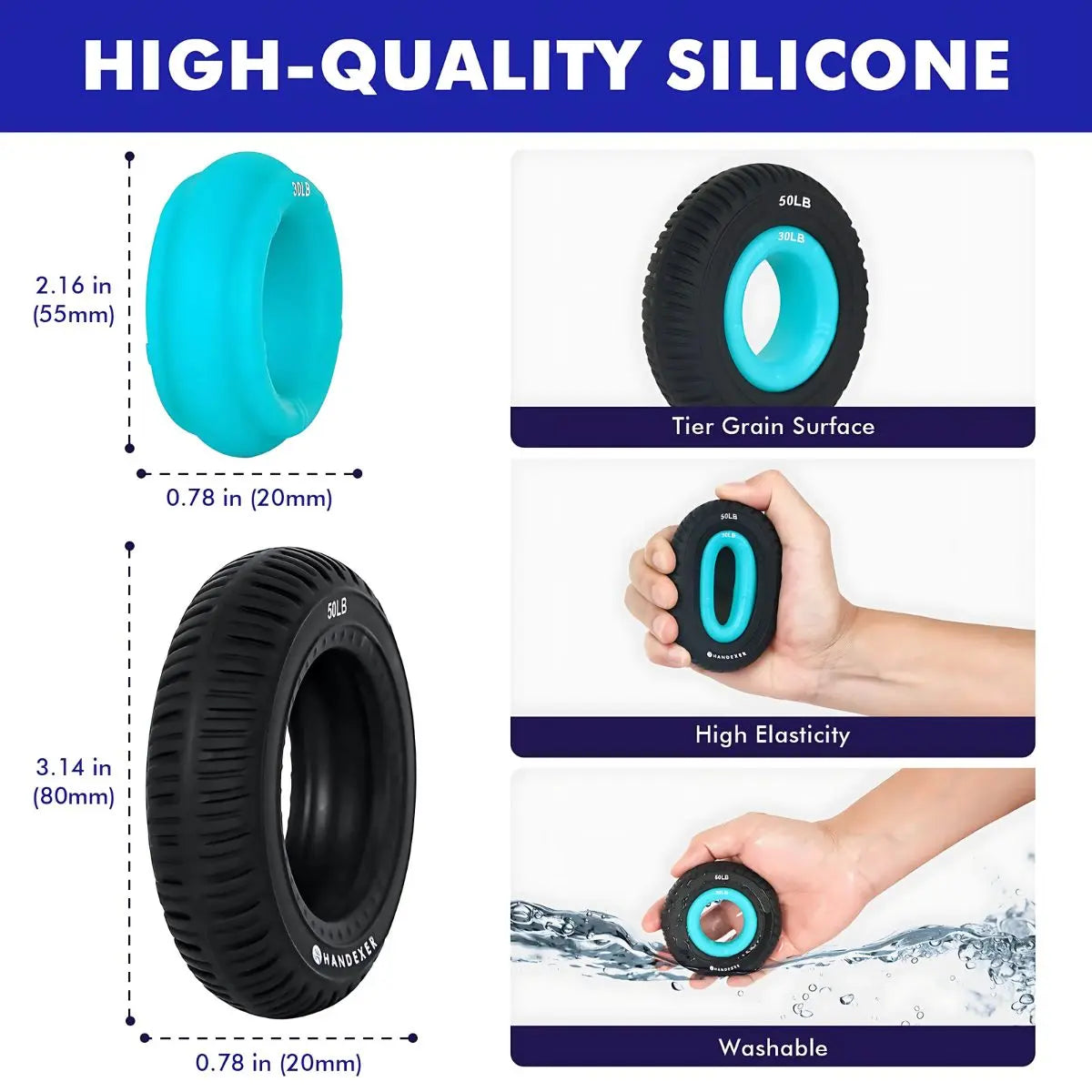
Handexer Silicone Grip Rings
Flexible resistance rings offering comfortable, controlled squeezing exercises for everyday hand-strength routines.
- Multiple progressive resistance levels
- Comfortable palm-sized grip
- Easy daily exercise during home breaks
Make It a Yearly Tradition & Support Daily Habits
A single check-in starts the conversation—small everyday habits sustain strength all year.
Three Steps to Revisit Next Year
This Thanksgiving: Record relaxed baseline measurements and save the family scorecard.
Throughout the Year: Stay consistent with everyday movement, balanced meals, and periodic home check-ins.
Next Thanksgiving: Retest in the same seated posture and review longer-term personal patterns.
Movement & Nutrition Essentials
- ✓ Regular Movement: Daily neighborhood walks, chair sit-to-stands, balance practice, and comfortable hand exercises.
- ✓ Protein Intake: The PROT-AGE Study Group (JAMDA, 2013) recommends ~1.0–1.2 g/kg/day for many healthy older adults (adjust with medical guidance if needed).
- ✓ Focus on Trends: Look at steady patterns over time rather than chasing one perfect score.
Frequently Asked Questions
Q1: What is a normal grip strength for someone over 60?
Q2: Can my parents test their grip strength at home?
Q3: Is a grip strength test enough to detect sarcopenia?
Q4: How often should older adults measure their grip strength?
Q5: What is a thoughtful Thanksgiving gift for parents who want to stay active?

Small Traditions That Help Loved Ones Stay Strong
Enjoy the meal, share the stories, and invite your parents to try a quick grip check-in. Keep those numbers somewhere safe and bring them out again at your next gathering—because the most meaningful gifts are the little habits that help the people we love enjoy everyday life.
Measure. Improve. Restore.
Scientific References & Clinical Guidelines
- Leong DP, Teo KK, Rangarajan S, et al. (PURE Study). Prognostic value of grip strength: findings from the Prospective Urban Rural Epidemiology (PURE) study. The Lancet, 2015;386(9990):266–273.
- Cruz-Jentoft AJ, Bahat G, Bauer J, et al. (EWGSOP2). Sarcopenia: revised European consensus on definition and diagnosis. Age and Ageing, 2019;48(1):16–31.
- Sousa-Santos AR, Amaral TF. Differences in handgrip strength protocols to identify sarcopenia and frailty – a systematic review. BMC Geriatrics, 2017;17:238.
- Bauer J, Biolo G, Cederholm T, et al. Evidence-based recommendations for optimal dietary protein intake in older people: a position paper from the PROT-AGE Study Group. JAMDA, 2013;14(8):542–559.






Teilen:
Handübungen für Senioren mit schwachem Griff: Sichere tägliche Routinen für zu Hause
Handkrafttraining: Aufbau von Kraft von den Fingern bis zu den Unterarmen