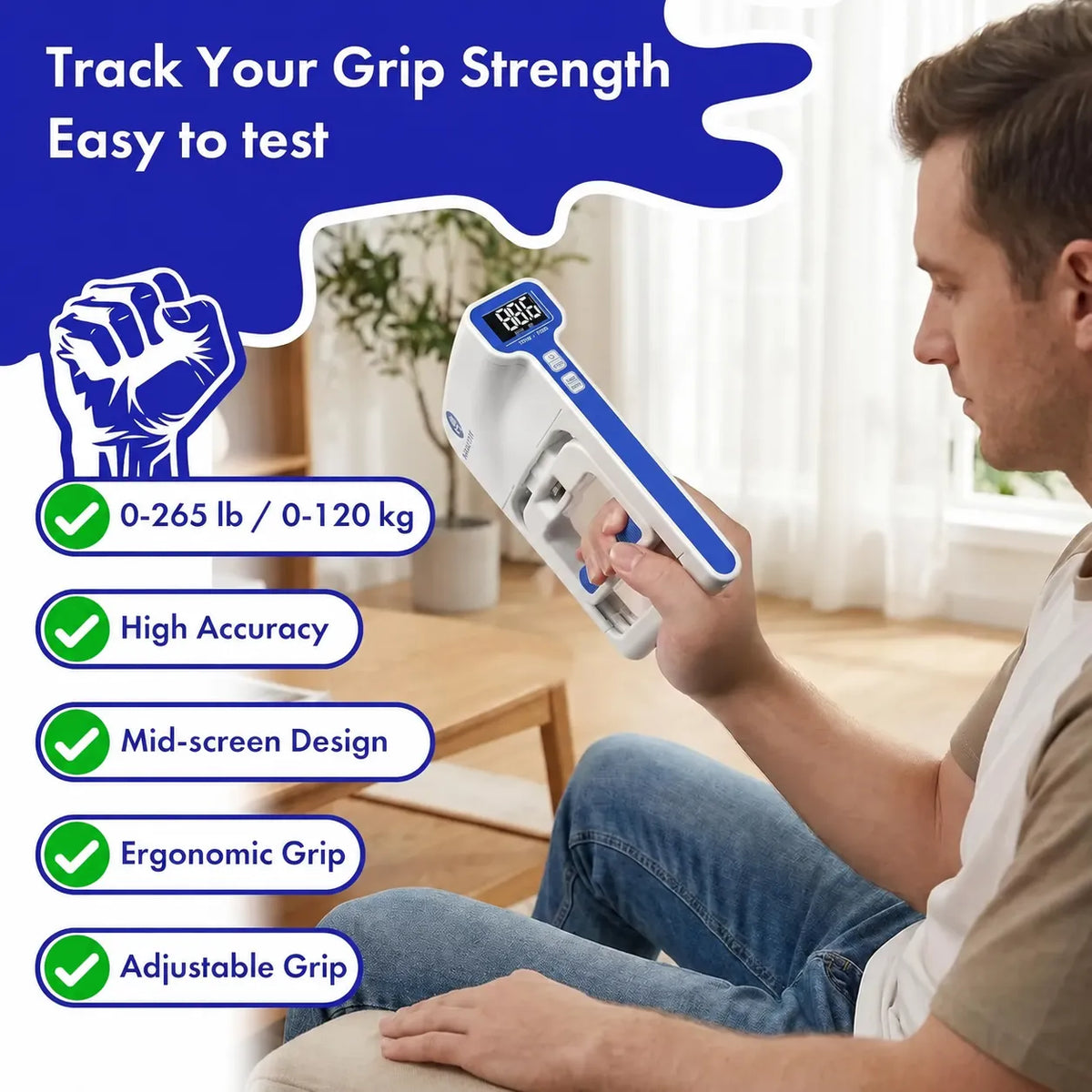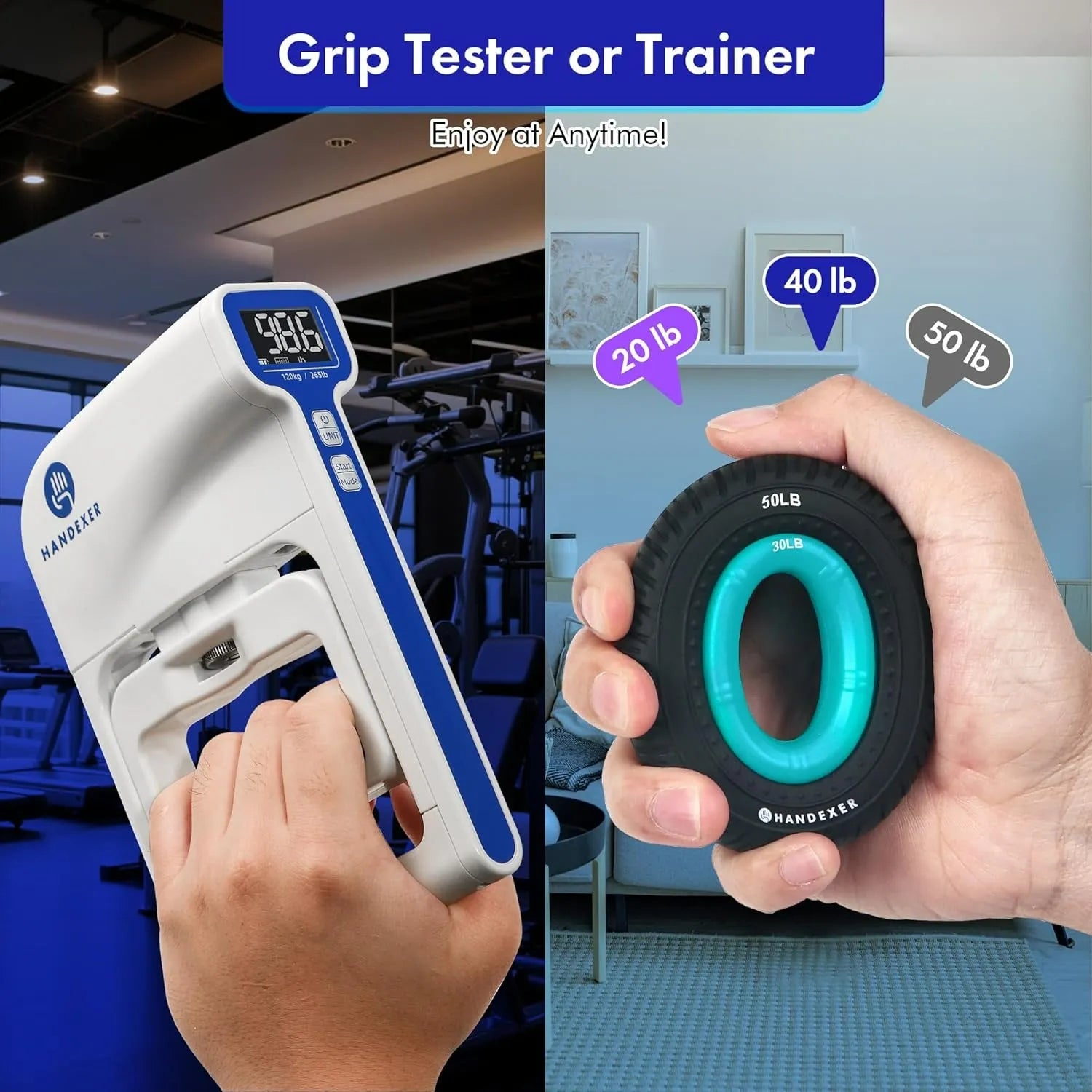
Do you fall into this category? Your weight is within the “normal” range, and you look slim or even slightly underweight, yet everyday tasks like carrying heavy bags or opening a jar feel unusually difficult. You may even find yourself getting tired after walking a short distance.

This can sometimes be a sign of low muscle strength or reduced muscle mass, even when your body weight appears normal. A large population-based study published in the respected journal Nutrients examined the relationship between dietary protein intake and muscle strength, highlighting an important connection: inadequate protein intake is associated with weaker grip strength, while a lack of resistance exercise can limit the benefits of dietary protein for maintaining muscle strength.

Handgrip strength (HGS) is an accessible, practical measure of muscle strength. Although it primarily reflects upper-body strength, it is also associated with broader measures of physical function and overall health.

Persistently low grip strength has been linked to chronic disease, impaired mobility, and a higher risk of all-cause mortality. Learning to monitor grip strength early can be a useful step toward maintaining physical function as you age.

1
Metabolic Reality

The Scale Can Be Misleading: Stable Weight ≠ Healthy Muscles

In today's increasingly sedentary world, we take elevators, sit at desks for hours, and order food with a few taps on our phones. We rarely need to exert much physical effort in our daily lives. This convenience can create a misleading sense of security: your weight may remain unchanged for years while your skeletal muscle mass gradually declines.

Close-up shot of hands struggling to twist a tight jam jar lid on a wooden kitchen counter, showing the common daily inconvenience of weak grip strength that Handexer hand training equipment targets to boost everyday hand functionality.

Everyday Warning Signs of Low Muscle Mass
🛍️
Forearms tire quickly carrying two grocery bags
🦵
Leg weakness when standing up after prolonged sitting
🥫
Struggling or feeling strained opening sealed jars
Less muscle, less metabolic capacity

Skeletal muscle plays an important role in regulating blood glucose by taking up glucose from the bloodstream. When muscle mass is low, metabolic health may be affected, particularly when excess body fat is also present. Even people who appear slim may have an increased risk of metabolic problems.

Why Does Grip Strength Matter Beyond Your Hands?

Woman performing dumbbell curl at home, highlighting grip strength for hand dynamometer training.

Whole-Body Coordination
Maximal squeeze requires coordinated motor activation. Standing also relies on postural balance from the trunk and lower body.
Neuromuscular Function
Firing motor units at full intensity requires direct central nervous coordination, offering a window into system-level vitality.
Long-Term Vital Marker
Standardized by EWGSOP2 and AWGS sarcopenia guidelines as a core measure linked to longevity and cardiovascular well-being.
Free Online Assessment

Curious About Your Grip Strength?

Get an instant baseline comparison based on clinical reference values for your age and sex.

2
Nutritional Science

The Relationship Between Protein Intake & Muscle Strength

A study published in Nutrients, based on large-scale data from the Korea National Health and Nutrition Examination Survey (KNHANES), investigated the relationship between dietary habits and muscle strength. Its findings highlight two key principles:

1
Low Protein Intake Is Linked to Lower Grip Strength
Muscle proteins are continually broken down and rebuilt. When your meals are dominated by simple carbohydrates and lack high-quality protein, the body struggles to maintain muscle tissue—especially during periods of limited physical activity.
Consistently inadequate protein intake may make it harder to maintain muscle mass and strength.
2
Protein Alone Isn't Enough
Simply drinking high-protein shakes will not automatically lead to stronger muscles. Adequate protein intake and resistance exercise work symbiotically to trigger muscle protein synthesis.
Requires the "Building Blocks & Crew" principle
The Analogy
Building Blocks & Construction Crew
🥩 Protein = Building Material

Supplies essential amino acids, particularly leucine, which triggers muscle protein synthesis.

🏗️ Resistance = Construction Crew

Exercises such as gripping, pulling, and squatting create the mechanical tension needed to direct and bond those materials.

3
Actionable Nutrition

How Much Protein Do You Need Each Day?

General Healthy Adults
1.0 — 1.2 g / kg body weight
A practical baseline to safeguard muscle balance during sedentary periods.
1.2 — 1.5 g / kg body weight
Supports higher repair demands and overcomes age-related anabolic resistance.

Meal pacing rule: Try to spread your protein intake across your meals rather than consuming most of it in one sitting. Aiming for around 20–30 grams per meal helps sustain muscle synthesis throughout the day.

Protein-rich foods like grilled chicken, salmon, eggs, and tofu arranged on a kitchen counter for muscle recovery.

🍴 Protein Content of Common Foods
Values may vary by brand & preparation
Food Item Typical Serving Size Approx. Protein
🍗 Cooked chicken breast 100 g (about 1 palm-sized portion) 30 g
🥩 Lean beef or pork 100 g (about 1 palm-sized portion) 26 g
🐟 Cooked fish or shrimp 100 g 20–22 g
🥚 Whole eggs 2 medium eggs 12–13 g
🥣 Plain Greek yogurt 150 g 15 g
🧈 Firm tofu 150 g 15 g
🥛 Cow's milk / unsweetened soy 250 ml 8 g
🥤 Whey or plant protein powder 1 standard 30 g scoop 20–24 g
4
Implementation Protocol

Build a Home Routine to Monitor Strength & Muscle Health

You don't necessarily need an expensive gym membership to start paying attention to your muscle strength. A straightforward 4-step home protocol helps establish your baseline, maintain momentum, and monitor long-term trends:

Middle-aged man using Handexer digital hand dynamometer while recording daily wellness data at wooden desk, home hand strength tracking for regular health monitoring.

Step 01
Measure Baseline
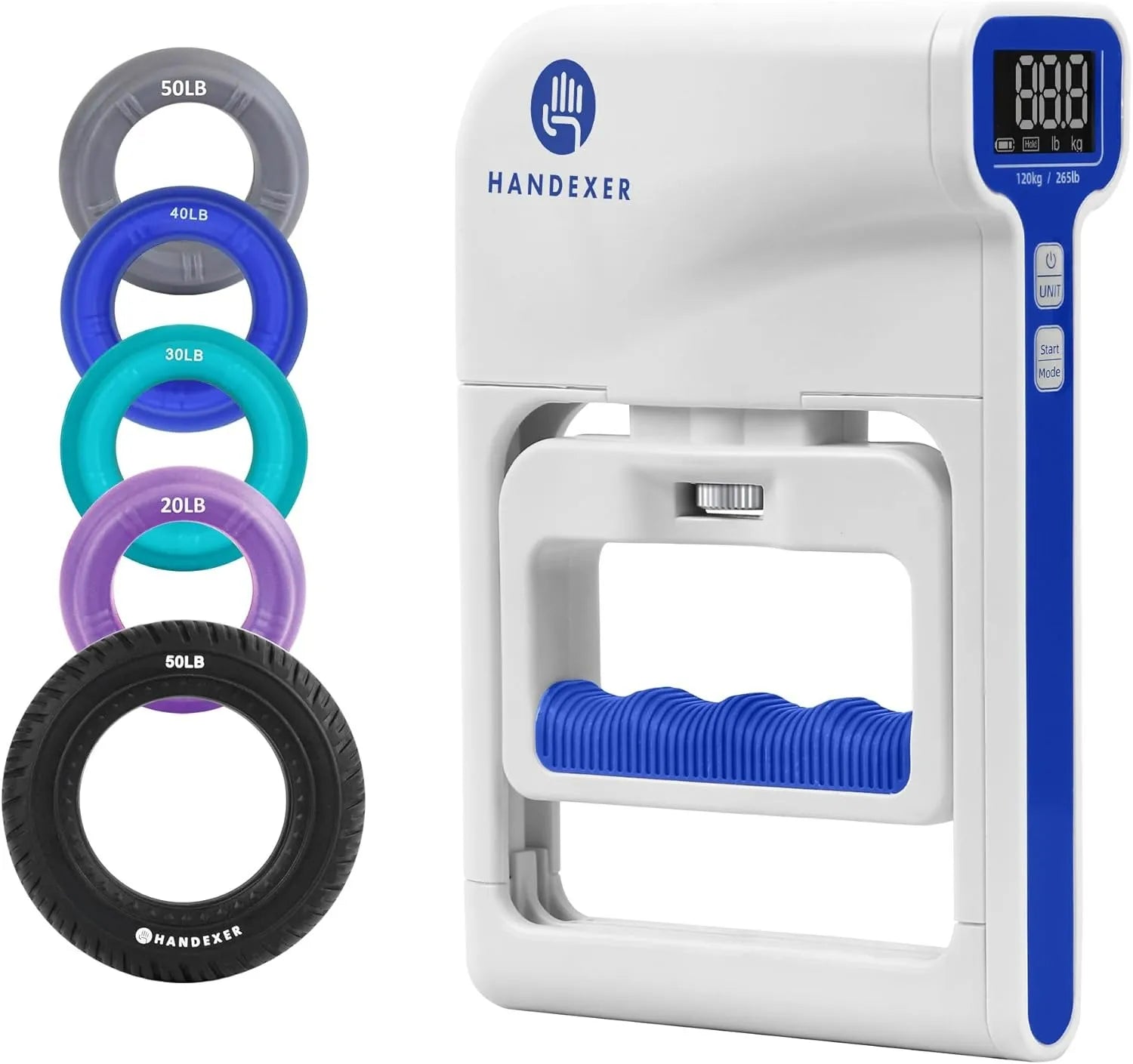
Use a digital hand dynamometer for a calibrated starting score.
Step 02
Fuel Muscles
Consume 1.0–1.2+ g/kg protein spaced across regular daily meals.
Step 03
Add Resistance
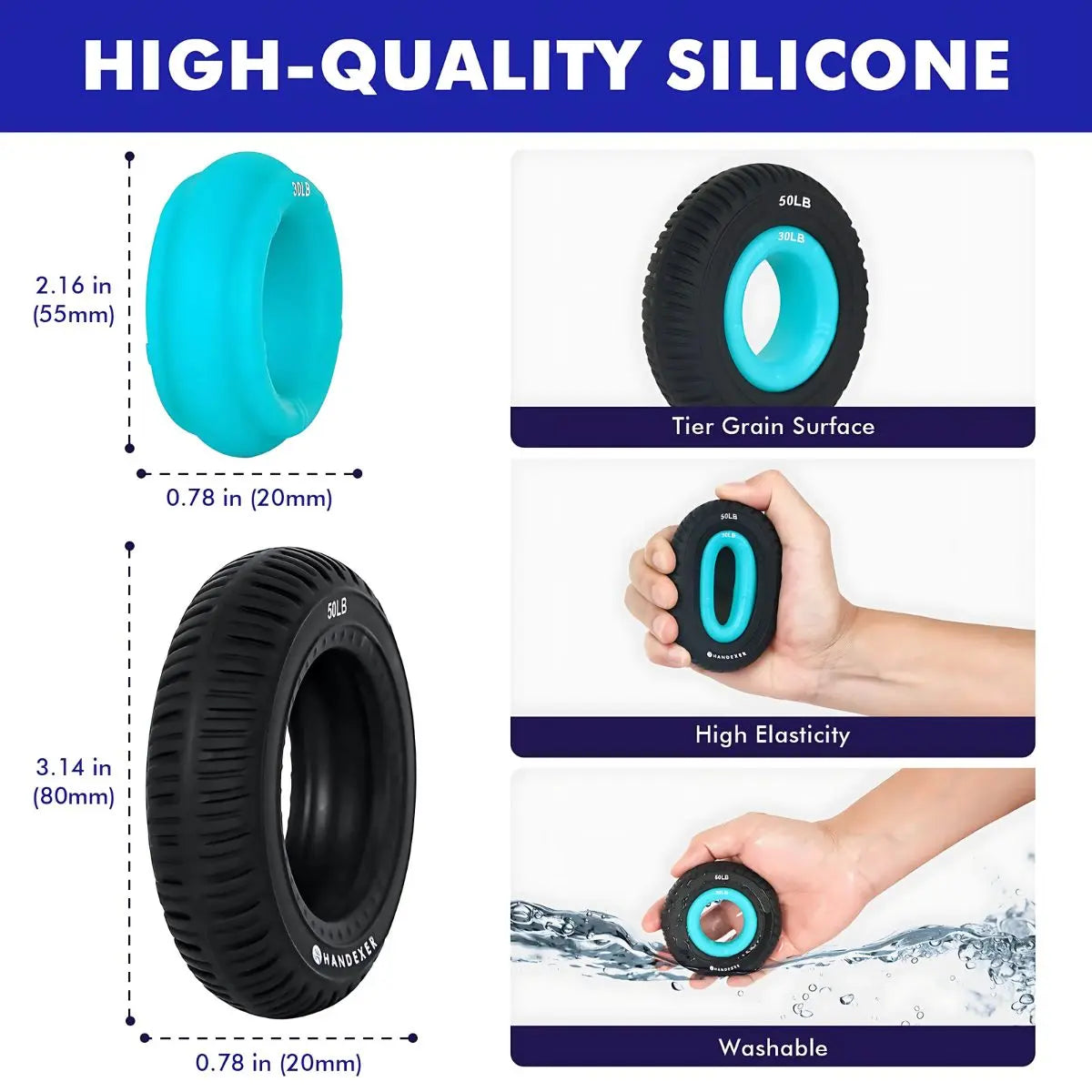
Silicone rings at your desk, bodyweight squats, and brisk walking.
Step 04
Track Progress
Re-test every 2–4 weeks under consistent posture and timing.

Standardized Grip Testing Protocol

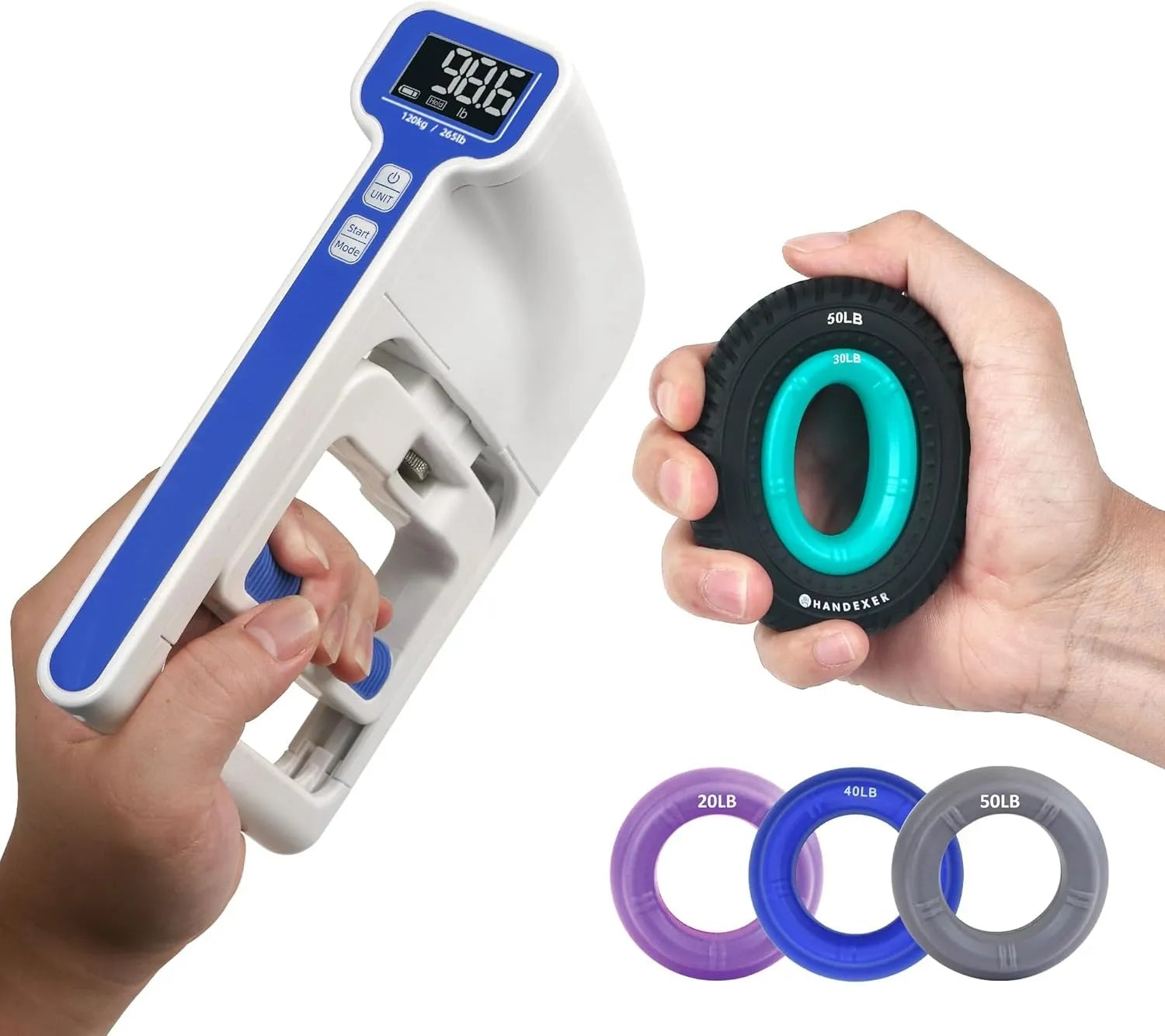
Stand naturally with feet shoulder-width apart. Keep your arm at your side with your elbow in the recommended position. Hold the digital device securely and squeeze with maximal effort for 3–5 seconds while breathing steadily. Record the peak reading, keeping testing posture and hand settings identical for future tests.

Micro-Habits at Your Desk & Home

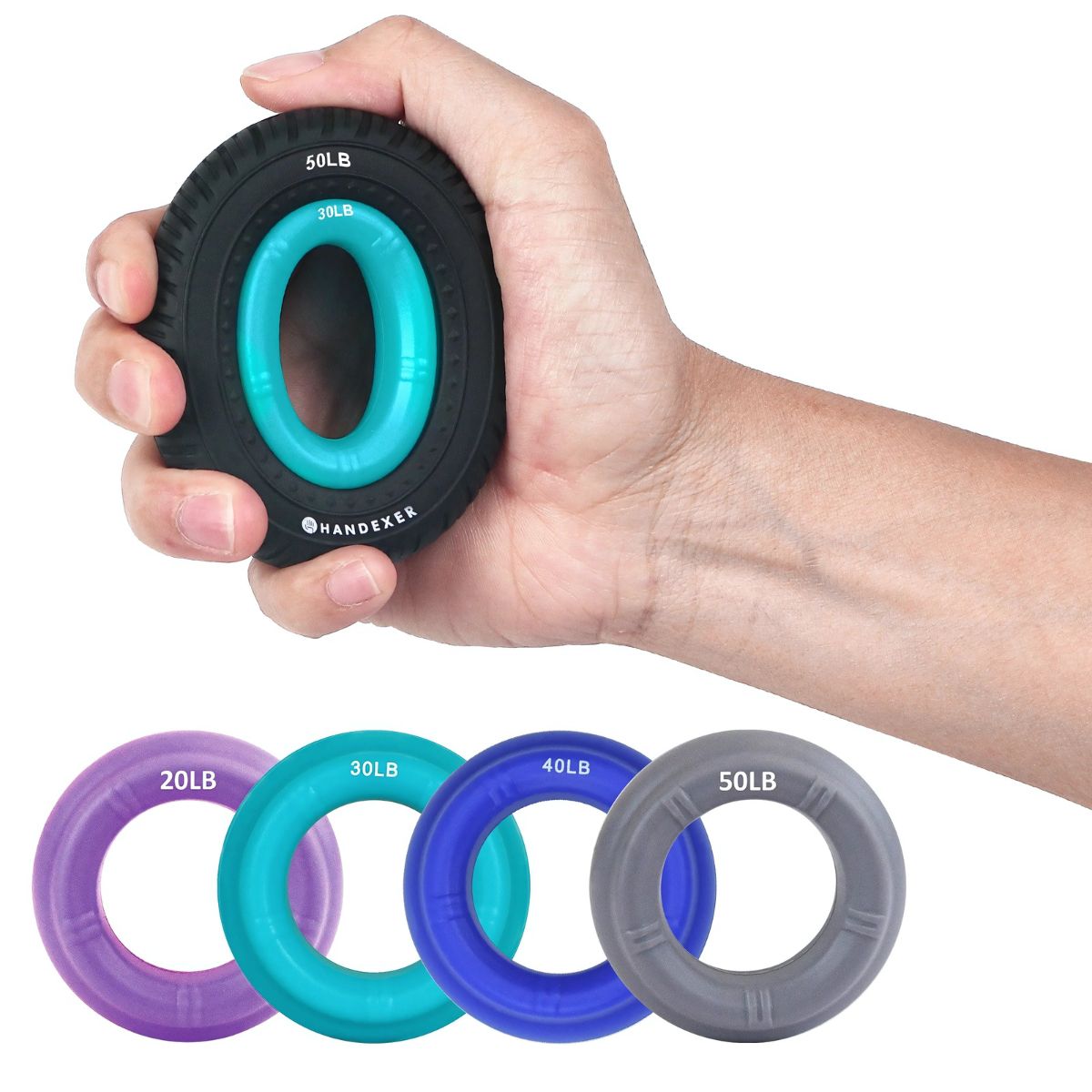
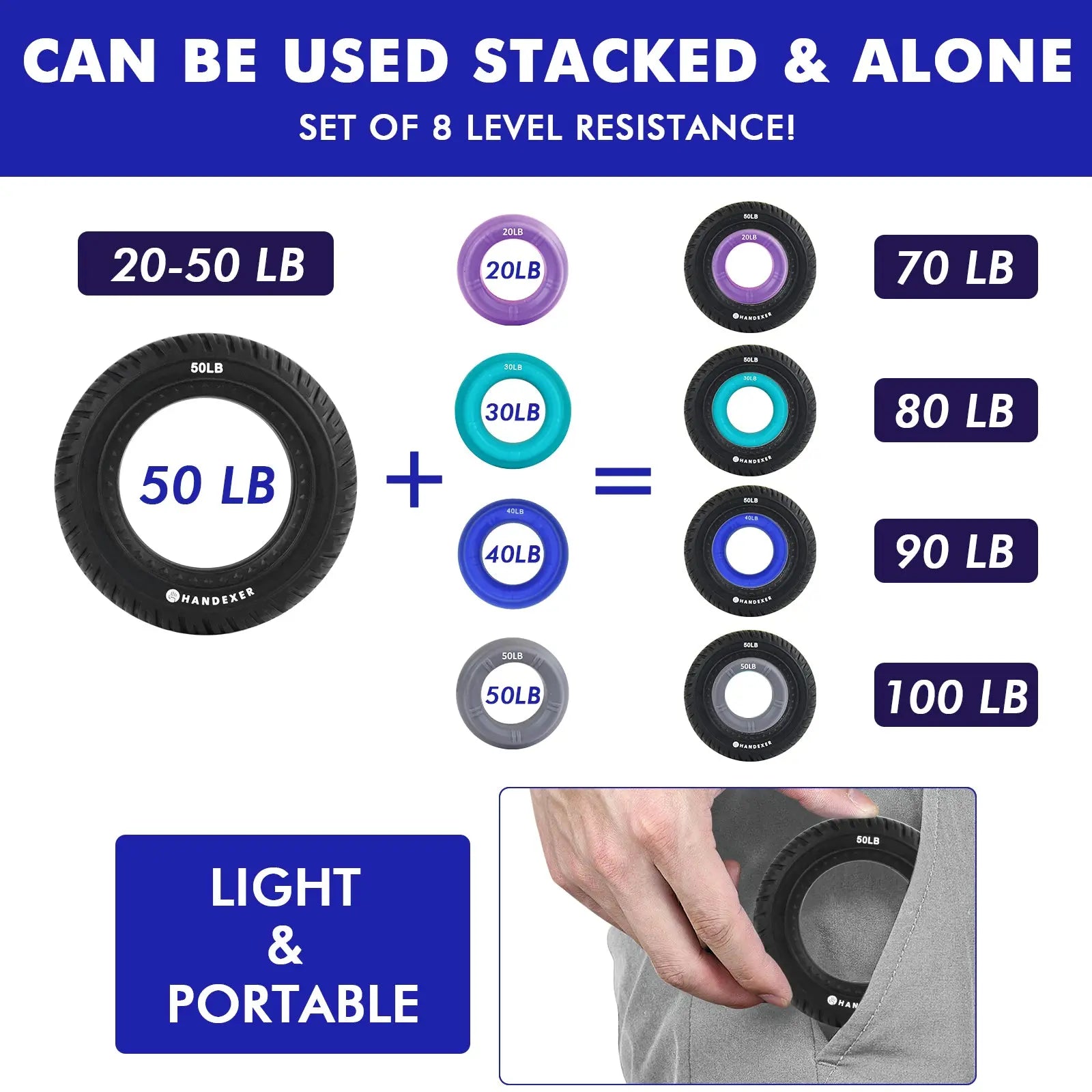
Keep a silicone grip ring on your desk for breaks—try 3 sets of 8–10 controlled squeezes. At home, add brisk stair walking and bodyweight chair squats to challenge both upper and lower body muscle units.

Focus on 2–4 Week Trends, Not Daily Swings

Grip strength fluctuates daily based on sleep quality, hydration, and fatigue. Sustained progress over a month is the metric that reflects true neuromuscular and nutritional adaptations.
Precision Sensor Technology

Make Grip Strength Part of Your Health Routine

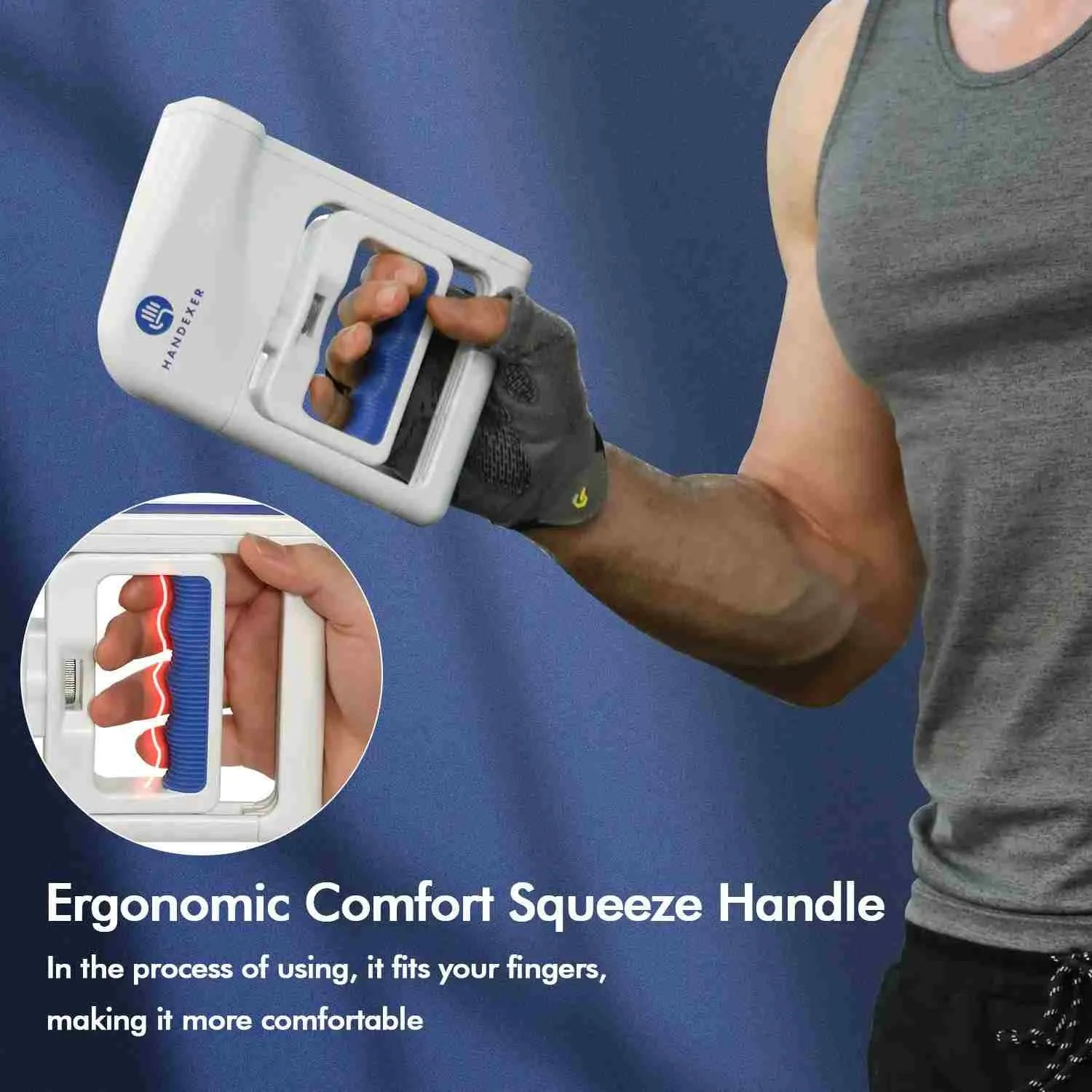
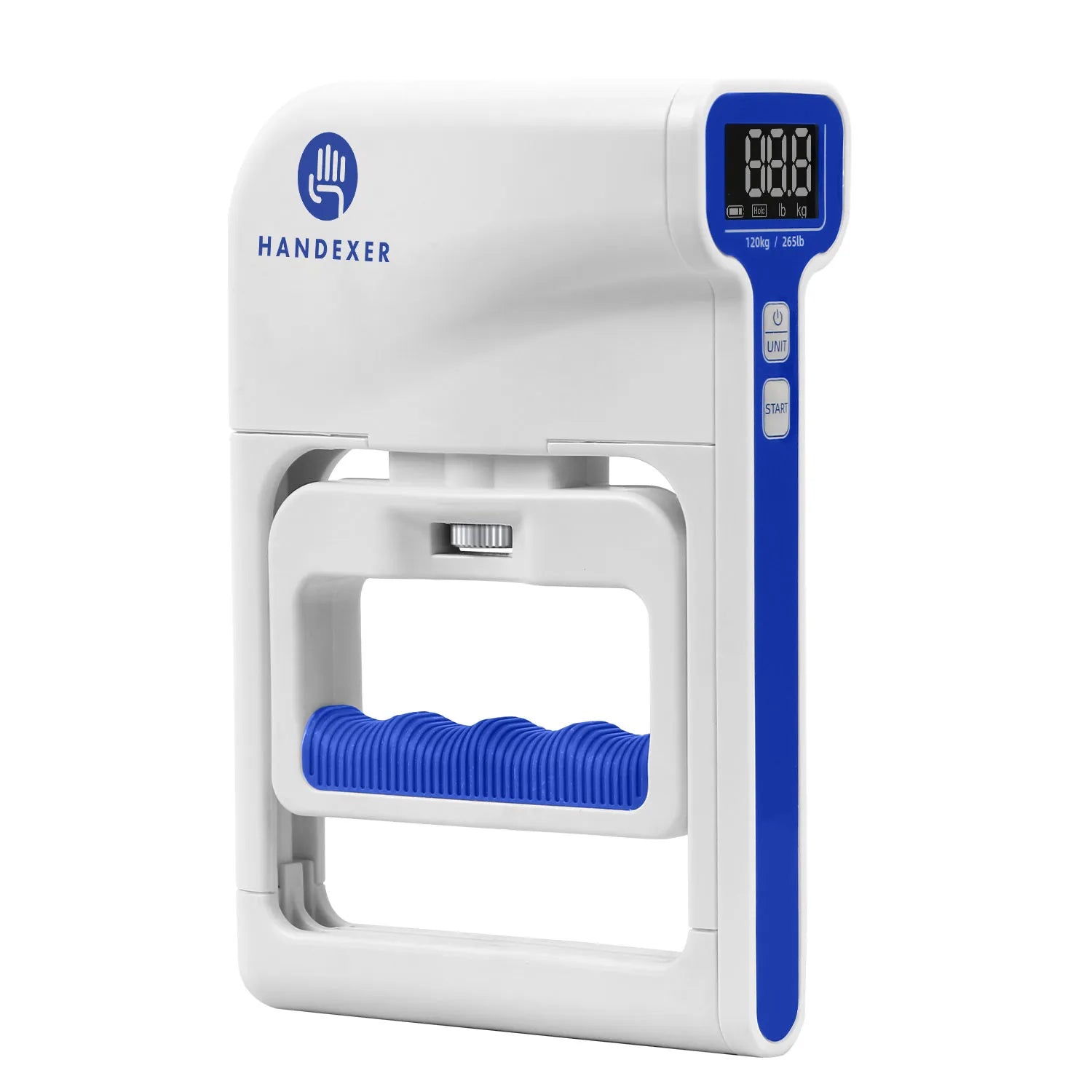
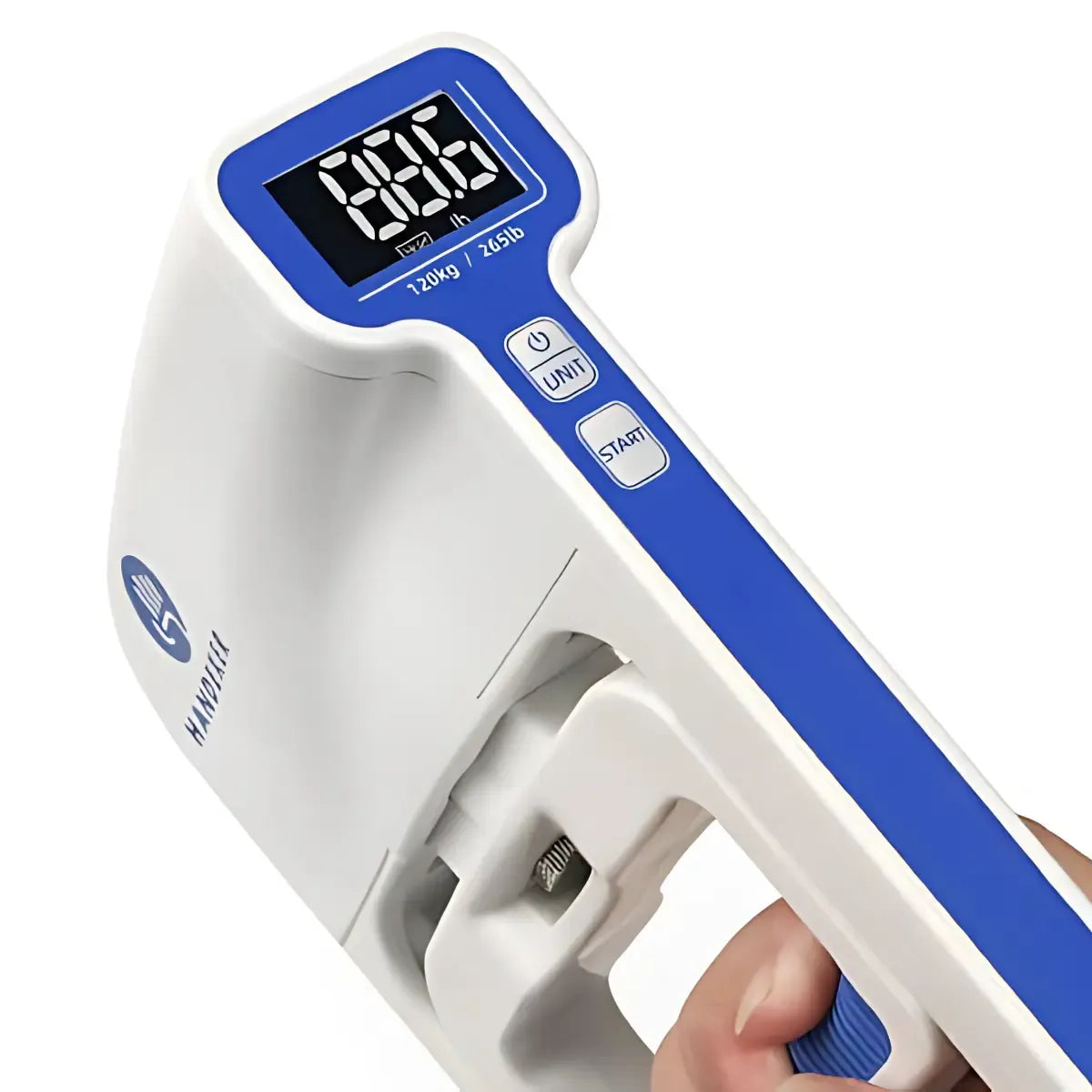
Consistent measurements give you a practical way to record your grip strength and review changes over time. A digital hand dynamometer makes it easier to capture readings at home and maintain a personal record.

High-Precision Load Cell Multi-User Memory
Explore Handexer Digital Hand Dynamometer ›
Accurate • Ergonomic • Easy to Read
?
Expert Q&A

Frequently Asked Questions

1. Why do some grip strength tests use a standing position?
Both sitting and standing can be used to measure grip strength, provided the testing protocol is standardized. Standing requires additional postural control from the trunk and lower body, but a standing grip test does not directly measure core strength or the strength of the entire body. For reliable comparisons with clinical reference values, it is important to use the same testing position and protocol as the relevant reference standard.
2. Will drinking an extra protein shake every day make my grip stronger?
Not necessarily. Protein provides the building blocks needed for muscle maintenance and repair, but consuming more protein does not automatically increase strength. Resistance exercise provides an important stimulus for muscle adaptation. Combining adequate protein intake with appropriate strength training, sufficient energy intake, and recovery is generally more effective than relying on protein supplements alone.
3. Should people who weigh less have a lower grip strength target?
Body weight can provide useful context when assessing physical function, and some research uses relative grip strength (grip strength divided by body weight). However, clinical assessment primarily relies on absolute thresholds. As a general reference, grip strength below 28 kg for adult men and 18 kg for adult women may warrant further attention, regardless of body weight.

Small Steps. Measurable Progress.

Start measuring your grip strength today and build a more consistent routine for tracking your functional longevity over time.

Discover Handexer
Disclaimer: This article is intended for general health education and personal fitness monitoring only. It does not constitute a medical diagnosis or treatment recommendation. Grip strength testing can be a useful tool for monitoring physical function at home, but it cannot independently diagnose muscle loss or other medical conditions. If you experience persistent or severe muscle weakness, numbness in your limbs, or difficulty performing everyday activities, consult a qualified healthcare professional.

Leave a comment

Please note, comments need to be approved before they are published.

This site is protected by hCaptcha and the hCaptcha Privacy Policy and Terms of Service apply.