

If you're new to indoor climbing or bouldering, you may notice that your fingers and forearms tire quickly, especially when holding small edges or completing several difficult moves in a row.
Building climbing finger strength takes time, but beginners don't need to start with intense finger workouts. Improving climbing technique, practicing different grip positions, and adding simple hand exercises can help you develop a stronger foundation.
1 What Is Climbing Finger Strength?
Climbing finger strength is your ability to produce and maintain force through your fingers while holding climbing surfaces.
Finger force
Your ability to maintain contact with demanding holds.
Grip endurance
Your ability to sustain or repeatedly produce gripping force.
Movement technique
How effectively you use your feet, body position, and grip to complete a move.
Your forearm muscles generate much of the force that bends your fingers, while tendons transmit that force to your finger bones. However, stronger forearms alone do not guarantee better climbing.
2 Three Climbing Grip Types to Know
Different holds require different gripping strategies. Understanding these common positions can help you recognize the demands of climbing without rushing into high-intensity finger training.
Open-Hand Grip
Your fingers remain relatively extended, and your thumb generally does not wrap over your index finger.
Half Crimp
Your finger joints are flexed, but your thumb does not lock over your index finger.
Full Crimp
Your fingers are tightly flexed, and your thumb may wrap over your index finger to reinforce the grip.
This position can be useful on certain holds but may create substantial loading on the finger flexor tendons and pulley system.
3 Start With Technique Before Finger Training
When climbing feels difficult, finger strength is not always the main limitation. Better movement can reduce unnecessary demands on your hands.
Use Your Feet Effectively
Place your feet deliberately and look for stable footholds. Efficient footwork can help you move without relying entirely on your arms.
Avoid Overgripping
Try to use only as much gripping force as you need to maintain climbing holds. Squeezing every hold as hard as possible can contribute to unnecessary fatigue.
Choose Appropriate Climbs
Practice on climbs that let you develop movement skills without repeatedly forcing your fingers onto tiny edges. Gradually explore different hold types.
These skills do not replace finger-strength development, but they provide a useful foundation before you introduce more demanding exercises.
4 Four Beginner-Friendly Finger and Forearm Exercises
Home exercises can complement climbing by developing general grip strength, finger extension, pinch strength, and wrist control. They do not fully reproduce the demands of gripping climbing holds.

Resistance-Band Finger Extensions
- 1. Place a light resistance band around fingers and thumb.
- 2. Open your fingers against the resistance.
- 3. Return slowly to the starting position.
Controlled Towel Holds
- 1. Hold a rolled towel comfortably in one hand.
- 2. Squeeze at a moderate intensity without twisting wrist.
- 3. Hold briefly, then relax completely.

Light Pinch Holds
- 1. Hold a lightweight, secure object between thumb and fingers.
- 2. Keep your wrist in a comfortable, neutral position.
- 3. Maintain the pinch briefly, then release under control.
Light Wrist Flexion & Extension
- 1. Support your forearm on a stable, flat surface.
- 2. Use a light dumbbell to move wrist through a full comfortable range.
- 3. Avoid momentum and lower the weight under control.
5 Climbing Finger Injury Prevention for Beginners
The finger flexor tendons pass through a series of pulleys that help keep them close to the finger bones. The A2 and A4 pulleys are particularly relevant in climbing.
High finger forces, especially during demanding crimping, can place substantial stress on this system. No exercise or warm-up can eliminate injury risk, but sensible training habits can help you manage loading.
Warm Up Progressively
Begin with general movement and easier climbing before attempting demanding holds. Increase intensity gradually rather than moving directly from inactivity to high-force finger loading.
Increase Demands Gradually
Avoid increasing climbing volume, adding hangboard sessions, and attempting much smaller holds all at once. Allow yourself time to assess how you respond to your current workload.
Localized finger pain should not automatically be dismissed as ordinary soreness. If discomfort persists, swelling develops, or finger function becomes limited, seek assessment from a qualified healthcare professional.
6 Should Beginners Use a Hangboard?
A hangboard allows climbers to train their fingers on specific edges and holds. It can be useful for structured climbing-specific training, but it is not an essential starting tool for everyone.
High-intensity hangs can place substantial loads on the finger tendons and pulley system. Readiness depends on training history, current capacity, previous injuries, and the ability to manage loading.
- Develop regular climbing experience and sound movement technique.
- Learn to use different grip positions on appropriate holds.
- Build a manageable training routine and allow sufficient recovery.
- Avoid high-intensity finger loading if you have unresolved pain or a recent finger injury without appropriate professional guidance.
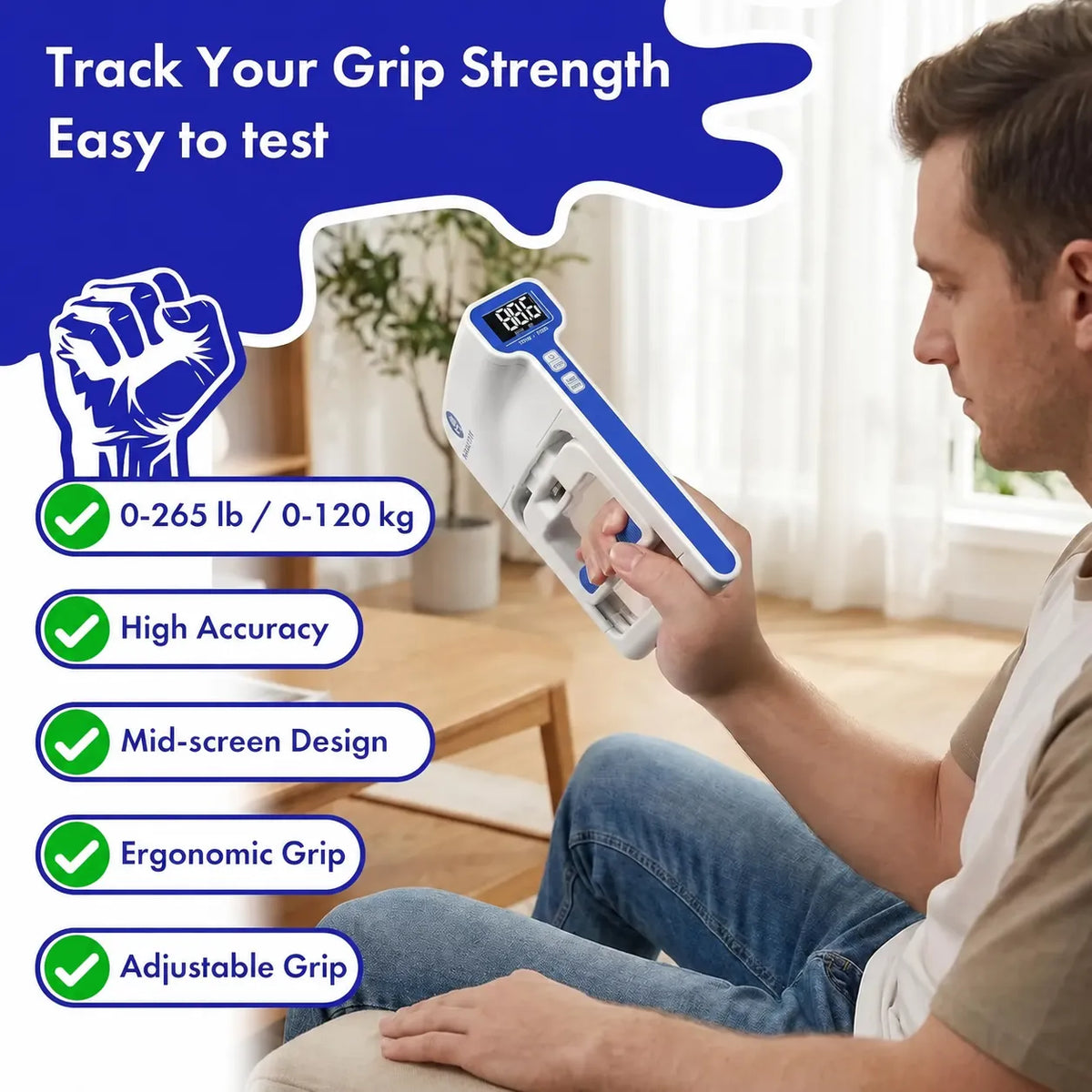
Track Your Grip Strength With Handexer
Build reliable baseline records and observe long-term trends
Consistent measurements can provide clear insight into changes in your general grip strength over time. To ensure your readings reflect actual physical adaptation:
Keep the exact same testing posture (elbow angle & standing/seated) and handle slot setting.
Warm up lightly and squeeze smoothly without sudden body jerks or twisting.
Record the session date, specific hand tested (left vs. right), and top score across 2–3 attempts.
Track multi-week rolling patterns rather than reacting to minor single-day fluctuations.
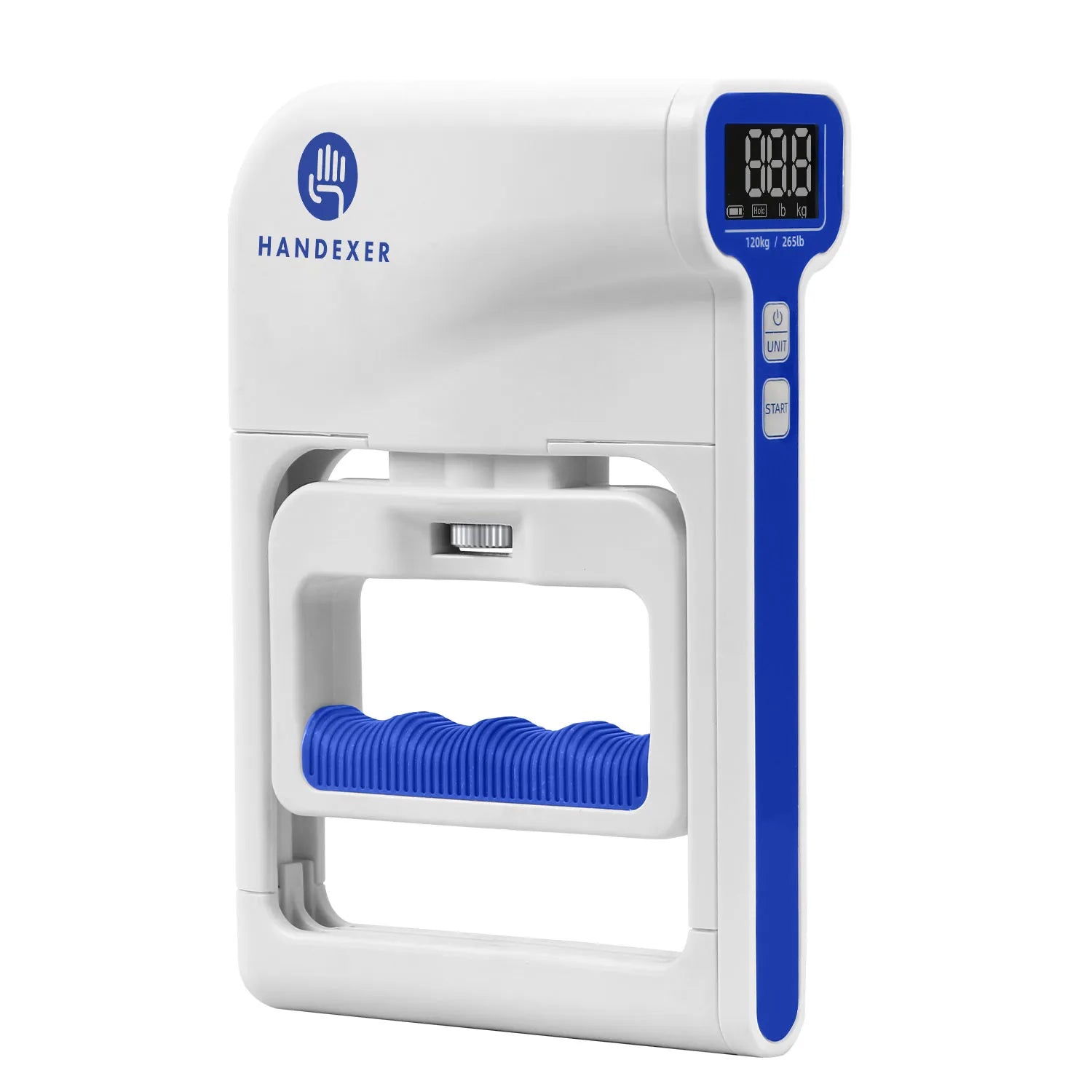
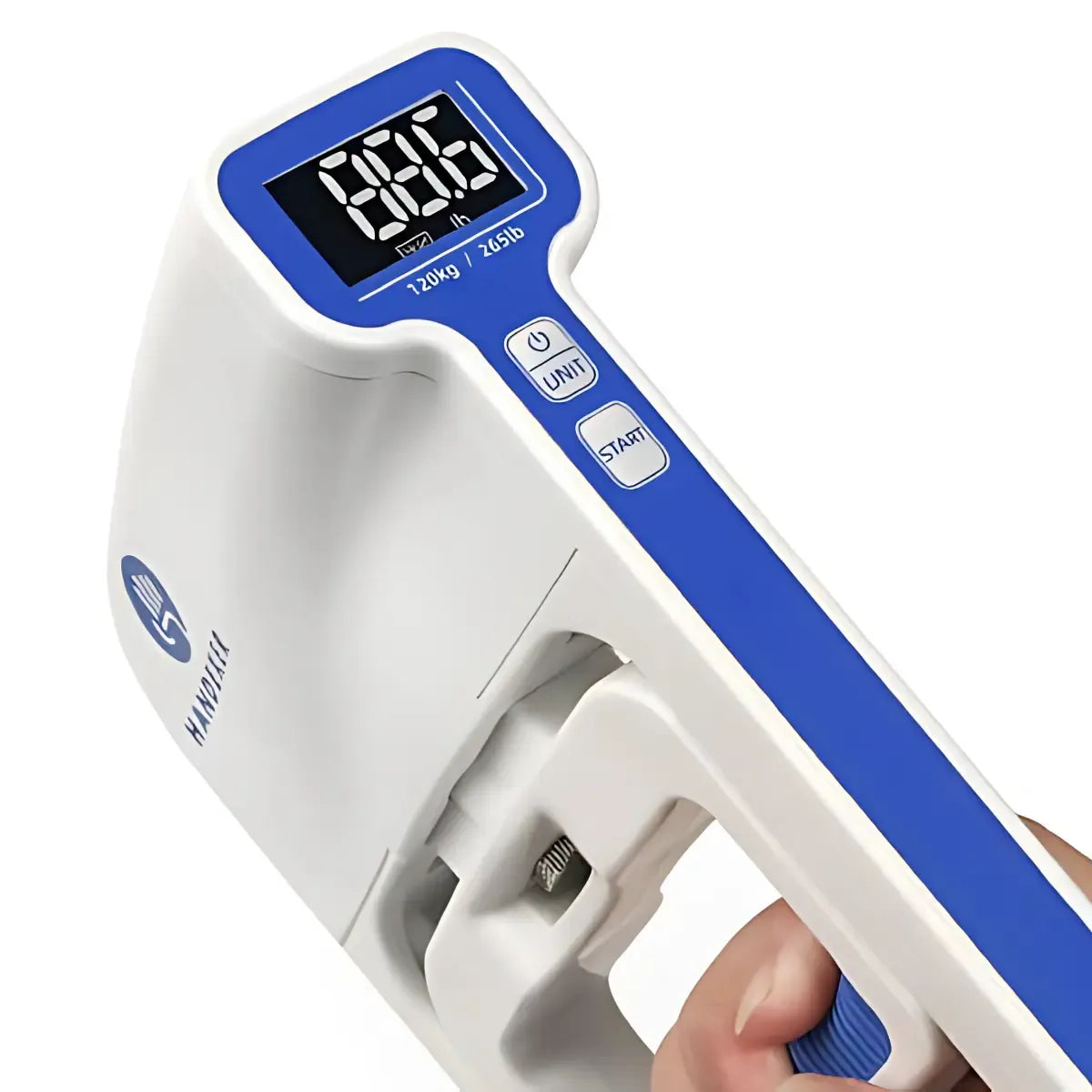
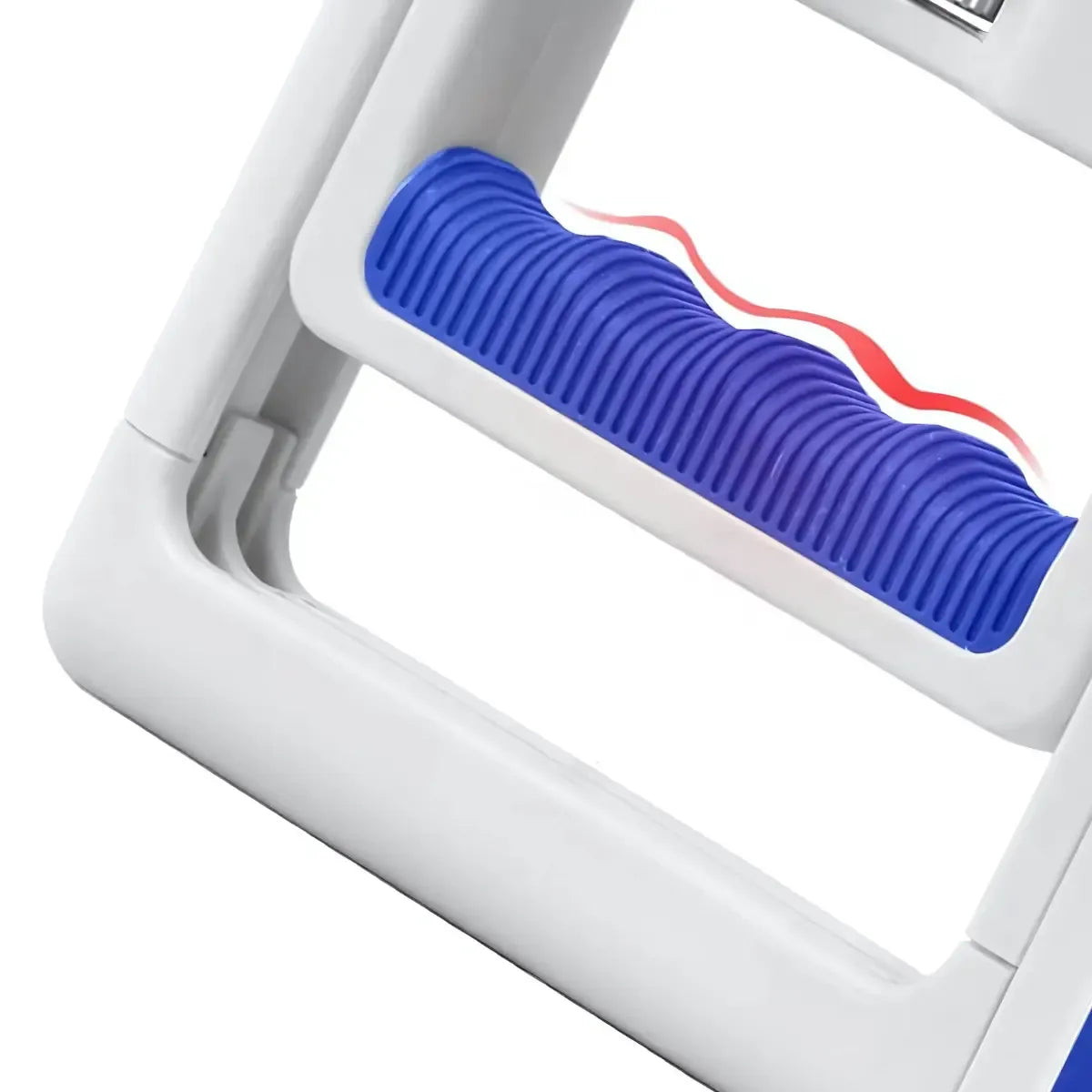
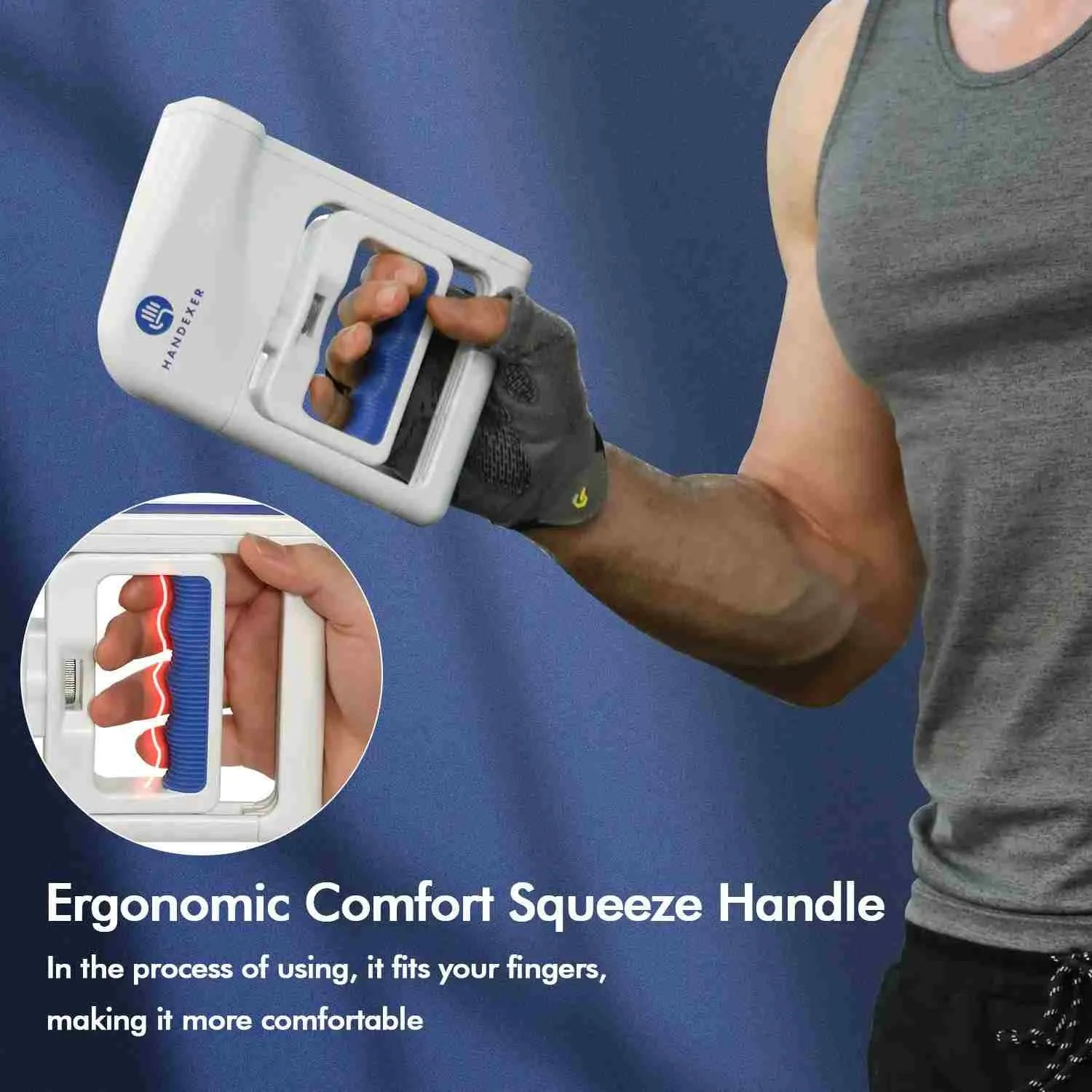
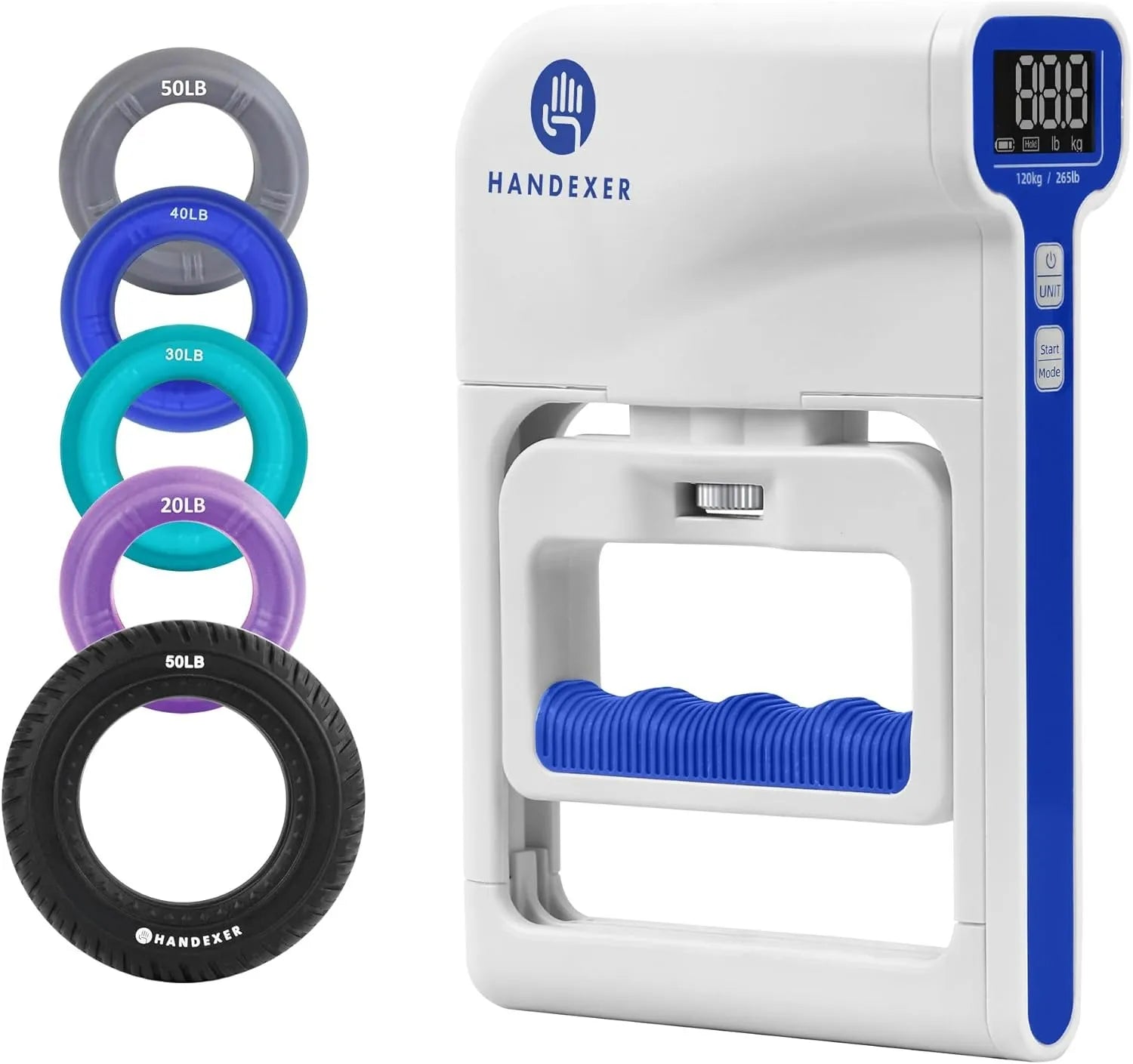
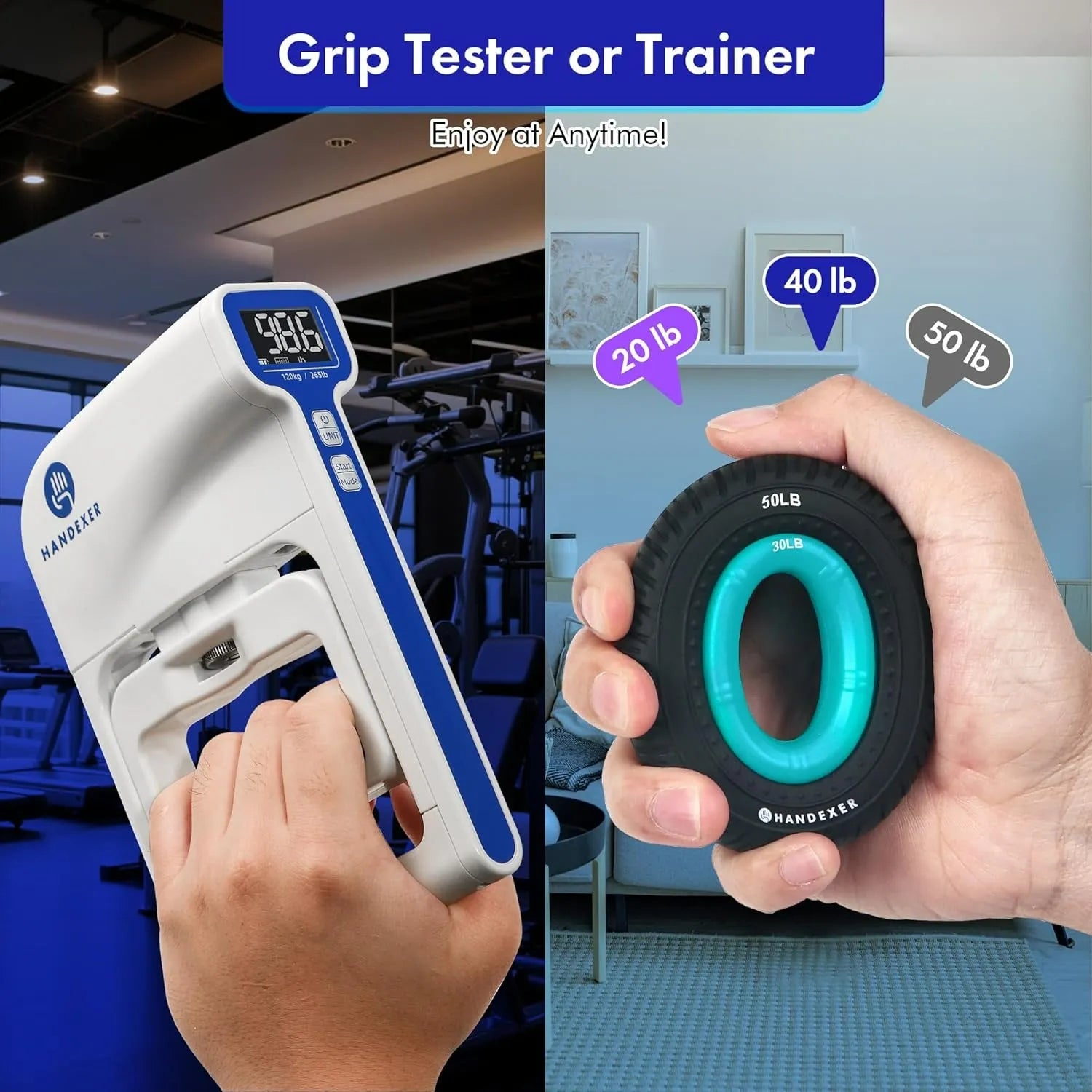
Handexer Digital Hand Dynamometer
Standardize your general forearm evaluation with medical-grade strain gauge sensors. Capture objective peak force effortlessly at home or the gym.
💡Important Note on Finger vs. Grip Strength
General grip strength measures gross forearm squeezing power. It is not identical to climbing finger strength on micro-edges, cannot test individual pulley health, and does not determine hangboard readiness.
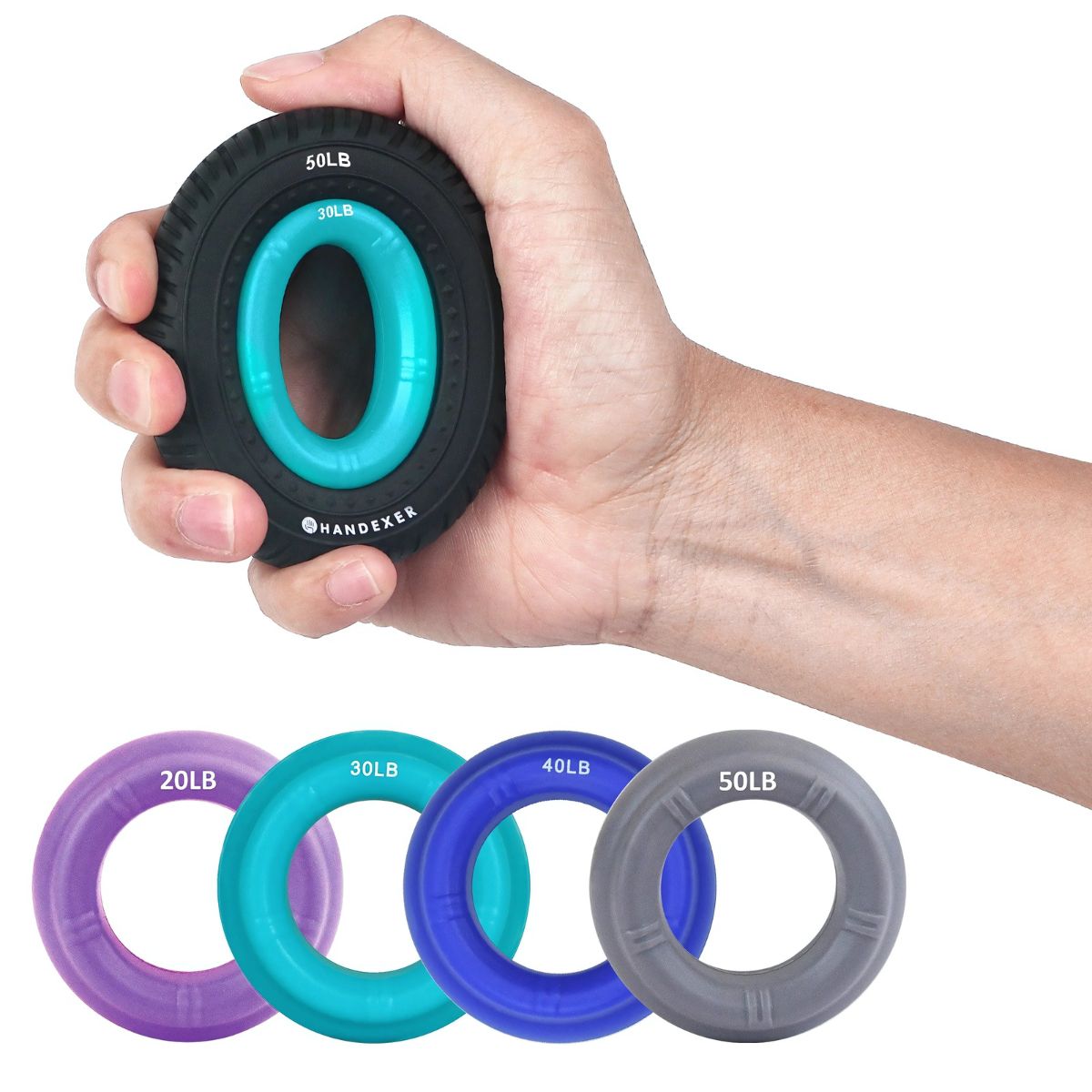
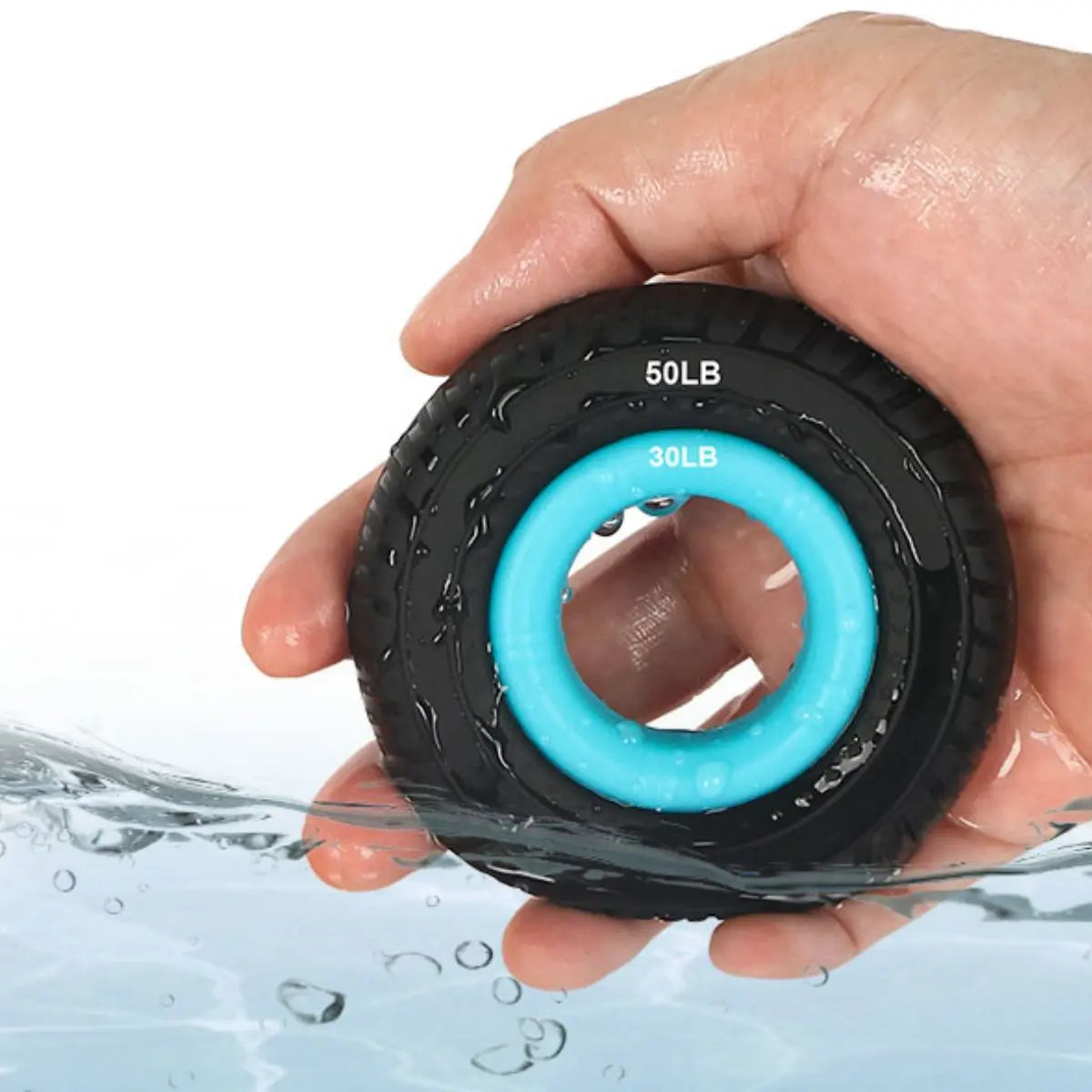
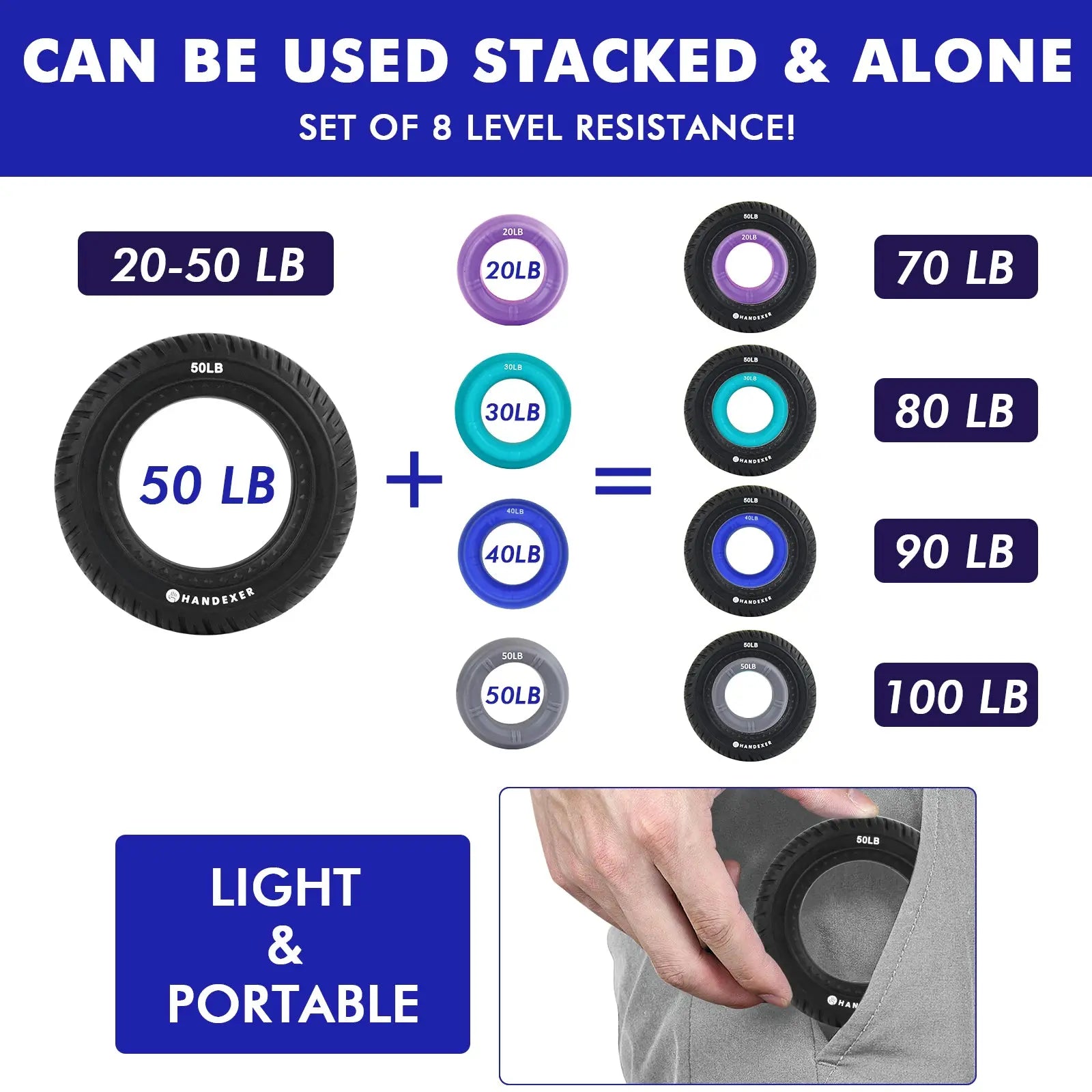
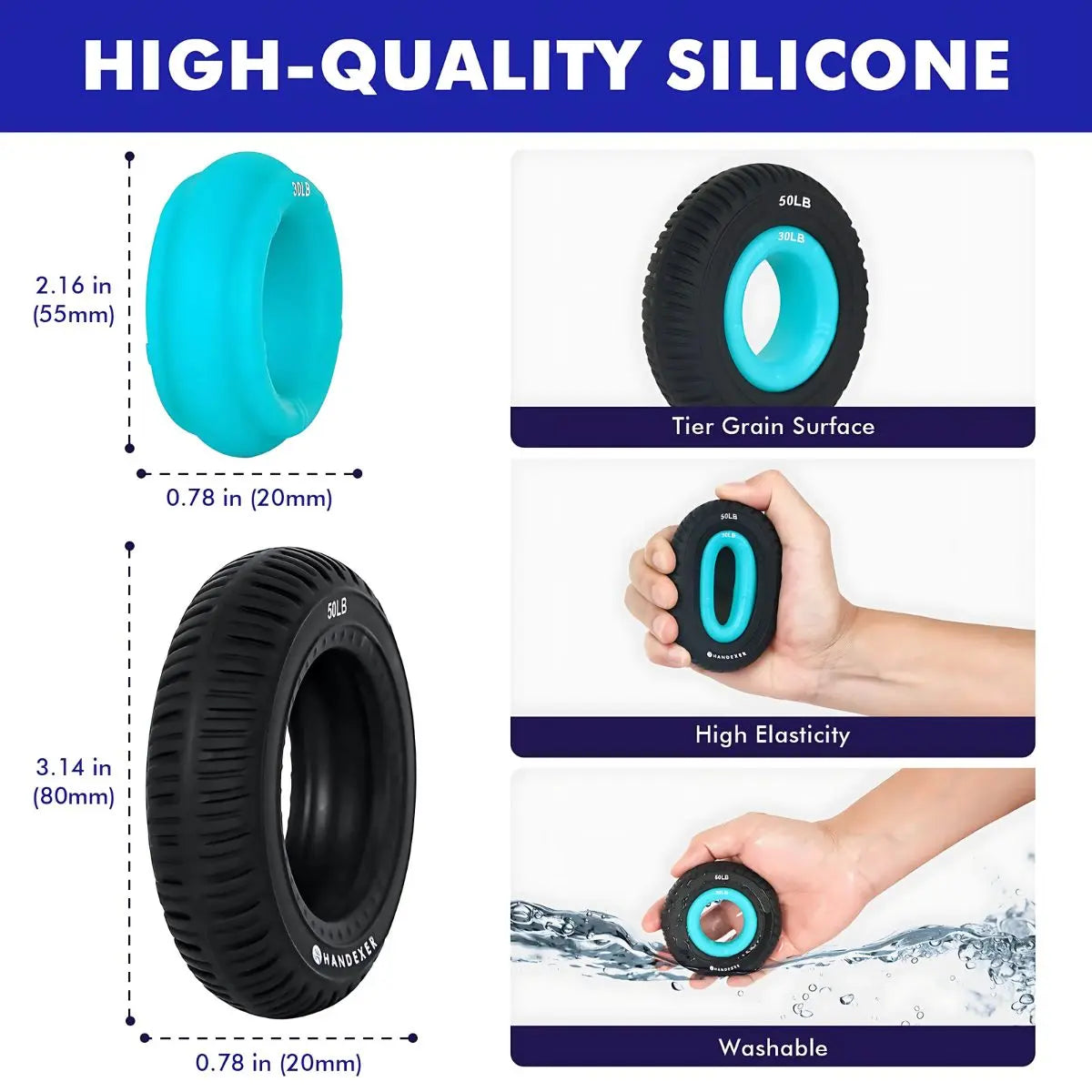
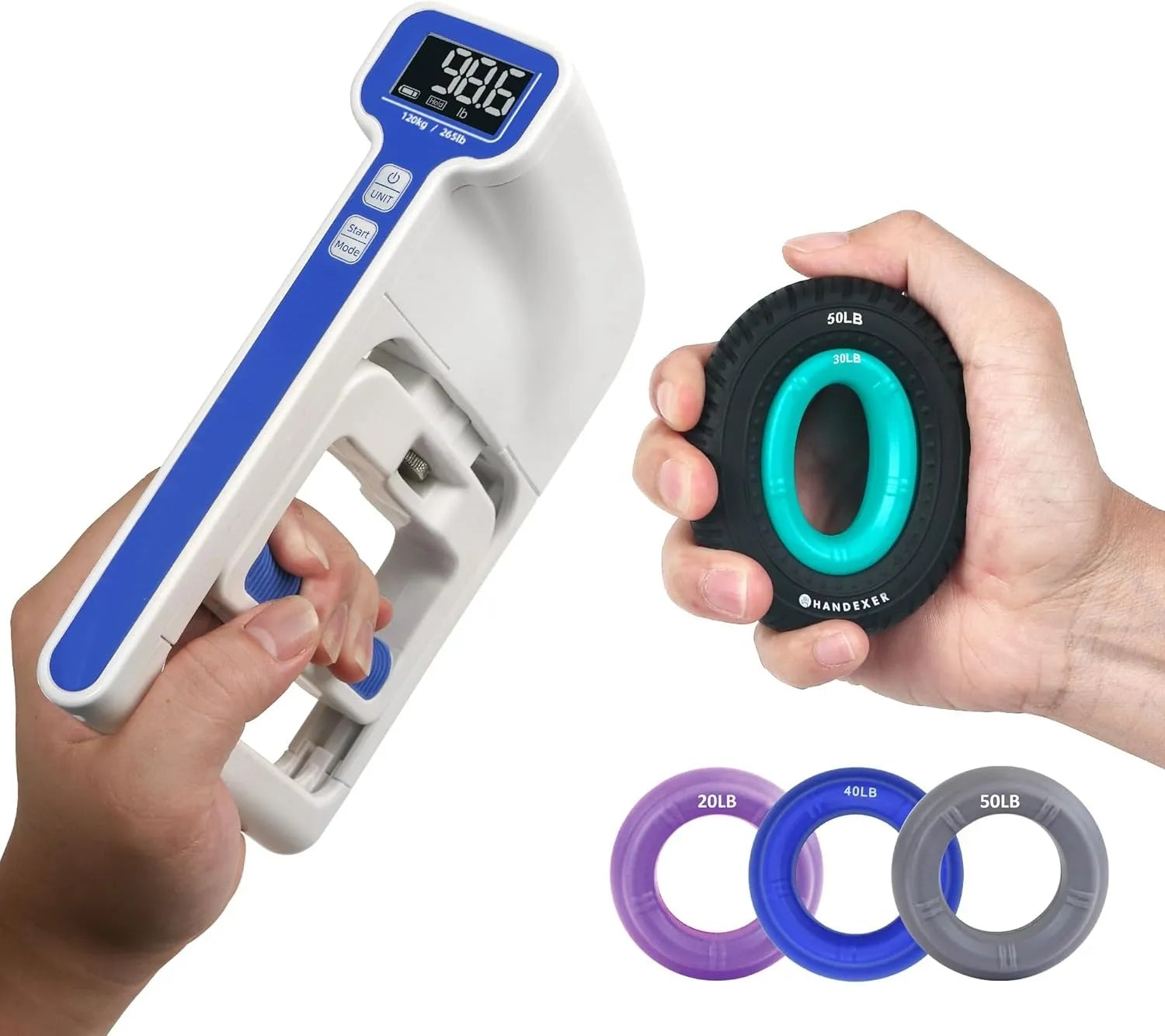
🔄 Handexer Grip Ring & Extensor Set
Looking for antagonistic conditioning? Pair your routine with elastic extensor bands and grip rings to exercise finger open-chains without loading heavy weights.
Frequently Asked Questions
How can beginners improve climbing finger strength?
Can I train climbing finger strength at home without a hangboard?
Is hangboard training necessary for beginners?
Can a grip-strength dynamometer measure climbing finger strength?
What should I do if my finger hurts after climbing?
- 1. Schöffl, V. R., et al. (2003). Radiographic and biomechanical analysis of pulley injuries in rock climbers. The American Journal of Sports Medicine. Read on PubMed
- 2. Schöffl, V., & Hochholzer, T. (2004). Finger pain and pulley injuries in rock climbers: diagnosis, classification and therapy. British Journal of Sports Medicine. Read in BJSM
- 3. American Society of Hand Therapists (ASHT). Professional resources on hand function, assessment, and rehabilitation. Visit ASHT




Share:
Can Low Protein Intake Affect Muscle Strength and Grip Strength?
Stronger Grip, Longer Life? Can Squeezing a Ball Really Help You Live Longer?