
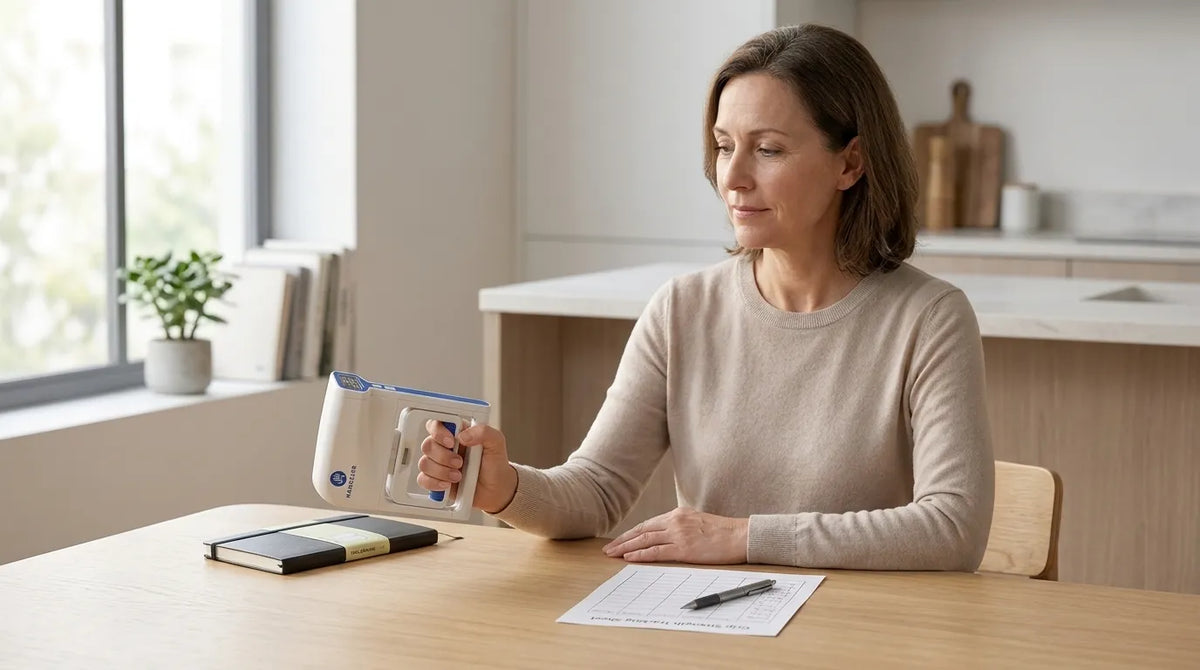
In health headlines and anti-aging columns, you have probably come across findings like this: The Lancet, one of the world's leading medical journals, published a large cohort study involving nearly 140,000 participants. The study found that every 5 kg decrease in grip strength was associated with an approximately 16% increase in the risk of all-cause mortality. Since then, more epidemiological studies have linked grip strength to cardiovascular health, cognitive function, and even biological longevity.
These compelling findings have quickly fueled an unusual lifestyle trend. Many people now carry rubber grip rings or stress balls with them, squeezing away relentlessly at their desks or during their commutes, forearm veins bulging, convinced that building stronger hands will earn them a few extra years on the longevity checklist.
But if we stop and think about the logic for a moment, something does not quite add up. If stronger grip strength equals a longer life, could we simply lie on the sofa and squeeze a ball every day to squeeze more health out of life?
THE CORE CONCEPTUAL FLAW
Confusing correlation with causation, and mistaking the body's dashboard for the engine that actually drives it.
Reverse Causation: Why Squeezing a Grip Trainer Won't Transform Your Overall Health
One of the classic examples in epidemiology is the observation that ice cream sales and drowning incidents tend to rise during the same months.
No reasonable person would conclude eating ice cream causes drowning. The real confounding variable is hot summer weather, which drives both behaviors simultaneously.
Stronger individuals often live longer due to whole-body vitality, nutrition, and metabolic reserves. Grip strength is simply a convenient reflection of that whole-system state.
From an anatomical and physiological perspective, the finger flexor muscles and other muscle groups that control hand movements account for only a small proportion of total skeletal muscle mass, estimated at approximately 1-2%. No matter how much you strengthen these relatively small muscle groups, the overall amount of metabolic work they perform remains limited.

HAND-GRIP ONLY TRAINING
- —Limited whole-body metabolic benefits: Does not replace the broader metabolic benefits associated with whole-body resistance training.
- —Limited bone-loading stimulus: Provides less comprehensive mechanical loading for maintaining bone health than weight-bearing and whole-body resistance exercises.
- —Less-established systemic effects: The broader metabolic and anti-inflammatory effects of handgrip-only training remain less well established than its effects on blood pressure.
WHOLE-BODY COMPOUND TRAINING
- +Squats, deadlifts, and carries load major muscle groups.
- +Generates robust systemic endocrine and metabolic benefits.
- +Stimulates significant bone mineral preservation.
- +Delivers incidental grip stimulation safely and functionally.
If Grip Strength Isn't the Engine, Why Do Leading Medical Studies Pay So Much Attention to It?
If training grip strength alone does not directly translate into a longer life, why do researchers in medicine and longevity pay so much attention to grip strength rather than testing squats or bench presses?
The answer: grip strength is an exceptionally low-cost, efficient proxy biomarker for assessing aspects of a person's overall physiological reserve.
Safe & Non-Invasive
Testing maximal squats in older adults risks joint trauma. DEXA scans involve radiation and cost. A handgrip dynamometer takes seconds, and provides repeatable standardized metrics.
Neuromuscular Window
The motor homunculus reveals that hands occupy an enormous cortical region. Maximal gripping reflects central motor drive. A sudden drop in grip strength may reflect changes in effort, fatigue, health, or testing conditions.
Functional Autonomy
Strong hands correlate directly with activities of daily living: opening containers, managing transit handrails, and carrying groceries. It serves as an intuitive proxy for independent longevity.
The Speedometer Analogy
Imagine pushing a car's speedometer needle up to 120 km/h manually with your finger. The needle moving does not cause the car to accelerate. Grip strength works the same way: it is the body's speedometer, reflecting underlying systems rather than acting as the mechanical engine itself.
The Scientific Exception: The Real Value of Isometric Handgrip Training (IHG)
Of course, we do not need to swing to the opposite extreme and dismiss the physiological value of hand-grip exercises altogether.
In sports medicine and cardiovascular research, one particular form of grip exercise has a body of clinical evidence supporting its potential benefits: isometric handgrip training (IHG). Unlike rapid, dynamic contractions, isometric training involves sustaining muscle tension without changing the joint angle.
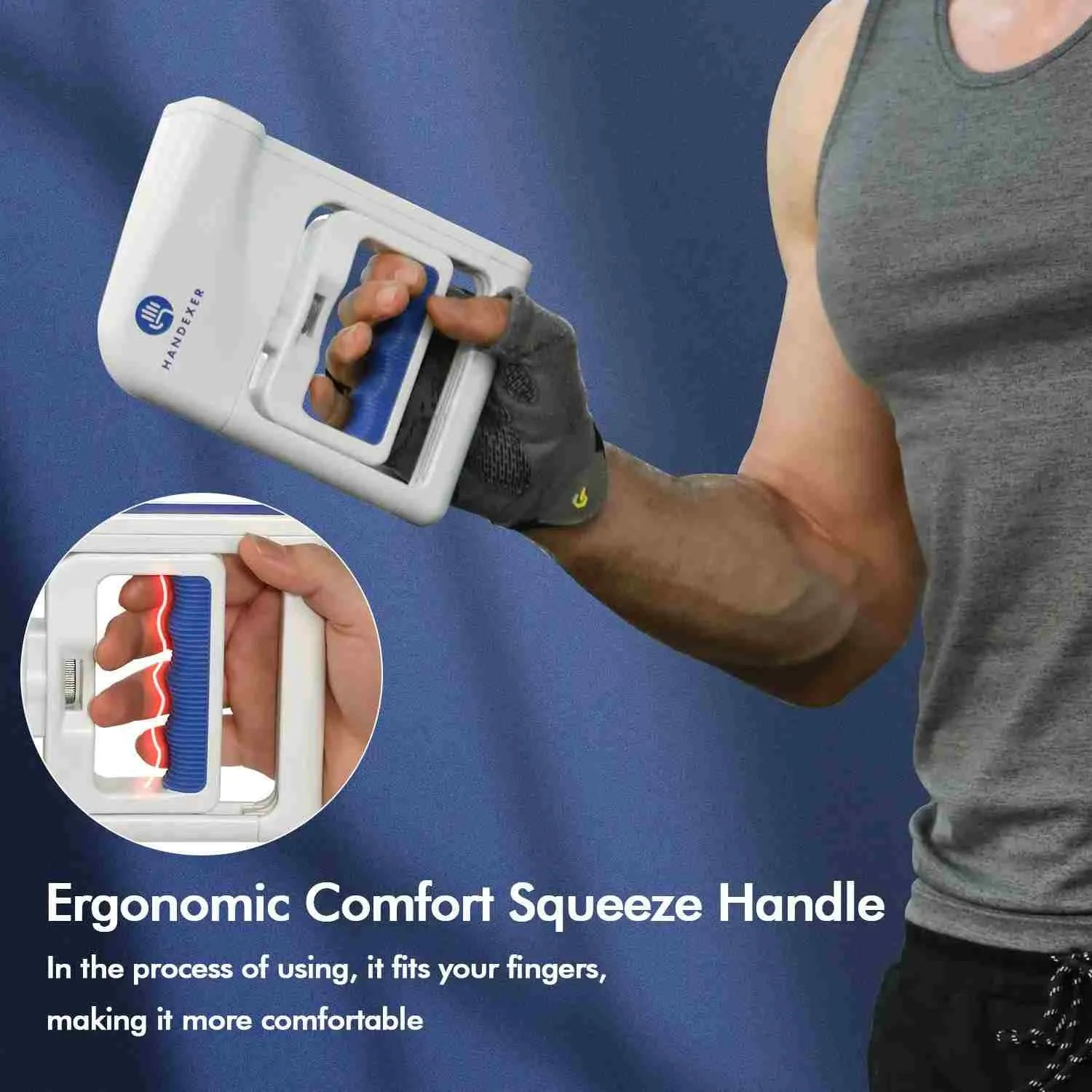
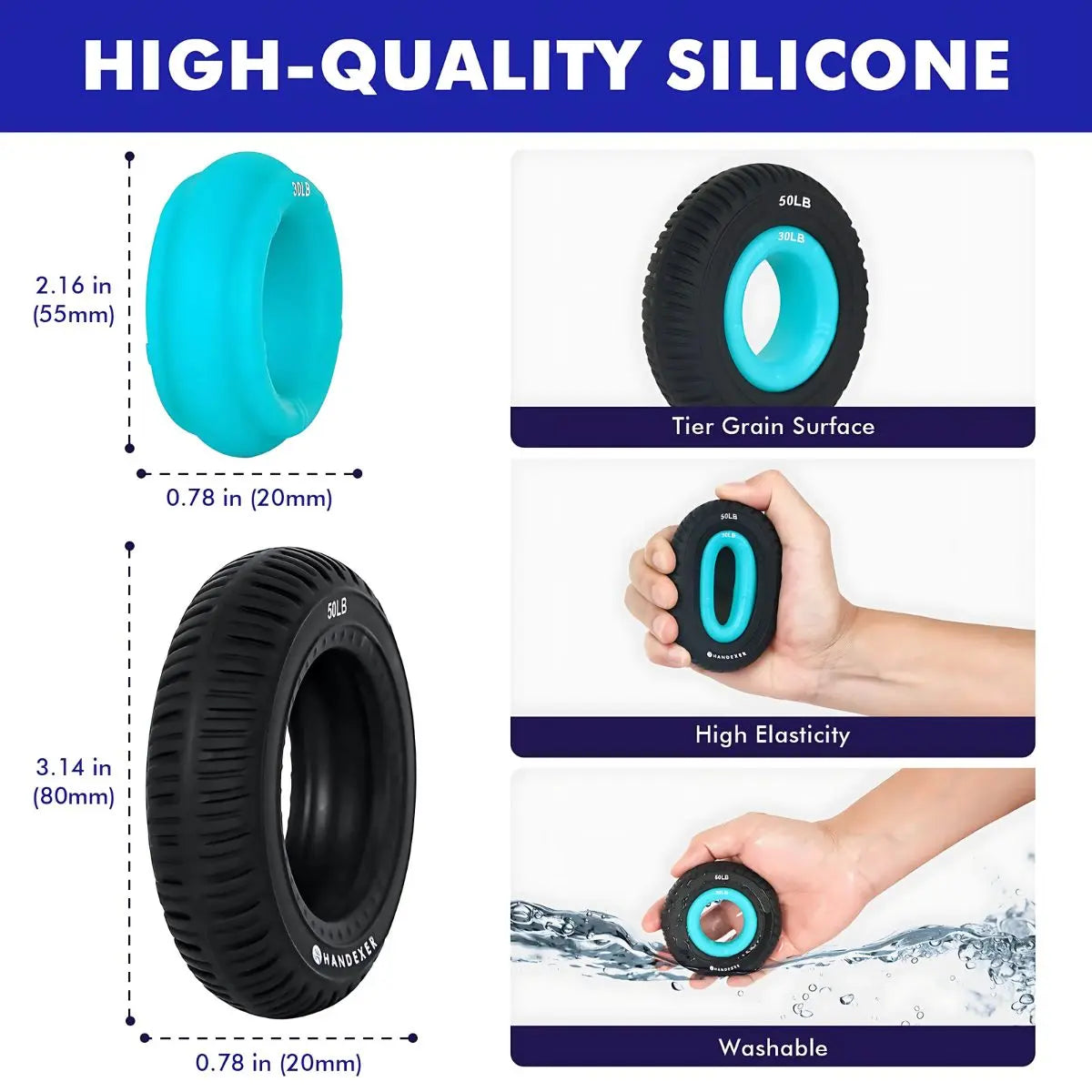
Squeezing an uncalibrated rubber ring without real-time force feedback often leads individuals to squeeze too hard and unintentionally hold their breath (the Valsalva maneuver), causing sharp, unwanted arterial pressure spikes. Conversely, Force that is too low may not provide the intended training stimulus.Force and duration must be controlled.
From Blind Squeezing to Precise Measurement and Training
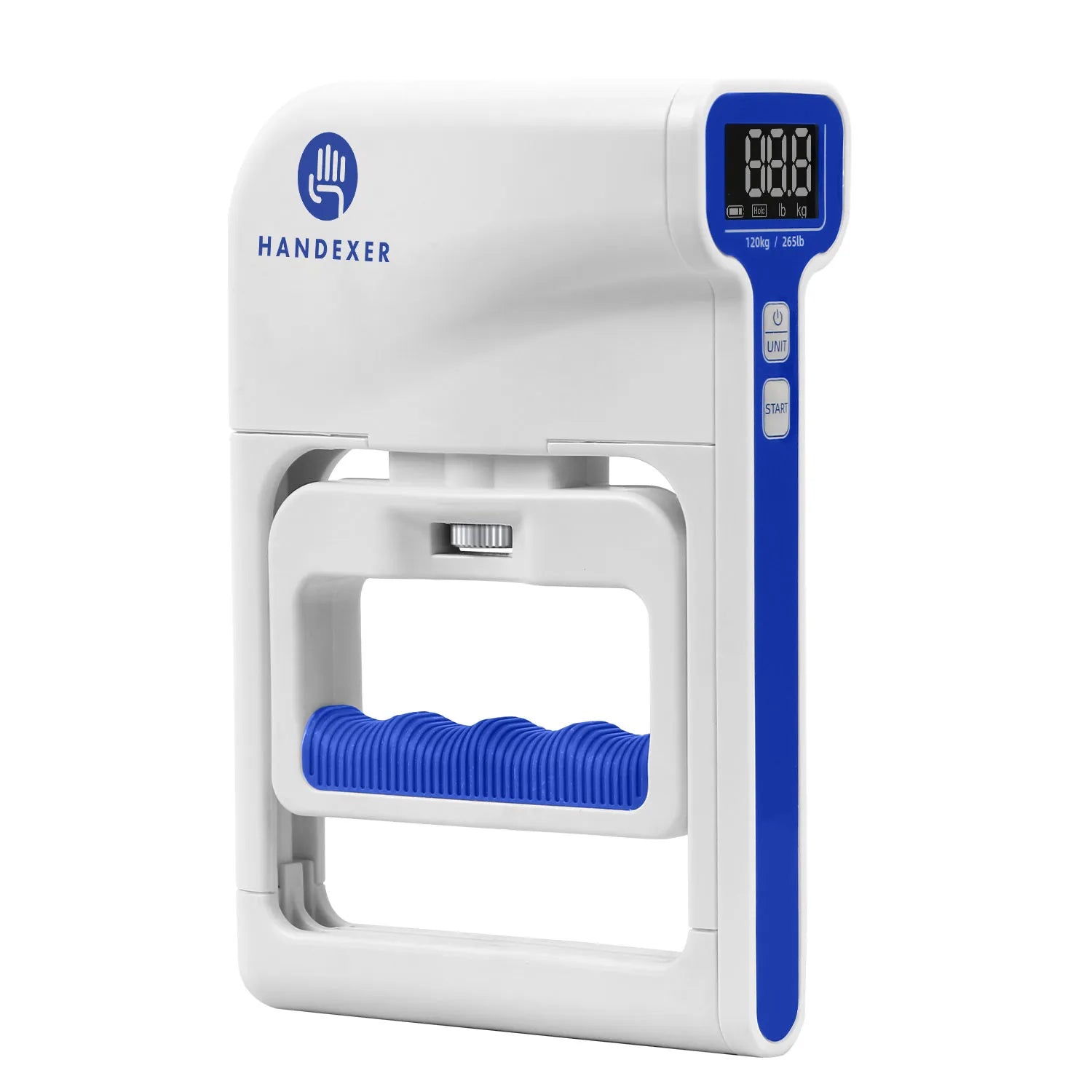
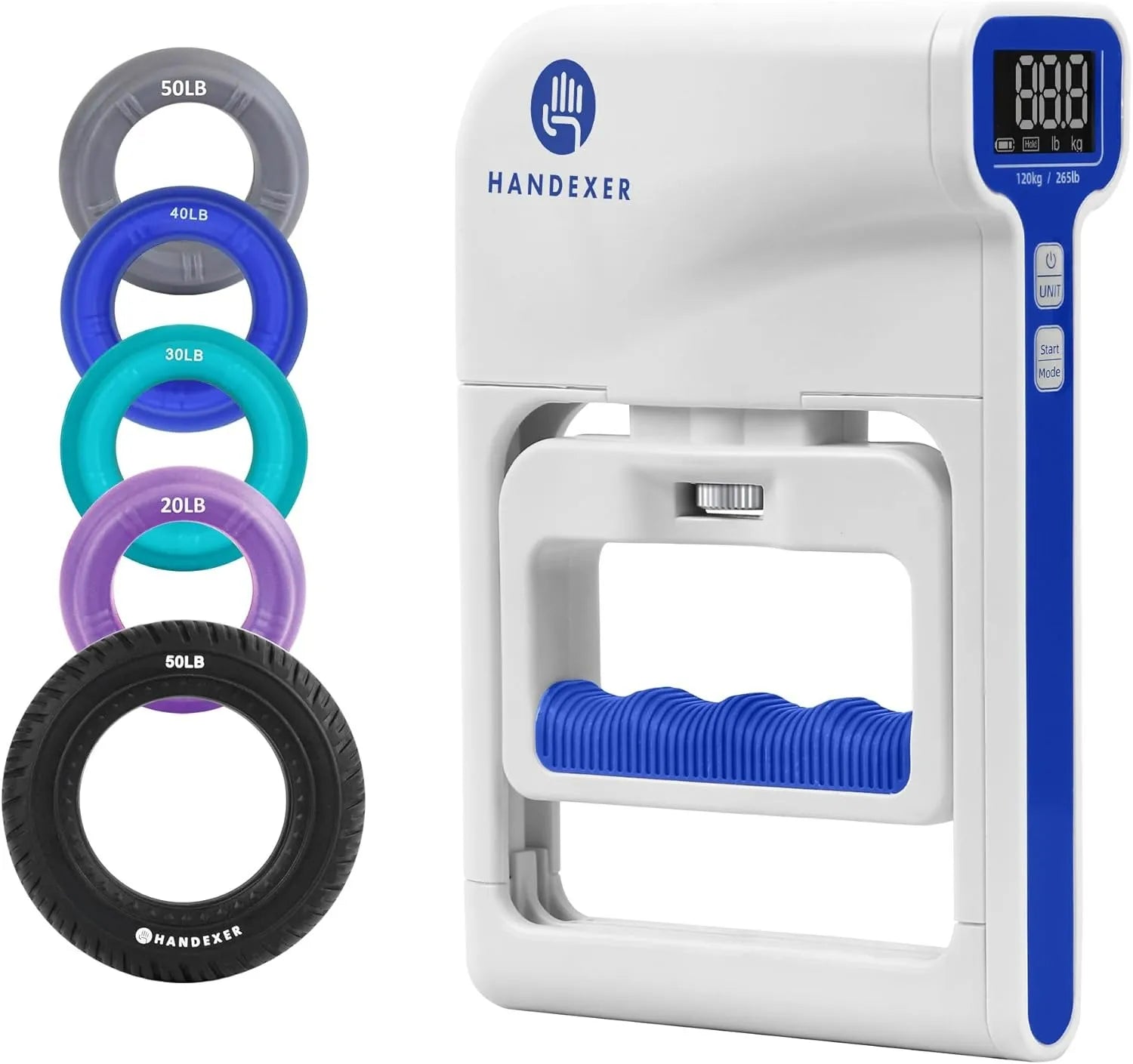
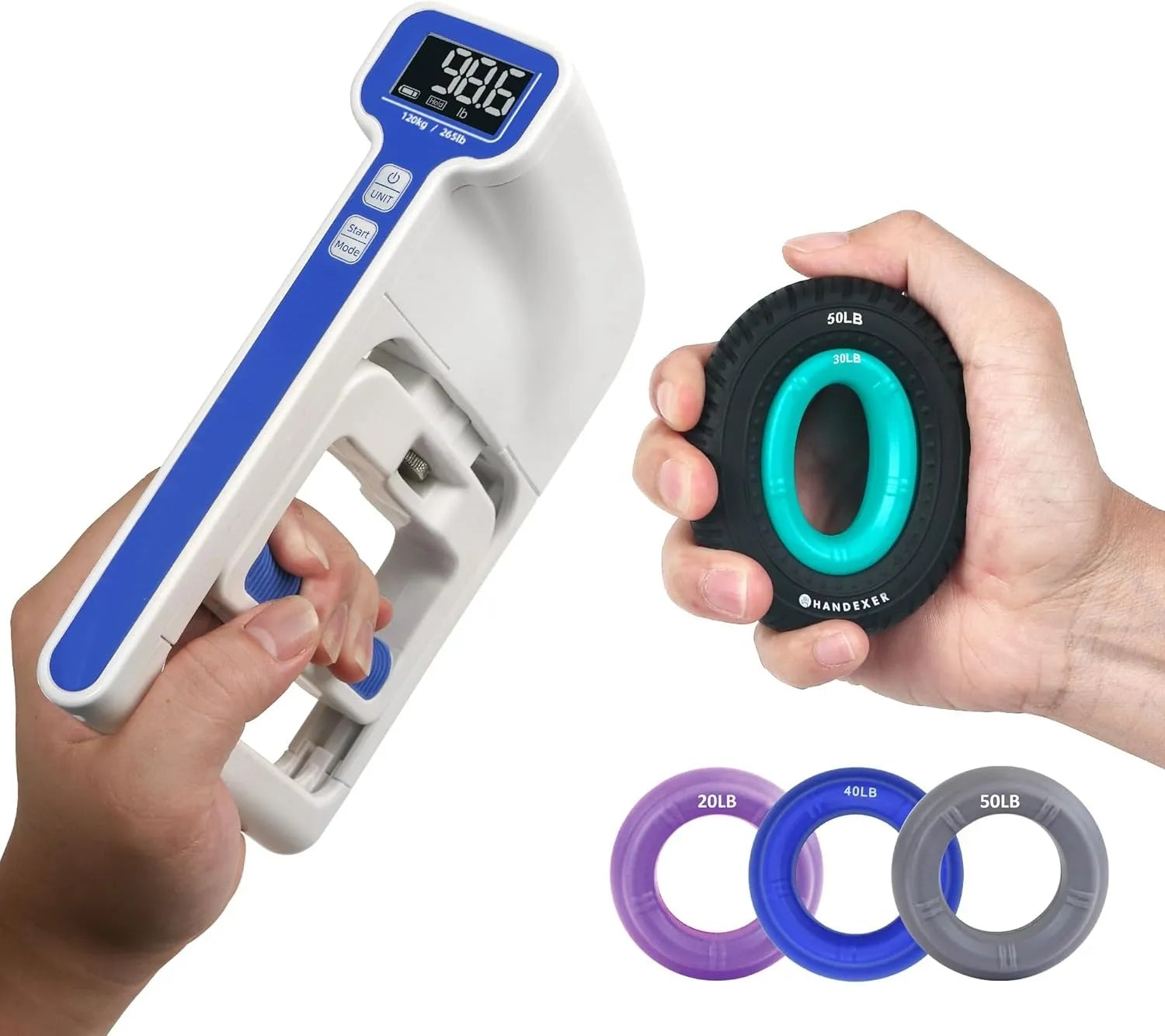
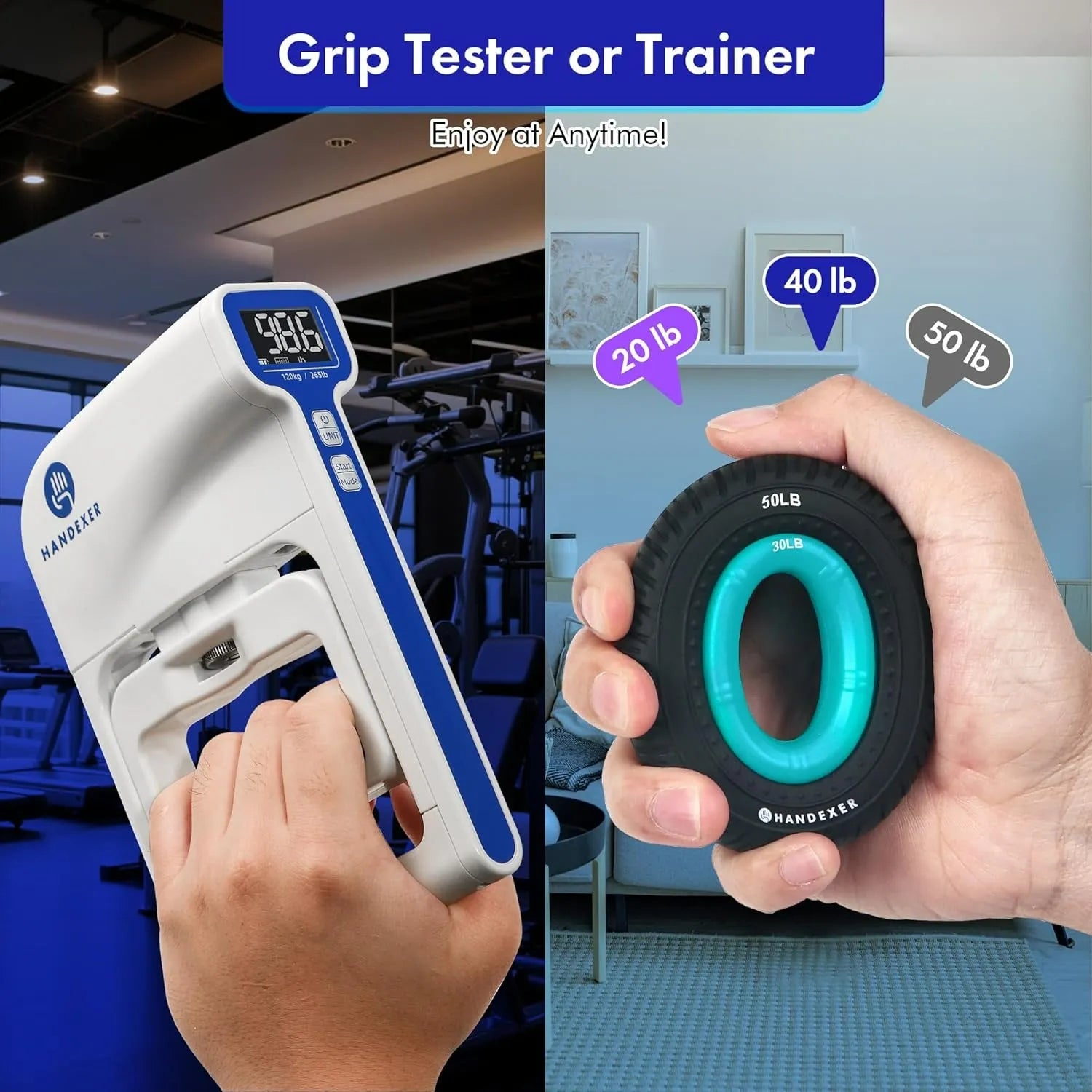
Traditional grip rings offer resistance, but leave you in the dark about exact force output. Handexer equips you with high-precision digital feedback to turn subjective effort into actionable baseline data.
Your Everyday Physical Dashboard
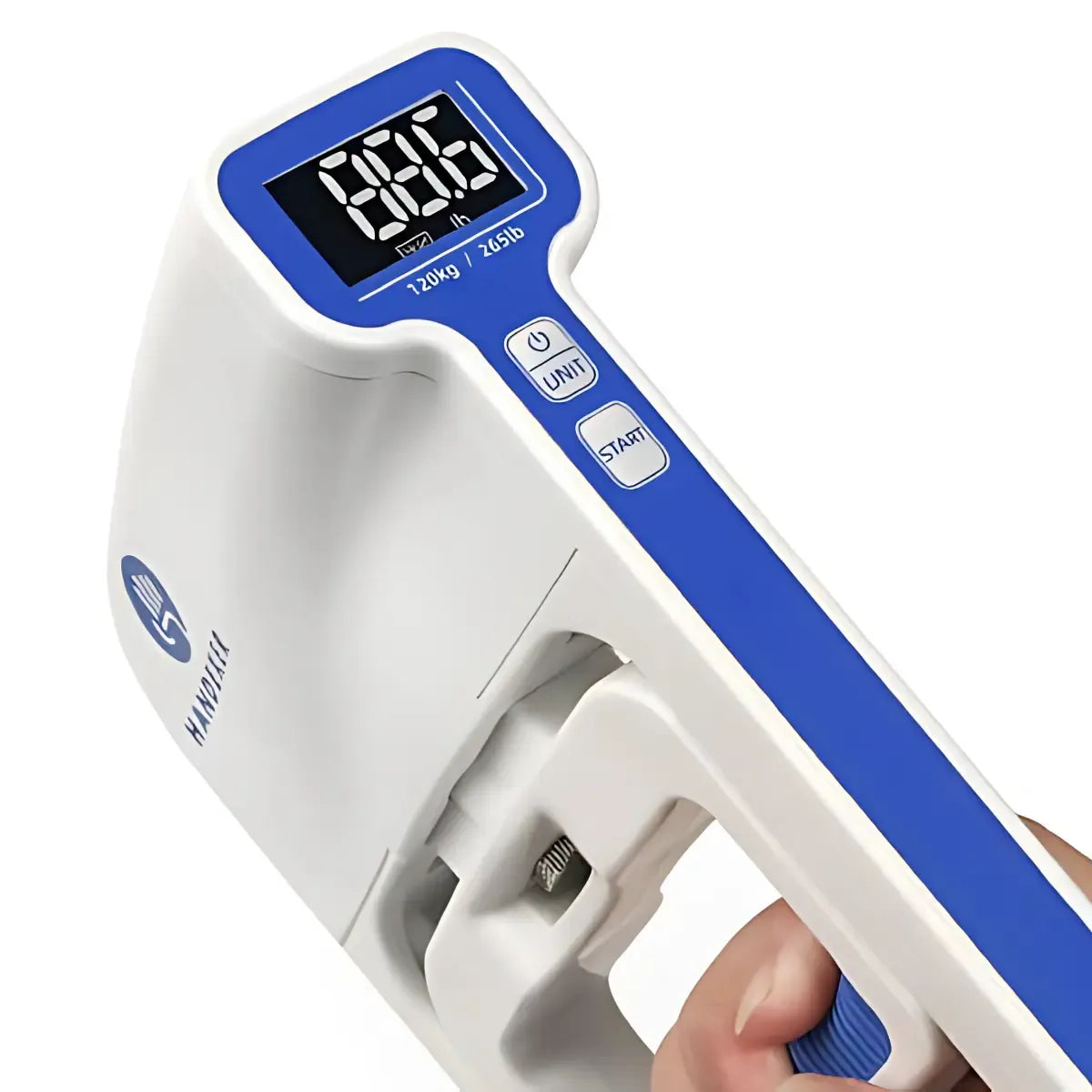
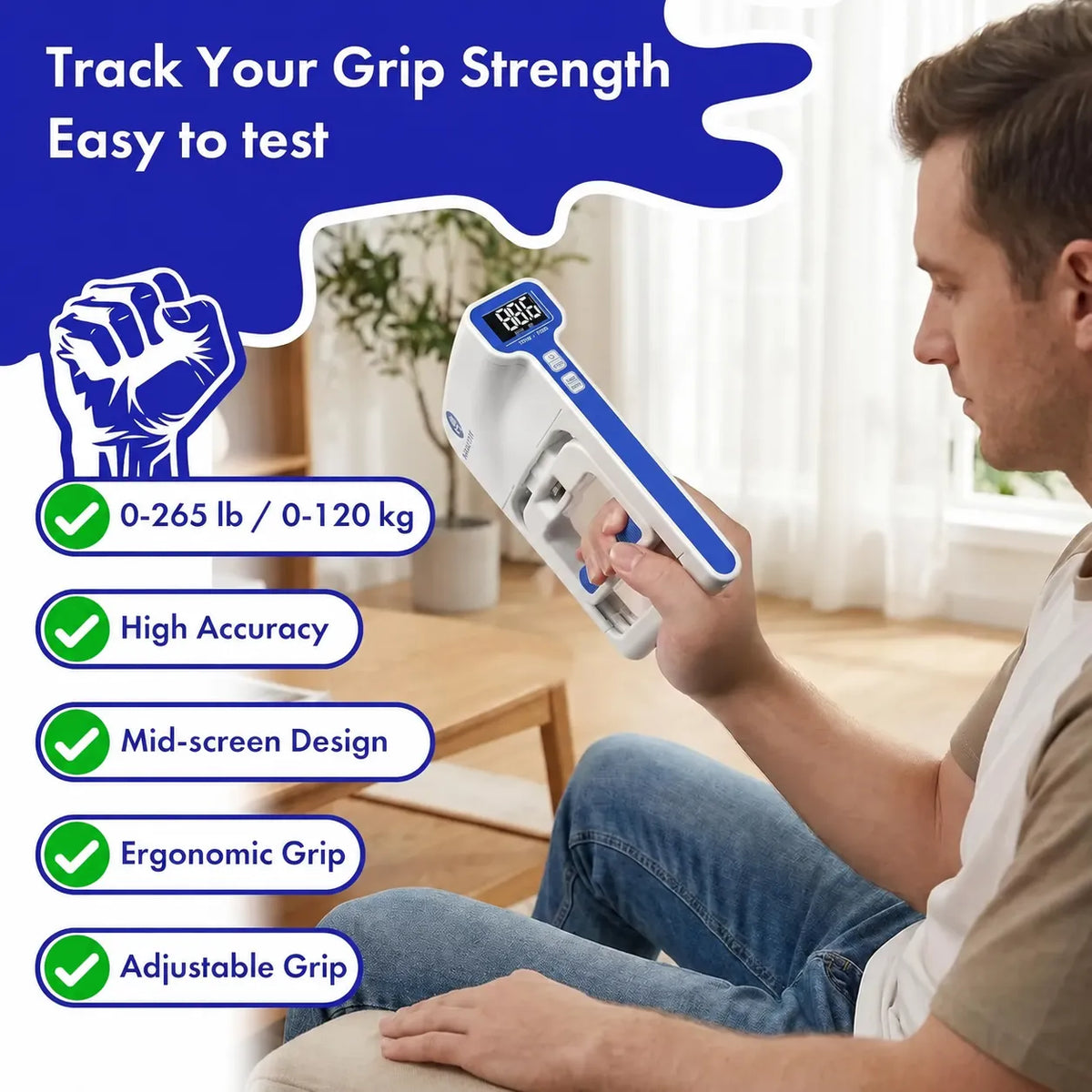
Using a high-precision sensing chip, the device captures the maximum instantaneous grip force of the left and right hands within seconds, displaying force readings to decimal precision.
Visualize Force During Static Gripping
Beyond measuring grip strength, the device also features a dedicated Train Mode. During a static grip, its high-precision backlit display shows the actual force you are applying in real time. Whether you are gripping too lightly or applying too much force becomes immediately visible. You no longer have to rely entirely on how hard the effort feels.
Say Goodbye to Blind Squeezing
The Handexer Digital Hand Dynamometer displays grip force in real time, helping you establish a personal baseline, compare measurements, and track changes over time. Rather than squeezing blindly, start by understanding your current grip strength.
EXPLORE HANDEXER DYNAMOMETER →A Science-Based Action Plan for a Healthier Lifestyle
Once we understand the relationship between a health indicator and the body itself, we can build a rational framework for managing physical health.
Focus on the Whole Body, Not Just Hands
Compound resistance movements like squats, deadlifts, pull-ups, and farmer's walks train major muscle masses for insulin sensitivity, endocrine balance, and bone health, while building functional grip naturally.
Use Your Dashboard to Track Recovery Trends
Test peak strength once a week on a consistent morning using Test Mode. Treat these readings as objective indicators to help you review sleep, workload, and systemic fatigue over time.
Workday Micro-Habit: Train Mode During Desk Breaks
During extended desk sitting, perform a few sets of light, static submaximal holds. It provides forearm activation and a brief break without needing a full-blown workout.
Establish Your Baseline Today
Frequently Asked Questions
Can grip exercises replace whole-body strength training?
Absolutely not. The forearm muscles account for roughly 1-2% of total skeletal muscle mass. Grip exercises alone cannot deliver the systemic insulin sensitivity, glucose uptake, and axial bone-loading benefits offered by squats, lunges, and rows.
What is isometric handgrip (IHG) training, and what does it do?
IHG involves sustaining a static grip at a calibrated percentage of your maximum voluntary force (commonly ~30% MVC for 2 minutes per bout). Research meta-analyses suggest structured protocols can help lower resting blood pressure, though outcomes vary based on adherence and individual baseline health.
How often should I test my grip strength at home?
Once weekly or bi-weekly under identical morning conditions provides reliable trend lines. Avoid testing multiple times each day; intra-day spikes or dips typically reflect hydration, caffeine, and transient neural arousal rather than true physiological capacity changes.
Can I use an ordinary rubber grip ring for blood-pressure-lowering training?
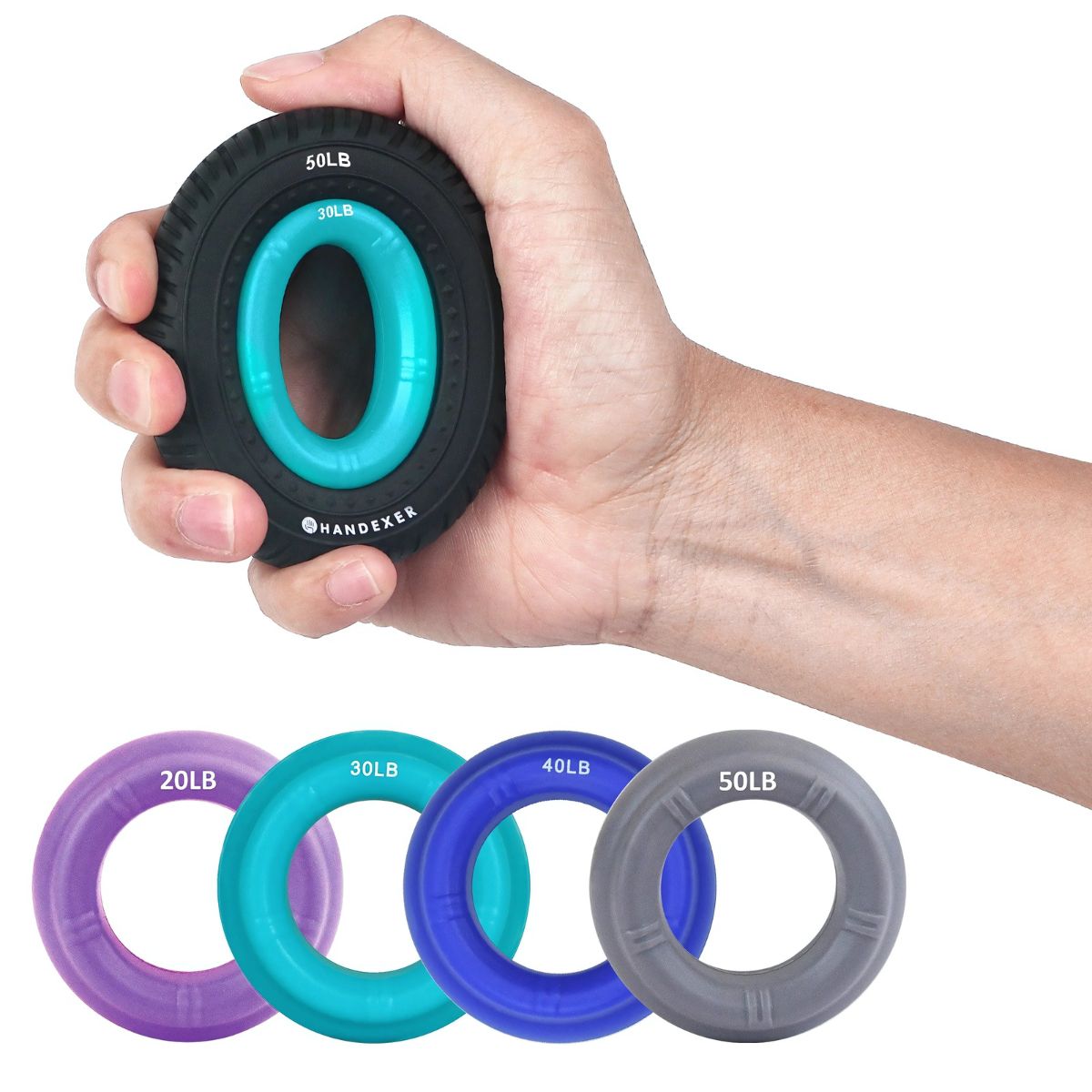
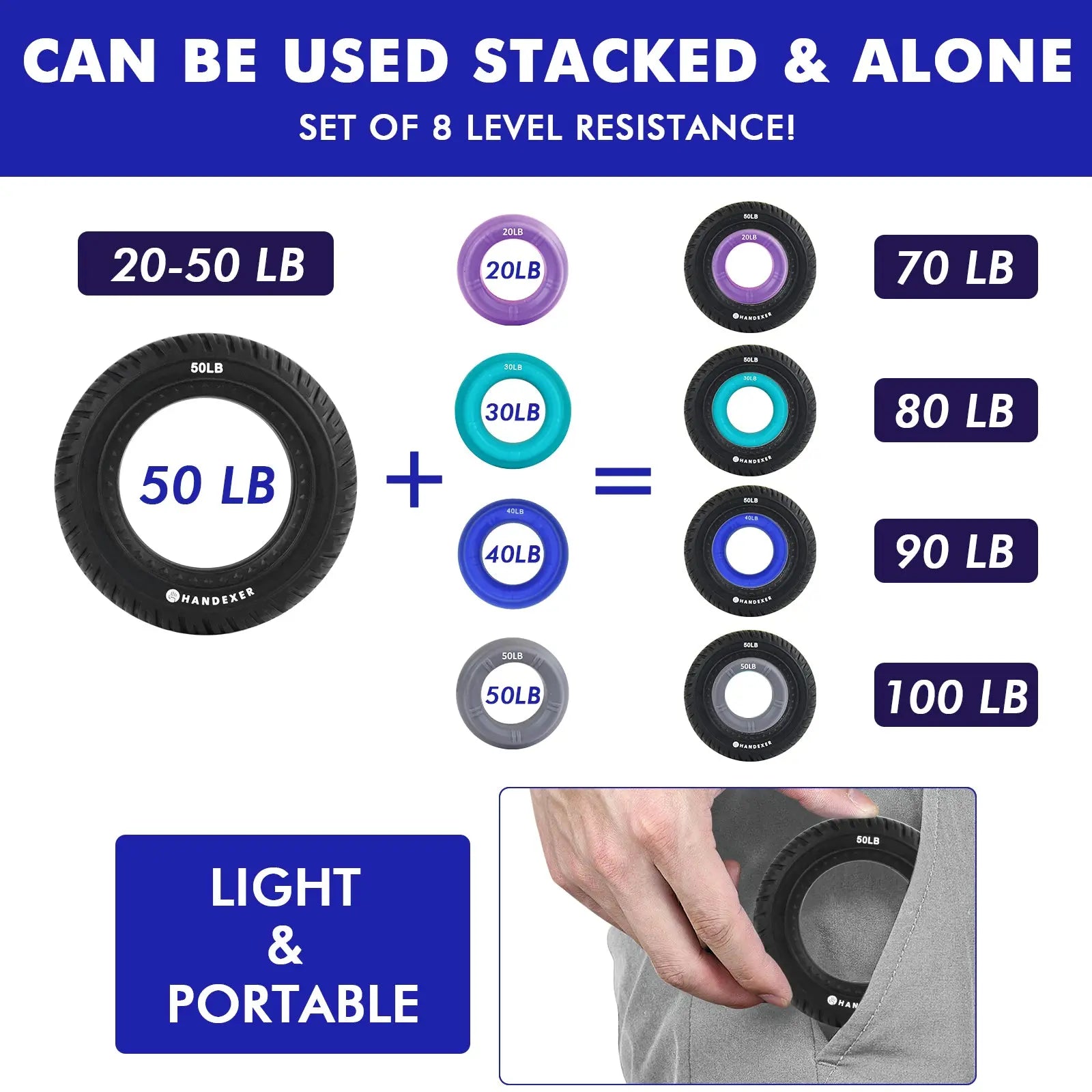
Regular grip rings can help strengthen your hands, but without a force display, you may squeeze too lightly or too hard, potentially causing a sharp rise in blood pressure if you hold your breath. Choose a softer ring (under 30 lb), breathe steadily, and never hold your breath. If possible, use a digital hand dynamometer to monitor your force and train more safely.
This article is intended for general health education and everyday self-assessment only. It does not constitute a clinical diagnosis, cardiovascular treatment prescription, or medical advice. Grip strength measurement is a self-assessment proxy and cannot replace a comprehensive medical examination. If you experience unilateral weakness, numbness, dizziness, or chest tightness, seek medical care immediately.
1. The PURE Study: Grip Strength & Mortality
Lancet 2015Leong DP et al. Prognostic value of grip strength: findings from the Prospective Urban Rural Epidemiology (PURE) study. The Lancet. 2015;386(9990):266-273.
2. Isometric Handgrip Training & Blood Pressure
J Hum Hypertens 2023Oliveira PC et al. Isometric handgrip training, but not a single session, reduces blood pressure in individuals with hypertension: a systematic review and meta-analysis. Journal of Human Hypertension. 2023;37:844–853.
3. Ambulatory BP Effects
JCRP 2024Oliveira MS et al. Effects of Isometric Handgrip Training on Ambulatory Blood Pressure in Individuals Over 18 Years Old. Journal of Cardiopulmonary Rehabilitation and Prevention. 2024;44(5):303–310.
4. Training Dosage Meta-Analysis
J Clin Hypertens 2026Lin CW et al. The Optimal Dosage of Isometric Handgrip Exercise for Blood Pressure Reduction: Systematic Review and Meta-Analysis. Journal of Clinical Hypertension. 2026;28(4):e70246.




Share:
Grip Training Tips for Rock Climbers and Bouldering Beginners