
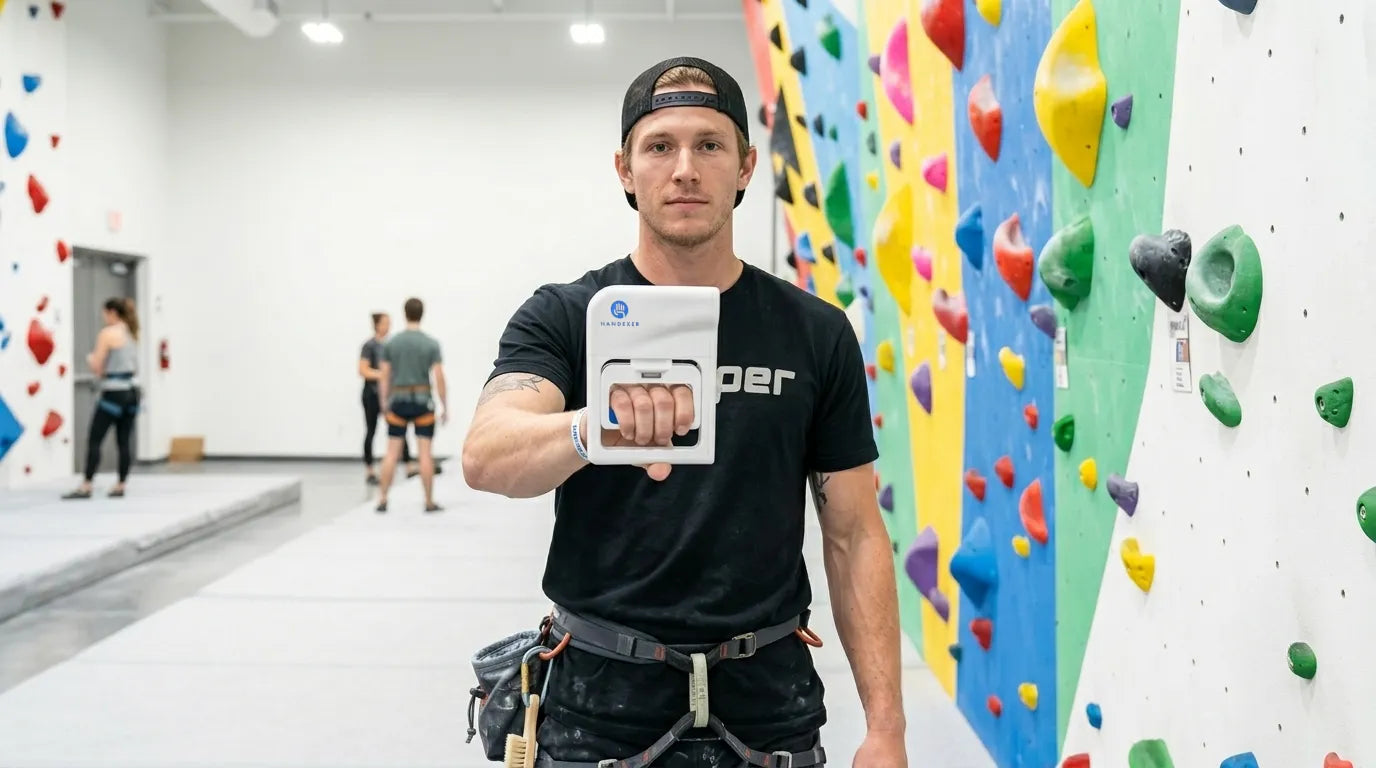
Most climbers don’t struggle with motivation when it comes to finger strength.What they struggle with is doing too much, too soon—and not giving their fingers enough time to actually recover between sessions.
Hangboarding, max hangs, crimp training—they all work. But only when your fingers are actually ready for them.
At the end of the day, improving climbing finger strength isn’t just about getting stronger. It’s about whether your tendons, pulleys, and recovery can keep up with the load you’re putting on them.
What Actually Drives Finger Strength in Climbing
Finger strength isn’t just about how hard you can pull on a hold.
It’s a mix of a few things working together:
- how much force your fingers can produce
- how well your tendons tolerate that force
- how your pulley system deals with crimp positions
- how recovered you are from your last session
Most climbers only train the first one.
👉 That’s also why some climbers start checking their baseline grip strength from time to time—not because it’s fancy data, but because it helps them notice when fatigue is quietly building up.
When these pieces don’t match up, progress slows down or injuries start creeping in.
Why Finger Injuries Are So Common in Climbers
Finger injuries rarely come from one bad move.They usually build up over weeks or months.The issue is pretty simple: Your muscles get stronger faster than your tendons and pulleys adapt.
Inside your fingers, the flexor tendons are held close to the bone by pulley structures like A2 and A4. When you’re crimping hard:
- the force gets concentrated into very small areas
- fatigue makes load distribution less efficient
- repeated stress slowly adds up micro-damage
At some point, your fingers just stop keeping up.That’s usually when climbers notice:
- that “tweaky” feeling that doesn’t go away
- sharp discomfort in crimp positions
- less confidence on small holds
Recovery Is When Your Fingers Catch Up
A common mistake in climbing training is thinking recovery is just “time off.”But that’s not really how it works.Recovery is when your fingers actually catch up to the stress you’ve put on them.During that time:
- tendons rebuild and get stronger
- pulleys slowly increase load tolerance
- overall fatigue drops
- your grip strength stabilizes again
If you don’t give it enough time, training just turns into accumulated fatigue instead of progress.
A realistic rhythm most climbers can actually sustain:
- 2–3 hard finger sessions per week
- at least 48–72 hours between hard sessions
- a lighter deload week every 3–5 weeks if volume is high
If your grip feels weaker week to week, that’s usually not a motivation problem—it’s a recovery problem.
Light Hand Work on Rest Days (Grip Rings)
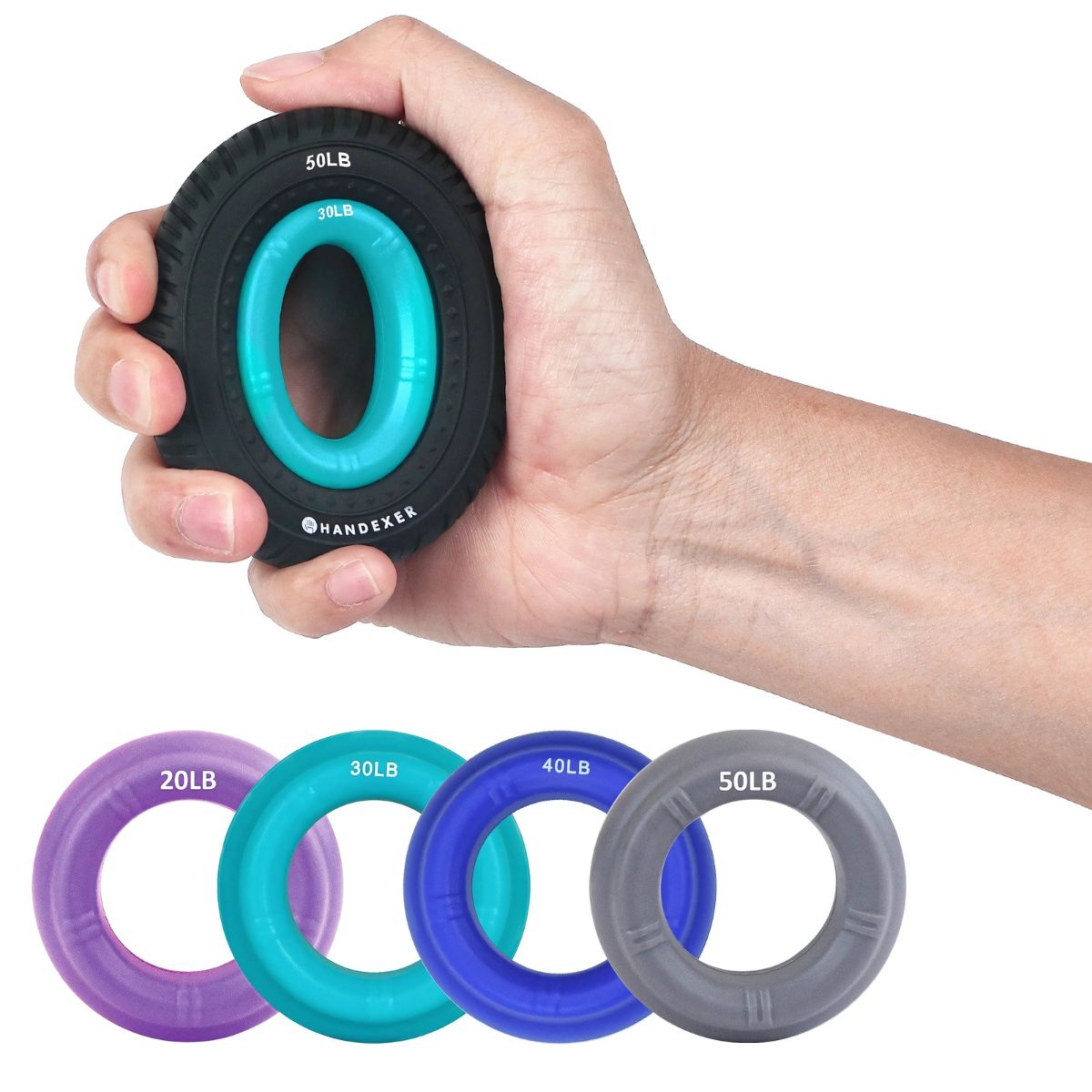
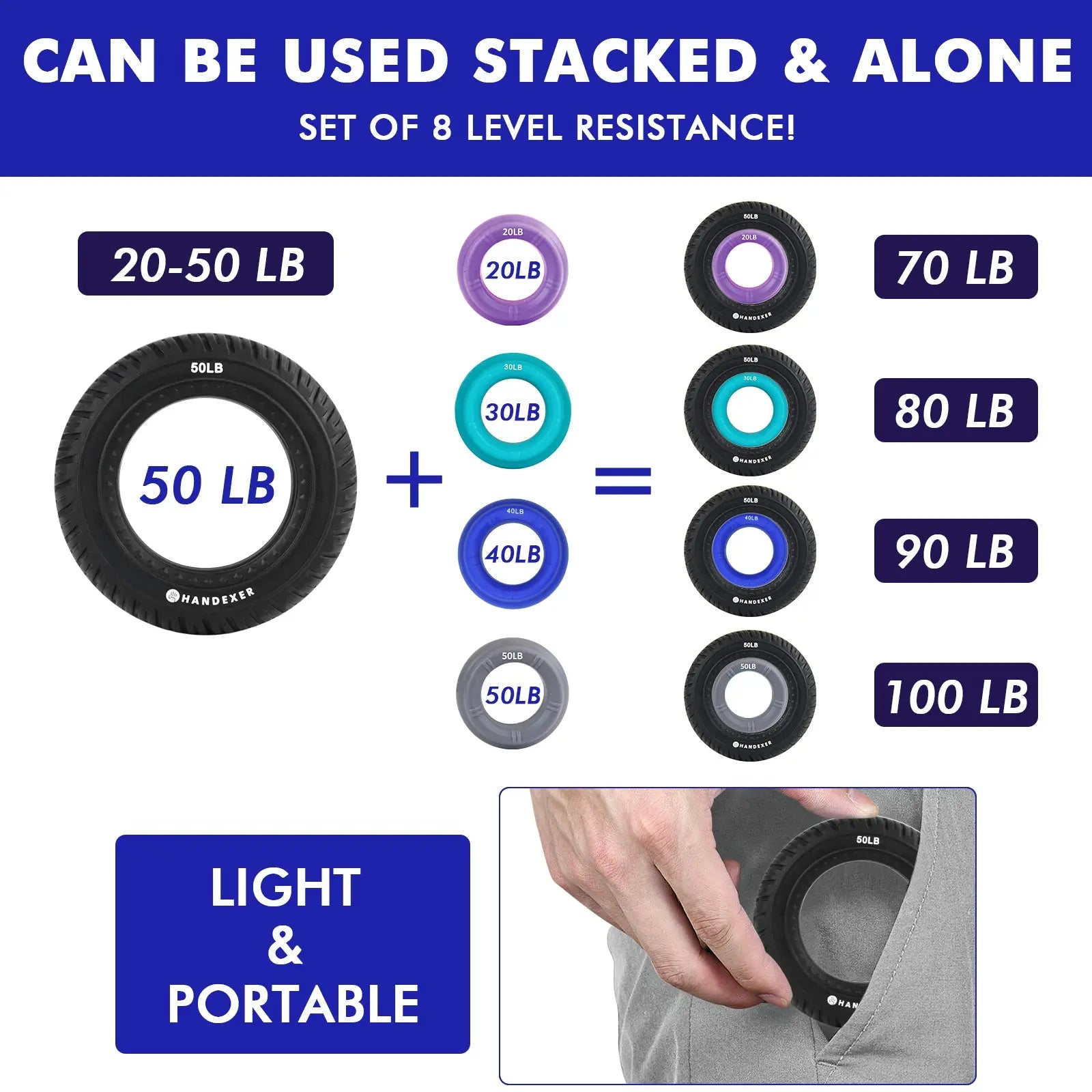
Not every finger session needs to be intense.A lot of climbers quietly benefit from doing some light resistance hand work on rest days just to keep things moving.
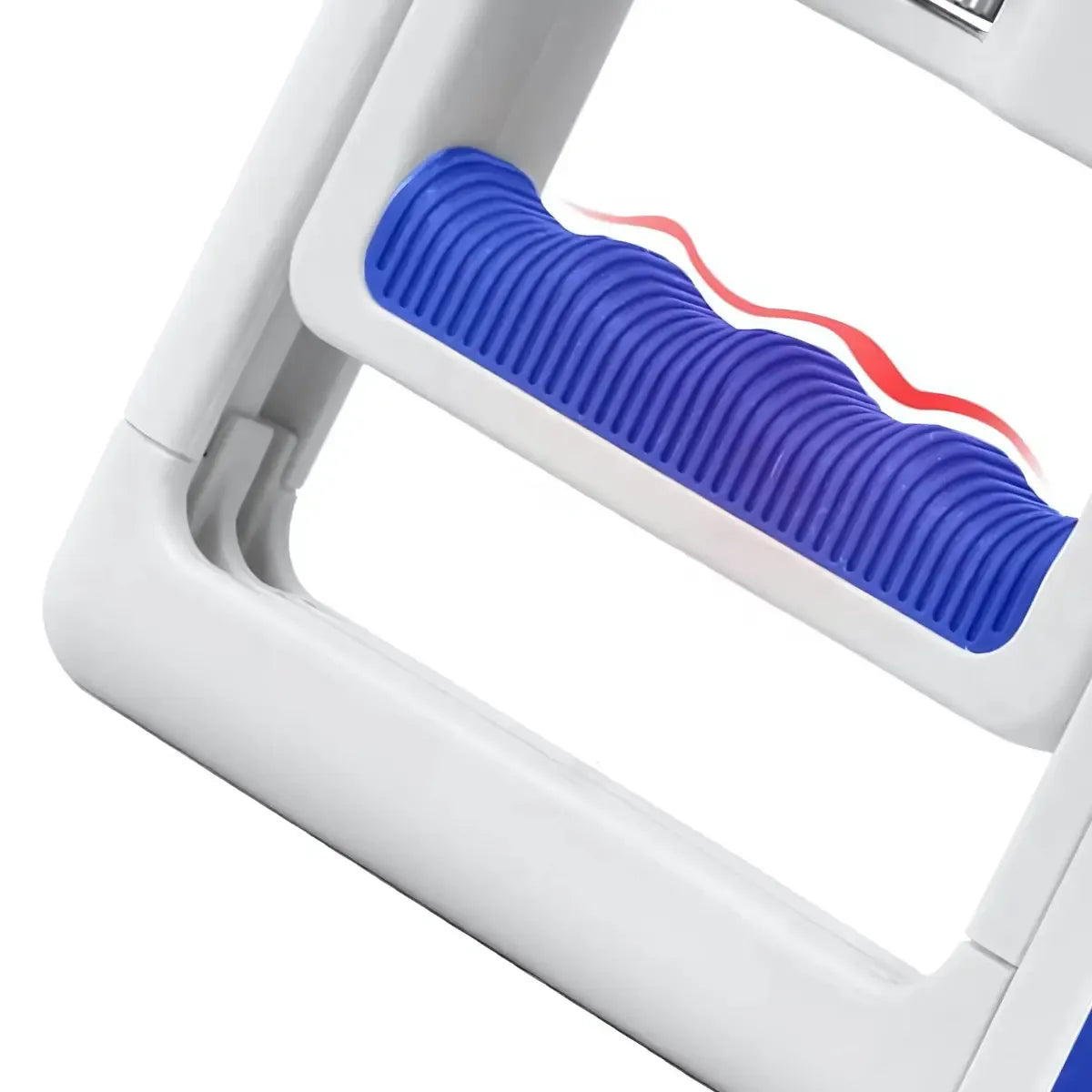
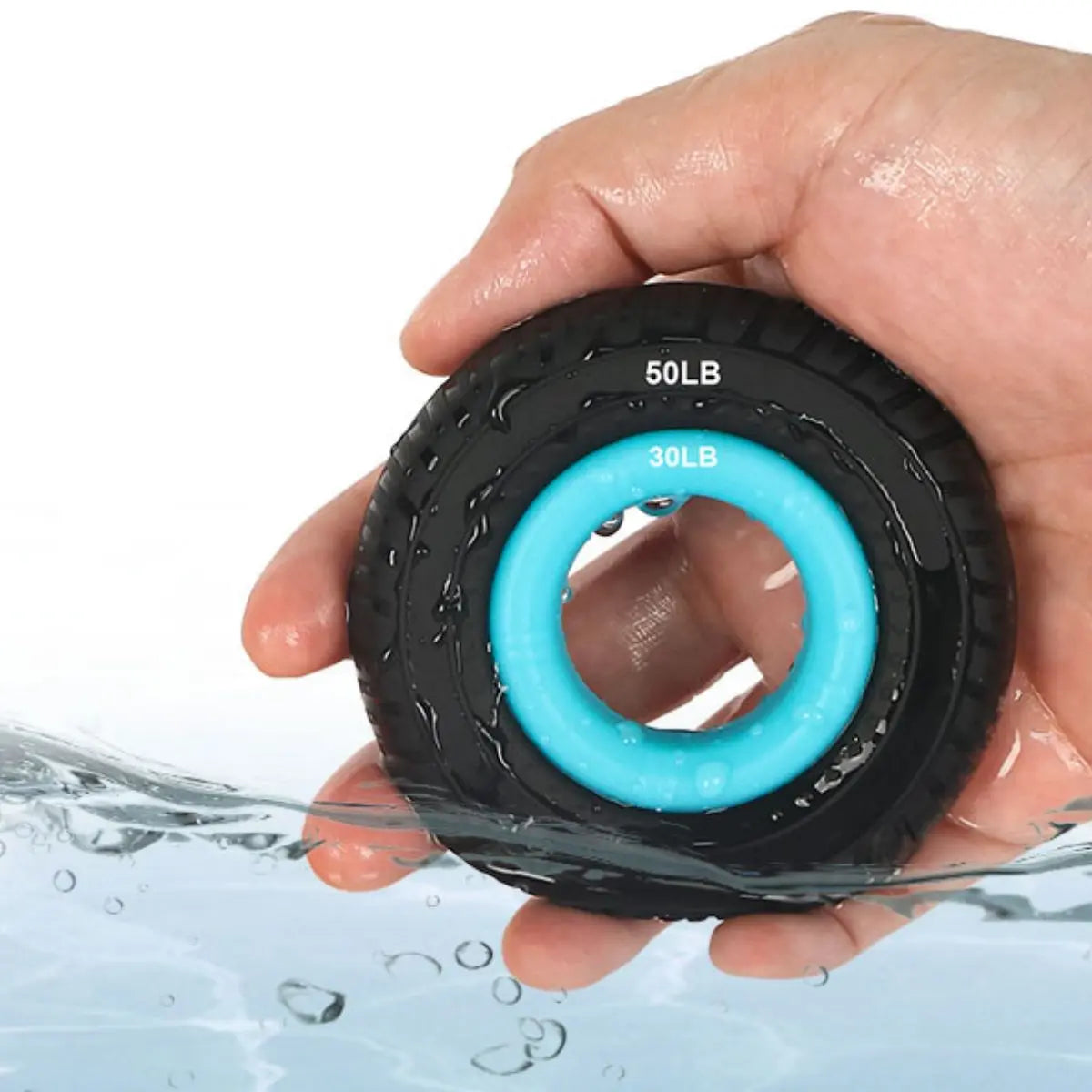
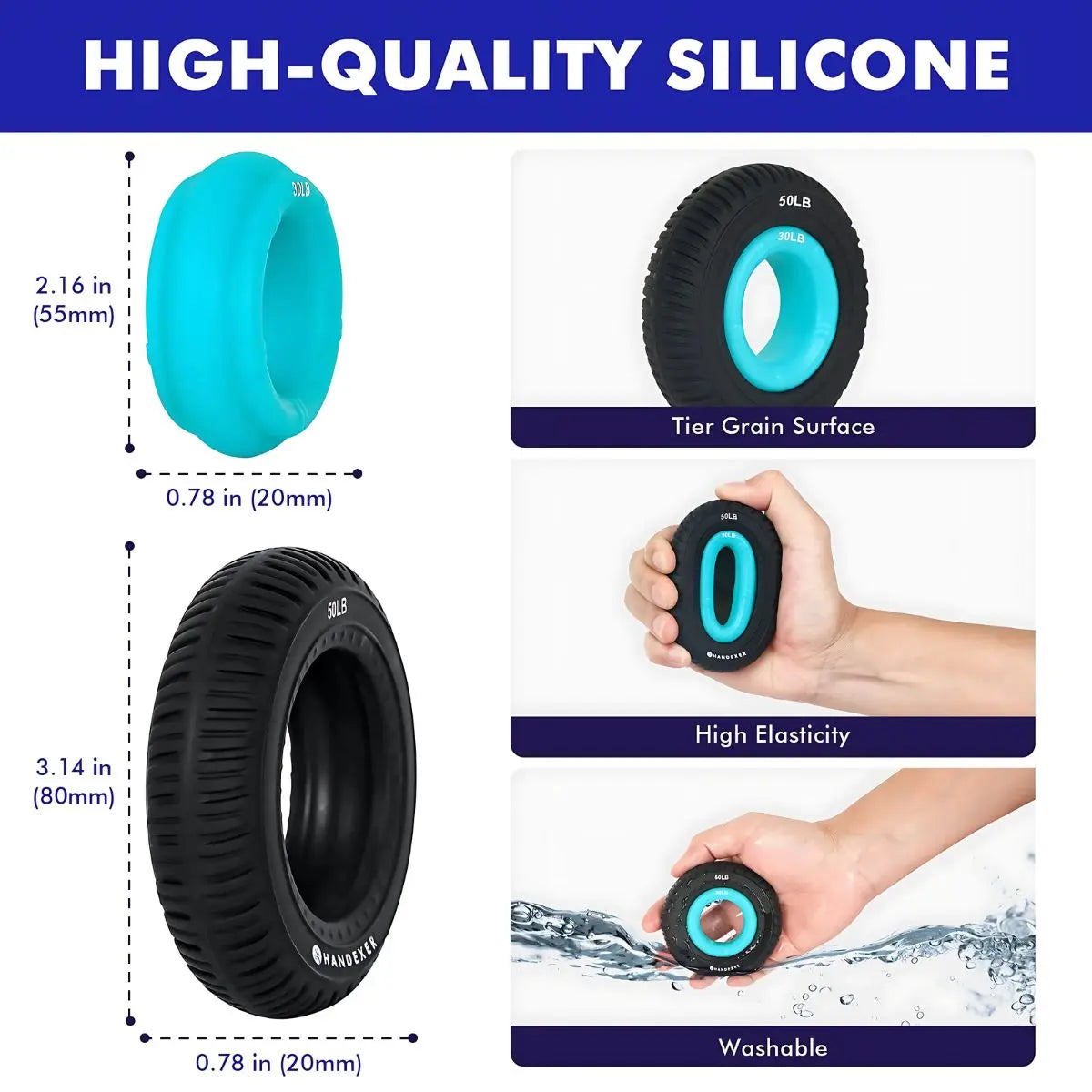
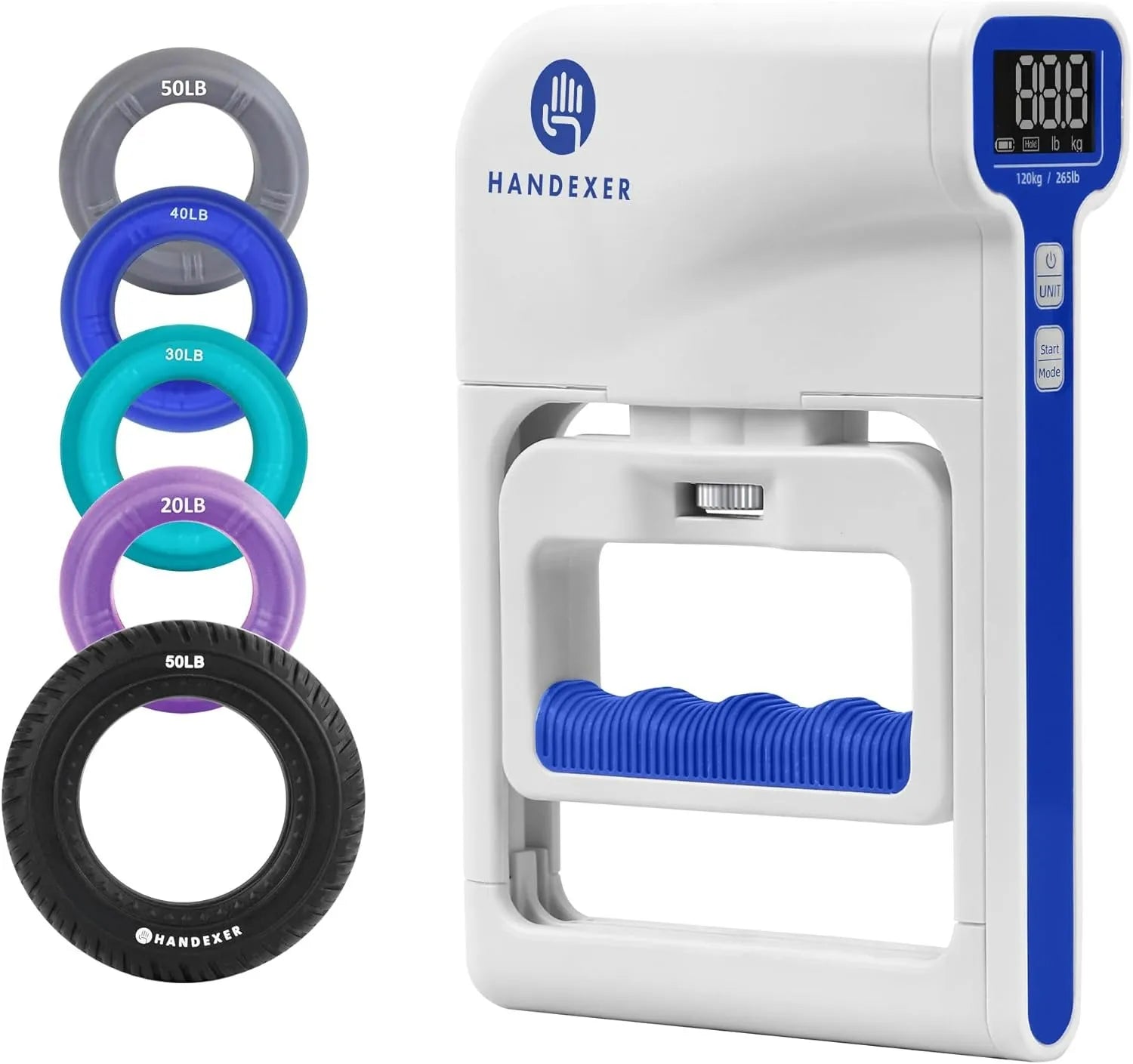
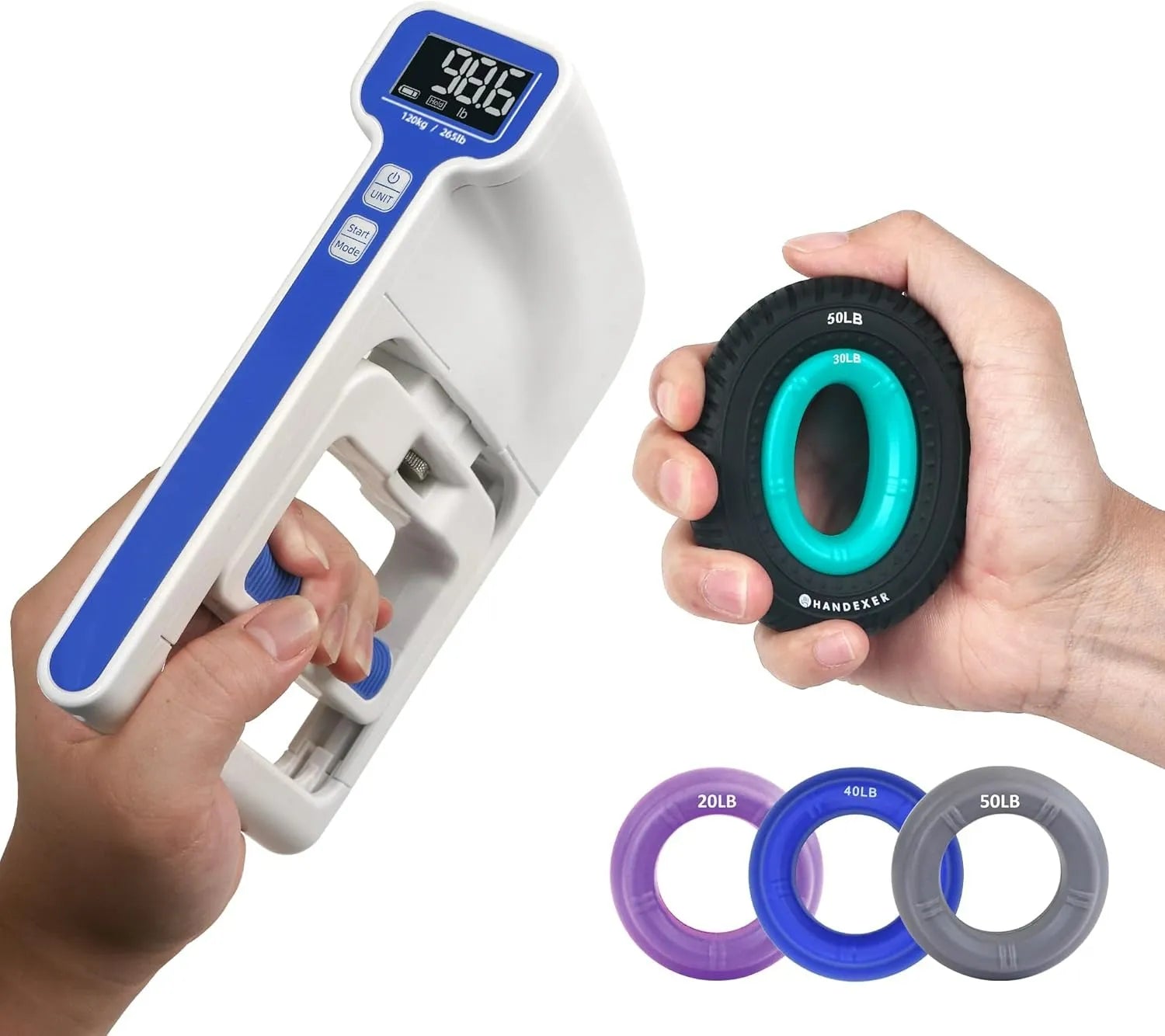
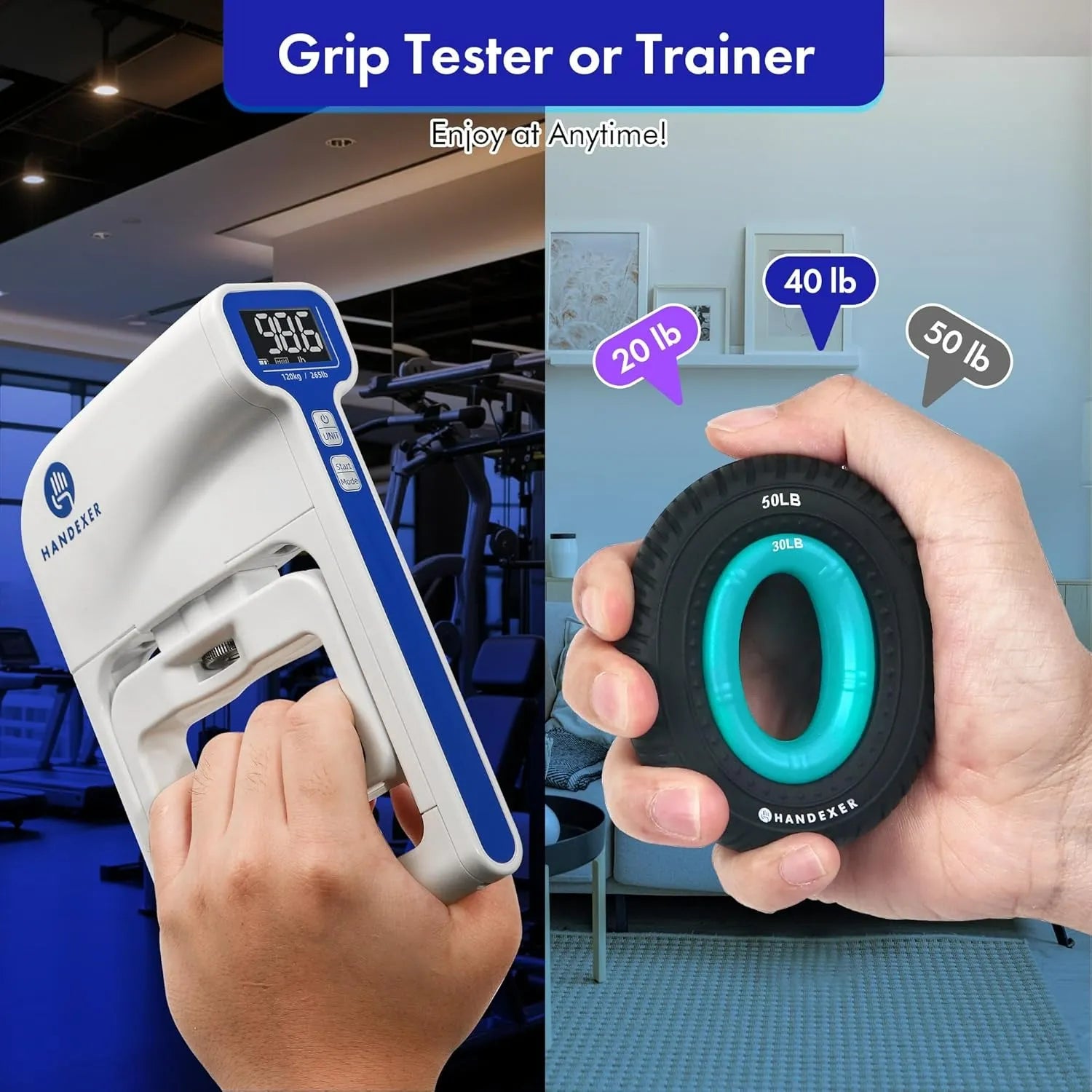
Simple grip rings with different resistance levels can help with:
- keeping blood flow through the hands
- lightly engaging tendons without stressing them
- staying “switched on” between climbing days
- supporting general hand endurance
They’re not a replacement for hangboard training at all.Think of them more as something you can use on easy days so your hands don’t go completely idle.
Why Measurement Changes Everything in Finger Strength Training
The biggest problem isn’t effort.It’s feedback.Most climbers go by feel:
- “That felt easier today”
- “I added weight, so I’m stronger”
- “My fingers feel fine, so I’ll push it”
But finger fatigue is sneaky—it often shows up late.A simple grip strength check can help you notice things like:
- one hand lagging behind the other
- early fatigue before pain shows up
- strength dropping after warm-ups
- recovery slowing down over time
👉 This is where a basic baseline check becomes useful.
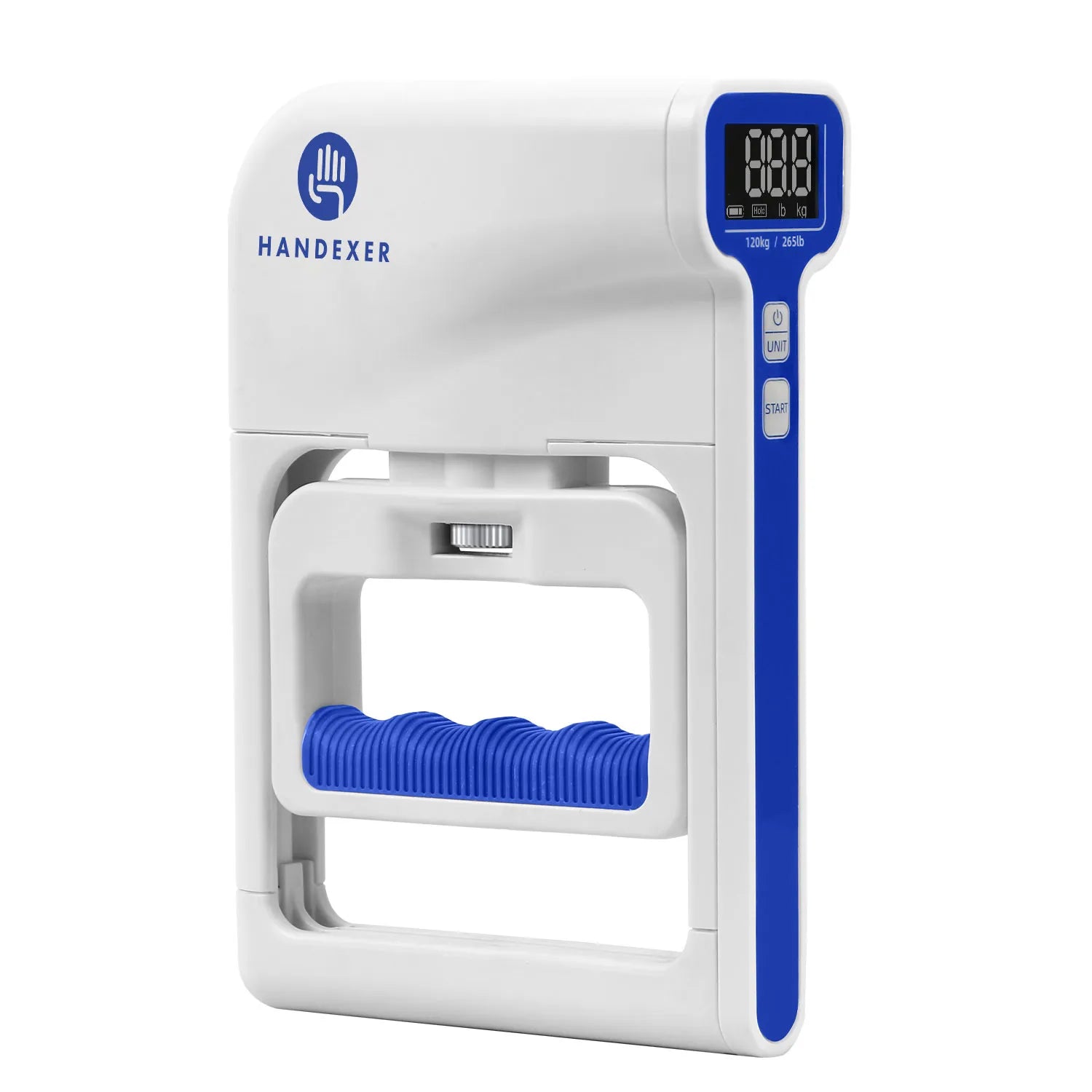
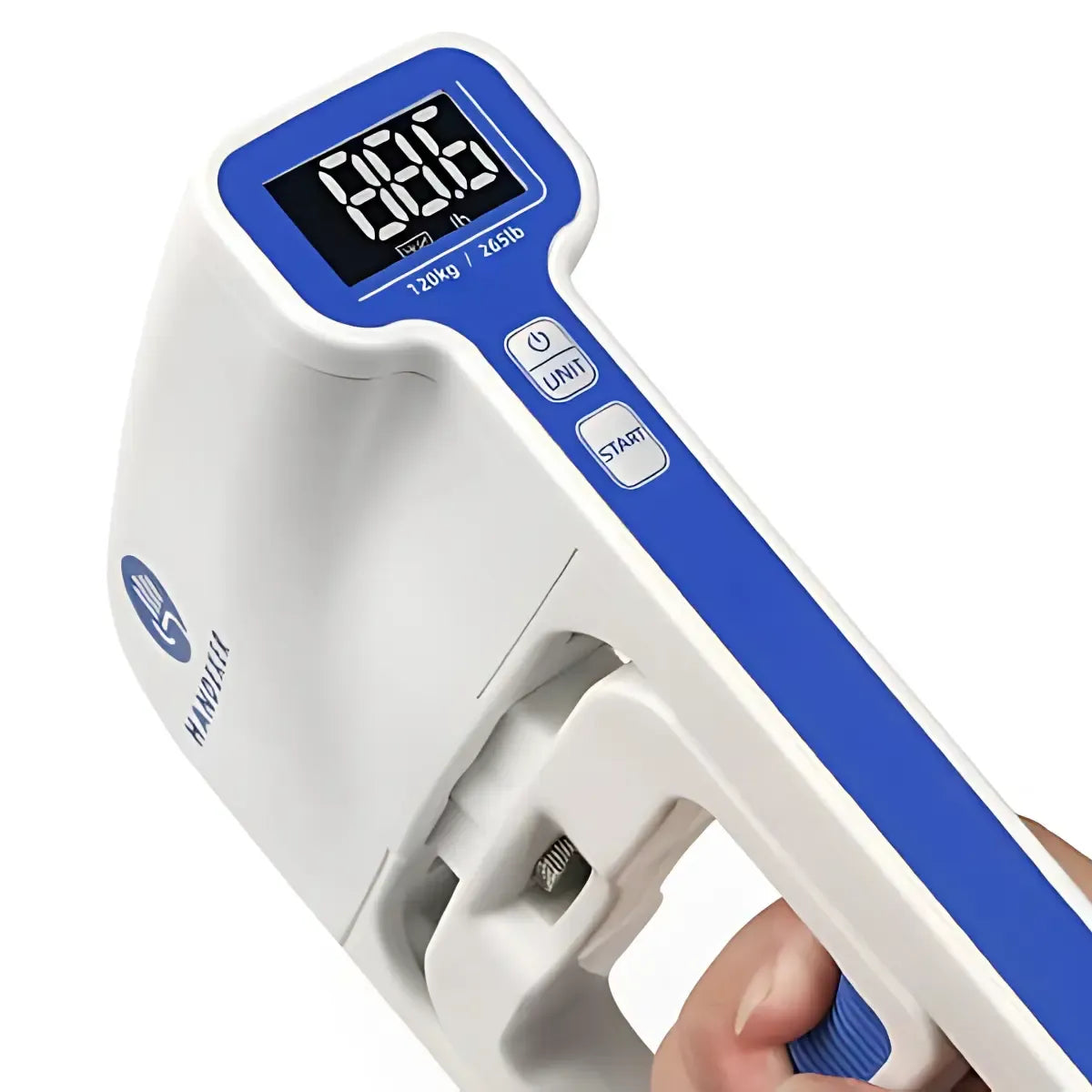
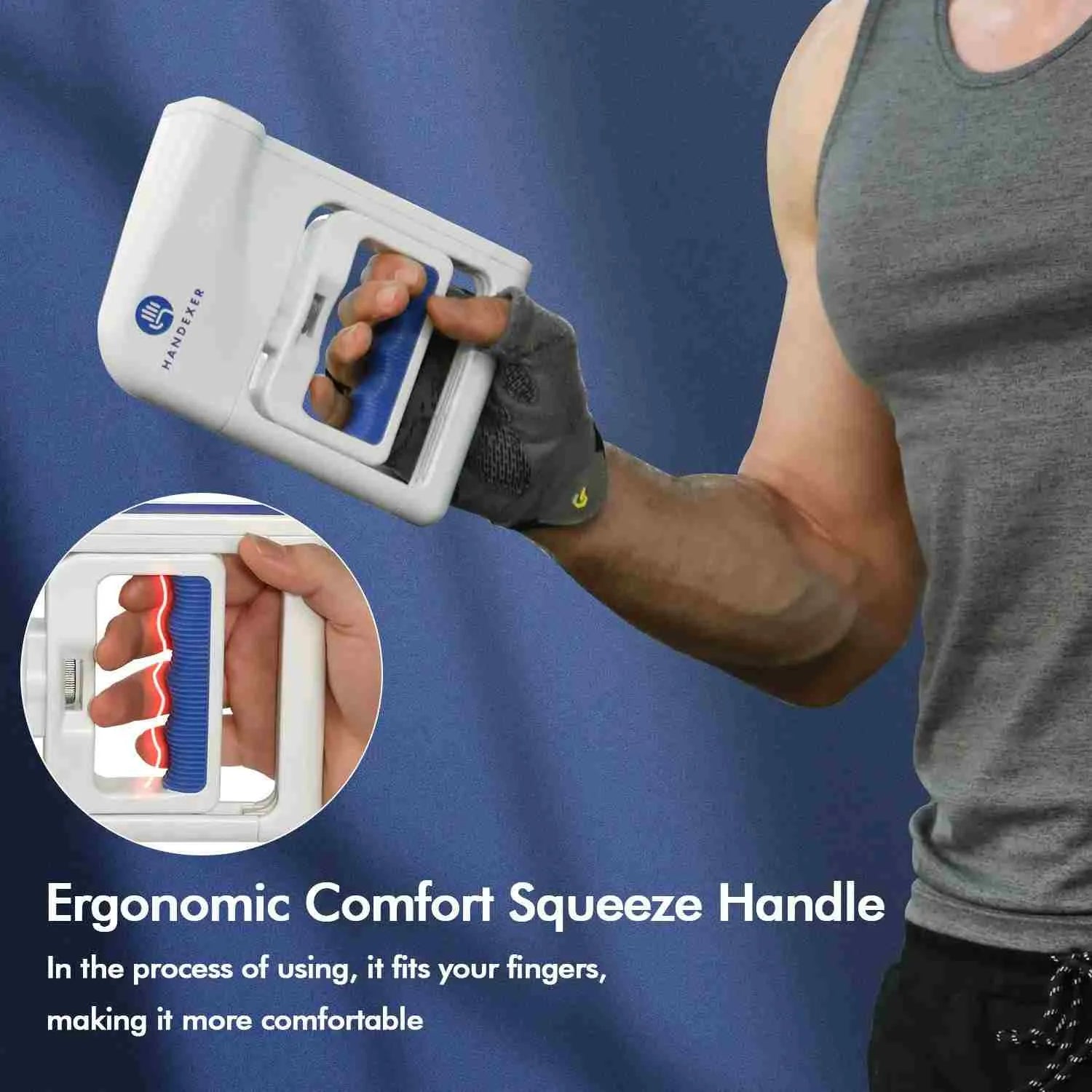
Tools like a the Handexer hand dynamometer are used by some climbers during training blocks just to sanity-check whether they’re actually adapting—or just feeling good on a given day. It’s less about “numbers” and more about catching fatigue early.
A Smarter Way to Approach Climbing Finger Strength Training
Instead of guessing what your fingers can handle, think in a simpler cycle:
1. Know where you are
Start with a baseline—how strong are your fingers right now?
2. Train, but don’t max out every time
Progress comes from repeatable stress, not constant testing.
3. Respect recovery
If performance drops, that’s feedback—not something to ignore.
4. Check progress over time
One good or bad day doesn’t matter. Patterns do.
👉 Some climbers re-check grip strength every few weeks during a training cycle just to make sure hangboard work is actually carrying over.
Practical Weekly Structure for Climbing Finger Strength Training
A sustainable weekly structure might look like:
| Day | Focus | Purpose |
|---|---|---|
| Monday | Max finger strength session | Primary stimulus |
| Tuesday | Recovery / mobility work | Tissue repair |
| Wednesday | Technical climbing volume | Skill + endurance |
| Thursday | Strength assessment (light grip testing) | Fatigue monitoring |
| Friday | Rest | Full recovery |
| Weekend | Outdoor / project climbing | Real-world application |
The key isn’t perfection—it’s spacing hard stress properly.
What Actually Prevents Finger Injuries
Most climbing finger injuries are predictable.
They usually come from:
- ramping up too fast
- stacking too many max sessions
- ignoring small warning signs
- climbing hard when already fatigued
What actually helps:
- increase load gradually
- avoid max crimp sessions back-to-back
- don’t push through sharp pulley pain
- use open-hand grips early in a training block
- pay attention to trends, not one-off sessions
Consistency beats intensity spikes almost every time.
Turning Data Into Performance: The Role of Handexer
Handexer is designed to support climbers who want to train with measurable progression rather than intuition.
By integrating assessment, training, recovery, and tracking, it enables climbers to:
- Understand true baseline finger strength
- Detect fatigue before it becomes injury
- Adjust training load based on objective data
- Track long-term adaptation patterns
Instead of asking “How hard did I train?”, the system shifts the question to: “How well am I adapting?”
FAQ
1.How often should I train finger strength?
Most climbers respond best to 2–3 high-intensity sessions per week, with sufficient recovery between sessions to allow tendon adaptation.
2.Can finger strength be measured accurately?Yes. Tools like hand dynamometers provide consistent, repeatable data that reflect force output and fatigue trends more reliably than perception.
3.What causes most climbing finger injuries?Most injuries come from cumulative overload rather than single incidents—specifically when training intensity increases faster than tendon adaptation capacity.
4.How long does tendon adaptation take?Tendon and pulley adaptation typically takes several months, significantly longer than muscular adaptation.
5.Should I continue training if I feel finger pain?Sharp or localized pulley pain should not be trained through. Load should be reduced immediately and recovery prioritized.
Final Takeaway
Strong fingers don’t come from one heroic session.They come from sessions you can recover from, repeat, and actually build on.
If your climbing finger strength feels inconsistent, it’s usually not because you’re not strong enough.It’s because the timing between stress and recovery isn’t quite right yet.
At Handexer, we build simple tools to help climbers understand that balance a bit better—so training isn’t just harder, but smarter and more sustainable over the long run.
Not more noise.Just clearer feedback for better climbing.






Share:
Long-term Grip Strength Training: What Grip Strength Training Benefits for Seniors Can Middle-Aged and Older Adults Gain?
What 90 Days of Grip Strength Training Actually Changes (Before & After Results)