

When Is Clumsiness a Concern? 4 Signs of Muscle Weakness in Children
It is normal for children to trip, drop things, or look a little awkward from time to time. They are still developing coordination, balance, and motor skills, and some children simply take longer than others to become comfortable with certain movements.
Children also develop motor skills at different rates. The CDC's developmental milestone resources provide age-based guidance on skills children commonly develop as they grow.
What deserves closer attention is a noticeable change in what a child can do comfortably compared with their usual abilities. The American Academy of Pediatrics’ guidance on weakness and fatigue notes that true muscle weakness can affect activities such as standing, walking, climbing stairs, running, jumping, and getting up from the floor.
These signs can have many possible causes and do not by themselves indicate a specific medical condition. If your child's movement or strength changes persist, worsen, or begin affecting everyday activities, talk with a pediatrician.
Clumsiness vs. Muscle Weakness: What Should Parents Look For?
The difference between ordinary childhood clumsiness and possible muscle weakness is not always obvious. Looking at your child's own usual abilities is far more informative than comparing them with peers.
A child may stumble because they are distracted, learning a new physical skill, growing quickly, or simply tired after a busy day. Occasional awkwardness by itself usually tells you very little.
Weakness represents reduced muscular capacity that directly interferes with physical function—such as having difficulty generating or sustaining the force required for previously effortless tasks.
The Most Informative Question to Ask Yourself
"Is my child clumsier than their classmates?"
"Is my child having more difficulty than before with activities that were previously familiar?"
- Getting dressed taking noticeably longer than usual
- Asking for handrails or help on stairs they used to climb independently
- Stopping running sooner or requiring frequent pauses
- Avoiding playground games because they have become physically harder
- Losing motor skills they had previously acquired and mastered
4 Signs Worth Paying Attention To
Everyday Movement Becomes More Difficult
One of the clearest changes parents may notice is increasing difficulty with everyday locomotive activities.
- Running & sprinting
- Jumping on two feet
- Climbing staircases
- Getting up off the floor
- Standing from low chairs
- Active tag & sport play
The important part is not whether your child performs these activities like an athlete, but whether they are becoming harder than they normally were. Always evaluate against your child's personal baseline history.
Some children who have difficulty rising from the floor may place their hands on the floor or their thighs and use their arms to "walk" themselves upright. The Child Muscle Weakness resource on Gowers' maneuver highlights changes in rising from the floor as an observation that warrants clinical evaluation, particularly when motor regression is observed.
*Clinical Note: Seeing this movement does not automatically mean a child has a specific medical condition. However, if new, recurring, or accompanied by other signs, mention it to a pediatrician.
Familiar Activities Take More Effort
Often, the earliest sign is not that a child cannot perform a task, but that the task demands substantially greater struggle.
Changes Around the Eyes, Face, Chewing, or Swallowing
Changes involving cranial and bulbar musculature are subtle but provide vital clinical signals.
The American Academy of Pediatrics notes that cranial muscle weakness can manifest as drooping eyelids, facial expression changes, and difficulties sucking, swallowing, or speaking. Rather than focusing on one isolated symptom, consider whether the change continues across multiple days.
Your Child No Longer Keeps Up With Familiar Activities
Changes in muscular endurance often present well before an overt loss of raw peak strength.
- Tiring noticeably earlier during routine playground play
- Requiring frequent breaks when walking or playing outside
- Stopping running much earlier than they used to
- Avoiding physically active games due to strain rather than lack of interest
Look for Patterns, Not Just One Moment
One awkward step, one difficult trip up the stairs, or one tired afternoon usually does not tell you very much. Look at what has been happening over time across three analytical pillars:
Recurrence
Has your child been having the same difficulty repeatedly, rather than during a single tired afternoon?
Progression
Is the activity subtly becoming harder? Are they needing progressively more physical help than before?
Functional Impact
Is the change interfering with regular daily self-care, classroom mobility, or active peer recreation?
"Has started asking for help getting up from the floor over the past three weeks."
A brief note on your phone capturing the timeline and activity can be far more valuable during a pediatric visit than relying on vague memory weeks later.
Replacing Guesswork with Objective Trend Tracking
When you notice changes in coordination or endurance, memory is not always precise. This is where objective numerical tracking provides helpful context as a complement to everyday observations.
Consistent Position
Keep posture, arm angle, and handle settings identical for each test.
Limited Trials
Record a few brief trials without testing repeatedly to the point of exhaustion.
Record Results
Log the date, hand (dominant/non-dominant), and readings in one place.
Evaluate Trend
Focus on longitudinal patterns across weeks rather than one single reading.
A recent systematic review and meta-analysis on test-retest reliability emphasized the importance of consistent testing conditions when interpreting measurements over time. Parents can use the Handexer Online Grip Strength Tracker to record data and keep a structured longitudinal log.
When to Schedule a Pediatric Consultation
Schedule a visit with your child's pediatrician when you observe ongoing or worsening patterns:
- Persistent or worsening difficulty standing, walking, running, or climbing stairs
- A clear loss or regression of motor skills your child previously mastered
- New or ongoing eyelid drooping (ptosis) or facial movement changes
- Repeated difficulty chewing solids, drinking liquids, or swallowing comfortably
- A noticeable difference in strength or movement between the two sides of the body
When to Seek Urgent Medical Care
Do not wait for outpatient tracking. Seek immediate emergency evaluation for red flag symptoms:
- ✕ Sudden inability to walk, bear weight, or move normally
- ✕ Significant breathing difficulty or shortness of breath
- ✕ New difficulty swallowing saliva or managing oral secretions
- ✕ Rapidly worsening weakness progressing over hours or a few days
- ✕ Acute onset of unsteady gait or sudden neurological changes
Frequently Asked Questions
Is clumsiness normal in children?
Occasional clumsiness is common during childhood. Children develop coordination and motor skills at different rates, and an occasional stumble or dropped object does not necessarily indicate a problem.
What matters more is whether your child develops an ongoing, worsening, or noticeable change in abilities they previously handled comfortably.
What are some signs of muscle weakness in children?
Possible signs include increasing difficulty running, climbing stairs, getting up from the floor, or completing familiar physical activities. Changes involving facial movement, chewing, swallowing, or endurance may also be worth discussing with a pediatrician.
These signs can have many possible causes and should not be used to diagnose a condition at home.
What is Gowers' sign in children?
Gowers' sign describes a movement pattern in which a child uses their hands on the floor or thighs to help rise from the floor. If it is new, happens repeatedly, or appears alongside other functional changes, mention it to a pediatrician.
Can a grip dynamometer measure muscle strength?
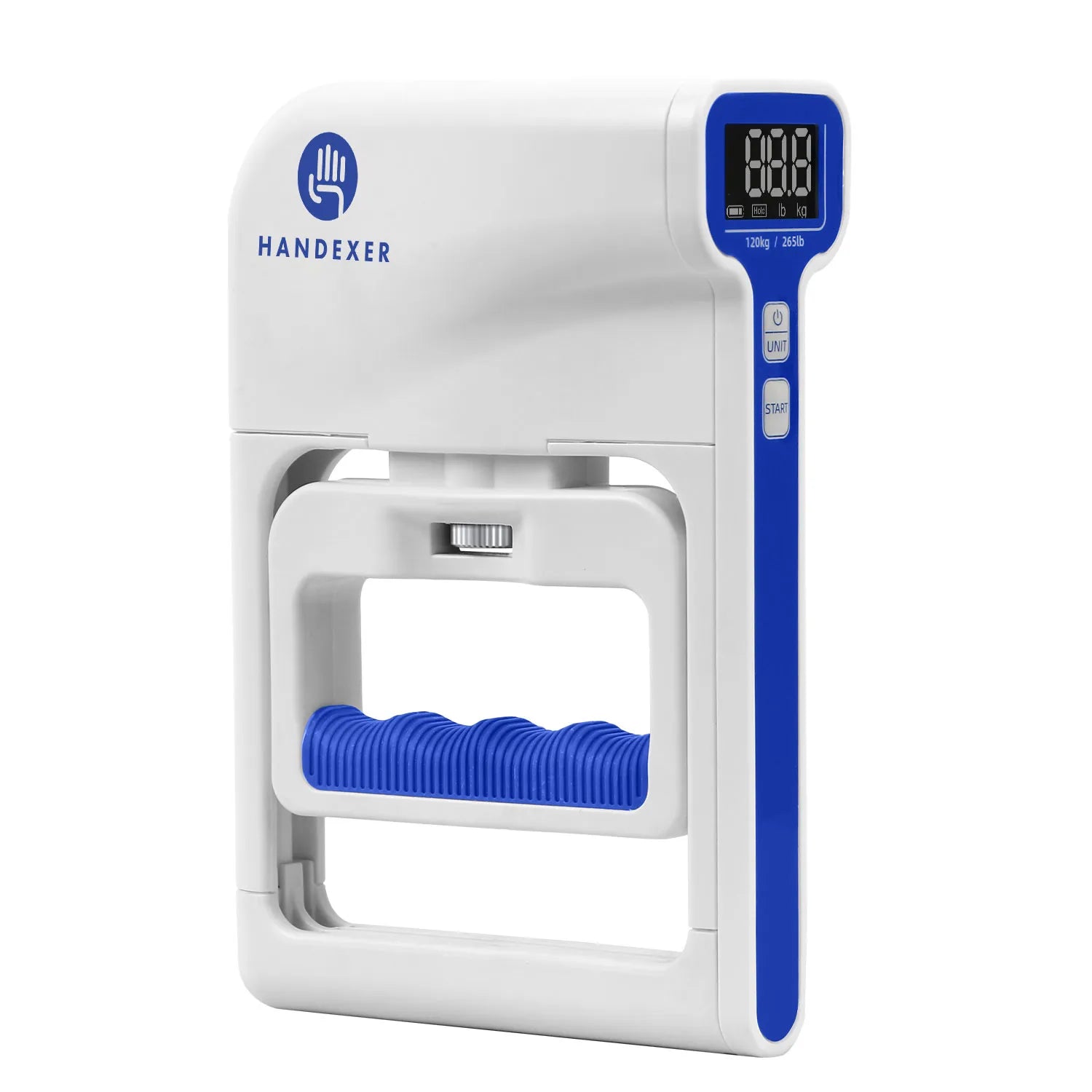
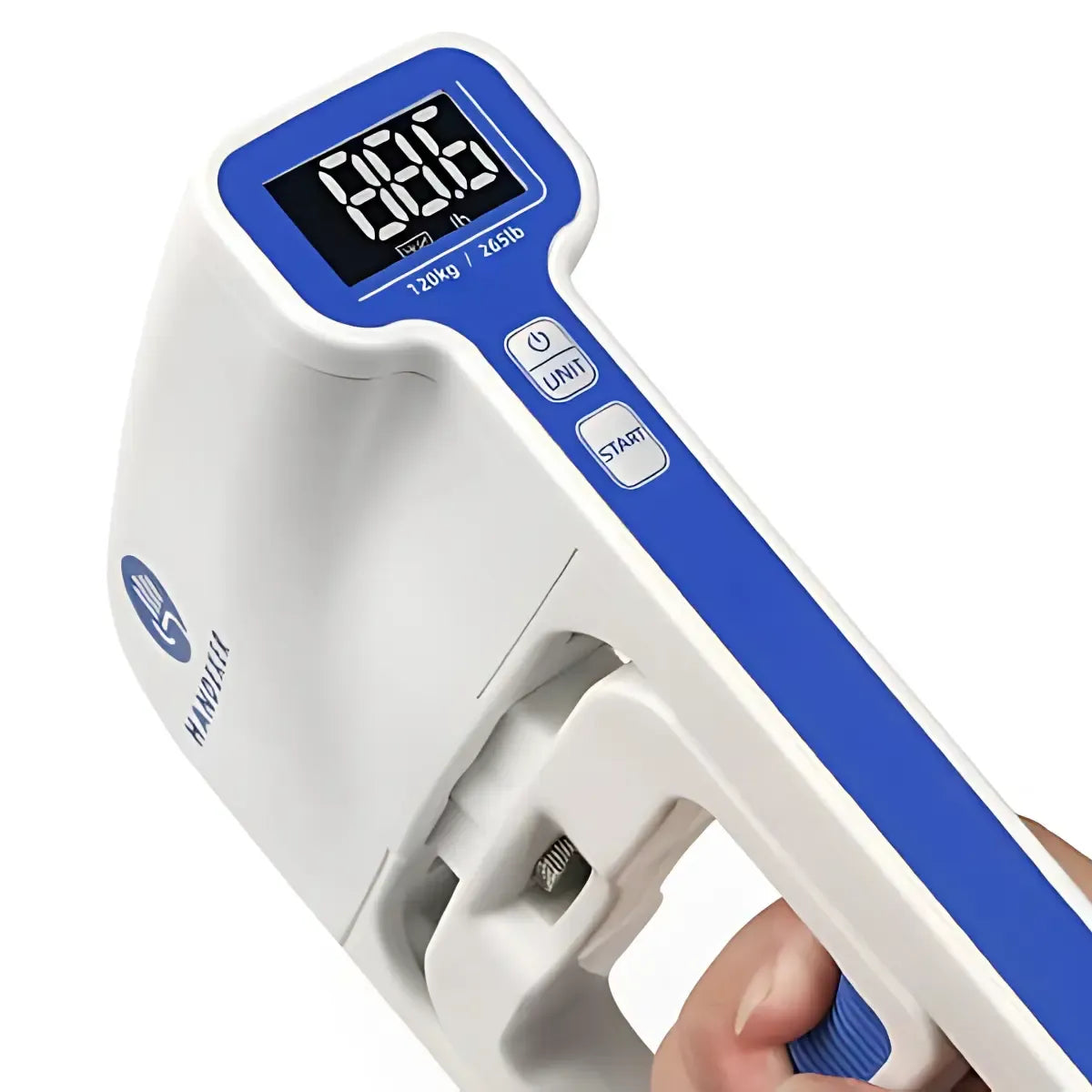
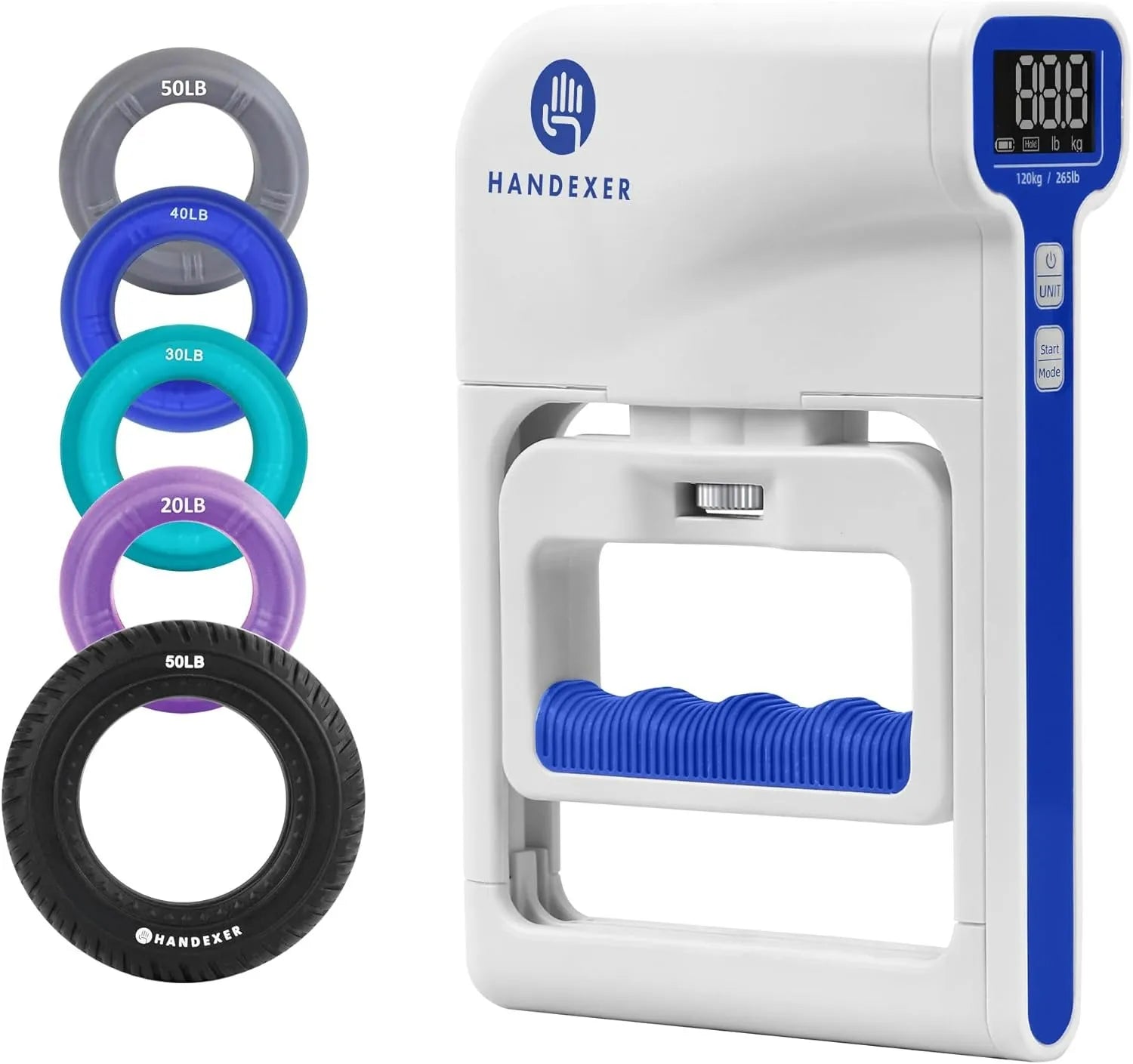
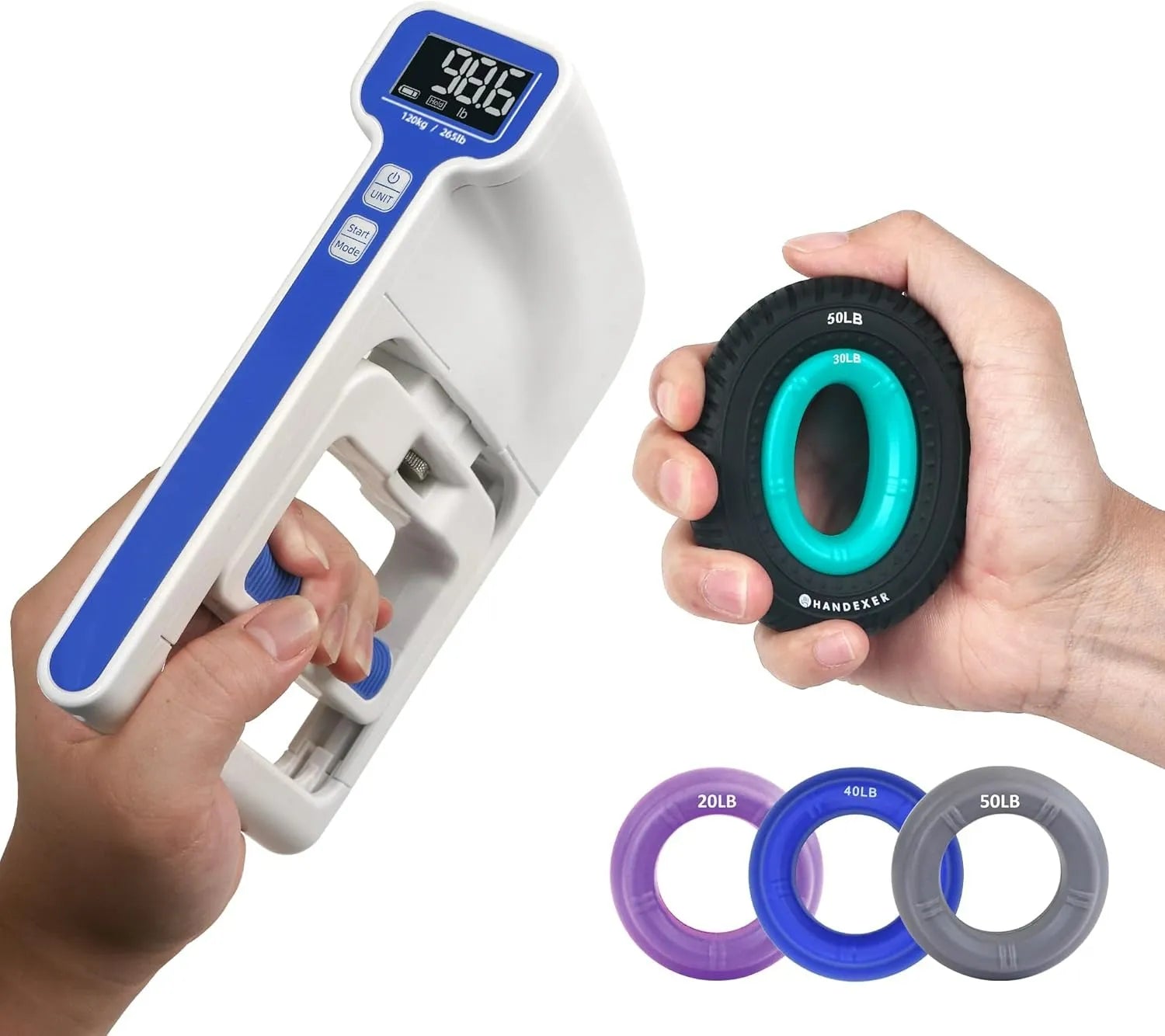
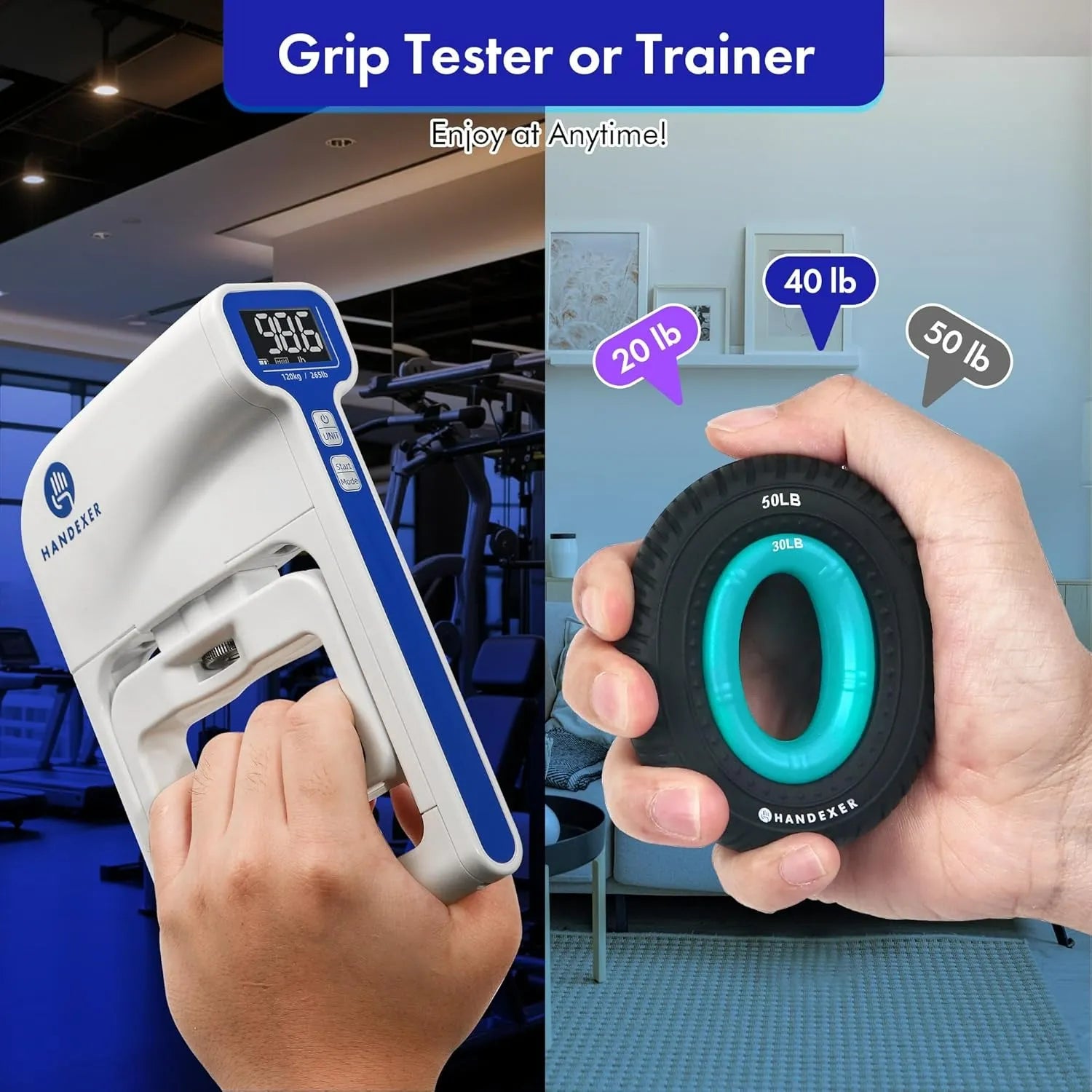
A grip dynamometer measures the force produced during a specific gripping task. Grip strength is associated with broader measures of muscle strength, so it can provide a useful objective indicator, but it does not measure every muscle group or diagnose a specific condition.
How can parents track a child's grip strength over time?
Use the same device and similar testing conditions, record the date and measurement, and focus on the trend rather than a single result.
Parents can use the Handexer Online Grip Strength Tracker to record measurements and keep an organized long-term record.
Final Takeaway for Families
Children can be clumsy for many completely normal reasons. The more important question is whether your child is showing a meaningful change in their ability to do things they previously did comfortably.
Pay attention to stairs, floor rise, running stamina, and facial movements.
Use grip strength tracking to complement what you notice in daily routines.
Log data in the Online Tracker to build a clear picture over time.
Share objective records with healthcare professionals whenever function changes.











Share:
How to Improve Grip Strength at Home (Science-Backed Guide)