

You are sitting at your desk during a stressful workday. A heated email arrives, a project hits a frustrating roadblock, or an important deadline is getting closer.
You feel a sudden surge of frustration—and something unexpected happens: Your hand suddenly feels weak, your grip gives way, or you briefly struggle to hold a pen or use your mouse.
Strong emotions do not only affect how you feel mentally. They can produce noticeable physical changes throughout the body, from changes in breathing and heart rate to muscle tension, shaking, tingling, and, in certain situations, sudden muscle weakness.
For some people, these physical responses may be closely connected to the intensity of the moment. When sudden weakness repeatedly occurs in response to strong emotions, it can represent a more specific physical pattern. One possible condition associated with emotion-triggered muscle weakness is cataplexy, a temporary loss of muscle tone that is commonly associated with narcolepsy.
How Stress and Workload Can Affect Your Hands
When you encounter pressure or frustration at work, your nervous system responds quickly. Your heart rate may increase, your breathing may change, and your muscles may become tense. For some people, intense stress can also produce physical symptoms that affect the hands.
Stress & Rapid Breathing
During intense anxiety, rapid or deep breathing can trigger lightheadedness, tingling, numbness, and temporary weakness in fingers alongside other anxiety symptoms.
Repetitive Desk Work & Fatigue
Hours of typing, clicking, and static wrist posture cause cumulative forearm fatigue. Grip strength tapers off gradually and generally improves with rest.
Nerve-Related Compression
Conditions like carpal tunnel irritate nerves, triggering numbness, tingling, or weakness repeatedly in specific fingers (thumb, index, middle).
Could Sudden Emotion-Triggered Weakness Be Cataplexy?
Cataplexy is a temporary loss of voluntary muscle tone triggered by intense emotional spikes. Commonly tied to narcolepsy, it happens while the individual remains completely conscious. Episodes range from subtle slumping or weak grip to total postural collapse.
Strong Emotional Triggers
Laughter, amusement, sudden surprise, or intense frustration.
Preserved Awareness
Consciousness remains intact throughout the episode.
Brief Duration
Tone and control usually recover within seconds to minutes.
Sleep Symptom Co-occurrence
Often accompanies daytime sleepiness or vivid hypnagogic dreams.
How Different Patterns of Hand Weakness Differ
Not all weak grip episodes share the same pathology. Pinpointing duration, trigger, and sensations helps your physician make an accurate evaluation.
| Pattern | What It May Look Like | What to Notice |
|---|---|---|
|
Stress or anxiety
|
Weakness, shakiness, tingling, or unusual sensations during intense stress | Rapid breathing, racing heart, dizziness, hyperventilation |
|
Work-related fatigue
|
Grip gradually feels weaker after prolonged typing or repetitive hand use | Gradual onset across the workday; improves with rest and stretching |
|
Nerve-related problems
|
Weakness accompanied by numbness, tingling, or localized pain | Consistently affects specific nerve distributions (e.g., thumb to ring finger) |
|
Possible cataplexy
|
Brief loss of muscle tone associated directly with intense emotion | Full conscious awareness preserved; recurring episodes require medical assessment |
|
Acute neurological problem
|
Sudden weakness or numbness that may affect one side of the body | Facial drooping, slurred speech, confusion, ataxia (Immediate ER) |
When Should You Seek Medical Attention?
Sudden weakness affecting one side of the body, facial drooping, slurred speech, vision blackout, or sudden confusion requires immediate emergency care (911/112). Do not wait to see if it clears.
Seek prompt non-emergency clinical review if hand weakness is recurrent, progressively worsening, or accompanied by localized pain and numbness. Record details regarding when it happens, how long it lasts, and what you were doing at that moment.
Track Your Grip Strength to Stay Aware of Changes
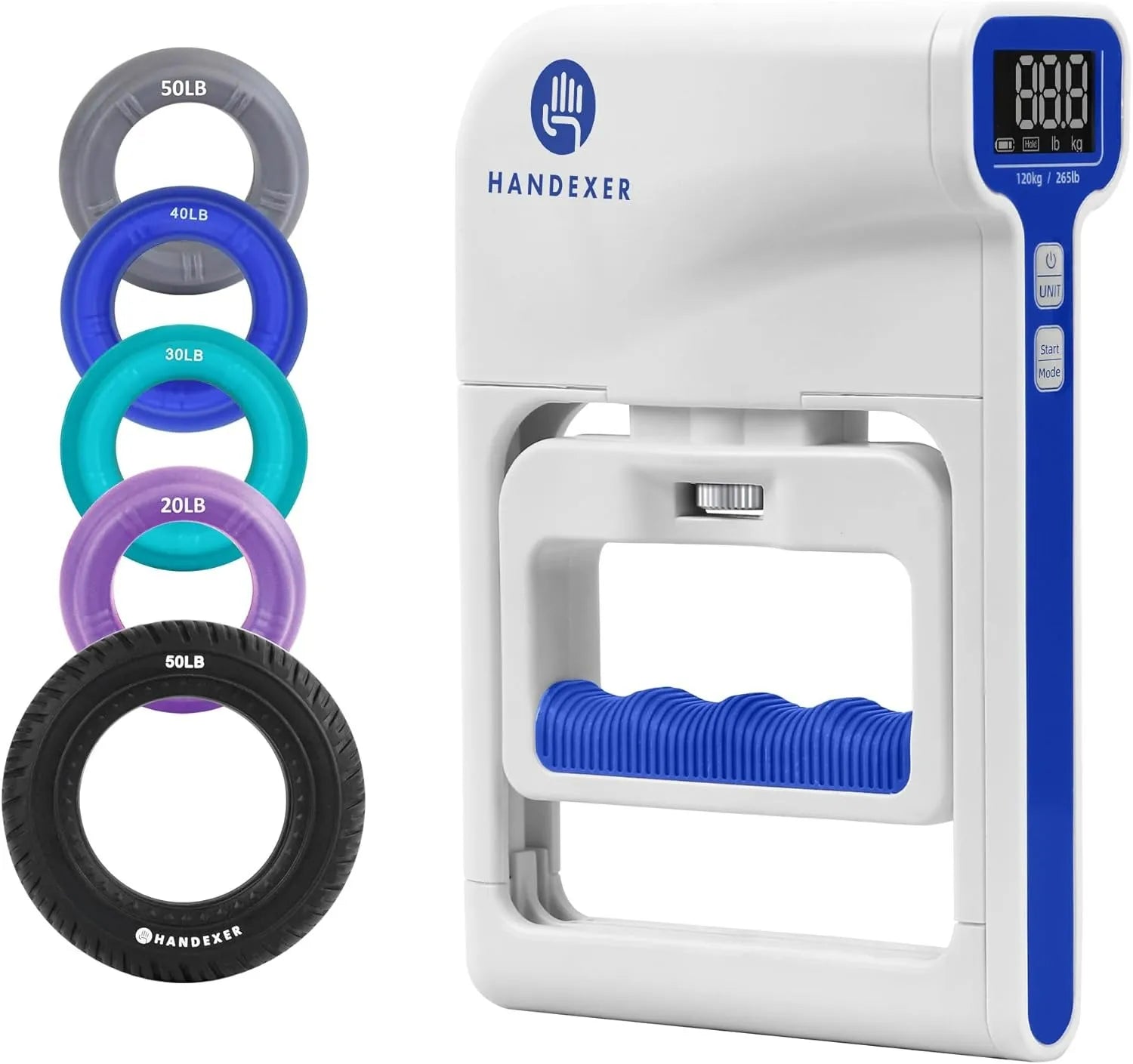
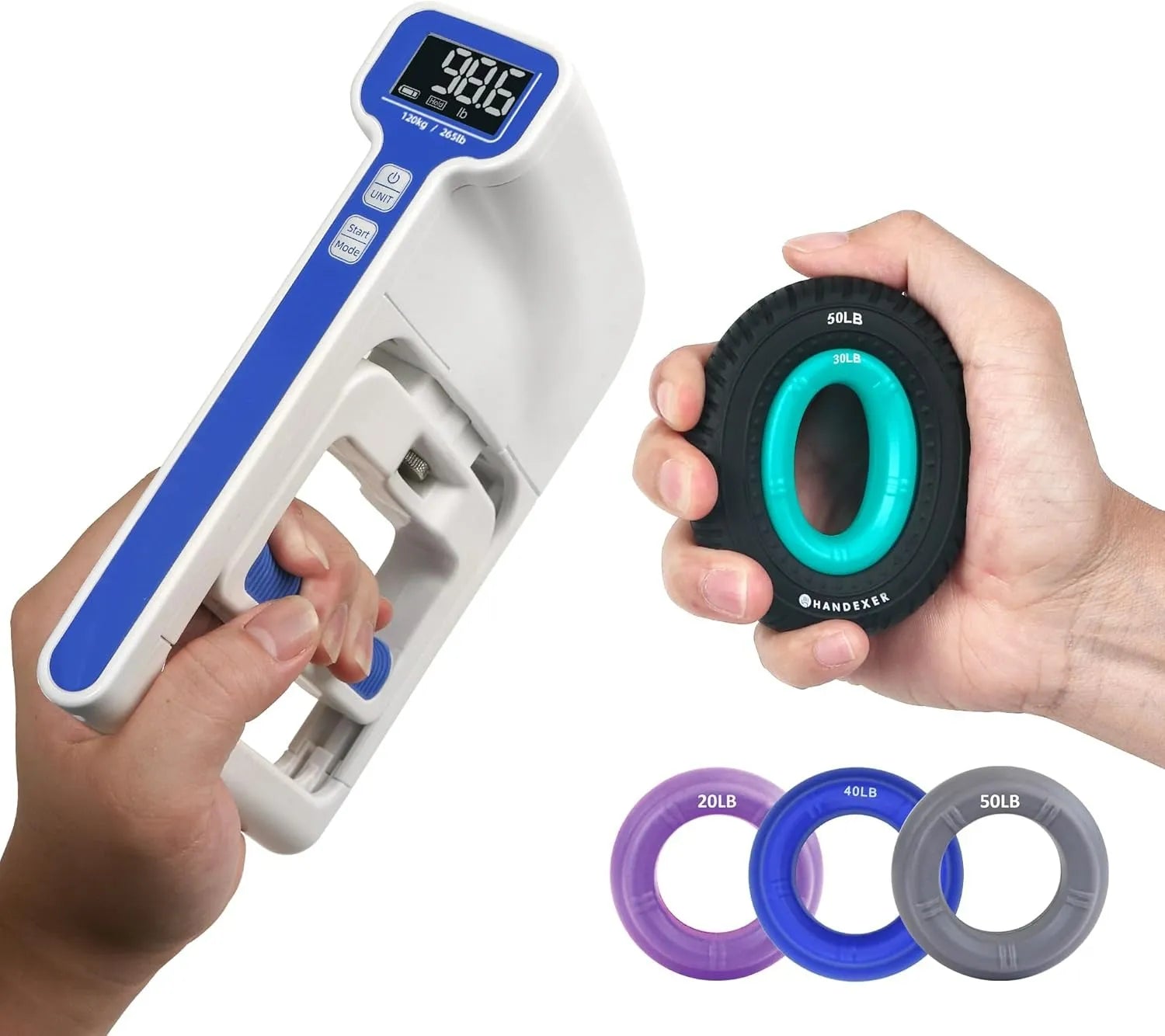
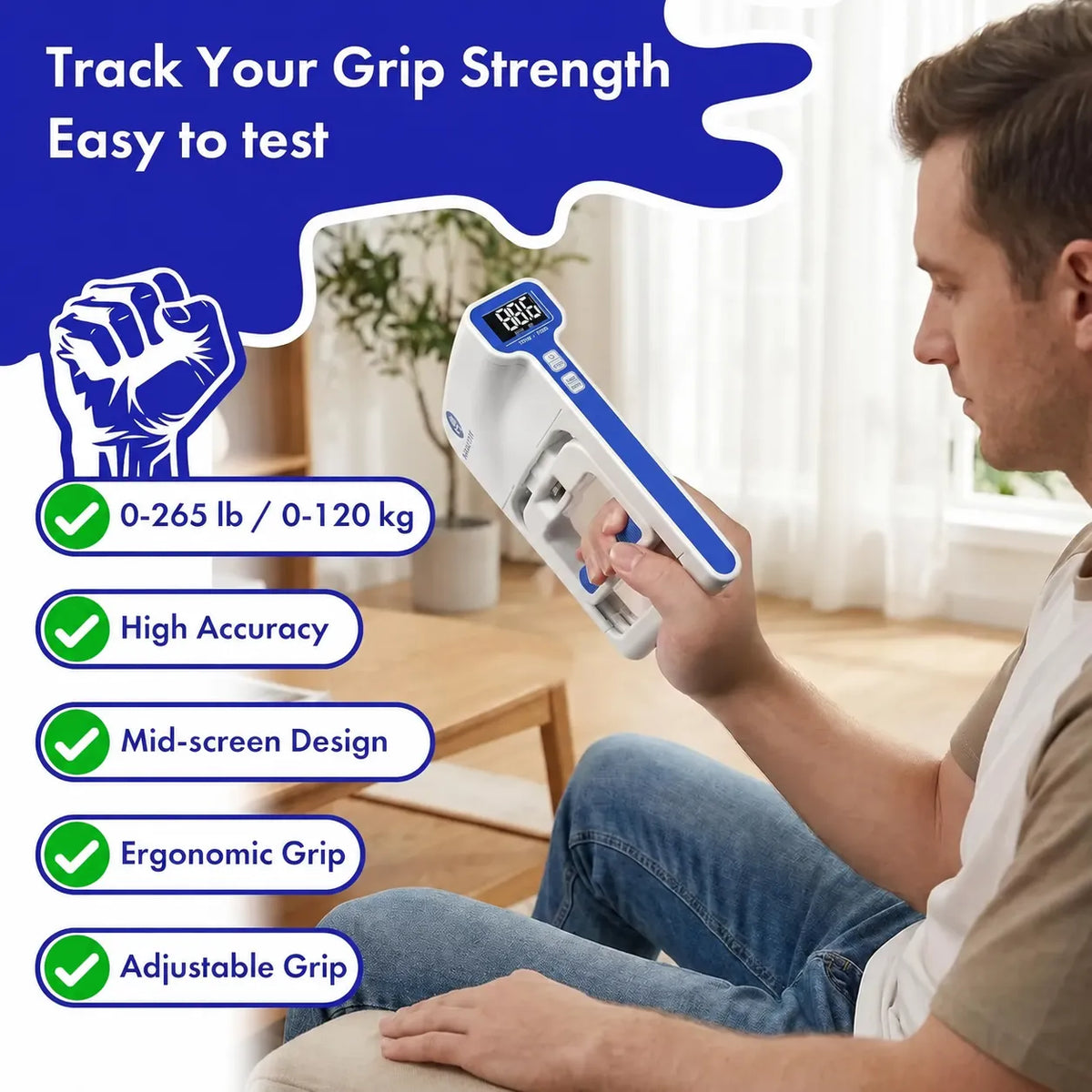
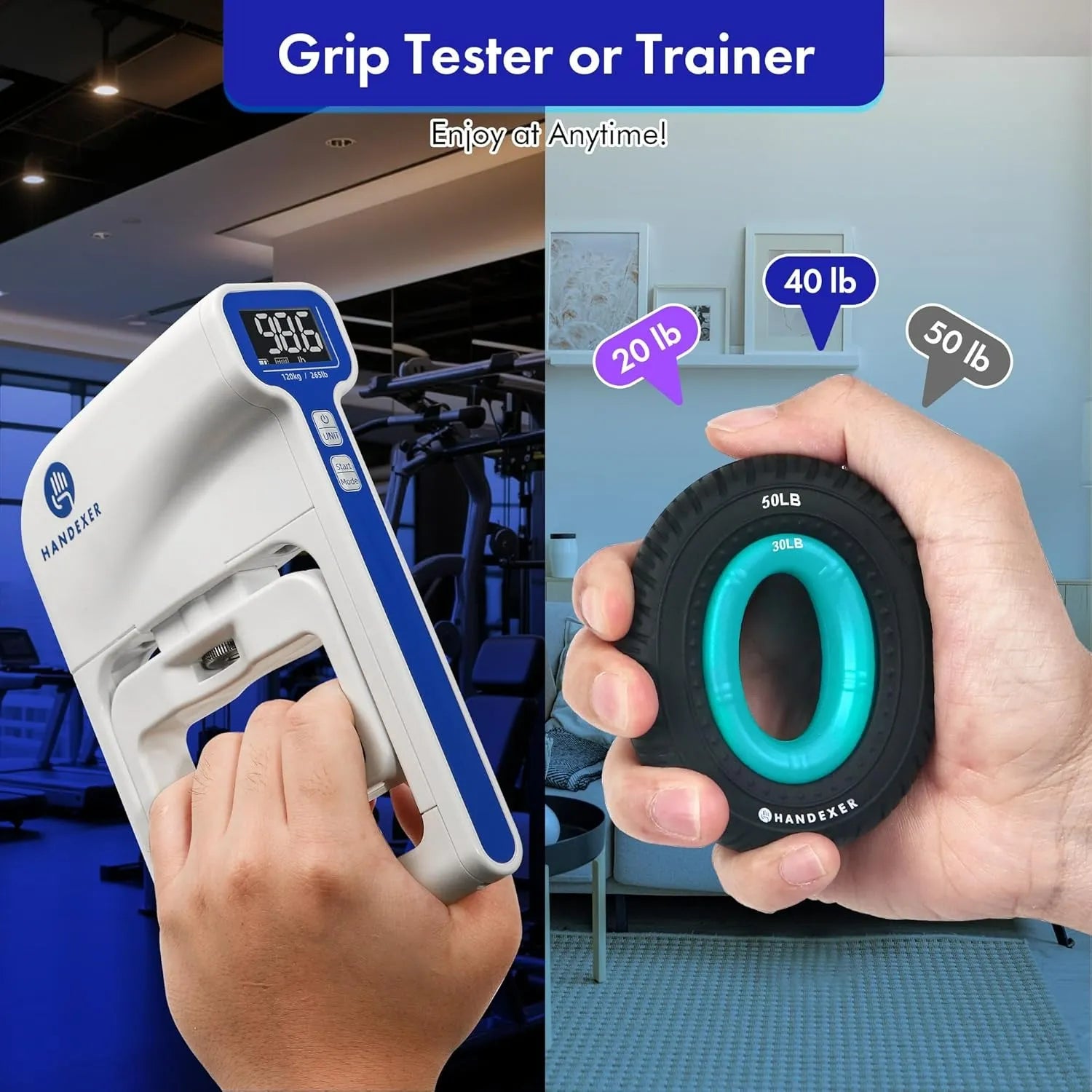
While grip force by itself does not diagnose medical etiologies, longitudinal strength monitoring establishes an objective baseline to detect subtle physiological changes early.
Measure Baseline
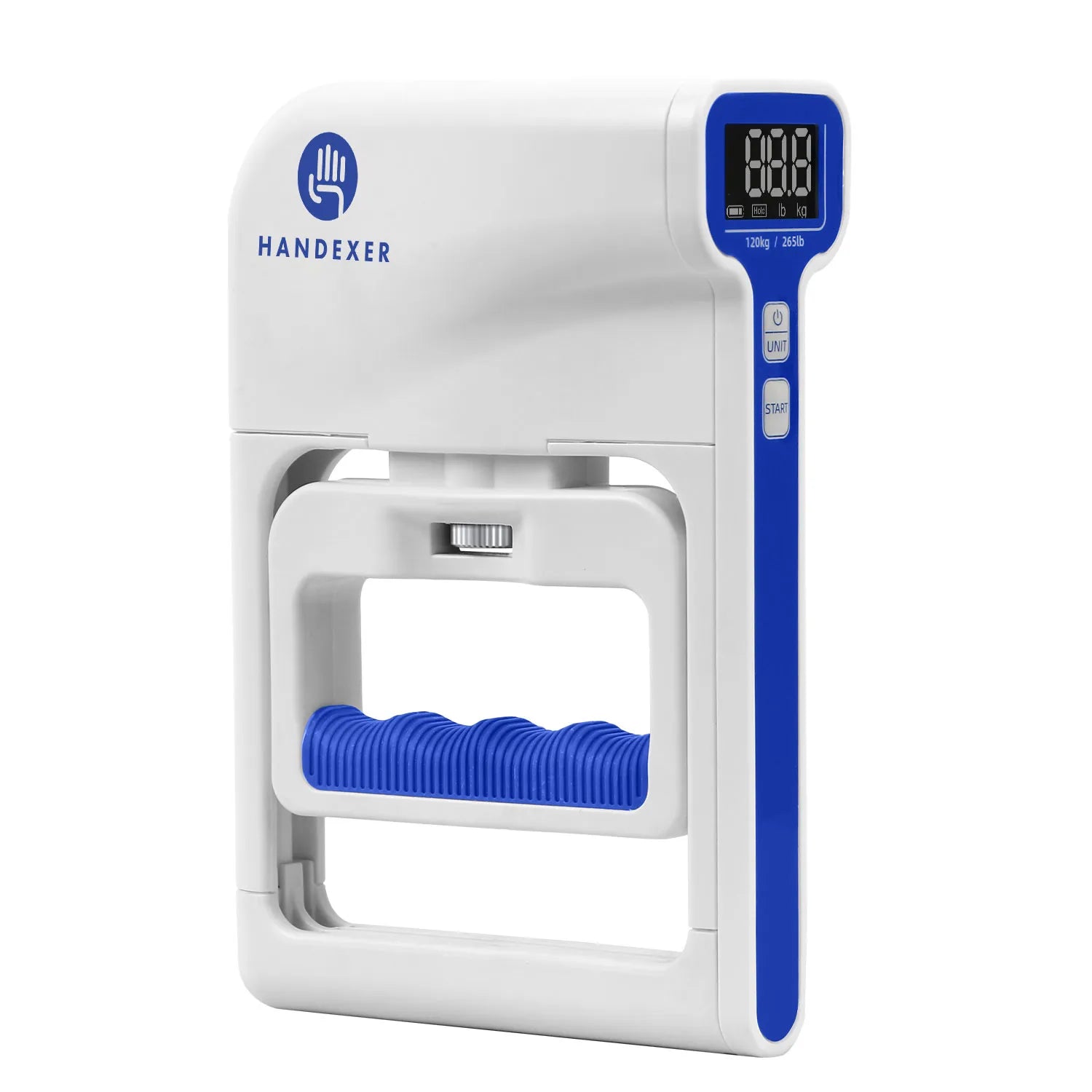
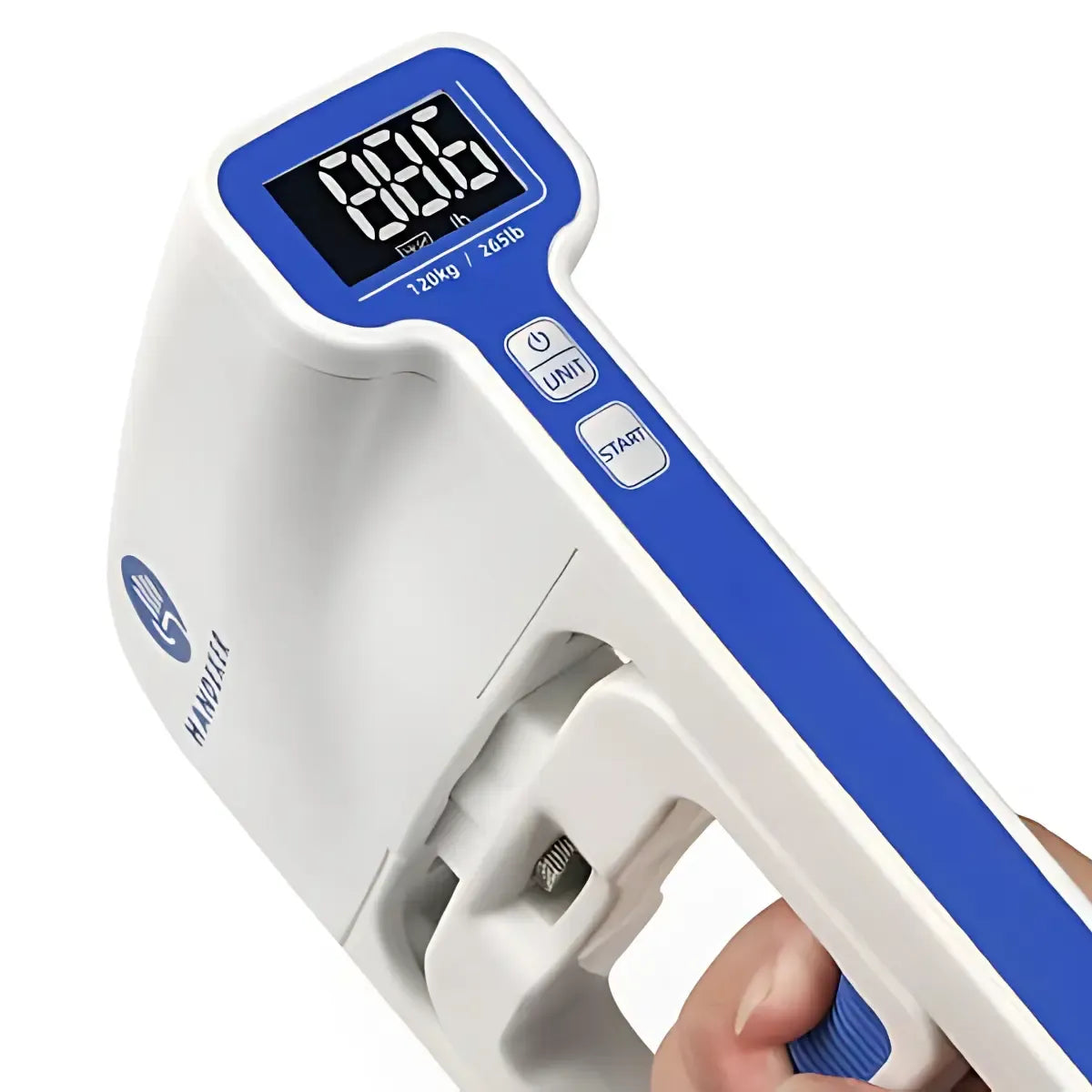
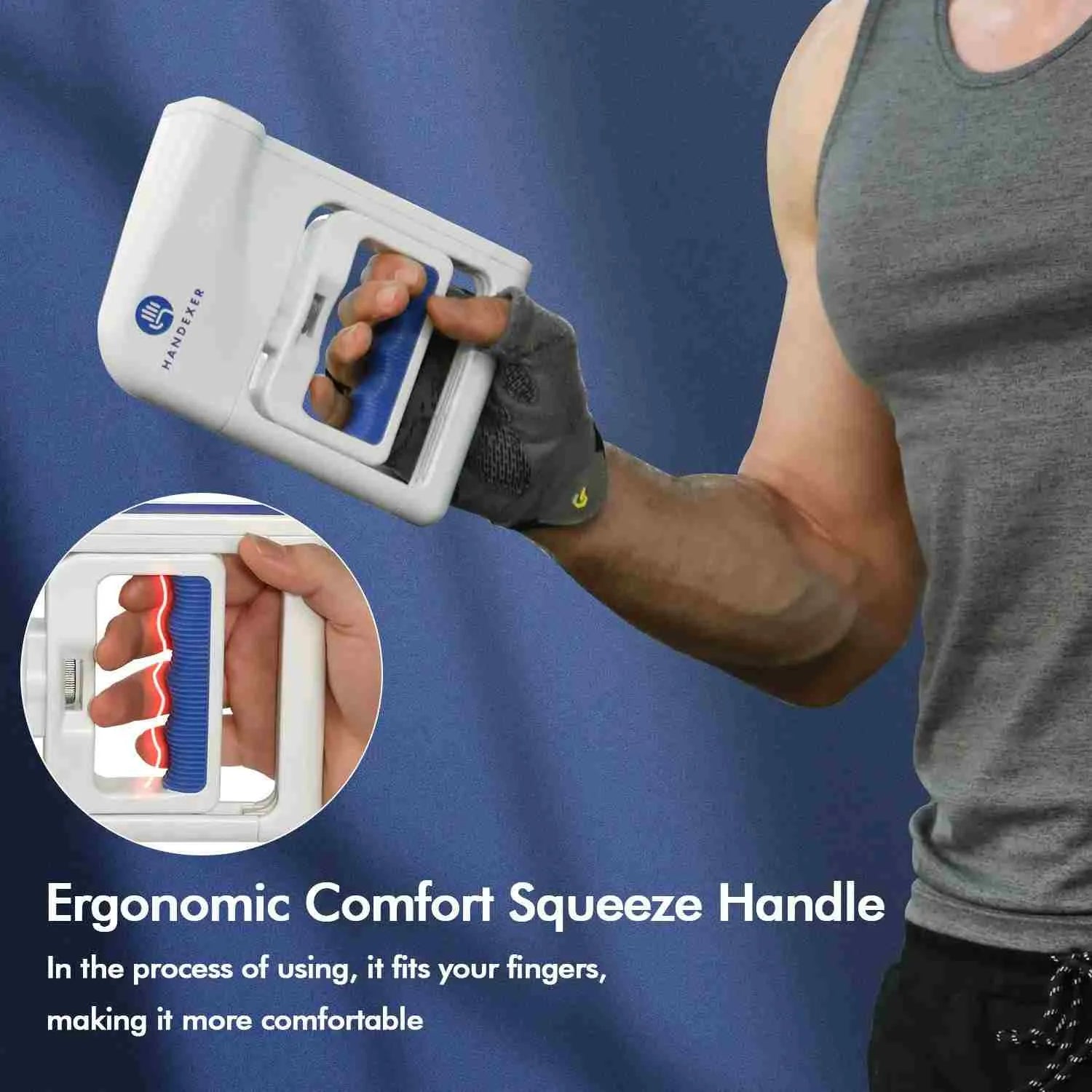
Record consistent metrics with a digital dynamometer under standard posture and arm angle.
Train Appropriately
Incorporate progressive wrist and forearm conditioning without working through pain or joint strain.
Monitor Over Time
Observe multi-week trend lines instead of day-to-day variance to detect real muscular changes.
Re-Measure & Adjust
Re-test periodically to close the feedback loop and calibrate your ergonomic and training strategy.
Can ordinary work stress make my hands feel weak?
Yes. Stress and anxiety produce real physical symptoms such as shaking, tingling, altered breathing patterns, and temporary weakness. Prolonged typing also adds muscular fatigue. However, sudden recurrent weakness should never be blamed solely on stress without evaluating neurological roots.
Does dropping an item suddenly mean I have cataplexy?
Not necessarily. Dropping an object frequently happens due to simple distraction, peripheral nerve irritation, fatigue, or slick grip. Cataplexy involves a specific temporary loss of voluntary muscle tone directly triggered by intense emotions while conscious.
Can a grip-strength test diagnose a neurological problem?
No. Dynamometers measure force output (kg or lbs), not neurological pathology. A low score can stem from momentary fatigue, angle variations, or muscle deconditioning. It serves as an objective functional metric over time, not a diagnostic scan.
When should sudden hand weakness be treated as an emergency?
Seek emergency care immediately if hand weakness is sudden and accompanies unilateral numbness, facial asymmetry, slurred speech, ataxia, sudden visual impairment, or acute severe headache—hallmarks of stroke.
This content is for general educational purposes only and does not constitute medical diagnosis, advice, or clinical treatment plans. A hand dynamometer assesses physical force generation and cannot diagnose cataplexy, narcolepsy, stroke, or peripheral neuropathies. Consult a licensed physician promptly for sudden or recurring weakness.
1. American Academy of Sleep Medicine (AASM). International Classification of Sleep Disorders, Third Edition. Text Revision (ICSD-3-TR).
2. Centers for Disease Control and Prevention (CDC). Signs and Symptoms of Stroke.
3. National Institute of Neurological Disorders and Stroke (NINDS). Carpal Tunnel Syndrome Fact Sheet.
4. Meeusen, R., Duclos, M., Foster, C., et al. Prevention, diagnosis, and treatment of the overtraining syndrome: Joint consensus statement. Sports Medicine. 2013;43:1-15.
5. Cruz-Jentoft, A. J., et al. Sarcopenia: revised European consensus on definition and diagnosis. Age and Ageing. 2019;48(1):16–31.





Share:
The Unexpected Link Between Grip Strength and Depression