
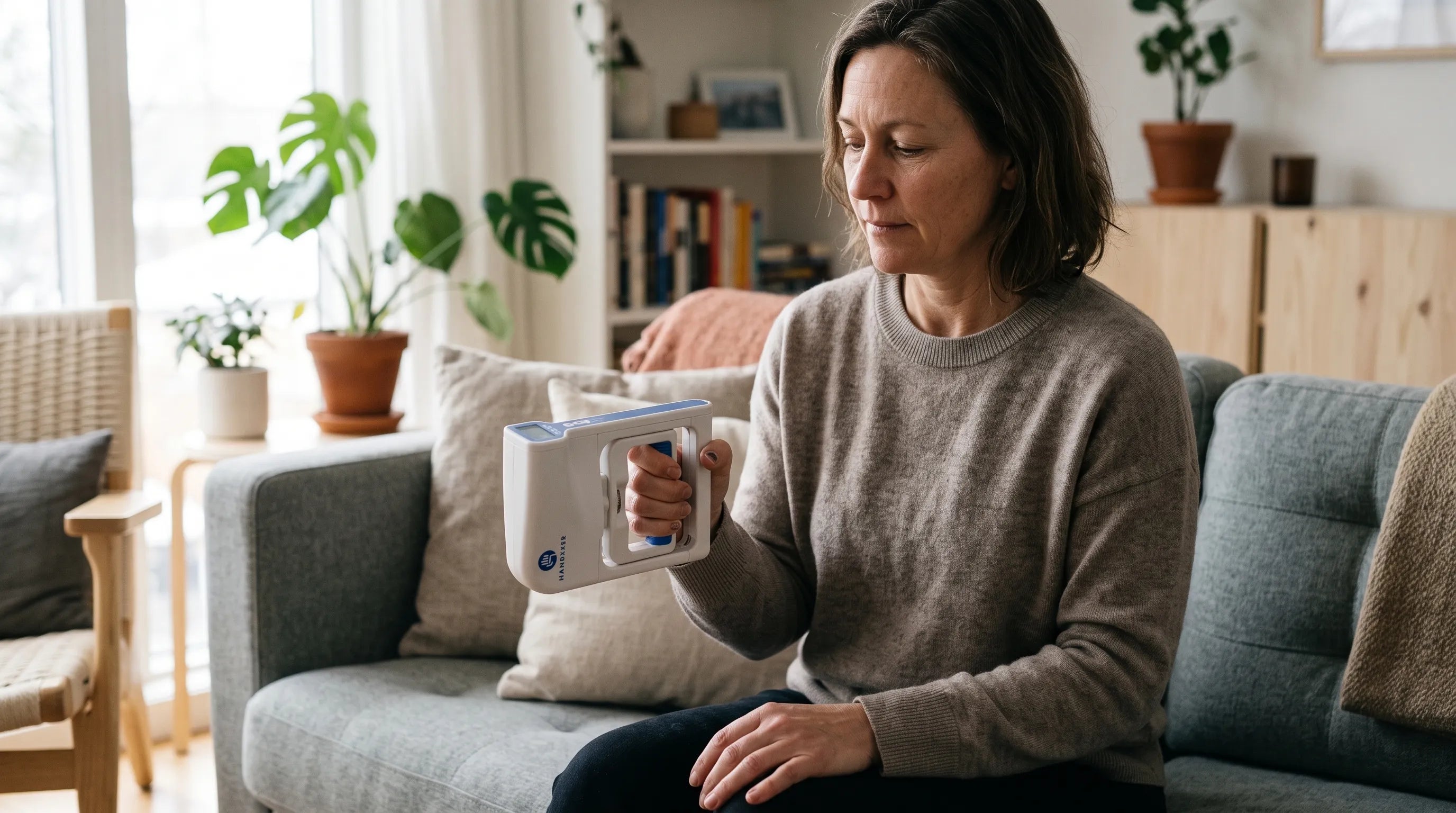
Have you ever wondered how your hand strength compares to national standards for your age? Whether you are monitoring active fitness gains, managing joint mobility during everyday tasks, or supporting post-rehabilitation recovery, testing your grip strength provides a clear, quantitative snapshot of your functional hand health.
According to large-scale epidemiological studies published in The Lancet (PURE Study), hand grip strength serves as a primary reference indicator for overall muscular quality and functional vitality. However, minor testing variations—such as standing instead of sitting or altering your elbow angle—can introduce measurement errors of up to 15%.
This practical guide outlines the standardized protocol established by the American Society of Hand Therapists (ASHT) and helps you interpret your scores using clinical reference data.
Disclaimer: This guide is for general tracking and educational use only, not medical diagnosis. If recovering from an injury, consult a medical professional before testing.
Direct Answer: The ASHT Standard 4-Step Home Protocol
To achieve clinical-grade accuracy (reducing test-retest error to below 3% as demonstrated in NIH Toolbox validation studies), follow this 4-step protocol:
- Sit Upright in a Chair: Sit with your back supported, feet flat on the floor, and shoulders relaxed in a neutral position.
- Maintain a 90-Degree Elbow Angle: Keep your upper arm relaxed against your side and bend your testing elbow to exactly 90 degrees. Keep your wrist neutral with your thumb pointing upward.
- Squeeze Smoothly for 3–5 Seconds: Inhale, then exhale continuously as you apply maximum isometric force. Avoid swinging your body, leaning, or jerking the device.
- Record the Peak of 2–3 Trials: Allow a 60-second rest period between squeezes on the same hand to allow muscle fibers to recover. Record the highest reading.
👉 Evaluate Your Score Online: Enter your peak reading into our free Handexer Online Grip Assessment Tool to calculate your exact age percentile based on NHANES population standards and log your progress.
Why Measurement Standardization Matters: What the Research Shows
Biomechanical studies show that grip force generation varies significantly depending on joint position and body torque. Adhering to clinical guidelines eliminates these confounding variables:
- Seated vs. Standing Position: Studies show that standing allows users to unconsciously recruit trunk and hip momentum, artificially inflating scores by 8% to 12%.
- Elbow Flexion (The 90° Rule): Extending the arm fully recruits the anterior deltoid and pectoralis major muscles. Bending the elbow to 90° isolates the forearm flexor muscles (flexor digitorum profundus and superficialis).
- Smooth Contraction vs. Jerking: Jerking the handle creates kinetic momentum spikes on digital strain gauges rather than capturing true maximal isometric contraction.
By maintaining identical testing posture every time, you ensure your tracking history reflects actual changes in hand strength rather than posture shifts.
Selecting Equipment for Reliable Home Tracking
While alternative estimation methods exist (such as timed bodyweight hangs), establishing a repeatable numerical baseline requires an isometric hand dynamometer.
When selecting a home assessment tool, clinical measurement standards recommend:
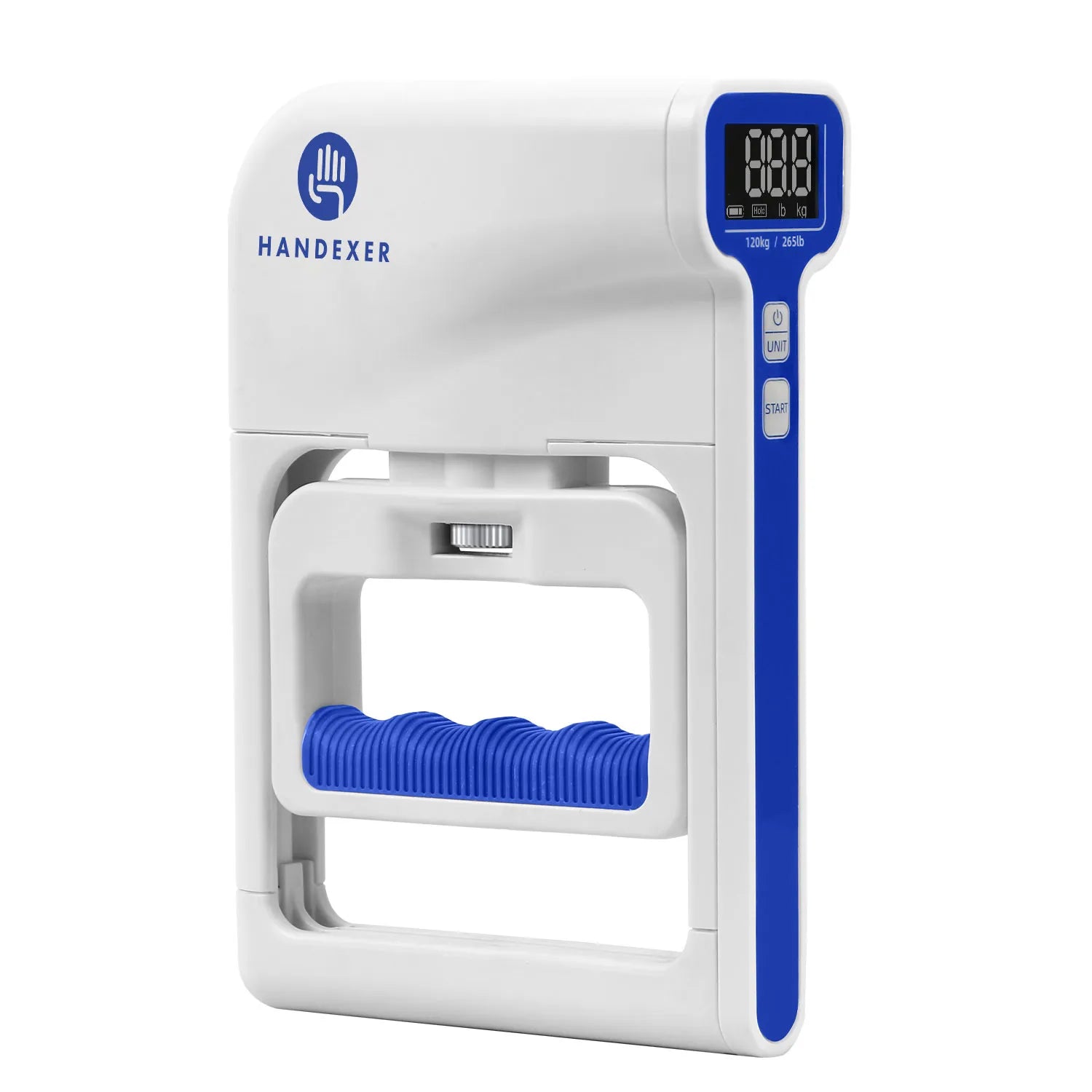
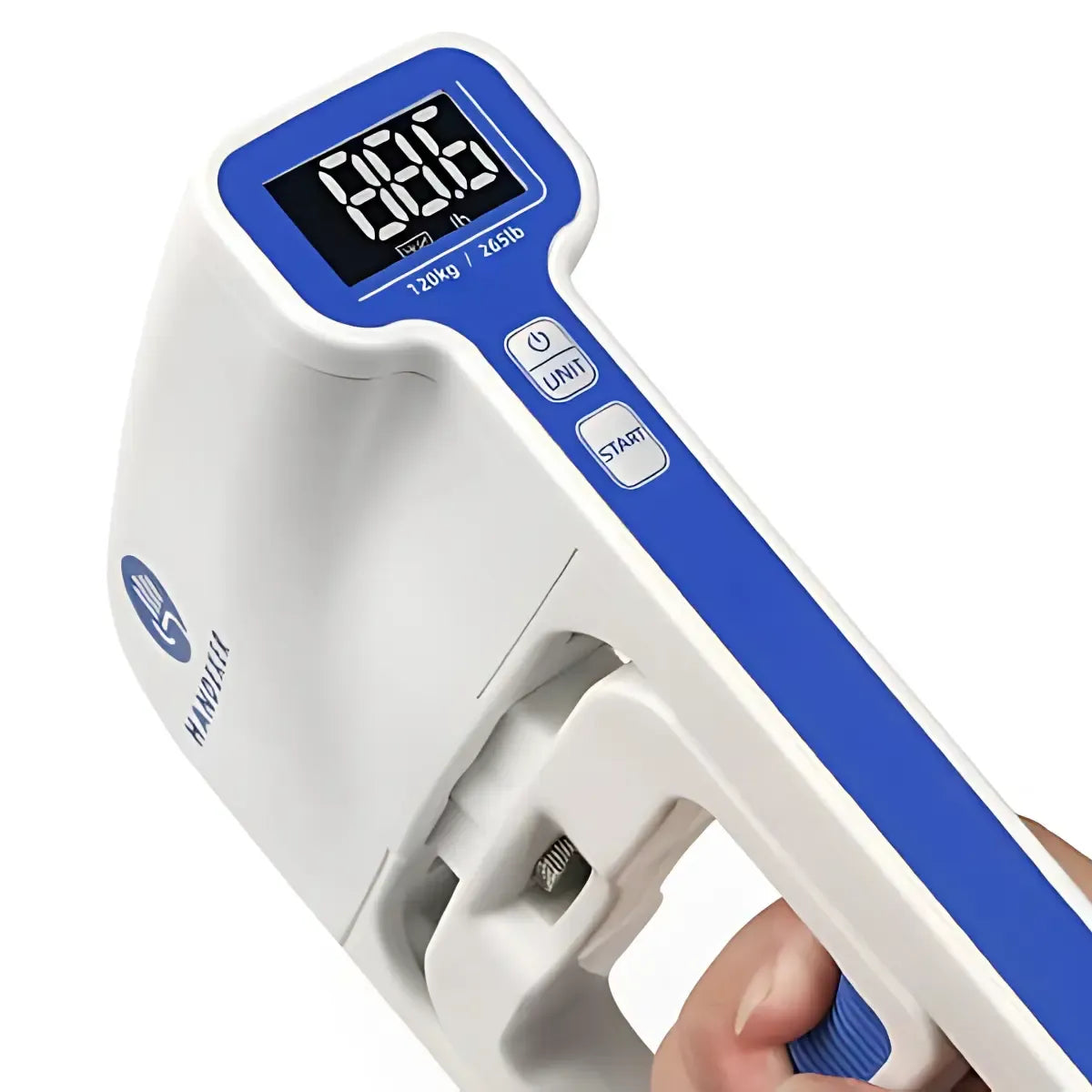
- High-Precision Strain Gauge Sensor: Digital load cells with a resolution of 0.1 lb / 0.1 kg ensure sensitivity to subtle gains or declines over time.
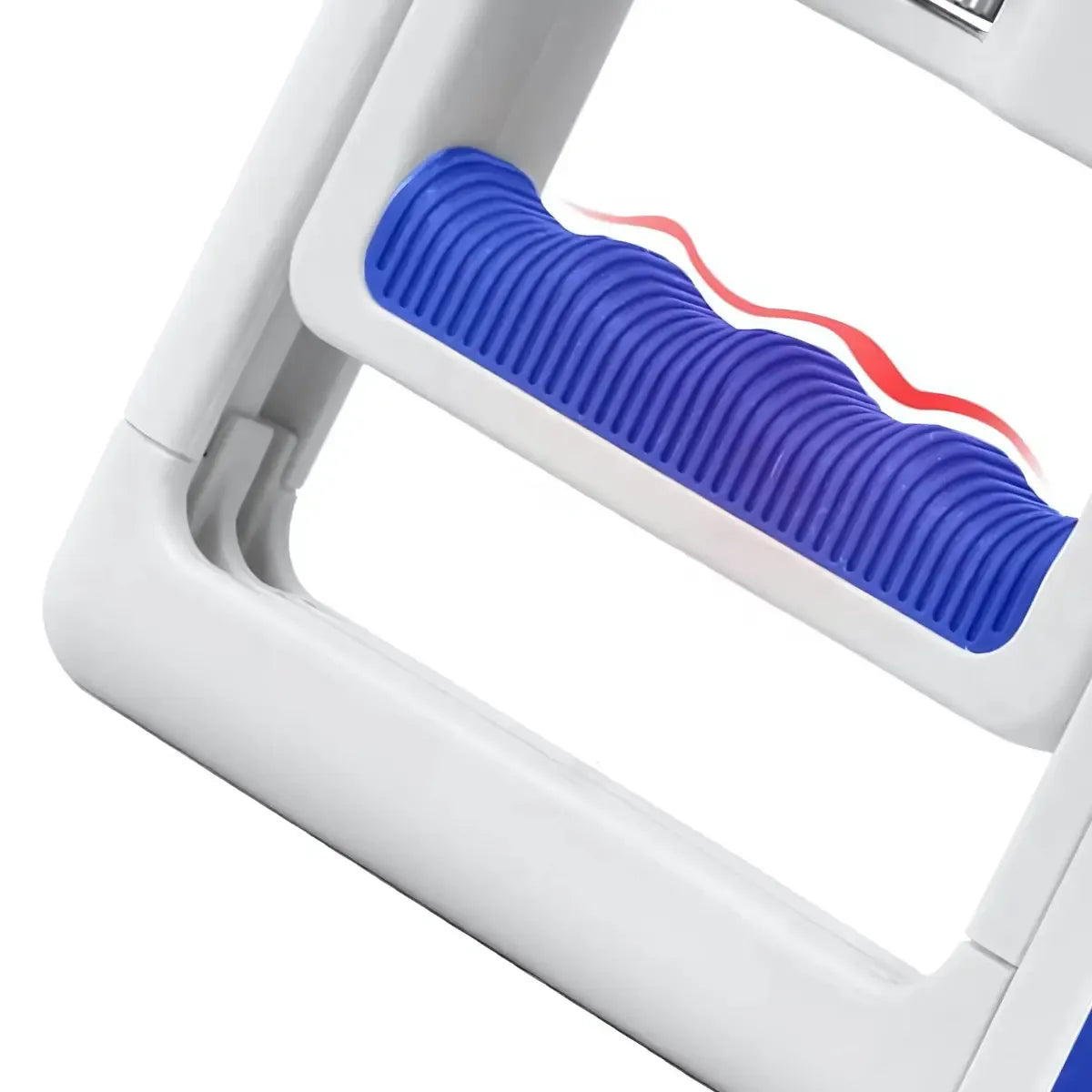
- Adjustable Handle Positions: The handle should adjust so the middle phalanx (second finger segment) rests comfortably at a 90-degree angle around the grip bar, optimizing the force-length relationship of your finger flexors.
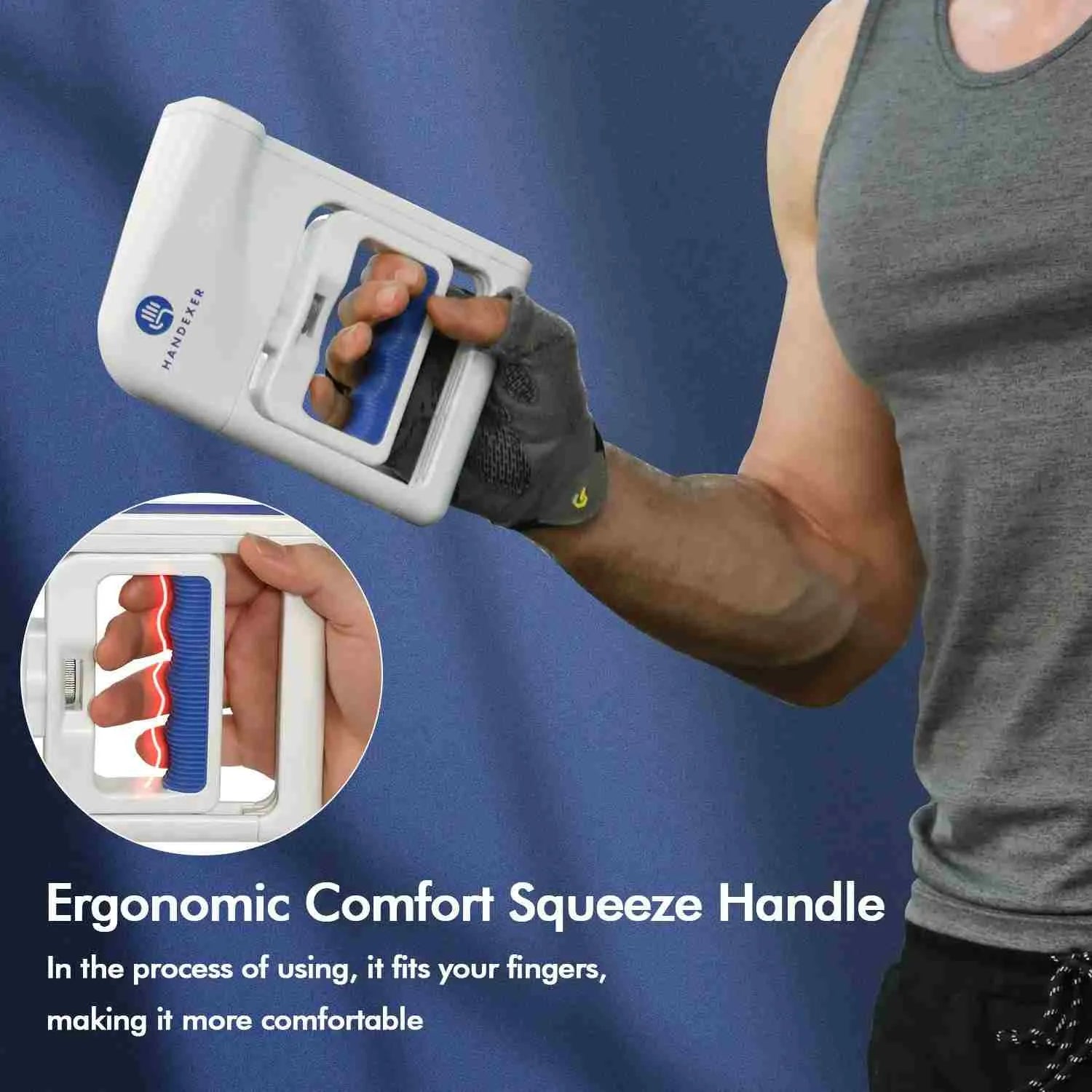
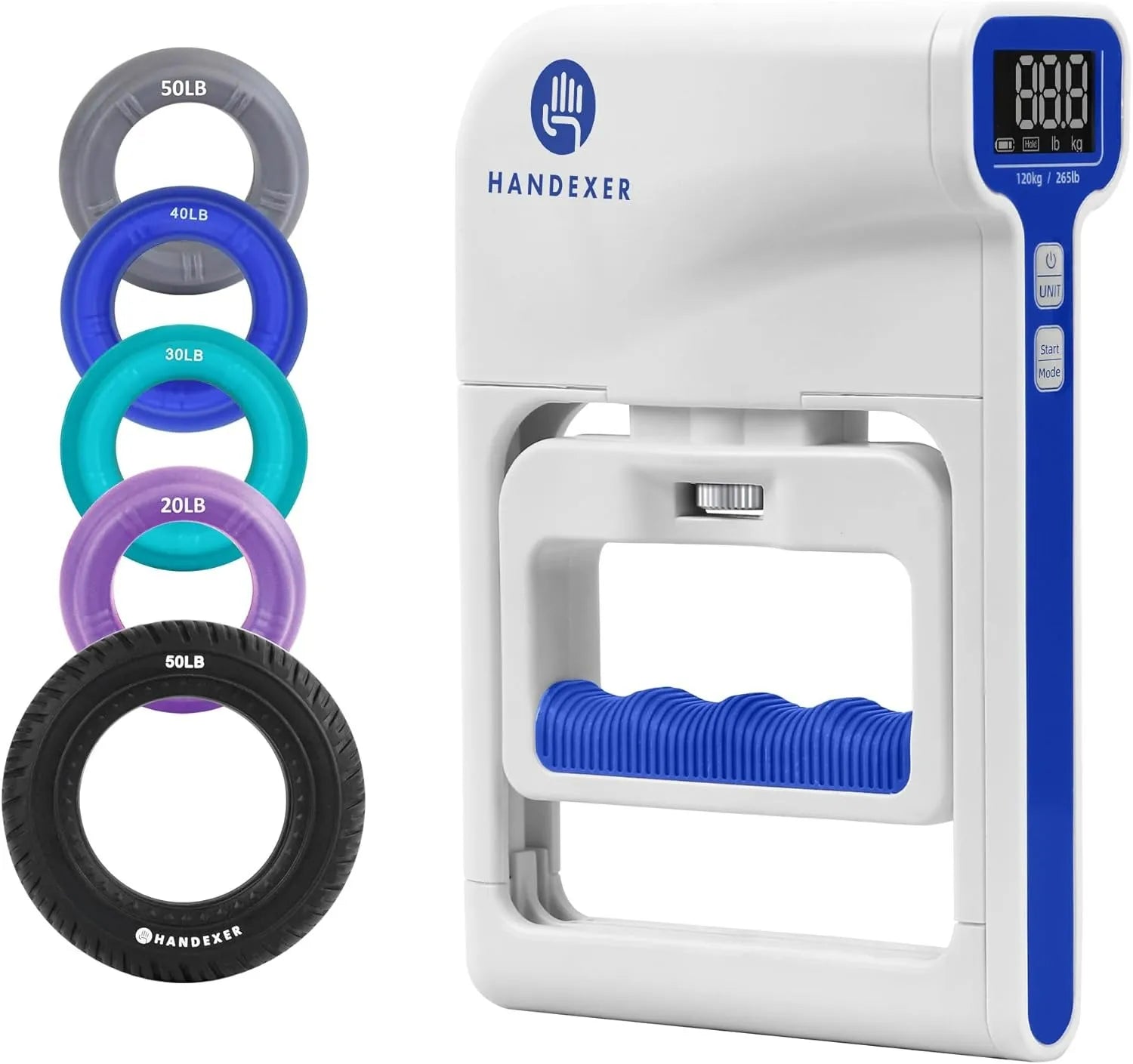
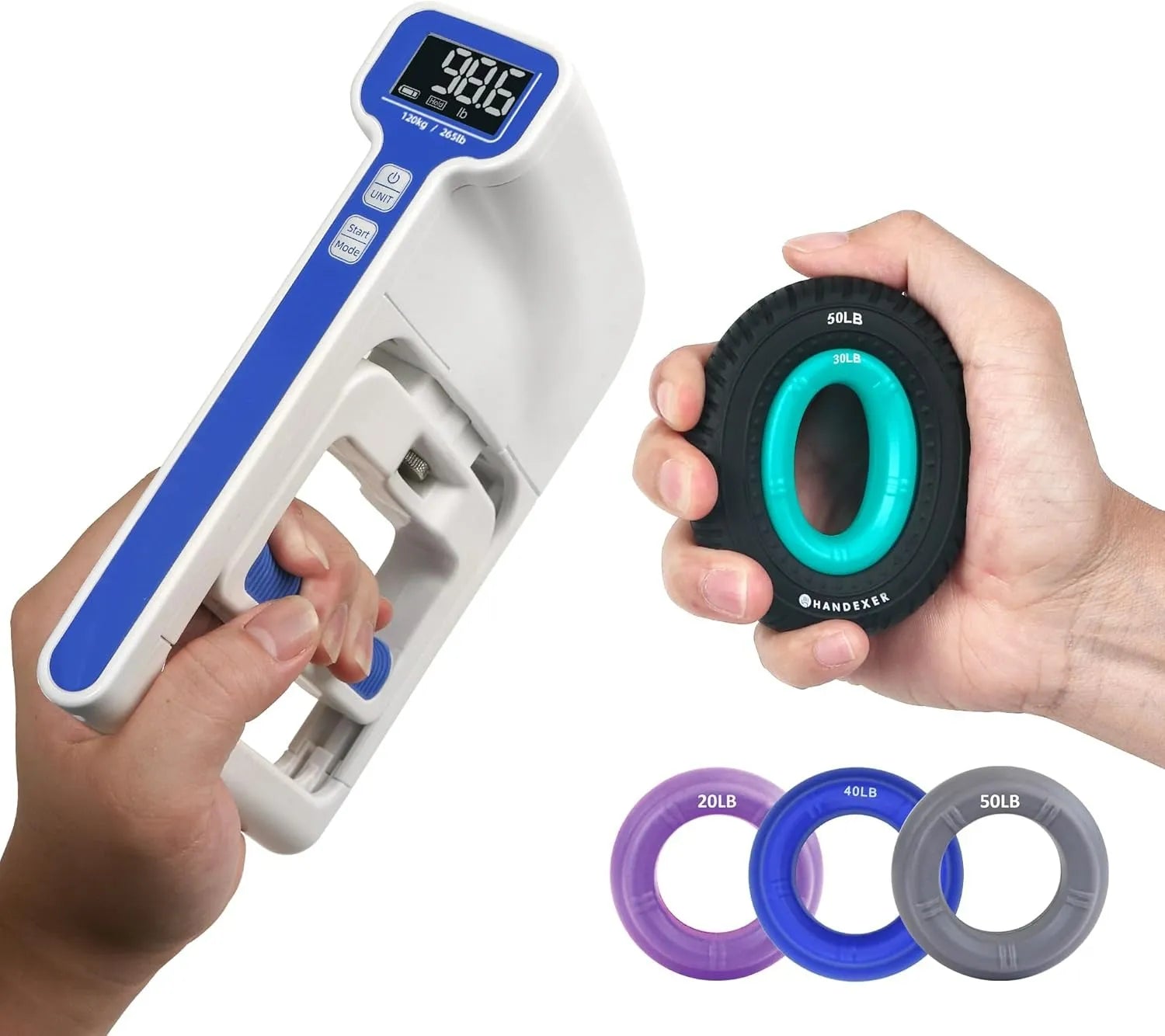
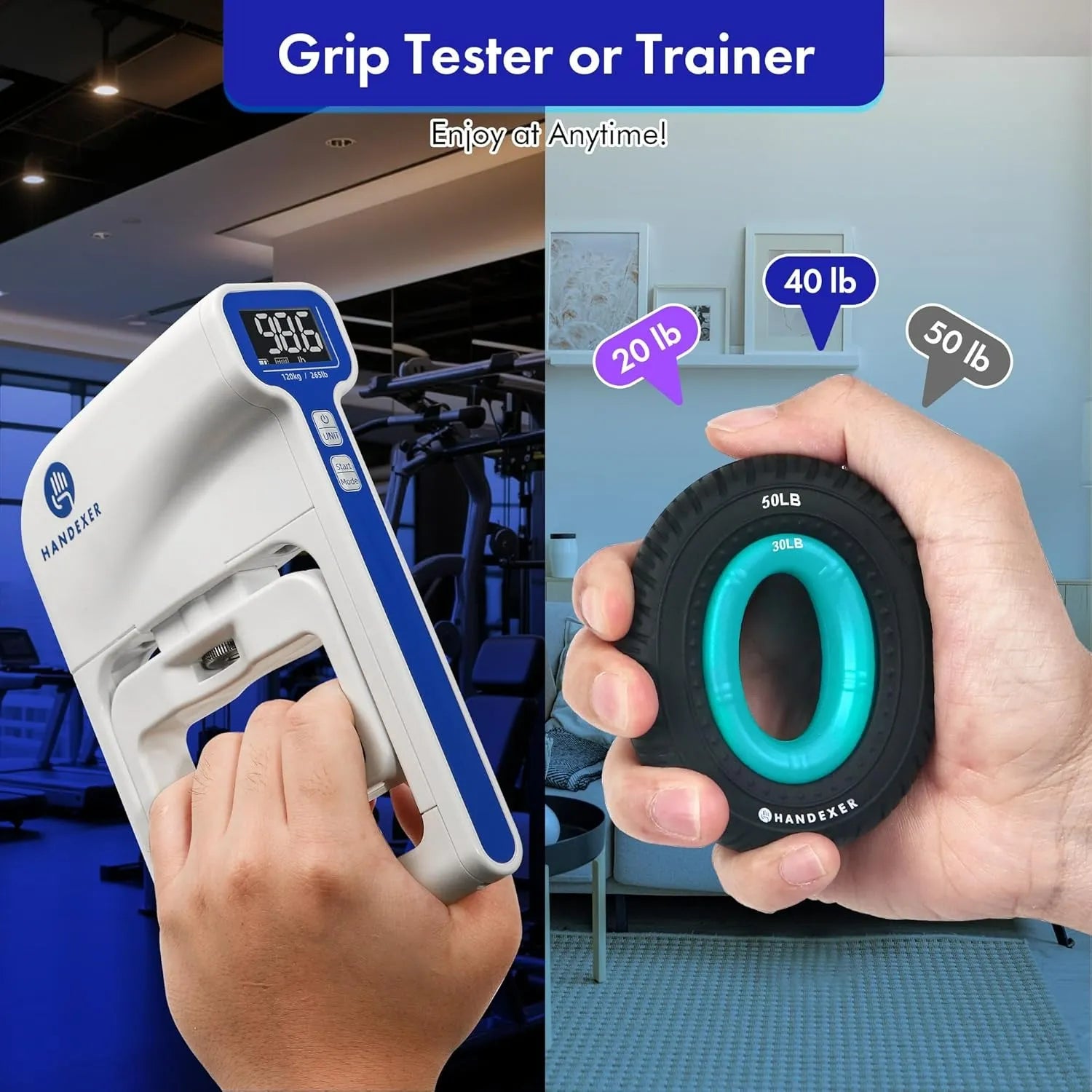
🛠️ The Handexer Assessment System: The Handexer Digital Hand Dynamometer is engineered specifically for home tracking and light clinical evaluation. Featuring multi-user memory, real-time peak force display, and precision isometric strain sensors, it allows individuals and families to maintain reliable long-term hand health records.
Step-by-Step Instructions & Pro-Tips
Follow these guidelines during your home assessment session:
Step 1: Handle Setup & Posture
Adjust the handle position on your Handexer Dynamometer so your grip feels firm and natural without pinching your palm.
-
Palm Placement: Rest the base of the dynamometer against the fleshy part of your palm right below the thumb, letting your fingers curve naturally around the handle.
-
Handle Adjustment: Adjust the handle up or down until the middle joints of your index, middle, and ring fingers rest at a comfortable 90-degree angle for optimal grip posture.

Step 2: Smooth Max Effort
Inhale steadily, begin squeezing, and ramp up to maximum power over 1 to 2 seconds.
Maintain peak force for 3 to 5 seconds while exhaling continuously to prevent the Valsalva maneuver (holding your breath).
Step 3: Rest Intervals & Alternating Hands
High-intensity isometric contraction depletes local muscle phosphocreatine stores. Allow 60 seconds of rest between trials on the same hand.
Pro-Tip: Test your non-dominant hand while your dominant hand rests to maintain an efficient testing flow.
Reference Norms: Population Standards & Risk Cutoffs
How does your score compare? Below is a reference guide adapted from normative population research (NHANES survey data) and clinical consensus criteria (EWGSOP2 ):
| Age Group | Male Average Range | Female Average Range | EWGSOP2 Low Cutoff (Risk Threshold)* |
|---|---|---|---|
| 20 – 29 yrs | 81.1 – 126.8 lbs (36.8 – 57.5 kg) | 47.4 – 91.3 lbs (21.5 – 41.4 kg) | Male < 81.1 lbs (36.8 kg) / Female < 47.4 lbs (21.5 kg) |
| 30 – 39 yrs | 78.9 – 123.0 lbs (35.8 – 55.8 kg) | 44.8 – 77.8 lbs (20.3 – 35.3 kg) | Male < 78.9 lbs (35.8 kg) / Female < 44.8 lbs (20.3 kg) |
| 40 – 49 yrs | 76.5 – 121.9 lbs (34.7 – 55.3 kg) | 41.0 – 72.1 lbs (18.6 – 32.7 kg) | Male < 76.5 lbs ( 34.7 kg) / Female < 41.0 lbs (18.6 kg) |
| 50 – 59 yrs | 67.7 – 111.8 lbs (30.7 – 50.7 kg) | 39.0 – 69.7 lbs (17.7 – 31.6 kg) | Male < 67.7 lbs (30.7 kg) / Female < 39.0 lbs (17.7 kg) |
| 60 – 69 yrs | 62.2 – 105.8 lbs (28.2 – 48.0 kg) | 34.0 – 68.3 lbs (15.4 – 31.0 kg) | Male < 62.2 lbs (28.2 kg) / Female < 34.0 lbs (15.4 kg) |
| 70+ yrs | 47.0 – 77.4 lbs (21.3 – 35.1 kg) | 32.4 – 54.0 lbs (14.7 – 24.5 kg) | Male < 47.0 lbs (21.3 kg) / Female < 32.4 lbs (14.7 kg) |
*Clinical Context: The EWGSOP2 criteria defines muscle strength loss when grip force falls below 27 kg (60 lbs) in men or 16 kg (35 lbs) in women. Research published in the Journal of the American Geriatrics Society indicates that scores below these thresholds are associated with elevated fall risks and reduced functional mobility in older adults.
*The 10% Dominance Rule: In right-handed individuals, the dominant hand is typically ~10% stronger than the non-dominant hand. In left-handed individuals, grip strength is often equal between hands. Asymmetry exceeding 20% may warrant evaluation by a hand therapist.
📊 Analyze Your Numbers: Input your exact score into our Handexer Interactive Assessment Tool to see where you sit on the population percentile curve and save your baseline record.
What to Do Next: The Handexer Hand Health Loop
Testing is the diagnostic entry point to proactive hand care. At Handexer, we advocate for a complete functional loop: Assess → Train → Recover → Track.
Depending on your results, here is how to take targeted action:
Path A: Building & Restoring Hand Strength
If your score is below your personal goal or everyday activities (such as opening vacuum-sealed jars or carrying heavy bags) feel challenging:
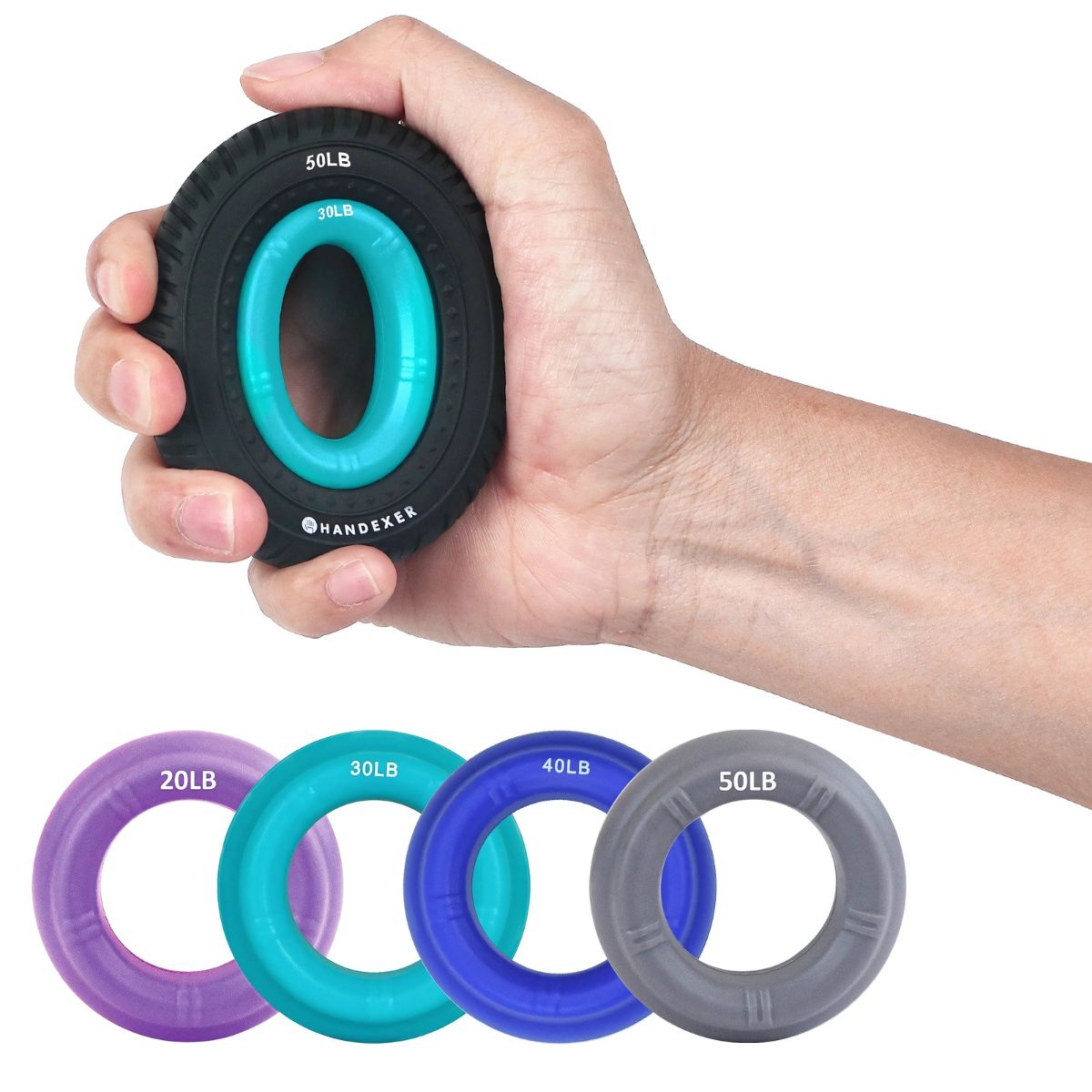
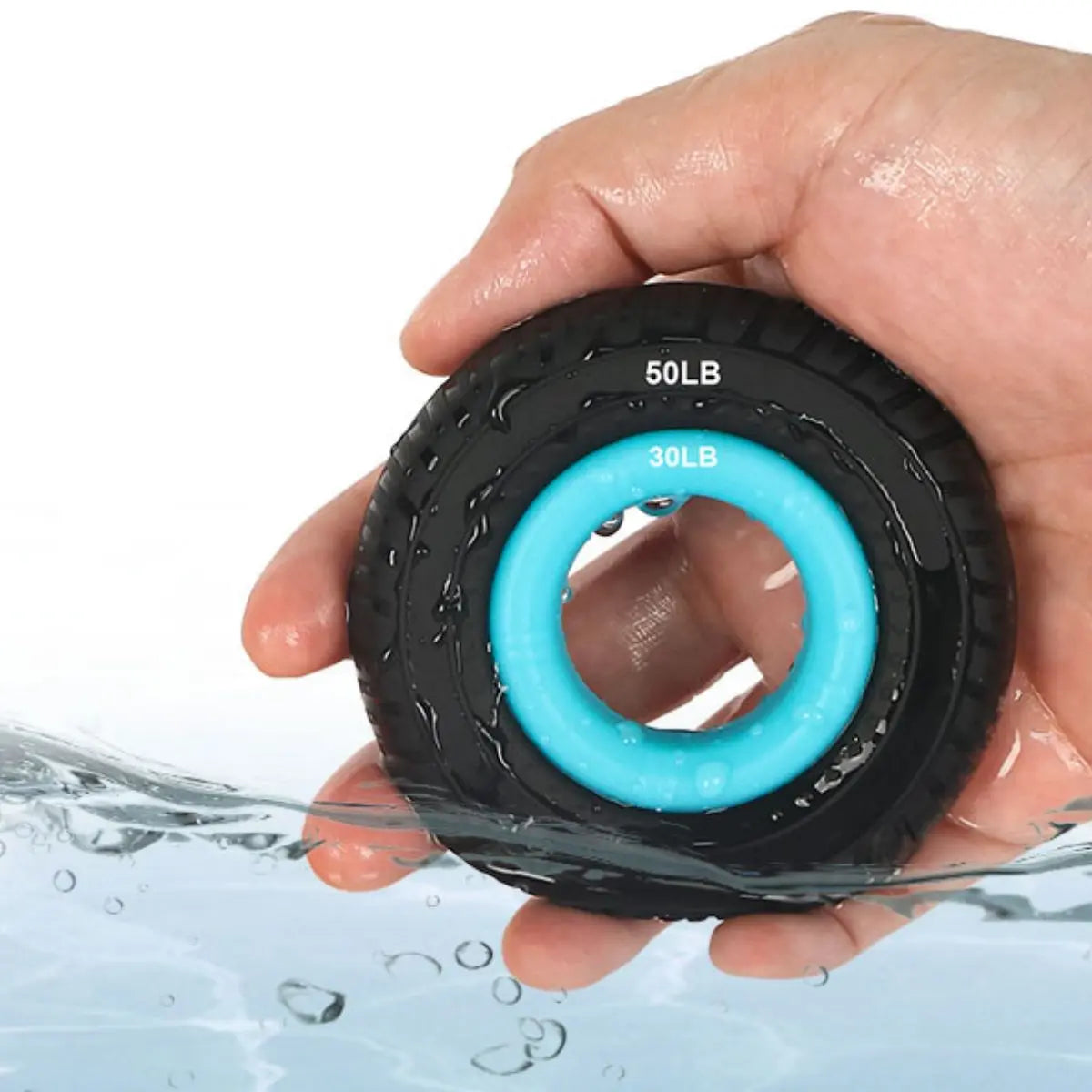
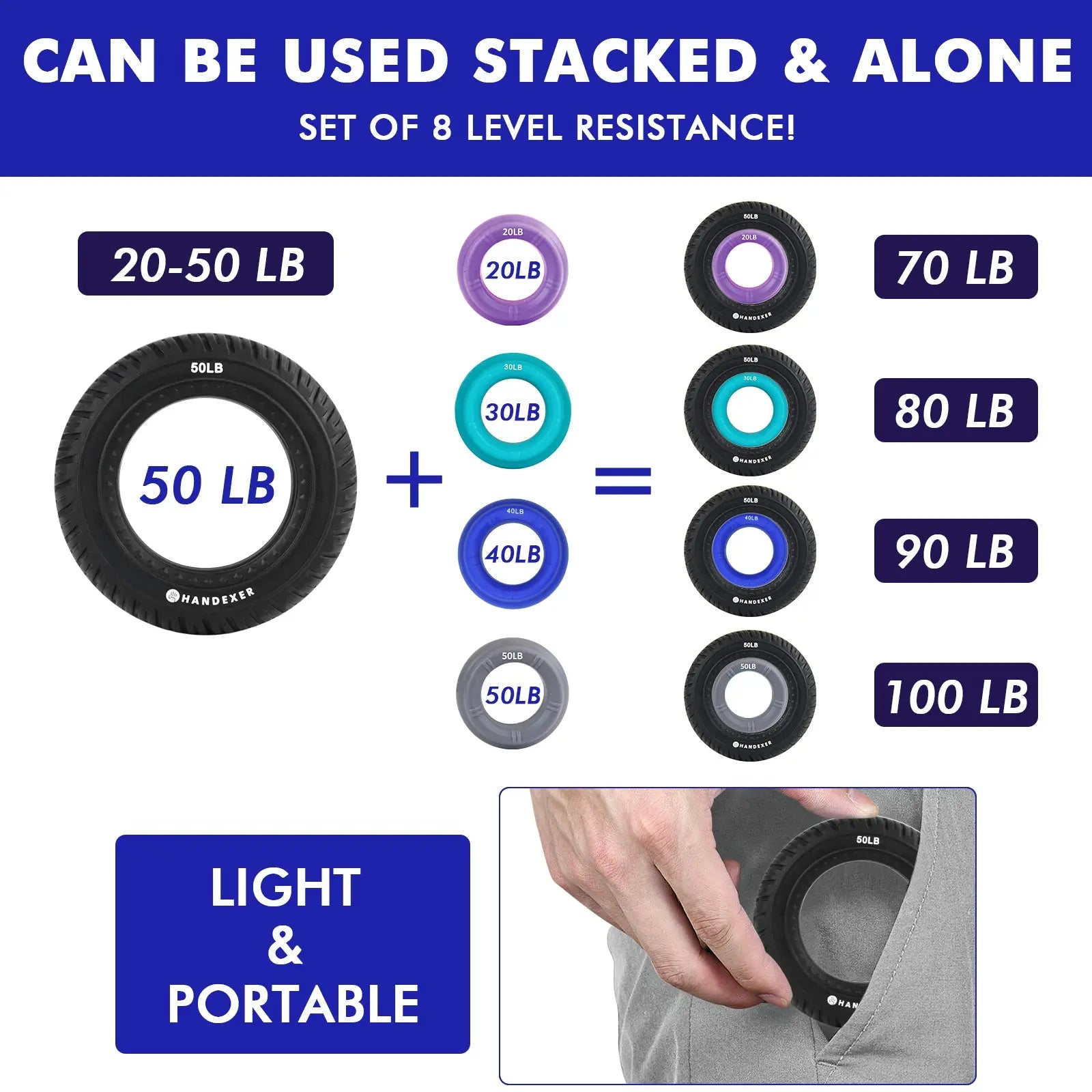
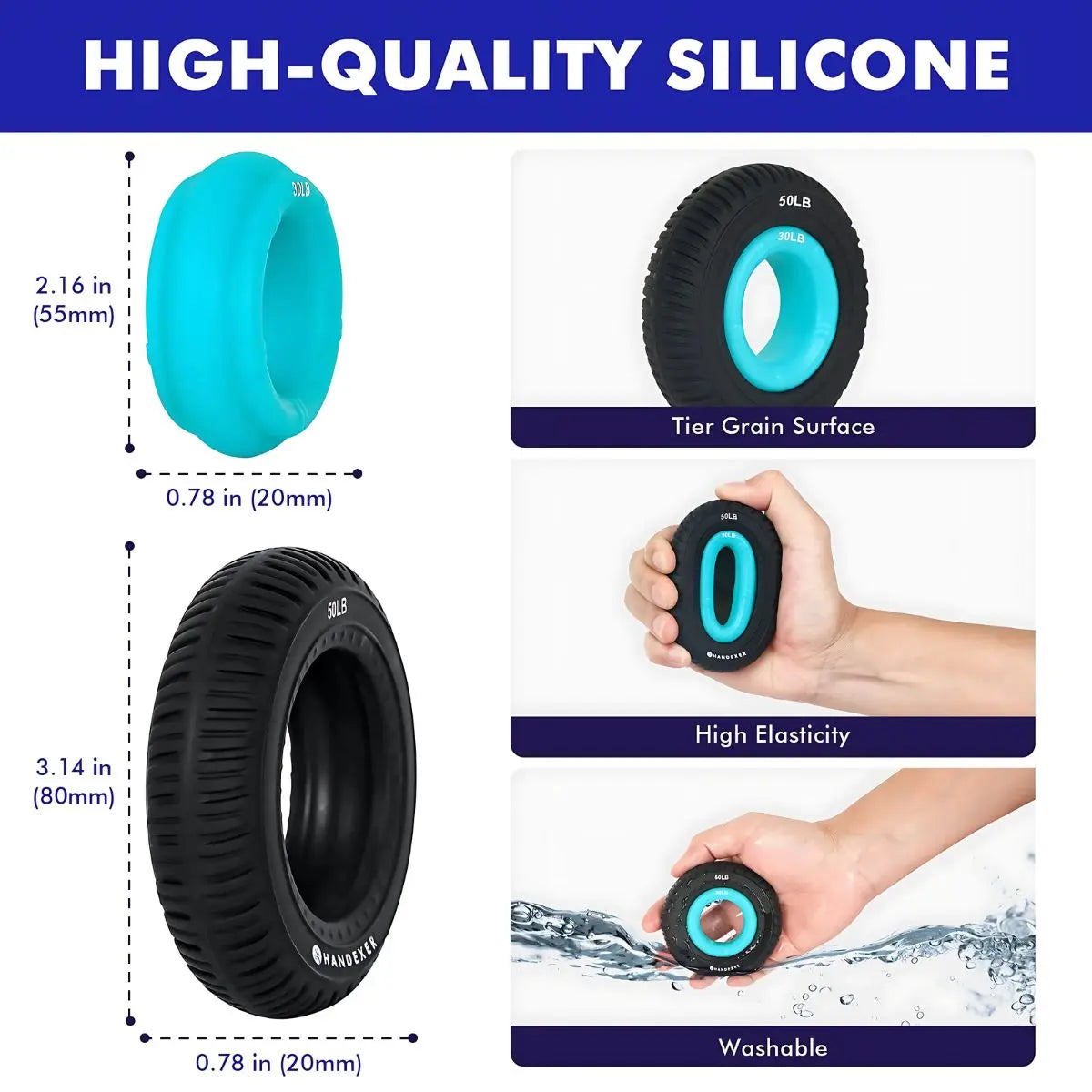
- Progressive Resistance Training: Implement multi-level hand exercisers, such as the Handexer Ergonomic Grip Ring Set, starting at lighter resistances (20–30 lbs) and progressing systematically.
- Extensor Balance: Counteract repetitive squeezing by training your finger opening muscles with extensor bands to support wrist stability and tendon health.
Path B: Maintaining Peak Performance
- Functional Maintenance: Perform compound grip challenges (farmer's walks, dead hangs, or pinch block holds) 1–2 times per week.
- Periodic Re-Testing: Test your grip every 1 to 3 months under consistent morning conditions to track long-term health trends.






Share:
Crush, Pinch & Support Grip: Key Differences & How to Train
Are You Losing Muscle Mass? How to Screen Your Muscle Reserve at Home