
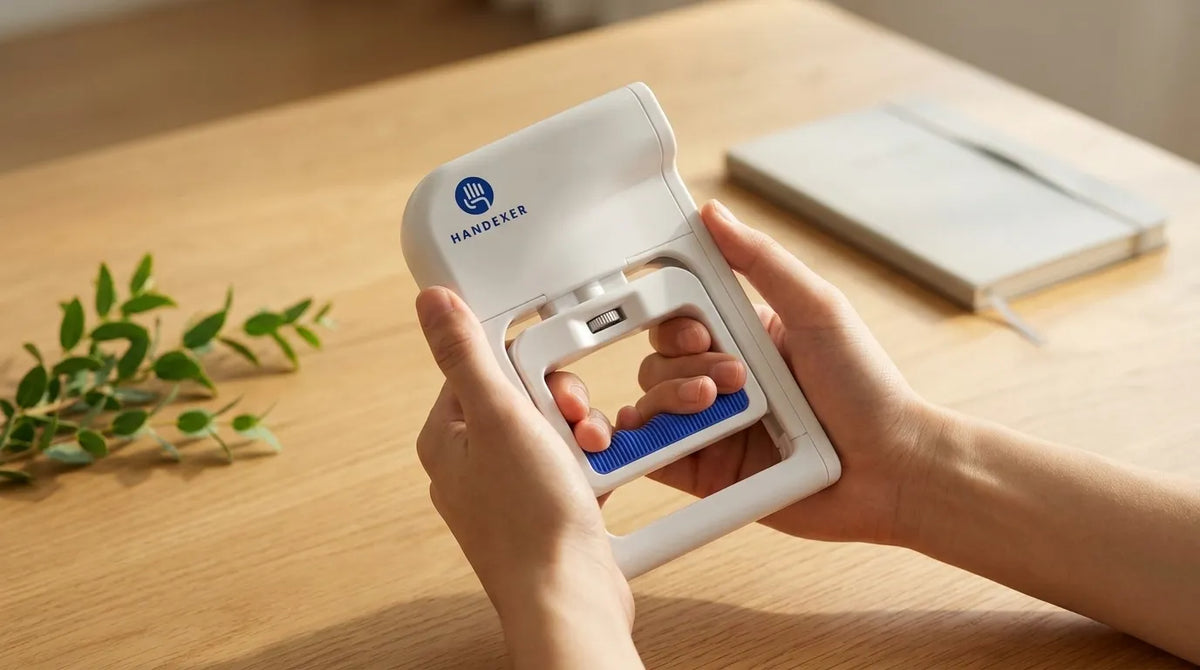
Unlike cardiovascular fitness, where a single hard session can leave you feeling noticeably primed, grip strength develops on a different timeline. The muscles, tendons, and coordination involved in gripping adapt gradually, and early progress may be easier to feel than to measure.
That is why 90 days can be a useful timeframe for looking beyond how your grip feels on a particular day and examining whether your performance has actually changed.
You may notice better control, less fatigue during repeated gripping, or an increase in maximum grip strength. But the exact result will depend on where you start, how consistently you train, how you recover, and how you measure your progress.
The most useful way to understand your results is not to compare yourself with someone else's number. It is to establish a Day 1 baseline, train consistently, and then compare it with your measurements at Day 30, Day 60, and Day 90.
The First Changes
During the first month, changes are easier to feel than to measure. Exercises become more comfortable and controlled; hands experience less fatigue during holds.
Track fatigue onset and forearm burn. Your Month One baseline is what makes Day 90 Before & After meaningful.
Strength Starts to Show
Maximum strength begins climbing noticeably above baseline. Repeated gripping and sustained holds feel distinctly less demanding.
D1: 32kg → D30: 33kg → D60: 34kg
See the Before & After
Three months of training provides a clear picture of real adaptation. Reaching 35 kg from 32 kg marks a clear +3 kg gain.
Not chasing someone else's metric, but verifying your own personal strength growth curve.
Beyond the Scale: What Actually Changes After 90 Days
Higher Maximum Grip Strength
Produce noticeably more peak gripping force on demand when tested.
Better Grip Control
Applying, dosing, and maintaining tension feels vastly more stable and coordinated.
Less Grip Fatigue
Repeated gripping, routine manual tasks, or sustained holds become less exhausting.
Changes Between Hands
The difference between left and right can adapt individually based on bilateral response.
Structured 12-week exercise programs produce measurable handgrip gains. A meta-analysis of 24 trials with 3,000+ participants validated a positive overall training effect.
In a 12-week older adult intervention (21.5 kg → 23.0 kg), right-hand strength gained significantly (~7%), while left-hand changes were smaller and statistically insignificant. Both hands do not adapt at identical rates.
- Starting Strength: Beginners often experience faster neuromuscular gains than experienced lifters.
- Routine & Consistency: ACSM's 2026 resistance-training update highlights consistency as paramount for lasting adaptations.
- Testing Conditions: Hand posture, test angle, fatigue levels, and dynamometer settings heavily influence numbers.
Build a Foundation
Focus on movement comfort, establishing your baseline, and gradually introducing light resistance. Always include gentle finger-extension work alongside squeezing.
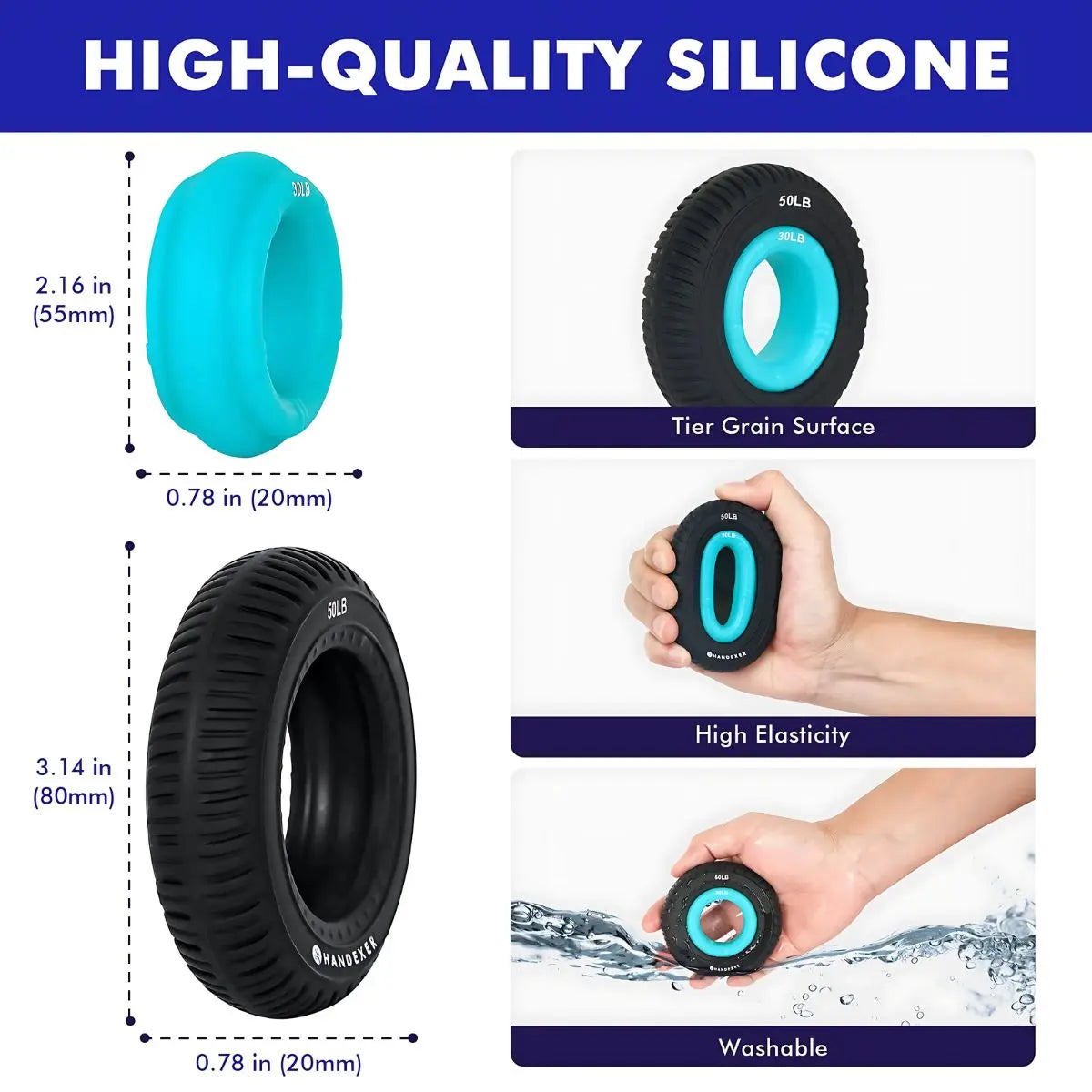
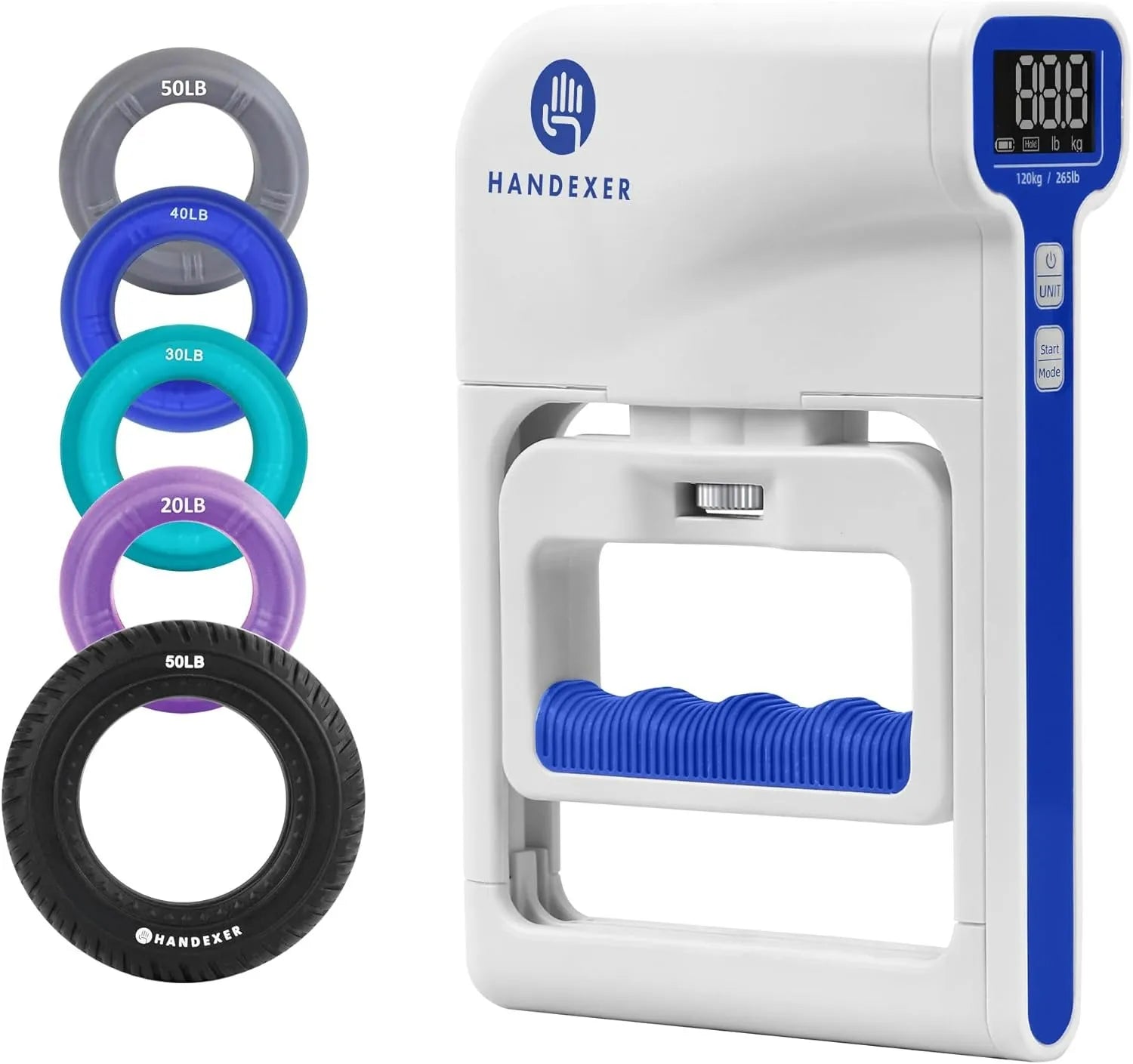
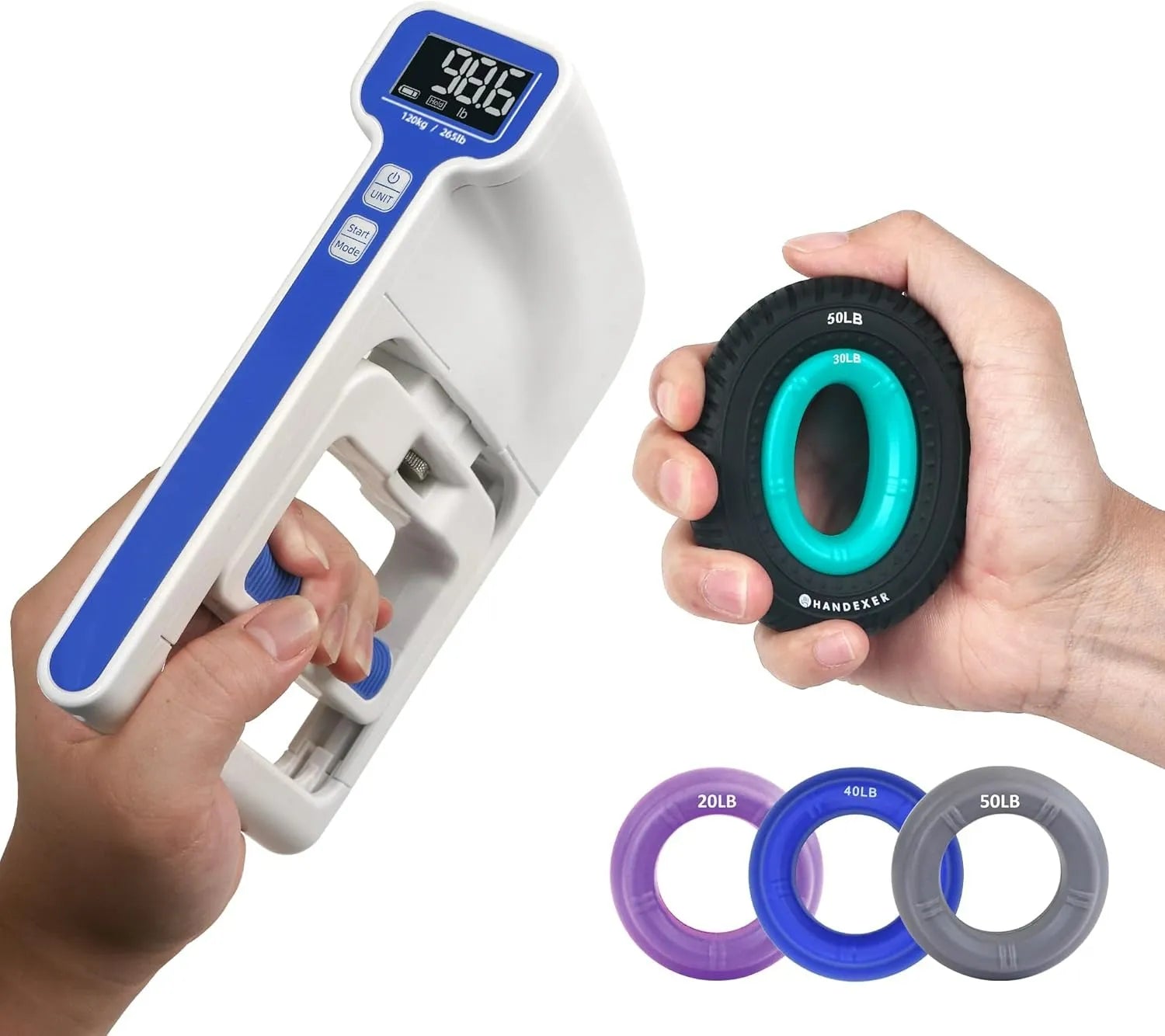
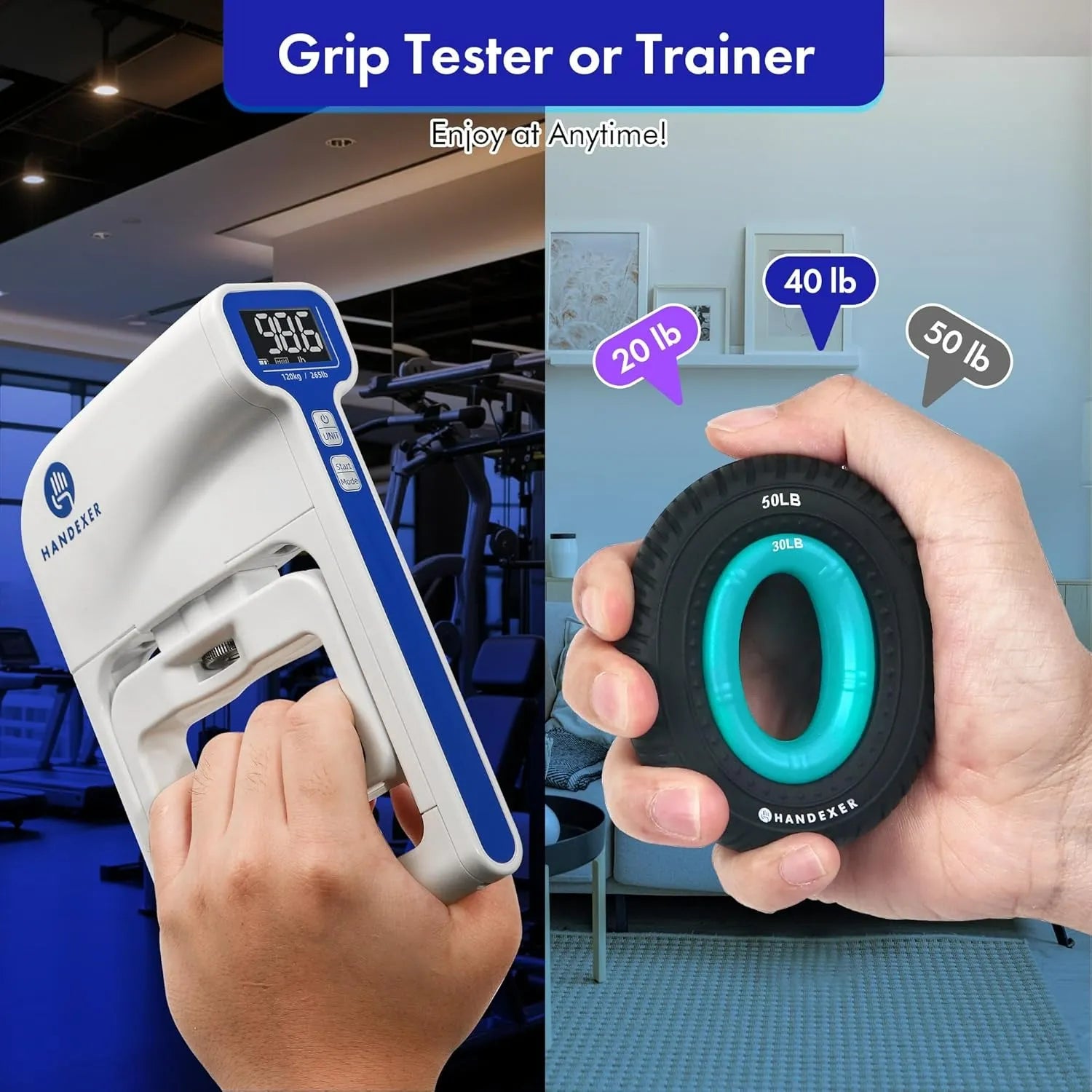
Elastic finger stretchers / Low-resistance grip rings
Develop Strength & Endurance
Gradually increase resistance while maintaining controlled form. Introduce short 3–5 second isometric holds tailored to your functional goals.
Refine & Re-Measure
Maintain consistency, monitor fatigue thresholds, and re-test peak grip under conditions matching your Day 1 baseline for a true Before & After comparison.
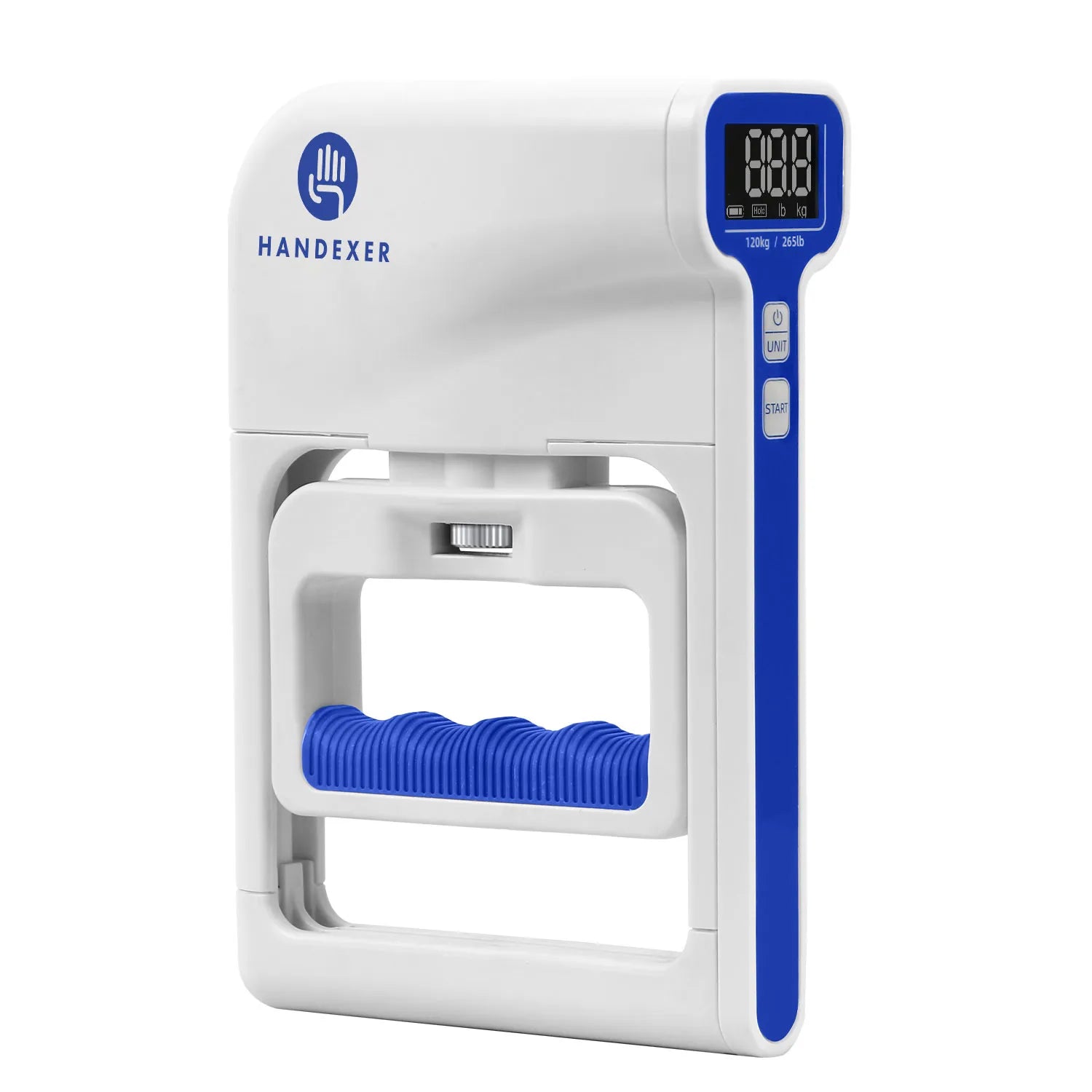
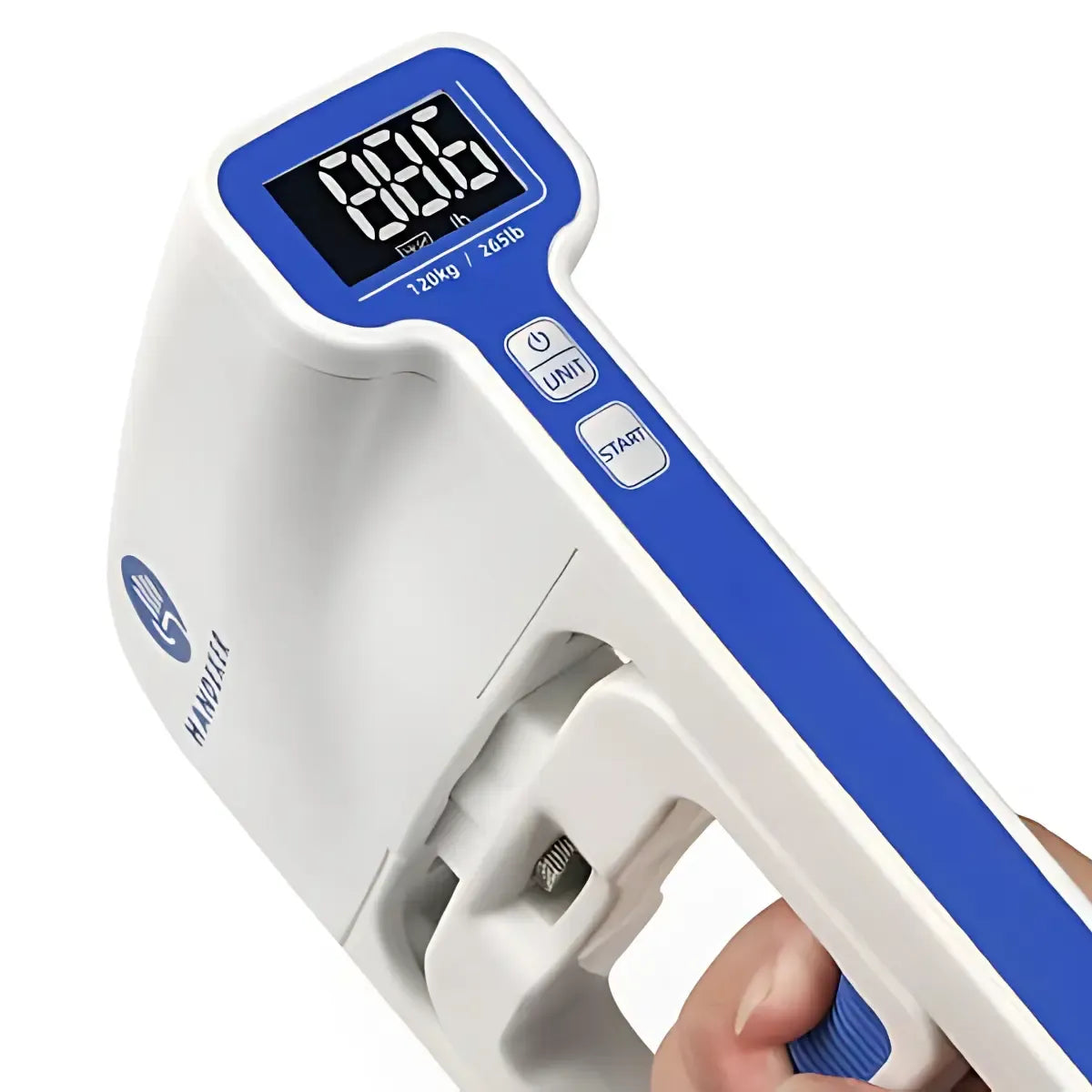
Dynamic resistance bands / Digital Hand Dynamometer
Ninety days can be long enough to reveal meaningful changes in grip strength, control, fatigue, and the balance between your hands. The exact result will depend on your starting point, training routine, consistency, and measurement conditions. The most useful result is not a universal number. It is the measurable change in your own grip performance over time.
This content is provided for general informational purposes only and is not a substitute for professional medical advice, diagnosis, or treatment. Grip strength results vary from person to person. If you have concerns about pain, weakness, injury, or changes in hand function, consult a qualified healthcare professional.





Compartir:
When Is Clumsiness a Concern? 4 Signs of Muscle Weakness in Children
The Unexpected Link Between Grip Strength and Depression