
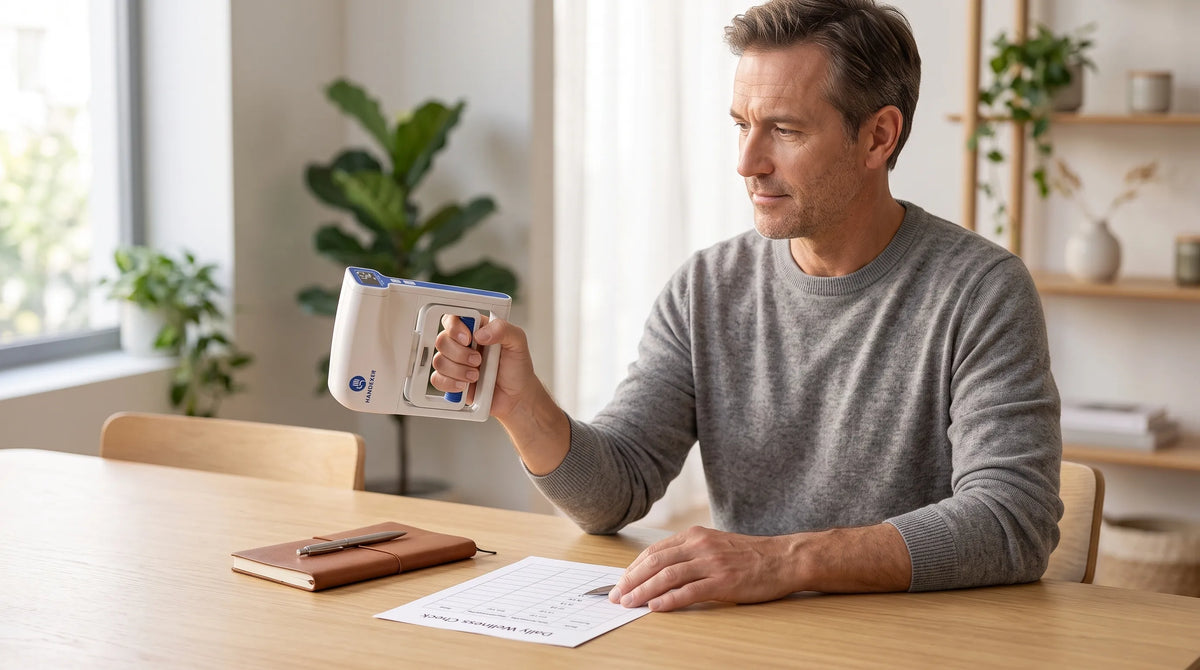
When you think about staying physically strong, you probably think of lifting groceries, climbing stairs, or protecting your joints. Mental health, on the other hand, is usually viewed as something that happens entirely in the brain. We often trace our mood to life stress, brain chemicals, or genetics.
An analysis published in the Journal of Psychiatric Research (2026) revealed a surprising physical connection: adults with lower handgrip strength face a moderately higher risk of developing depression later in life.
When this finding spread across health communities, it quickly sparked a lively debate:
Current research cannot give us a simple “yes” or “no.” But one thing is becoming increasingly clear: physical strength and mental health are tightly connected, and grip strength provides a simple, objective window to measure and track these changes over time.
1 The Two-Way Street: The Mind–Muscle Loop
To understand this connection, we have to look past simple cause–and–effect. Modern physiology shows that your muscles and your brain are in continuous dialogue known as the mind–muscle axis.
The Continuous Mind–Muscle Axis
- Fewer protective brain signals (BDNF)
- Elevated baseline systemic inflammation
- Decreased metabolic resilience
- Reduced motivation and physical drive
- Prolonged sitting and disuse atrophy
- Dampened motor drive from the motor cortex
How Depression Drains Muscle Strength
The “Anti-Activating” EffectReduced Daily Movement
When overwhelmed or emotionally exhausted, cooking, walking, and exercising fall away. Over months, prolonged inactivity naturally reduces muscular capacity.
Dampened Brain Signals
Maximal squeeze force relies on the brain’s motor cortex firing rapid electrical impulses. Under psychological fatigue, this central motor drive slows down before muscle mass physically deteriorates.
How Muscle Strength Protects the Brain
Metabolic & Endocrine PowerhouseMuscle–Driven Brain Growth (BDNF)
Contracting against resistance releases myokines, notably BDNF. BDNF acts as cellular fertilizer for the brain, sustaining emotional resilience and neuroplasticity.
Buffering Chronic Inflammation
Muscular mass serves as a physiological shield. Low muscle mass correlates with low–grade chronic inflammation, which disrupts dopamine and serotonin production.
2 Why Do Large Studies Rely on Grip Strength?
Why do massive clinical cohorts record handgrip force rather than leg press or barbell squat numbers? Hand testing provides three unique clinical advantages:
Direct Nervous System Mirror
Hands house high–density nerve endings wired to the CNS. A quick squeeze reveals how promptly your motor cortex recruits fibers.
Established Health Proxy
International protocols like EWGSOP2 consider grip strength a gold–standard indicator of total bodily vitality and sarcopenia risk.
Zero–Injury Barrier
Unlike heavy compound weights, dynamometer testing puts zero torque on major joints, requiring no warm–up across any age or fitness status.
3 How to Break the Physical–Mental Slump
When motivation is depleted, aggressive fitness resolutions often backfire. Re–establishing the loop works best with tiny, frictionless micro–habits:
Track an Objective Physical Baseline
Emotions fluctuate wildly with fatigue. An objective read prevents panic over momentary stress dips:
Weekly Log
Record maximum grip with a digital dynamometer once a week under identical morning conditions.
Spot Trends, Not Blips
A 1–day dip is usually dehydration or sleep. 3–4 consecutive declining weeks signals a need for active recovery.
Explore Demographic Range
Compare your outputs against standard age–adjusted distributions using our interactive tool.
Start with Micro–Resistance
You do not need an hour of heavy weightlifting to stimulate your muscles and send positive signals to your brain:
Desk–Side Grip Exercises
Keep a soft silicone resistance ring on your workspace. Performing casual sets through the workday awakens peripheral sensory channels with almost zero willpower required.
Gentle Bodyweight Movements
Chair sit–to–stands, brief brisk walks, or carrying reasonable grocery bags load prime muscle movers without imposing joint strain or performance anxiety.
Essential Gear & Daily Tools
Recommended instruments by Handexer to establish your mind–muscle baseline
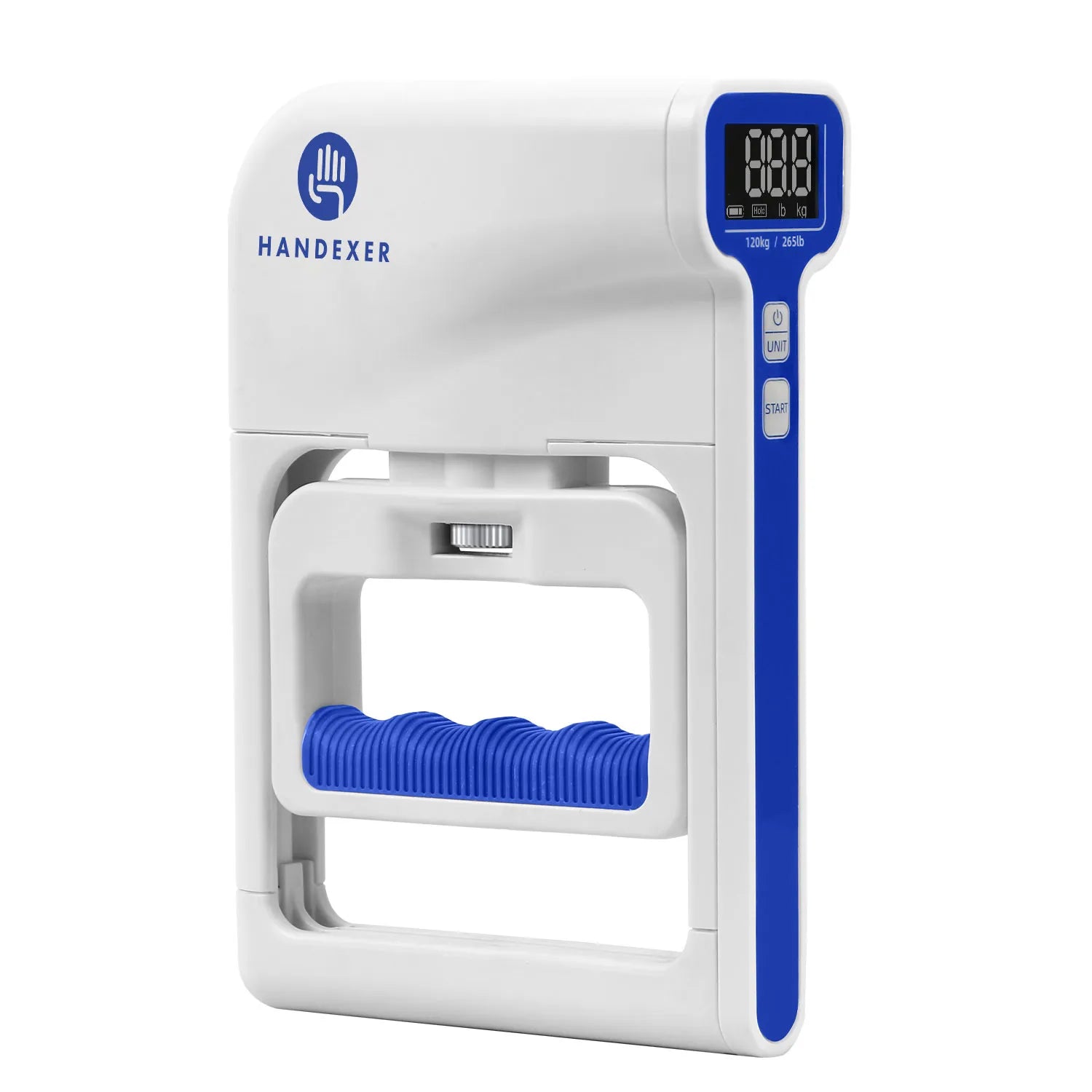
 265lb / 120kg
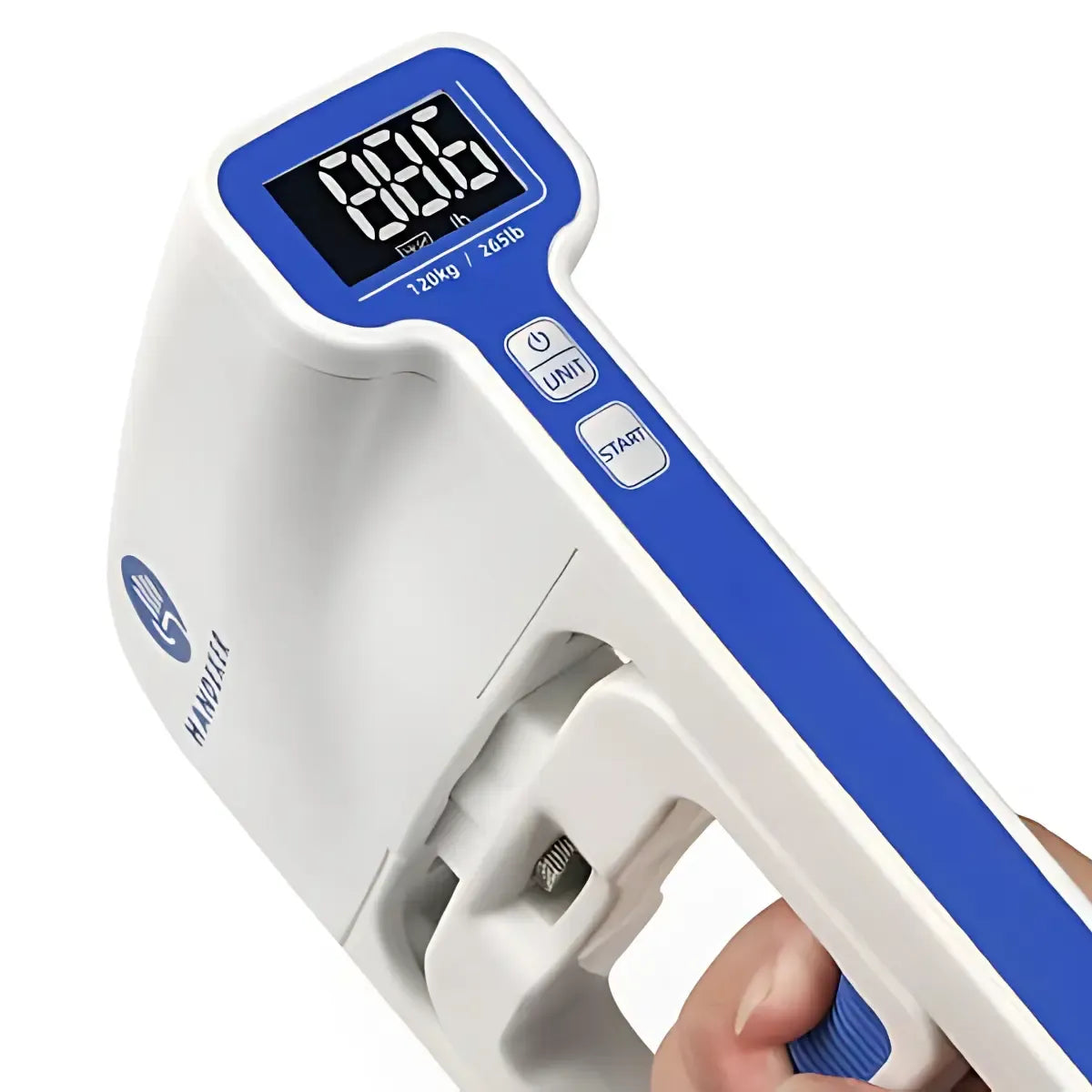
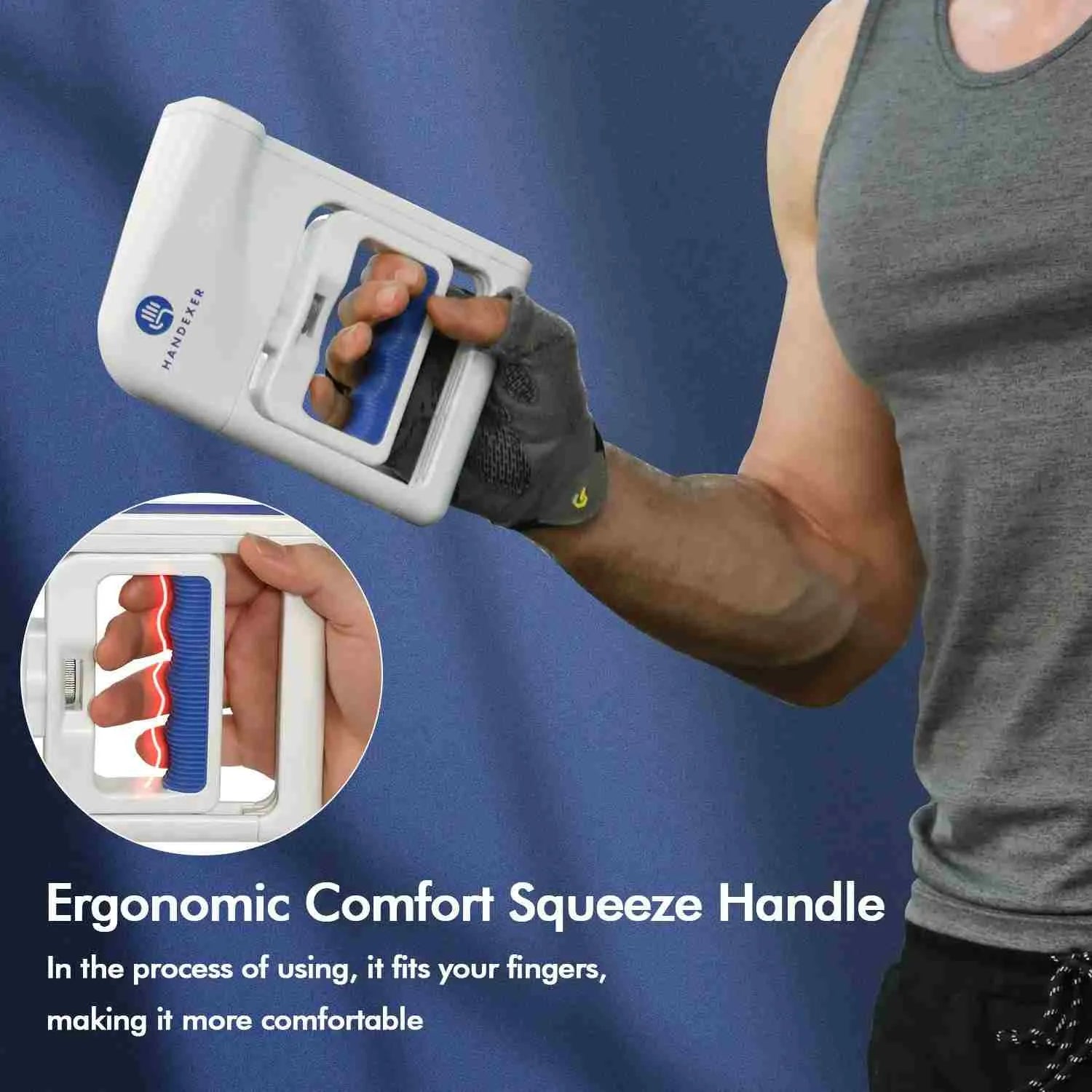
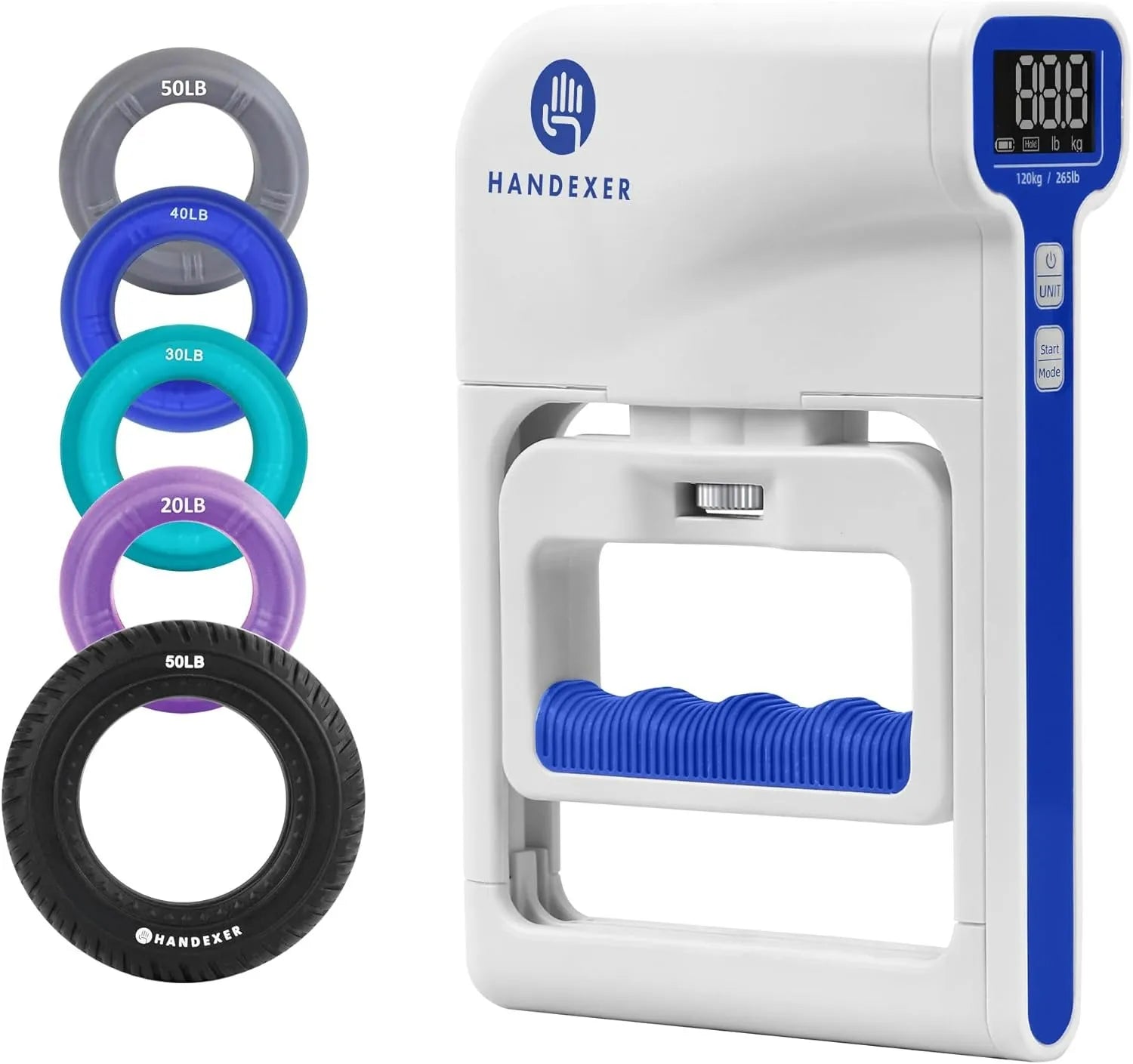
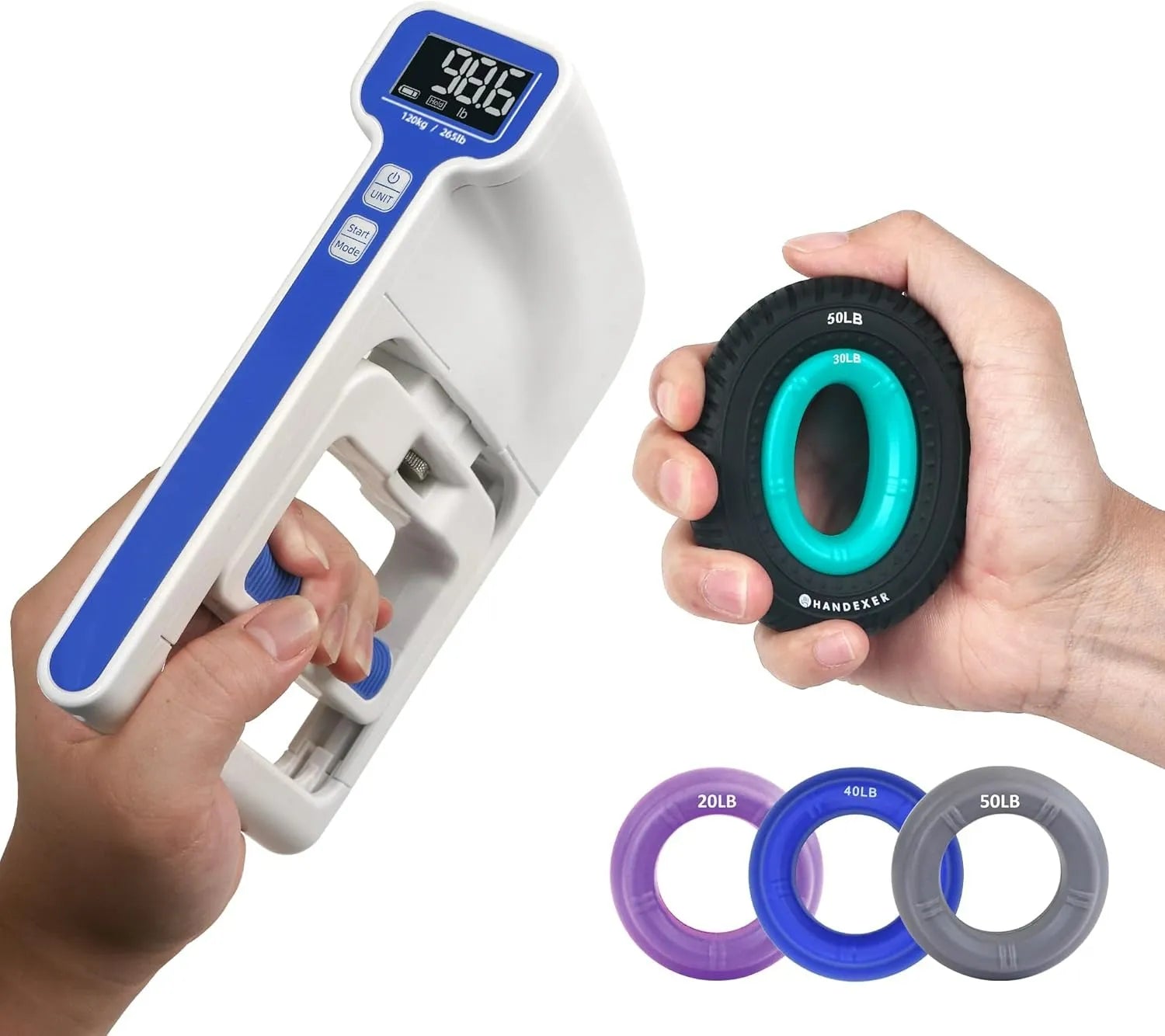
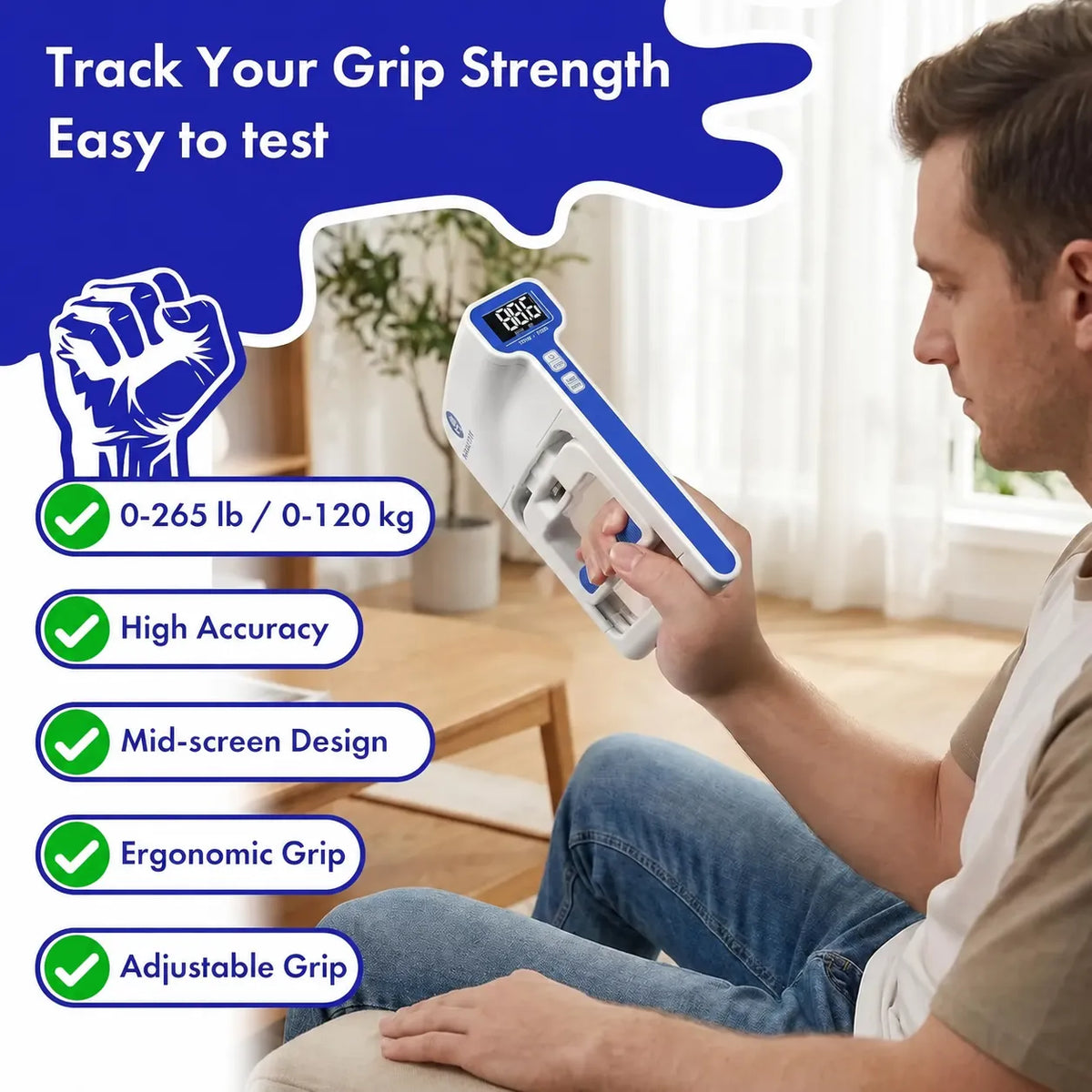
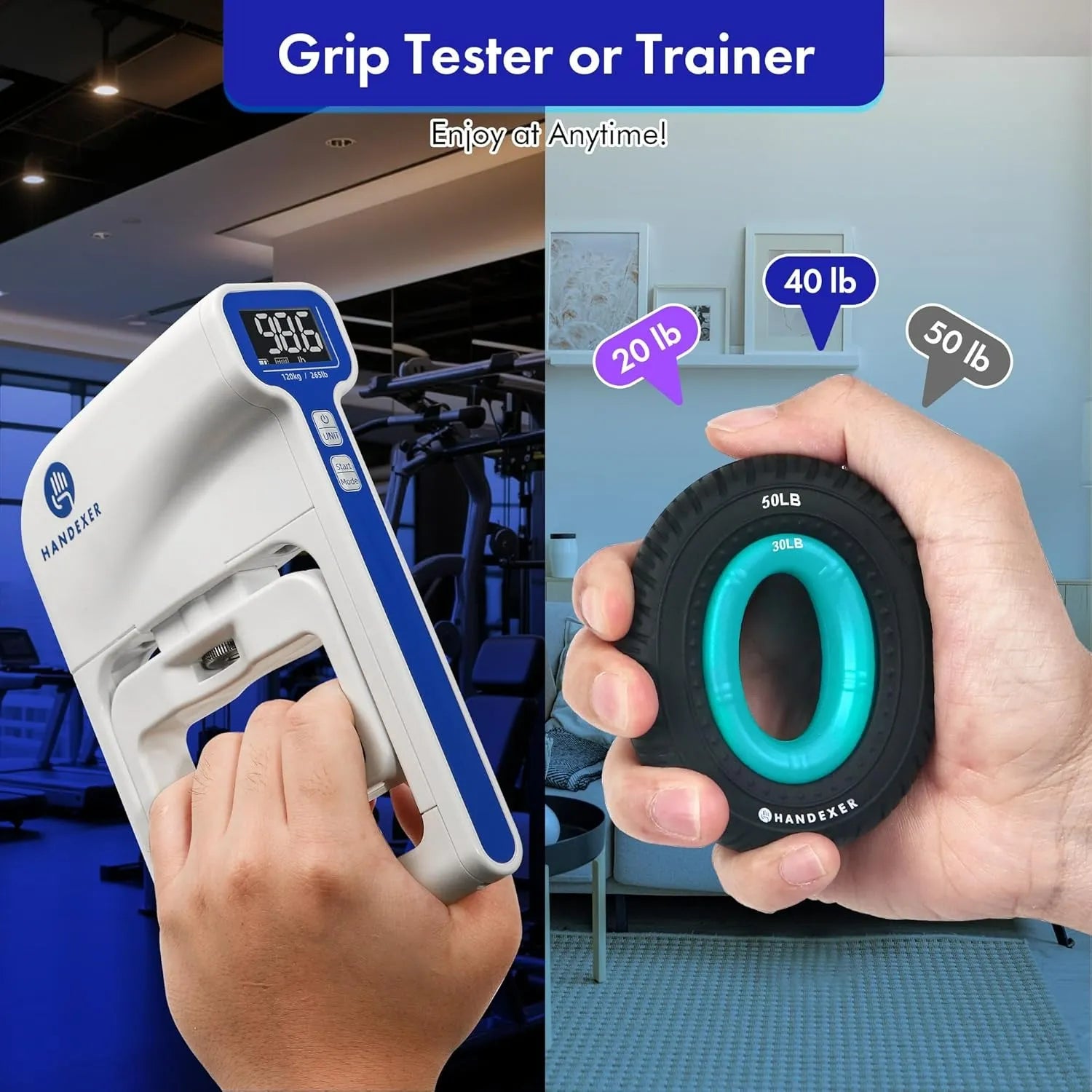
Digital Hand Dynamometer (265lb / 120kg)
High–accuracy strain gauge sensor with backlit LCD & 19 user profiles
- 265lb / 120kg Capacity: High precision 0.2lb / 0.1kg increments
- 19 User Profiles: Log weekly trends across gender, age, & families
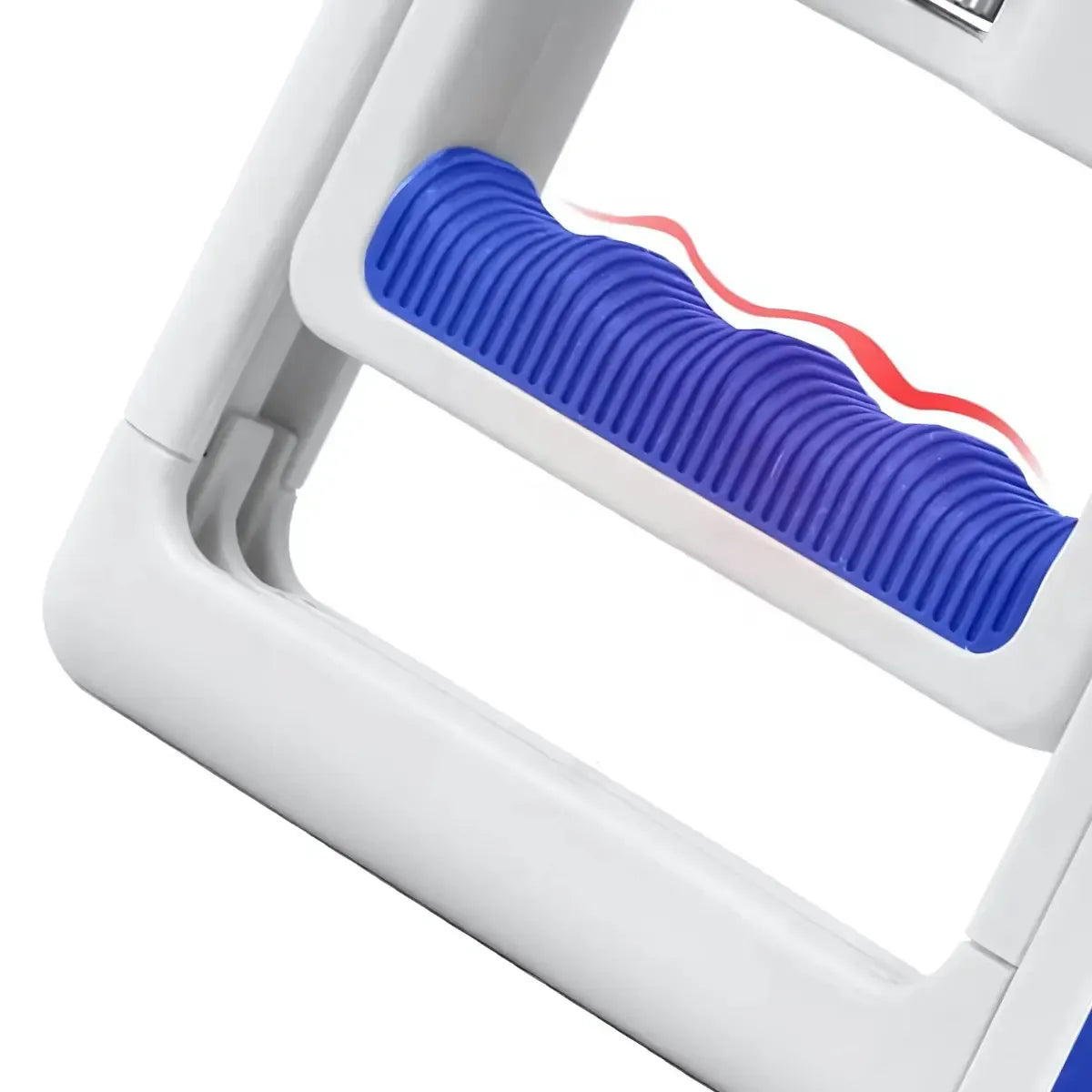
- FDA Registered & CE Certified: Ergonomic TPR non–slip handle
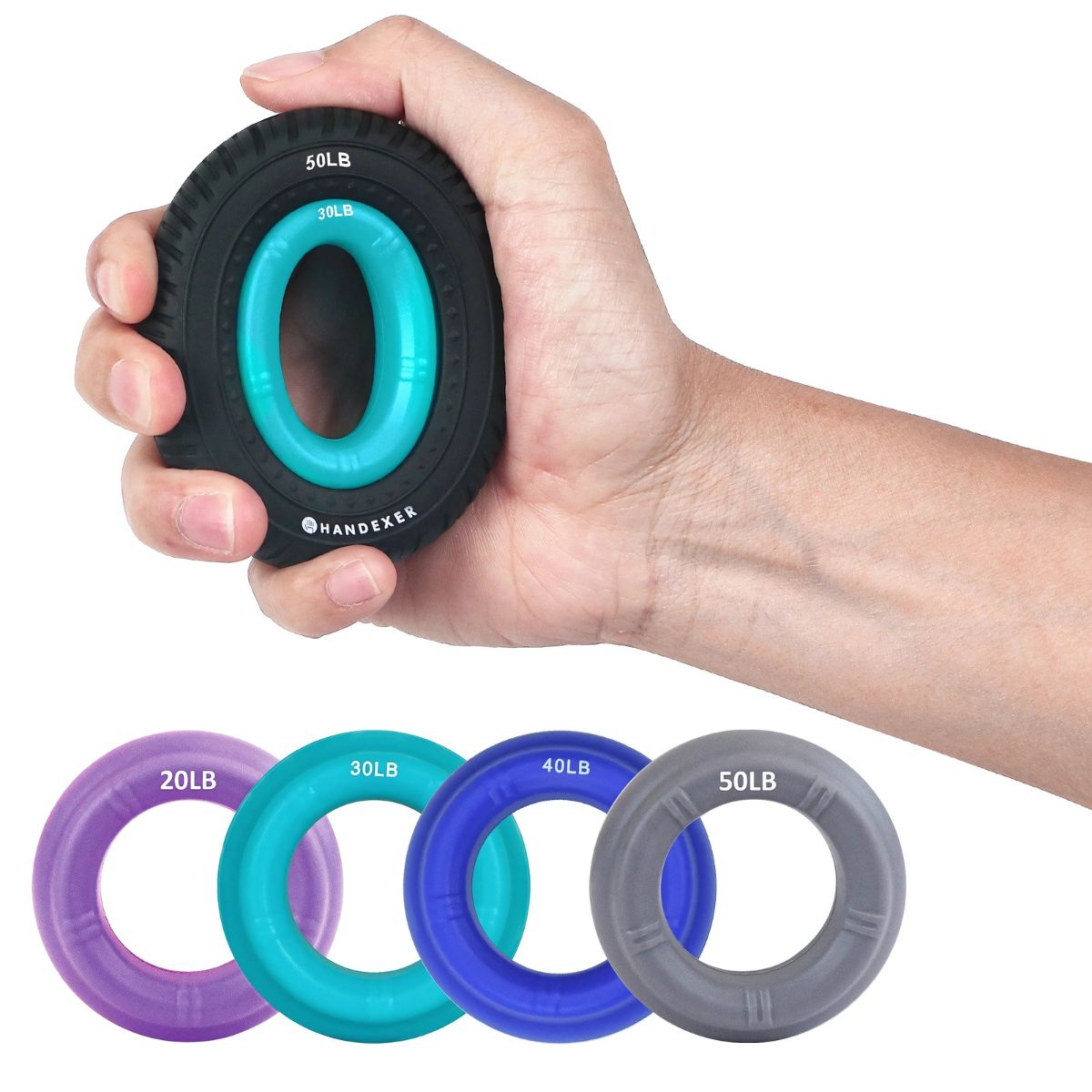
 20 - 100 lbs
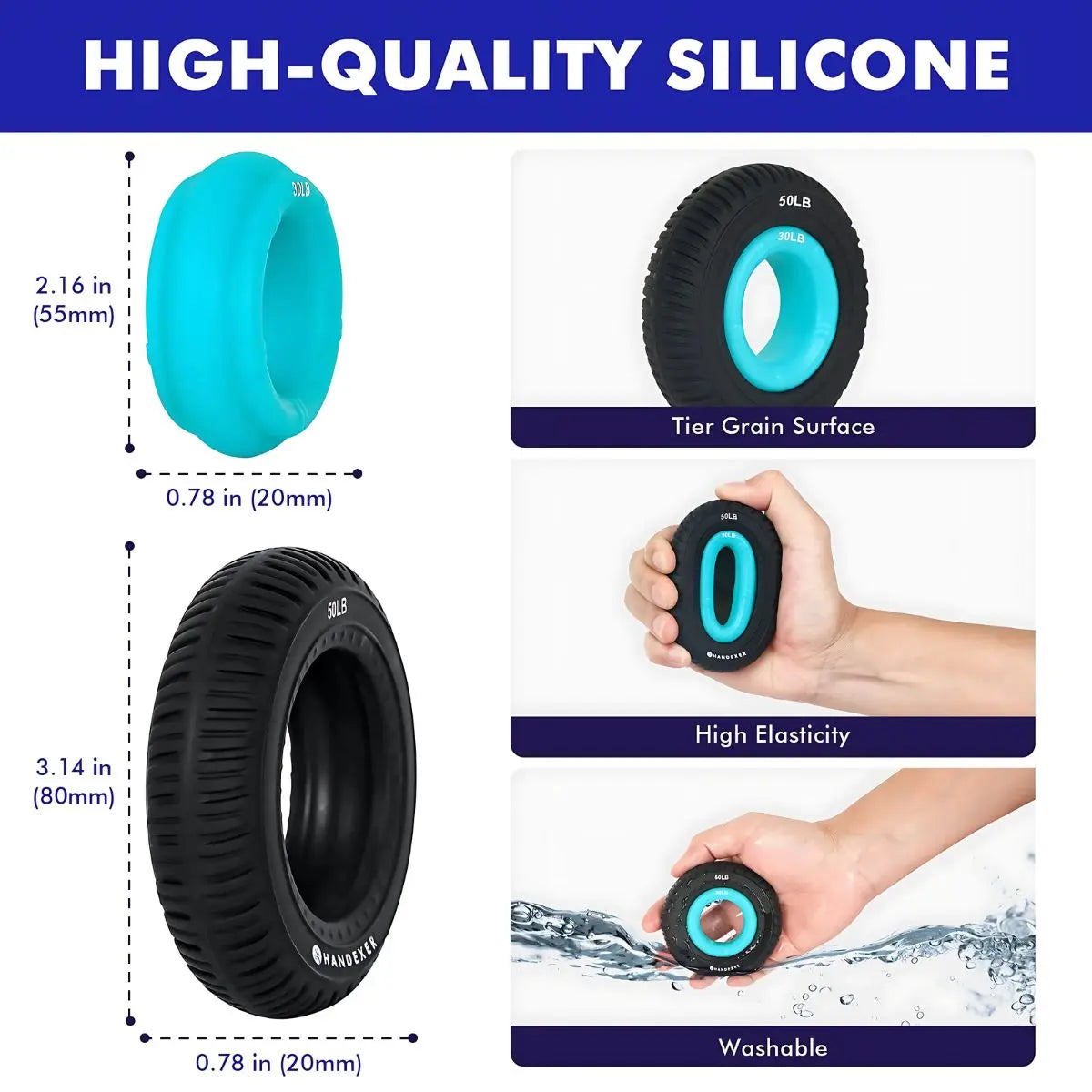
Hand Grip Strength Ring Set (5 Pcs)
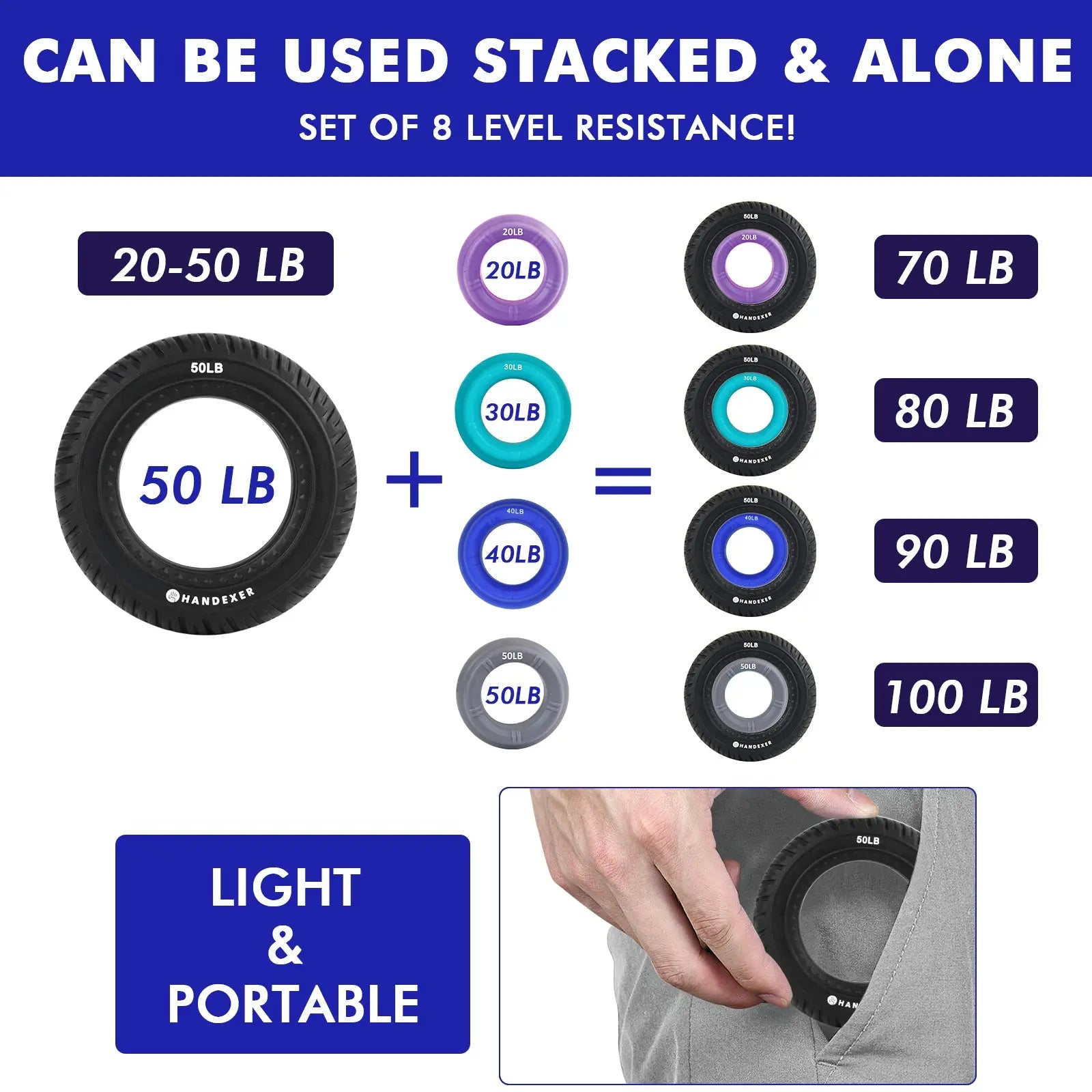
Smart 2–in–1 Stackable Design · 20lbs – 100lbs Resistance
- 2–in–1 Stackable Design: 8–9 resistance levels (20—50 lb & 70—100 lb)
- Silent & Desk–Friendly: Zero metal clicking noise during calls or work
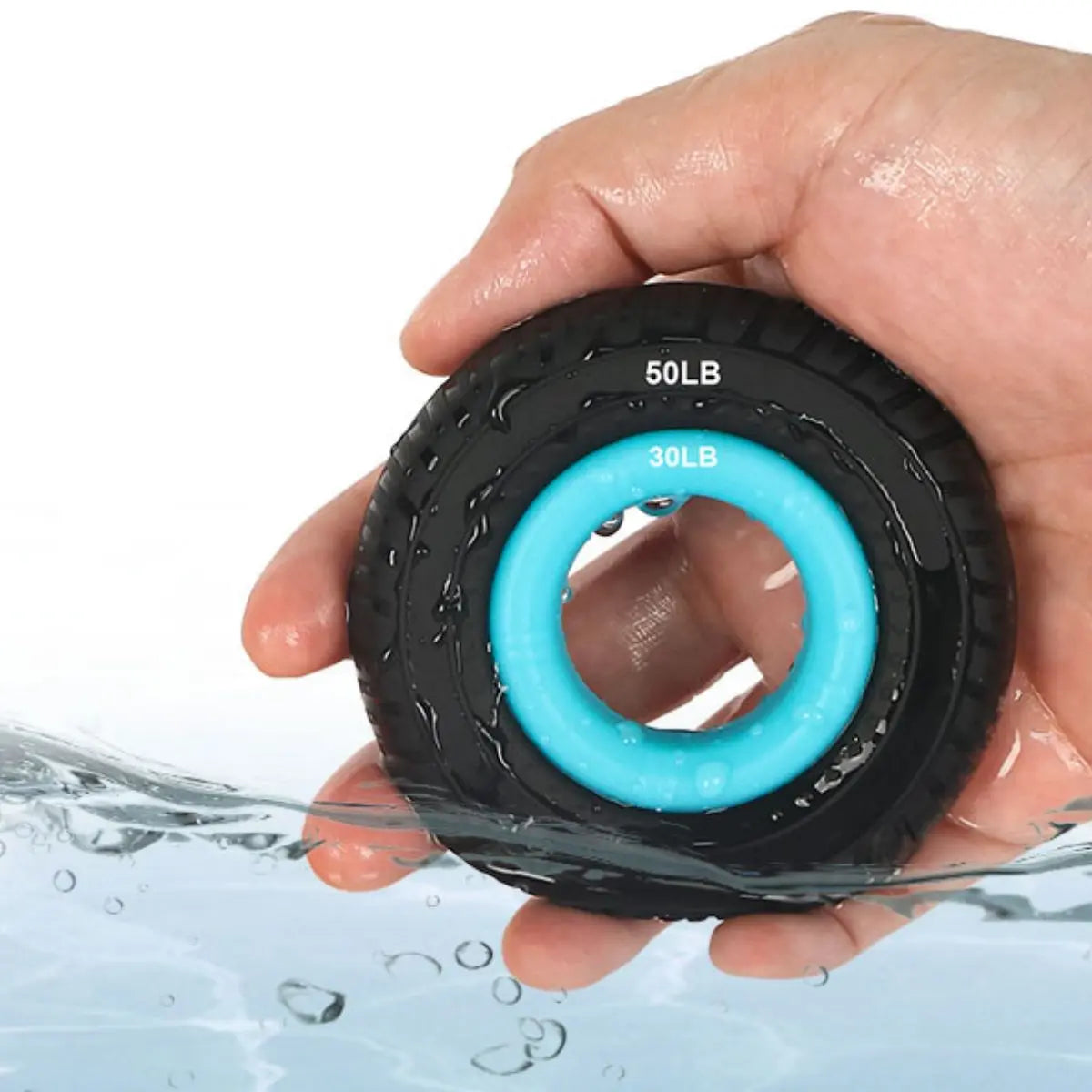
- Non–Slip Tire Grain Silicone: Washable, skin–safe, & tear–resistant
4 Frequently Asked Questions
Does having high grip strength guarantee I will never feel depressed?
Can a drop in grip strength tell me if I am clinically depressed?
What if I feel too exhausted to exercise?
Can depression affect muscle strength over time?
This article is for educational and informational purposes only and does not constitute medical, psychological, or clinical advice. Grip strength testing is intended solely as an accessible way to monitor physical performance and neuromuscular baseline trends at home. If you or someone you know is experiencing persistent feelings of sadness, severe fatigue, hopelessness, or thoughts of self-harm, please reach out to a licensed mental health professional, primary care physician, or a local crisis helpline immediately.
- Journal of Psychiatric Research (2026): Handgrip strength as a longitudinal predictor of depression incidence in a large adult cohort.
- Cruz-Jentoft AJ, et al. (EWGSOP2): Sarcopenia: revised European consensus on definition and diagnosis. Age and Ageing. 2019;48(1):16-31.
- Pedersen BK. Physical activity and muscle-brain crosstalk. Nature Reviews Endocrinology. 2019;15(7):383-392.
-
Twist C, Highton J. Monitoring fatigue and recovery in fatigue-sensitive performance tests. Int J Sports Physiol Perform. 2013;8(6):600-613.





共有する:
握力トレーニング90日間で実際に何が変わるのか?(ビフォー&アフター結果)