
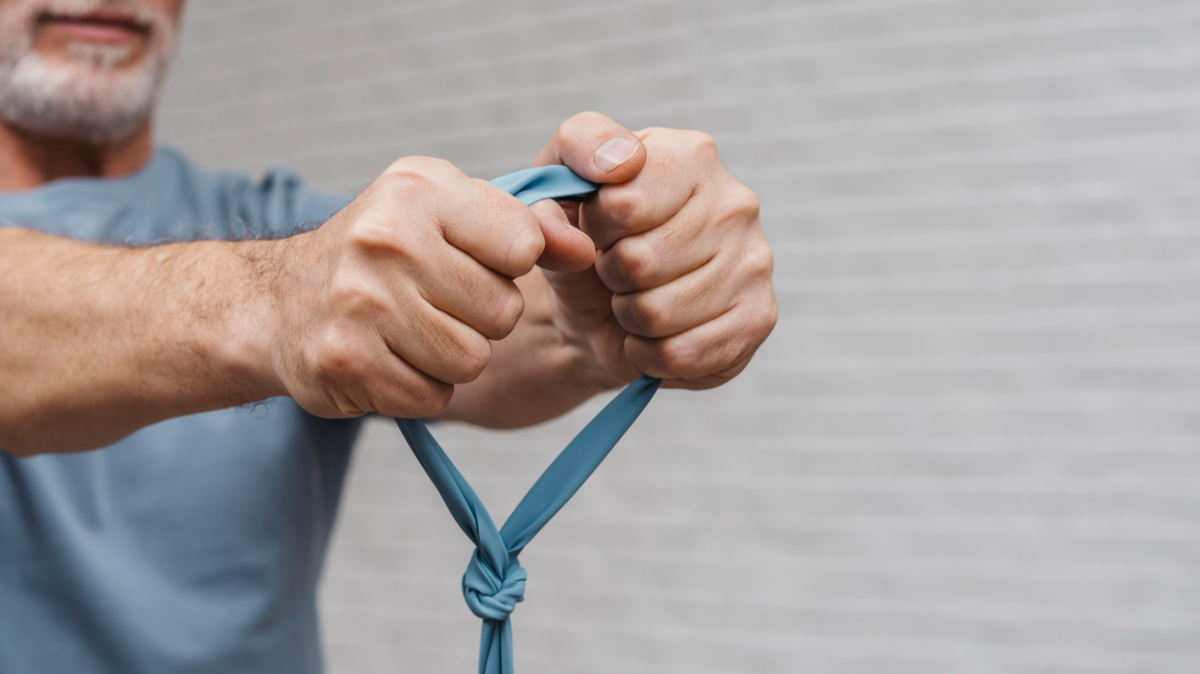
A weaker grip does not always mean your hand muscles are simply “out of shape.”
Grip weakness can develop after an injury, prolonged inactivity, repetitive hand use, or problems involving the nerves, tendons, or joints. The right approach depends on what is causing the weakness.
The good news is that many cases of reduced grip strength can improve with gradual movement, appropriate resistance, recovery, and consistent measurement.
This guide explains how to recognize common causes of grip weakness, when to seek professional help, and how to safely work your way back to stronger hands.
Important Medical Notice:
This guide is for general education and fitness purposes. Sudden weakness, loss of motor control, significant numbness, or severe pain should be evaluated promptly by a healthcare professional.

1 Why Is Your Grip Getting Weaker?
Grip weakness can have several causes. Identifying the likely source matters because weakness caused by inactivity may be approached very differently from weakness associated with nerve or joint problems.
Nerve problems can affect both hand strength and sensation. For example, compression or irritation of the median nerve may cause symptoms involving the thumb, index, and middle fingers, while ulnar nerve problems can affect the ring and little fingers.
Conditions such as carpal tunnel syndrome and ulnar nerve compression can therefore cause weakness together with numbness or tingling.
Pain, stiffness, or tenderness around the hand or wrist can also reduce grip performance. When a joint or surrounding tissue is painful, the nervous system may reduce how strongly the affected muscles are activated. This protective response, known as arthrogenic muscle inhibition, is well described in rehabilitation research.
That is one reason why forcing a painful hand through heavy grip exercises is not always the best approach.
Grip strength may also decline when the hand has not been used normally for an extended period. Common situations include:
In these cases, the hand may feel weak, easily fatigued, or less coordinated even when sensation remains normal.
2 When Should You Be Concerned About a Weak Grip?
Not every difference in grip strength means something is wrong. Your two hands do not need to produce exactly the same force. The dominant hand is often stronger, but normal side-to-side differences vary considerably between individuals.
The traditional "10% rule" has sometimes been used as a quick reference for comparing dominant and non-dominant grip strength. However, research does not support treating 10% as a universal clinical cutoff for weakness or injury.
Look at the Change, Not Just the Number
Ask yourself these key diagnostic questions:
Do not try to train through unexplained weakness if you also experience:
- Sudden or rapidly worsening weakness
- Significant numbness or loss of sensation
- Loss of motor control or coordination
- Severe or persistent pain
- Other new neurological symptoms
3 If One Hand Is Injured, Can Training the Other Help?
The Cross–Education Effect
Sometimes one hand cannot be trained normally because of injury or immobilization. In these situations, training the healthy side may still provide some benefit. This is known as the cross-education effect.
Research has shown that resistance training one limb can produce strength improvements in the opposite, untrained limb. The effect is thought to be driven largely by changes in the nervous system rather than direct muscle growth in the untrained side.
Examined cross-education during immobilization; found unilateral resistance training may help reduce strength loss in an immobilized opposite limb (with noted risk of bias in available evidence).
Found small but statistically significant strength retention on the untrained contralateral arm during recovery phases, rating the certainty of evidence as low to very low.
What Does This Mean?
- When one side cannot be trained normally, appropriate training of the healthy side may help preserve some strength on the other side.
- However, this does not replace treatment for the injured hand.
- If you have an active injury, follow the rehabilitation plan provided by your healthcare professional rather than using cross-education as a substitute for treatment.
4 How to Rebuild Grip Strength
Once active movement and resistance training are appropriate, rebuilding grip strength does not need to be complicated. Each stage prepares the hand for the next:
Move — Restore Comfortable Motion
Goal: Get the hand moving comfortably before adding meaningful resistance.
Tendon-gliding exercises are commonly used in hand rehabilitation to move the fingers through different positions while limiting external resistance. A common sequence includes:
Evidence for tendon- and nerve-gliding exercises varies depending on the underlying condition, so these movements should be considered one component of rehabilitation rather than a universal treatment.
Activate — Reintroduce Muscle Tension
Goal: Prepare the hand and wrist for resistance training. Once basic movement feels comfortable, gentle isometric exercises provide a safe bridge between mobility work and strengthening.
- Rest your forearm comfortably on a table.
- Keep your wrist in a neutral position.
- Place your opposite hand over the back of the working hand.
- Gently try to extend the wrist while your opposite hand prevents movement.
- Hold the tension briefly (4–6 seconds), then relax. (Gentle resistance can also be used for thumb opposition).
Strengthen — Gradually Increase Resistance
Goal: Rebuild the strength needed for everyday hand function once your hand tolerates basic loading.
Train the Weaker Hand First
Start with the weaker side while your hand and forearm are fresh. This makes it easier to maintain good technique and prevents the stronger hand from determining the workload.
Match the Work, Not Necessarily the Resistance
Your two hands may not be ready for the same resistance. If the recovering hand can perform a certain number of controlled repetitions with a given resistance, there is no need to force it to match the stronger hand's load. The goal is progressive improvement, not identical resistance on both sides.
Train Both Closing and Opening Movements
Grip exercises mainly challenge the muscles involved in closing the hand. Adding finger-extension work provides resistance in the opposite direction and can make your training more balanced. Flexible finger-extensor bands are one simple option.
5 Measure Your Progress Instead of Guessing
Rebuilding grip strength can be difficult to judge by feel alone. One day your hand may feel strong; another day it may feel tired. A measurable baseline gives you a more objective way to understand whether your strength is actually changing.
This is where the Measure → Train → Recover → Track approach becomes useful.
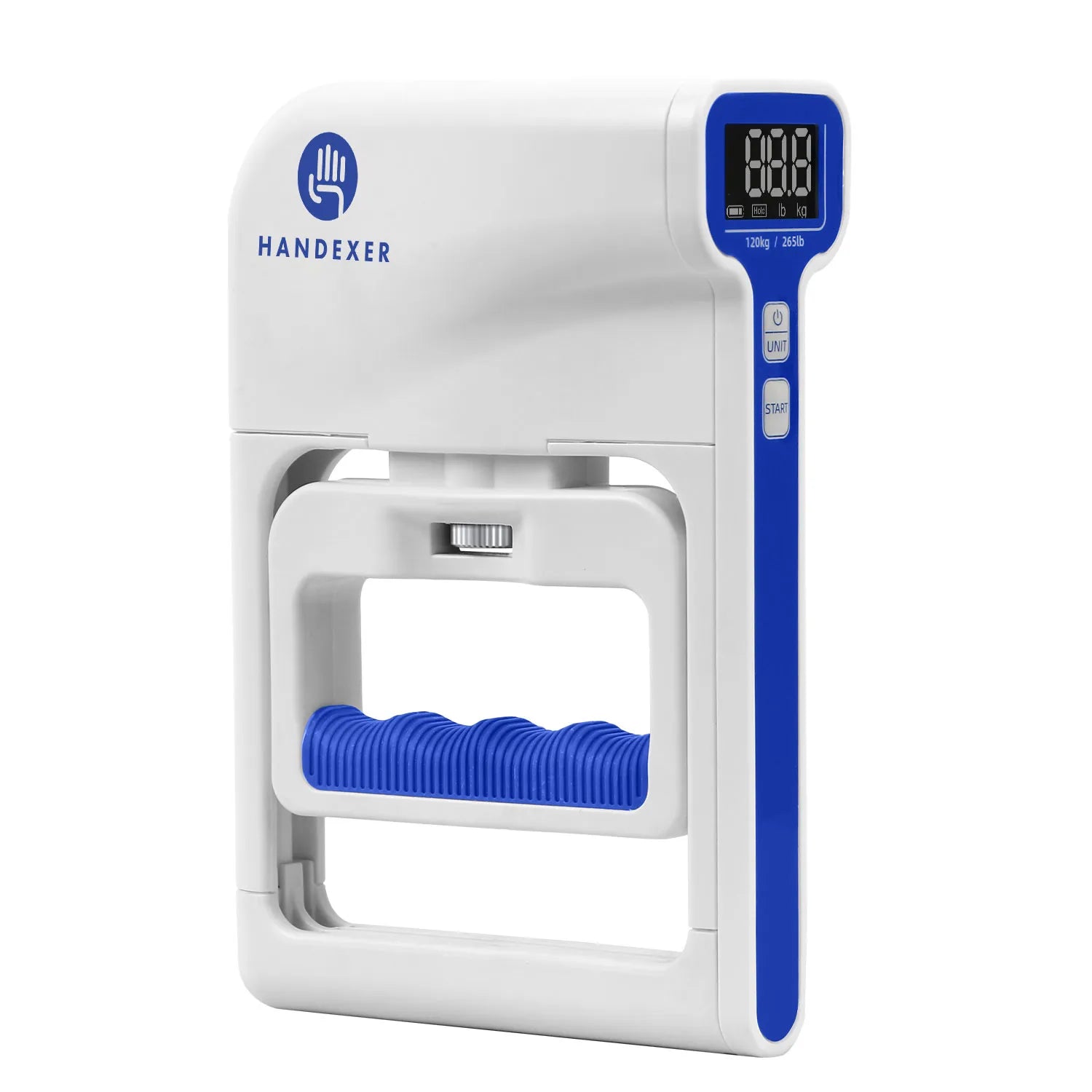
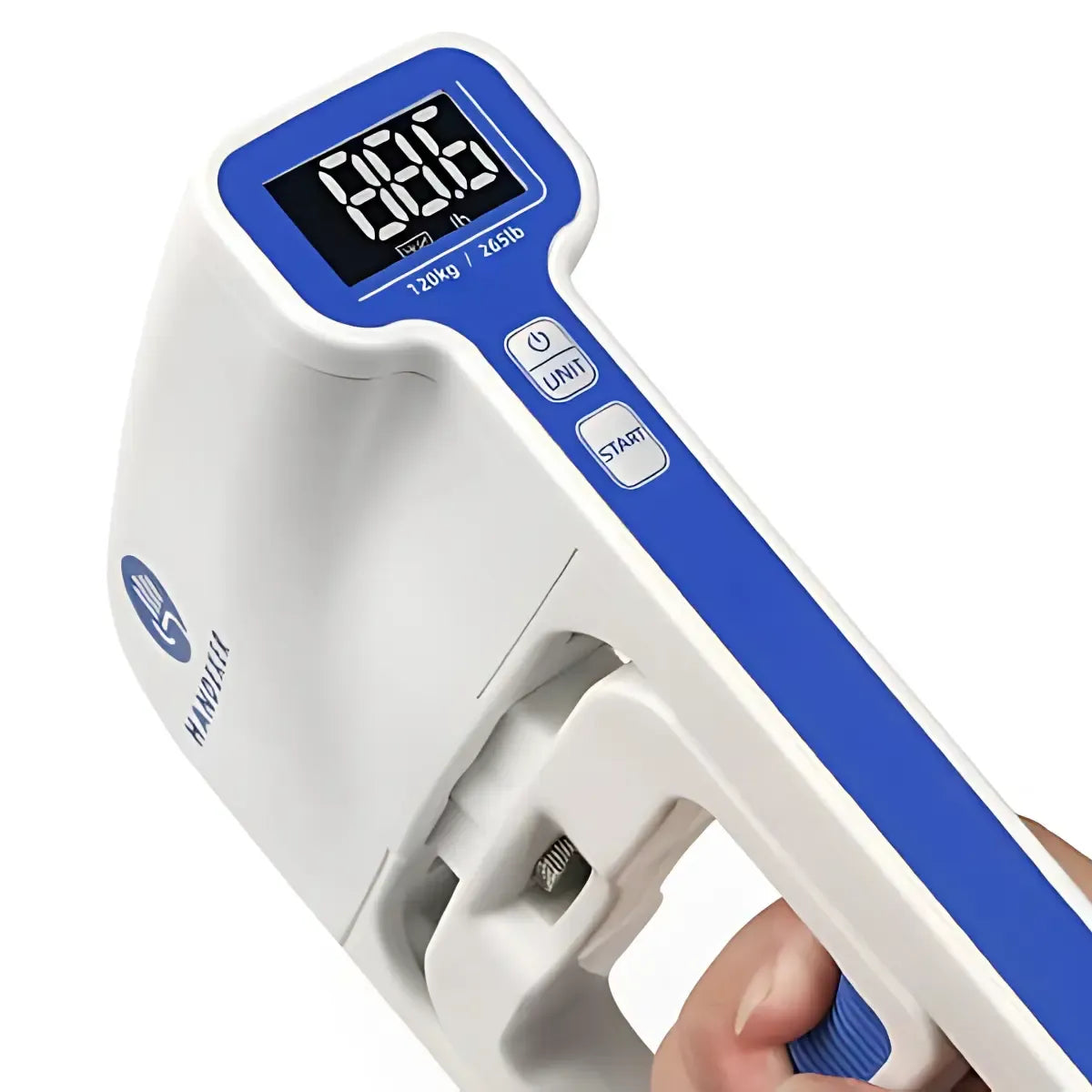
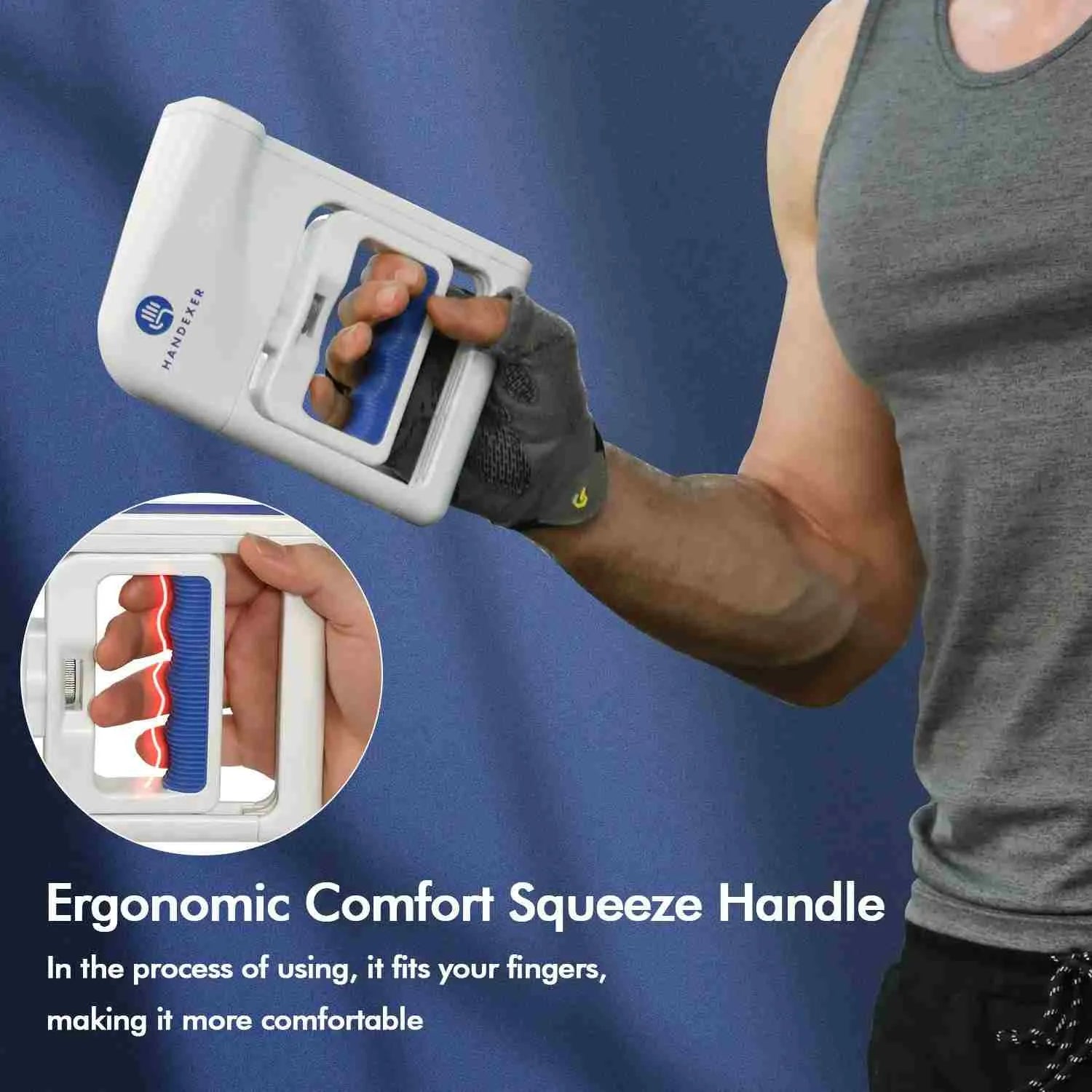
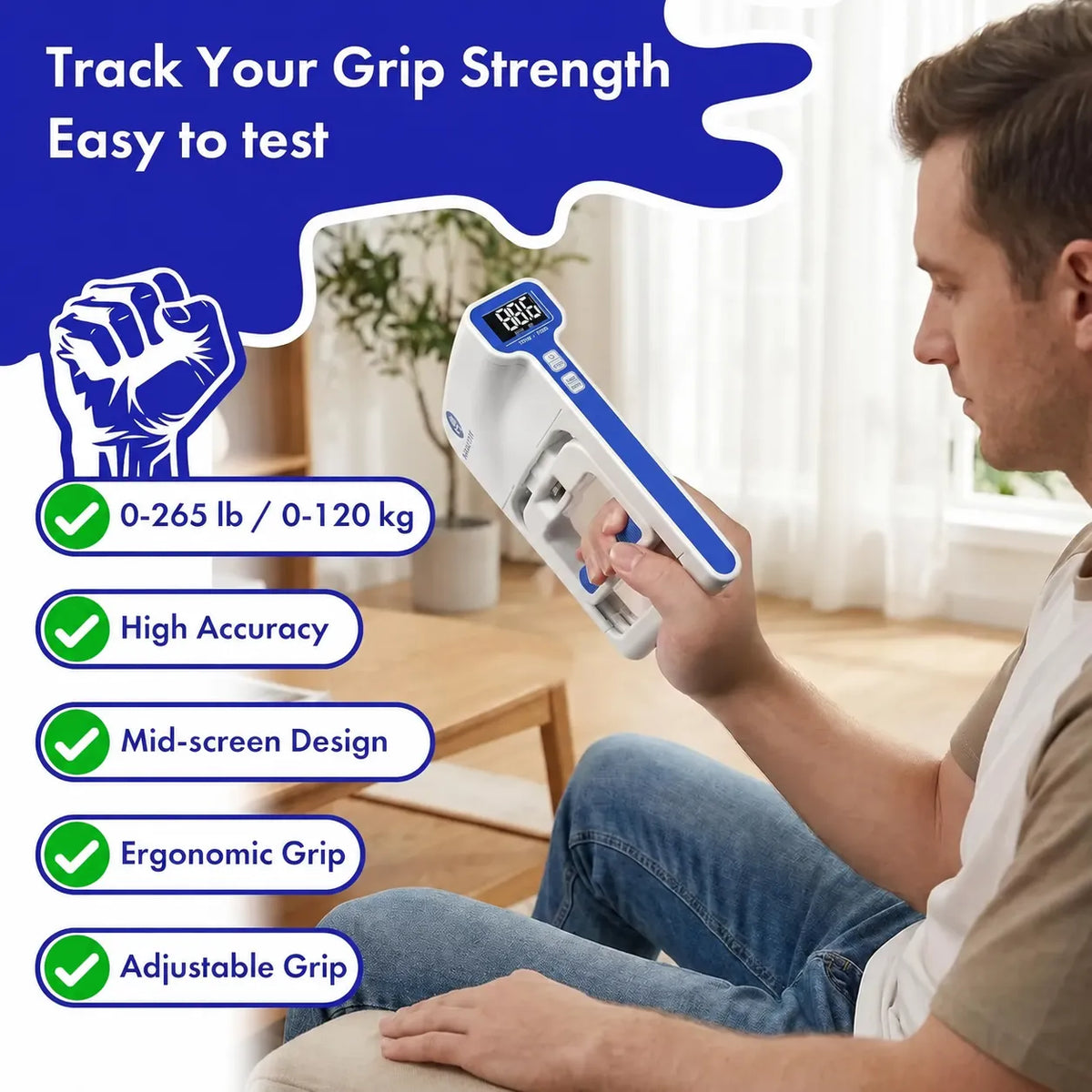
Handexer Digital Hand Dynamometer
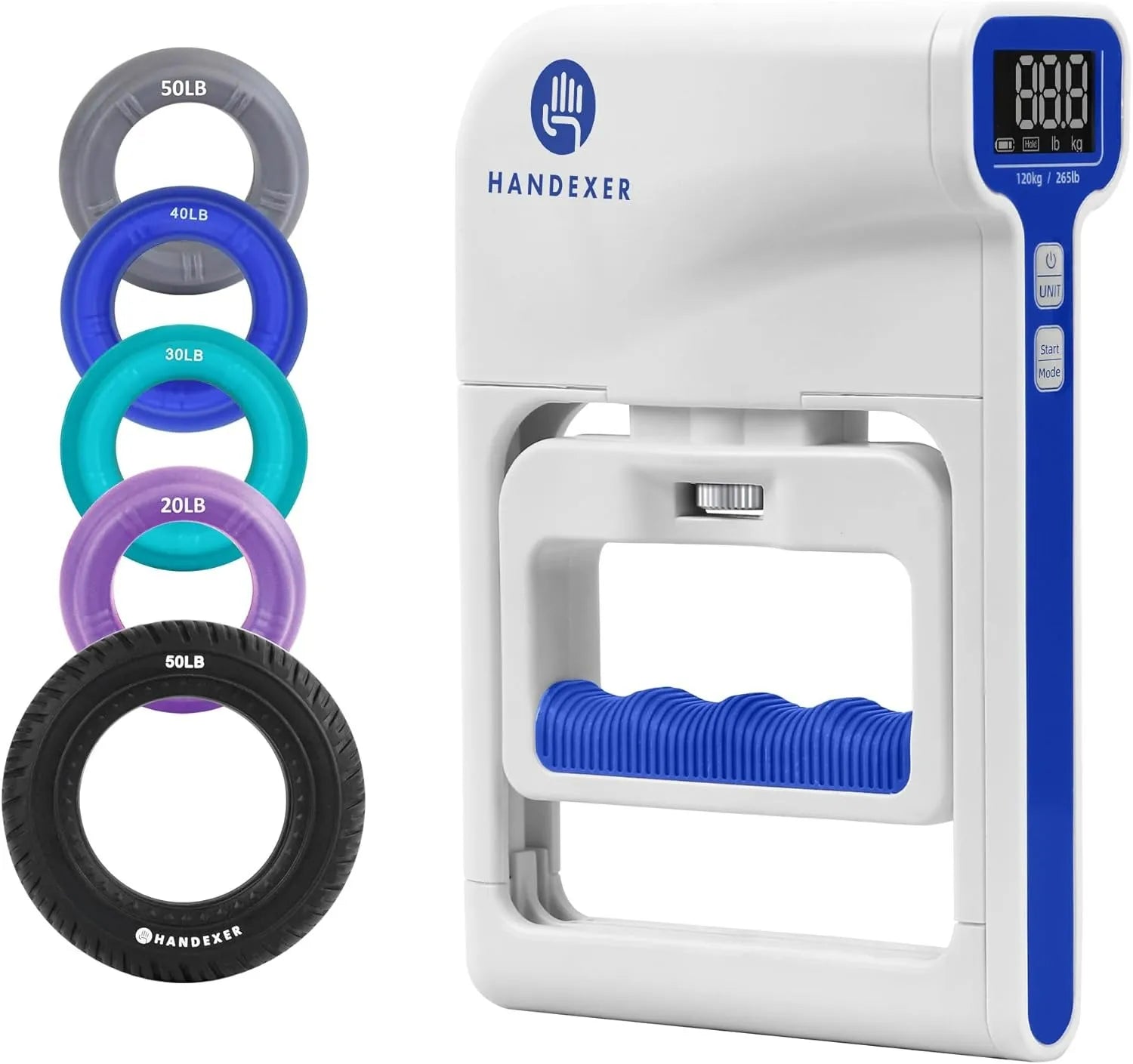
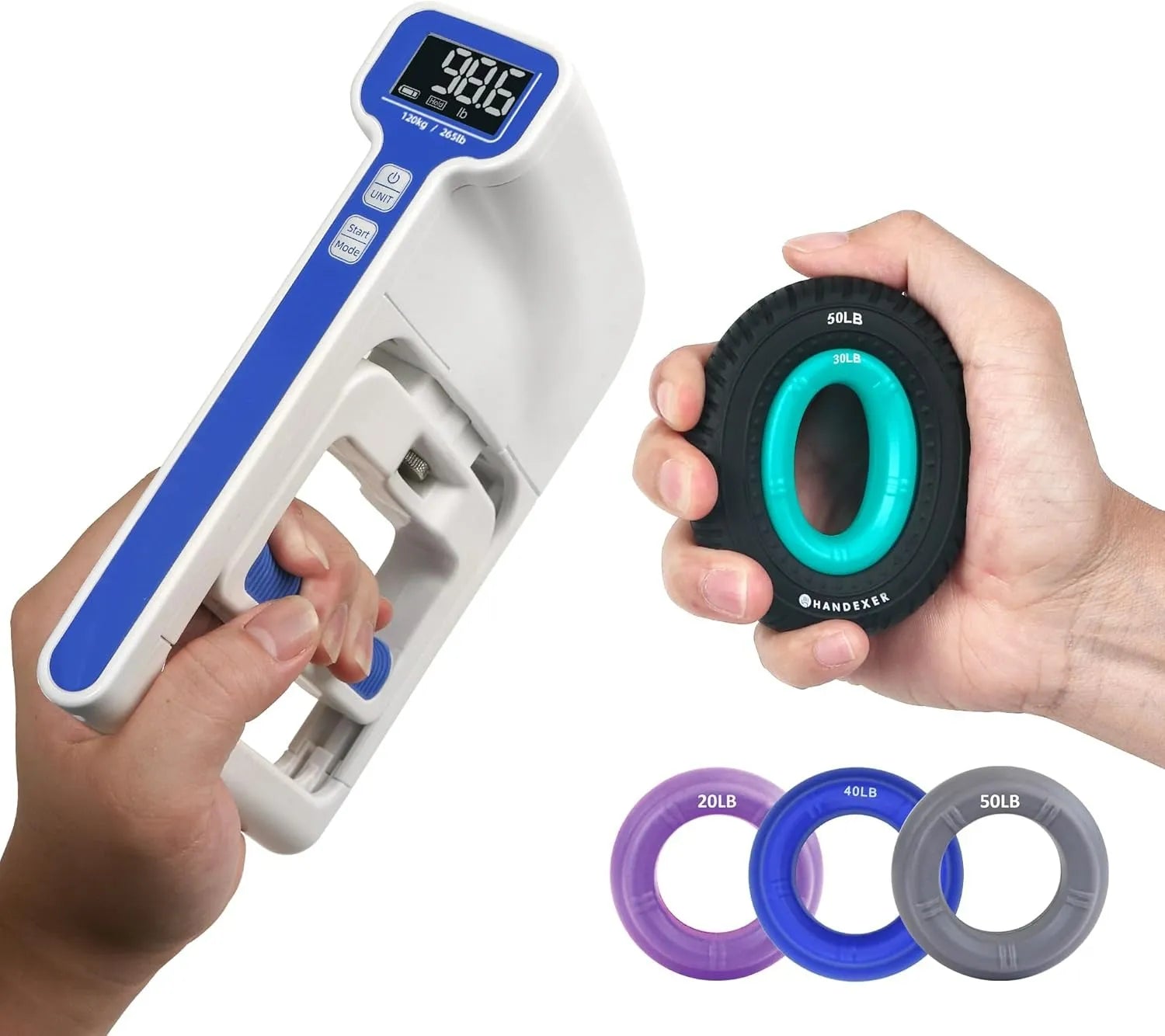
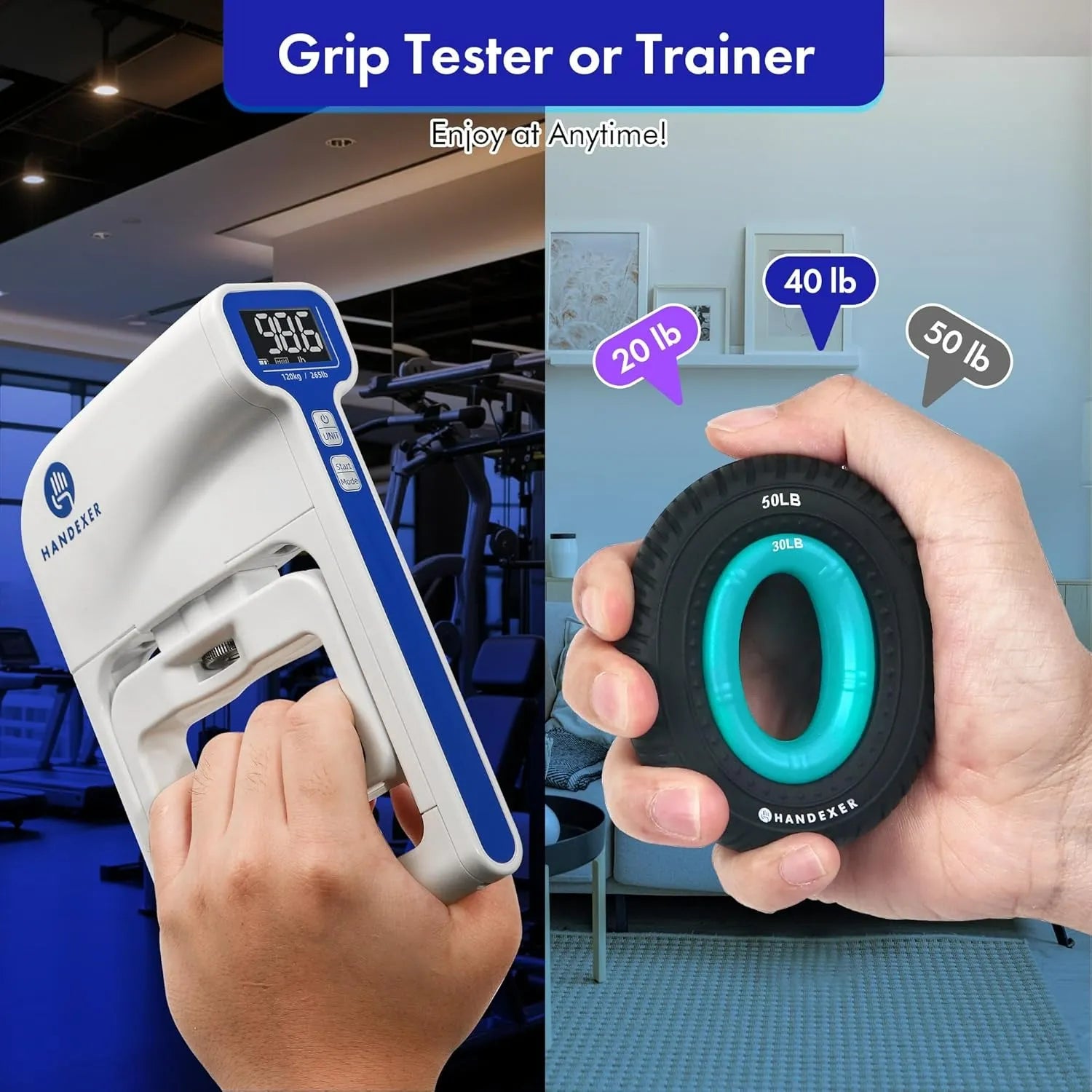
A digital hand dynamometer provides an objective measurement of grip force. The Handexer Digital Hand Dynamometer can be used to measure grip strength and compare changes between your hands over time.
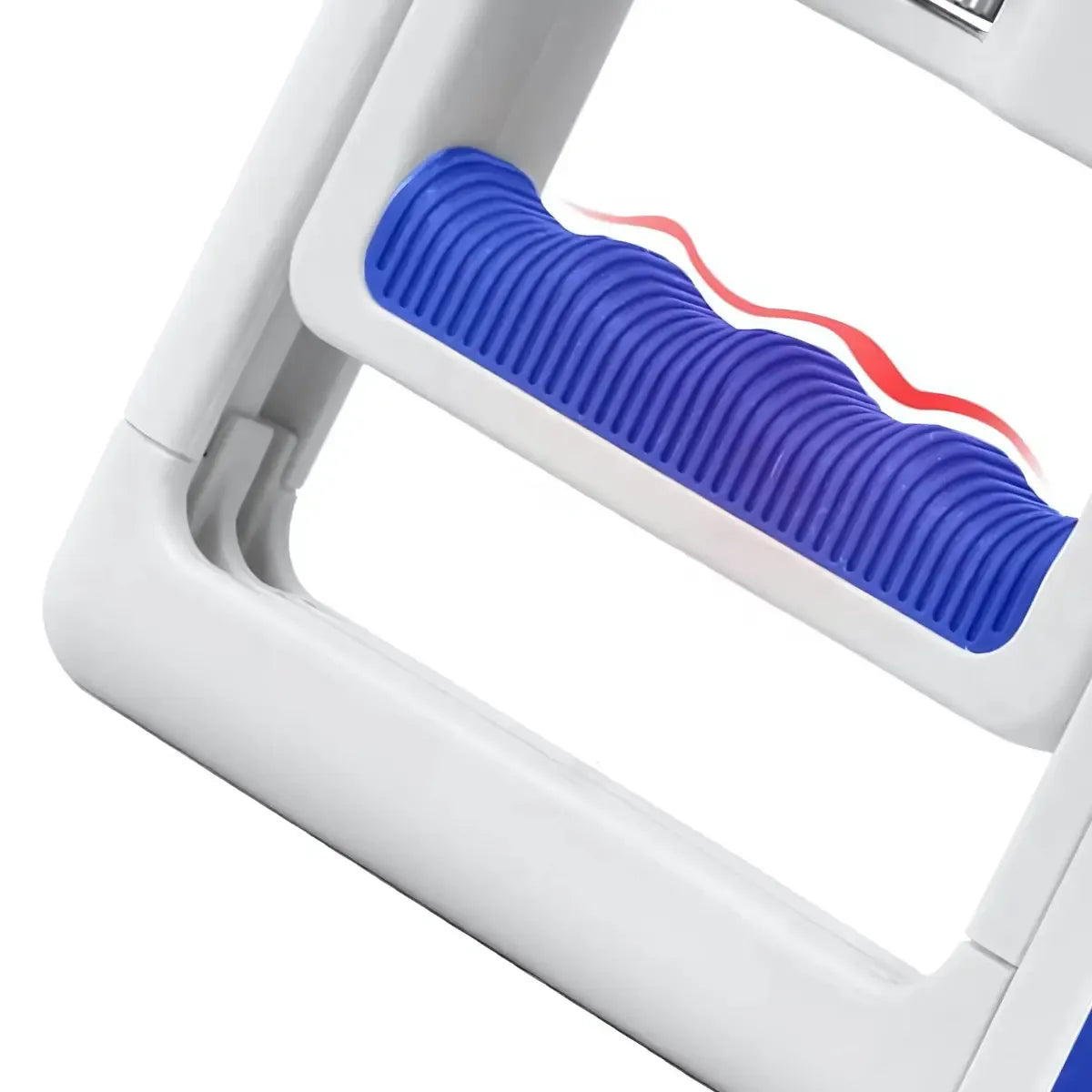
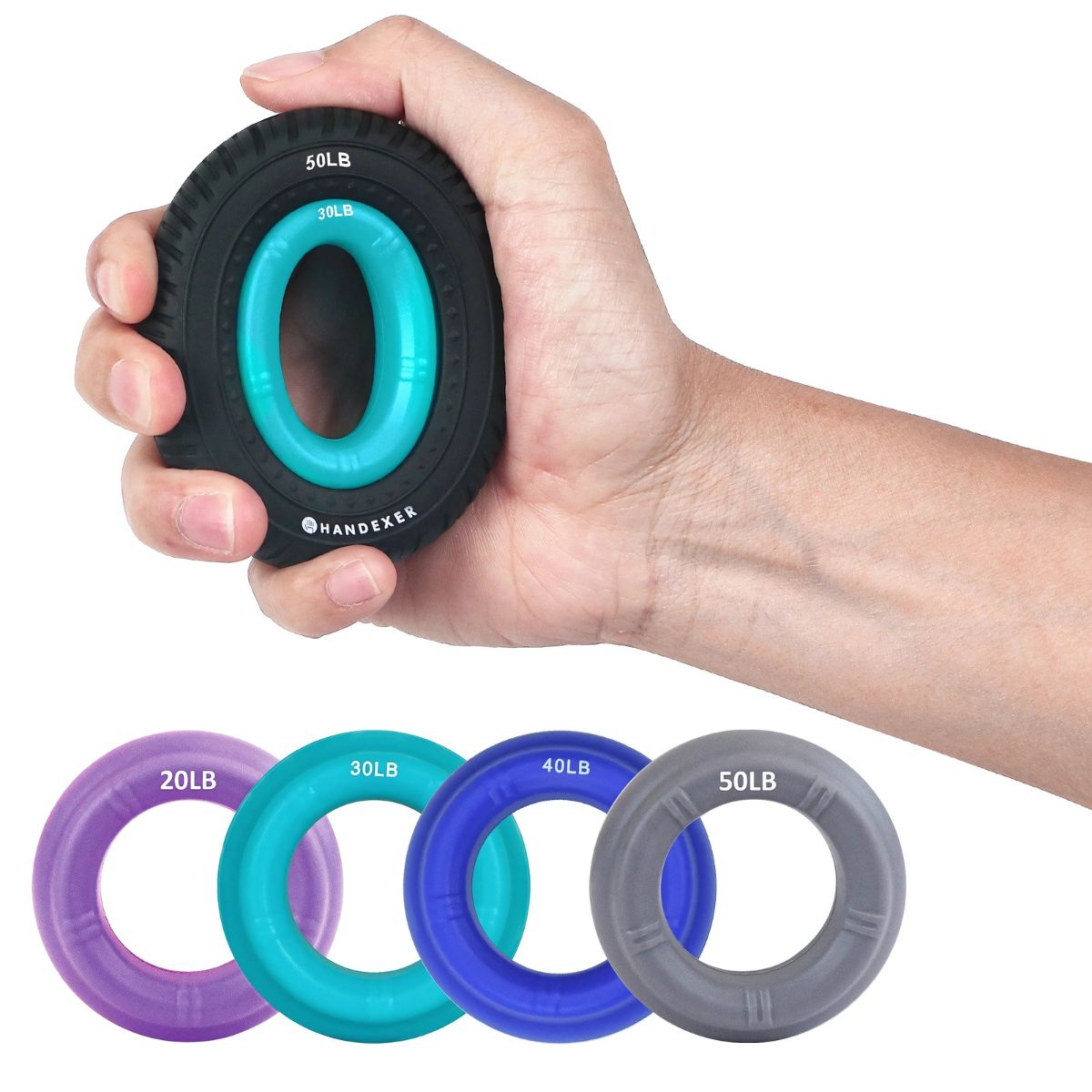
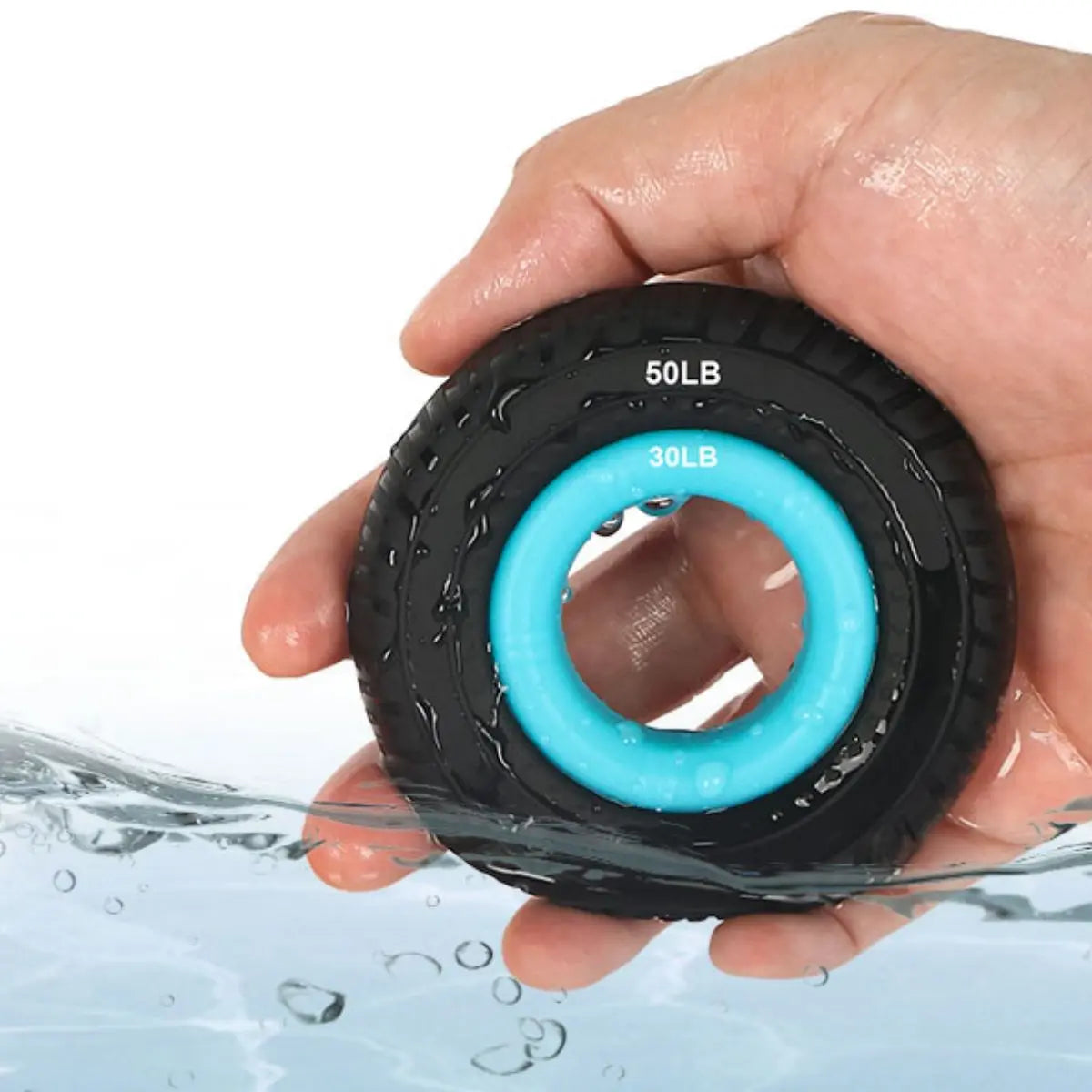
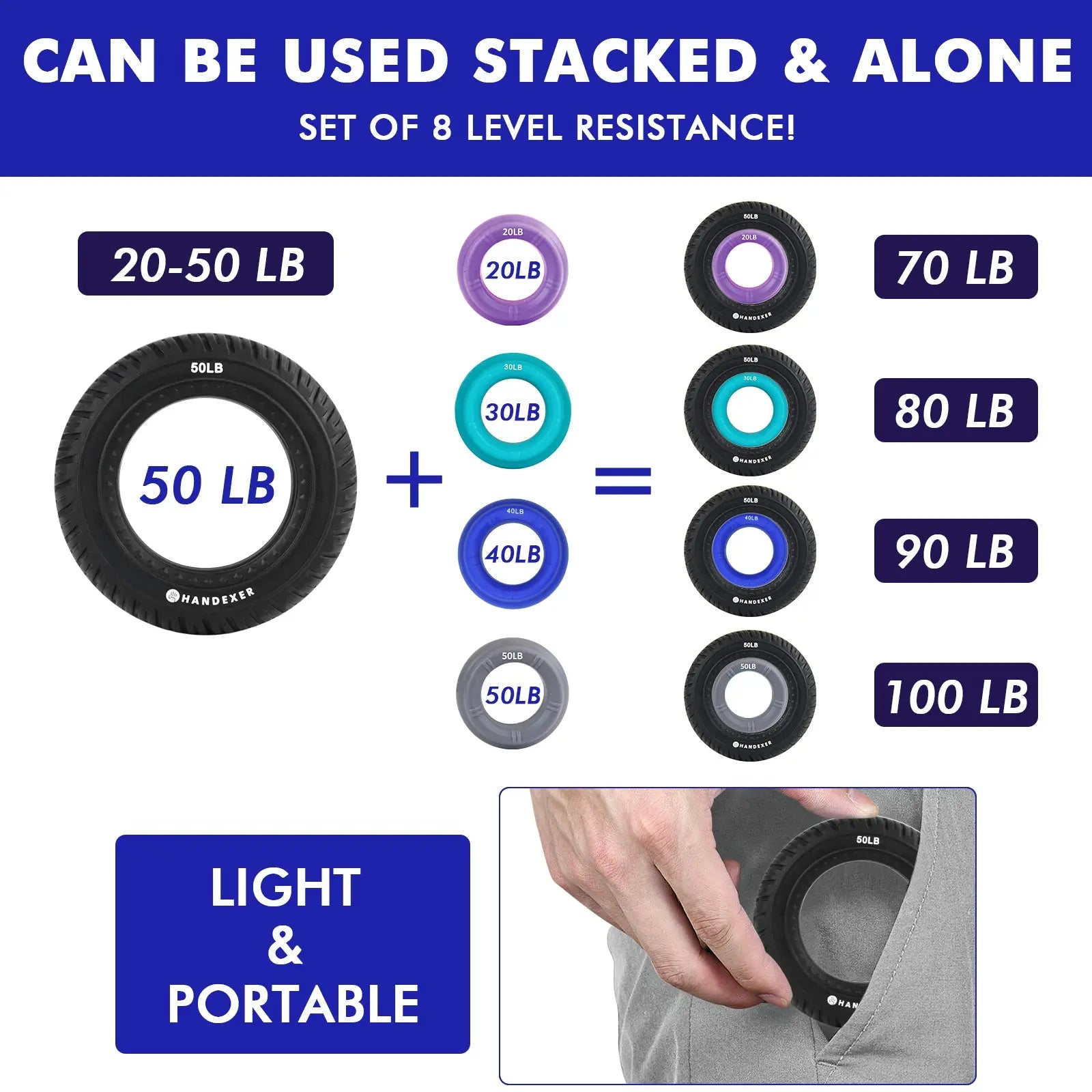
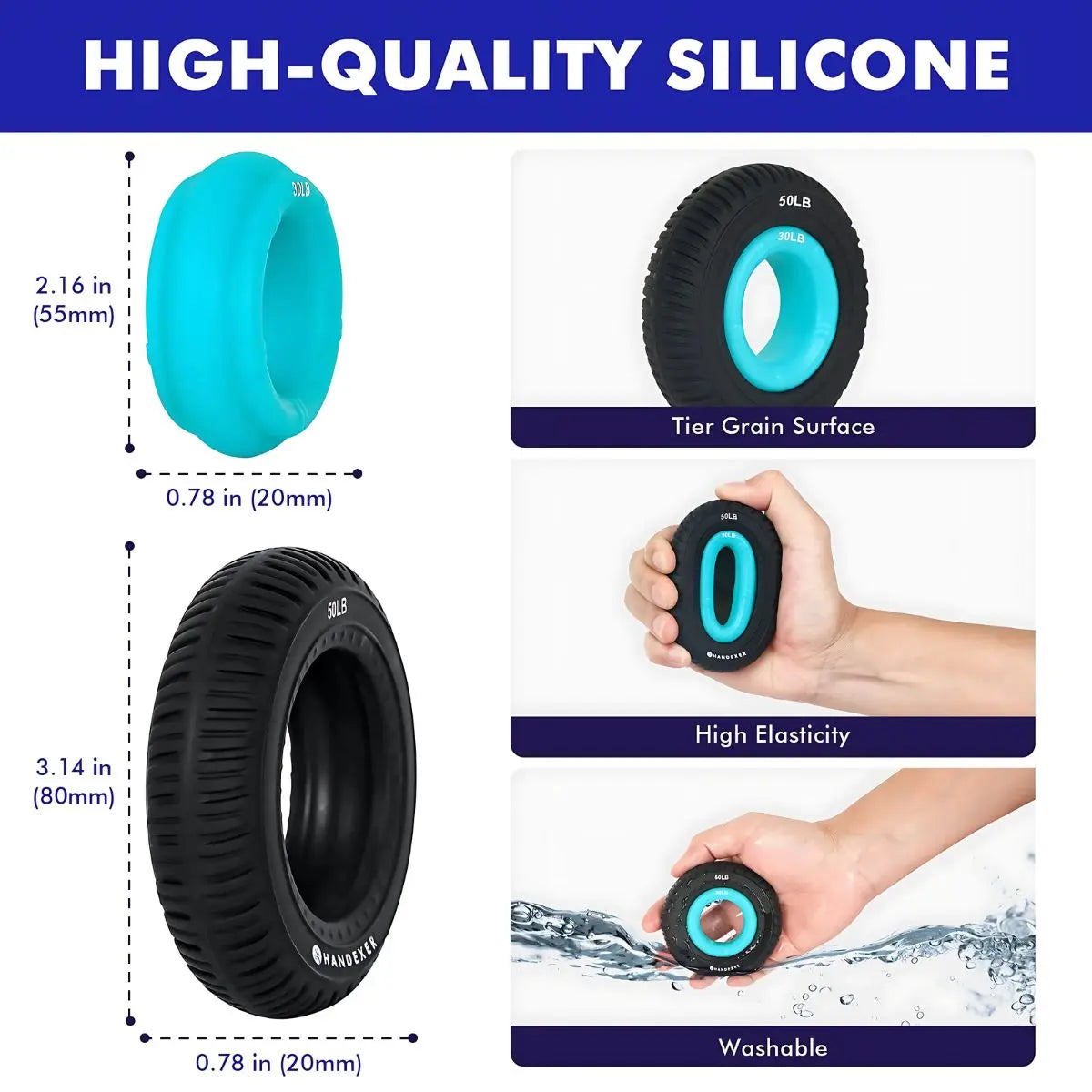
Handexer Silicone Grip Strength Rings
A recovering hand does not necessarily need a heavy gripper. Starting with lighter resistance allows you to control the movement and gradually increase the challenge as your capacity improves.
3 Recover: Give Your Hand Time to Adapt
Strength can improve relatively quickly, while connective tissues such as tendons generally adapt more gradually to repeated loading.
Research on tendon adaptation shows that structural changes depend on loading intensity, duration, and training history. Instead of trying to maximize grip force every day, allow enough recovery between harder sessions and increase resistance progressively.
4 Track: Follow the Trend
You do not need to test your grip every day. For personal tracking, measuring about once a week under similar conditions makes longer-term changes easier to interpret.
Grip measurements naturally have test-retest variability. Look for the overall trend: Baseline → Training → Recovery → Retest. Over time, you want to see whether your grip becomes stronger and whether daily tasks become easier.
6 What Does Successful Grip Recovery Look Like?
Recovery is rarely perfectly linear. A grip measurement may be higher one week and slightly lower the next because of fatigue, recent activity, or normal measurement variability. That does not necessarily mean you are losing progress.
Instead of chasing a bigger number every session, look at three things:
Strength
Can you produce more force over time? Look for stable gains across multiple weeks.
Control
Can you perform the exercise with better technique, steady contraction, and less fatigue?
Function
Are everyday tasks such as opening containers, carrying objects, turning keys, or holding equipment becoming easier?
Frequently Asked Questions
How often should I test my grip strength while recovering?
For personal strength tracking, once a week can be a practical approach.
Grip measurements can vary from one day to another, so testing under similar conditions makes it easier to identify a genuine trend. If you are using grip measurements as part of a clinical rehabilitation program, follow the testing schedule recommended by your healthcare professional.
Is squeezing a tennis ball or stress ball enough to fix weak grip?
Not necessarily.
Soft stress balls can provide light resistance and may be useful for gentle hand activity, but their resistance is difficult to quantify and progressively increase. If your goal is to rebuild measurable strength, a gradual resistance program gives you more control over how much the hand is being challenged.
What if my non-dominant hand is stronger than my dominant hand?
That does not automatically mean something is wrong.
People naturally have different patterns of hand use, and research shows that side-to-side grip differences vary between individuals. However, if the difference is new, persistent, or accompanied by pain, numbness, reduced coordination, or declining function, it is worth discussing with a healthcare professional.
Can I do grip exercises every day?
Gentle mobility exercises can often be performed more frequently than harder resistance exercises.
Higher-effort grip training generally benefits from recovery time, especially when you are rebuilding strength after injury or inactivity. If you are recovering from a specific injury or medical condition, follow the guidance of your healthcare professional.
Final Takeaway
Weak grip is not always a simple muscle problem. It can be related to nerve irritation, tendon or joint problems, injury, or prolonged inactivity. That is why the best approach is not simply to squeeze harder.
1. Measure
Understand where your grip strength is now.
2. Train
Use resistance that matches your ability and progress gradually.
3. Recover
Give your muscles and connective tissues time to adapt.
4. Track
Look at changes over time rather than single readings.





Share:
4-Week Grip Strength Plan: How to Safely Build Hand Strength at Home
The Grip Strength Test and Its Implications: What It Actually Measures