
Handexer Blogs
Grip Strength and Hand Health
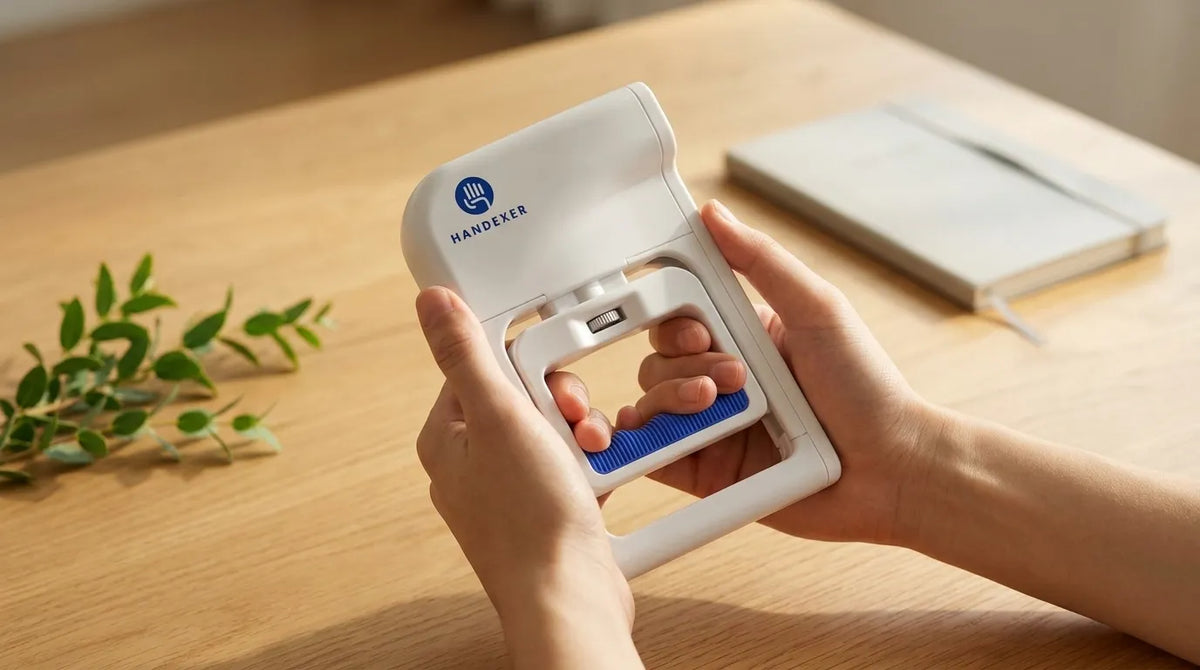
What 90 Days of Grip Strength Training Actually Changes (Before & After Results)
What can 90 days of consistent grip training actually change? From stronger grips and better control to reduced fatigue and more balanced performance between your hands, three months can reveal measurable progress—but there is no one-size-fits-all result. This guide breaks down what you may notice across Days 1–30, 31–60, and 61–90, what research says about 12-week training, and how to use a simple Day 1 baseline to see your own before-and-after results.
Read moreabout What 90 Days of Grip Strength Training Actually Changes (Before & After Results)

When Is Clumsiness a Concern? 4 Signs of Muscle Weakness in Children
Is your child becoming more tired, struggling with stairs, or having difficulty with activities that once seemed easy? Occasional clumsiness is common, but a persistent change in movement, endurance, or everyday abilities may be worth paying attention to. This guide explains 4 signs of muscle weakness in children, what parents can observe at home, when to talk with a pediatrician, and how consistent grip-strength tracking can provide useful information without replacing professional evaluation.
Read moreabout When Is Clumsiness a Concern? 4 Signs of Muscle Weakness in Children

How to Improve Grip Strength at Home (Science-Backed Guide)
Stronger hands don’t require a complicated gym setup. This step-by-step guide shows you how to improve grip strength at home with practical exercises for crush, support, and pinch strength, plus a simple 4-week training plan. Learn how to progress safely, avoid common mistakes, and use consistent grip-strength measurements to track whether your training is actually working.
Read moreabout How to Improve Grip Strength at Home (Science-Backed Guide)

Changes in Gut Microbiota Associated with Decreased Grip Strength in Older Adults
Your gut may have more to do with muscle strength than you think. A new study found a surprising difference in grip strength among older adults based on the bacteria detected in their gut—and saw similar muscle-related changes in mice. Explore the science behind the gut-muscle axis and what these findings could mean for understanding muscle health.
Read moreabout Changes in Gut Microbiota Associated with Decreased Grip Strength in Older Adults

Mouse-Related Wrist Pain: 5 Practical Tips for Relief and Prevention
Long hours at a computer can put more stress on your hands and wrists than you may realize. Repetitive clicking, scrolling, awkward wrist positions, and a tight mouse grip can gradually leave your wrist feeling tired or uncomfortable. This guide shares 5 practical tips for office workers—from improving your mouse setup and relaxing your grip to taking short breaks, allowing your wrist to recover, and building healthier hand habits once it feels comfortable again. Simple changes can make everyday computer work more comfortable while supporting better long-term hand health.
Read moreabout Mouse-Related Wrist Pain: 5 Practical Tips for Relief and Prevention
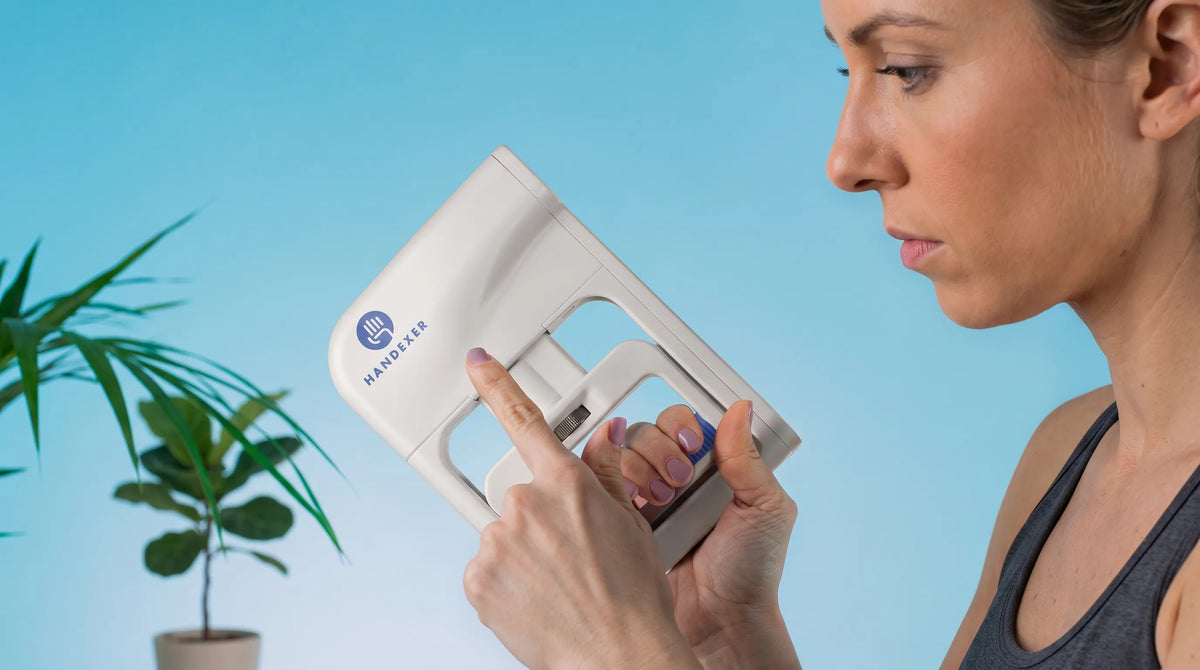
The Grip Strength Test and Its Implications: What It Actually Measures
A grip strength test is more than just a number. Learn what your grip strength can reveal about muscle strength, functional performance, and overall physical health—and why establishing a personal baseline and tracking changes over time can make your results far more meaningful. Discover how to test consistently, interpret your results, and turn grip strength measurements into a practical Measure → Track → Train → Re-Measure routine.
Read moreabout The Grip Strength Test and Its Implications: What It Actually Measures
Confronting Hand Grip Weakness: Causes, Diagnosis, and Effective Solutions
Weak grip isn't always a sign that your hands simply need more exercise. Nerve irritation, tendon or joint problems, injury, and prolonged inactivity can all affect your grip—and pushing through the wrong type of weakness may make things worse. This guide explains what may be behind declining grip strength, which warning signs deserve attention, and how to rebuild strength through gradual movement, resistance, recovery, and consistent measurement.
Read moreabout Confronting Hand Grip Weakness: Causes, Diagnosis, and Effective Solutions

4-Week Grip Strength Plan: How to Safely Build Hand Strength at Home
Read moreabout 4-Week Grip Strength Plan: How to Safely Build Hand Strength at Home

Grip Strength and Cognitive Health: What Your Hand Function May Reveal About Brain Aging
Does a stronger handshake signal a healthier brain? While grip strength isn't a diagnostic tool for dementia, emerging research reveals a powerful link between muscular strength and cognitive vitality. Tracking your grip over time provides an objective physical baseline, helping you spot subtle functional shifts and take proactive control of your aging journey.