
Introduction
Trying to choose the right hand dynamometer can feel overwhelming. With options ranging from traditional hydraulic fluid dials to modern electronic devices, how do you determine which device offers the measurement precision you actually need?
Quantifying your isometric grip force isn't just for clinical settings or elite athletes; it's one of the most reliable ways to assess functional hand strength, monitor neuromuscular recovery, and track training gains over time. In this guide, we'll provide a brief overview of hand dynamometers and compare Digital Load-Cell, Hydraulic Fluid, and Mechanical Spring models—examining their underlying mechanics, calibration stability, and accuracy—to help you select the ideal tool for your budget and assessment goals.
1. What Is a Hand Dynamometer?
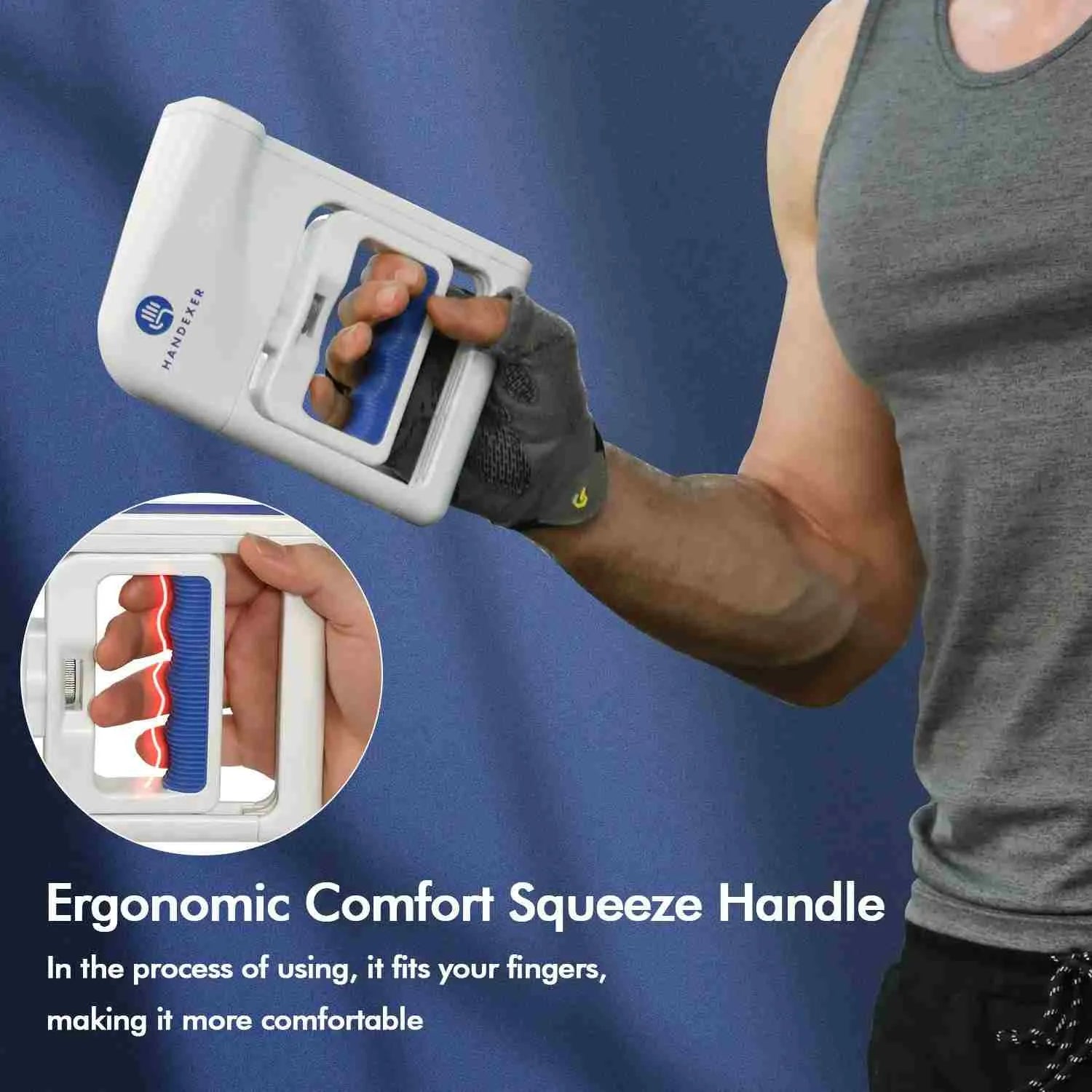
A hand dynamometer is a simple, handheld device designed to measure how hard you can squeeze. When you grip the handle as firmly as you comfortably can, the device displays your peak squeeze force in pounds (lbs) or kilograms (kgs).

Grip Strength Uses
-
Everyday Vitality & Home Health:
Checking if your hand and forearm muscles remain strong enough for daily tasks like carrying groceries, holding heavy bags, or opening jar lids. -
Fitness & Sports Tracking:
Athletes, weightlifters, rock climbers, and racquet sports players use them to track forearm power and check if their muscles have fully recovered between workouts. -
Personal Progress Monitoring:
Anyone starting a hand-strengthening or resistance exercise routine can use a dynamometer to see clear, numerical proof of their strength gains over time.
Hand dynamometers and assessment tools are designed for personal wellness monitoring, fitness evaluation, and daily strength tracking. They are not medical devices intended to diagnose or treat health conditions.
2. Comparing the 3 Main Types of Hand Dynamometers
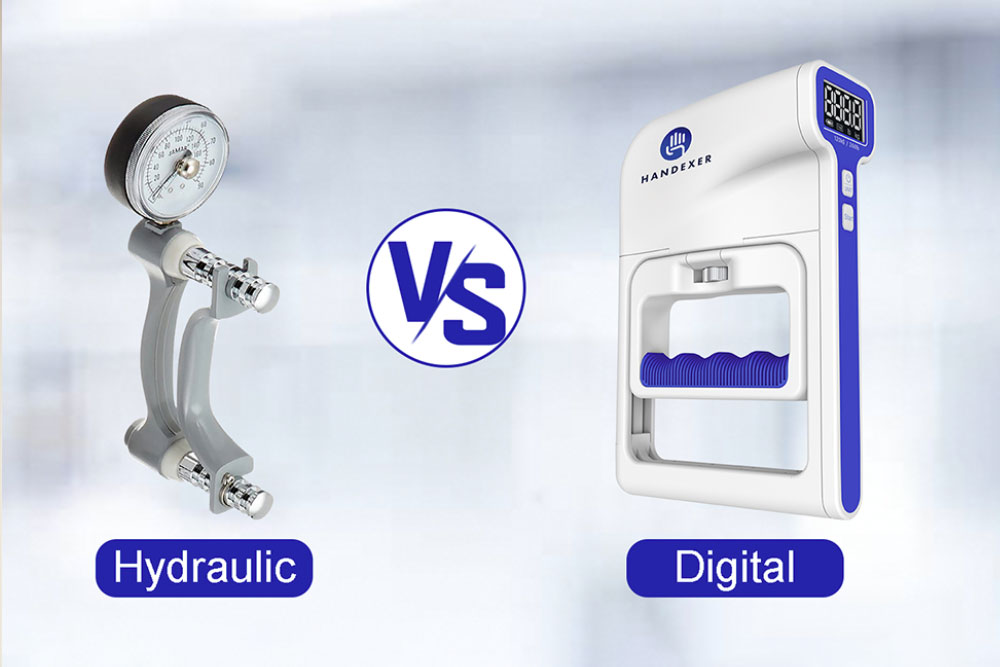
When shopping for a grip tester, you will generally see three main designs: Digital, Hydraulic, and Mechanical Spring. Understanding how each operates helps you pick the right tool for your routine.
1. Digital Load-Cell
Uses an electronic sensor (load cell) to measure force instantly on a digital screen. Evaluated in published research (S. Afr. J. Physiother., 2022) for high measurement precision, offering automatic score saving and zero risk of fluid leaks.
2. Hydraulic Fluid
Uses a fluid-filled chamber pushing a physical needle around a dial. No batteries needed, but carries a risk of fluid leakage and requires manual needle resets.
3. Mechanical Spring
Relies on a metal spring that compresses during a squeeze. Budget-friendly, but systematically underestimates force at high capacity (PLoS One., 2022).
Comparison at a Glance
| Feature | Digital Load-Cell | Hydraulic Fluid | Mechanical Spring |
|---|---|---|---|
| How It Measures | Electronic Sensor | Fluid Chamber | Metal Spring |
| Power Source | Requires Batteries | No Batteries Required | No Batteries Required |
| Display Type | Displays maximum grip strength reading clearly on LCD screen. | Gauge moves the maximum grip strength indicator and measurement must be read on the dial. | Printed Scale Dial (Manual visual estimation required) |
| Precision & Increments | Highly accurate and precise readings with increments as small as 0.1lb. | Readings are read from a dial gauge which can be less precise than a digital reading. | Read from scale (less precise) |
| Reset Method | Reset with a simple button press. | Reset by adjusting the maximum indicator back to 0. | Instant Mechanical Return |
| Calibration | Automatic calibration. | Must be manually calibrated over time. | Manual Adjustment / Spring Fatigue |
| Max Capacity | Up to 265 lbs / 120 kg (Handexer) | Usually up to 200 lbs / 90 kg | Usually up to 220 lbs / 100 kg |
| Memory & Tracking | Auto-saves Scores + Online Trend Sync | None (Manual Charting Required) | None (Manual Charting Required) |
3. Important 2026 Market Update: From Camry to Handexer
If you have researched grip strength tools before, you may be familiar with the Camry EH101 Digital Dynamometer—a standard model widely featured in wellness guides and published studies, including research in Age & Ageing and S. Afr. J. Physiother.
As of 2026, due to brand licensing and authorization changes, the original Camry-branded models have been officially discontinued and completely withdrawn from the market.
As the original distributor of the Camry digital dynamometer, we introduced our new brand to keep this trusted engineering available to users: Handexer.
What This Means for You:
- Proven Internal Engineering: The Handexer 198 lb Digital Hand Dynamometer uses the exact same high-precision load-cell sensors, internal components, and manufacturing quality as the original Camry EH101.
- 198 lb (90 kg) High Capacity: Features the same 0.1 lb measurement precision, auto-calibration, and multi-user profile memory storage.
- What's New: Only the brand name, updated fresh color options, an enhanced customer support network, and access to our new digital tracking ecosystem have changed.
4. How to Choose the Right Model
Beyond basic functions, keep these three practical factors in mind when choosing a device:
Device Reliability
Digital models auto-calibrate and have zero leak risks, making them highly consistent. Stick to one device style for long-term tracking to ensure reliable trends.
Ease of Use
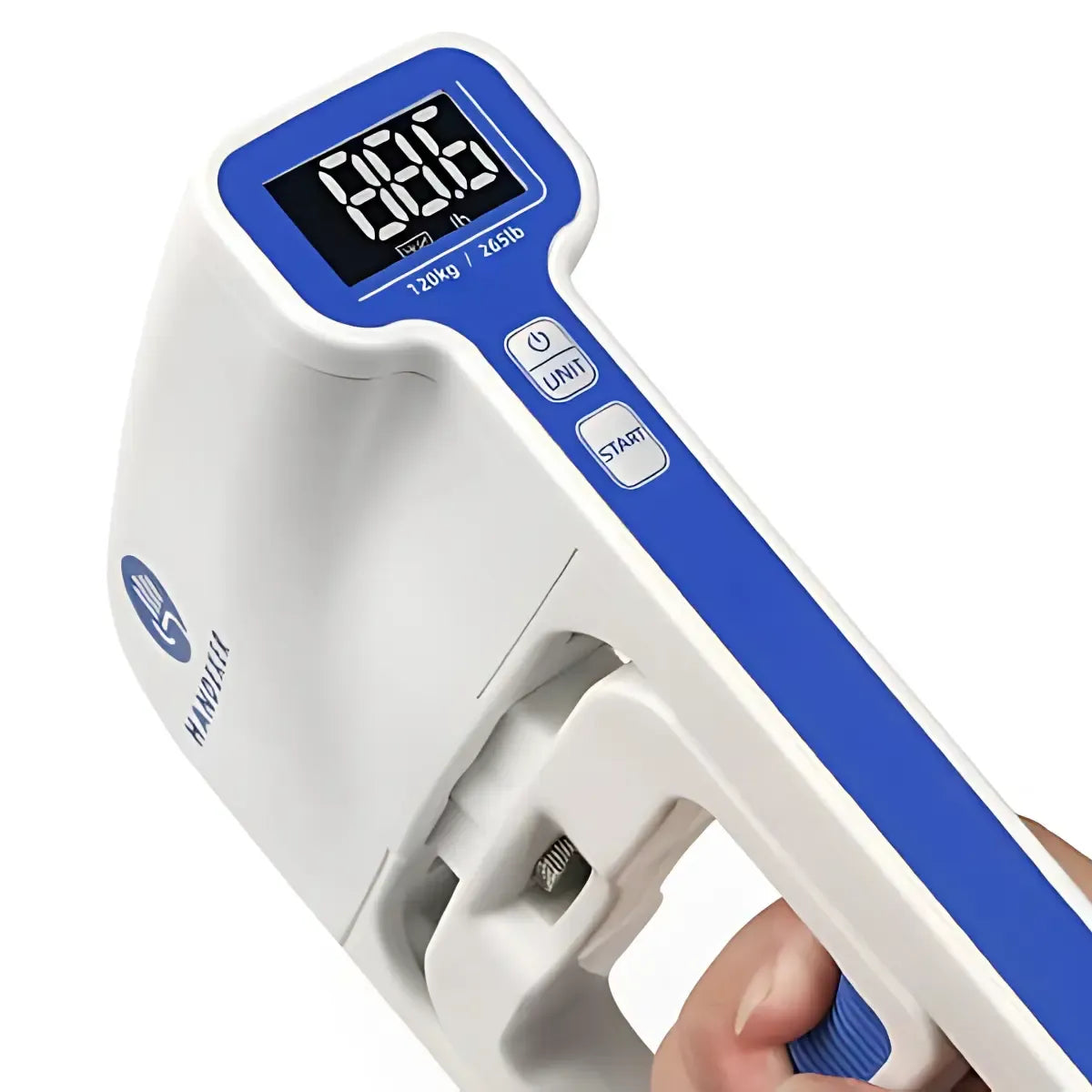
Digital models save effort. You get a clear LCD screen and instant zero-reset at the press of a button. You can then enter your score into Handexer's Free Assessment Tool to check your standing.
Price & Value
Hydraulic devices are costly to build and repair if seals leak. Digital load-cell models offer clear screens, memory storage, and solid durability at a much friendlier price.
5. Audience Buying Guide & Top Recommendations
Match your specific testing goals with the right Handexer model:

Handexer 198 lb (90 kg) Digital
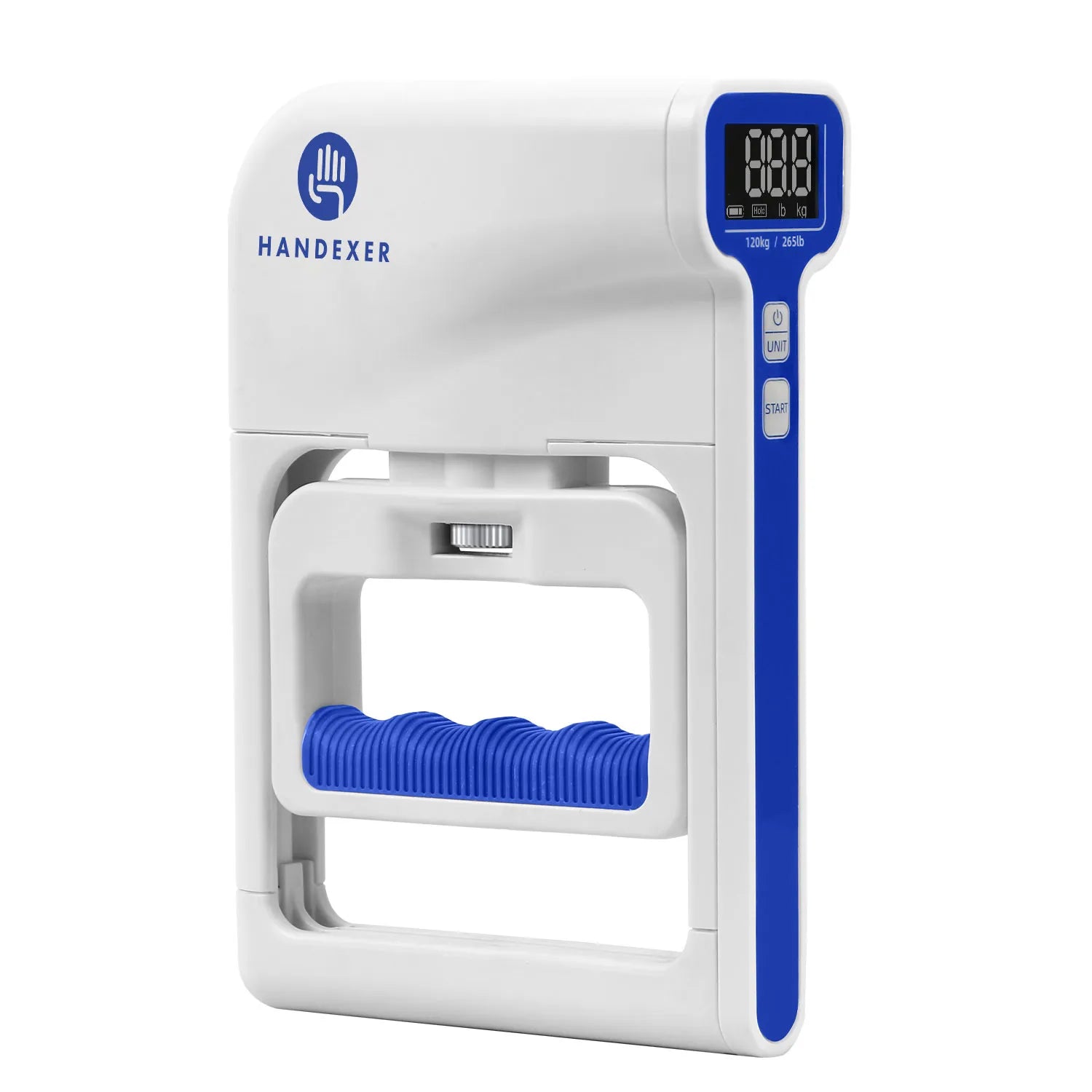
The direct successor to the classic Camry EH101. Offers a bright LCD screen, 19 user memory slots, and a standard 198 lb testing range suitable for daily wellness checks.
Learn More About 198 lb Model
Handexer 265 lb (120 kg) Pro
Ideal for strongmen, climbers, powerlifters, or anyone with above-average grip strength. The upgraded 265 lb sensor ensures accurate tracking without maxing out during high-force squeezes.
Learn More About 265 lb Pro Model
Handexer Test & Training Bundle
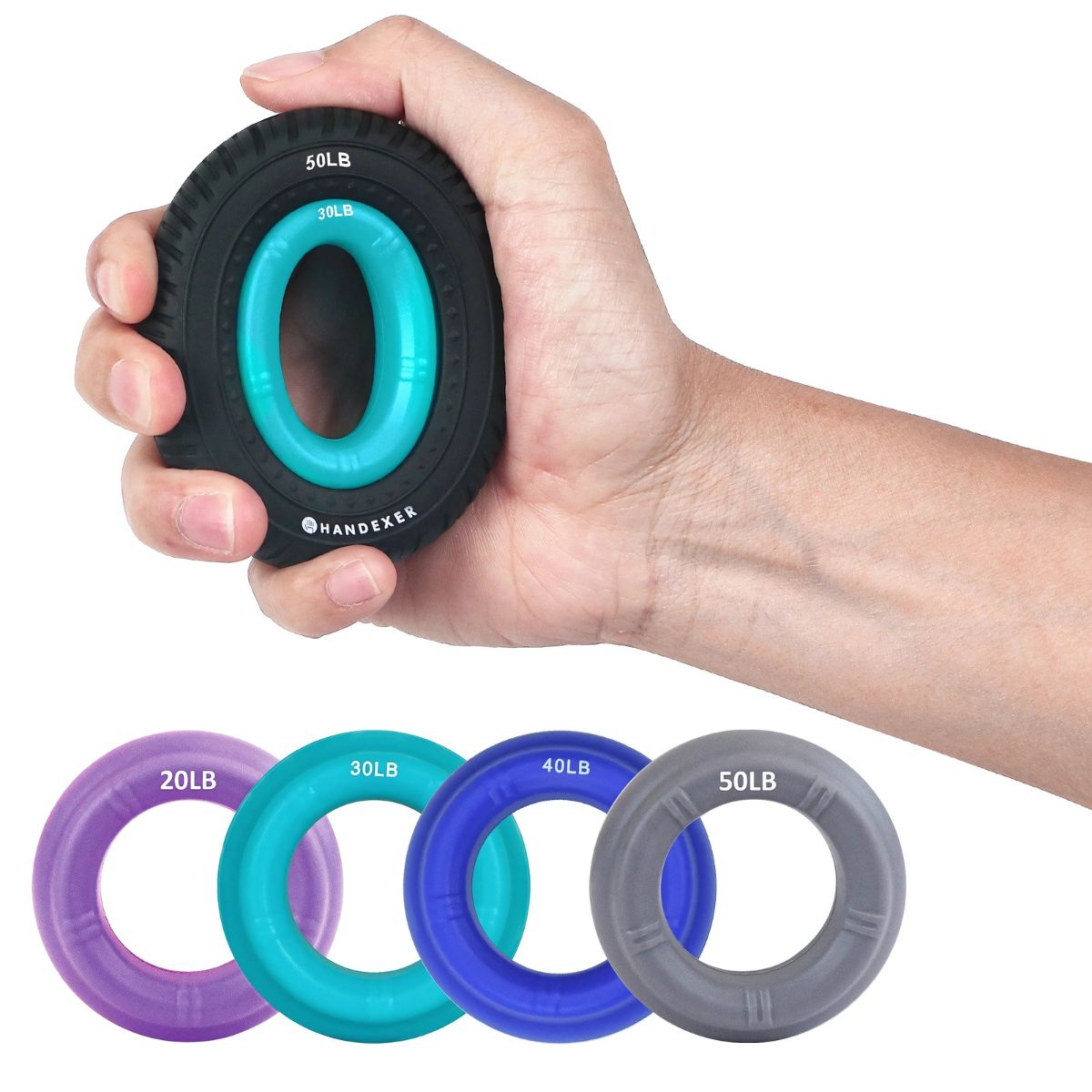
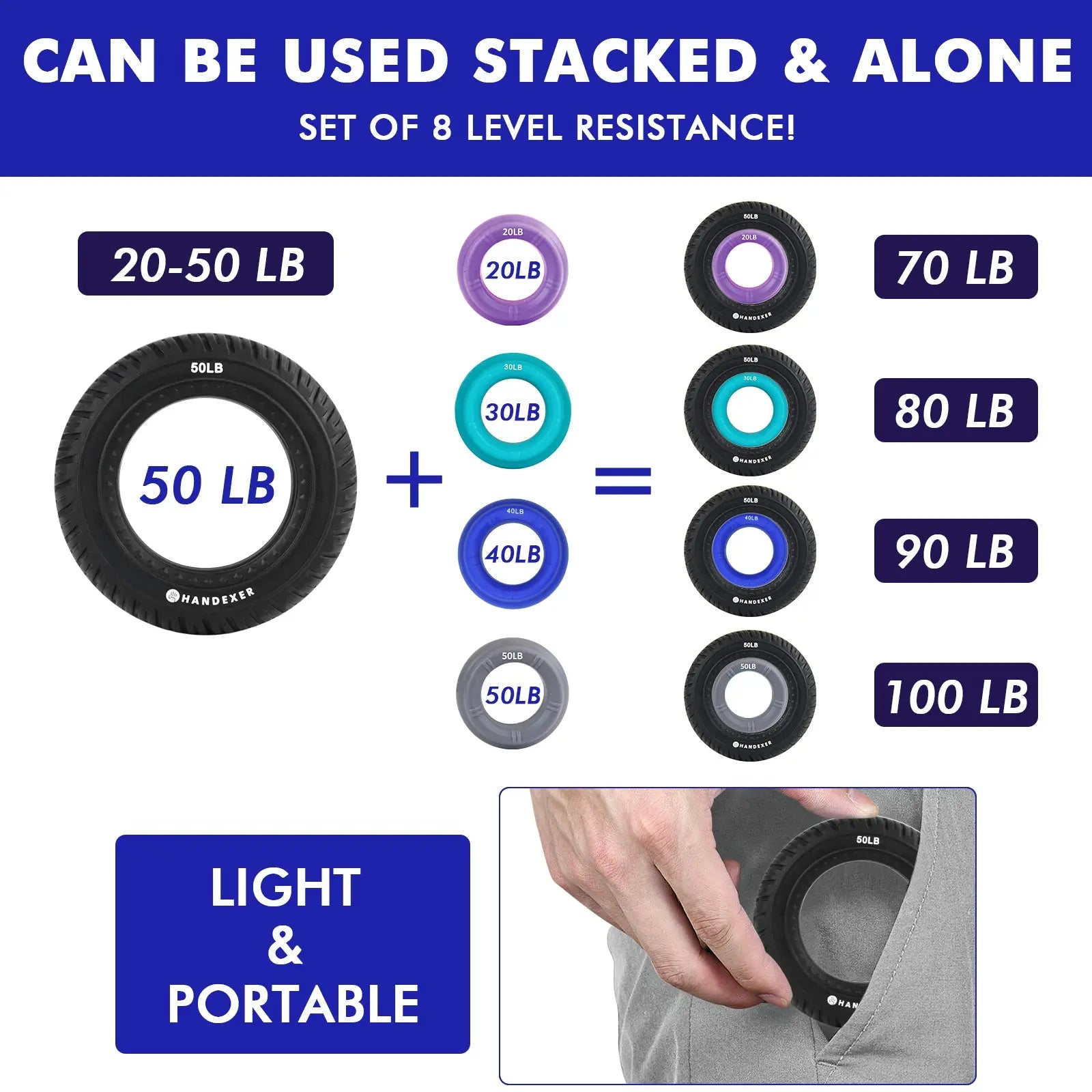
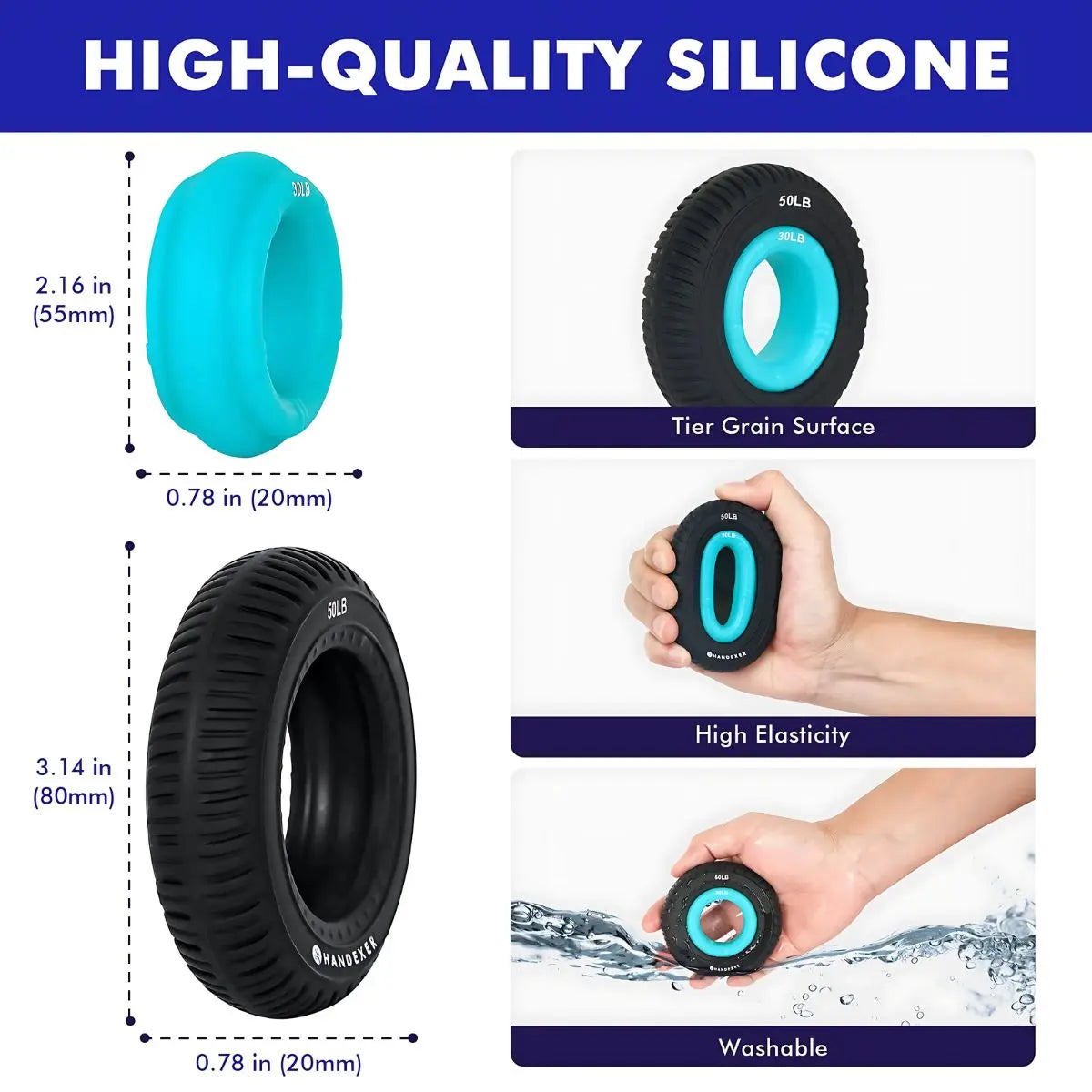
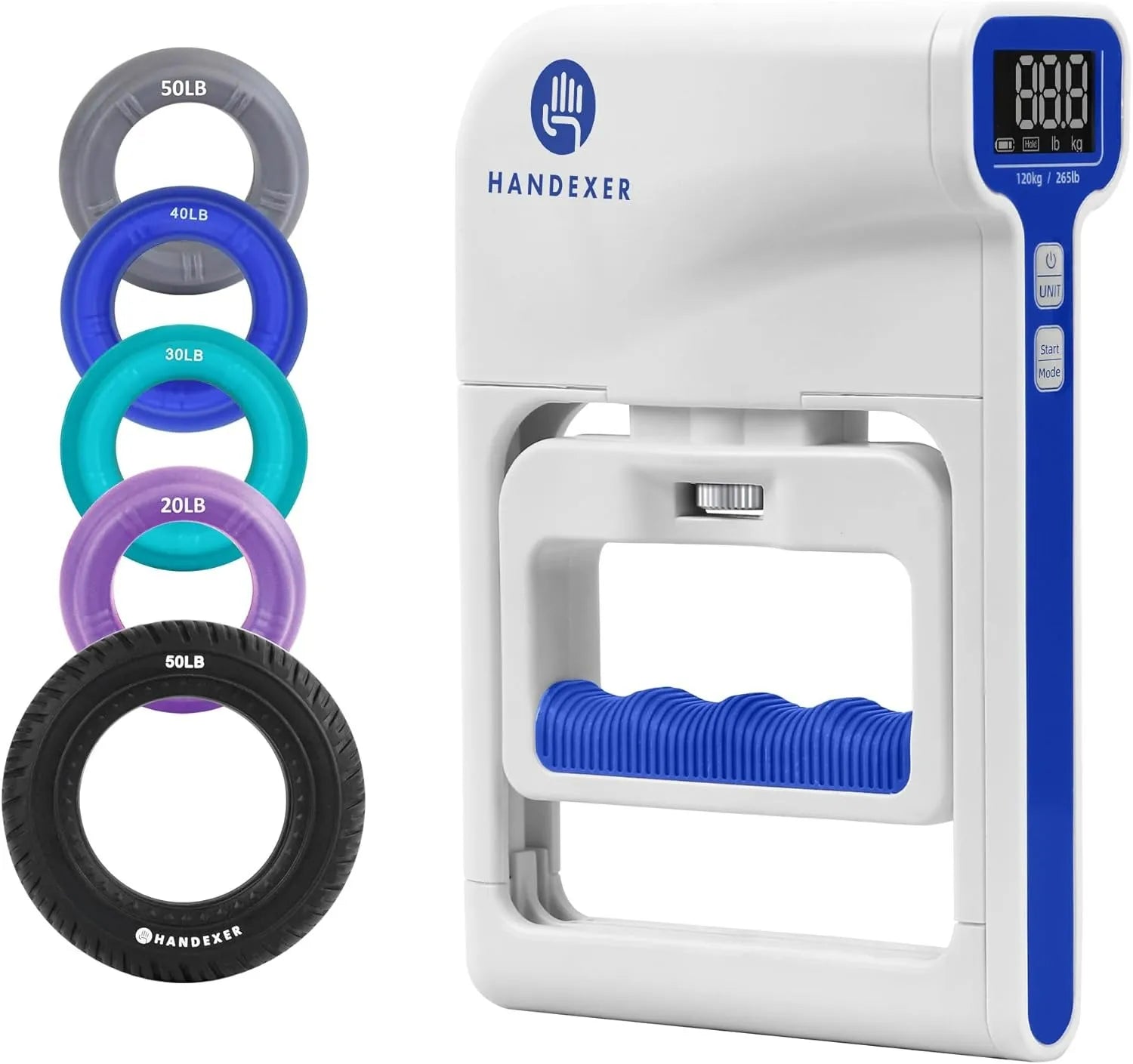
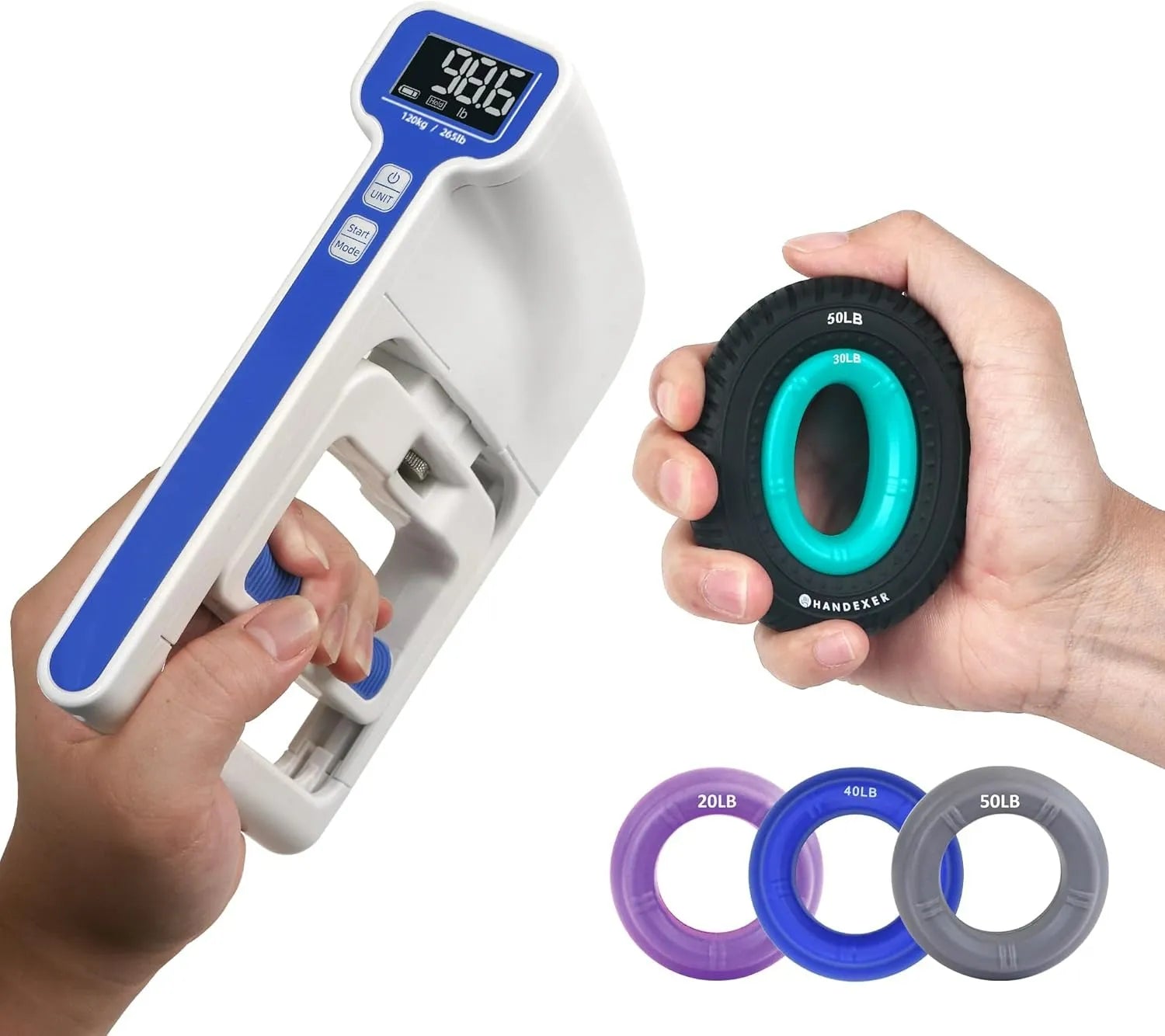
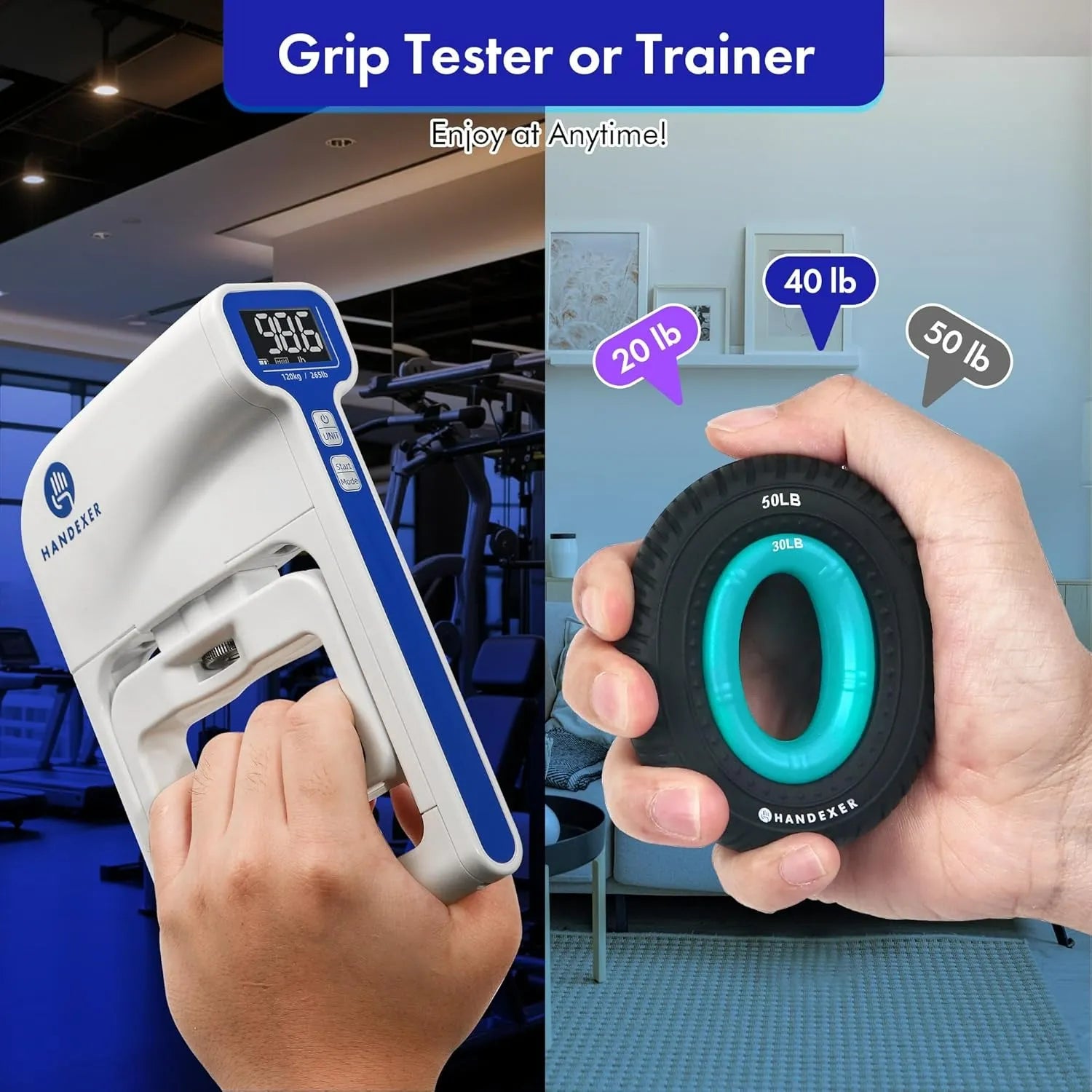
Combines the digital dynamometer with 5 progressive silicone resistance rings (20 to 50 lbs) to measure, train, and track progress.
Explore Systematic Bundle6. Frequently Asked Questions (FAQ)
Q1: Is a digital hand dynamometer easy to use by myself at home? ❯
Q2: Is Handexer the exact same quality as the discontinued Camry EH101? ❯
Q3: How do I evaluate my grip score after taking a test? ❯
Q4: Why should strong individuals avoid mechanical spring dynamometers? ❯
Q5: How do I adjust the handle for smaller or larger hands? ❯
Q6: Do digital hand dynamometers require frequent calibration? ❯
7. Summary & Practical Next Steps
Establishing an accurate baseline is the first step toward effective hand health assessment and strength monitoring. Modern digital load-cell dynamometers remove the guesswork of analog dials and mechanical spring fatigue, providing a reliable foundation for your routine.
Once you have taken a reading on your device, check standard demographic reference ranges or enter your score into the Handexer Free Online Assessment Tool to compare your results against general benchmarks.
Match the device capacity and kit style to your personal goals—standard 198 lb (90 kg) capacity models work best for general health tracking, while higher 265 lb (120 kg) thresholds or progressive resistance sets better suit high-force athletic training and rehab routines.
To ensure repeatable results, consult our guide on How to Accurately Test Your Grip Strength at Home for advice on body positioning, handle adjustment, and rest intervals.






Share:
Are You Losing Muscle Mass? How to Screen Your Muscle Reserve at Home
How to Tell If You Are Overtraining (And How to Track Recovery)