
Handexer Blogs
Grip Strength and Hand Health
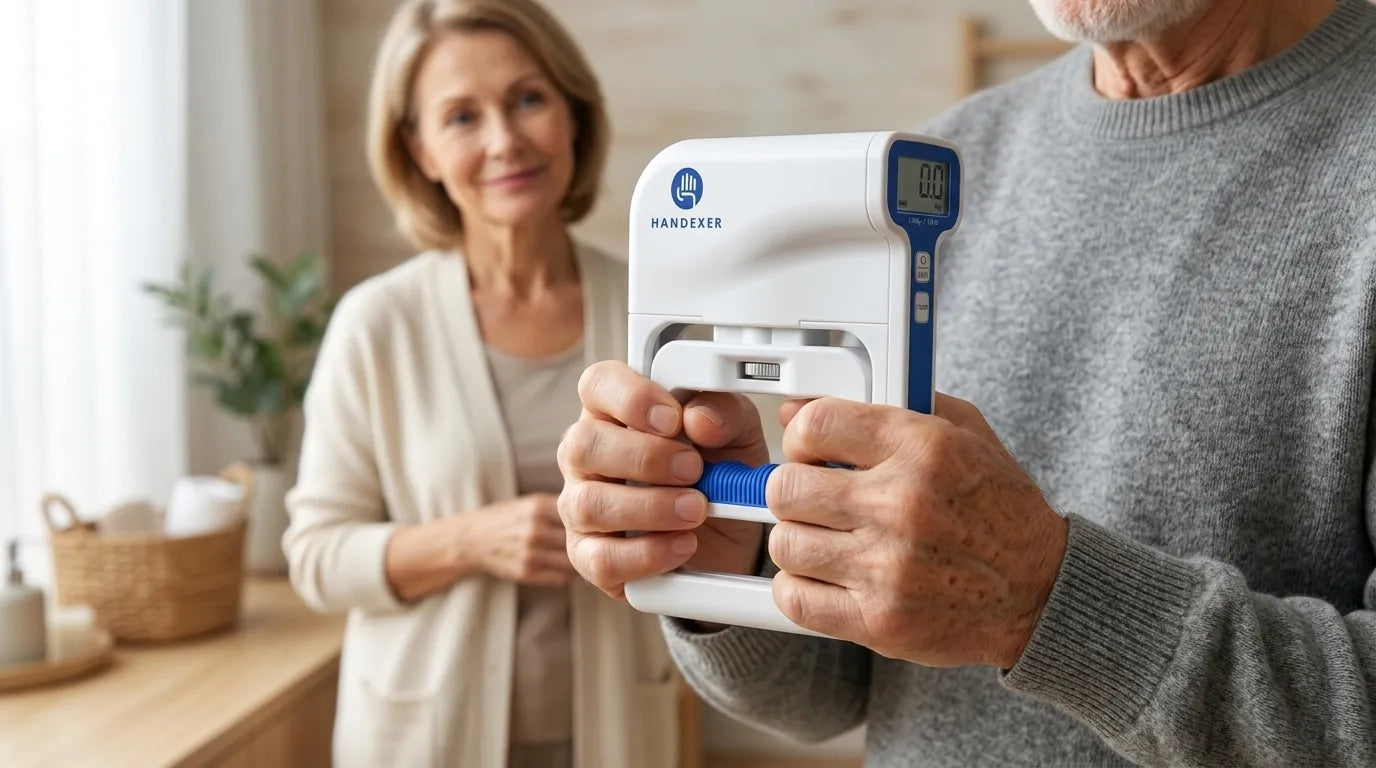
7 Common Hand Strength Training Mistakes Seniors Make (and What Actually Works)
Maintaining hand function is essential for daily independence as we age. However, many older adults approach hand training with outdated fitness methods that lead to strain rather than improvement. This guide highlights seven common mistakes in hand strength training—from ignoring assessment to over-training—and provides a professional, data-driven framework to help you measure, train, and recover with confidence.
Read moreabout 7 Common Hand Strength Training Mistakes Seniors Make (and What Actually Works)
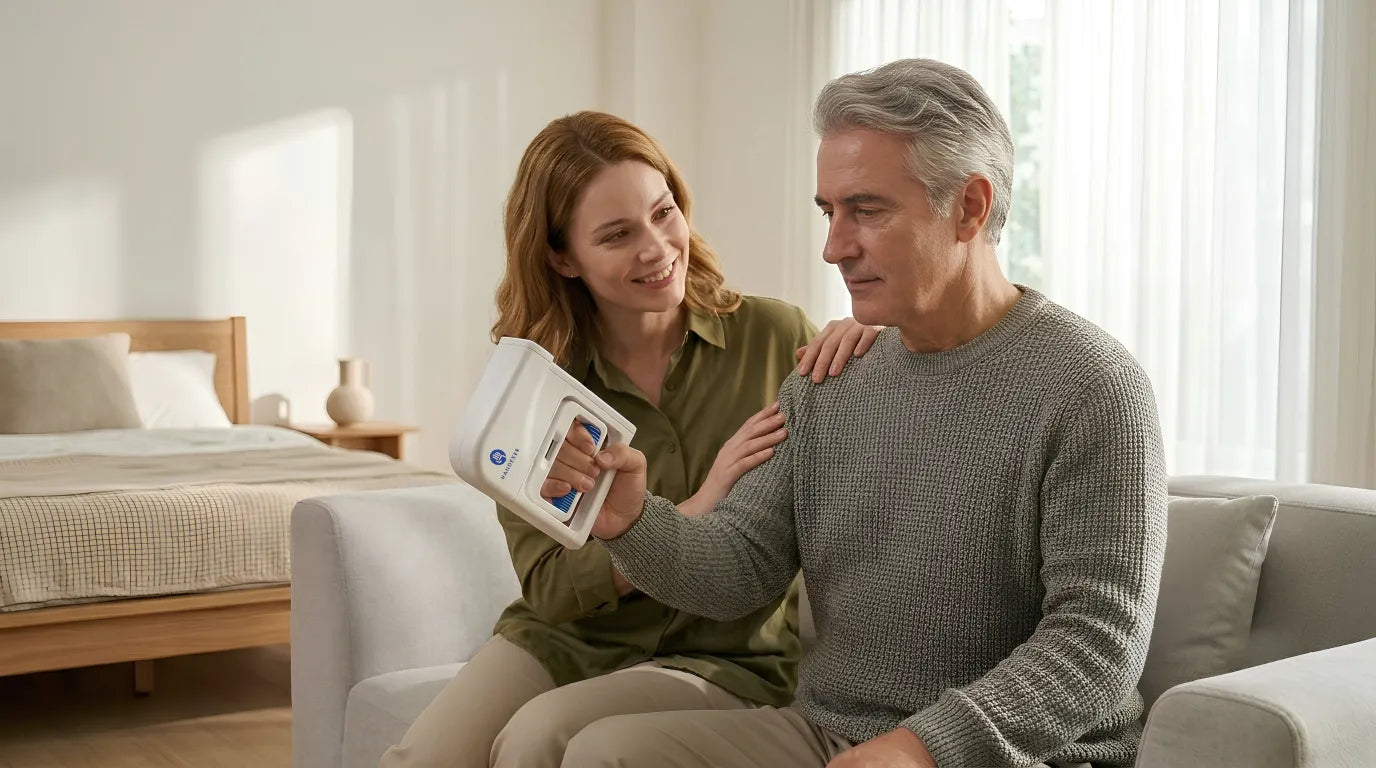
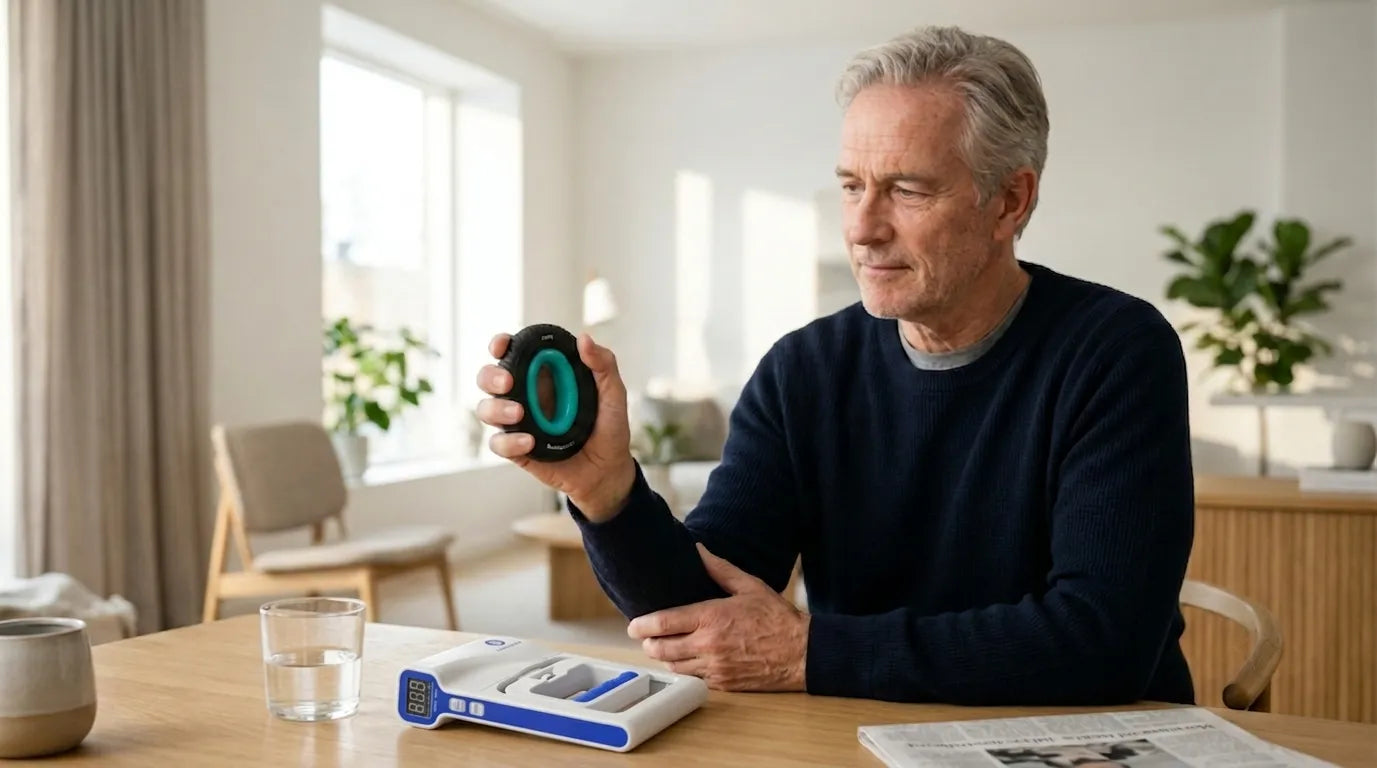
Help Your Father Regain Grip Strength in Just 5 Minutes a Day with Simple Hand Exercises
This article introduces a simple 5-minute daily hand exercise routine designed to help improve grip strength, finger flexibility, and overall hand function. It explains how grip strength naturally declines with age and provides easy at-home exercises and tools to support hand strength training, mobility, and independence. The routine is suitable for beginners and older adults and can be done without special equipment.
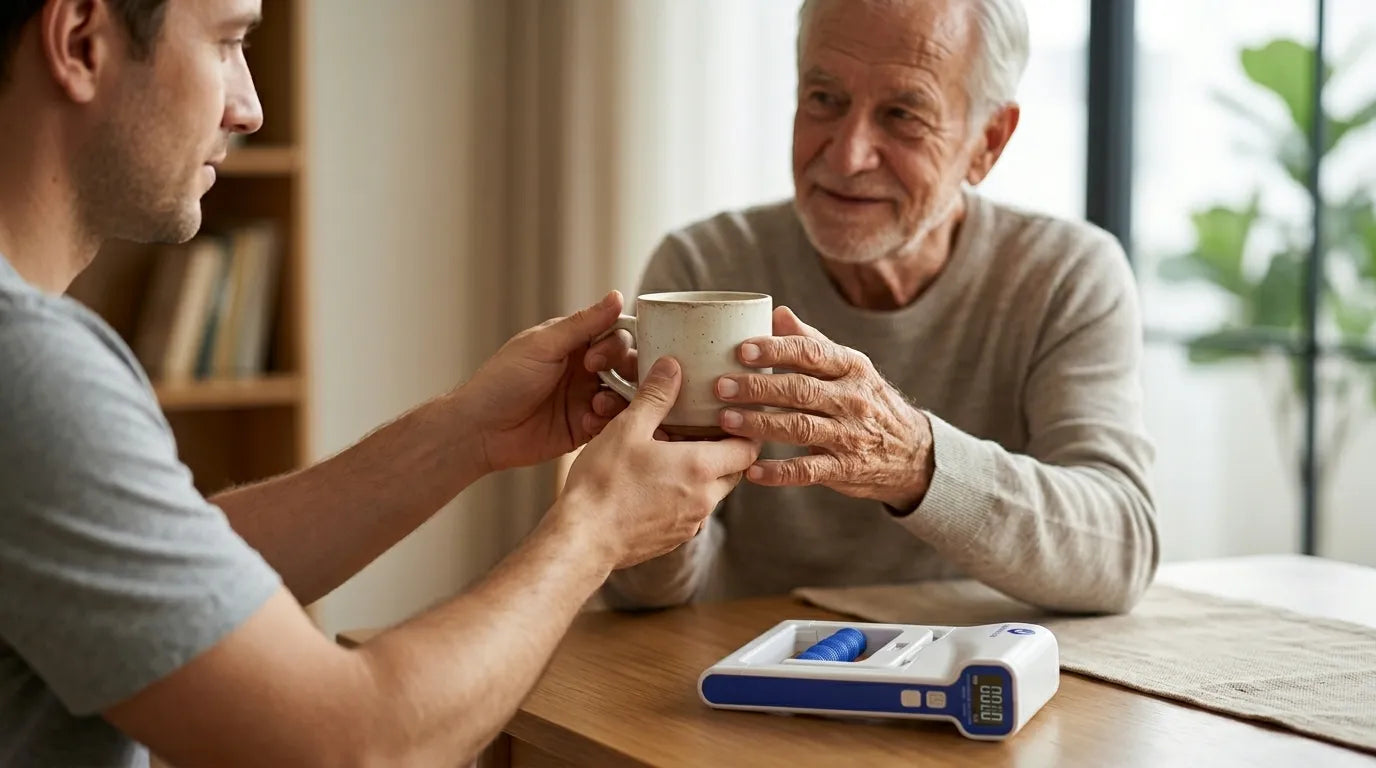
Is Your Father Losing Grip Strength? Early Signs of Aging Hands You Shouldn’t Ignore
Grip strength often declines gradually with age, especially in fathers and older adults, but the change is easy to overlook. This article explains why grip strength is an important indicator of overall hand function, what subtle declines may suggest, and how families can observe and support these changes at home. It also introduces simple ways to monitor and improve hand function through structured assessment, training, and recovery tracking for better long-term independence and health awareness.
Read moreabout Is Your Father Losing Grip Strength? Early Signs of Aging Hands You Shouldn’t Ignore
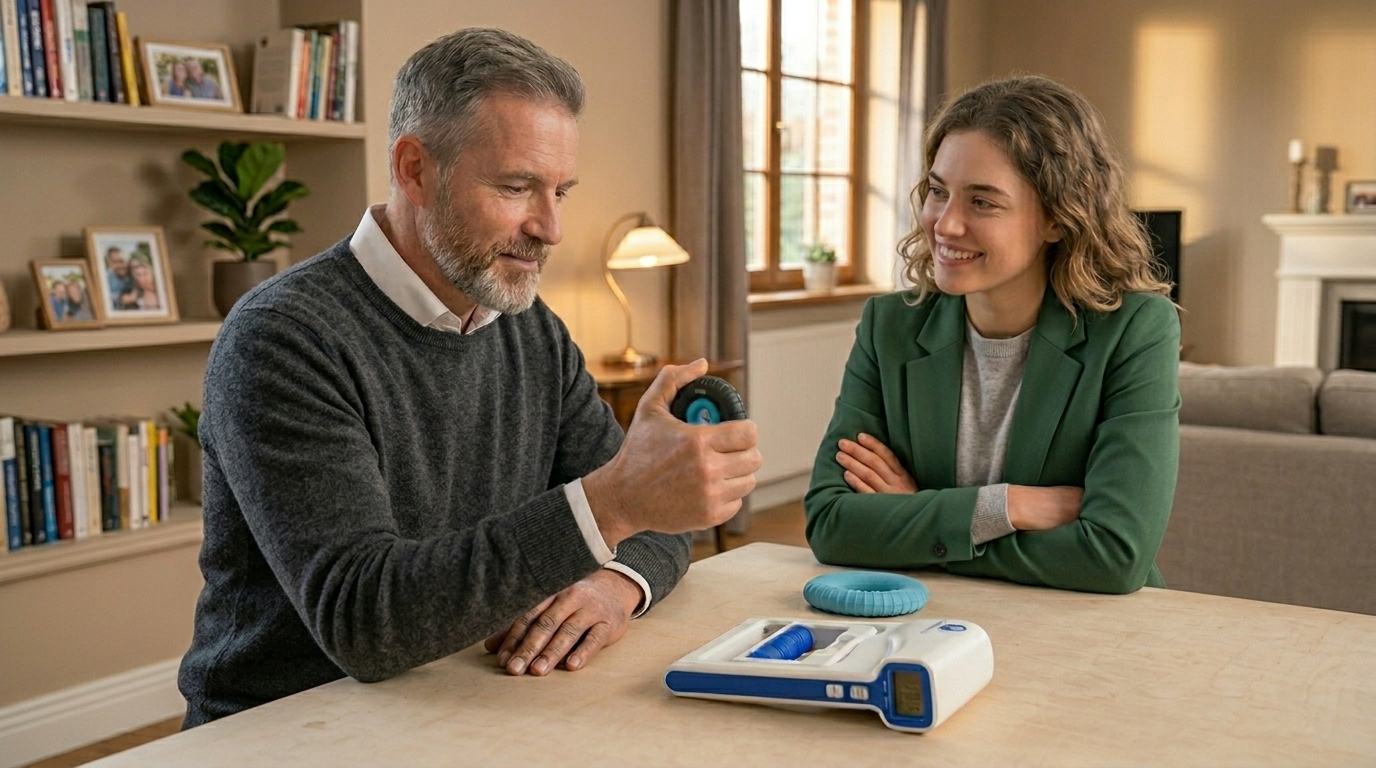
This Father’s Day Gift Idea: A Grip Strength Training System That Grows With Him
This Father’s Day story explores the idea of choosing a gift that lasts beyond the moment. Instead of a temporary item, the focus is on long-term hand health—supporting strength, recovery, and daily function. Aging hands naturally lose strength and flexibility, making structured assessment and training increasingly important. The Handexer introduces a more complete approach, combining measurement, purposeful training, recovery support, and progress tracking. It reframes gifting as an investment in ongoing hand function and independence.
Read moreabout This Father’s Day Gift Idea: A Grip Strength Training System That Grows With Him
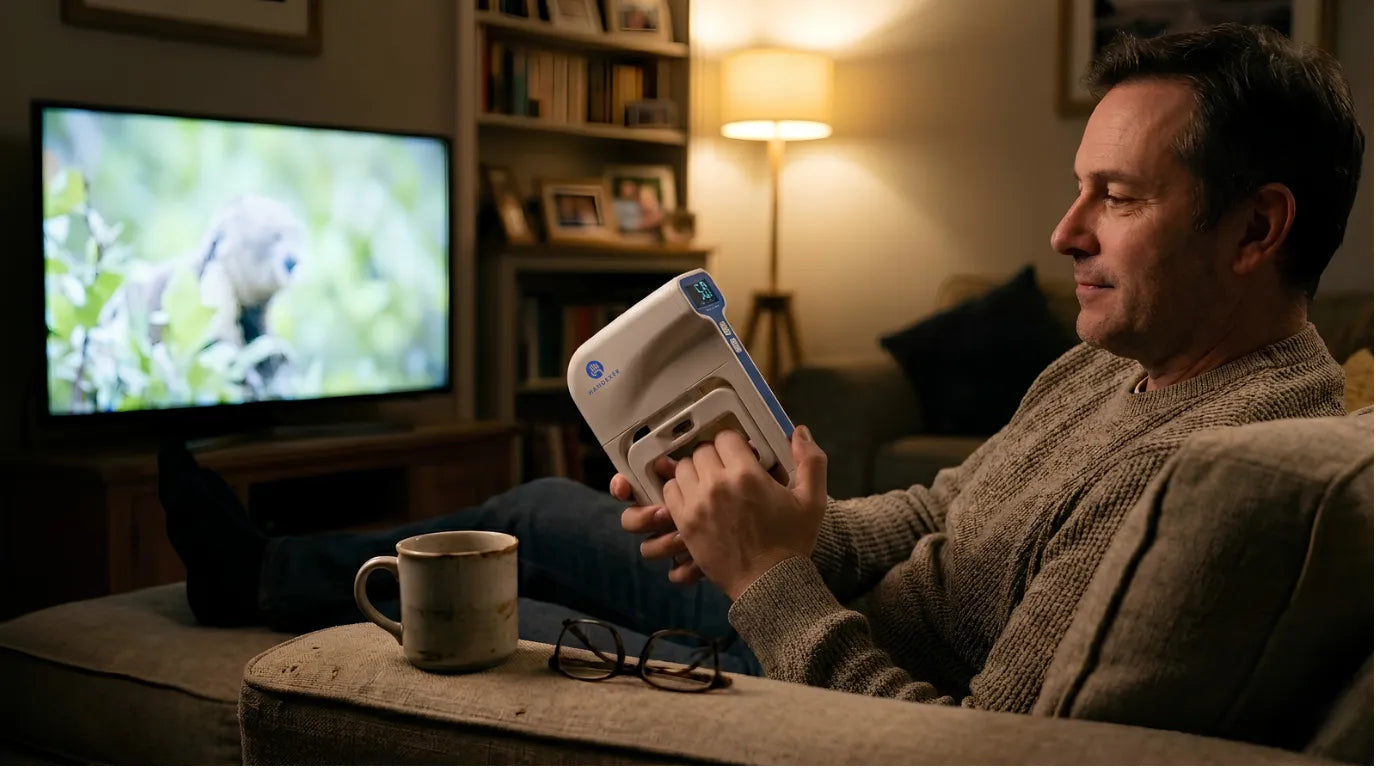
Father’s Day Gift Ideas for Active Dads: Why Grip Strength Matters More Than You Think
This article looks at the common struggle of finding the right Father’s Day gift and shifts the focus toward something more meaningful—everyday health and practicality. It highlights grip strength as a key but often overlooked part of healthy aging, then shares simple, useful gift ideas for active dads, especially hand grip strength trainers that are easy to use and fit naturally into daily life.

A Father’s Hands: From Strength to Sustained Well-being
Read moreabout A Father’s Hands: From Strength to Sustained Well-being
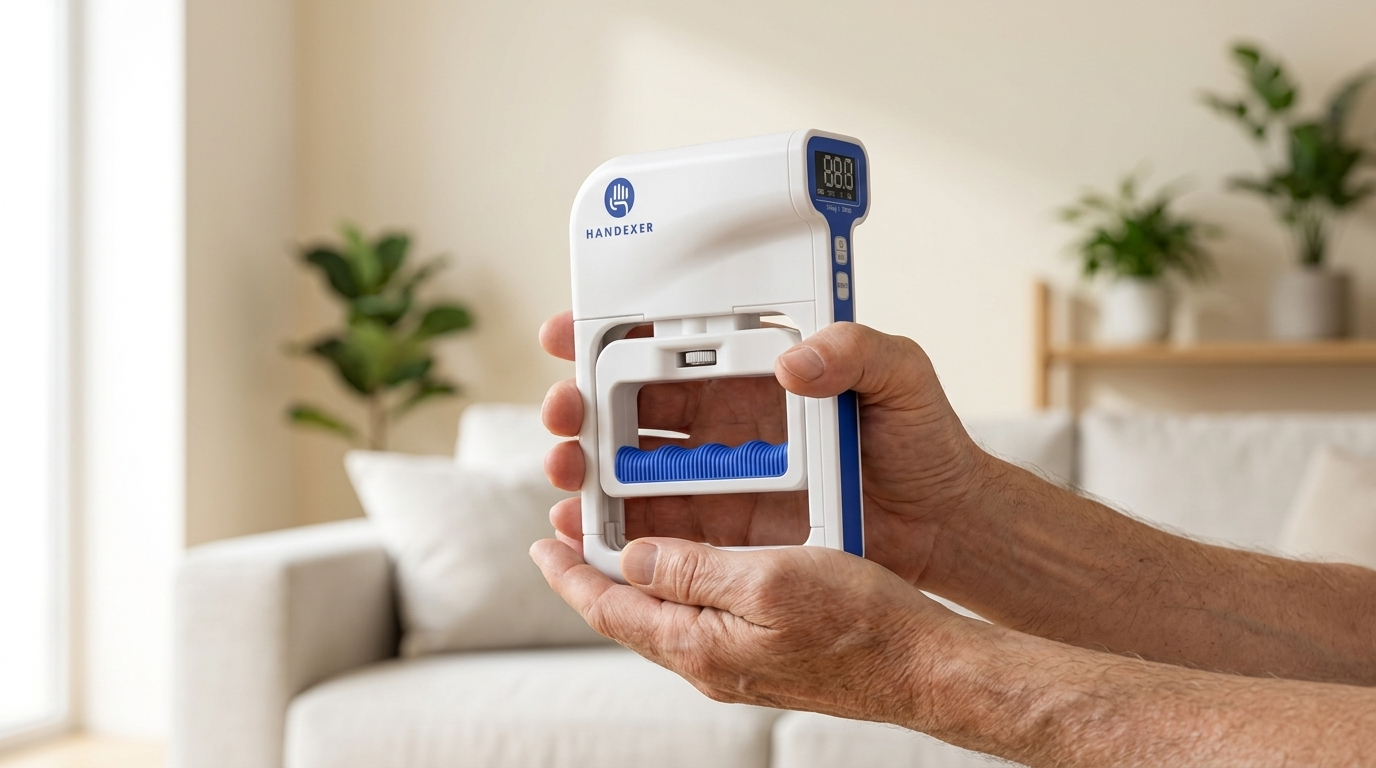
Breathing Exercises and Hand Grip Training for Blood Pressure Support (Simple 5-Min Routine)
This article looks at two simple, structured practices—light hand grip activation and slow breathing—that may support circulation and blood pressure balance. It highlights how they work through both physical and nervous system pathways, and emphasizes building consistency, tracking progress, and treating hand health as a system rather than isolated exercises.
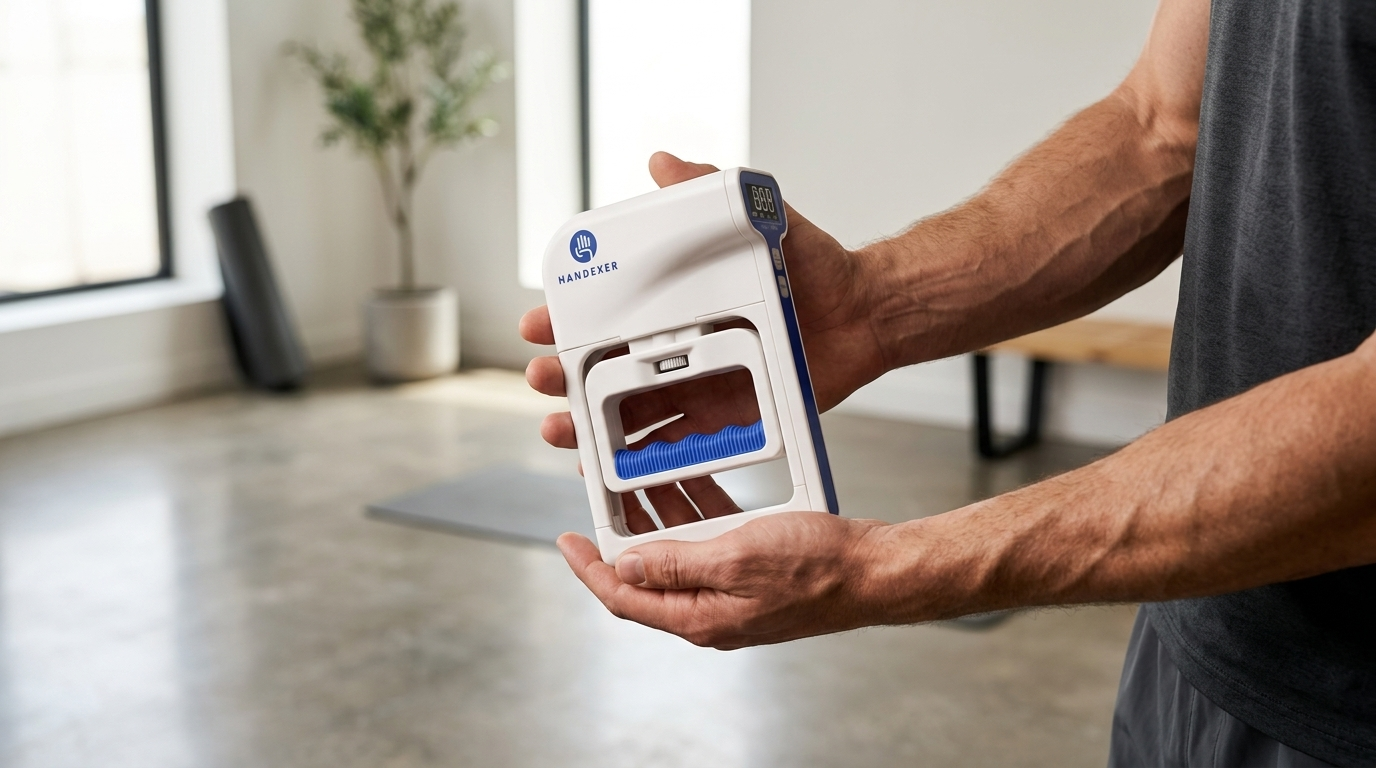
How to Train Climbing Grip Strength Without a Gym (And Still Progress on the Wall)
Limited gym access doesn’t have to mean a plateau in your progress. By shifting your focus from simple repetition to structured, measurable hand performance, you can build elite grip strength and endurance. This guide explains how to integrate assessment, targeted strength training, and recovery into an "off-the-wall" routine that keeps you ready for your next session.
Read moreabout How to Train Climbing Grip Strength Without a Gym (And Still Progress on the Wall)