
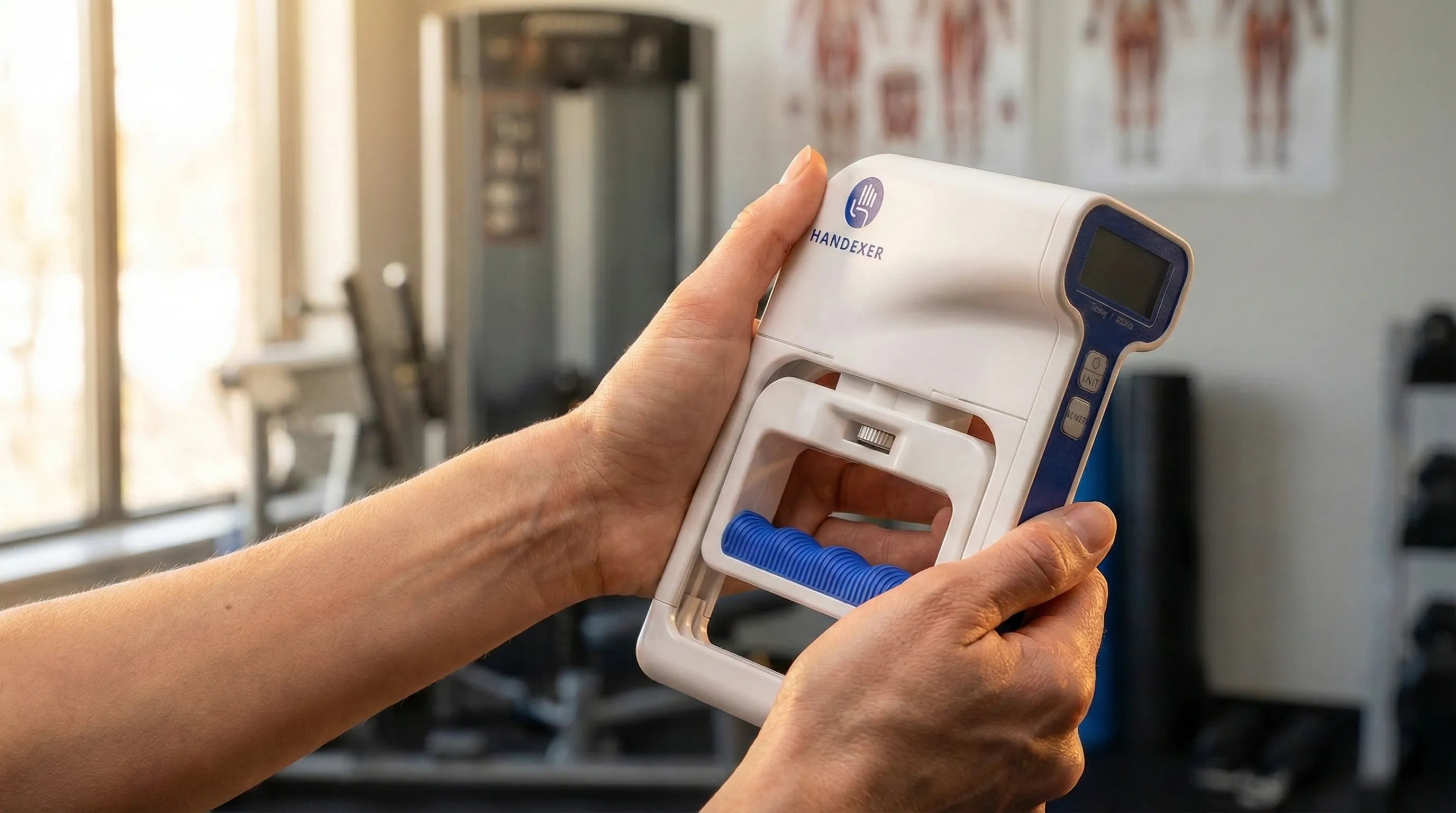
Looking to see where your hand strength stands? In 2026, preventative health and longevity science have increasingly highlighted grip strength as a vital biomarker—often referred to by health researchers as a "5th vital sign" alongside blood pressure and heart rate.
Whether you’re an athlete training for performance, managing "mouse-hand" fatigue from daily computer work, or proactively tracking your physical vitality as you age, measuring grip strength offers an immediate snapshot of your neuromuscular baseline.
For most healthy adults, peak grip strength typically ranges from 45–55 kg (99–121 lbs) for men and 27–35 kg (60–77 lbs) for women. Grip strength generally peaks in the 30s and begins a gradual decline after around age 40, with the rate of decline accelerating in later decades.
2026 Grip Strength Reference Charts & Percentiles (Kg & Lbs)
The normative values and percentile distributions below combines foundational clinical standards established by the American Society of Hand Therapists (ASHT) and NHANES health databases, reviewed and calibrated for 2026 home digital testing.
1. Male Grip Strength Percentile Distribution (Dominant Hand)
| Age Group | 10th Percentile (Low) | 50th Percentile (Median) | 90th Percentile (High) | Median Reference (KG / LBS) |
|---|---|---|---|---|
| 18–24 years | 35.0 kg (77 lbs) | 46.0 kg (101 lbs) | 58.0 kg (128 lbs) | 46 kg / 101 lbs |
| 25–29 years (Peak) | 38.0 kg (84 lbs) | 50.0 kg (110 lbs) | 62.5 kg (138 lbs) | 50 kg / 110 lbs |
| 30–39 years | 36.5 kg (80 lbs) | 48.0 kg (106 lbs) | 60.0 kg (132 lbs) | 48 kg / 106 lbs |
| 40–49 years | 33.0 kg (73 lbs) | 44.0 kg (97 lbs) | 55.0 kg (121 lbs) | 44 kg / 97 lbs |
| 50–59 years | 29.0 kg (64 lbs) | 39.0 kg (86 lbs) | 50.0 kg (110 lbs) | 39 kg / 86 lbs |
| 60–69 years | 24.5 kg (54 lbs) | 34.0 kg (75 lbs) | 44.0 kg (97 lbs) | 34 kg / 75 lbs |
| 70+ years | 19.5 kg (43 lbs) | 28.0 kg (62 lbs) | 36.0 kg (79 lbs) | 28 kg / 62 lbs |
- 50th Percentile: Represents the age-matched population median.
- Below 10th Percentile: Signals low muscle force; progressive forearm resistance exercises or lifestyle fitness adjustments are recommended to rebuild functional baseline.
- Above 90th Percentile: Superior neuromuscular strength! Common among climbers, lifters, and manual workers.
2. Female Grip Strength Percentile Distribution (Dominant Hand)
| Age Group | 10th Percentile (Low) | 50th Percentile (Median) | 90th Percentile (High) | Median Reference (KG / LBS) |
|---|---|---|---|---|
| 18–24 years | 20.0 kg (44 lbs) | 27.0 kg (60 lbs) | 34.5 kg (76 lbs) | 27 kg / 60 lbs |
| 25–29 years (Peak) | 22.0 kg (49 lbs) | 30.0 kg (66 lbs) | 38.0 kg (84 lbs) | 30 kg / 66 lbs |
| 30–39 years | 21.0 kg (46 lbs) | 28.0 kg (62 lbs) | 36.0 kg (79 lbs) | 28 kg / 62 lbs |
| 40–49 years | 19.0 kg (42 lbs) | 26.0 kg (57 lbs) | 33.5 kg (74 lbs) | 26 kg / 57 lbs |
| 50–59 years | 17.0 kg (37 lbs) | 23.0 kg (51 lbs) | 30.0 kg (66 lbs) | 23 kg / 51 lbs |
| 60–69 years | 16.5 kg (36 lbs) | 20.0 kg (44 lbs) | 26.5 kg (58 lbs) | 20 kg / 44 lbs |
| 70+ years | 12.0 kg (26 lbs) | 17.0 kg (37 lbs) | 22.5 kg (50 lbs) | 17 kg / 37 lbs |
- 50th Percentile: Represents the age-matched population median.
- Below 10th Percentile: Signals low muscle force; progressive forearm resistance exercises or lifestyle fitness adjustments are recommended to rebuild functional baseline.
- Above 90th Percentile: Superior neuromuscular strength! Common among climbers, lifters, and manual workers.
💡 What Should You Do Next?
Option 1: Instant Online Assessment — Want an exact breakdown of your score? Head over to our Handexer Free Online Grip Strength Calculator to input your numbers and get an instant percentile rating.
Option 2: Deep-Dive Health Guide — Want to know how grip strength connects to long-term vitality, heart health, and sarcopenia? Read our companion guide: What Your Grip Strength Score Actually Means for Your Health (2026 Guide).
Where Do These Numbers Come From? (And What Recent 2026 Studies Show)
When you look up health metrics online, it’s fair to ask: Are these numbers just made up?
Rather than relying on arbitrary estimates, the percentiles in this 2026 guide are benchmarked against comprehensive population testing standards, including the NIH Toolbox® Motor Domain Norms and digital strain-gauge testing metrics from the National Health and Nutrition Examination Survey (NHANES).
Furthermore, landmark prospective research from the UK Biobank study—which tracked over 500,000 adults—has established hand grip force as a far more sensitive indicator of long-term physical vitality and functional independence than traditional metrics like BMI. Clinical reviews from the Mayo Clinic Proceedings also confirm that tracking small shifts in digital grip force output over time allows individuals to catch subtle muscle performance changes early and take action through progressive resistance training.
4 Factors That Influence Your Home Readings
When tracking your hand strength at home, keep in mind that daily scores fluctuate naturally based on standard measurement variables:
- Dominant vs. Non-Dominant Hand: Your dominant hand is usually 5% to 10% stronger due to habitual daily recruitment. Therapists refer to this as the "10% Rule."
- Body Posture: Sitting or standing upright with your elbow bent at a clean 90-degree angle gives you the most repeatable, standardized reading.
- Daily Fatigue: Central nervous system (CNS) fatigue, sleep quality, and hydration levels can cause natural daily shifts of 2 to 4 kg.
- 2026 Digital Sensor Advantage: Traditional spring-based exercisers degrade in tension over time. Contemporary electronic strain-gauge dynamometers eliminate mechanical decay, delivering repeatable digital precision to monitor your personal baseline over time.
How to Measure Grip Strength Accurately at Home
Testing your grip strength only takes a minute. Here is the standardized method:
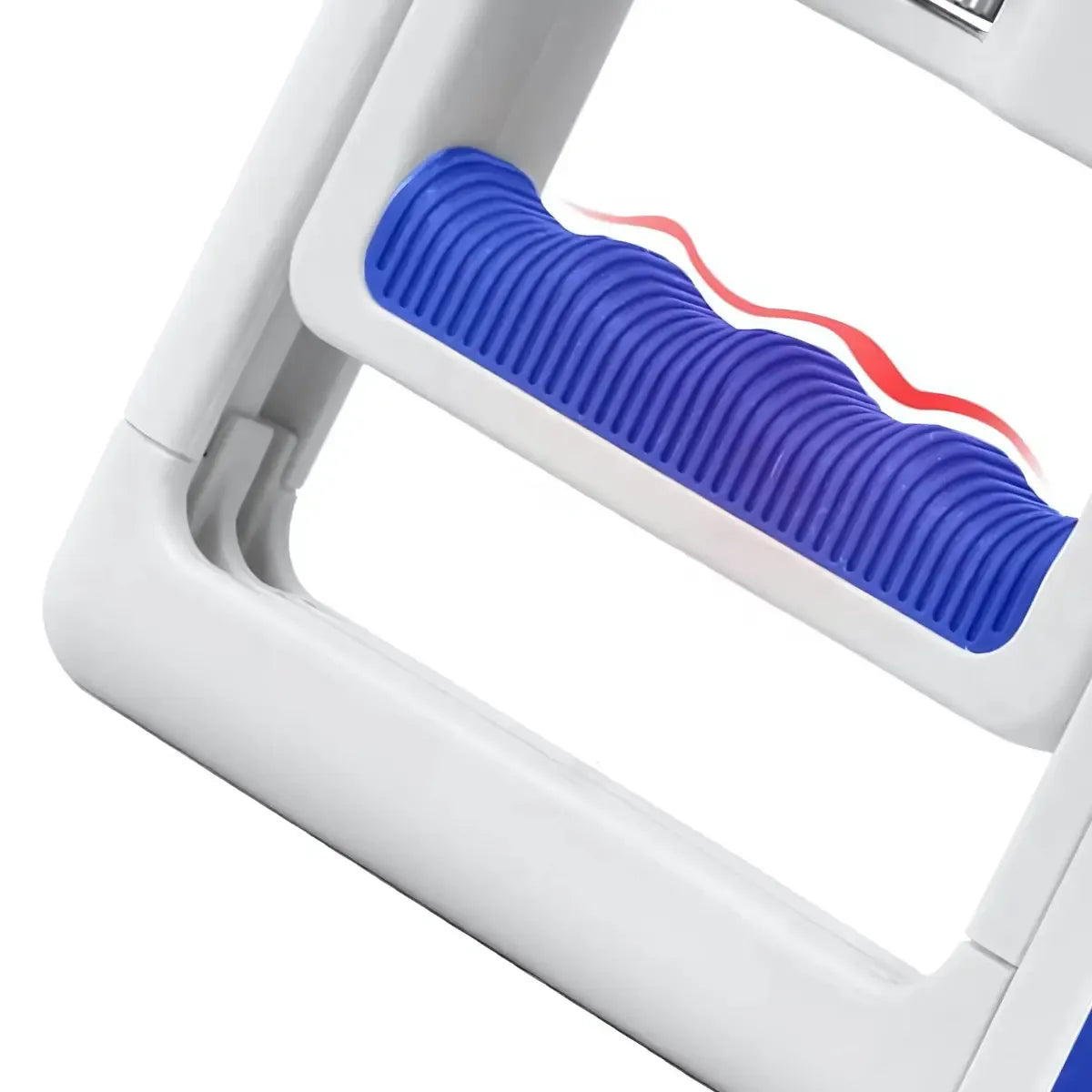
- Set the Handle: Adjust your digital dynamometer handle so the second joint of your fingers wraps comfortably around the grip bar.
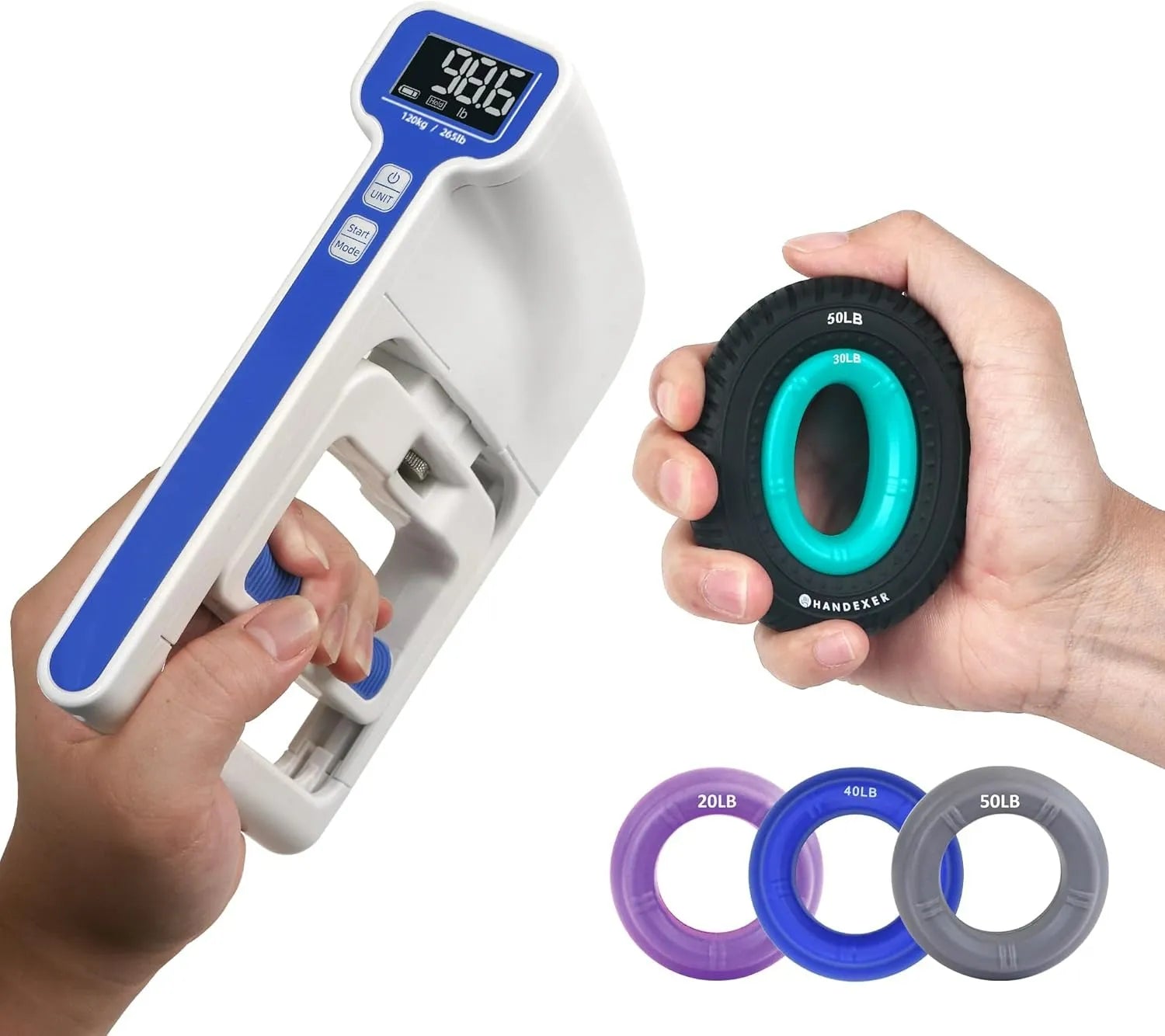
- Get in Position: Sit or stand up straight with your arm at your side, elbow flexed at a 90-degree angle, holding the device without touching your torso.
- Squeeze Hard: Exhale smoothly and squeeze as hard as you can for 3 to 5 seconds. Avoid swinging your body.
- Record the Peak: Perform 2 to 3 trials per hand with a 60-second rest in between. Take your maximum peak reading as your true score.
Track Your Progress with Handexer’s Digital Hub
Establishing a single baseline score is just the beginning. To turn grip strength into an actionable health metric, consistency and trend tracking are essential.
Here is how you can use Handexer’s Digital Ecosystem to monitor and build your hand strength:
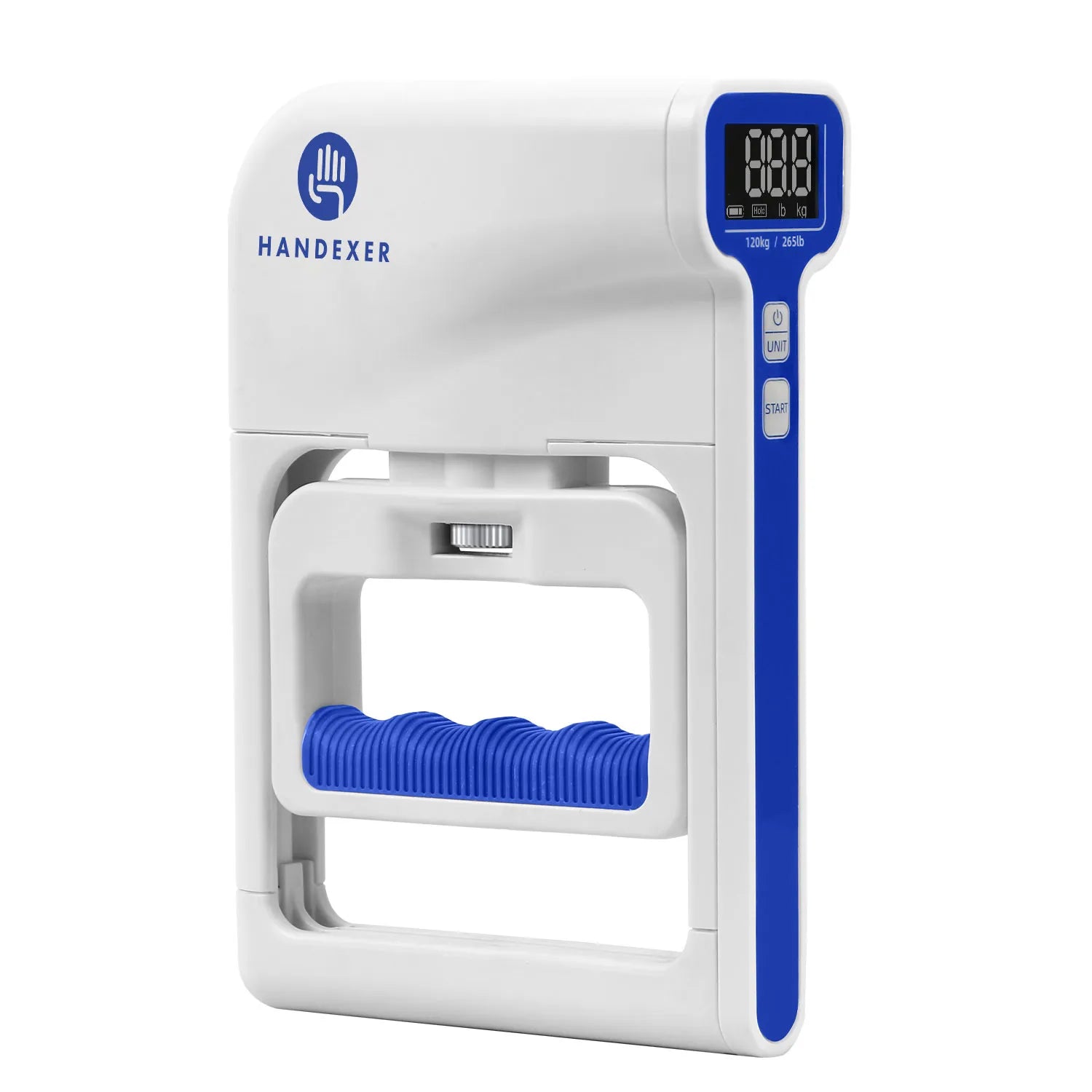
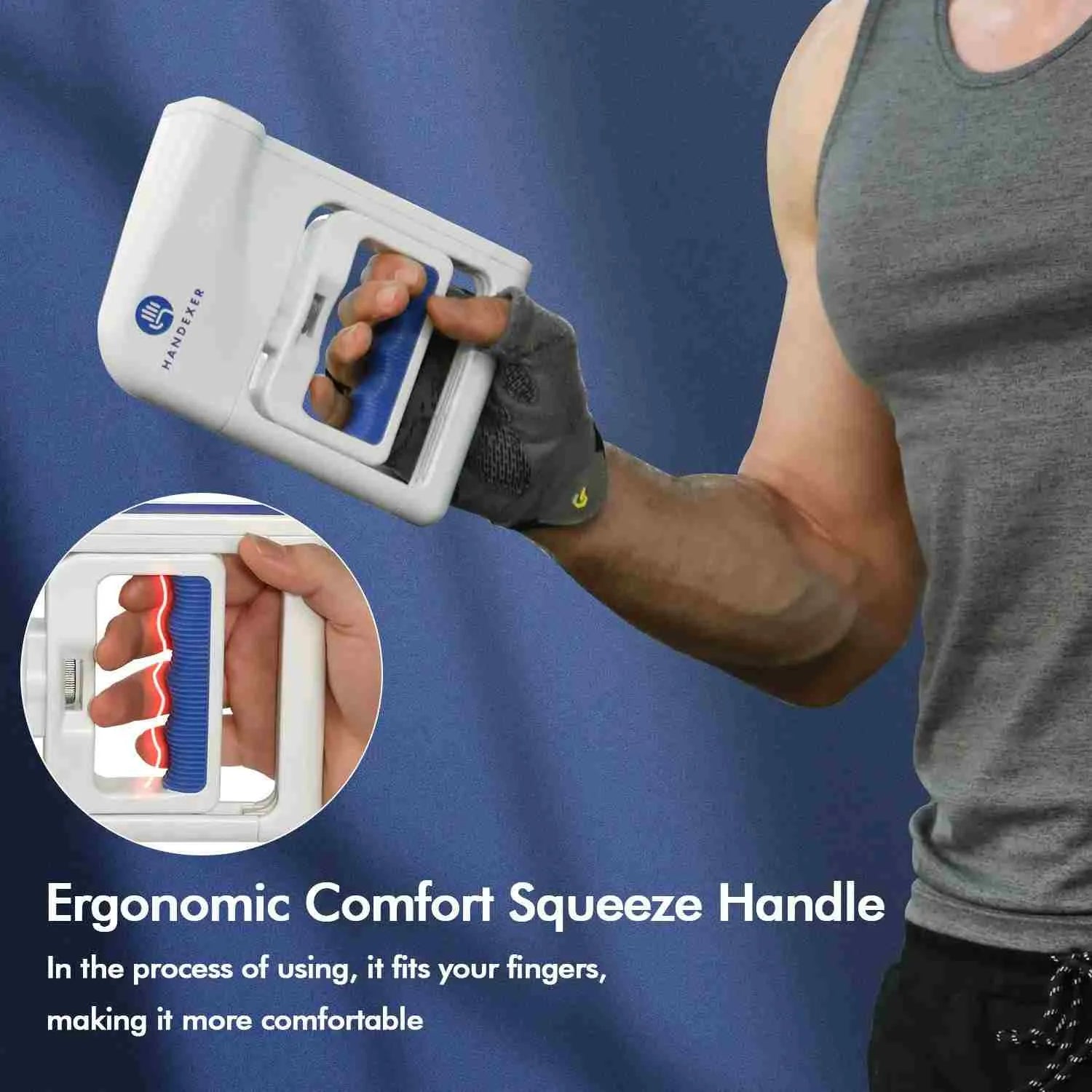
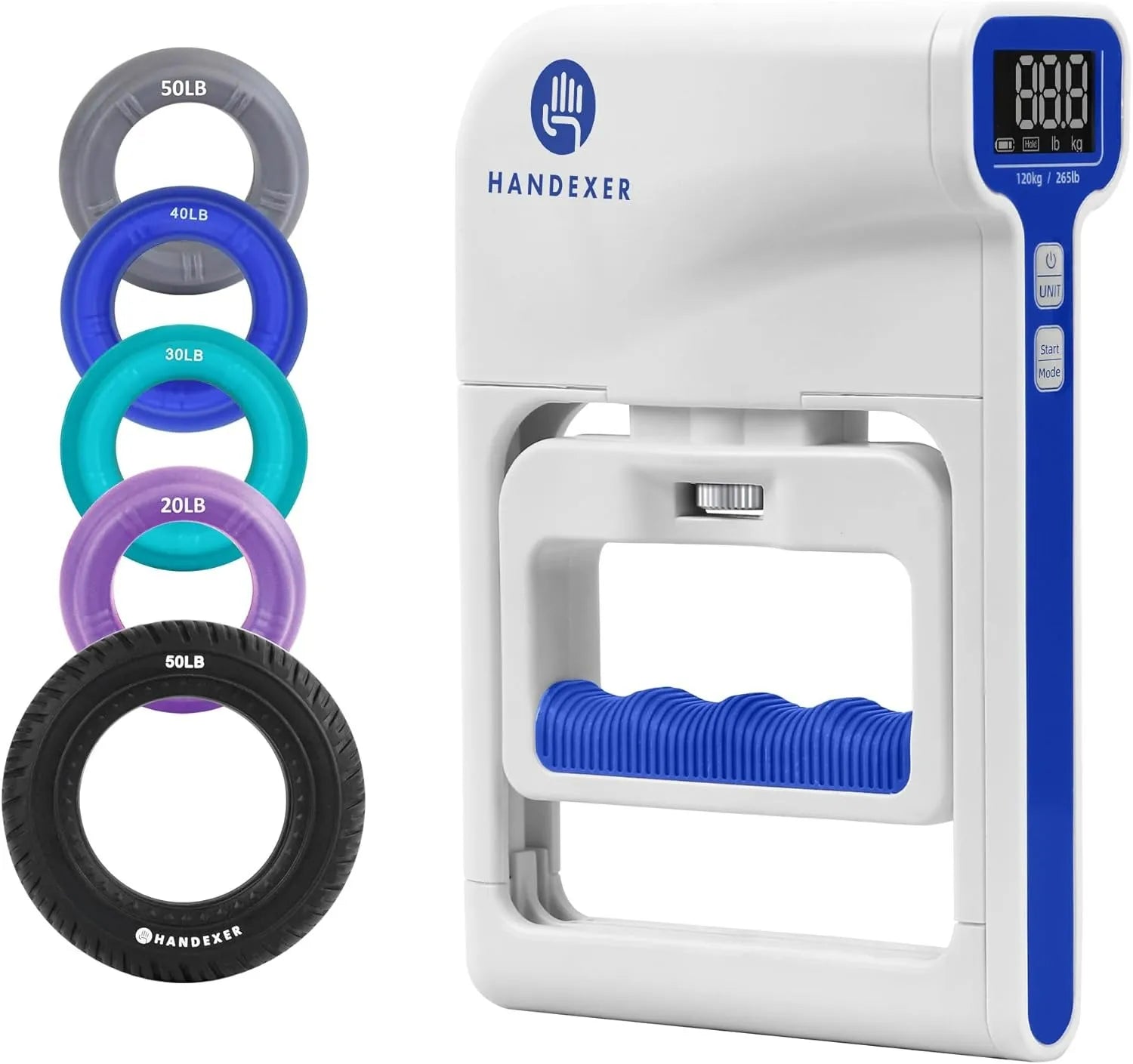
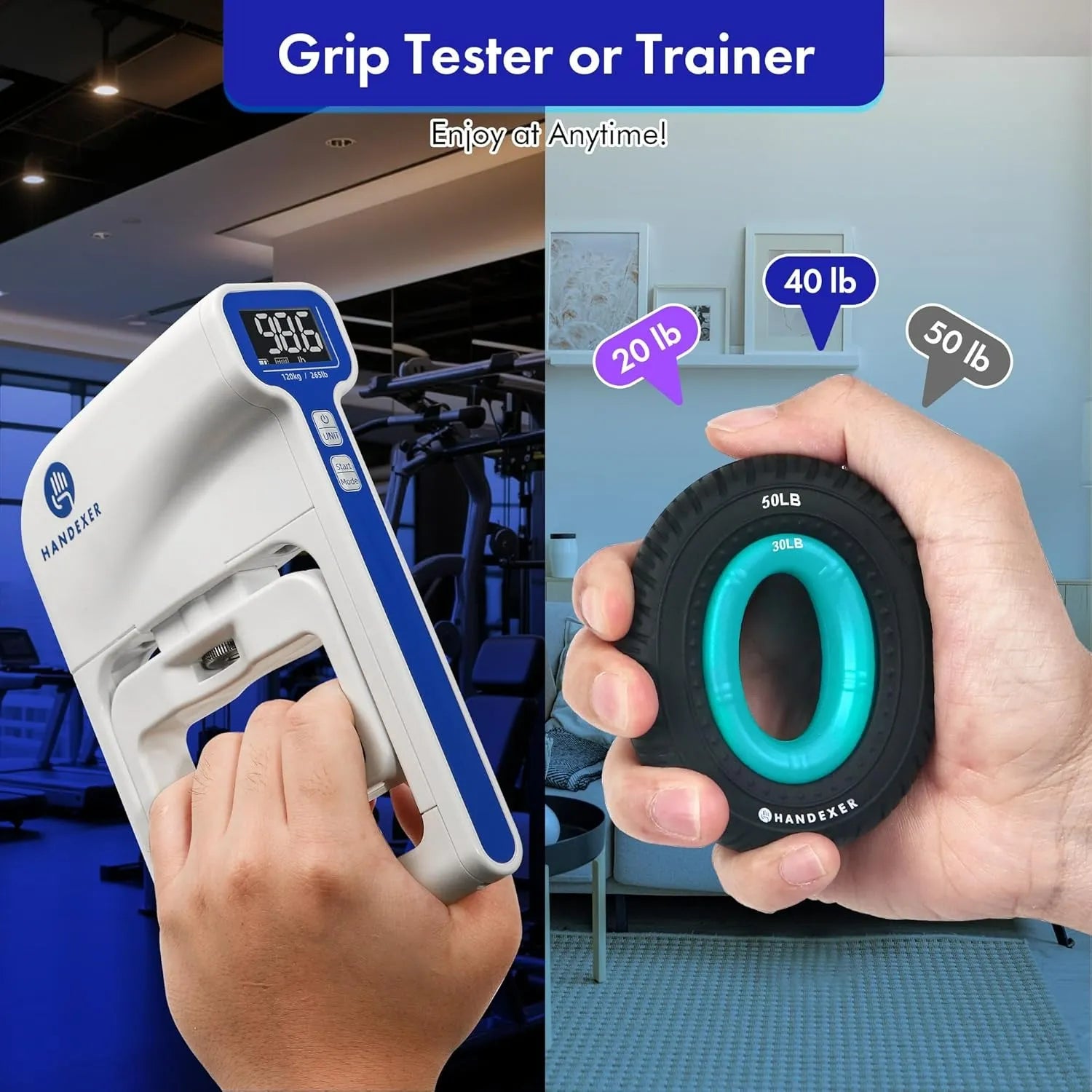
- Test & Record: Take your reading at home using a calibrated strain-gauge device like the Handexer Digital Dynamometer.
- Log on Our Online Assessment Page: Visit our Handexer Free Online Assessment & Progress Tracking Page to save your scores over time. The online tool automatically generates your instant evaluation and tracking profile.
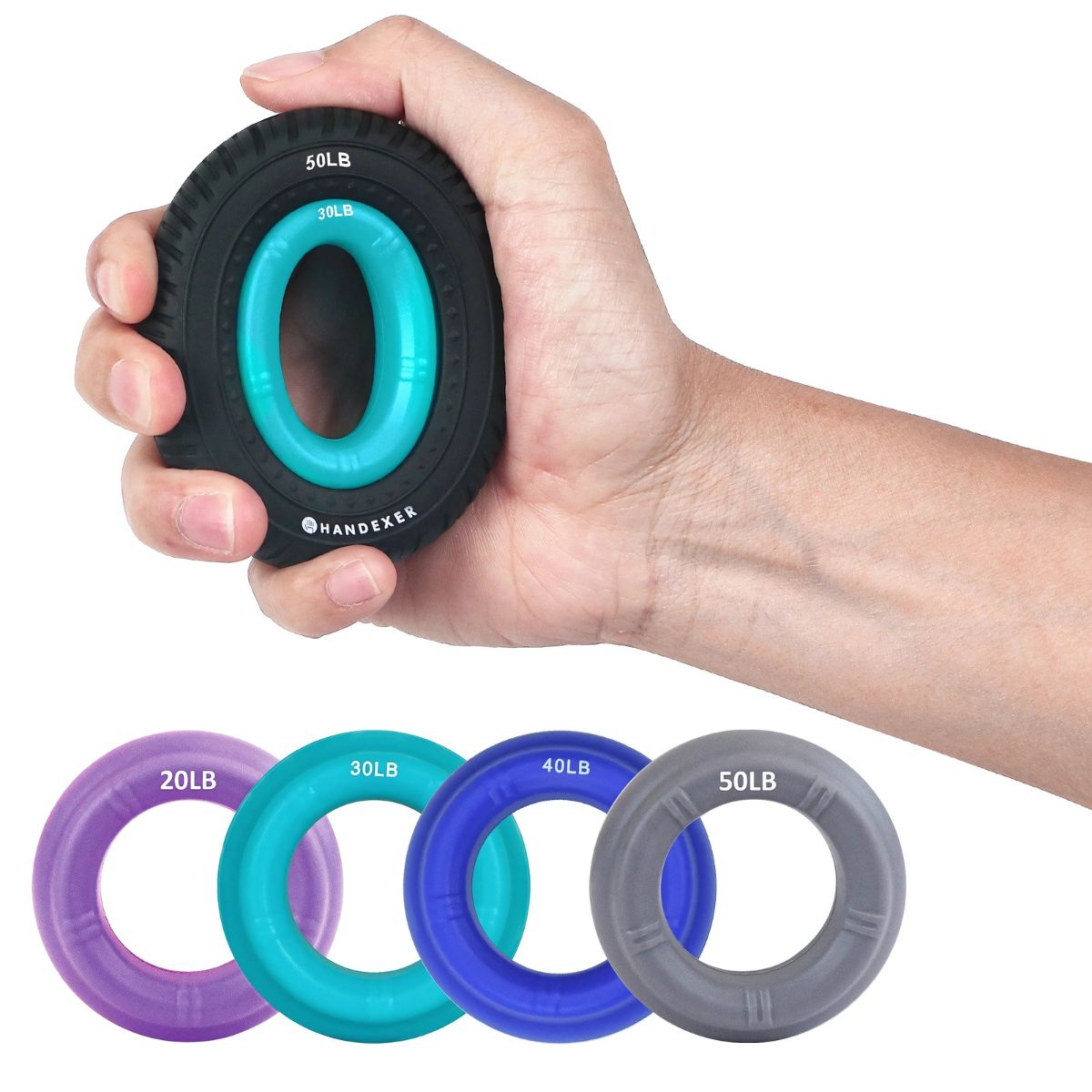
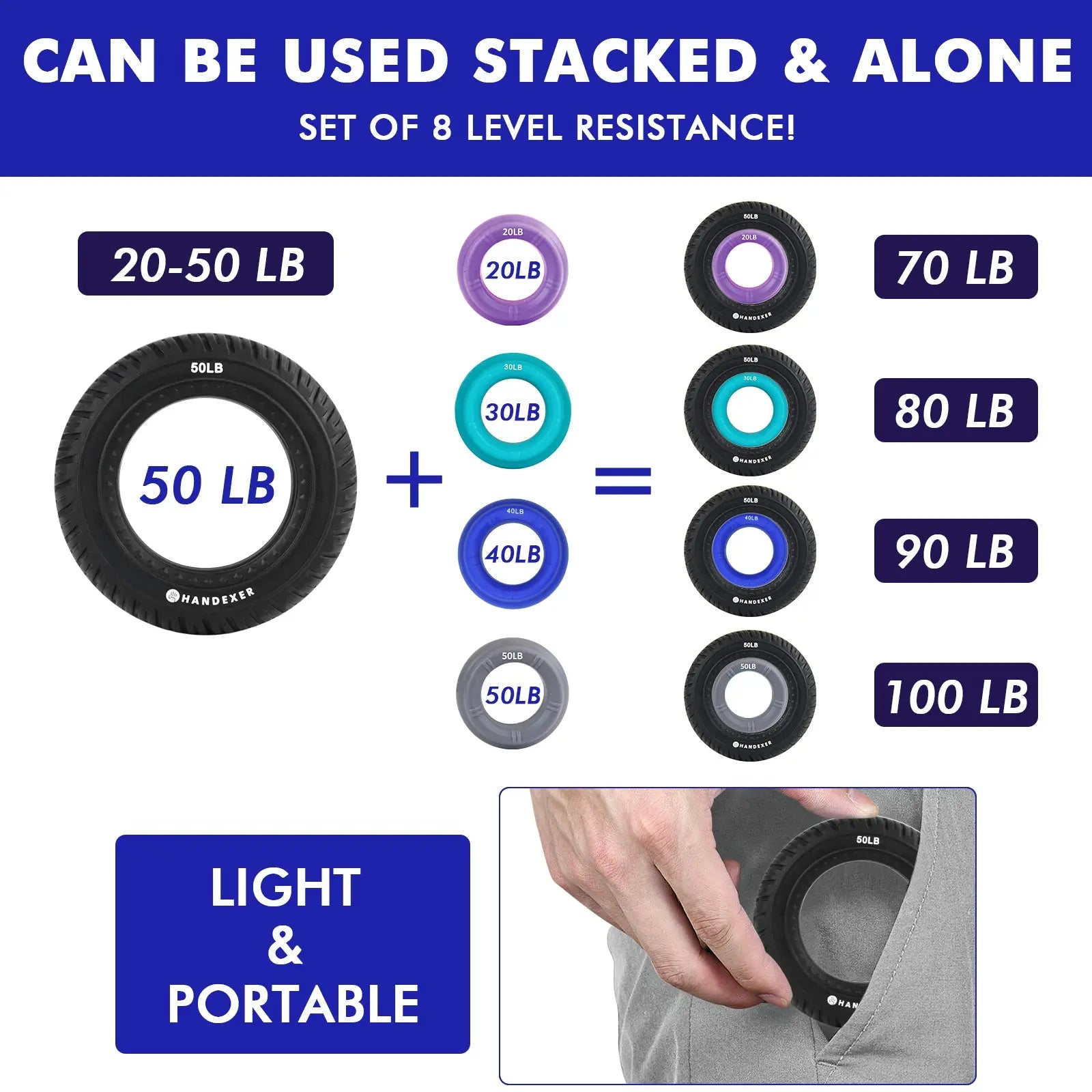
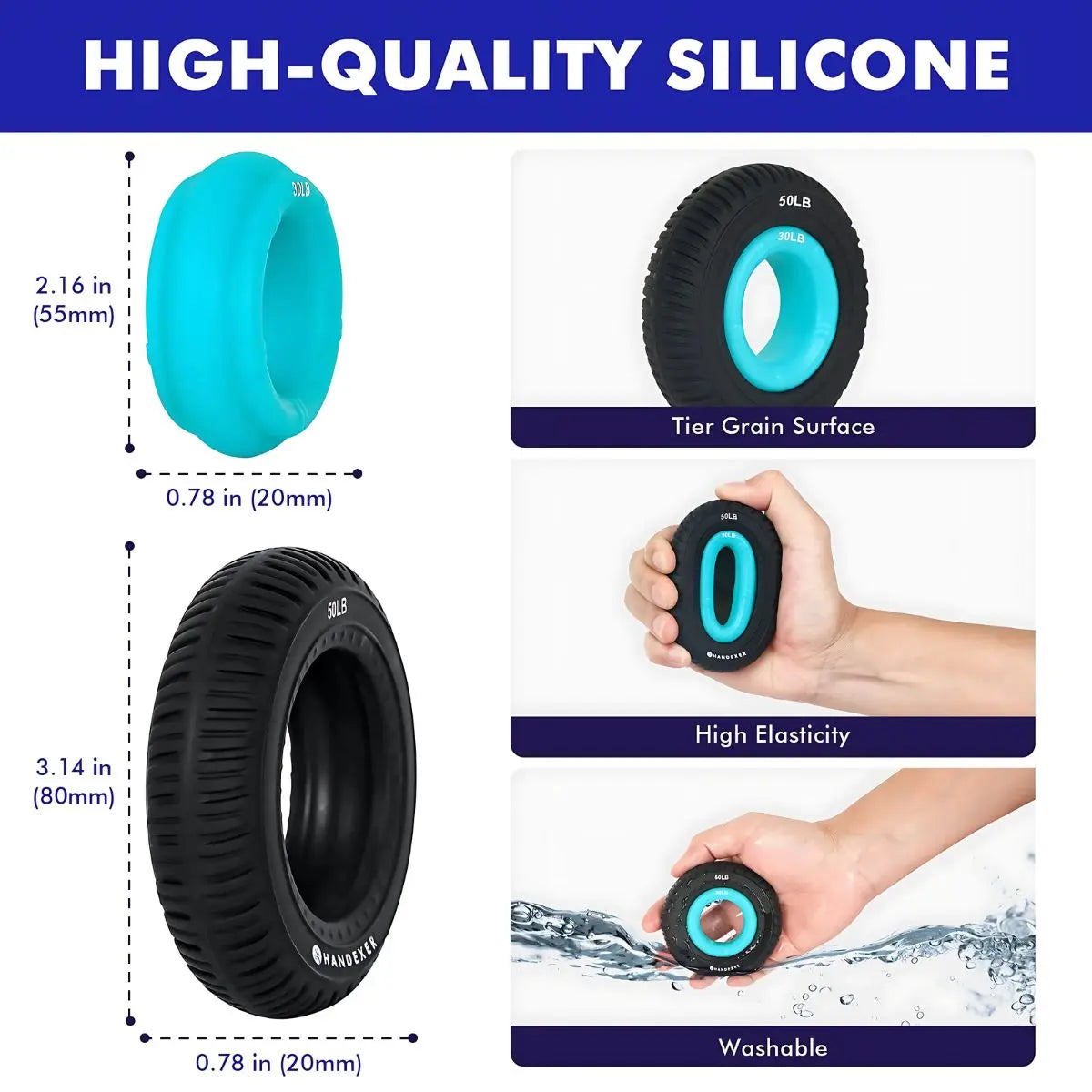
- Take Action: If your score lands in a lower percentile, use targeted forearm exercises, isometric squeezes, and Handexer Resistance Rings to systematically build strength back up over a 6 to 8 week block.
🛠️ The Complete Handexer Tracking & Training System
Pair real-time digital hardware with our free online evaluation portal:
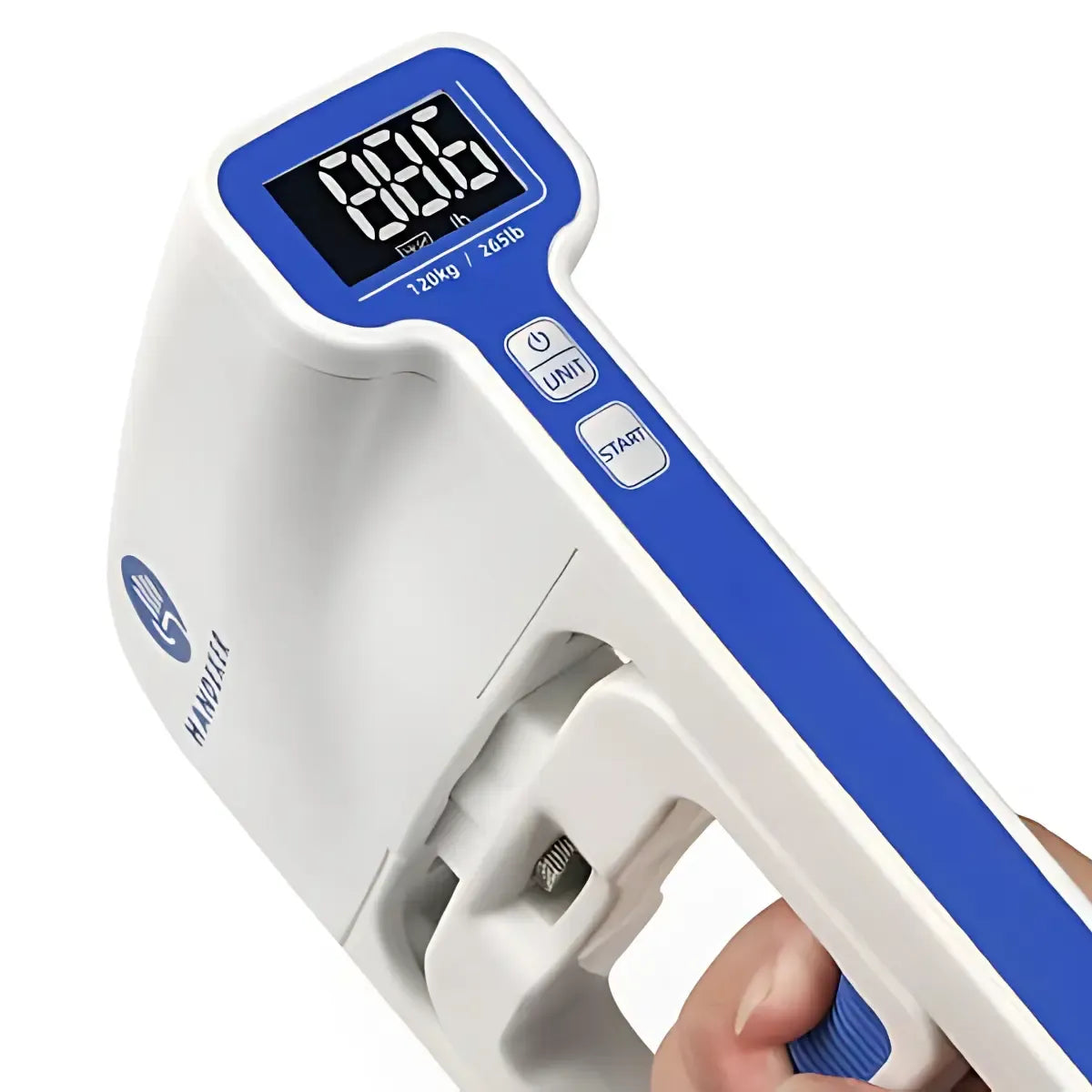
- Hardware Precision: The Handexer Digital Dynamometer delivers instant electronic readings (kg or lbs) with high-capacity strain gauges and built-in user memory profiles.
- Online Software Tracking: Log into our Online Assessment Hub to view interactive charts, track historical trends, and get personalized percentile reports.
- Targeted Training: Ready to improve your percentile? Pair your testing routine with Handexer Resistance Rings for continuous strength gains.
Frequently Asked Questions (FAQ)
Q1: What is considered a low grip strength score in 2026?
Global health guidelines generally define low muscle force thresholds at under 27 kg (59.5 lbs) for men and under 16 kg (35.3 lbs) for women. Falling below these markers indicates low muscle performance and warrants targeted forearm resistance training.
Q2: Is my dominant hand always stronger?
In most cases, yes! The dominant hand is typically 5% to 10% stronger due to daily neuromuscular recruitment and habitual usage patterns.
Q3: How often should I test and log my grip strength?
For general physical health tracking, testing and logging your score on our Online Tracking Page once every 2–4 weeks is sufficient. If you are actively doing forearm strength or grip training, weekly testing offers great objective feedback and motivation.
Q4: Why is a digital dynamometer superior to a traditional spring squeezer?
Traditional spring grippers only measure mechanical spring resistance, which changes over time as springs fatigue. Modern digital strain-gauge dynamometers measure actual force output across electronic load cells, allowing you to accurately track micro-improvements (even +0.5 kg) over time.
Disclaimer: This guide and online tool are for general fitness tracking and educational purposes only, not for medical diagnosis or clinical treatment. Always consult a healthcare professional for specific medical concerns.






Share:
Keep Your Hands Strong: Simple Exercises for Aging Gracefully
How to Improve Grip Strength at Home (Science-Backed Guide)