

Your grip strength can tell you more than how firmly you can hold an object. Research has linked handgrip strength to physical function, long-term health outcomes, and certain biological aging markers.
But what does that actually mean? Can a simple handgrip test reveal how quickly your body is aging?
1 Biological Age vs. Chronological Age: What's the Difference?
Chronological age is simple: it is the number of years you have lived.
Biological age, however, is more complex. It reflects how well your body is functioning and the extent of age-related changes across different biological systems.
Two people with the same chronological age can have very different levels of muscle strength, cardiovascular fitness, metabolic health, and physical function.
To understand these differences, scientists use several approaches, including epigenetic clocks. As we age, patterns of DNA methylation—chemical modifications that help regulate gene activity—change over time. Researchers analyze these patterns using algorithms to estimate biological age or assess aspects of the aging process.
A comprehensive epigenetic assessment typically requires specialized laboratory testing, which can be expensive. Interestingly, research suggests that a much simpler physical measure—isometric handgrip strength—is also associated with certain epigenetic markers linked to aging.
2 What Research Says About Grip Strength and Biological Aging
A notable study led by researchers including Mark Peterson at the University of Michigan, published in the Journal of Cachexia, Sarcopenia and Muscle in 2023, examined the relationship between grip strength and DNA methylation-based aging markers.
The research analyzed data from the Health and Retirement Study (HRS), following middle-aged and older adults over an 8-to-10-year period. Researchers examined normalized grip strength (grip force relative to body weight) alongside three DNA methylation aging measures: DunedinPoAm, PhenoAge, and GrimAge.
The study reported several important findings:
The takeaway is straightforward: a declining grip isn't just an annoying part of getting older. It can reflect changes in broader physiological health and physical reserves beneath the surface.
3 Why Is Grip Strength Linked to Overall Health?
It sounds counterintuitive at first. Why look at a hand squeeze instead of a heavy gym squat or an all-out treadmill test? Because squeezing a handle is far more than a forearm exercise. Grip strength reflects the combined performance of your muscles, nervous system, and physical conditioning.
• Neuromuscular Function
Your brain sends signals through the nervous system to activate the muscles responsible for gripping. Producing force requires coordination between the brain, spinal cord, peripheral nerves, and muscles. Grip strength therefore provides a practical measure of one aspect of neuromuscular function.
• Muscle Health and Physical Function
Grip strength is closely associated with broader muscle strength and physical performance. People with lower grip strength are more likely to experience difficulties with everyday activities, such as carrying groceries, opening containers, or getting up from a chair. Although it does not directly measure total-body muscle mass, grip strength can offer useful information about overall muscular function.
• Metabolic and Long-Term Health
Skeletal muscle plays an important role in glucose regulation and metabolic health. Research has also found associations between grip strength and long-term health outcomes, including mortality and cardiovascular risk. The large PURE study, published in The Lancet in 2015, demonstrated the prognostic value of grip strength across diverse populations.

4 Clinical Grip Strength Benchmarks: What Do the Numbers Mean?
How strong should your grip actually be?
The European Working Group on Sarcopenia in Older People 2 (EWGSOP2) provides widely recognized thresholds for identifying low muscle strength in clinical assessments.
These thresholds are used in sarcopenia screening and assessment. They are not universal definitions of normal grip strength or ideal performance. Actual grip strength varies with age, body size, physical activity, and other individual factors.
If your readings consistently fall below these thresholds, don't panic. Treat them as a useful signal to pay more attention to muscle health, resistance training, nutrition, and recovery.
5 How to Measure and Track Your Grip Strength at Home
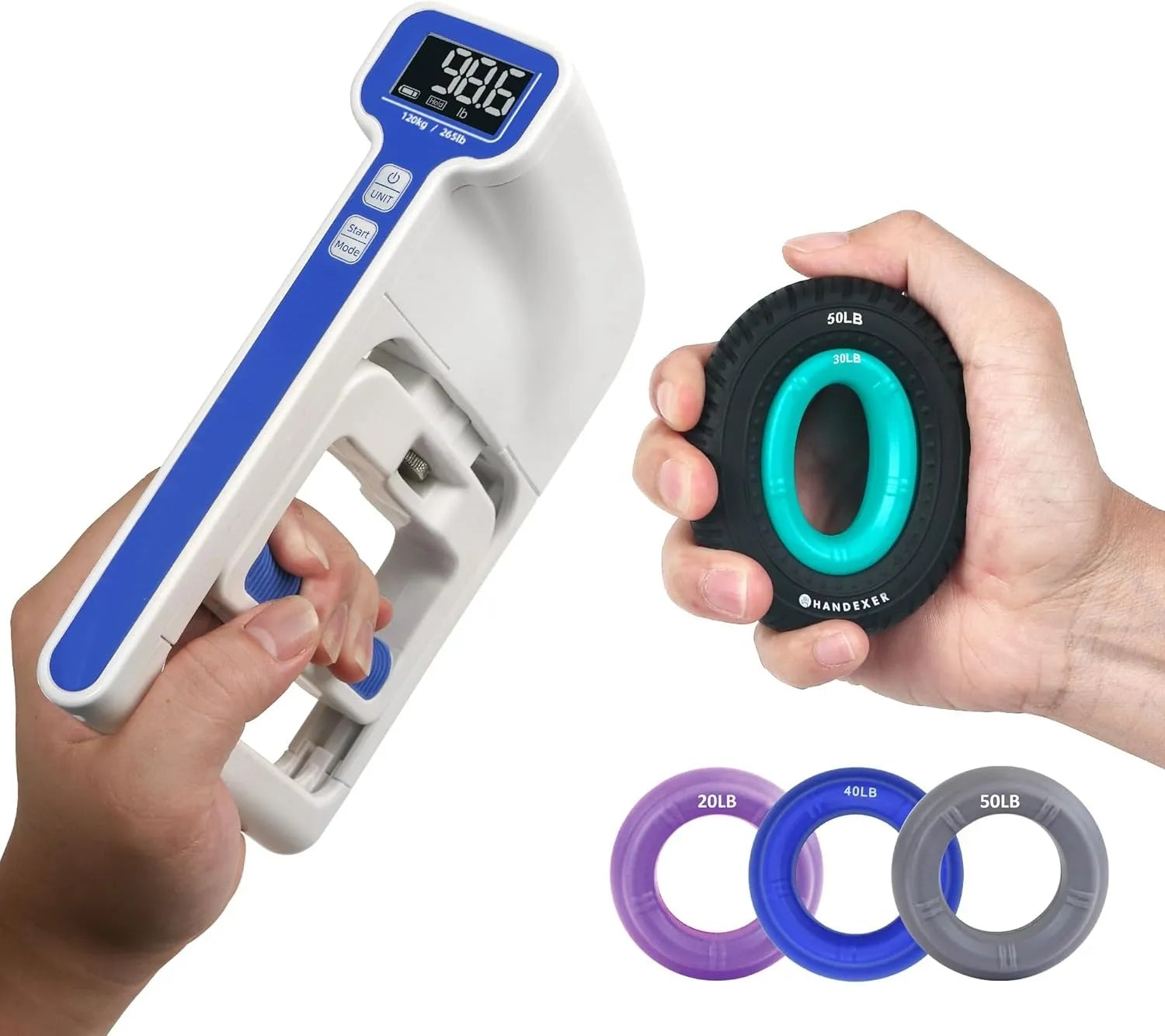
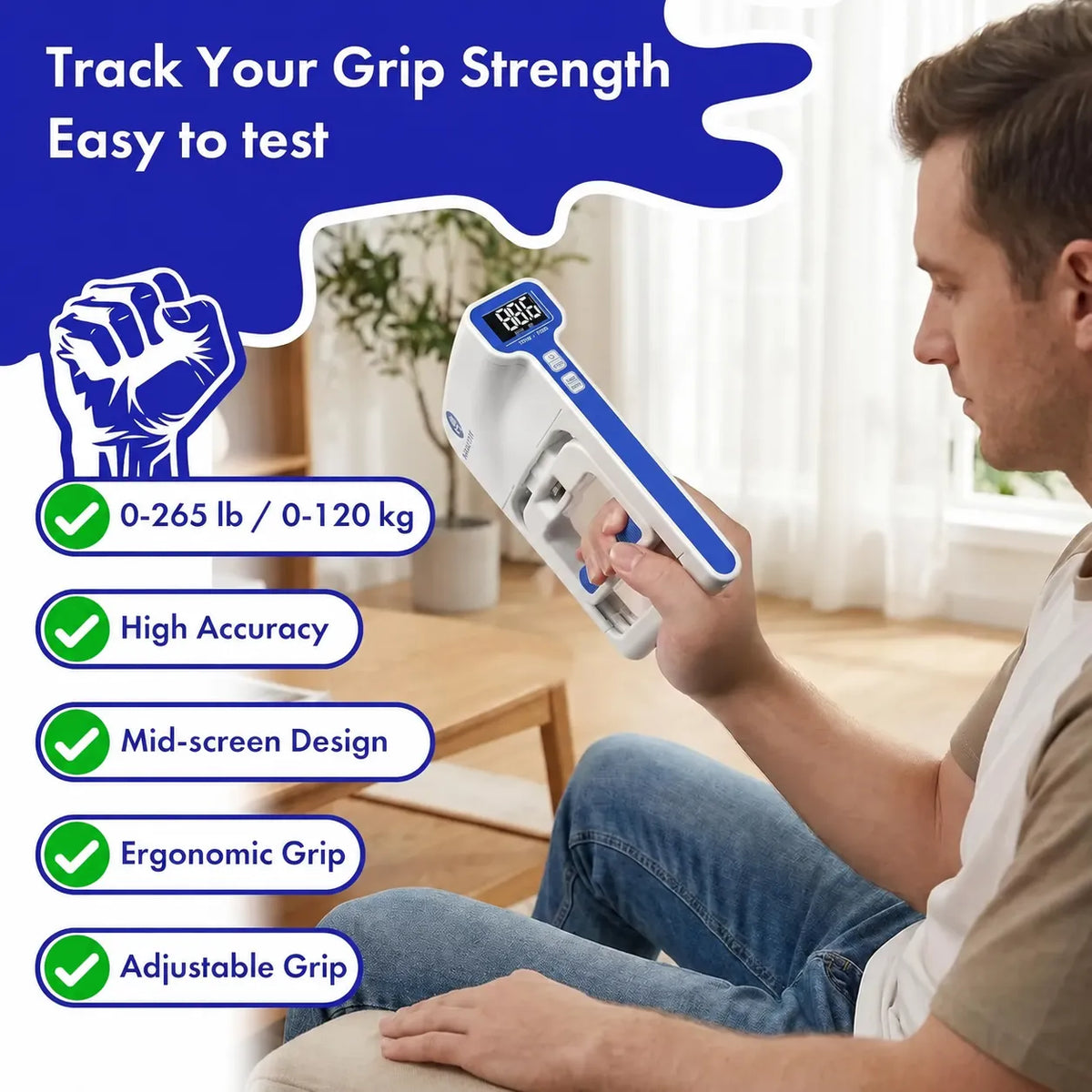
One of the most practical advantages of grip strength is that it can be measured without complicated equipment or laboratory testing. A hand dynamometer measures the force produced when you squeeze its handle. With consistent testing conditions, you can establish a baseline and monitor changes over time.
How to Get a Consistent Reading
Use an armless chair, keep your feet flat on the floor, and relax your shoulders.
Bend your elbow to approximately 90 degrees and keep your wrist in a neutral position.Avoid bracing your arm or the tester against your body.
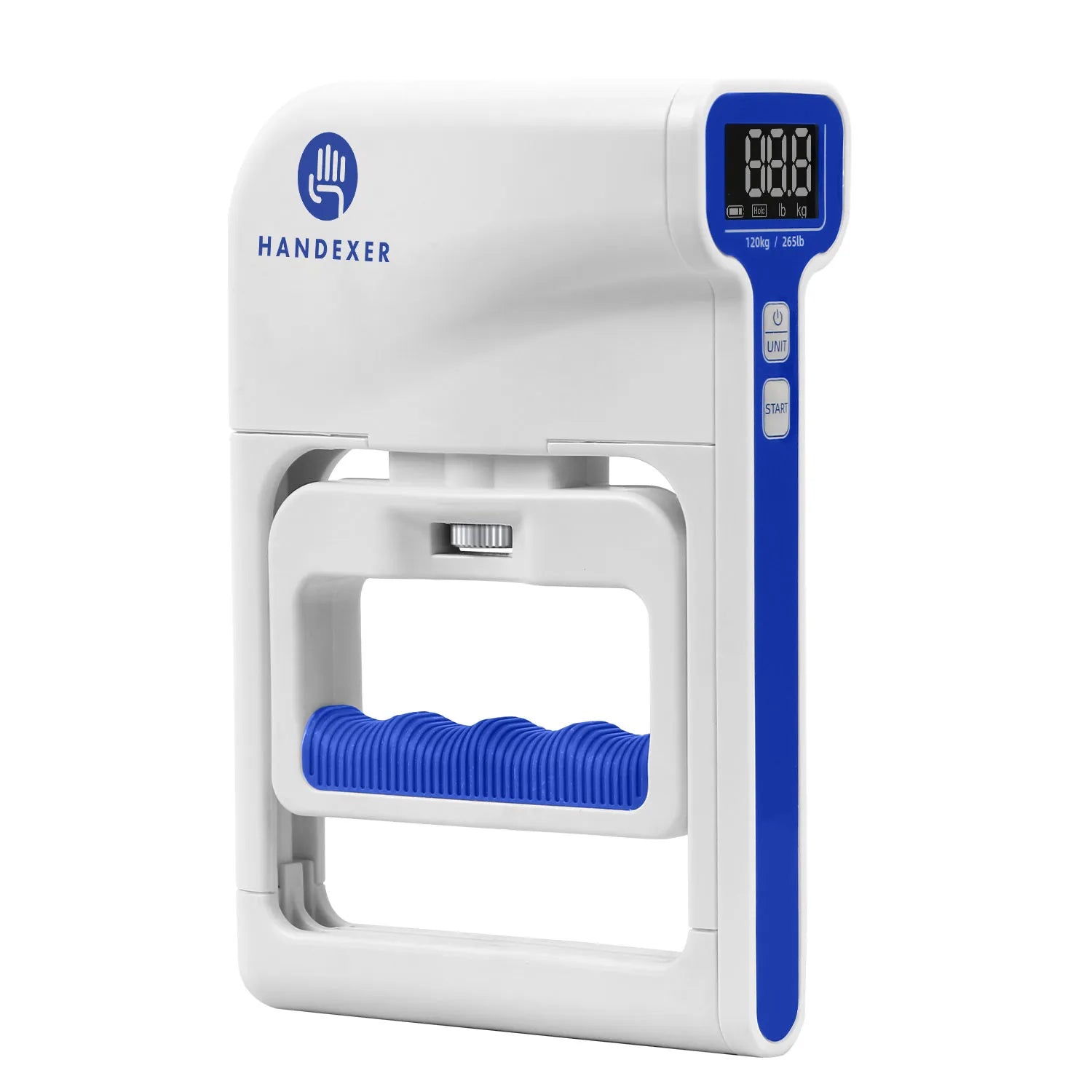
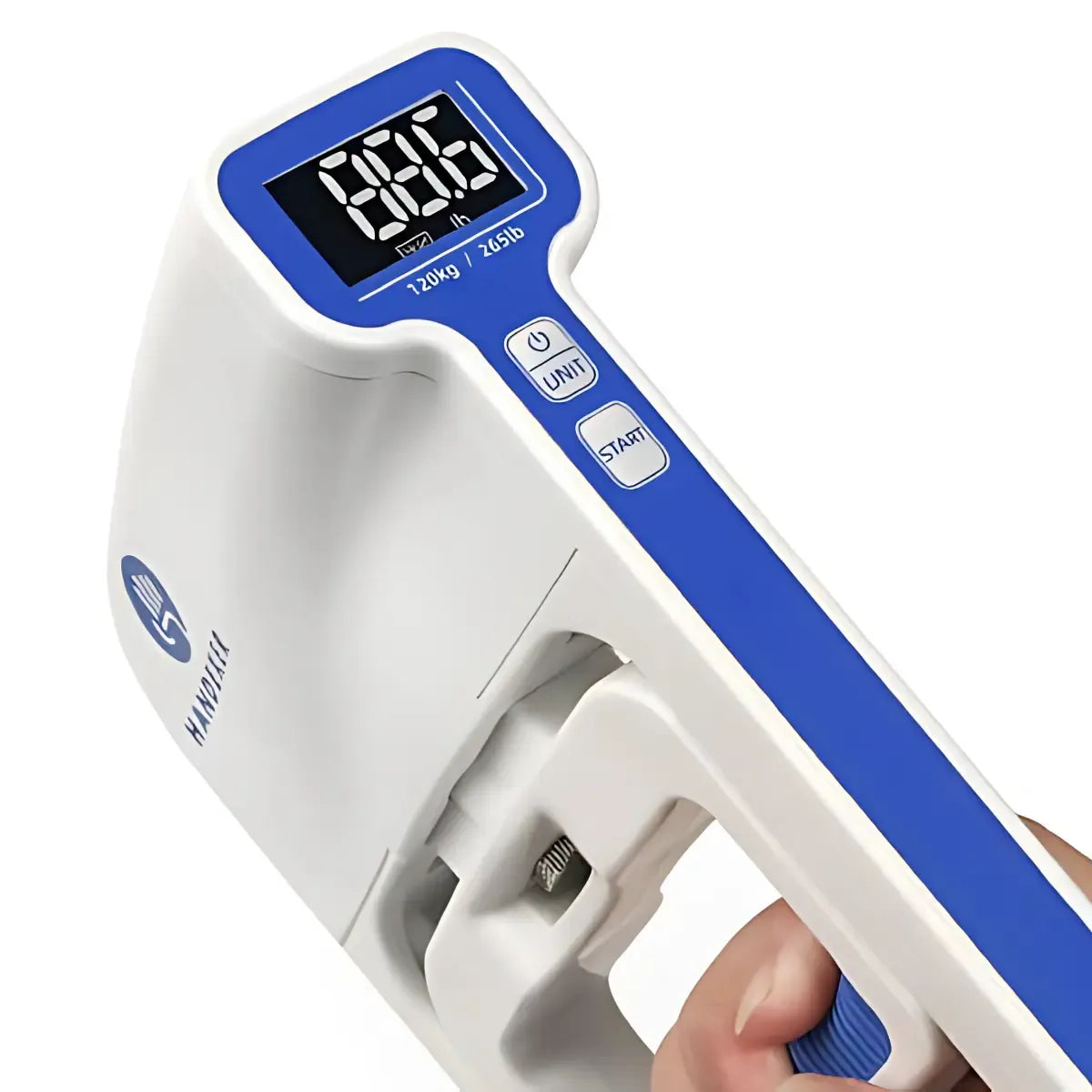
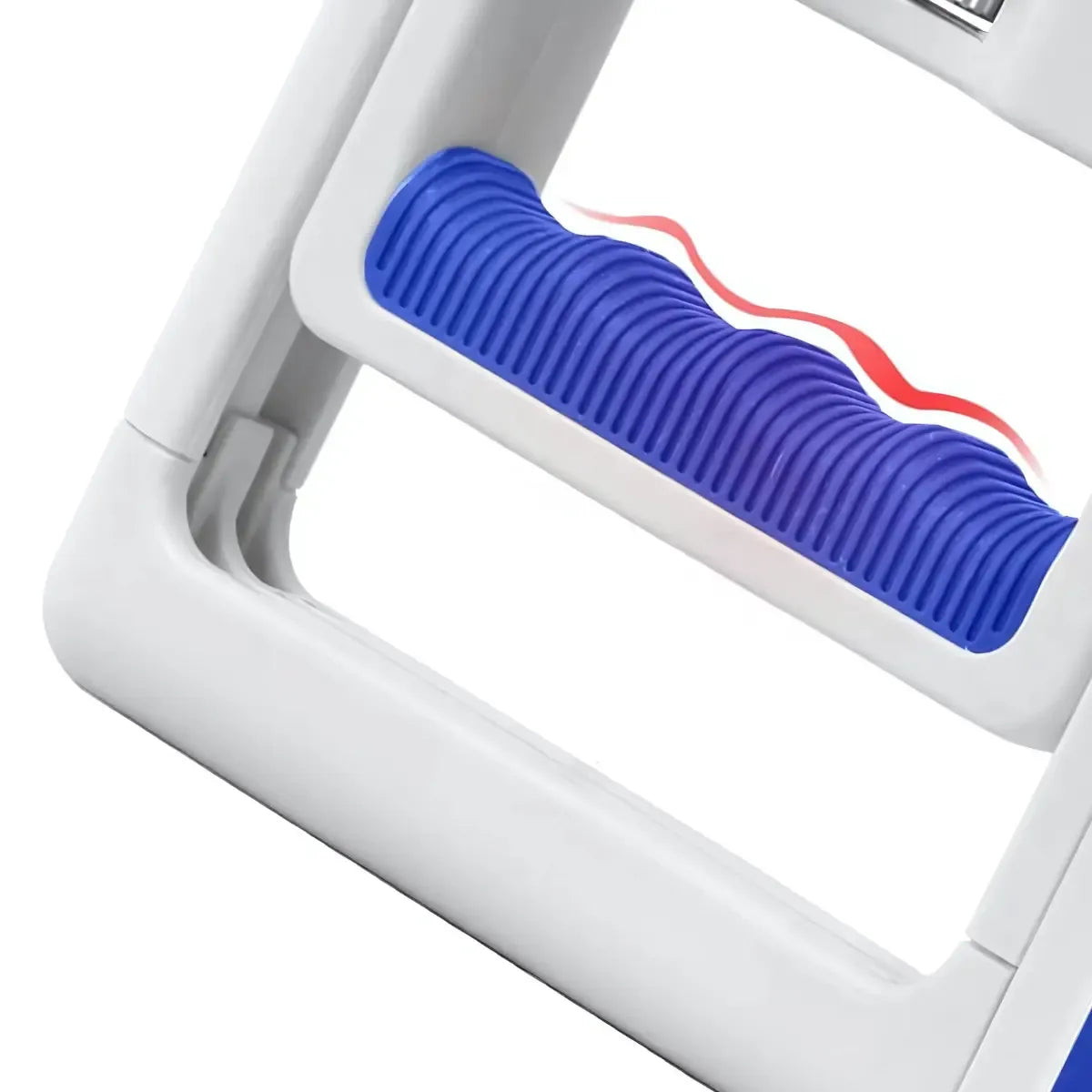
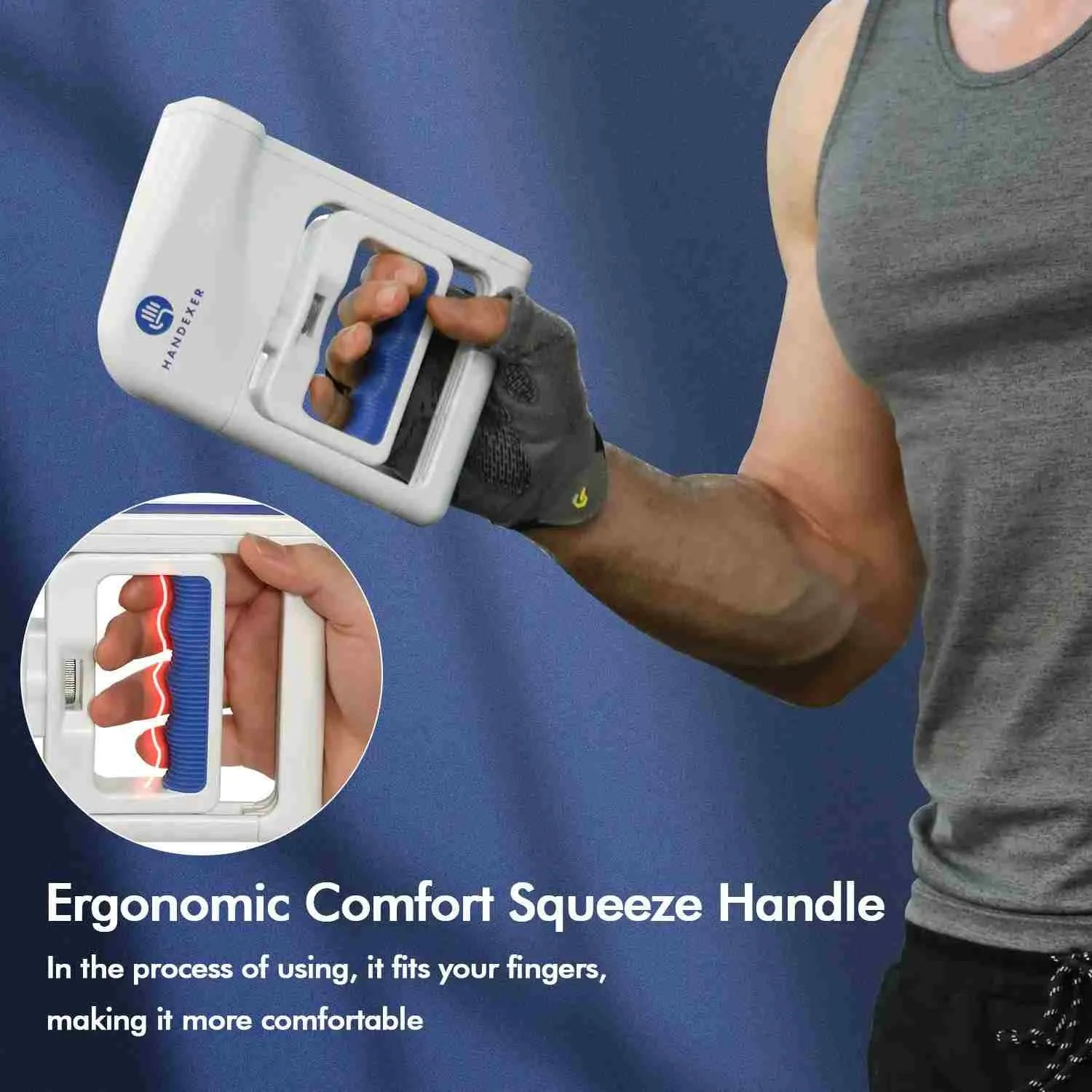
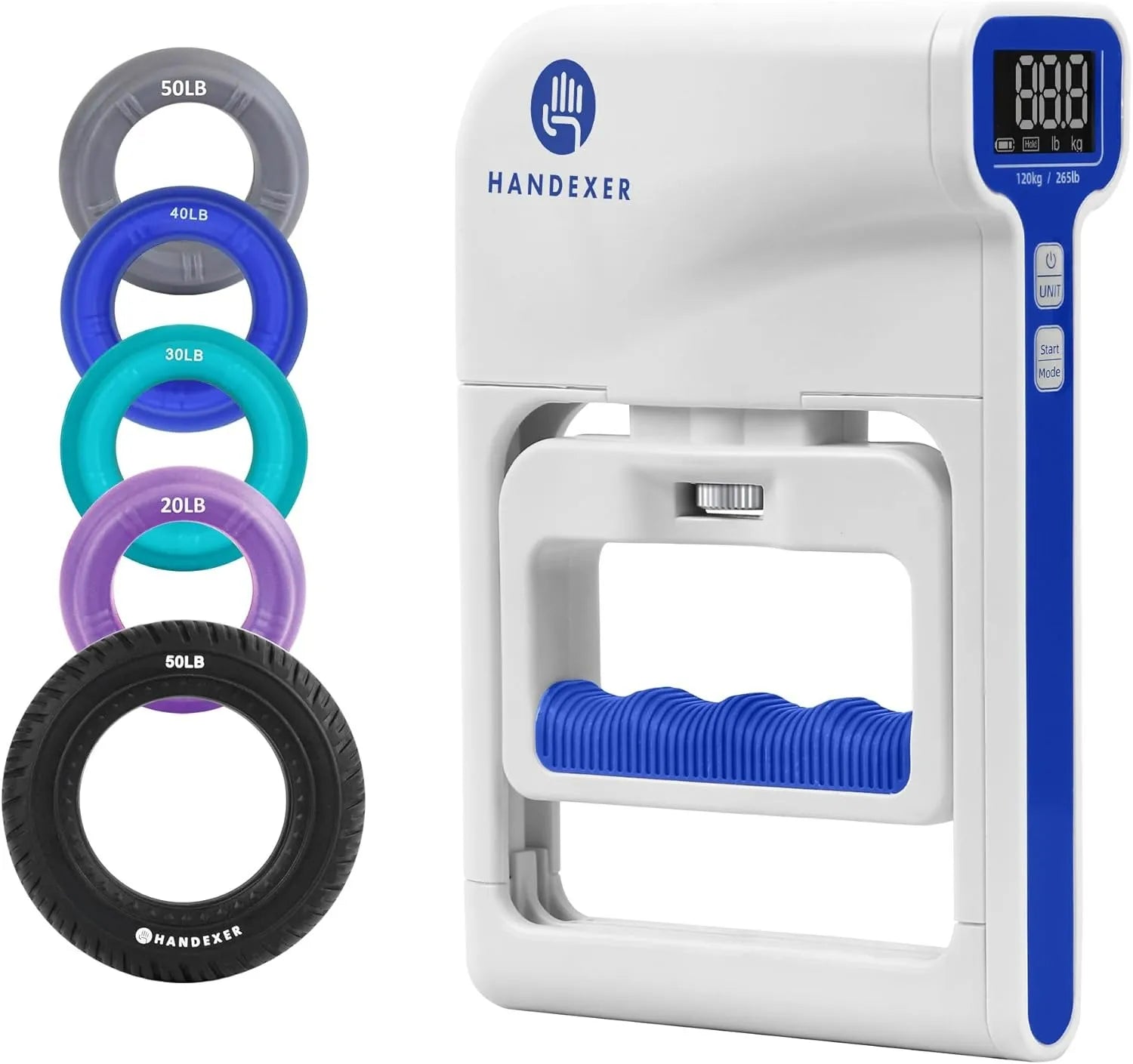
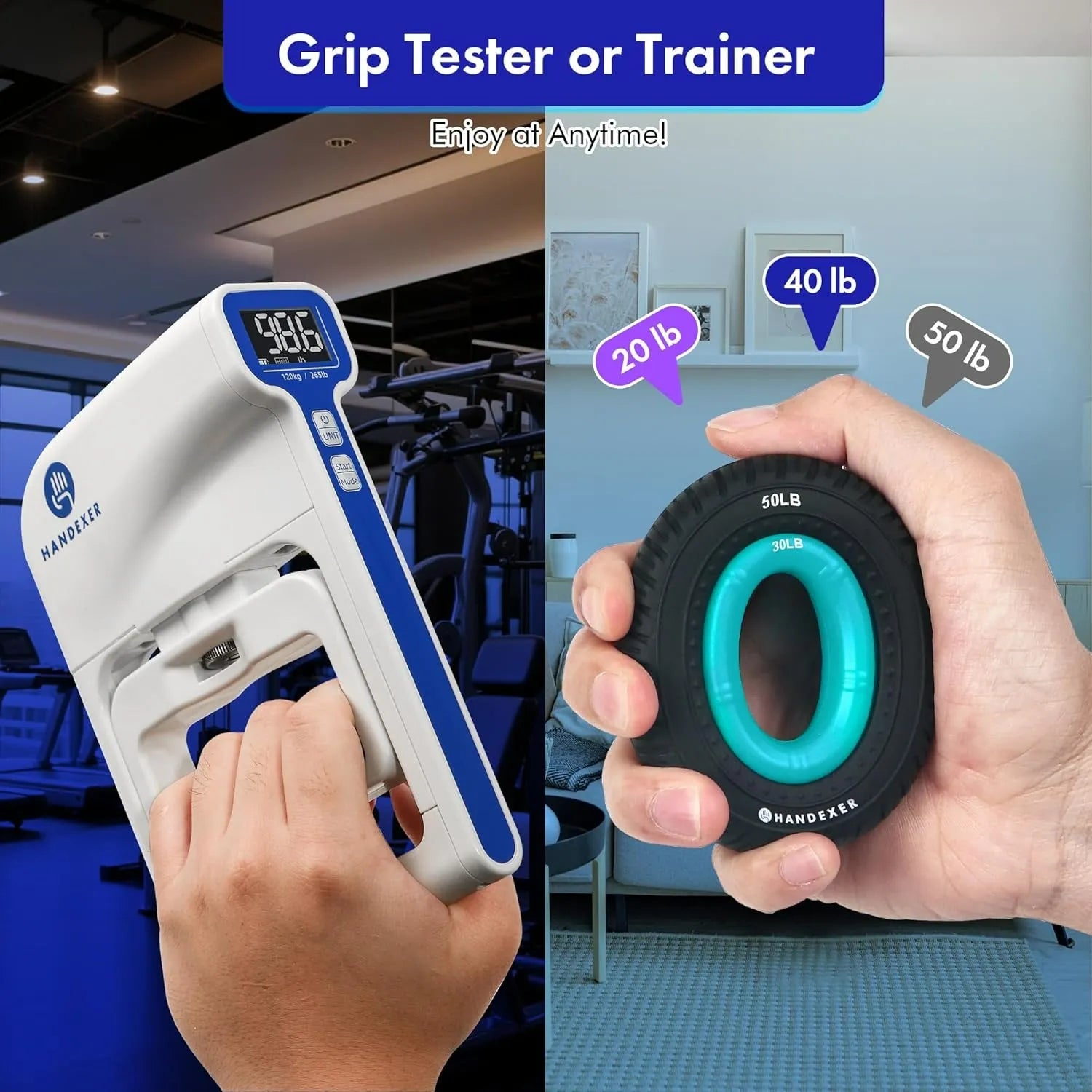
Grip a digital hand dynamometer, such as the Handexer Digital Hand Dynamometer. Squeeze with maximum effort for 3 to 5 seconds while breathing steadily. Avoid holding your breath during the test.
Perform two attempts per hand, allowing approximately 60 seconds of rest between attempts. Record your highest reading for each hand.
A poor night's sleep, dehydration, muscle soreness, or a heavy workout can temporarily lower your reading. That's normal. Re-test every 2 to 4 weeks under similar conditions to monitor your longer-term strength trend.

Why Tracking Matters More Than One Number
Grip strength can fluctuate from day to day. Sleep quality, recent exercise, muscle soreness, fatigue, and testing posture can all influence the result.
That is why one reading should not be treated as a definitive measure of your health. A more useful approach is to look for patterns:
Is your grip strength relatively stable?
Is one hand consistently weaker than the other?
Are your readings improving with training?
Has your strength gradually declined over several months?
One measurement gives you a starting point. Repeated measurements help you understand how your physical strength changes over time. The goal is not to interpret every small fluctuation, but to establish a consistent reference point and recognize meaningful changes in your physical performance.
6 How to Maintain Strength as You Age
Measuring grip strength helps you understand your current performance. Maintaining strength requires regular physical activity, appropriate nutrition, and adequate recovery.
The goal is not to train your grip in isolation, but to maintain the strength you rely on in everyday life.
7 The Future of Grip Strength in Healthy Aging
As research into healthy aging develops, simple physical measurements are receiving more attention. Grip strength has several practical advantages: it is quick to measure, relatively inexpensive, and easy to repeat. These qualities make it useful in clinical assessments, rehabilitation settings, fitness programs, and personal health tracking.
1. Greater attention in routine health assessments
Grip strength may become a routine part of vitality assessments as clinicians look beyond scale weight and blood pressure.
2. More accessible personal measurement
Digital dynamometers make it easy for individuals to monitor their functional status at home rather than waiting for annual visits.
3. A stronger focus on maintaining function
Aging well is about preserving practical autonomy: carrying bags, opening jars, and standing confidently.
Frequently Asked Questions
Can grip strength tell me my biological age?
Does weaker grip strength mean I am aging faster?
Can improving grip strength slow biological aging?
How often should I measure my grip strength?
- Peterson MD, Collins S, Meier HCS, Brahmeteadt A, Faul JD. Grip strength is inversely associated with DNA methylation age acceleration. Journal of Cachexia, Sarcopenia and Muscle. 2023;14(1):108-115. Read on PubMed
- Leong DP, Teo KK, Rangarajan S, et al. Prognostic value of grip strength: findings from the Prospective Urban Rural Epidemiology (PURE) study. The Lancet. 2015;386(9990):266-273. DOI Link
- Cruz-Jentoft AJ, Bahat G, Bauer J, et al. Sarcopenia: revised European consensus on definition and diagnosis. Age and Ageing. 2019;48(1):16-31. DOI Link
- Bohannon RW. Grip Strength: An Indispensable Biomarker for Older Adults. Clinical Interventions in Aging. 2019;14:1681-1691. PMC Article
Condividi:
Allenamento avanzato della forza delle dita per l'arrampicata: Metodi per il hangboard, progressione e recupero
Muscoli della presa allenati: un'analisi completa