
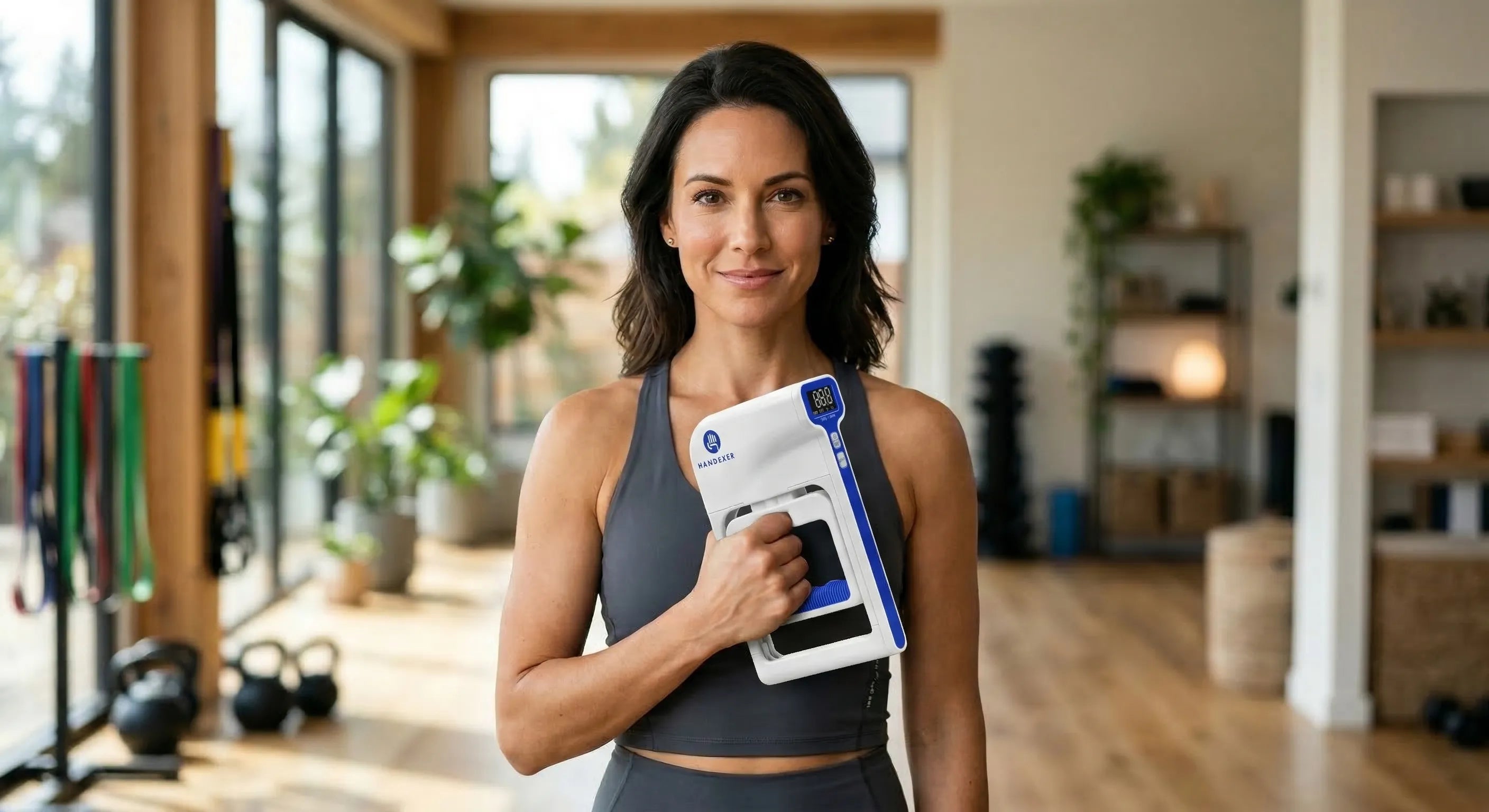
Grip strength is one of the simplest ways to assess upper-body function, general muscle capacity, and even long-term physical health. Whether you are an athlete, a rehab patient, or just tracking your baseline fitness, understanding the average grip strength by age and gender gives your number real meaning.
A single score does not say much on its own. What matters is how your result compares with typical ranges for your age and sex, whether one hand is significantly weaker than the other, and whether your number is improving over time. That is why many users start by using a digital hand dynamometer to check their baseline grip strength before setting a training or recovery goal.
What is average grip strength by age and gender?
Average grip strength by age and gender refers to the typical force a person can produce when squeezing a hand dynamometer, grouped by sex and age bracket. In general, men tend to score higher than women, and grip strength usually peaks in adulthood before gradually declining with age.
Grip strength is commonly measured in kilograms or pounds with a hand dynamometer. The result reflects the combined contribution of the hand, forearm, nervous system, and overall muscular condition.
In practical terms, average values help answer three questions:
-
Is your grip strength within a normal range?
-
Is it lower than expected for your age?
-
Are your training or rehab efforts actually working?
Average grip strength chart by age and gender
Normal grip strength varies across studies, but the general pattern is consistent: grip strength rises into adulthood, remains relatively stable for a period, and gradually declines with age. Men typically produce higher scores than women in the same age group.
Below is a simplified reference chart using broad population patterns commonly seen in grip strength research and clinical screening.
Men: average grip strength range
-
20–29 years: about 46–54 kg
-
30–39 years: about 45–53 kg
-
40–49 years: about 43–50 kg
-
50–59 years: about 39–48 kg
-
60–69 years: about 35–43 kg
-
70+ years: about 30–39 kg
Women: average grip strength range
-
20–29 years: about 27–34 kg
-
30–39 years: about 26–33 kg
-
40–49 years: about 24–31 kg
-
50–59 years: about 22–29 kg
-
60–69 years: about 20–27 kg
-
70+ years: about 18–24 kg
These are useful benchmarks, not absolute standards. Your height, weight, training history, occupation, injury background, and hand dominance can all affect the result.
How should you interpret your grip strength score?
A “normal” grip strength score should be interpreted in context. Compare it with age- and sex-based averages, check the difference between your left and right hand, and track whether your score improves, declines, or stays stable over time.
A few practical guidelines:
1. Compare yourself to the right demographic
A 28-year-old male climber should not compare his score to a sedentary 70-year-old. Use age and gender as your first filter.
2. Look at hand dominance
Your dominant hand is usually slightly stronger. A small difference is normal. A large gap may suggest imbalance, underuse, or recovery issues.
3. Track change, not just a one-time result
A single reading gives you a snapshot. Repeated testing gives you a trend. That trend is far more useful for training and rehabilitation.
4. Consider your goal
For an athlete, grip strength may be a performance metric. For an older adult, it may be a functional health marker. For a rehab patient, it may be a recovery indicator.
How to measure grip strength correctly
To measure grip strength correctly, stand or sit upright, hold the dynamometer comfortably at your side, squeeze as hard as possible for a few seconds, and repeat the test two to three times per hand, recording the best result.
Testing consistency matters. Poor technique can distort the data.
Best-practice testing steps
-
Adjust the grip size if your device allows it.
-
Keep your wrist neutral, not bent.
-
Hold your elbow close to your side unless following a specific clinical protocol.
-
Squeeze maximally for about 3–5 seconds.
-
Test both hands.
-
Rest 30–60 seconds between attempts.
-
Record your best score or average, depending on your method.
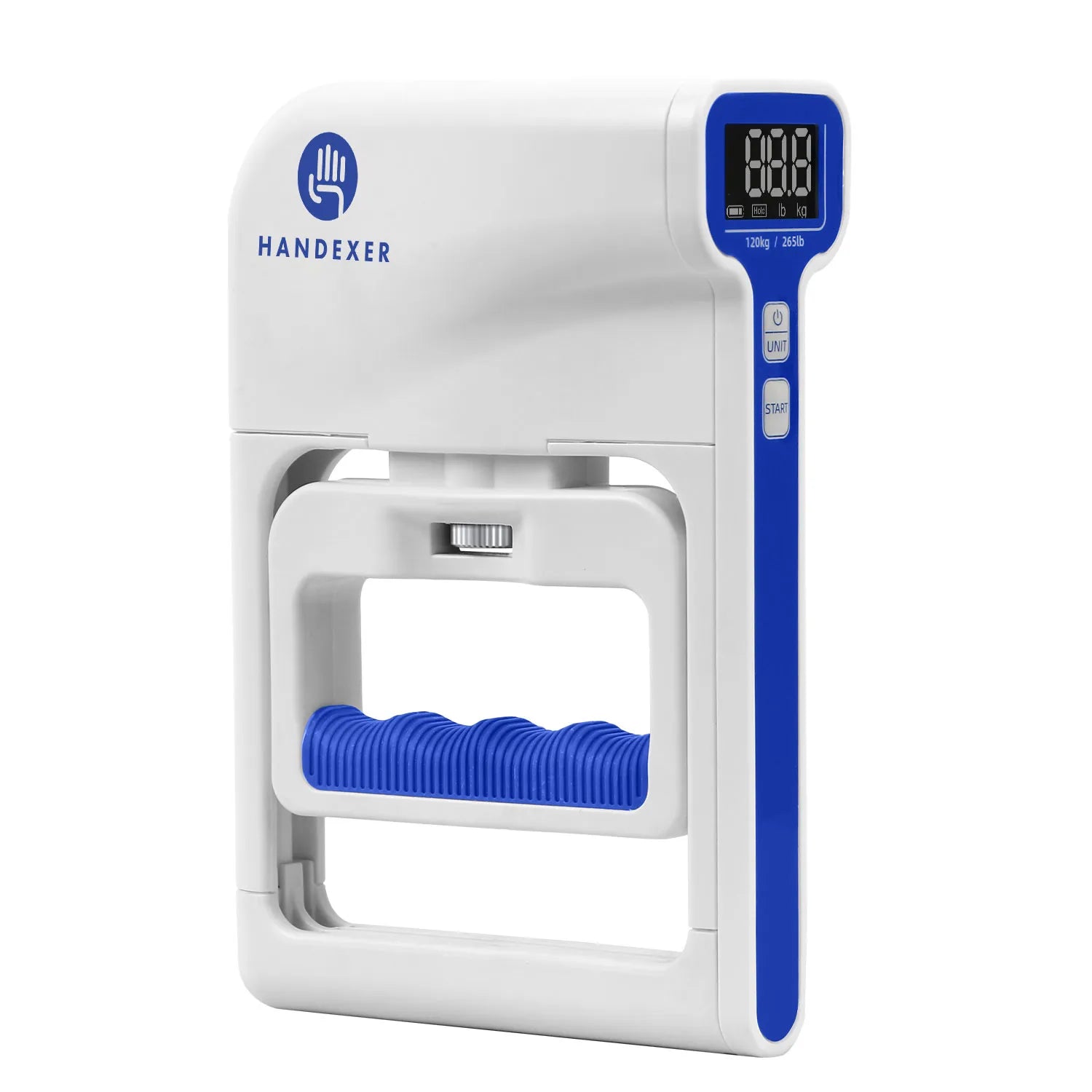
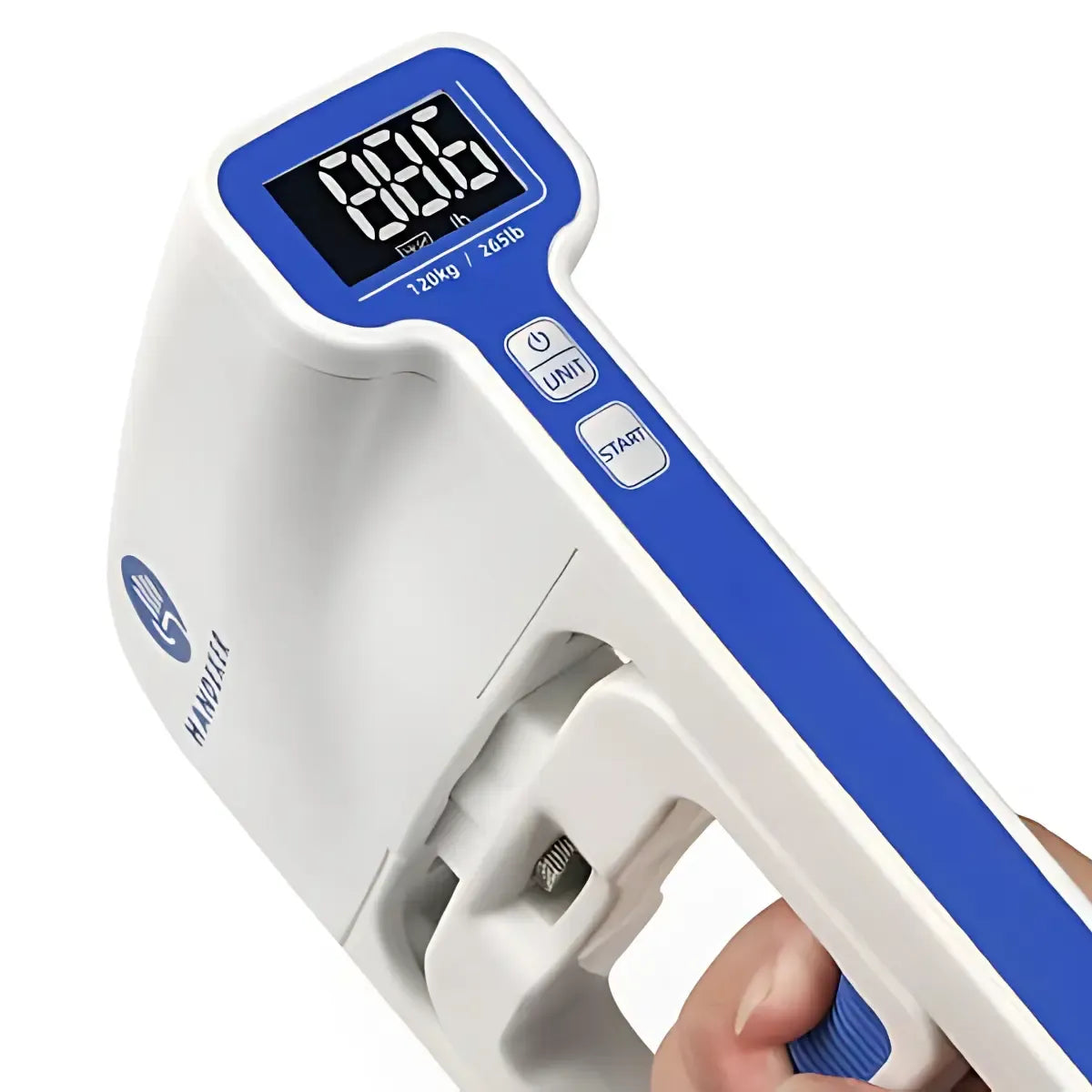
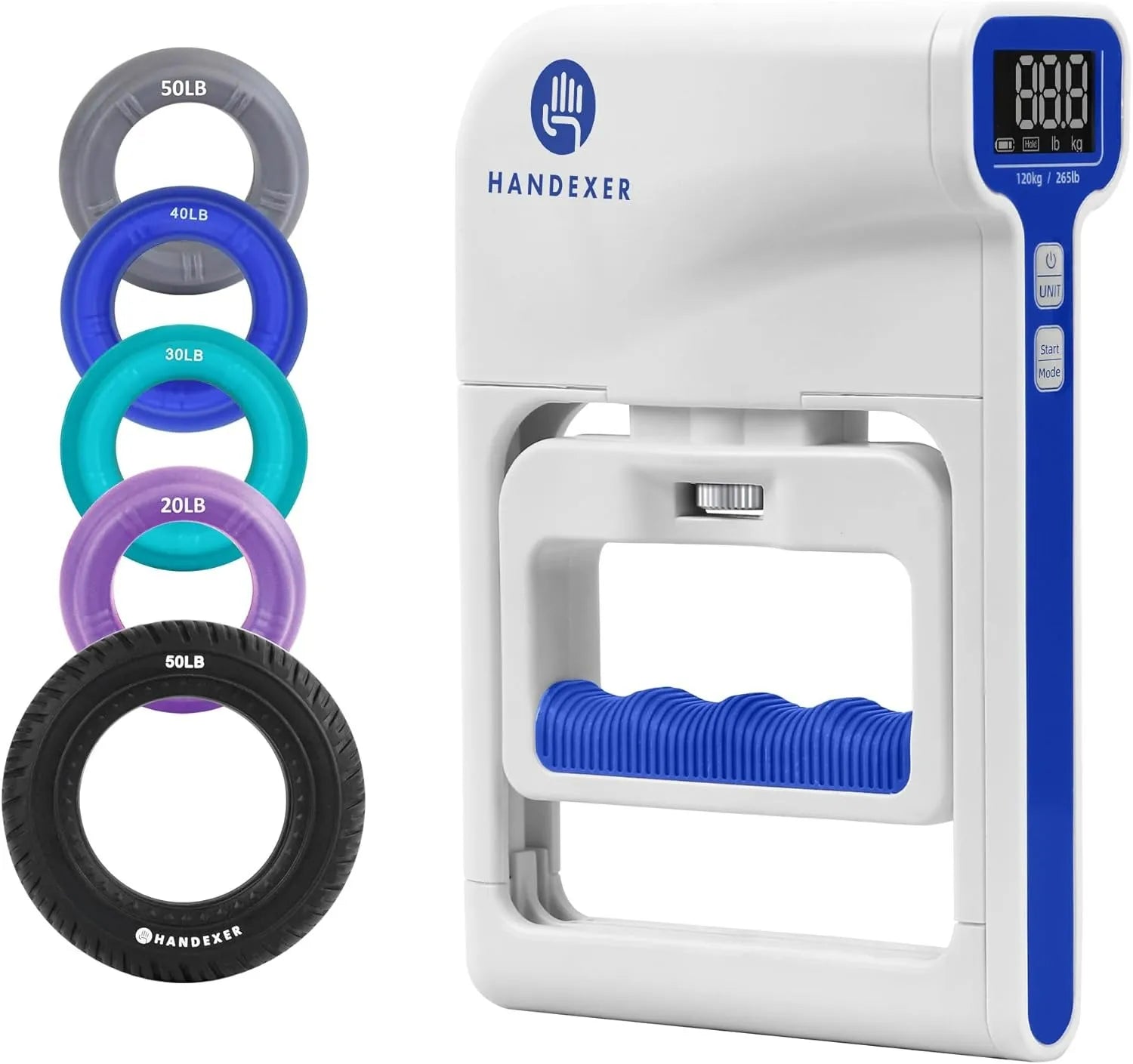
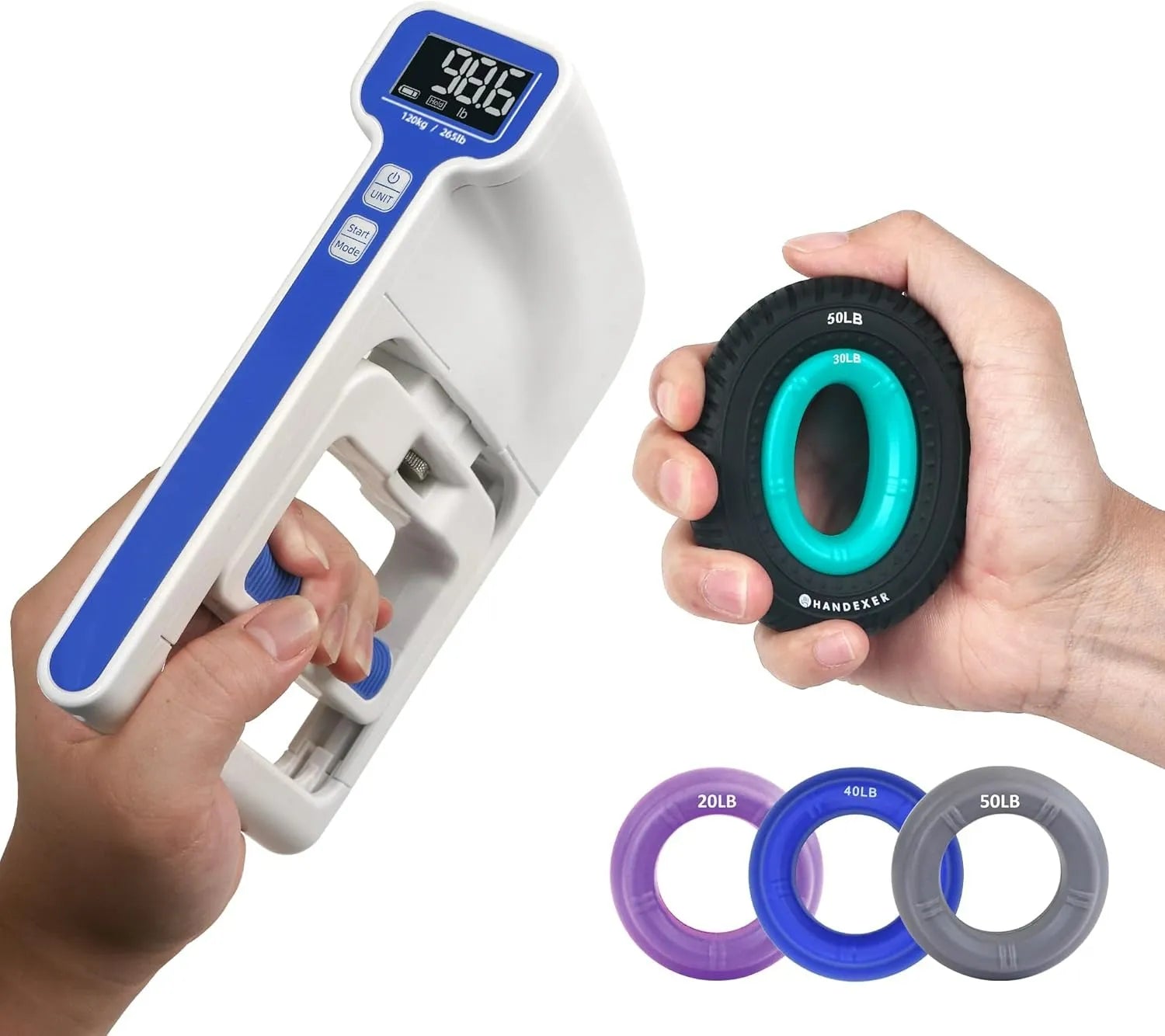
For users who want cleaner data, a professional digital grip strength tester to monitor recovery progress is useful because it helps standardize repeated measurements. A model with user profiles, age and gender input, and high-capacity measurement is especially practical for families, clinics, and serious training environments.
Why grip strength matters beyond the gym
Grip strength is not only about hand power. It is widely used as a proxy for overall strength, functional capacity, and physical decline, especially in aging, rehabilitation, and performance monitoring settings.
Grip strength is relevant in several populations:
Athletes
Climbers, grapplers, lifters, and racket sport players often use grip strength to monitor readiness and performance.
Rehab patients
After stroke, hand injury, tendon issues, or carpal tunnel-related weakness, grip testing helps quantify progress.
Older adults
A declining score may reflect reduced muscle function and support earlier intervention.
Data-driven users
Bio-hackers and health trackers use grip strength as part of a broader personal performance dashboard.
What causes low grip strength?
Low grip strength is not always caused by weak hands alone. Common contributors include:
-
Sedentary lifestyle
-
Aging-related muscle loss
-
Forearm fatigue
-
Nerve compression
-
Arthritis or joint pain
-
Post-injury weakness
-
Inadequate recovery from training
-
Poor sleep and general deconditioning
If your score drops suddenly or one hand becomes much weaker without explanation, medical evaluation may be appropriate.
How to improve grip strength
You can improve grip strength through consistent resistance training, targeted forearm work, progressive loading, and regular measurement. The key is to treat grip like any other trainable quality: apply overload, recover properly, and monitor results with consistent testing.
Effective ways to build grip strength
Crush grip training
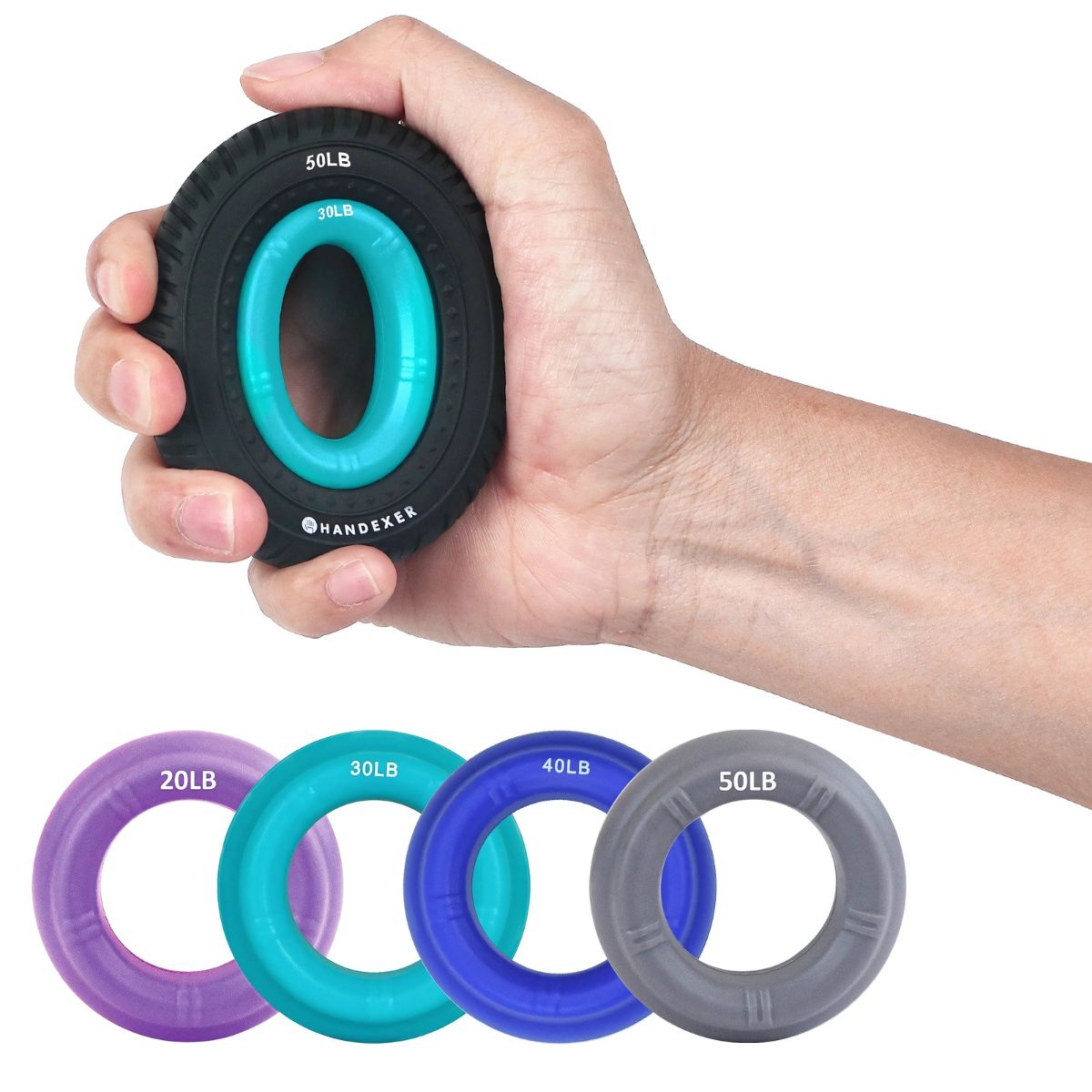
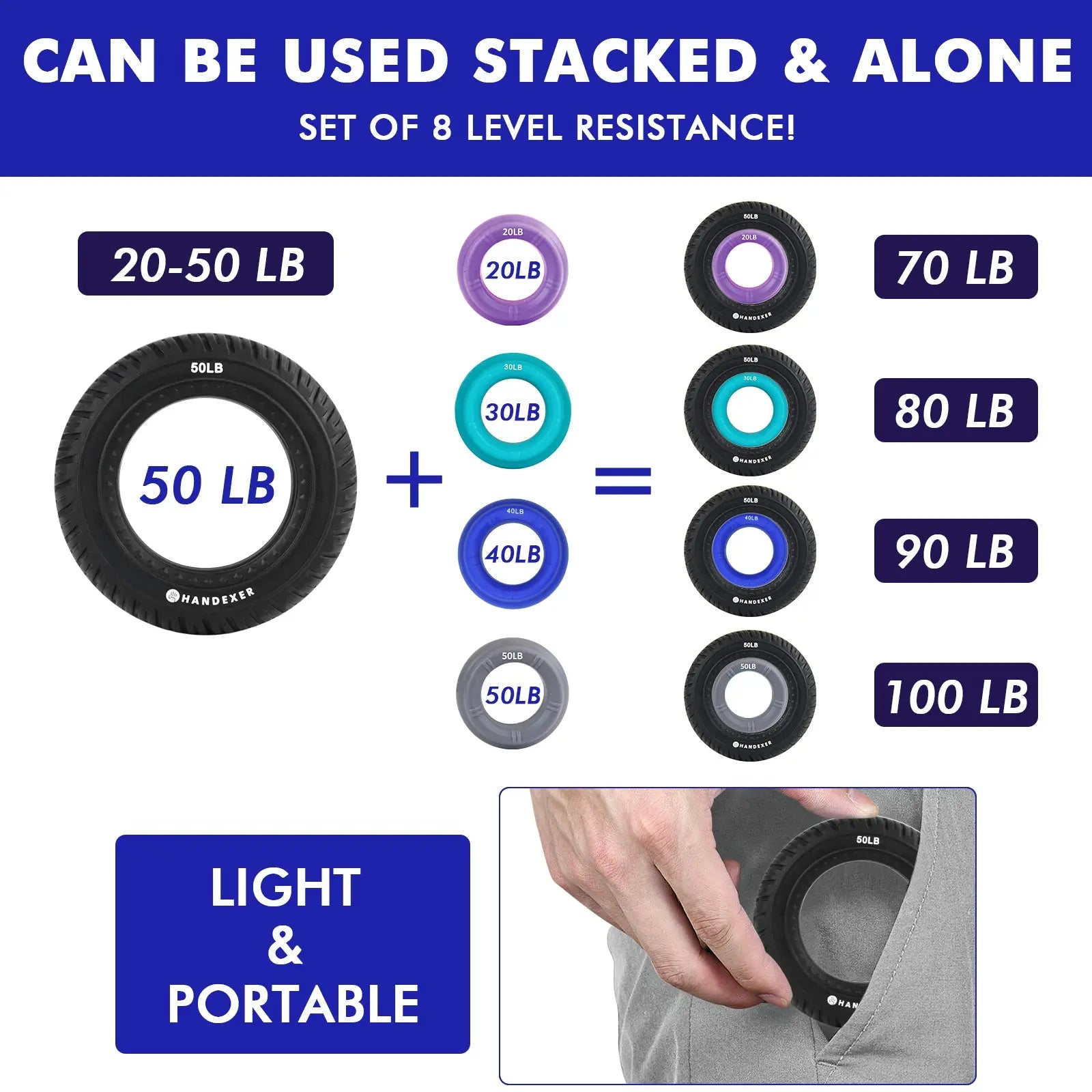
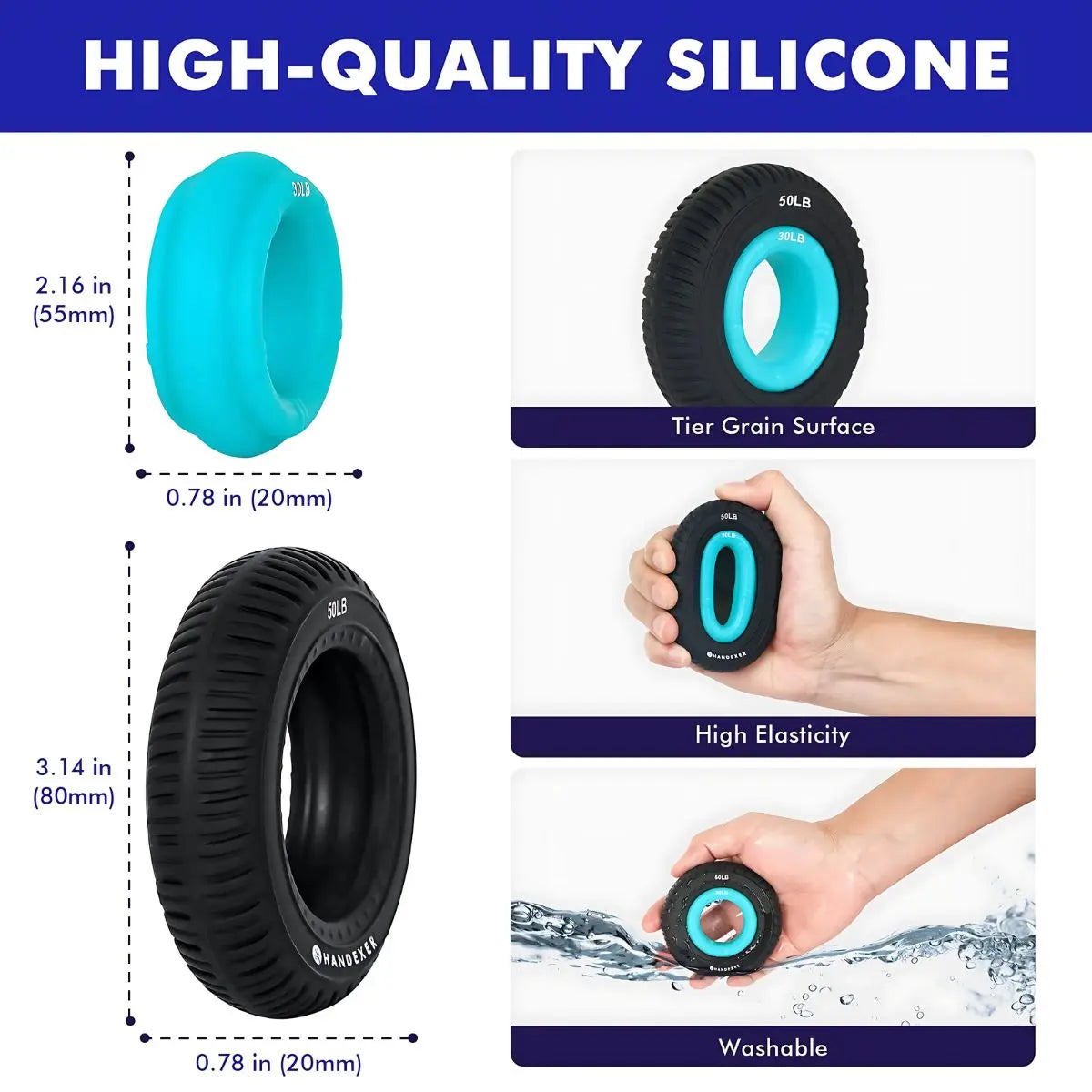
Use hand grippers or maximal squeeze drills.
Carry variations
Farmer’s carries and suitcase carries build full-hand and forearm strength.
Dead hangs
Excellent for climbers and general grip endurance.
Pulling exercises
Rows, deadlifts, pull-ups, and holds all contribute.
Pinch work
Plate pinches help train thumb and finger coordination.
Rehab-friendly isometrics
Gentle sustained squeezes can be useful in early recovery phases when appropriate.
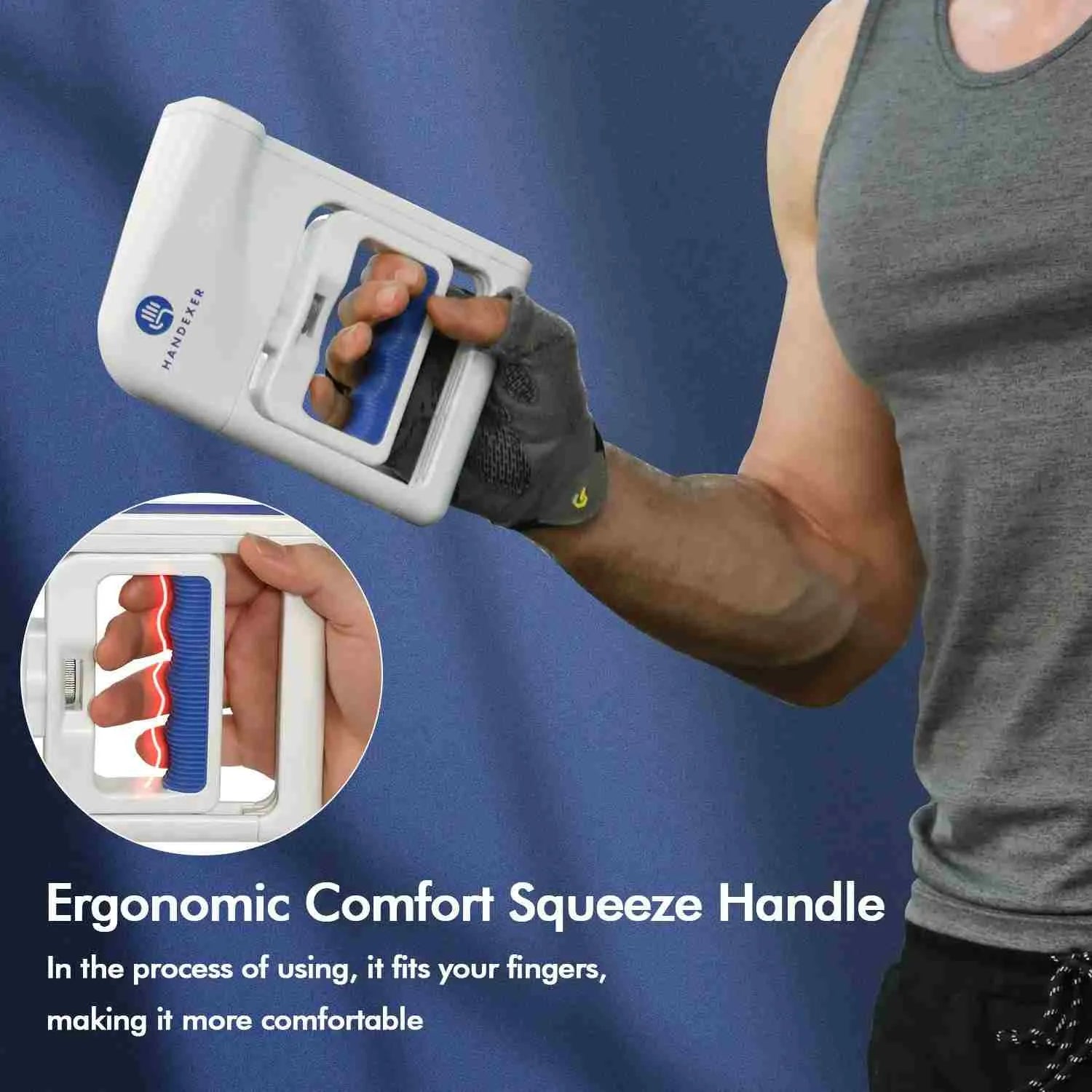
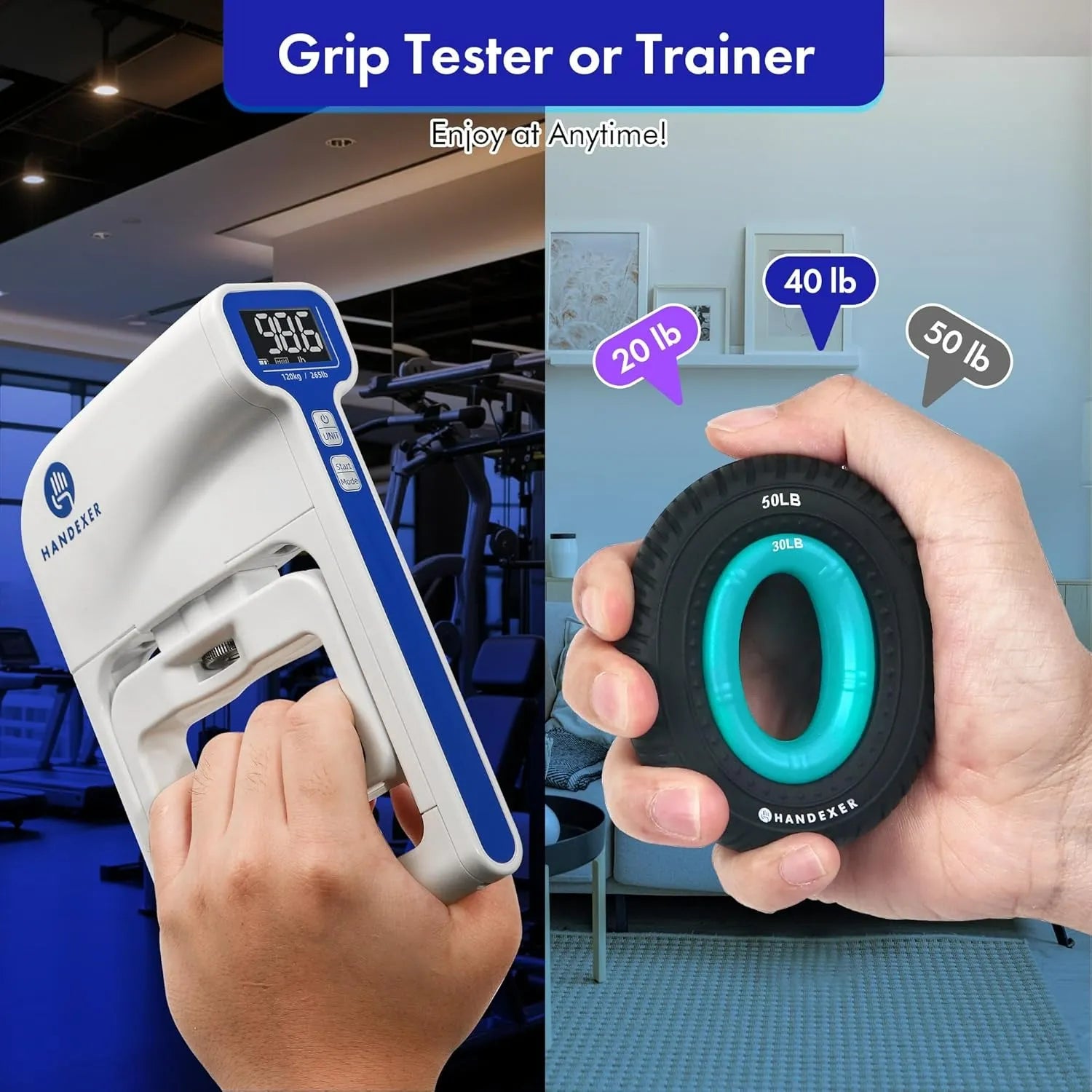
The missing piece for many people is validation. They train, but they do not measure. A high-capacity device such as the Handexer dynamometer, with up to 265 lb / 120 kg capacity, makes it easier to quantify progress across beginners, athletes, and stronger users without outgrowing the device too quickly.
How often should you test grip strength?
For most users, testing once or twice per week is enough. Daily testing can be useful during rehab or short-term monitoring, but only if done under consistent conditions.
Test at roughly the same time of day and avoid measuring immediately after heavy pulling workouts. That gives you cleaner data and better comparisons over time.
Final thoughts
Grip strength is easy to test, easy to track, and surprisingly informative. Knowing the average grip strength by age and gender helps you interpret your score, but the real value comes from measuring consistently and watching your trend.
Whether your goal is performance, recovery, or healthy aging, the principle is straightforward: you cannot improve what you do not measure. Start with a reliable baseline, retest regularly, and use the data to guide what comes next.
FAQ
1. What is a normal grip strength for adults?
A normal grip strength depends on age and gender. In general, adult men often fall around 35–54 kg, while adult women often fall around 18–34 kg, with younger adults usually scoring higher than older adults.
2. Does grip strength decline with age?
Yes. Grip strength typically peaks in adulthood and gradually declines with age. This decline is common, but regular strength training and activity can help slow it.
3. How do I measure grip strength at home?
Use a digital hand dynamometer, hold it with proper form, and squeeze maximally for 3–5 seconds. Test both hands two to three times and record your best score or average.
4. Is grip strength a good health indicator?
Yes. Grip strength is often used as a practical marker of functional strength, recovery status, and general physical condition, especially in aging and rehabilitation settings.






Share:
Grip Strength by Age: What’s Normal After 50?
Grip Strength After Stroke: Safe Recovery Guide