
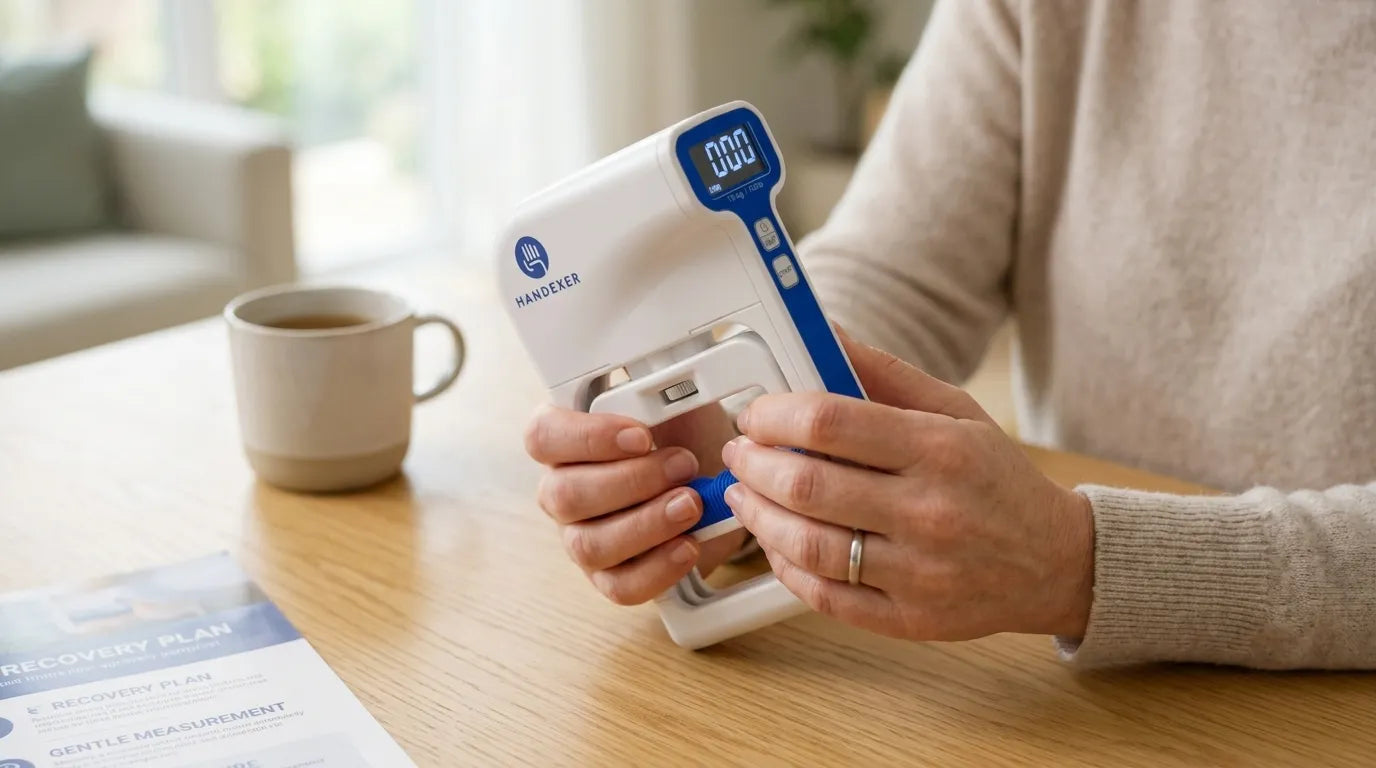
Research suggests that regular isometric hand grip training may help support healthy resting blood pressure as part of an active lifestyle. Unlike dynamic resistance exercises, isometric training involves holding a steady level of force without moving the hand or wrist.
A commonly studied protocol uses around 30% of Maximum Voluntary Contraction (MVC). This comprehensive guide explains what research reviews indicate, how the underlying physiological mechanisms work, how beginners can start with a 5-minute routine, and how a digital dynamometer makes percentage-based training precise and repeatable.
Can Isometric Hand Grip Exercise Help Support Healthy Blood Pressure?
Research suggests it may.
Unlike traditional resistance exercises that involve repeated movement (such as opening and closing spring grippers), isometric training involves holding a muscle contraction at a fixed position. During an isometric grip hold, you squeeze against resistance and maintain continuous tension without moving the joint.
Broad research reviews have shown that structured isometric exercise programs are associated with modest improvements in resting blood pressure in study participants. For example, Yamada et al. (2022) reviewed 89 studies of isometric exercise and found that many randomized controlled trials reported notable reductions in resting systolic and diastolic blood pressure following structured training programs.
A Complementary Habit: Handgrip exercise is not a standalone treatment for hypertension. Instead, it serves as a practical, time-efficient exercise habit that can complement regular physical activity, balanced nutrition, quality sleep, and appropriate medical care.
What Is Isometric Hand Grip Training?
Isometric hand grip training is straightforward: squeeze, hold, relax, and repeat.
Rather than repeatedly closing a spring gripper, you maintain a steady, moderate force for a set duration. A standard workflow involves:
Test your peak voluntary grip strength in a standard position.
Set your training target at approximately 30% of that maximum value.
Maintain that steady force for a controlled period, relax, rest, and complete several sets.
The goal is not to squeeze as hard as possible throughout the session, but to produce a controlled, repeatable contraction while maintaining smooth, natural breathing.
The clinical handgrip maneuver used in cardiology is different from exercise-based isometric training. Cardiologists may use sustained maximum handgrip during clinical evaluations to observe acute changes in heart murmurs and hemodynamic responses.
This article focuses purely on fitness and cardiovascular wellness. For a detailed look at diagnostic applications, explore our related guide: Hand Grip Maneuver: An Insight into Its Clinical Implications →
How Might Isometric Exercise Affect Blood Pressure?
Researchers are investigating the exact physiological mechanisms that link isometric holds to resting blood pressure adaptations. Three primary mechanisms have been proposed:
During a sustained contraction, forearm muscles temporarily restrict local blood flow. Upon release, a reactive surge of circulation (hyperemia) occurs, repeatedly stimulating the vascular walls.
Repeated exposure to these shear stress and blood flow shifts may promote the release of nitric oxide, supporting arterial elasticity and endothelial health over time.
Regular isometric training may favorably modulate autonomic nervous system activity, helping improve balance between sympathetic tone and parasympathetic (vagal) regulation.
Key Takeaway: Favorable adaptations develop from consistent training over several weeks, not from a single maximum-effort workout.
Research-Informed Protocols & How to Practice
Research protocols vary, but a widely studied framework uses submaximal contractions around 30% of Maximum Voluntary Contraction (MVC).
| PROTOCOL PARAMETER | RESEARCH FRAMEWORK | EXECUTION GUIDANCE |
|---|---|---|
| Target Intensity | ~30% MVC | Moderate effort; roughly 3–4 out of 10 on perceived exertion |
| Hold Duration | 2 minutes per set | Maintain continuous, steady force without pulsing |
| Volume | 4 sets total | 2 sets per hand, alternating hands |
| Rest Intervals | 1–2 minutes | Completely relax hand and forearm between sets |
| Frequency | 3–5 sessions / week | Maintain consistency over at least 8–10 weeks |
If you are new to isometric training, start with this manageable two-set routine before progressing to full 4-set sessions:
Sit upright comfortably, shoulders relaxed, elbow bent at ~90°, wrist neutral.
Squeeze smoothly at 30% MVC and maintain steady force while breathing naturally.
Release grip completely, shake out your fingers, and relax your forearm.
Repeat the same steady contraction with your left hand.
Breathing and Form Essentials
Avoid the Valsalva maneuver (bearing down). Breath-holding spikes internal pressure. Keep breathing rhythmic and relaxed throughout every hold.
Keep your wrist straight and aligned with your forearm. Bending or hyperextending can strain tendons and reduce grip efficiency.
This is submaximal precision training, not a strength test. Smooth force application protects joints and ensures proper training stimulus.
What Does 30% MVC / MVIC Mean?
MVC (Maximum Voluntary Contraction) or MVIC (Maximum Voluntary Isometric Contraction) is your peak squeeze force. Calculating 30% turns vague "moderate effort" into an exact, measurable numeric target.
Why Use a Digital Hand Dynamometer?
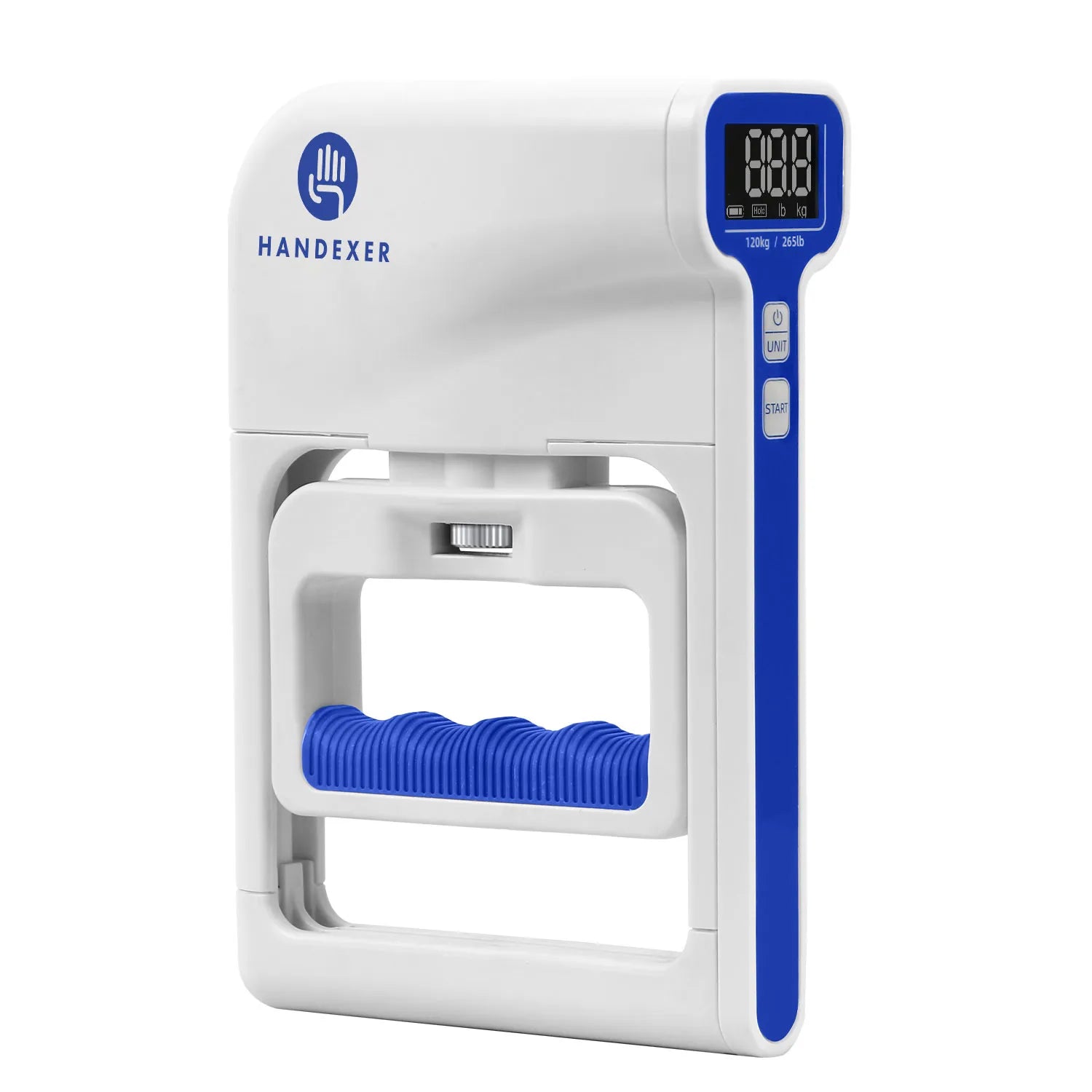
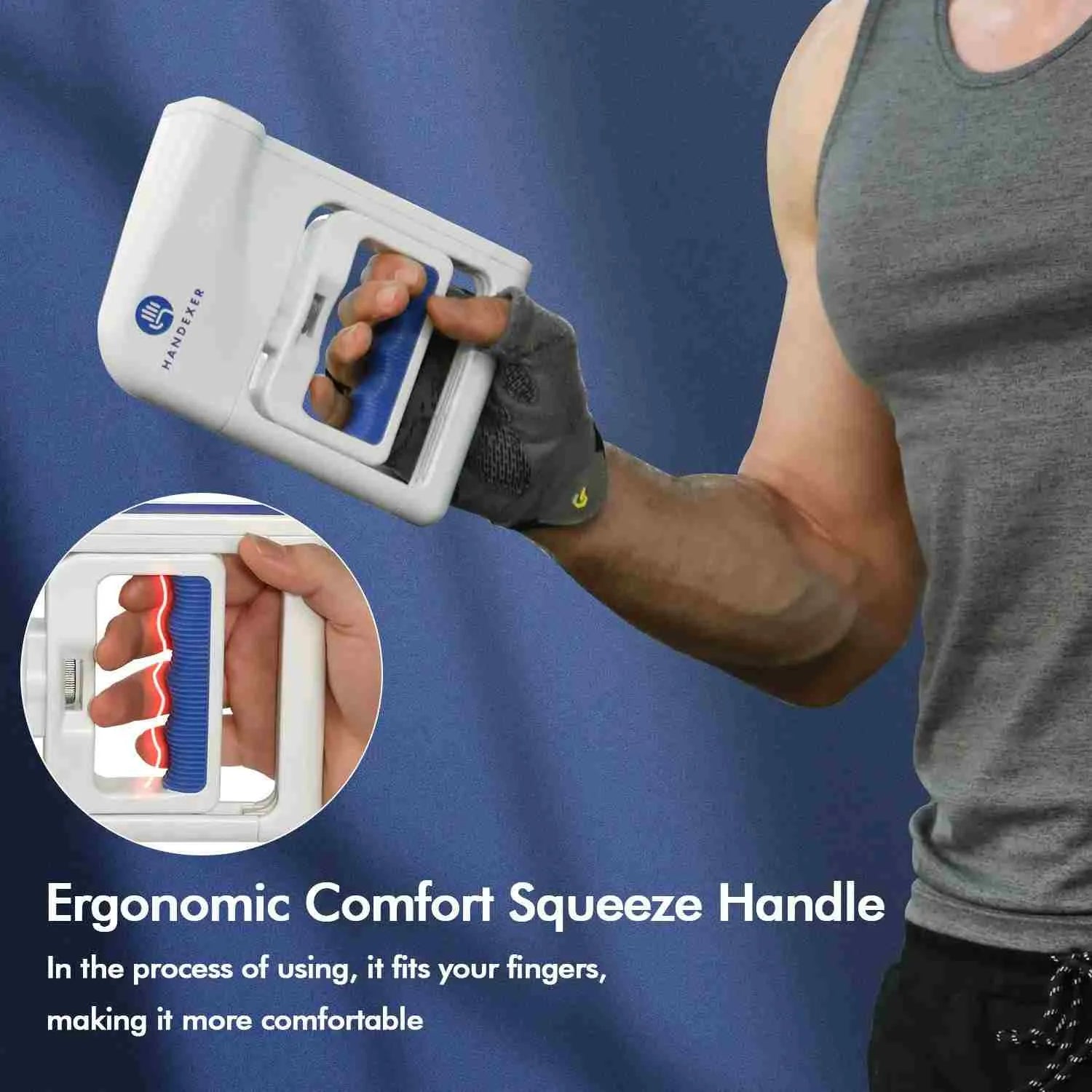
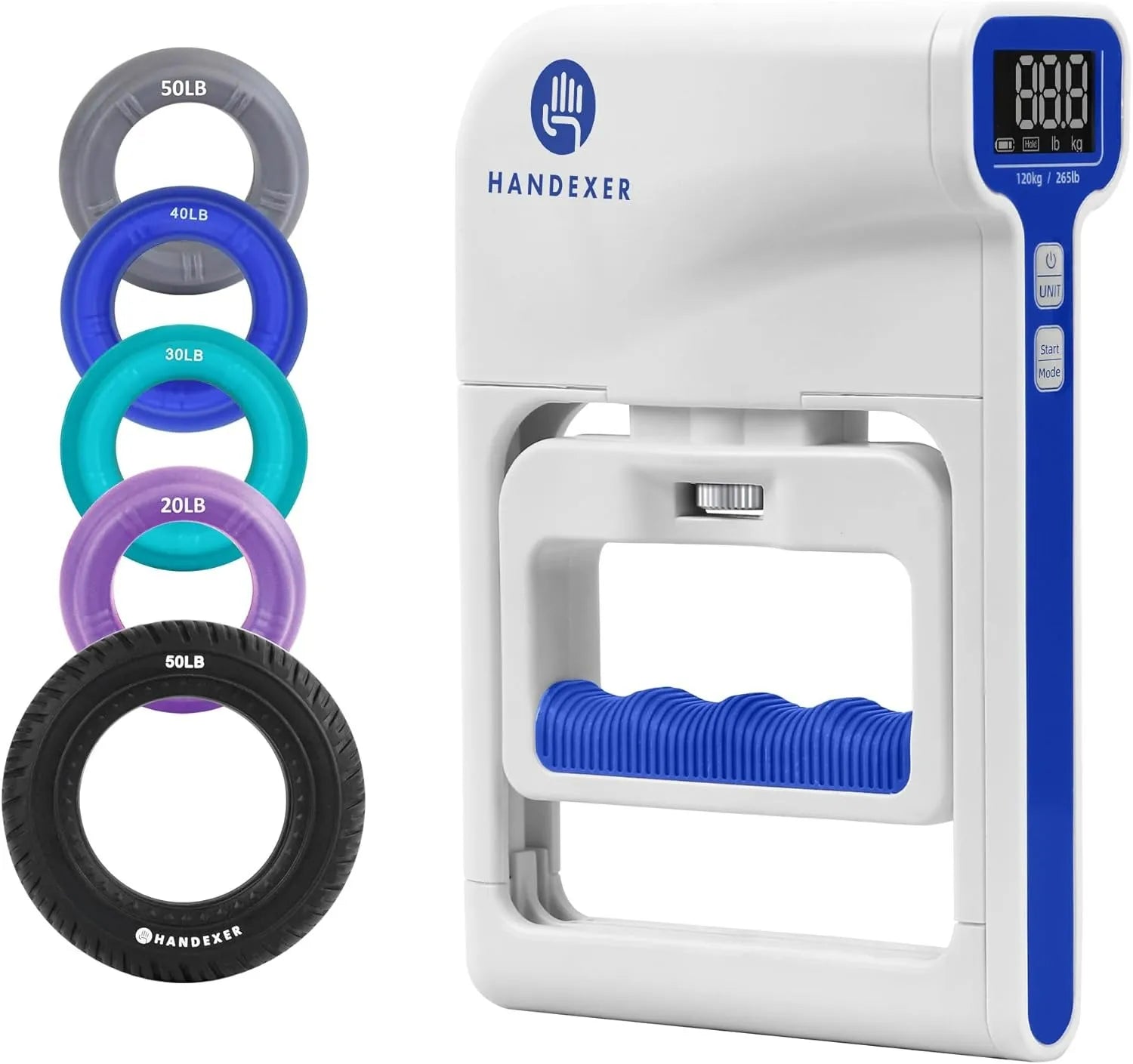
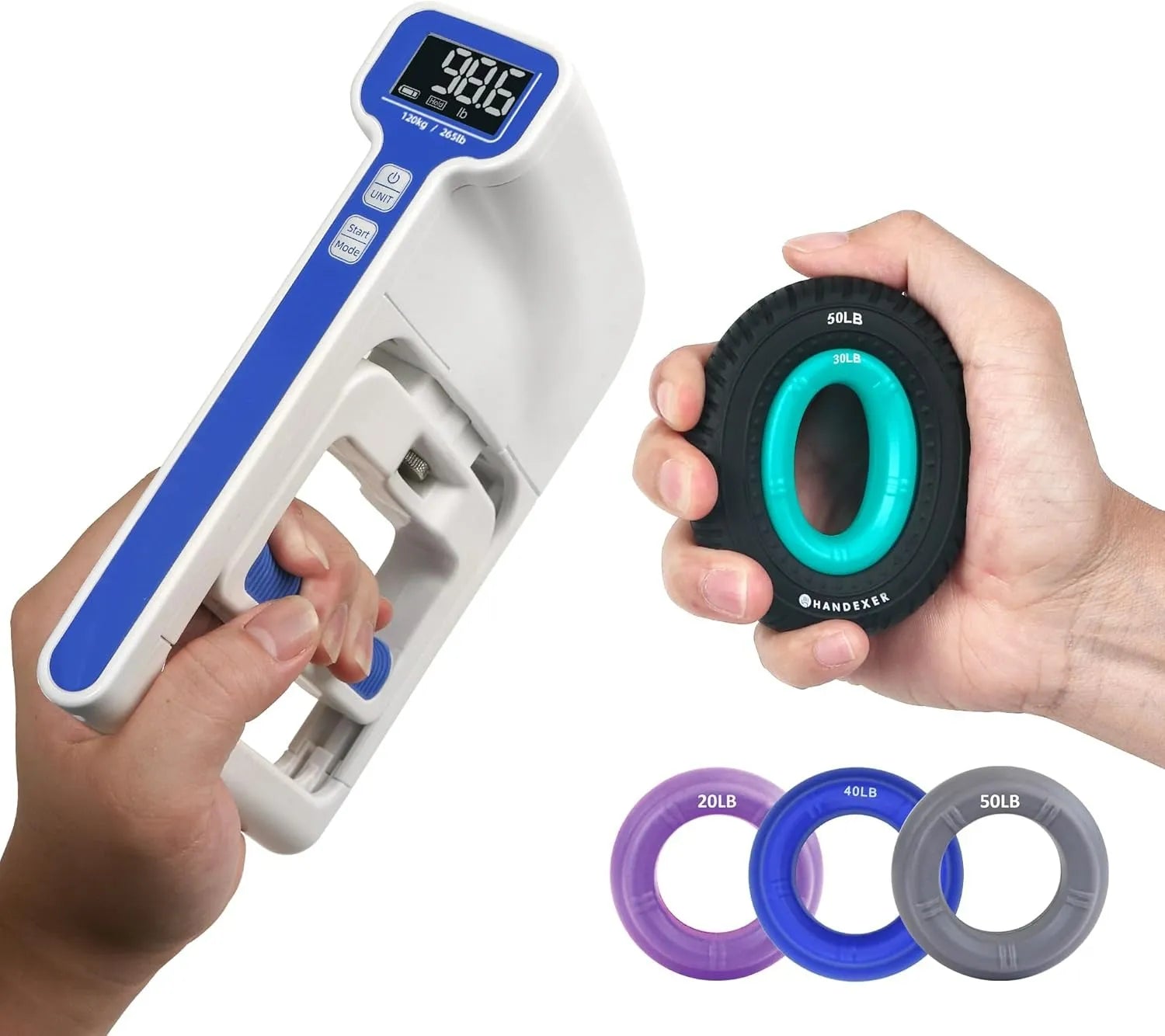
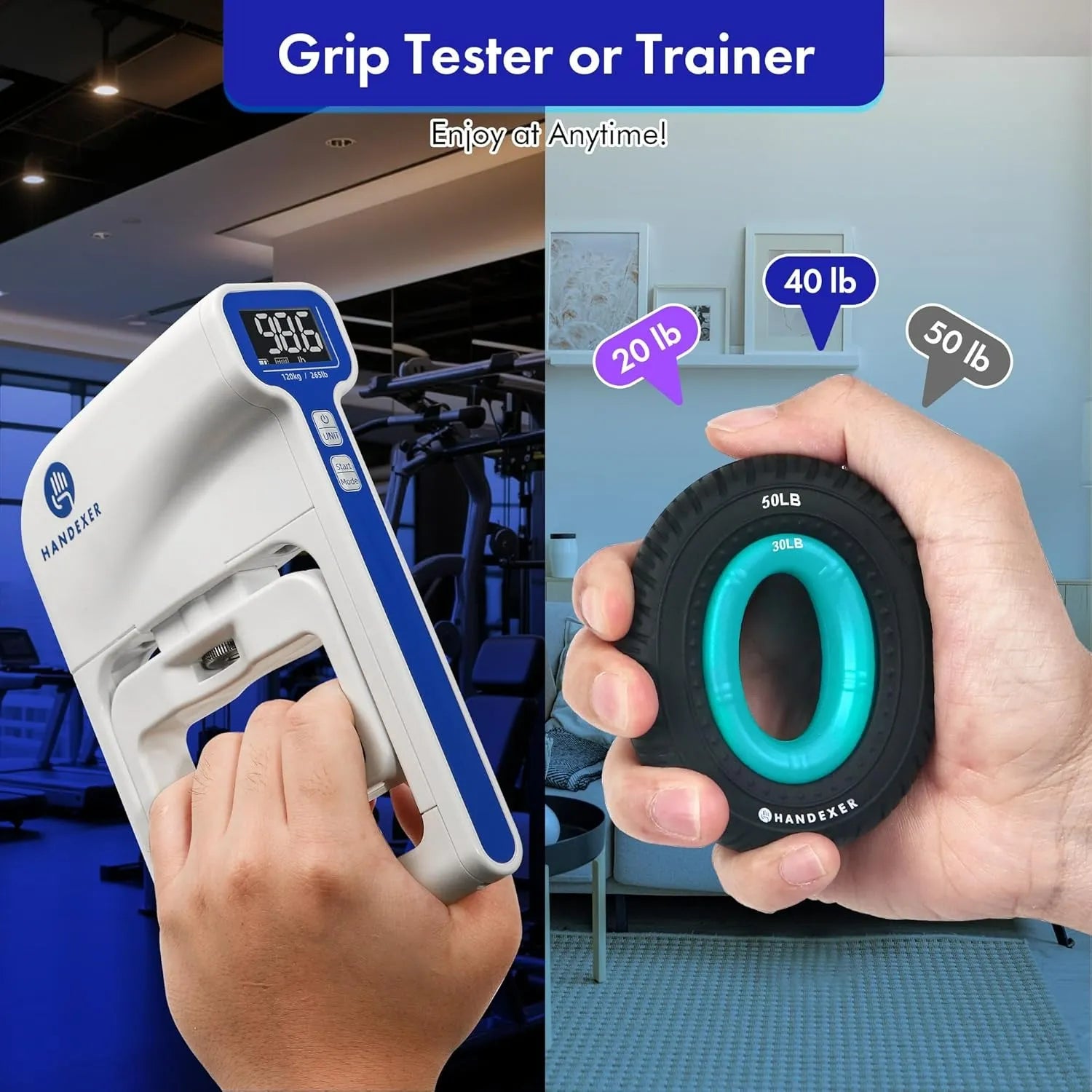
You can perform isometric handgrip exercises without a dynamometer. However, percentage-based training is easier when you can measure force directly.
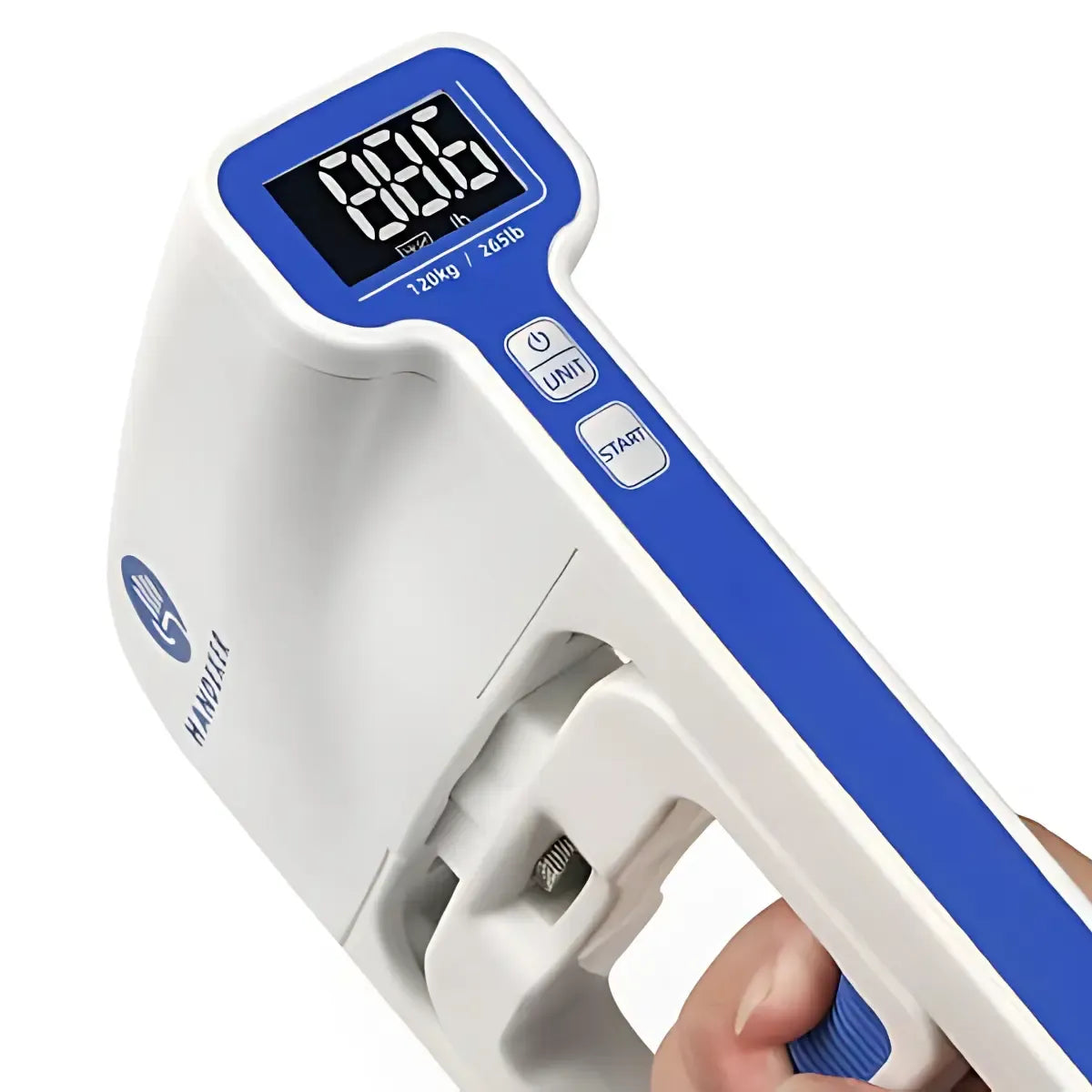
This turns a percentage-based target into a measurable force you can actually see during training.
A dynamometer measures grip force, not blood pressure. Grip strength itself should not be interpreted as a measure of blood pressure or cardiovascular health. The potential benefits discussed here relate to the training intervention, not simply having a stronger grip.
Safety Considerations & Precautions
If you have uncontrolled high blood pressure, diagnosed cardiovascular disease, a recent cardiac event, or other conditions affecting your exercise capacity, talk with your physician before initiating an isometric routine.
Immediately stop exercising and seek appropriate medical evaluation if you experience:
- Chest pain or chest pressure
- Fainting or sudden lightheadedness
- Severe dizziness or nausea
- Unusual shortness of breath
Never discontinue or alter prescribed blood pressure medication based on isometric exercise routines.
Frequently Asked Questions
Can isometric handgrip exercises lower resting blood pressure?
Research reviews and clinical trials suggest that regular, structured isometric handgrip training over several weeks is associated with modest reductions in resting systolic and diastolic blood pressure. It should be treated as part of an active lifestyle rather than a standalone medical treatment.
Do handgrip exercises temporarily raise blood pressure during the squeeze?
Yes. Blood pressure temporarily elevates during any sustained muscle contraction due to continuous mechanical tension and the exercise pressor reflex. This is why maintaining submaximal effort (~30% MVC) and smooth, continuous breathing (avoiding breath-holding) is essential.
How long should you hold an isometric handgrip?
A standard research protocol uses 2-minute sustained holds with 1–2 minutes of rest between sets. Beginners can start with shorter or fewer sets and build up endurance gradually.
How many times per week should I do handgrip training?
Most research frameworks recommend 3 to 5 sessions per week. Long-term training consistency over 8 to 12 weeks is far more impactful than increasing session frequency beyond recommendations.
How do I calculate my 30% MVC target?
Test your peak voluntary grip strength using a digital dynamometer, then multiply that value by 0.30. For instance, if your maximum squeeze is 100 lbs, your target training hold is 30 lbs.
Can I do isometric handgrip training without a dynamometer?
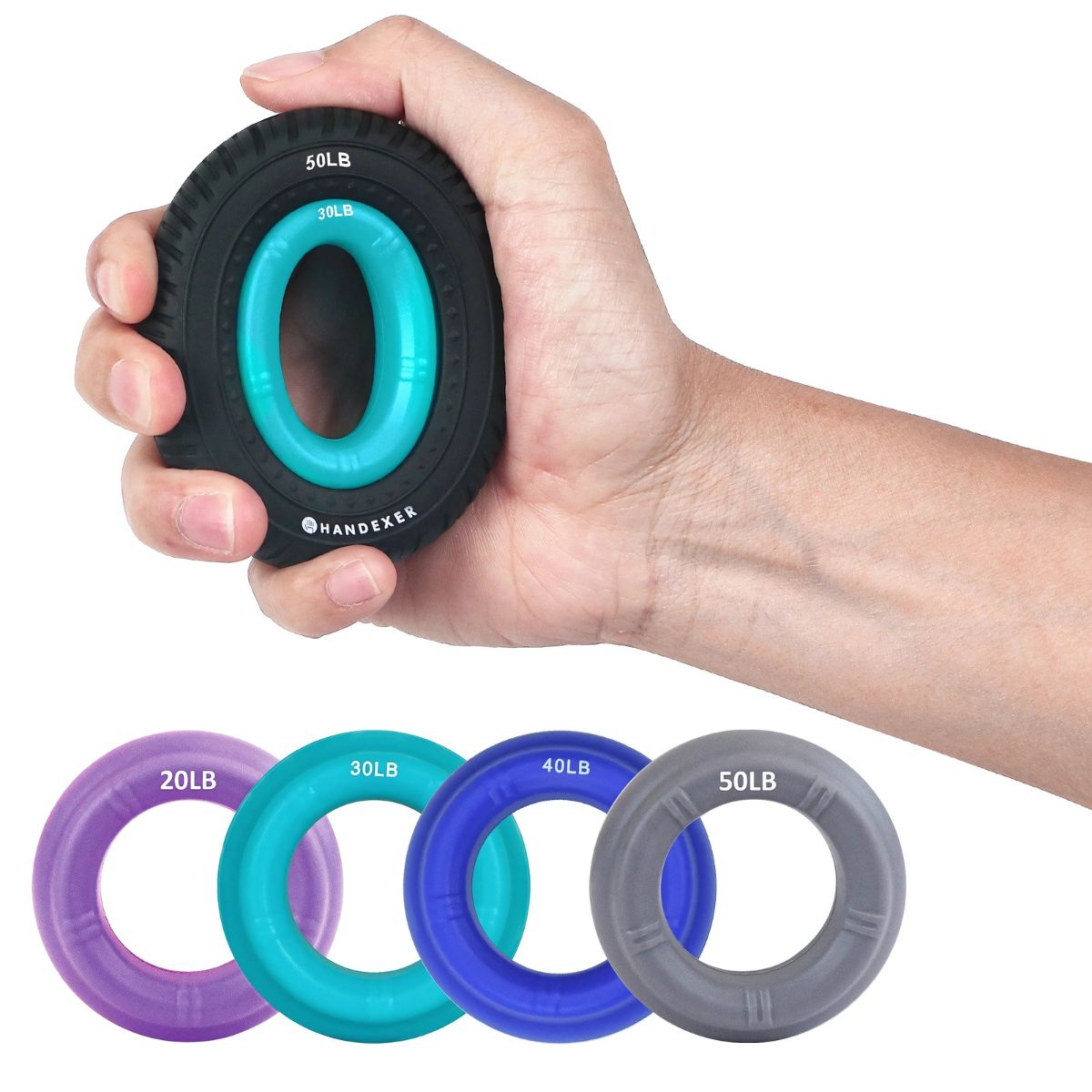
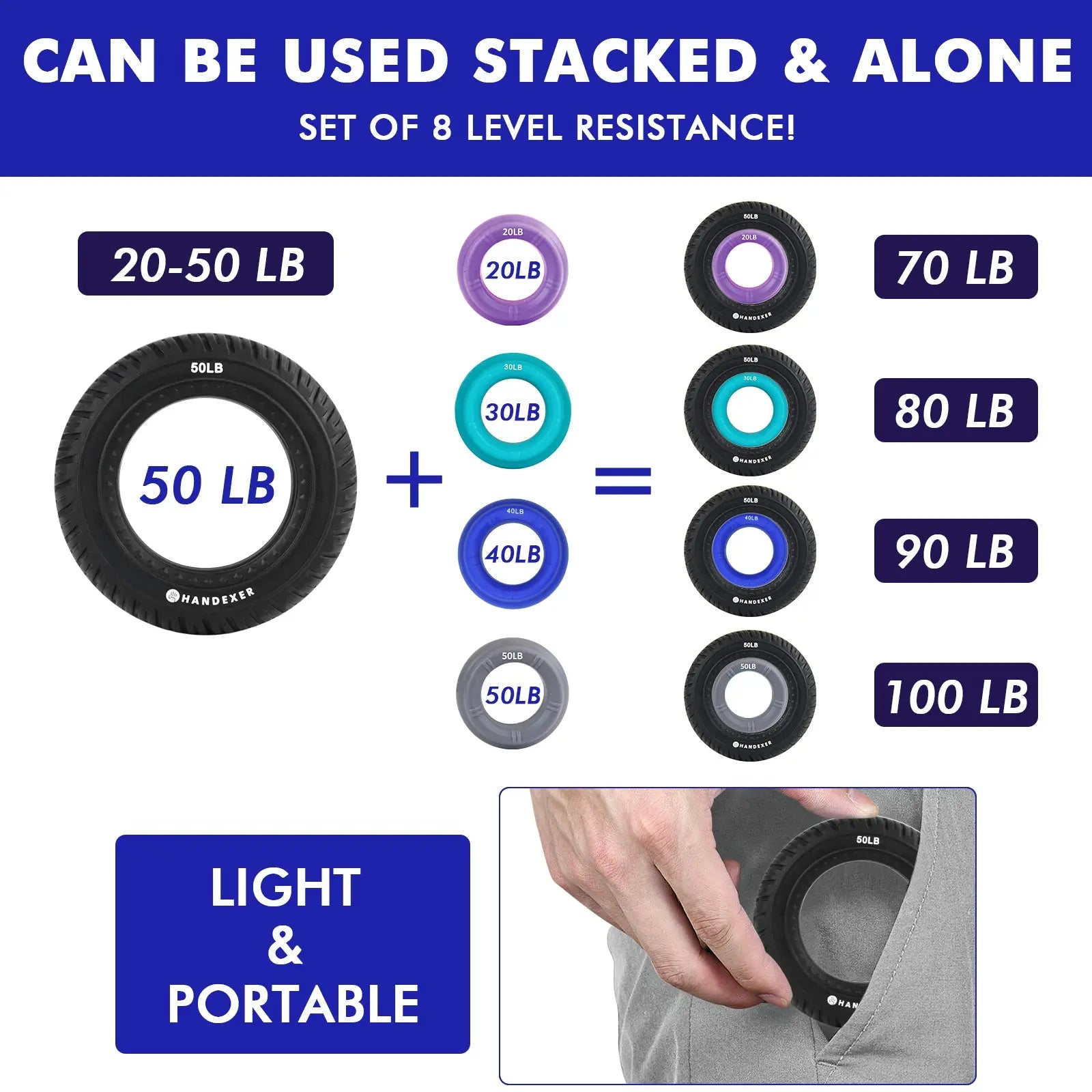
Yes. You can use squeeze balls or spring tools by estimating moderate effort (~3–4/10). However, a digital dynamometer provides exact numeric feedback, making percentage-based training and progress tracking significantly more accurate.
Isometric hand grip training offers a straightforward, low-impact exercise habit supported by research for resting blood pressure wellness.
For beginners, focus on smooth breathing, neutral wrist alignment, and submaximal consistency rather than pushing to fatigue.
Utilizing a digital dynamometer turns subjective guesswork into an objective, measurable routine you can track week after week.
Measure your grip. Train with purpose. Track what changes.






Share:
Hand Exercises for Stiff Fingers: 8 Simple Movements for Mobility & Grip Strength
Grip Strength and Cardiovascular Health