

Quick Summary
New research is exploring a possible connection between the gut microbiome and muscle health, often referred to as the gut-muscle axis. A recent study found that older adults with detectable levels of Roseburia inulinivorans had higher grip strength, mirrored by targeted findings in animal models.
Higher Average Grip Strength
Observed in older adults with detectable R. inulinivorans vs. non-detectable levels.
Greater Forelimb Grip Force
Measured after ~8 weeks of targeted administration alongside Type II fiber changes.
How the Gut May Connect to Muscle Health
The human gut is home to trillions of microorganisms that interact with the food we eat, nutrient metabolism, and the immune system. Researchers are increasingly studying whether these microorganisms may also influence skeletal muscle. This potential relationship is often called the gut-muscle axis.
Studies have found associations between changes in the gut microbiome and differences in muscle mass, strength, and physical function in older adults. Researchers are exploring several mechanisms:
Nutrient Processing
How gut bacteria extract, synthesize, and break down vital nutrients for physical energy.
Metabolite Production
Generation of short-chain fatty acids (SCFAs) and signaling molecules that reach skeletal tissue.
Inflammation & Immunity
Modulation of systemic inflammation and immune pathways that guard against muscle degradation.
What the New Study Found
Researchers spotlighted a specific bacterium: Roseburia inulinivorans, evaluating both human cross-sectional data and laboratory controlled animal experiments.
Older Adults With Detectable Levels Had Higher Strength
Among the older participants, those with detectable R. inulinivorans exhibited approximately 29% higher average grip strength than those without detectable levels.
That difference is notable, but it does not mean that the bacterium directly makes people 29% stronger. Grip strength simply serves as an accessible, dependable indicator of overall physical function.
What Happened in Animal Models?
When researchers administered R. inulinivorans to mice over eight weeks, the treated mice exhibited clear physiological adaptations:
- ✓ ~30% greater forelimb grip force
- ✓ Changes in muscle fiber characteristics
- ✓ Higher proportion of Type II (fast-twitch) fibers
- ✓ Activation of favorable muscle metabolic pathways
*Note: Rodent model results provide physiological clues but cannot be directly translated into identical human outcomes.
What the Study Does — and Doesn't Tell Us
Maintaining scientific clarity to prevent premature conclusions.
- Certain gut bacteria may be positively associated with differences in muscle strength.
- R. inulinivorans may influence muscle-related biological processes in animal models.
- The gut microbiome may represent one of several critical factors in healthy muscle aging.
- R. inulinivorans directly increases human grip strength on its own.
- Probiotic supplements containing this bacterium will automatically improve strength.
- Gut health is more important than regular exercise, proper protein intake, sleep, or recovery.
*More human clinical trials are essential before these observational findings can be translated into definitive consumer recommendations.
From Microbiome Research to Something You Can Track
There is an important practical difference between studying the gut microbiome and tracking muscle function. Changes in the gut microbiome are complex and cannot be measured at home.
Grip strength, however, is something you can measure directly. It provides an objective snapshot of one aspect of physical muscle function while scientific research into the gut-muscle axis continues to develop.
Why Grip Strength Is Worth Tracking
Validated by EWGSOP2 Sarcopenia GuidelinesSimple
Takes only a few seconds
Non-invasive
No blood test or imaging
Repeatable
Accurate like-for-like tests
Baseline
Personal reference over time
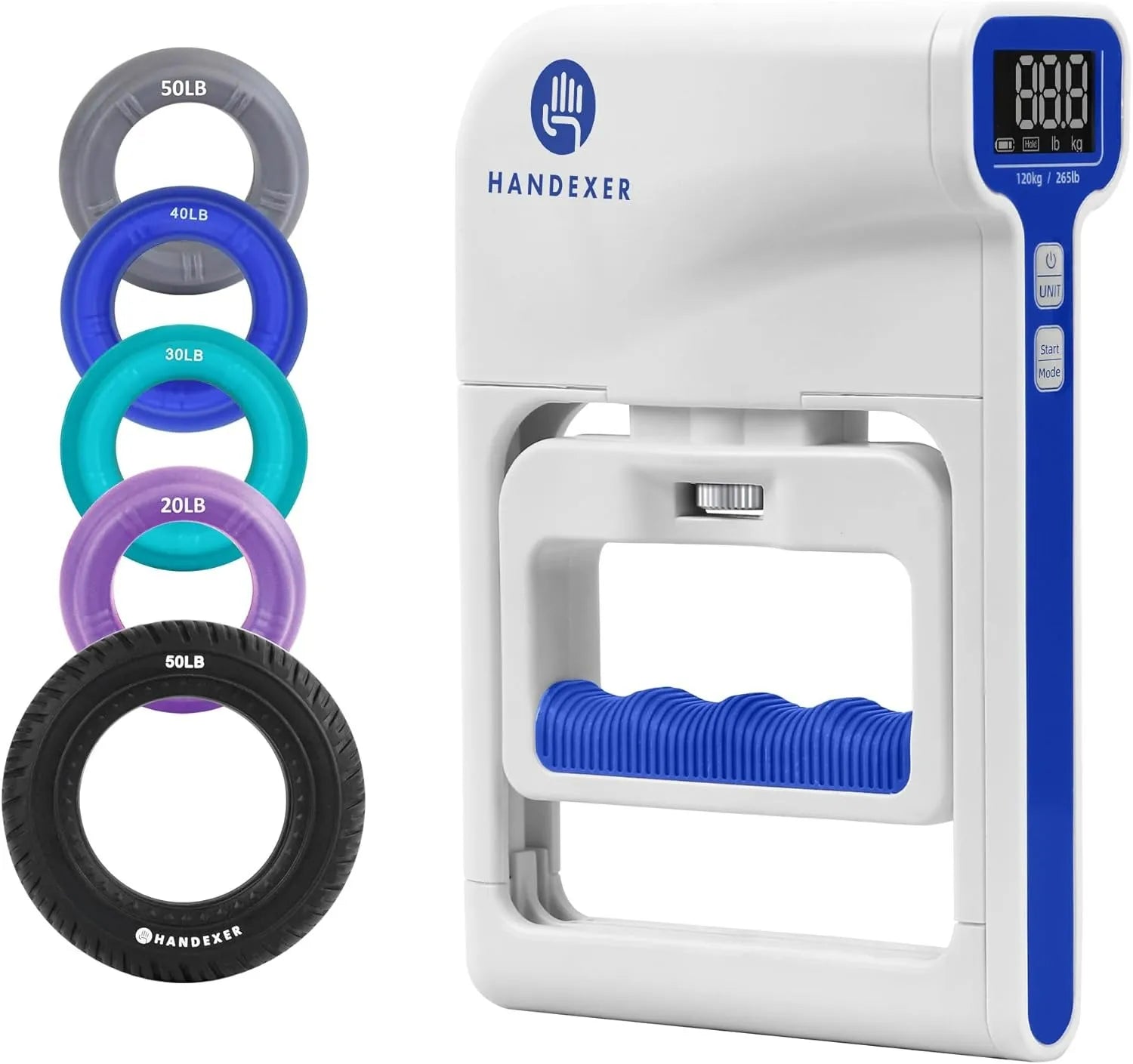
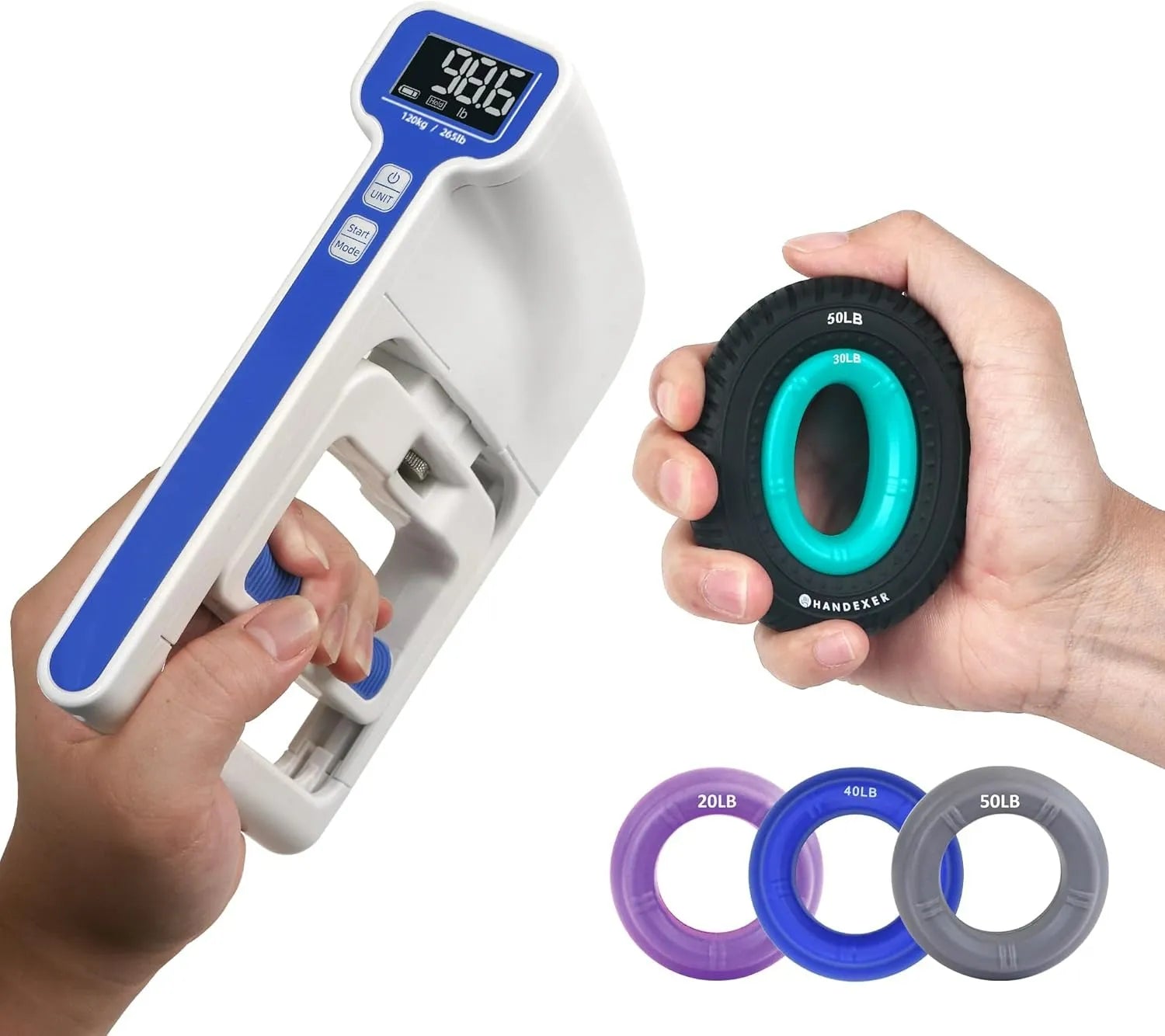
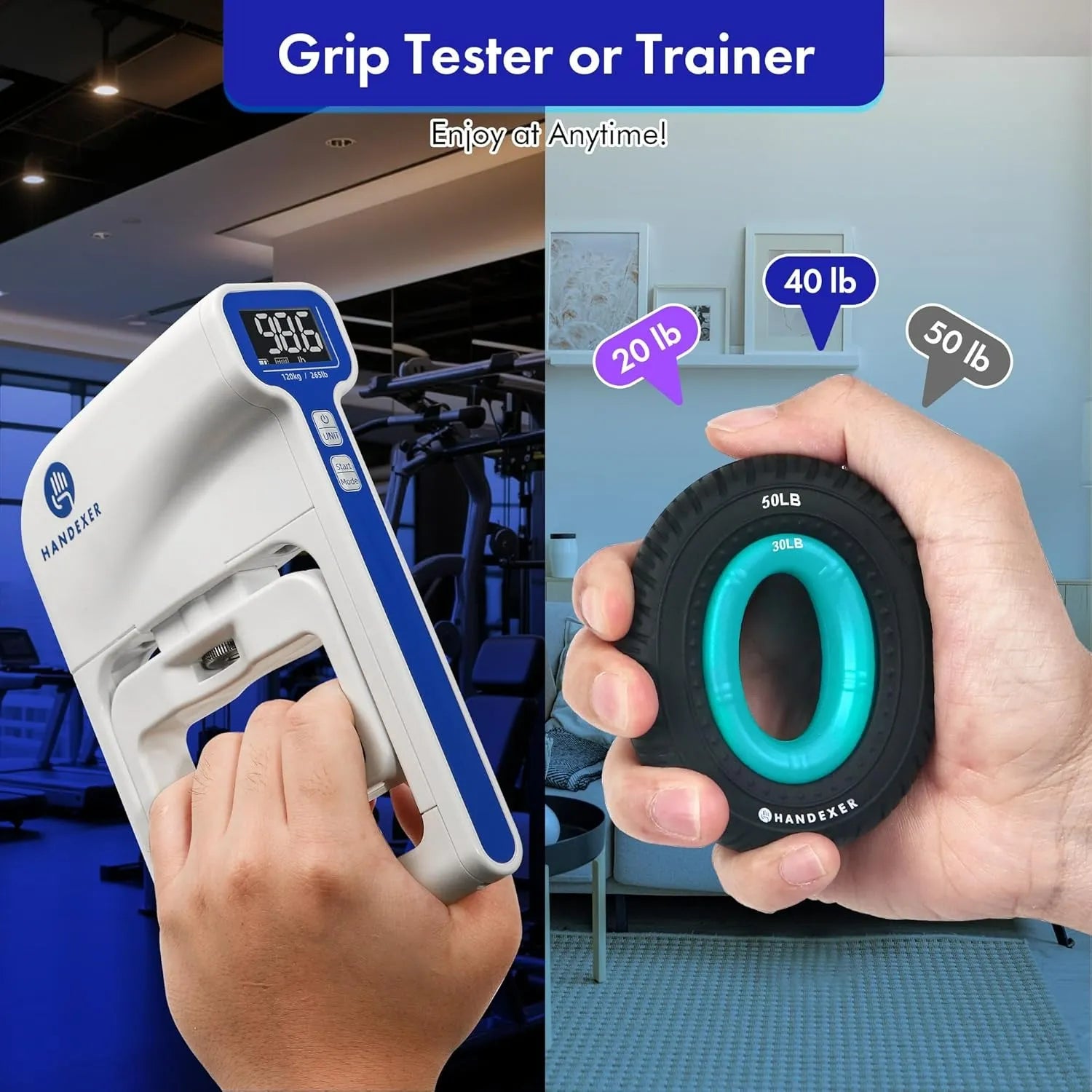
Measure and Track Your Grip Strength with Handexer
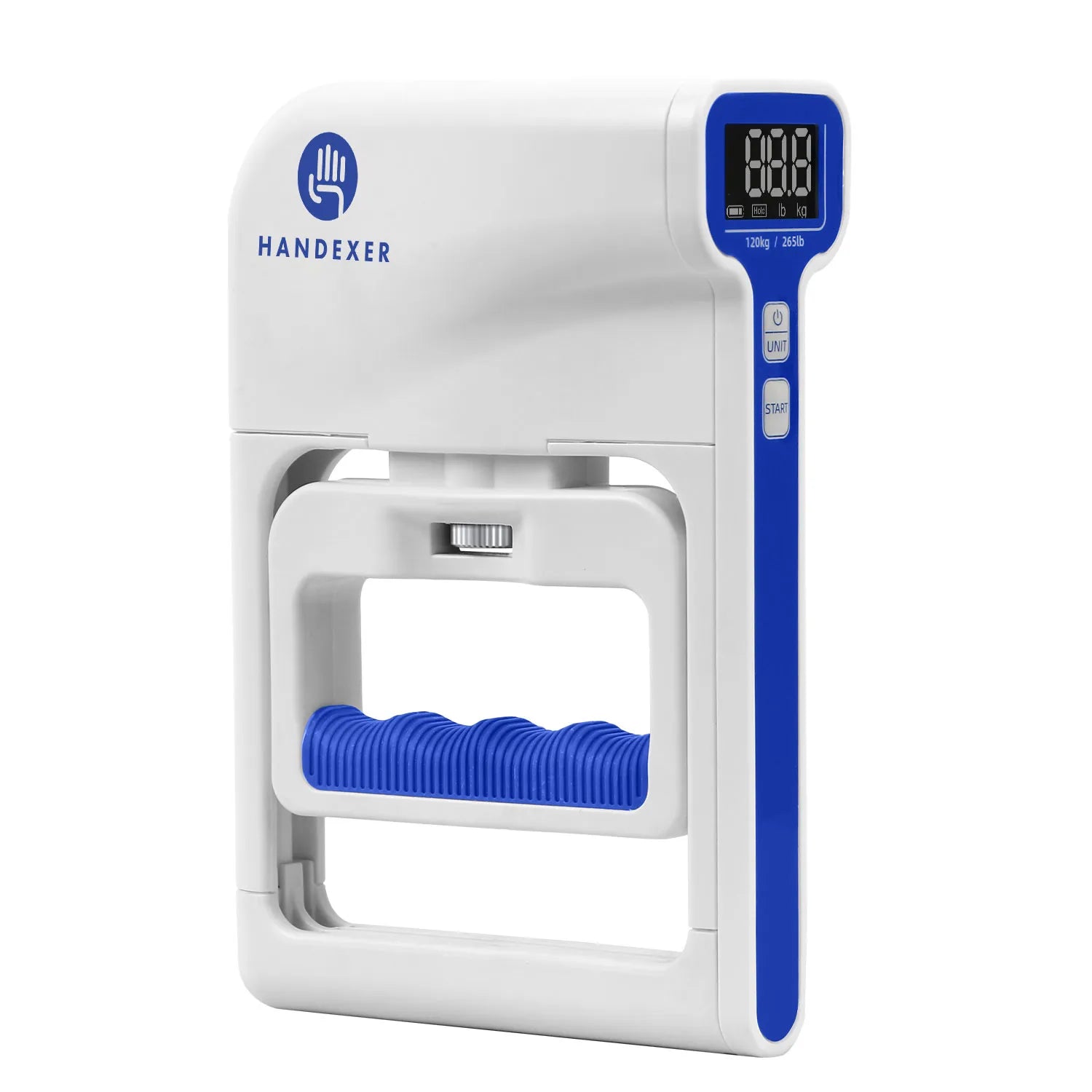
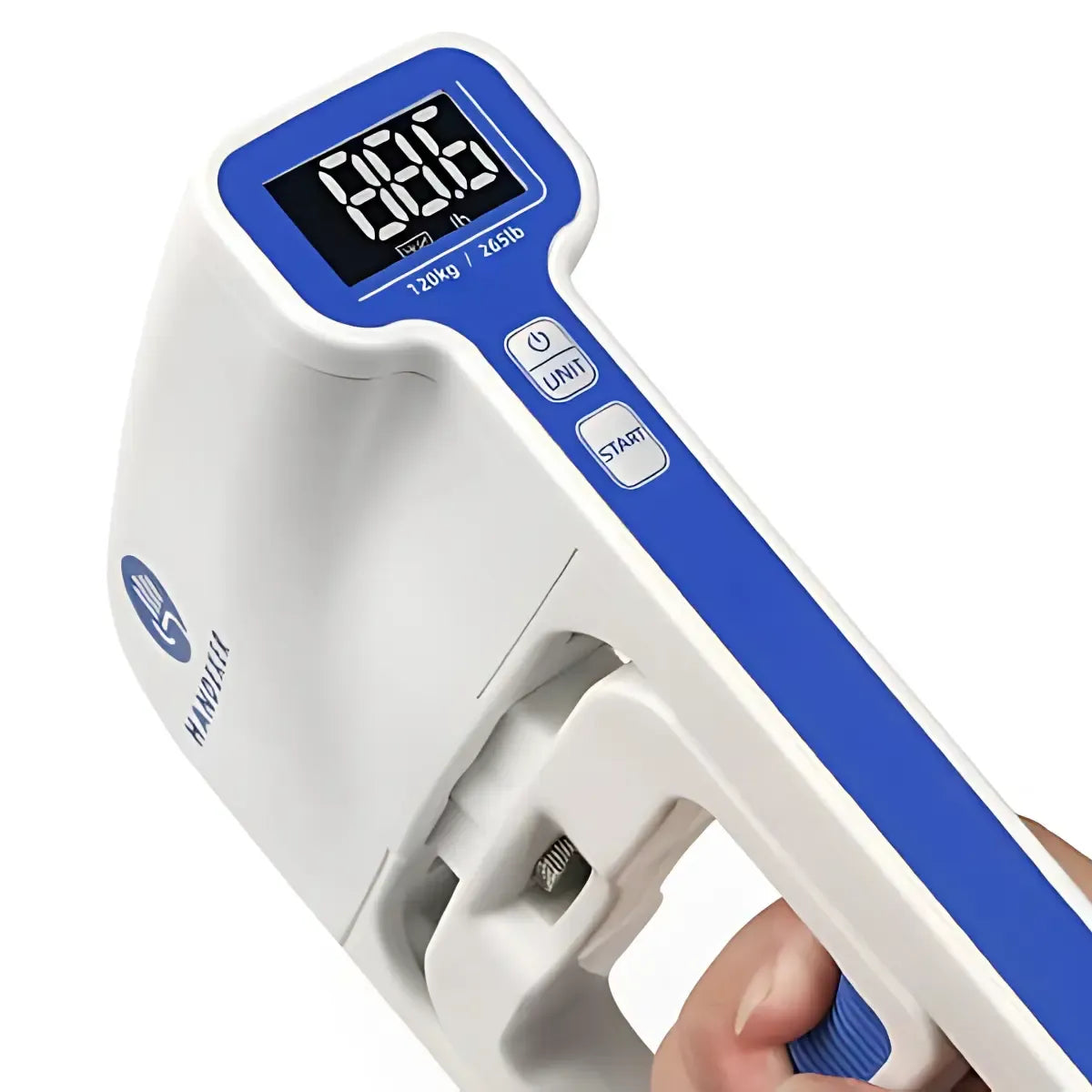
If you want to track your grip strength at home, a digital hand dynamometer provides a simple, clinically accurate way to turn physical grip capability into an objective, measurable number.
How to Track Grip Strength Consistently
Useful tracking depends more on consistent testing methodology than frequent testing. Follow these 5 essential parameters:
Same Dynamometer
Always test using the same device model to avoid cross-calibration discrepancies.
Same Time of Day
Test within similar morning or afternoon hours to account for daily circadian fluctuations.
Standard Body Position
Keep your elbow bent at 90°, shoulders relaxed, and maintain identical seated or standing posture.
Equal Test Attempts
Perform the exact same number of trials (e.g., 3 attempts per hand) and record the highest score.
Avoid Post-Workout Fatigue
Never test immediately after demanding upper-body workouts or strenuous yard work. Test when muscles are recovered.
Frequently Asked Questions
Clarifying misconceptions about gut microbiota and muscle measurement.
Can probiotic supplements reproduce these findings? ⌃
There is currently not enough evidence to say so. The study specifically examined Roseburia inulinivorans, rather than commercially available multi-strain probiotic supplements. More human clinical research is needed before off-the-shelf supplements can be legitimately marketed for grip strength gains.
Can grip strength tell me about my gut microbiome? ⌃
No. A grip-strength test does not identify bacterial strains or assess gut ecology. What it does is evaluate isometric muscular force, offering an objective snapshot of neuromuscular performance.
How often should I test my grip strength? ⌃
For long-term wellness and fitness tracking, testing every 2 to 4 weeks is ideal. Daily measurement introduces unnecessary noise from temporary fatigue, sleep variances, or recent physical strain.
How can I tell whether my grip strength is typical for my age? ⌃
A single number needs context. Comparing your raw scores against age- and gender-stratified grip strength norms provides an informative reference point, while regular testing reveals your unique personal trajectory.
Does higher grip strength mean someone has better gut health? ⌃
Not necessarily. The study established a statistical association between detectable R. inulinivorans and higher average force. Grip strength is multifaceted and influenced by genetics, resistance training, neurology, and overall health.
Start With What You Can Measure
Research into the gut-muscle axis continues to expand our understanding of how systemic biology interacts during aging. While science works toward actionable microbiome solutions, grip strength remains a straightforward, proven aspect of muscle vitality that you can measure yourself right now.







共有する:
握力トレーニングはマウスによる手の痛み(RSI)の緩和に役立ちますか?