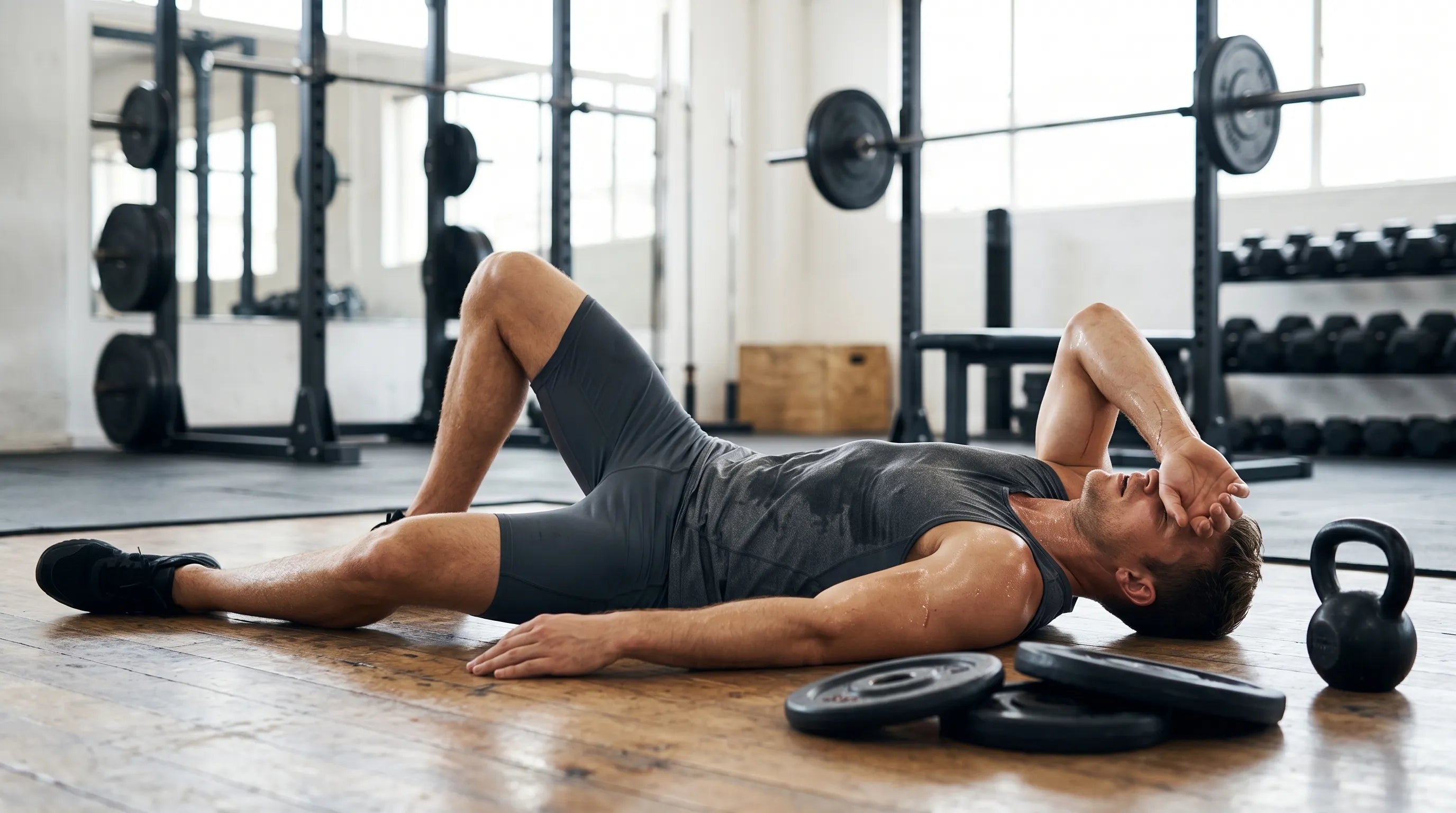
When you are working hard toward your health, fitness, or performance goals, making progress feels great—until suddenly, you hit a wall. Your usual running or cycling pace feels exhausting. Your regular workouts feel unusually heavy. Physical activities you normally enjoy begin to feel like an uphill battle. Are you just having an off day, or are you overtraining? Relying on guesswork often leads active individuals, runners, lifters, and athletes to make the wrong call. Many assume they are just "feeling lazy" and force themselves to push even harder, which usually makes physical fatigue worse. Here is how to spot early warning signs, understand your body's fatigue across any activity, and build a simple physical recovery tracking habit to keep your progress moving forward safely.
"Am I Overtraining?" 7-Point Self-Check
Whether you train for a sport, exercise regularly, or simply want to stay active through running, cycling, strength training, or other daily activities, ask yourself these 7 simple questions:
0/7
No symptoms selected
One off day is normal. Check items if they persist over multiple sessions.
SECTION 02
Understanding Fatigue Stages
Exercise science categorizes physical stress and fatigue into distinct stages based on duration, severity, and how your body responds (
Meeusen et al., 2013):
| FATIGUE CATEGORY |
KEY CHARACTERISTICS |
TYPICAL RECOVERY RESPONSE |
| Normal Training Fatigue |
Short-term tiredness after challenging exercise or activity. |
Usually improves with adequate rest, nutrition, and hydration |
| Functional Overreaching |
Planned short-term stress that leads to performance gains. |
Often resolves with appropriate rest and lighter recovery activity |
| Non-Functional Overreaching |
Unplanned stress leading to stagnant or declining performance. |
Requires several weeks or months of reduced workload |
| Overtraining Syndrome (OTS) |
Severe, multi-system breakdown affecting hormones and health. |
Requires prolonged rest and professional medical care |
⚠️ Medical Safety Note: Overtraining Syndrome (OTS) is a complex medical condition that cannot be diagnosed at home with a single device. If you suspect severe biological burnout, please consult a healthcare professional.
SECTION 03
What Really Causes Overtraining?
Overtraining is rarely caused by physical activity alone. It happens when total combined stress—from physical training, daily lifestyle, and environment—exceeds your body's ability to repair itself.
📈
Unplanned Workload Spikes
Adding mileage, volume, intensity, or sessions too quickly without rest.
🍽️
Inadequate Fuel
Under-eating or skipping carbohydrates deprives muscles of recovery energy.
💼
High Lifestyle Stress
Work, travel, and mental worry consume the exact same recovery energy as workouts.
SECTION 04
How to Track Your Recovery Effectively
Because recovery involves your whole body, relying on subjective feelings alone isn't always reliable. A practical tracking routine combines what you feel with what you can measure.
📝
The 4 Subjective Signals to Log Daily
-
Sleep Quality: Do you wake up rested or groggy?
-
Muscle Soreness: Do your joints and muscles feel fresh or chronically stiff?
-
Mood & Mental Drive: Are you motivated to move, or does physical activity feel like a chore?
-
Activity Performance: Are you hitting your usual metrics, or are your numbers dropping?
🖐️
Adding an Objective Performance Marker
Subjective logs work best when paired with an objective physical marker. What makes a useful recovery metric? It needs to be consistent, repeatable, easy to measure, and objective.
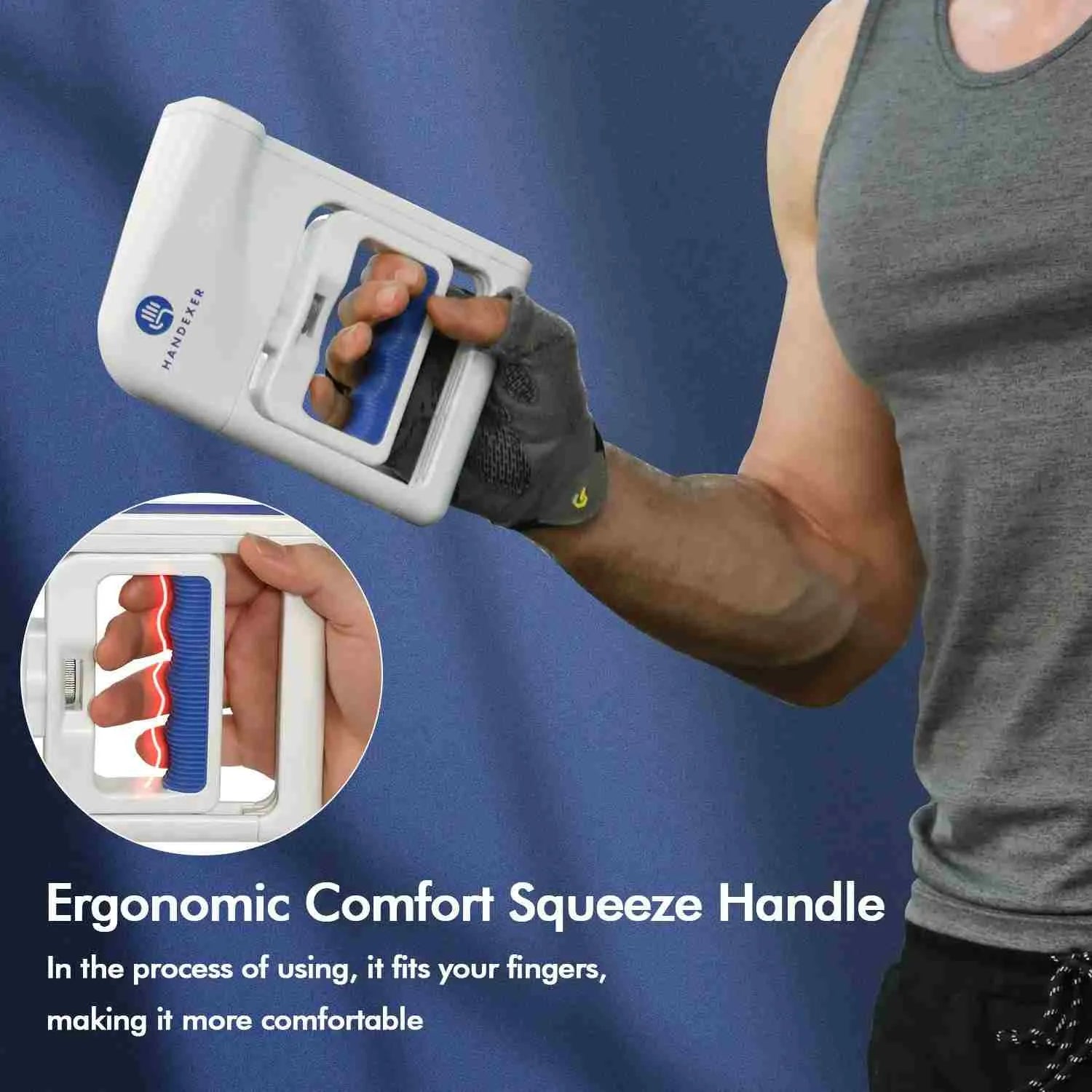
Grip strength can serve as one practical, objective marker alongside subjective recovery measures. Squeezing with maximum force requires coordinated neural activation and muscle force production (Twist & Highton, 2013).
Because a grip test is quick and minimally demanding, it can provide a convenient, repeatable performance measure that complements other recovery signals across various activities. However, grip performance is influenced by daily fatigue, sleep, hydration, local forearm tiredness, and stress. It does not diagnose overtraining on its own, but it gives you a reliable, objective number to compare against your personal baseline.
SECTION 05
How to Build and Interpret Your Personal Grip Baseline
1
Establish a Personal Baseline
Measure your grip force upon waking for 7 to 10 days to find your personal reference average. You can enter your daily numbers into our free online grip assessment tool to log your scores and view general averages in our grip strength norms guide.
2
Keep the Setup Consistent
Stand tall with your arm relaxed by your side, squeeze with maximum effort for 3 seconds, and record the reading. Learn how to measure grip strength accurately for reliable results.
Interpret the Multi-Day Trend:
✔ Stable Baseline
Daily scores fluctuate slightly near your average.
Action: Continue your regular activity routine.
⚠️ Repeated Decline
Force output shows a downward trend across consecutive tests alongside soreness or low energy.
Action: Review sleep, hydration, and nutrition. Consider reducing your activity volume or intensity for a few sessions.
✖ Persistent Decline
Force output stays noticeably low over a sustained period with low mood or fatigue.
Action: Take a rest day or schedule a lighter recovery period.
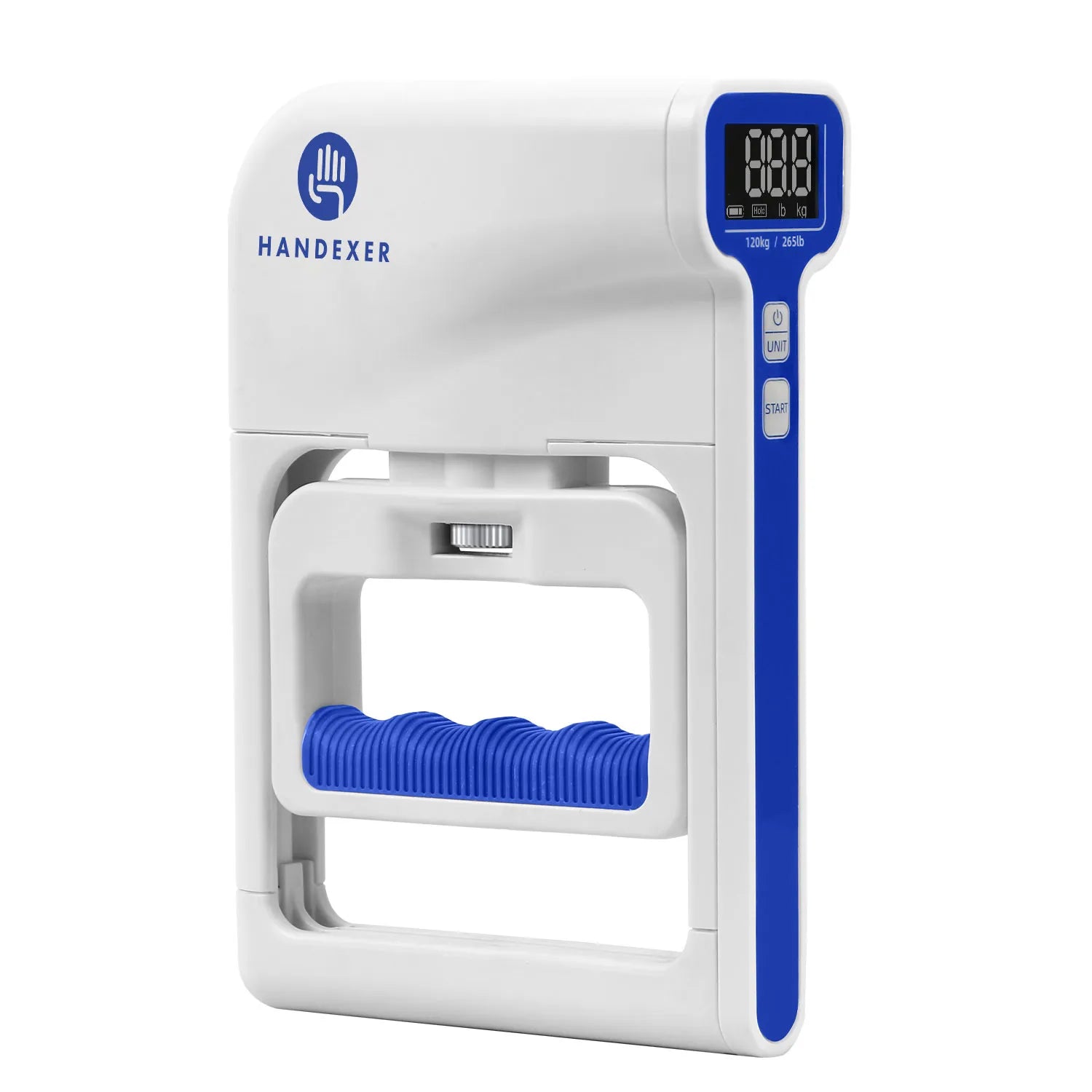
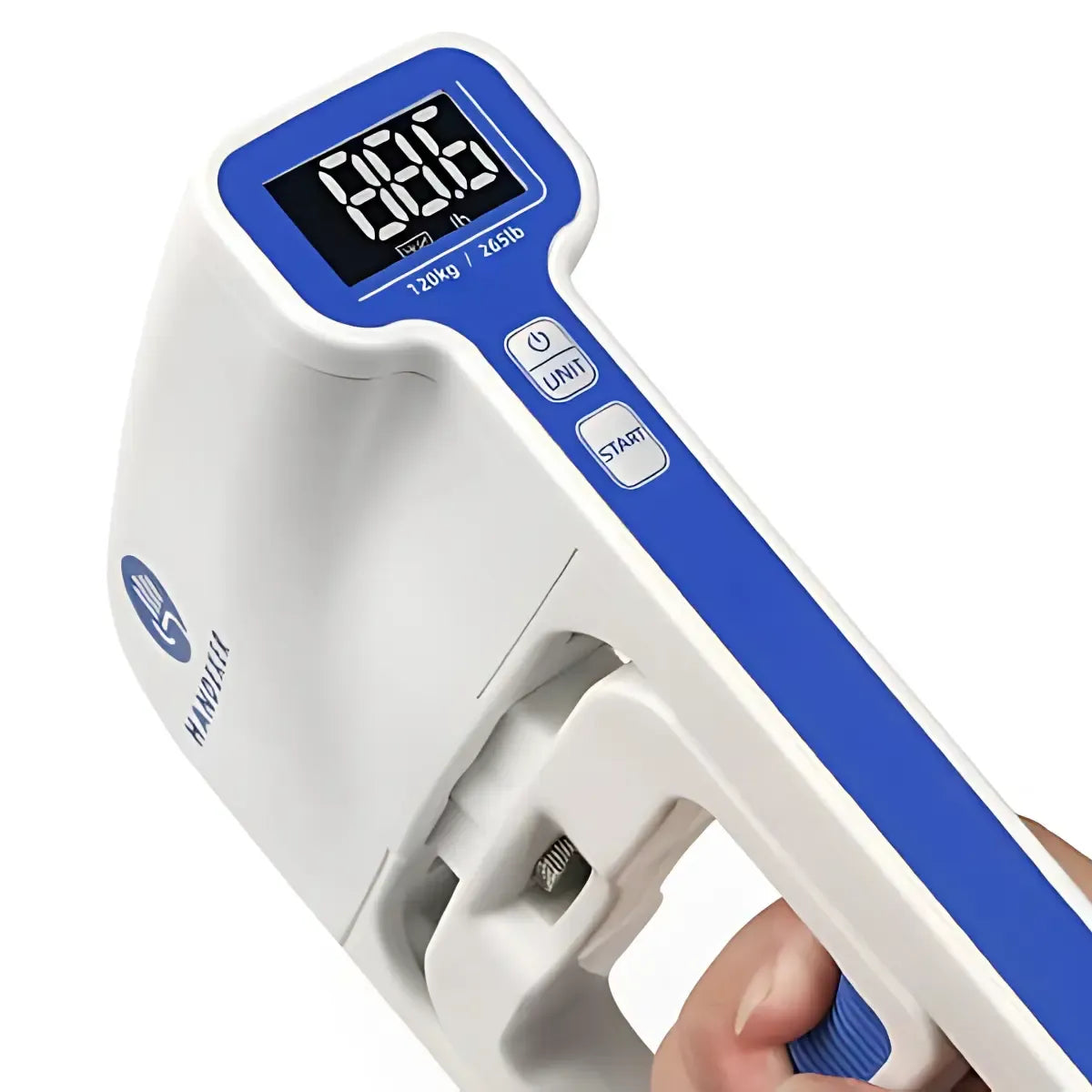
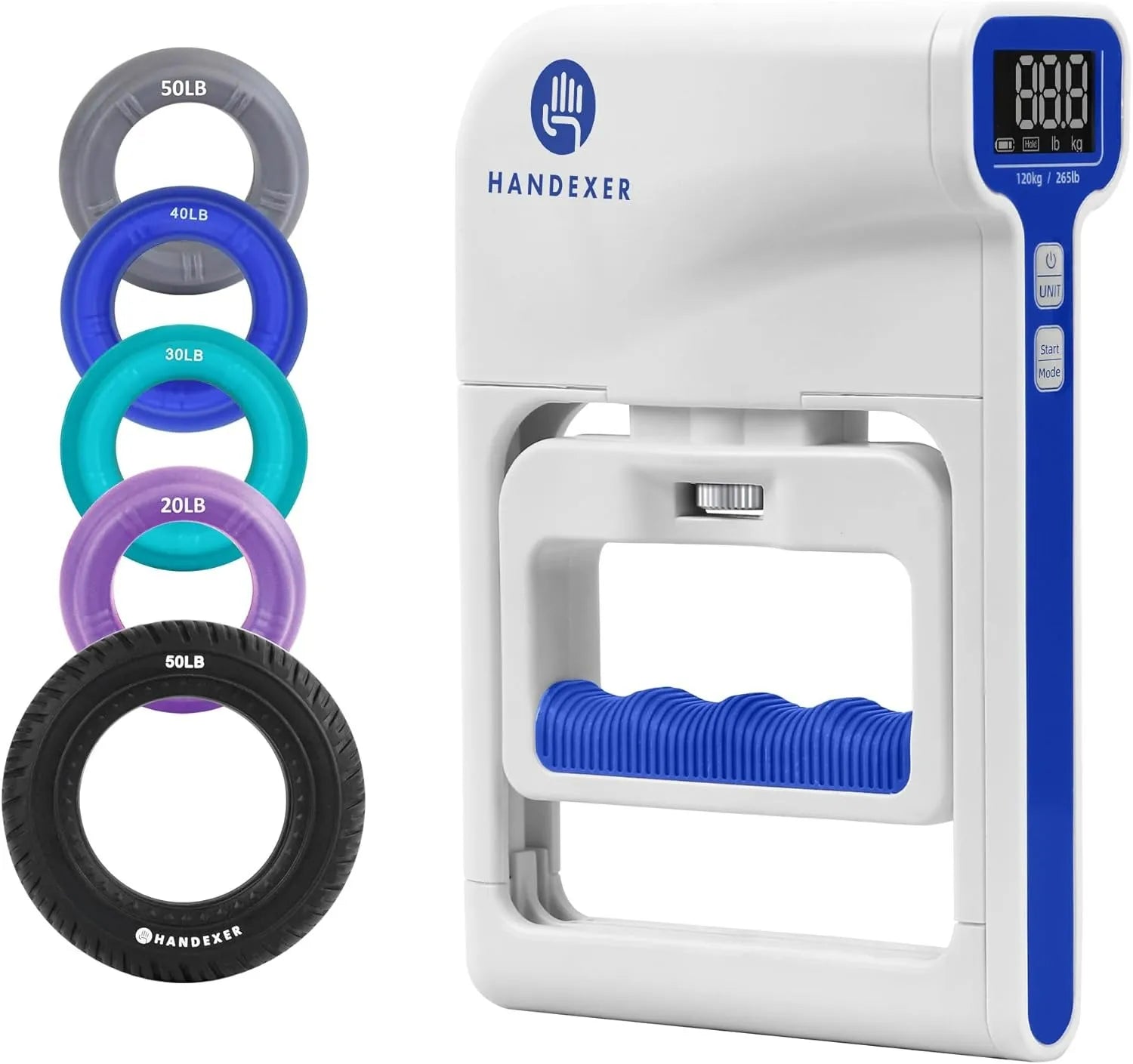
Using a reliable tool, such as a
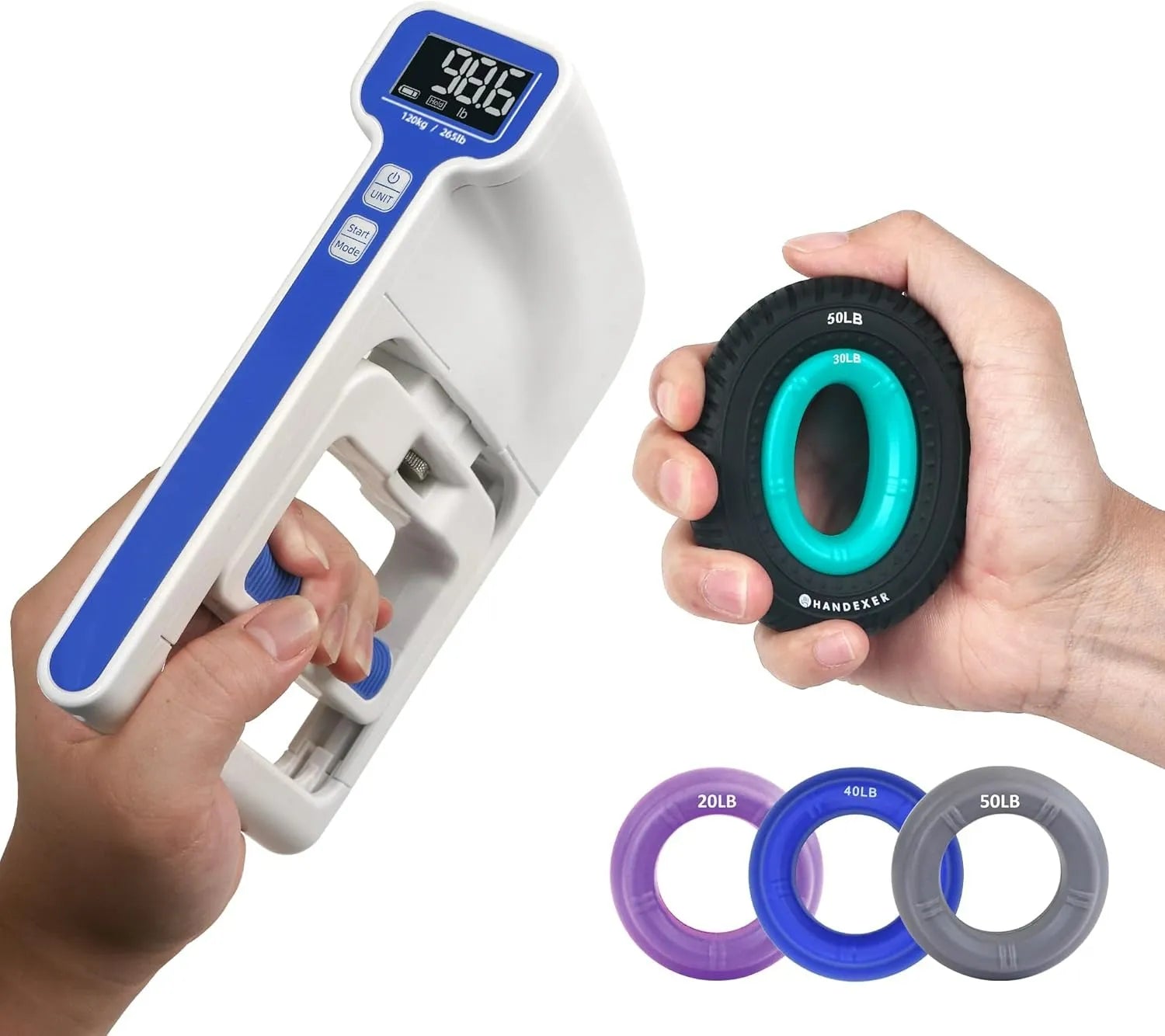
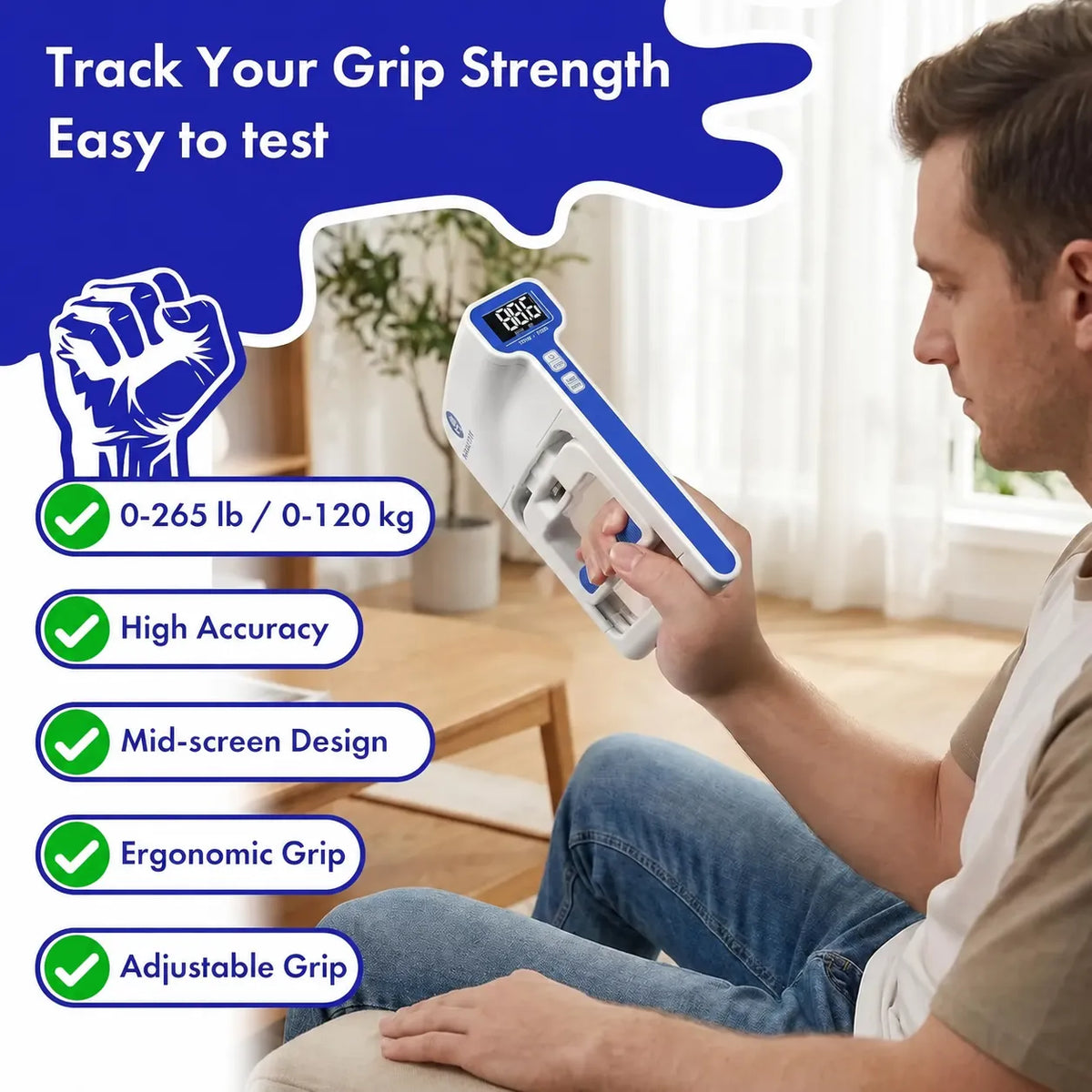
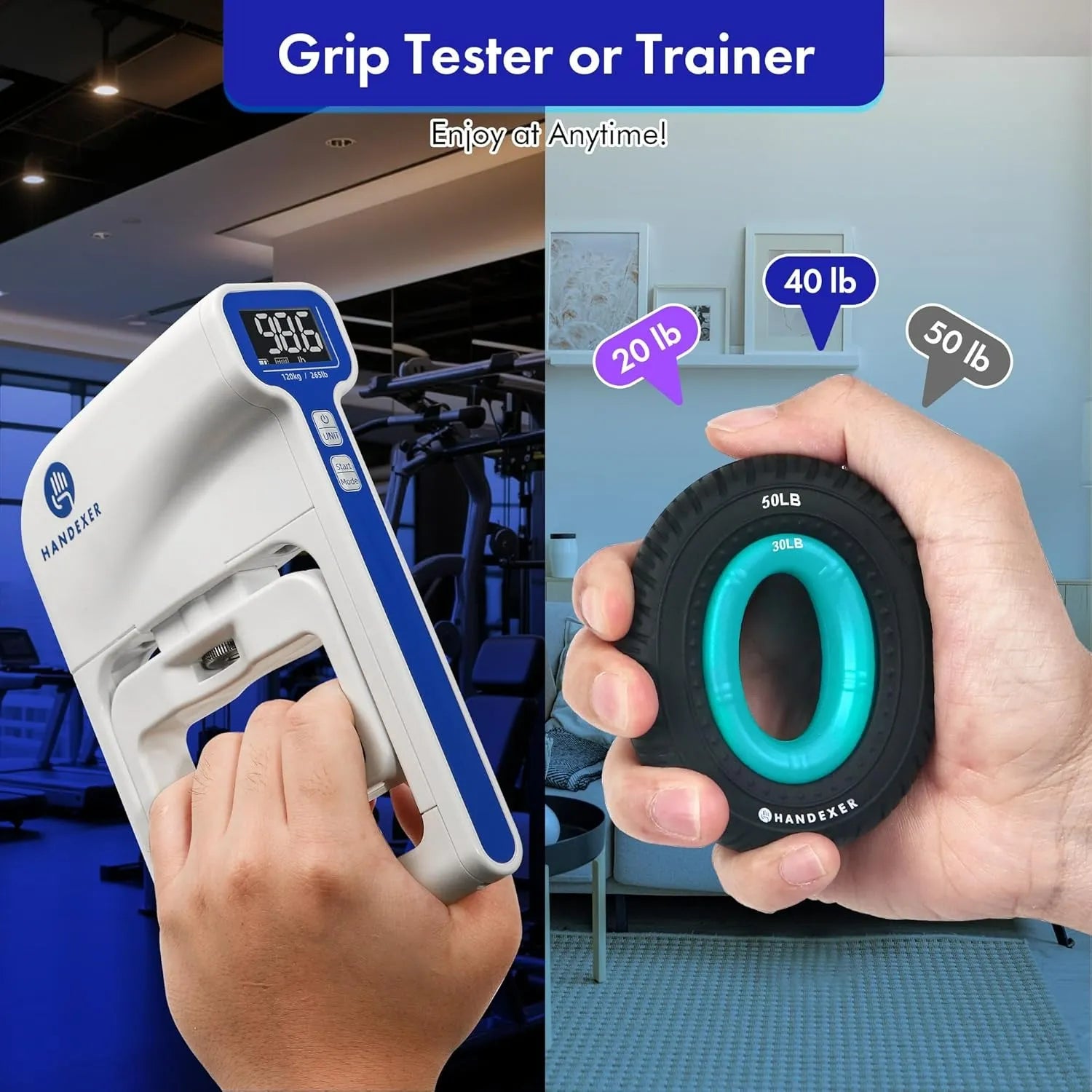
digital hand dynamometer, ensures your force measurements remain consistent and easy to track over time.
SECTION 06
When Should You Seek Medical Advice?
While taking a lighter recovery week and prioritizing sleep will resolve most cases of everyday fatigue, self-tracking cannot replace medical evaluation.
Please consult a doctor or sports medicine professional if you experience any of these red-flag symptoms:
🚫 Your performance continues to decline despite reducing your physical workload and allowing adequate recovery.
🚨 Unexplained, drastic weight loss or total loss of appetite.
🌙 Severe, persistent insomnia or night sweats.
💓 An abnormally high resting heart rate or heart palpitations upon waking.
🧠 Long-lasting feelings of severe anxiety, apathy, or depression.
🦠 Frequent sore throats, swollen glands, or lingering bugs that won't clear up.
🦵 Sharp, localized joint or bone pain that does not improve with rest.
SECTION 07
Frequently Asked Questions
What are the early signs of overtraining?
Early signs usually show up as a combination of muscle soreness lasting noticeably longer than your usual recovery period, unrefreshing sleep, a lack of motivation, an unusually high morning pulse, and a noticeable drop in physical performance or force output.
Can grip strength be used to track recovery?
Yes. Grip strength can be used as one practical, objective performance marker alongside subjective logs like sleep and mood. Squeezing with maximum force requires coordinated muscle activation. Because a quick grip test is minimally demanding, tracking daily grip trends helps you observe whether your overall physical force output is stable or declining over time.
How do I know if I just need a rest day versus a lighter recovery week?
If you feel tired or sore lower on a single morning after one tough session, an extra rest day or light active recovery is usually enough. However, if your activity performance, energy, sleep, and physical output metrics stay lower across multiple consecutive sessions, your body is signaling that fatigue has accumulated. In that case, taking a lighter recovery week (reducing overall training load) is much more effective.
Should I train or exercise today if my grip strength is lower than usual?
A single lower score isn't an immediate reason to cancel your session. Small daily changes are completely normal. However, if your grip score is noticeably lower over several tests alongside poor sleep, heavy muscle soreness, or low motivation, consider taking a lighter session or reducing your workload.







共有する:
デジタル、油圧、スプリング式握力計:2026年比較購入ガイド
握力強化のためのアイソメトリック運動トップ3