

When we check in on our aging parents, we naturally focus on the obvious signs of well-being: their mobility, their energy levels, and their cognitive sharpness. However, one of the most reliable and clinically backed indicators of overall health might be hidden in plain sight—right in the palm of their hands.
Historically, handgrip strength was viewed simply as a measure of athletic ability or physical labor. Today, a growing body of medical research demonstrates that hand function and grip power serve as a direct window into systemic health, metabolic stability, and biological age.
If you are looking to monitor your father's health, learning how to read grip strength values is a practical, non-invasive way to spot early physical changes and support his long-term independence.
The Biological Connection: Why Grip Strength is More Than Just Muscle Power
Grip strength is not just about forearm muscle. It requires the complex coordination of the central nervous system, peripheral nerves, joint integrity, and muscle tissue. When hand strength begins to decline, it is often a systemic warning sign rather than an isolated localized problem.
A large-scale University of Sharjah study published in Aging Clinical and Experimental Research analyzed data from 17,960 older adults over the age of 50. The researchers demonstrated that a frail grip strength is highly correlated with a broad range of age-related issues, including:
-
High blood pressure (hypertension)
-
Type 2 diabetes mellitus
-
Osteoarthritis and joint degeneration
-
Cognitive decline, including early-stage Alzheimer's disease
-
Depression and emotional changes
When a parent's grip weakens, it can point to the gradual, progressive loss of skeletal muscle mass and function—a condition known as sarcopenia. Recognizing this early through baseline assessments allows families to introduce gentle, targeted physical exercises before functional mobility is compromised.
How to Read Grip Strength Values: Standard Norms for Men Over 50
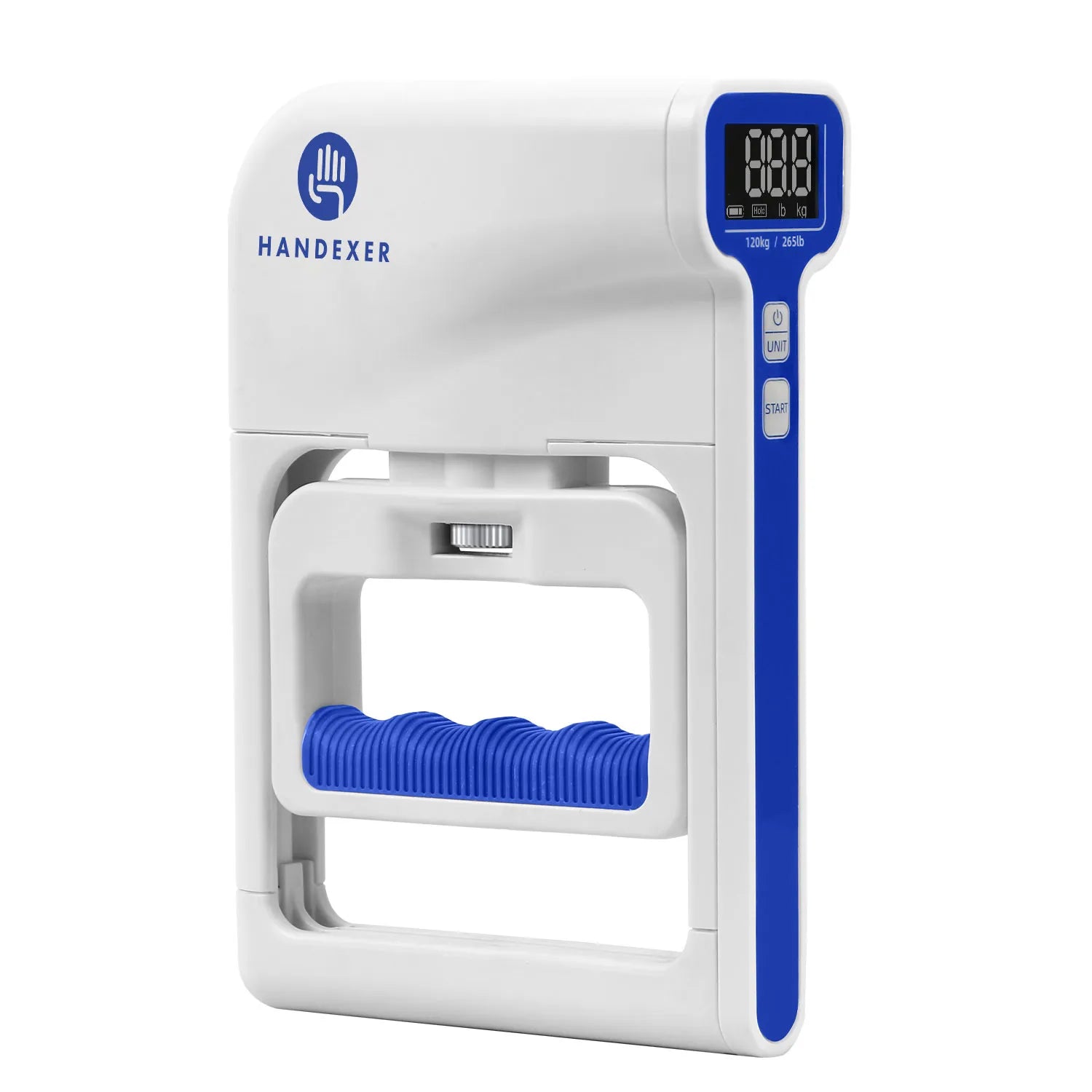
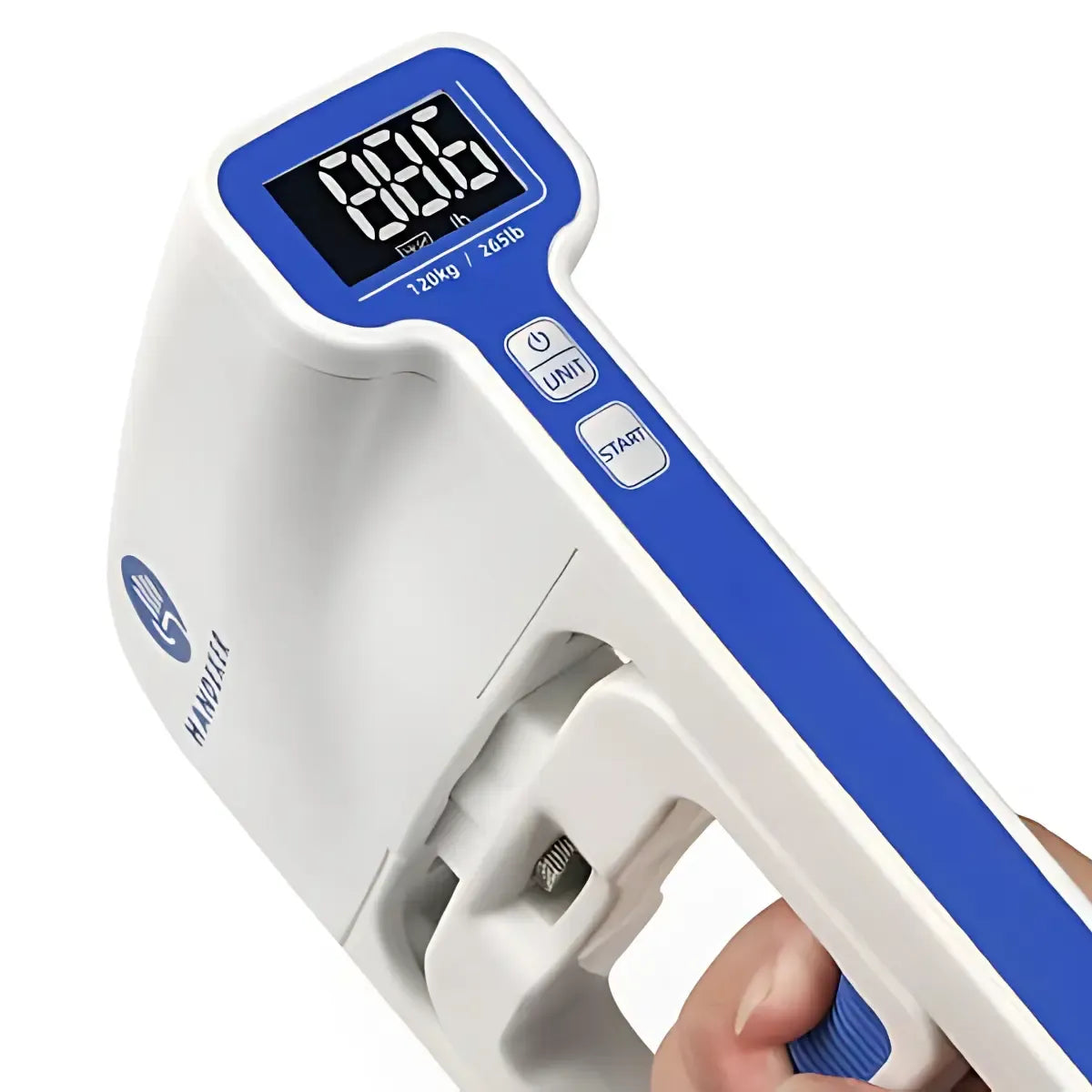
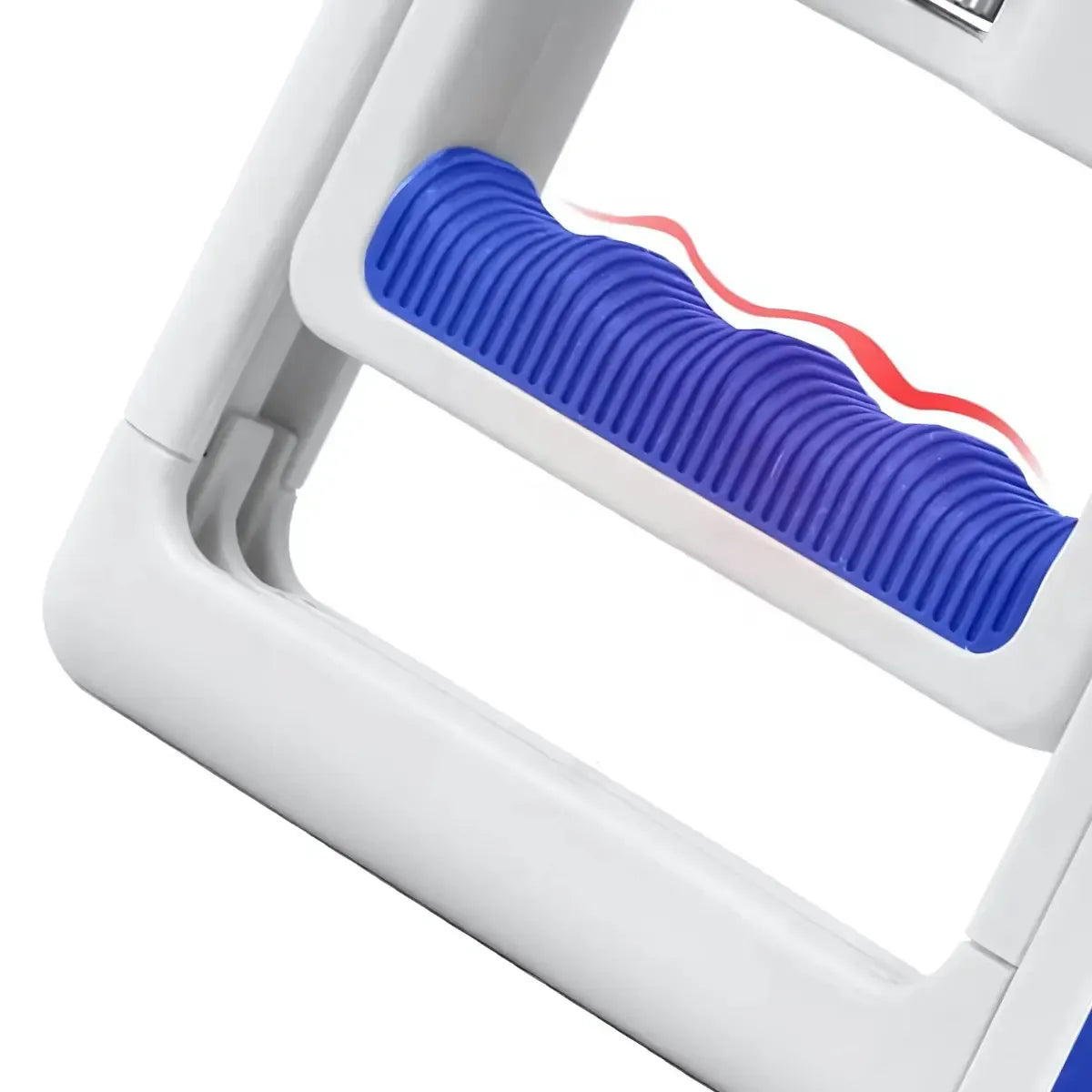
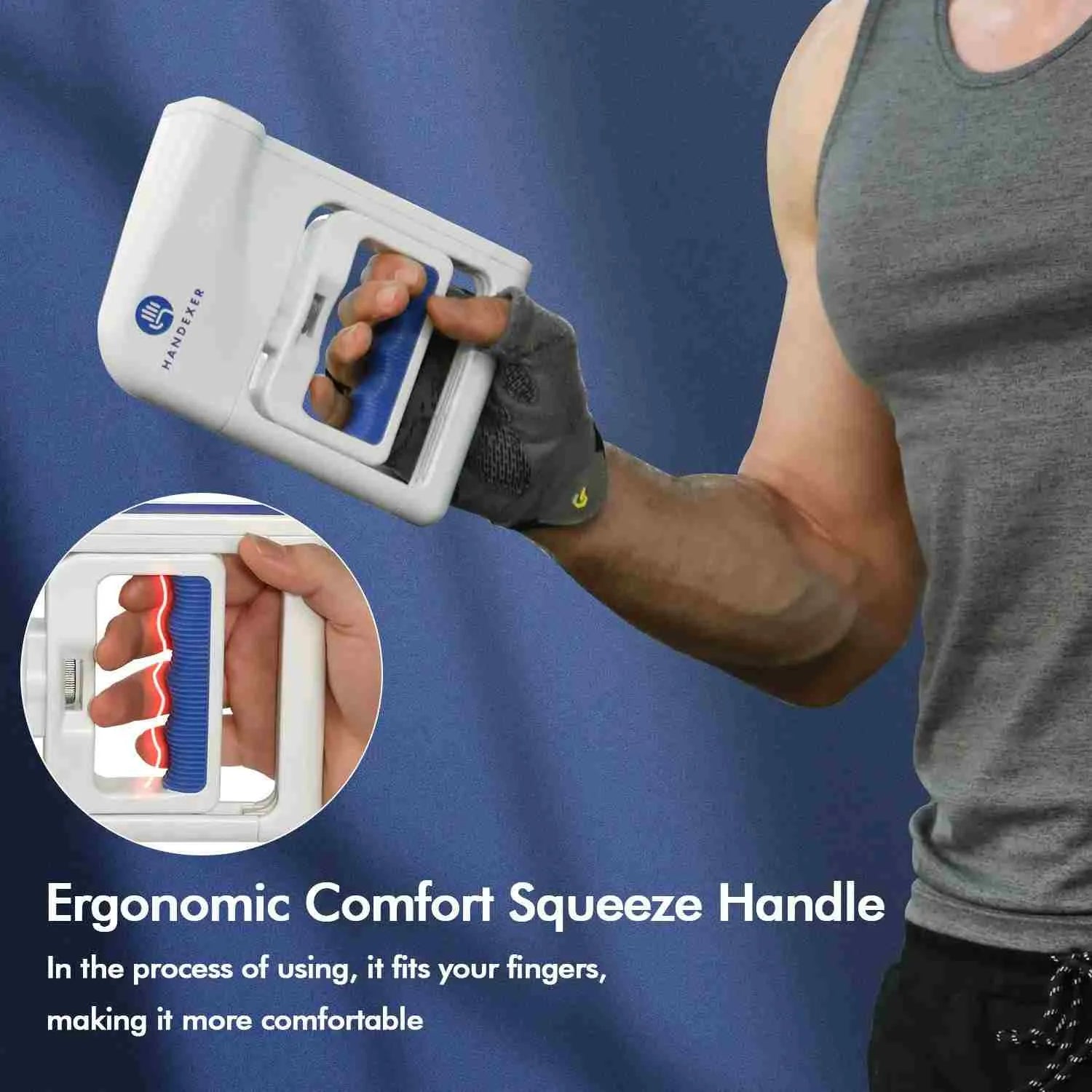
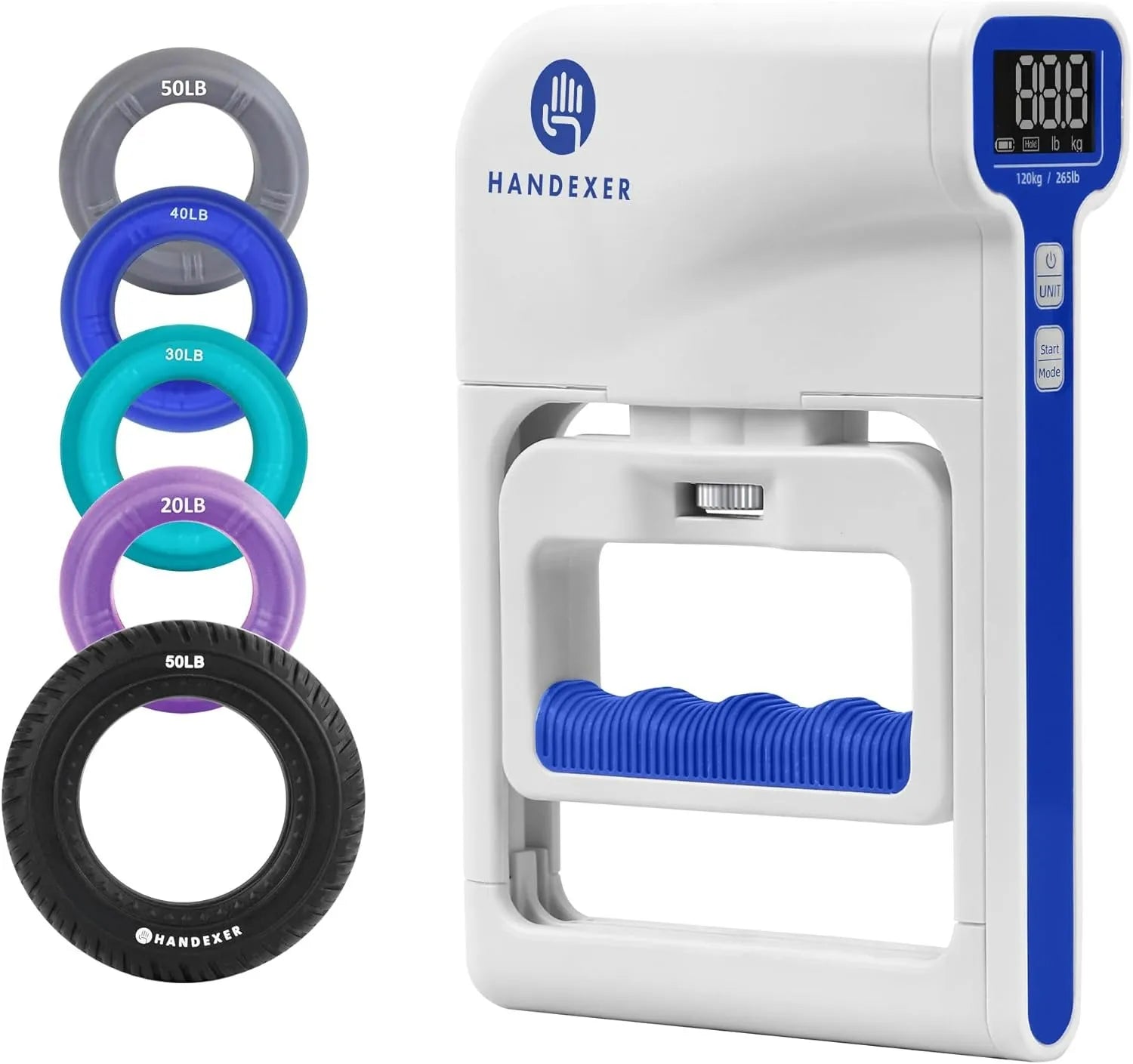
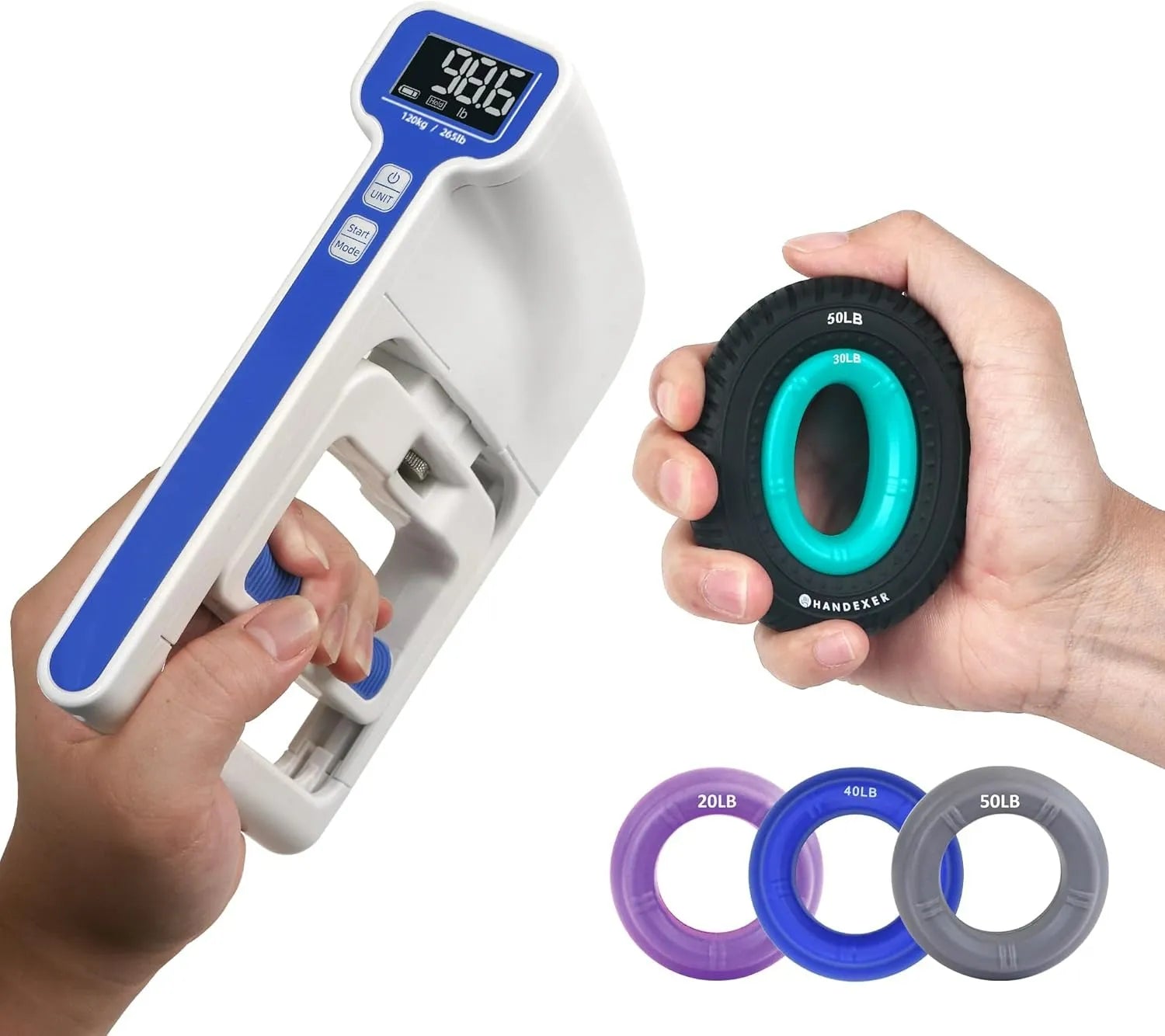
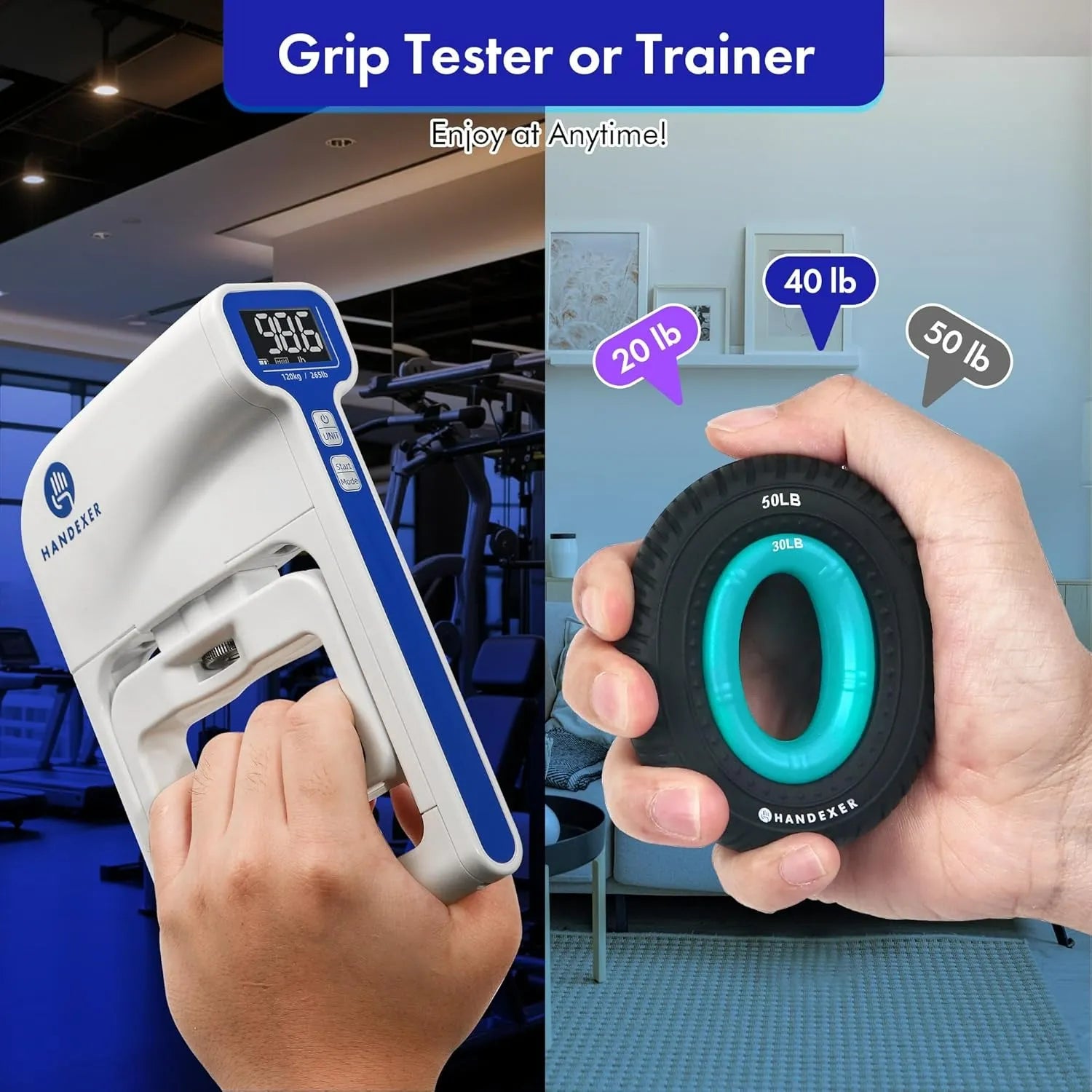
To understand your father's grip strength, you must compare his baseline numbers against standardized clinical values. Squeezing a generic, unlabeled spring device does not provide useful data. Instead, utilizing a digital device with a clear metric display—such as the Handexer Digital Hand Health Assessment Dynamometer—allows you to track real numbers in kilograms or pounds.
Below is a general reference chart for healthy grip strength in men aged 50 to 80+:
| Age Bracket | Healthy Range (Kilograms) | Healthy Range (Pounds) | Caution Range (Probable Sarcopenia) |
| Ages 50–59 | 38 – 50 kg | 84 – 110 lbs | Below 30 kg (66 lbs) |
| Ages 60–69 | 35 – 45 kg | 77 – 99 lbs | Below 28 kg (62 lbs) |
| Ages 70–79 | 30 – 40 kg | 66 – 88 lbs | Below 26 kg (57 lbs) |
| Ages 80+ | 25 – 35 kg | 55 – 77 lbs | Below 22 kg (48 lbs) |
Note: Individual baselines may vary depending on height, past hand injuries, and overall physical frame. The goal of tracking is not to hit a perfect generic number, but to maintain stability and prevent sudden, unexplained drops in performance over time.
Sarcopenia and Functional Aging: Recognizing the Warning Signs
When monitoring your father's physical health, watch how his grip strength translates to daily independence. Muscle loss does not happen overnight; it manifests in subtle shifts during routine tasks:
-
Difficulty opening tight jars or bottle caps: This frequently indicates a loss of rotational torque and functional hand health.
-
Struggling with door keys or small tools: A drop in fine-motor coordination often points to declining nervous system responsiveness.
-
Unstable carrying grip: Dropping common household items like mugs, plates, or books can signify a reduction in sustained grip endurance.
By establishing a regular tracking routine, you can detect these changes early, when gentle home exercises and targeted activity are highly effective.
Setting Up a Safe Home Assessment Protocol
To ensure your readings are consistent and clinically useful, establish a structured, stress-free routine. Avoid treating the measurement like an aggressive competition.
-
Standardize the Posture: Have your father sit comfortably in a straight-backed chair with his shoulders relaxed. His elbow should be bent at a 90-degree angle, with his forearm neutral.
-
Perform a Steady Squeeze: Instruct him to squeeze the device smoothly and progressively over three seconds. Avoid jerking motions or holding his breath.
-
Take an Average: Test both hands twice, waiting about 60 seconds between attempts to prevent muscle fatigue. Record the average score to establish a reliable baseline.
The Next Steps: Transitioning from Assessment to Purposeful Training
If your father's scores fall into the caution range, or if you simply want to protect his functional independence as he ages, there is excellent news: hand strength and muscle mass can be steadily improved with structured home exercises.
A balanced hand health routine consists of three key phases:
1. Clear Assessment
Before starting any physical routine, use a precise testing tool to record where your father's physical baseline stands. Avoid guesswork and track progress with measurable, digital readouts.
2. Purposeful Training
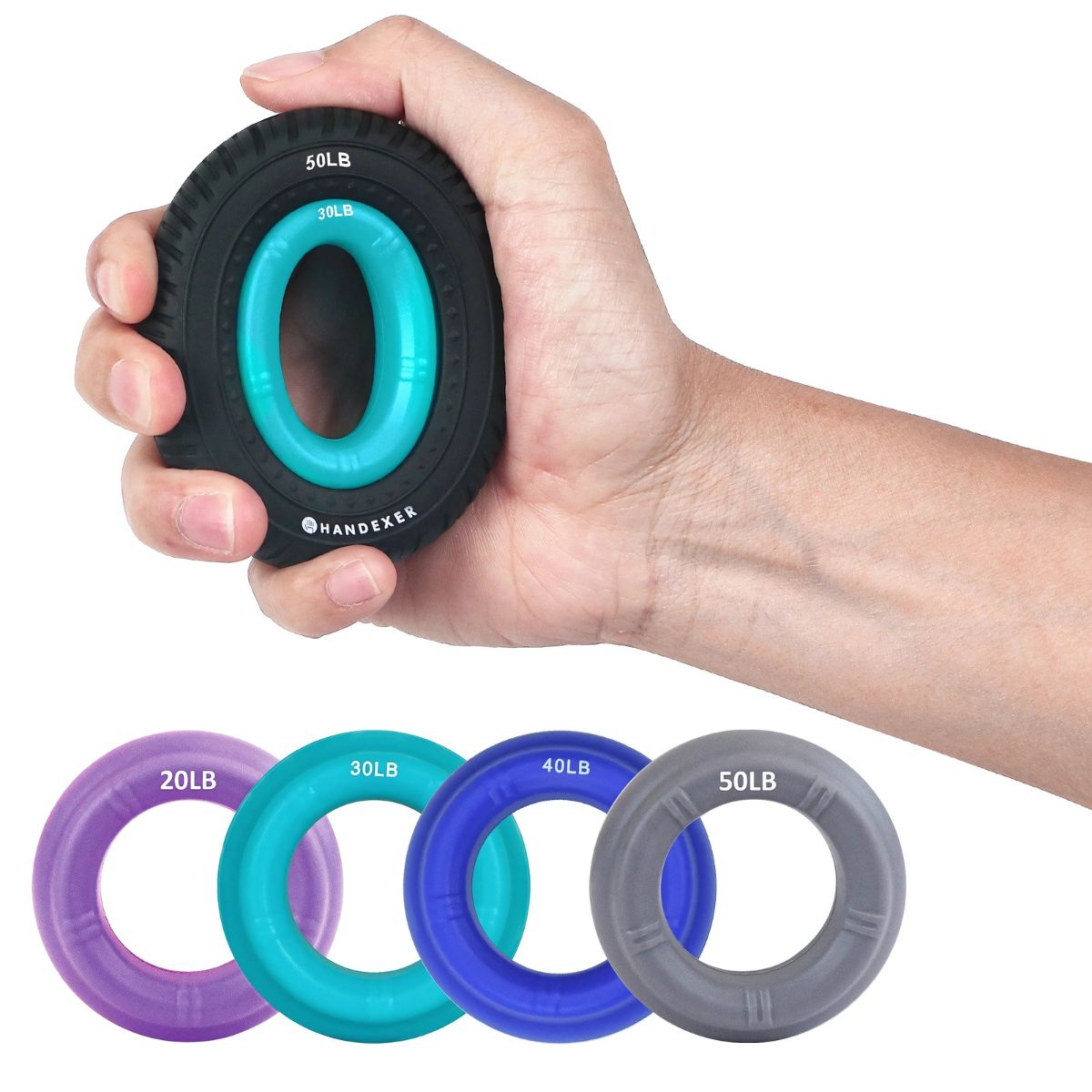
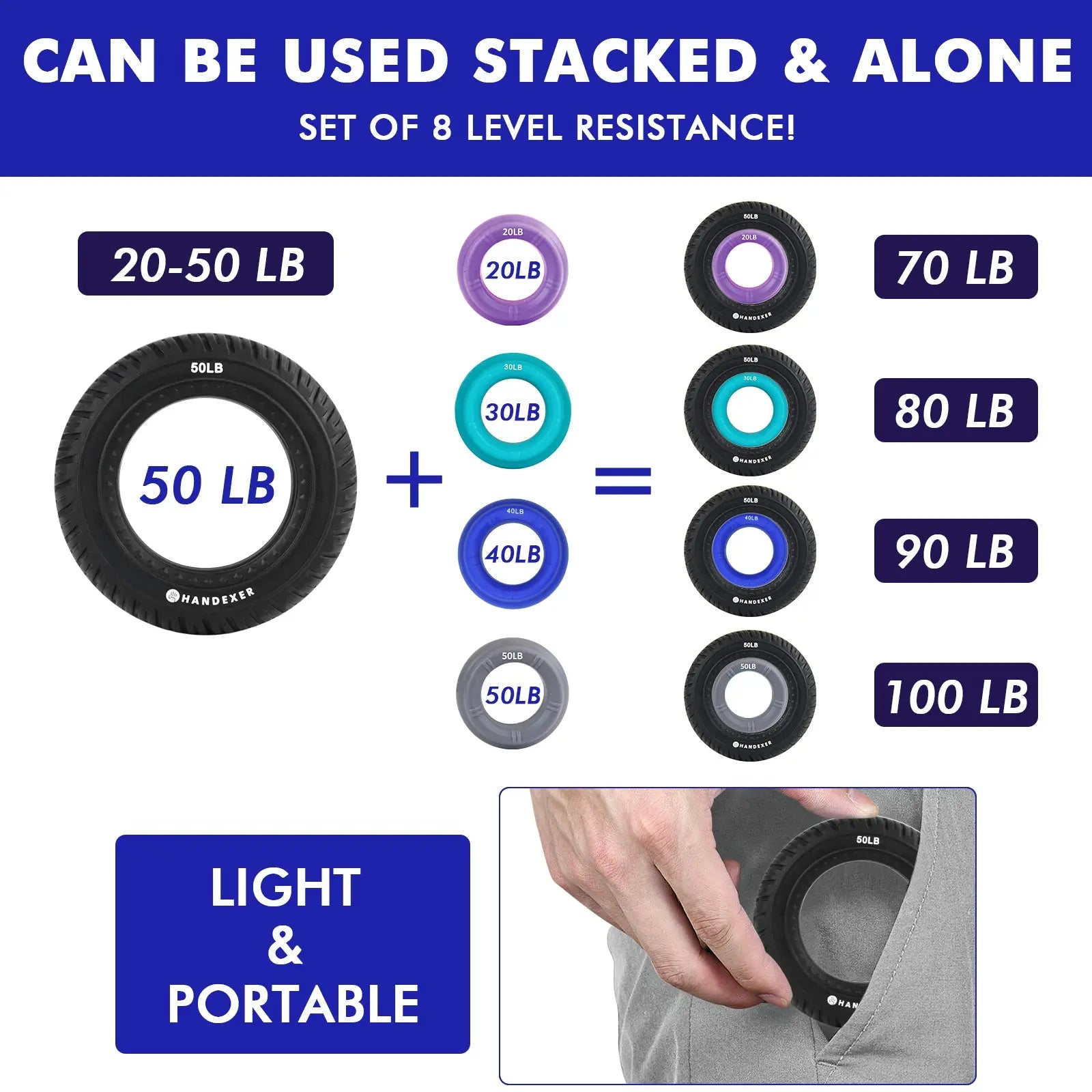
Incorporate low-impact hand movements to rebuild functional dexterity. Using an adjustable, progressive resistance trainer like the Handexer Hand Strengthener Grip Ring Set helps strengthen finger tendons and wrist extensors without overloading sensitive aging joints.
3. Reassurance and Recovery
Ensure that any active hand training is balanced with gentle stretching and soft-tissue therapy. A comprehensive approach, such as the Handexer Grip Strength Tester & Trainer Set, helps relieve stiffness, improve circulation, and ease the discomfort of osteoarthritis.
Ultimately, tracking hand health is about protecting peace of mind and preserving the simple daily actions that keep our parents independent. By keeping a close eye on their grip strength, we can help them stay strong and self-reliant for years to come.
FAQ
Q1:What is a weak grip strength for an older man?
For men over the age of 60, a grip strength measurement consistently falling below 26 to 28 kilograms (approximately 57 to 62 pounds) is considered weak. Readings in this range warrant closer attention and a gentle approach to functional hand conditioning.
Q2:Can you improve grip strength after age 60 or 70?
Absolutely. The human neuromuscular system remains adaptable and responsive to progressive resistance throughout life. With gentle, consistent, and structured hand exercises, older adults can build grip endurance, restore finger dexterity, and improve overall physical stability.
Q3:How often should we check grip strength at home?
Checking once every two to four weeks is ideal. Avoid testing daily, as grip strength values naturally fluctuate based on sleep quality, hydration, and minor daily fatigue. Tracking a rolling monthly average provides a much clearer picture of your father's actual physical health trend.








Share:
Help Your Father Regain Grip Strength in Just 5 Minutes a Day with Simple Hand Exercises