
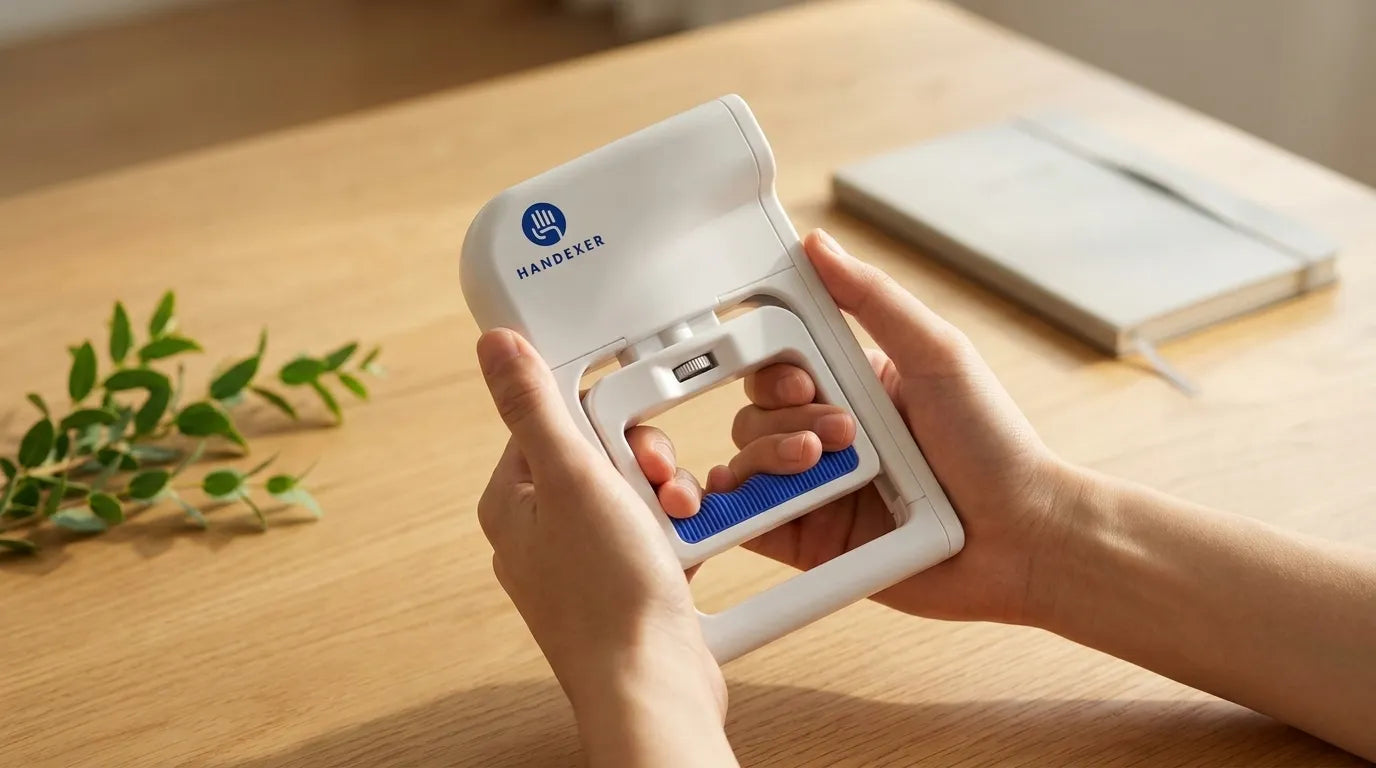
When it comes to fitness and overall health, hand function and grip strength are often overlooked, despite playing a key role in everyday movement, joint stability, and long-term physical independence. In recent years, however, grip strength has gained increasing attention in clinical research as a simple yet powerful indicator of overall health status.
Large-scale longitudinal studies, including research published in The Lancet, have found that lower grip strength is associated with a higher risk of mortality, reduced mobility, and age-related functional decline. In this context, grip strength is now widely viewed not just as a measure of hand performance, but as a broader marker of physical resilience.
Against this background, we observed a 10-participant, multi-generational training protocol designed to explore how structured, progressive grip strength training affects functional outcomes in real-world settings. Participants aged 26 to 71 followed a simple, daily hand training routine focused on controlled resistance work and gradual progression.
The results suggest that grip strength and hand function can improve meaningfully with consistent training across a wide age range, reinforcing the idea that neuromuscular adaptation remains highly responsive throughout adulthood.
1. The Design of the Hand Health Protocol
Many training programs focus heavily on intense exertion. This hand-health protocol, however, prioritized consistency and control. The project focused on three core areas:
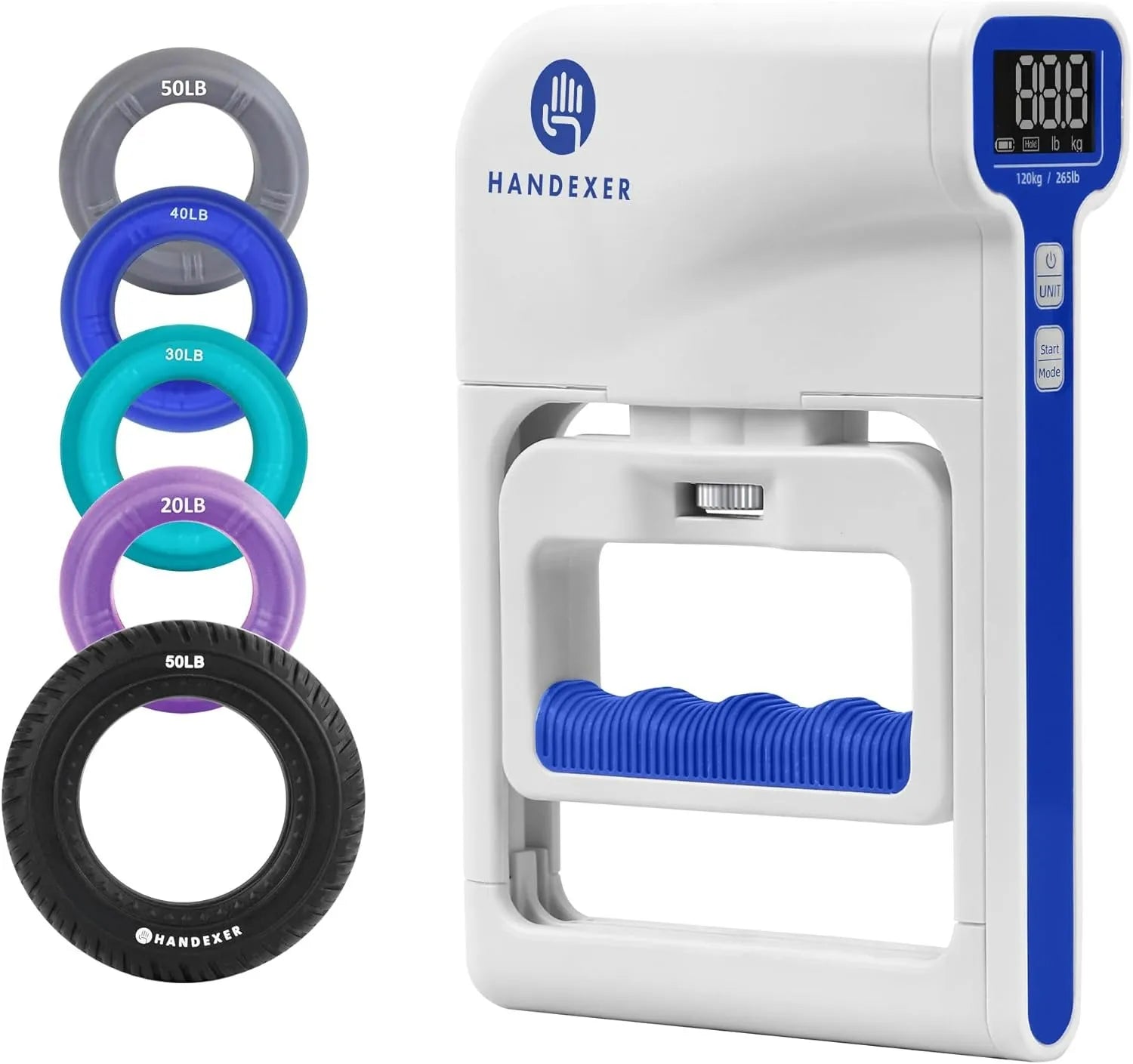
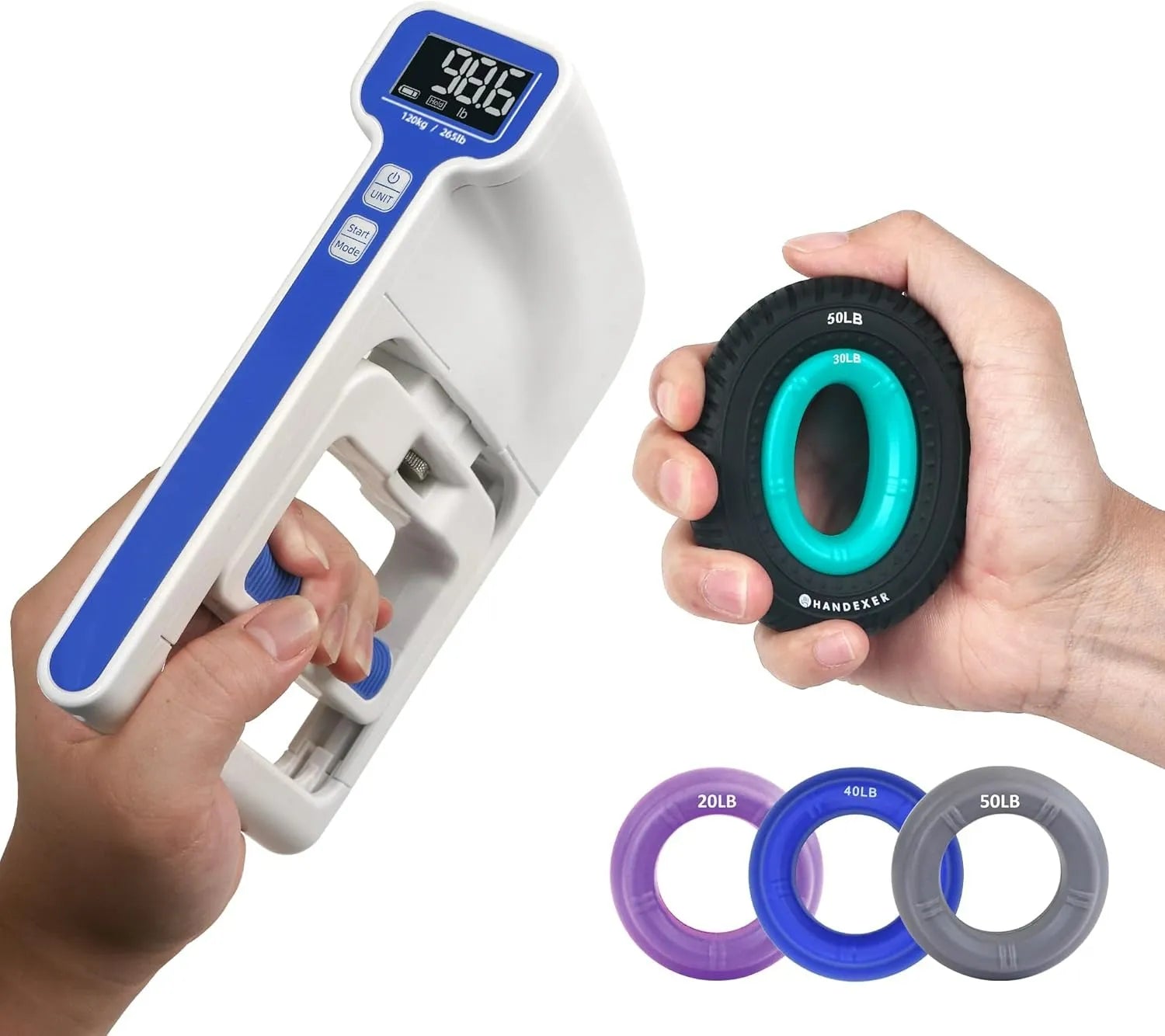
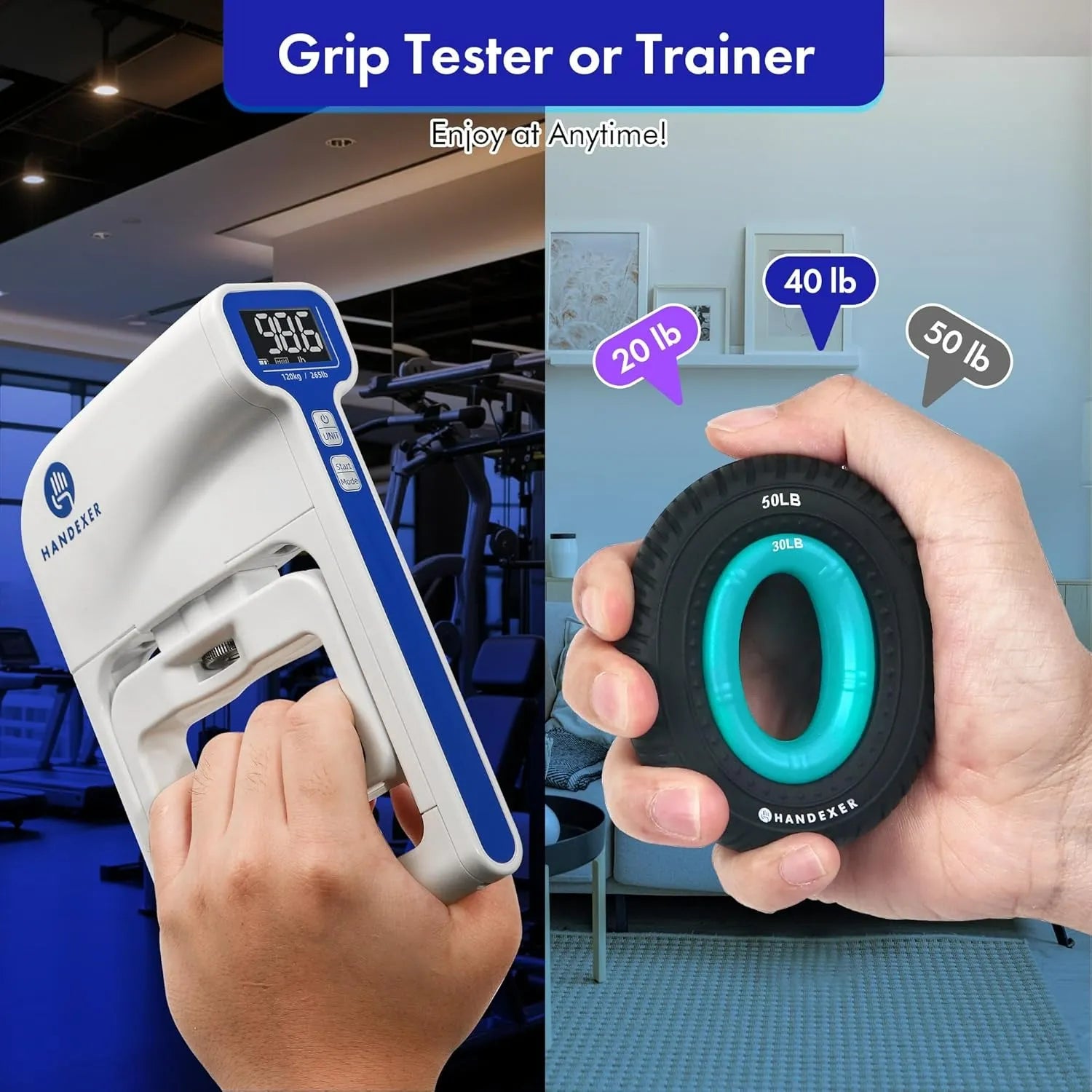
- Assessment: Setting a clear baseline using a digital dynamometer to measure grip strength levels.
- Daily Progression: Dedicating 5 to 10 minutes each day to controlled contraction and extension work.
- Tracking: Logging weekly adjustments to ensure progress without overworking delicate tendons and joints.
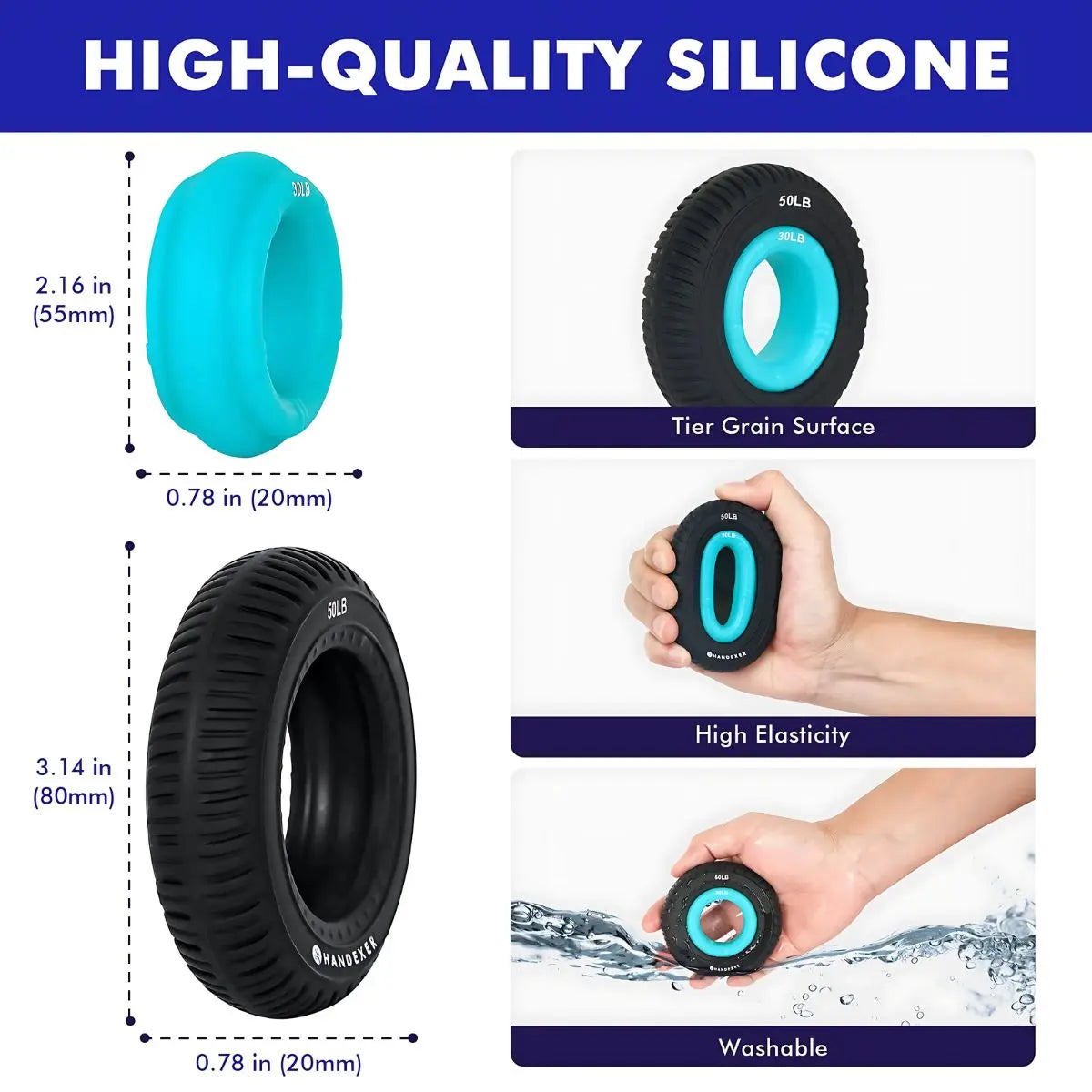
Rather than utilizing high-impact exercises, participants utilized targeted hand training sets to perform specific, isolated movements designed to enhance joint stability, hand dexterity, and overall functional grip.
2. Multi-Generational Results: Real Progress Profiles
The functional impacts of the protocol varied significantly by demographic, illustrating that hand health serves different purposes across different stages of life.
Julian (Age 26)
Goal: Stabilize the wrist and forearm to safely support resistance training
Outcome: Rebuilt grip baseline from 95 lbs. Improved grip strength performance and joint stability.
Chloe (Age 34)
Goal: Overcome muscular fatigue in highly physical hand pursuits
Outcome: Climber baseline grew from 128 lbs. Reduced forearm fatigue through targeted hand strength exercises.
Sarah (Age 55)
Goal: Restore daily function via hand rehabilitation exercises
Outcome: Rebuilt baseline from 58 lbs. Improved independence in daily tasks and significantly increased grip strength.
Arthur (Age 71)
Goal: Prevent decline in grip strength with age
Outcome: Grew from 62 lbs. Improved neuromuscular control and daily motor stability through consistent hand health training.
3. The 90-Day Data Summary
| Participant Profile | Starting Metric | Ending Metric | Cumulative Variance | Functional Impact |
|---|---|---|---|---|
| Julian (Age 26) | 95 lbs | 118 lbs | +24% |
Reduced joint strain under heavy load |
| Chloe (Age 34) | 128 lbs | 156 lbs | +22% |
Delayed forearm muscle fatigue |
| Sarah (Age 55) | 58 lbs | 71 lbs | +22% |
Restored daily task independence |
| Arthur (Age 71) | 62 lbs | 76 lbs | +23% |
Improved stability & daily motor control |
4. The Four Core Principles of Hand Transformation
This data shows that improving grip strength does not require complex machinery.Instead, it relies on four fundamental practices:
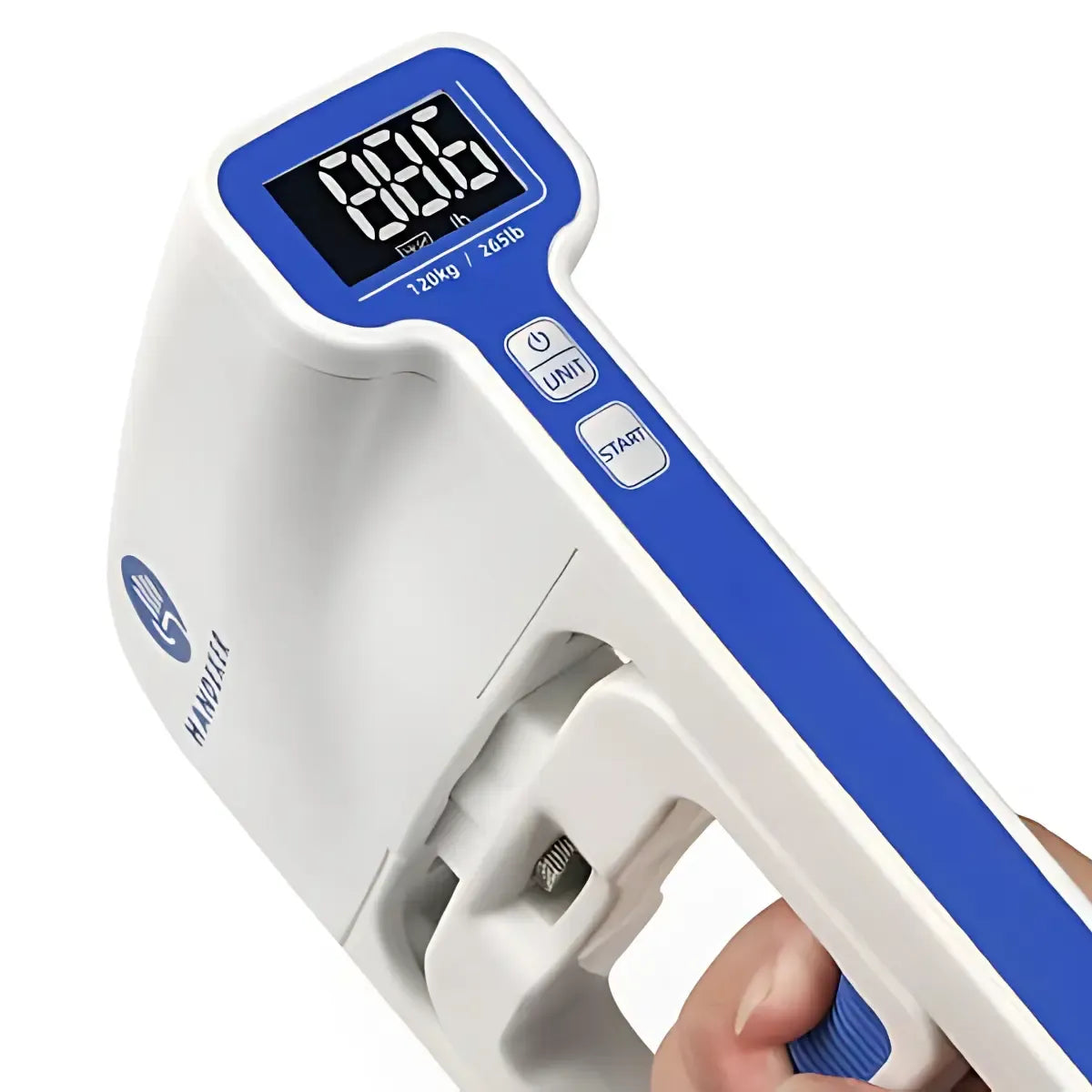
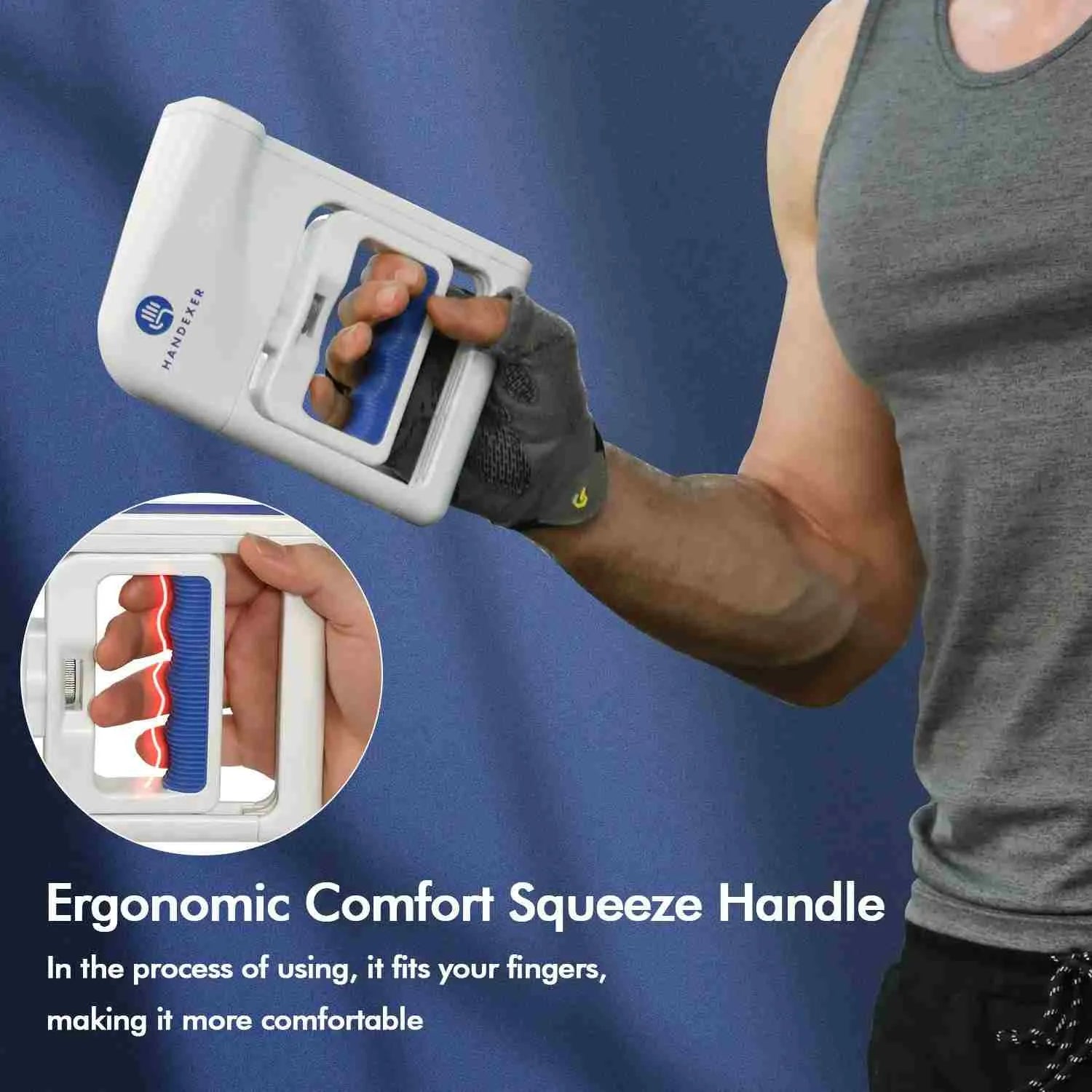
I. Precise Assessment: You cannot manage what you do not measure. A transformation must begin with an objective digital hand dynamometer assessment. Traditional spring-loaded squeeze devices do not show marginal gains, which can lead to early discouragement. Knowing your exact baseline value allows you to set safe, realistic goals.
II. Functional Consistency Over Strain: High-impact, sporadic workouts can lead to repetitive strain injuries in the delicate tendons of the hand and wrist. This protocol succeeded because it used low-impact exercises performed daily for only 5 to 10 minutes.
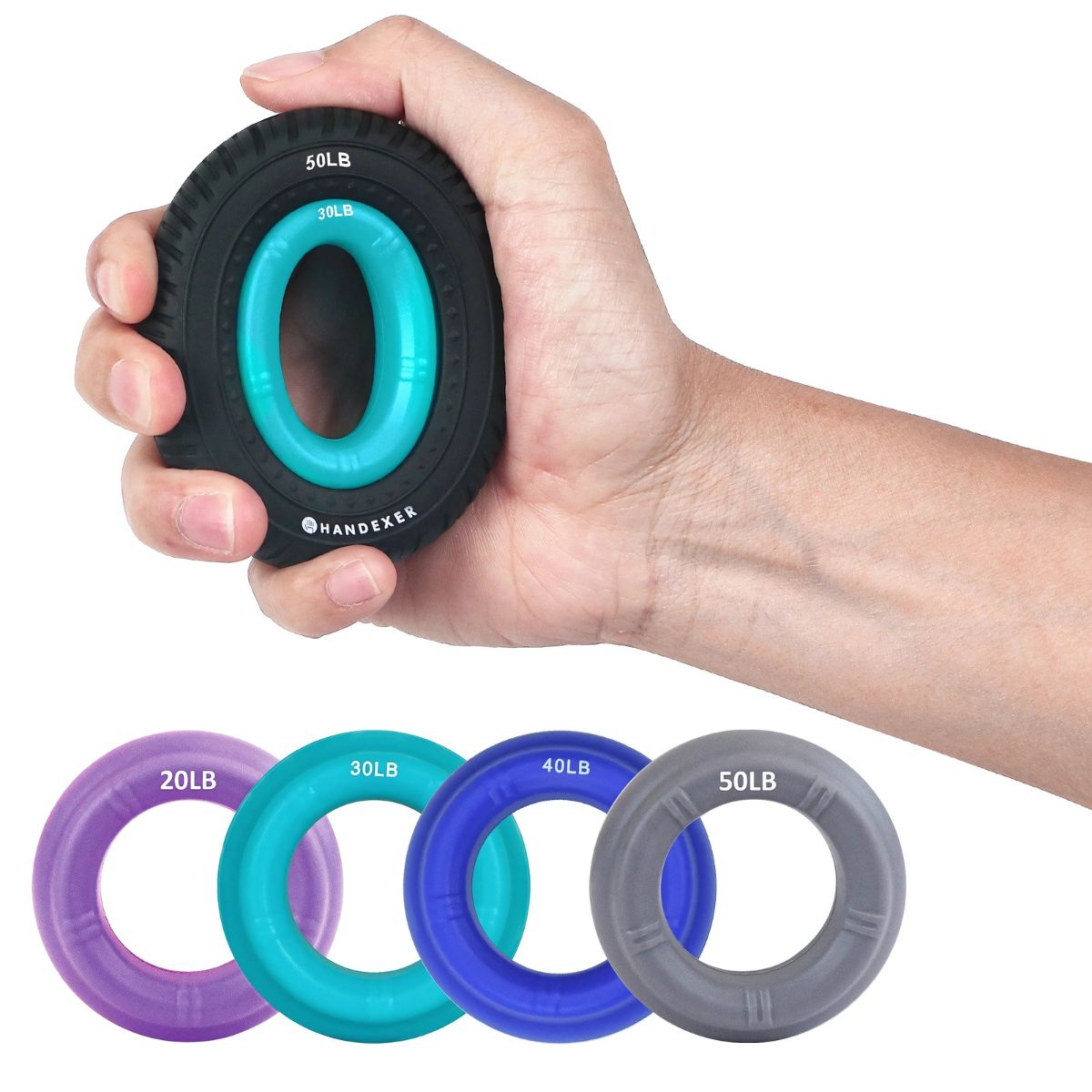
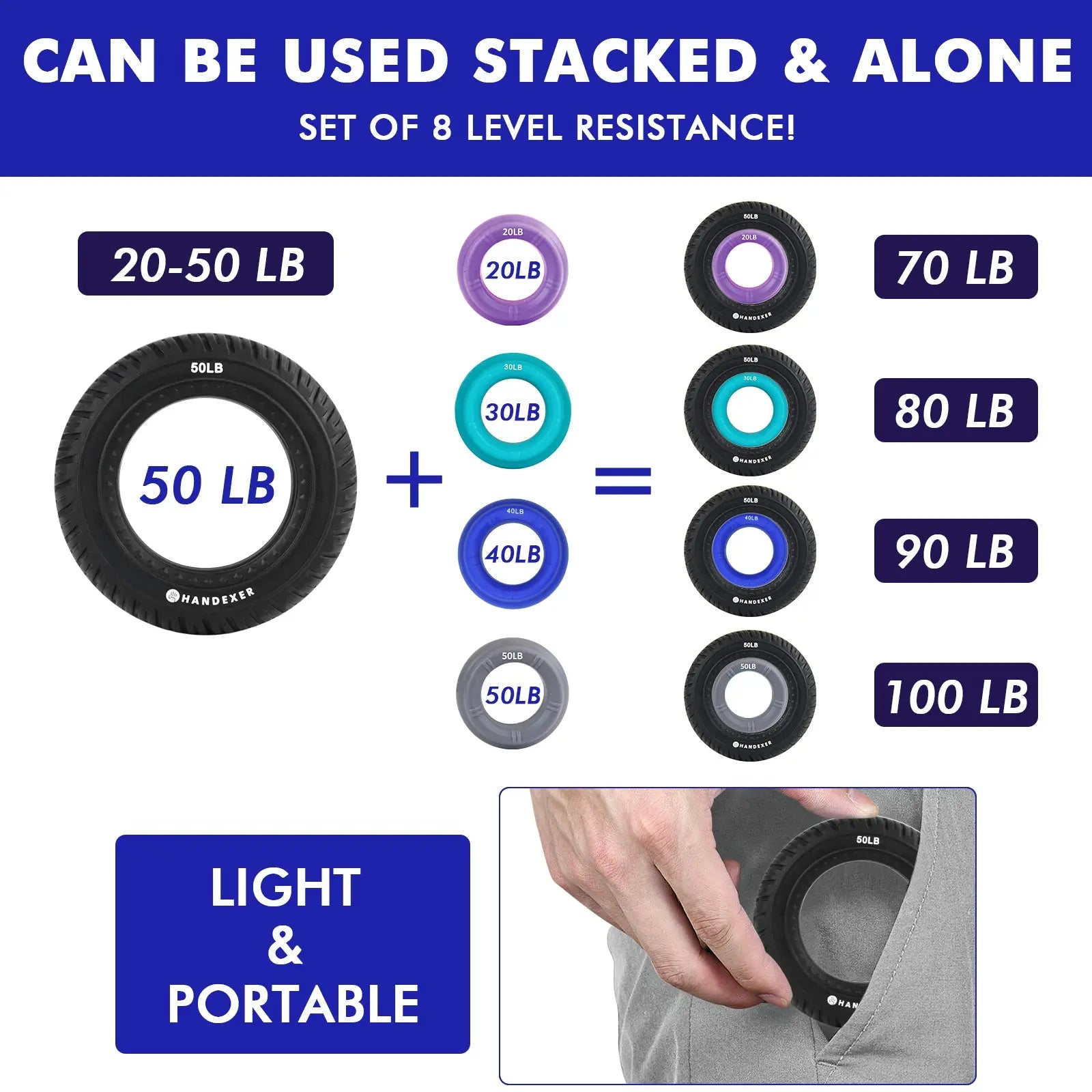
III. Structured Progressive Overload: Connective tissues require gradual changes in load to rebuild and strengthen safely. Progression involves using calibrated progressive resistance tools that allow you to make small, specific increases in tension.
IV. Continuous Progress Tracking: Hand strength can vary day-to-day based on hydration, fatigue, and recovery. Consistently logging your maximum force output helps you recognize positive patterns over time, providing clear proof of recovery and improvement.
5. Your Step-by-Step 12-Week Hand Health Roadmap
If you are ready to begin your own 90-day hand health journey, follow this structured, phased protocol:
Preparing the soft tissues and enhancing joint mobility. Keep the tension light and comfortable. Focus on smooth, deliberate movements and gentle finger extensions.
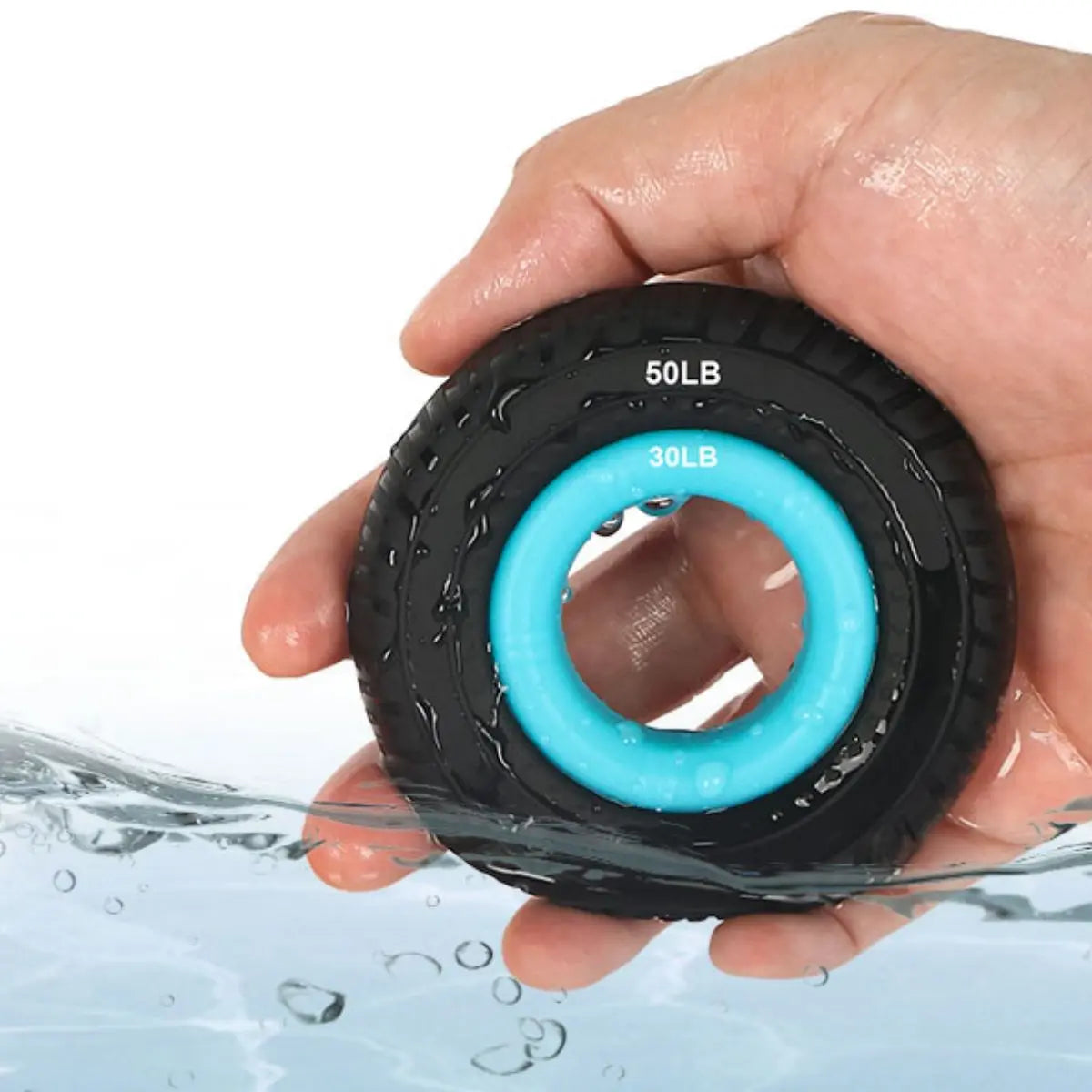
Recommended tools: Elastic finger stretchers / Low-resistance grip ringsGradually increasing muscle fibers and hand endurance. Increase resistance slightly while maintaining strict form. Introduce holds lasting 3 to 5 seconds to build isometric stability.
Recommended tools: Calibrated progressive resistance equipmentProtecting joints, sharpening coordination, and maintaining peak capacity. Alternate between testing your maximum isometric holds and practicing high-repetition recovery movements.
Recommended tools: Dynamic resistance bands & Digital tracker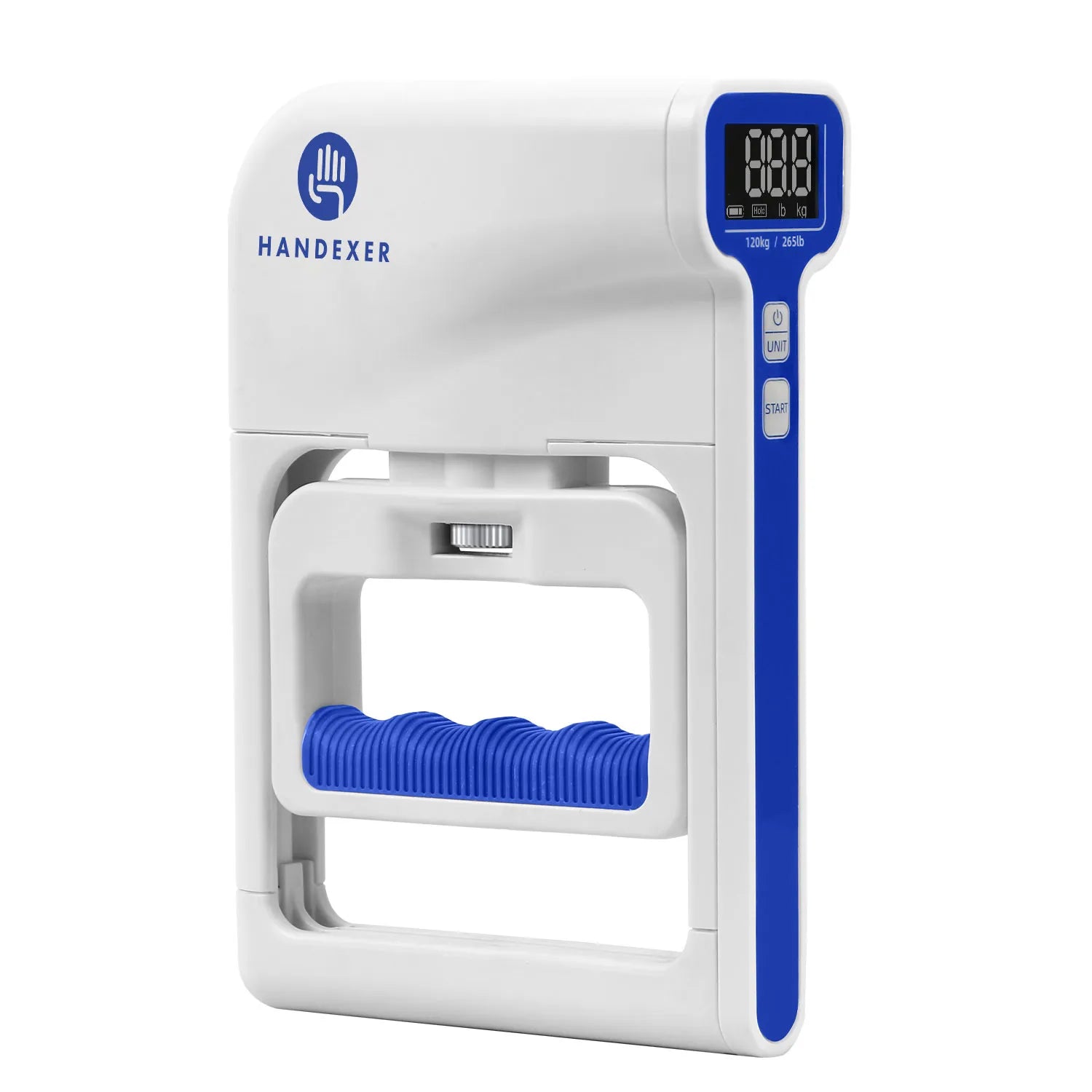






Share:
Climbing Finger Strength Training Guide: Injury Prevention, Recovery & Performance
Grip Strength Training: Is It Overrated? What Most People Get Wrong