
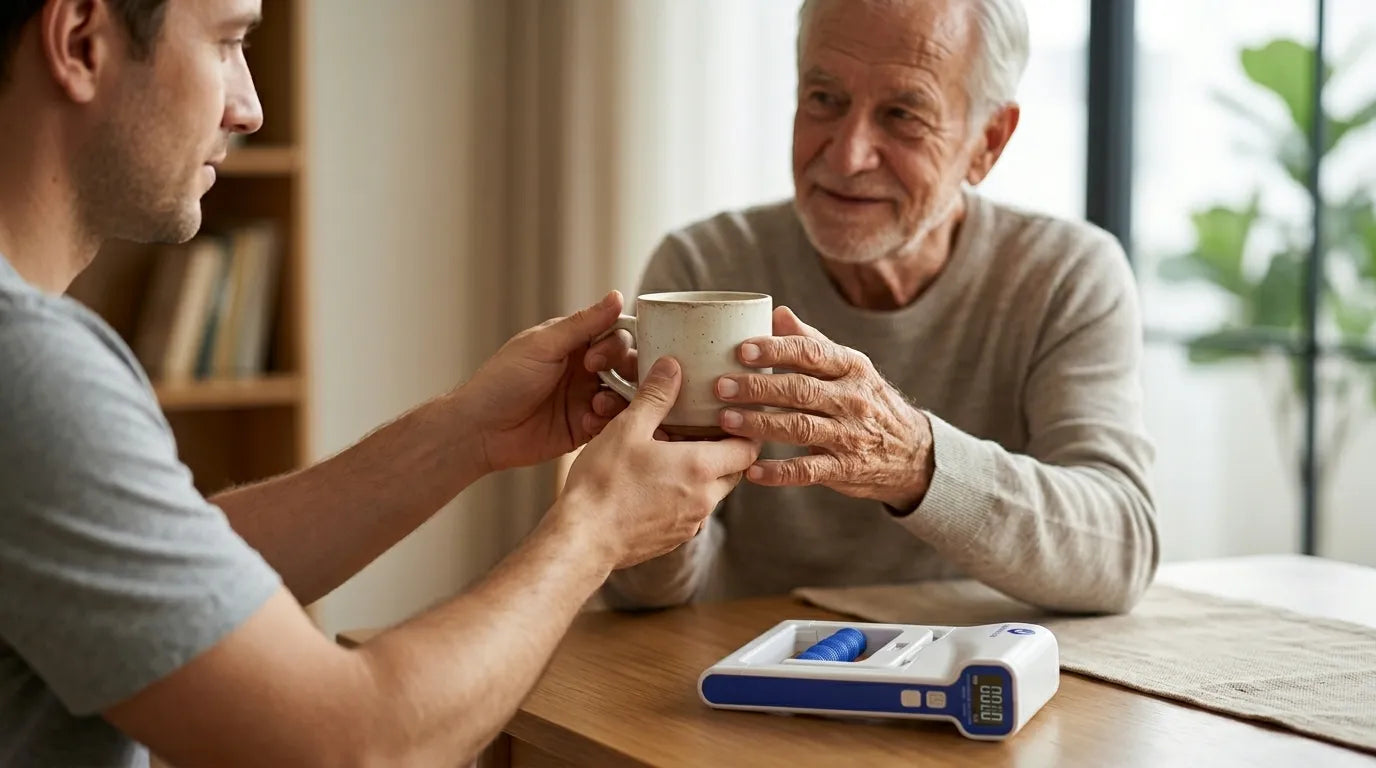
Have you noticed that your father doesn’t seem as strong and towering as he used to be?There was a time when he could easily lift heavy objects, carrying the weight of everyday life without hesitation. But now, even something as simple as opening a jar may take him a bit more effort—sometimes even a brief pause.
Most people’s first thought is simple: time is catching up with him. He is getting older.But have you ever stopped to wonder—what exactly is changing inside his body?Which physical functions are gradually declining, and why does it happen so quietly over time?
And more importantly, is there anything we can do to slow down this process and help preserve strength and independence for longer?In the following article, we will break these questions down one by one.
Grip Strength as a Window Into Hand Function
Instead of viewing grip strength as a single number, it helps to think of it as a summary of hand function.
A gradual decline may be associated with:
- reduced endurance in daily tasks
- slower recovery after repetitive use
- changes in fine motor control
- reduced confidence in hand-intensive activities
In older adults, these changes can influence independence more than most people expect.
This is why grip strength is often used as a functional indicator in health and rehabilitation contexts—not because it defines health, but because it reflects it.
What Subtle Changes Might Be Telling Us
A small change in your father’s grip does not automatically indicate a problem. But it can be an early signal worth paying attention to.
It may suggest:
- reduced daily hand engagement
- early functional decline in hand strength or coordination
- fatigue accumulation in hand muscles
- need for more structured activity or recovery support
The key idea is not to react with concern, but with awareness.Hand function changes gradually, and early awareness gives families more options to support long-term independence.
How Families Can Observe Hand Changes at Home
You do not need a clinical setting to notice meaningful changes in hand function.
Simple observations can include:
- comparing grip strength during everyday tasks over time
- noticing difficulty with previously easy objects
- tracking endurance during repetitive hand use
- observing symmetry between both hands
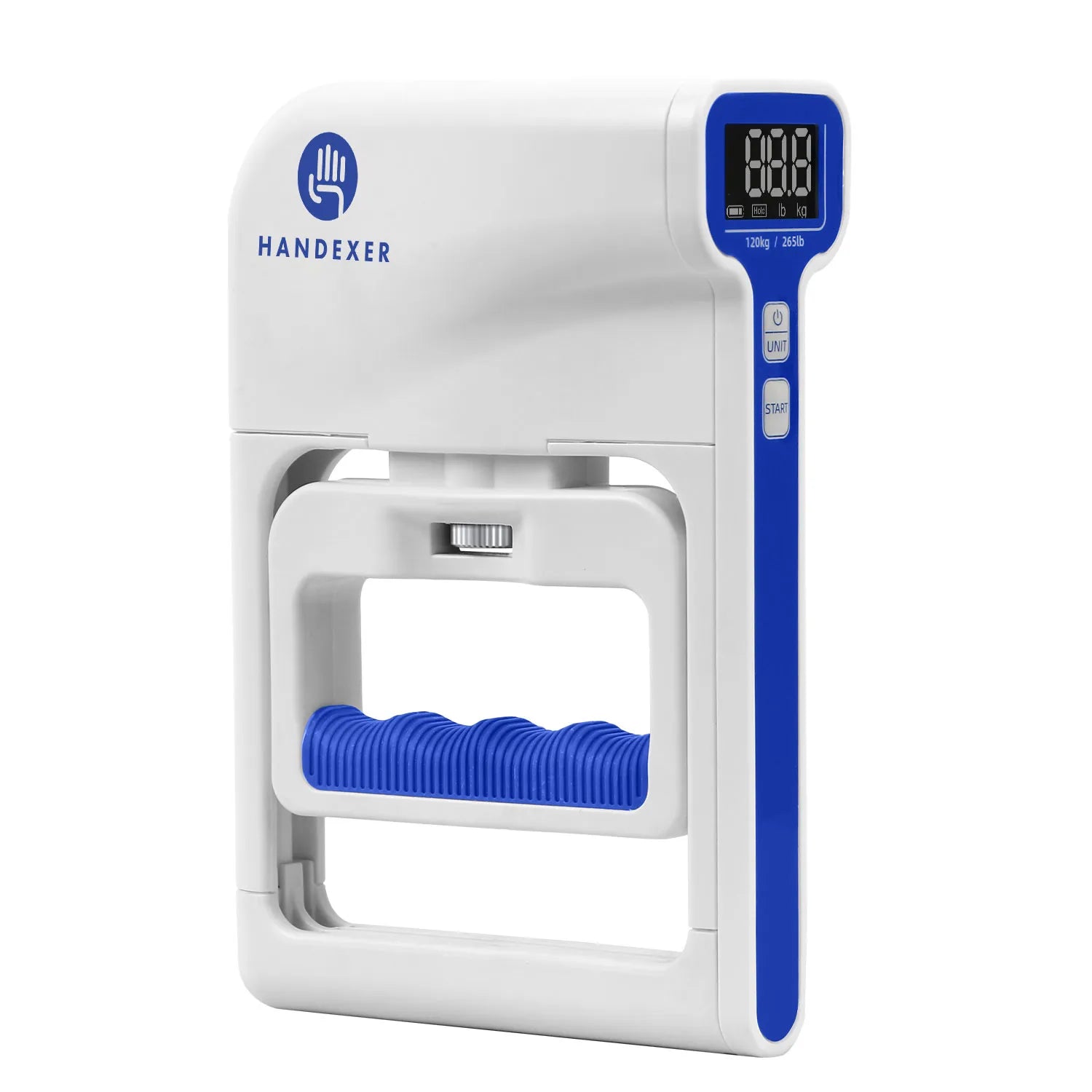
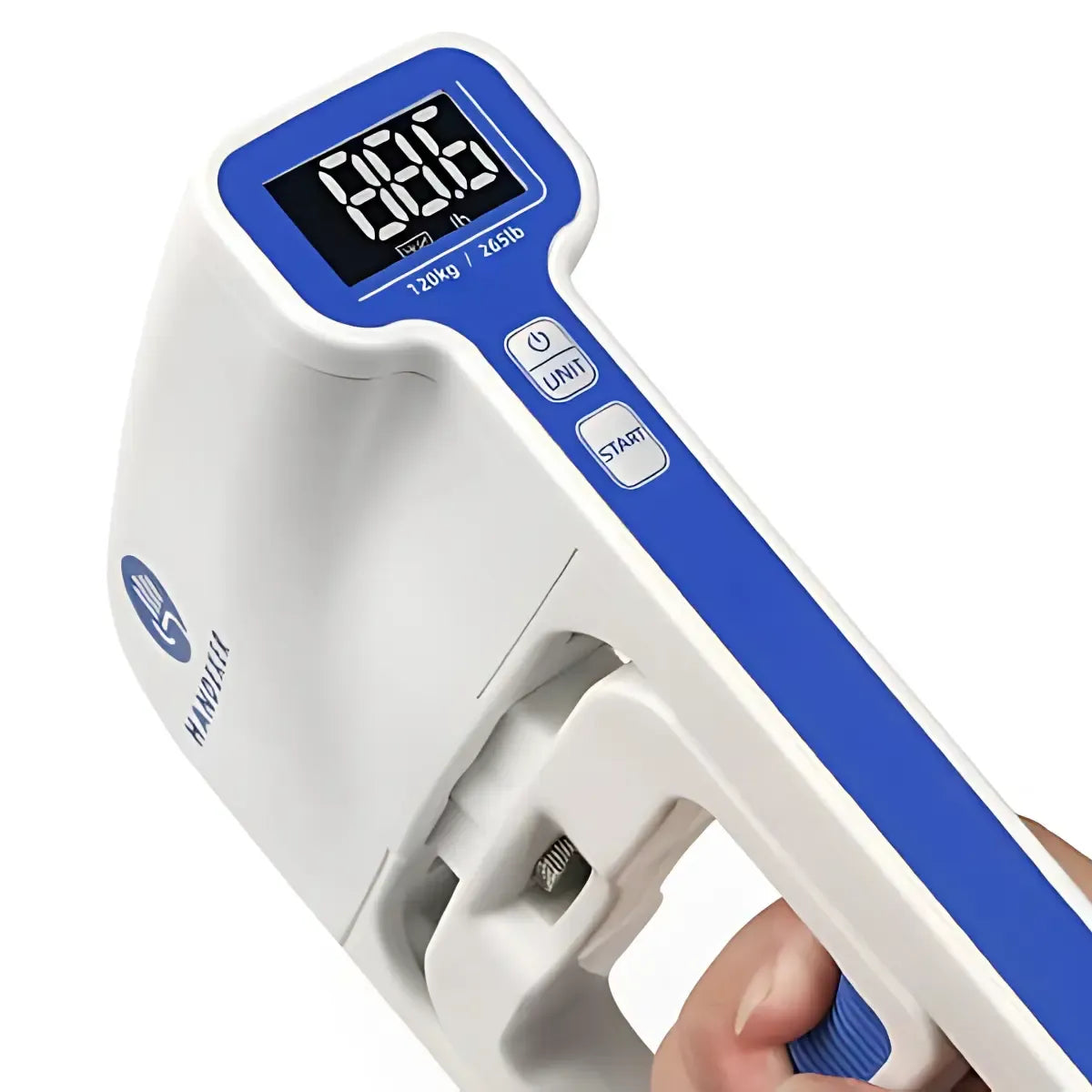
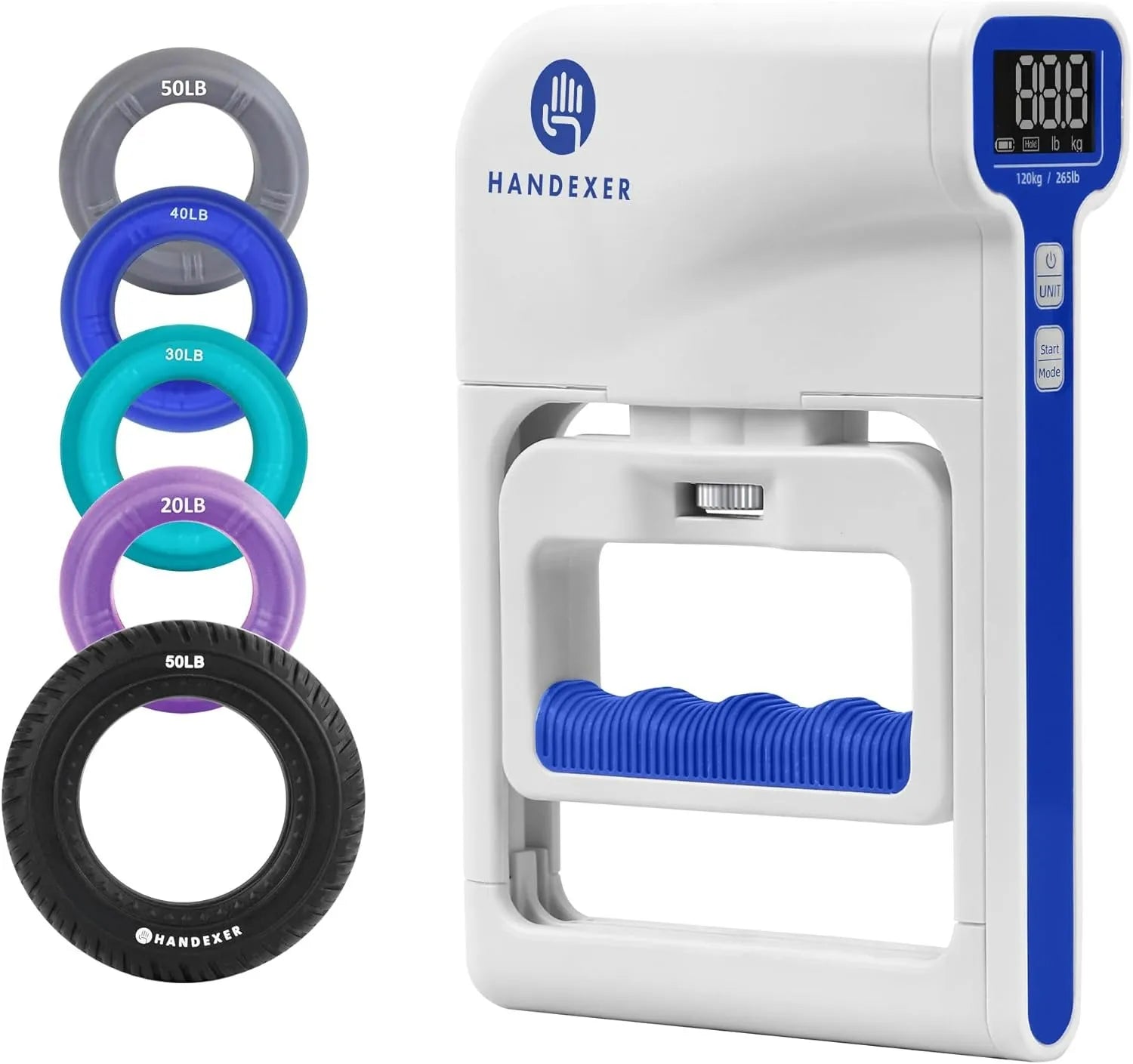
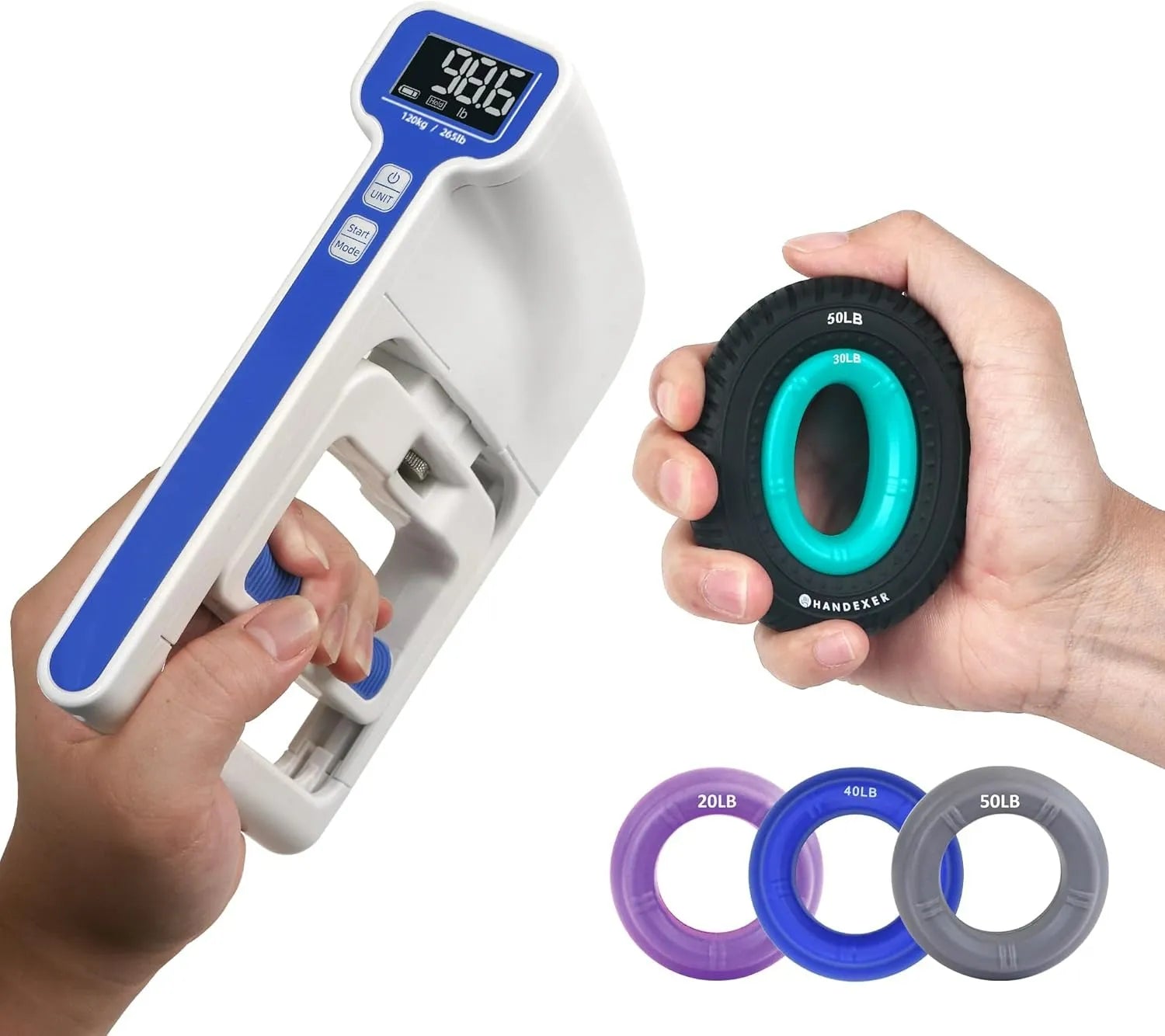
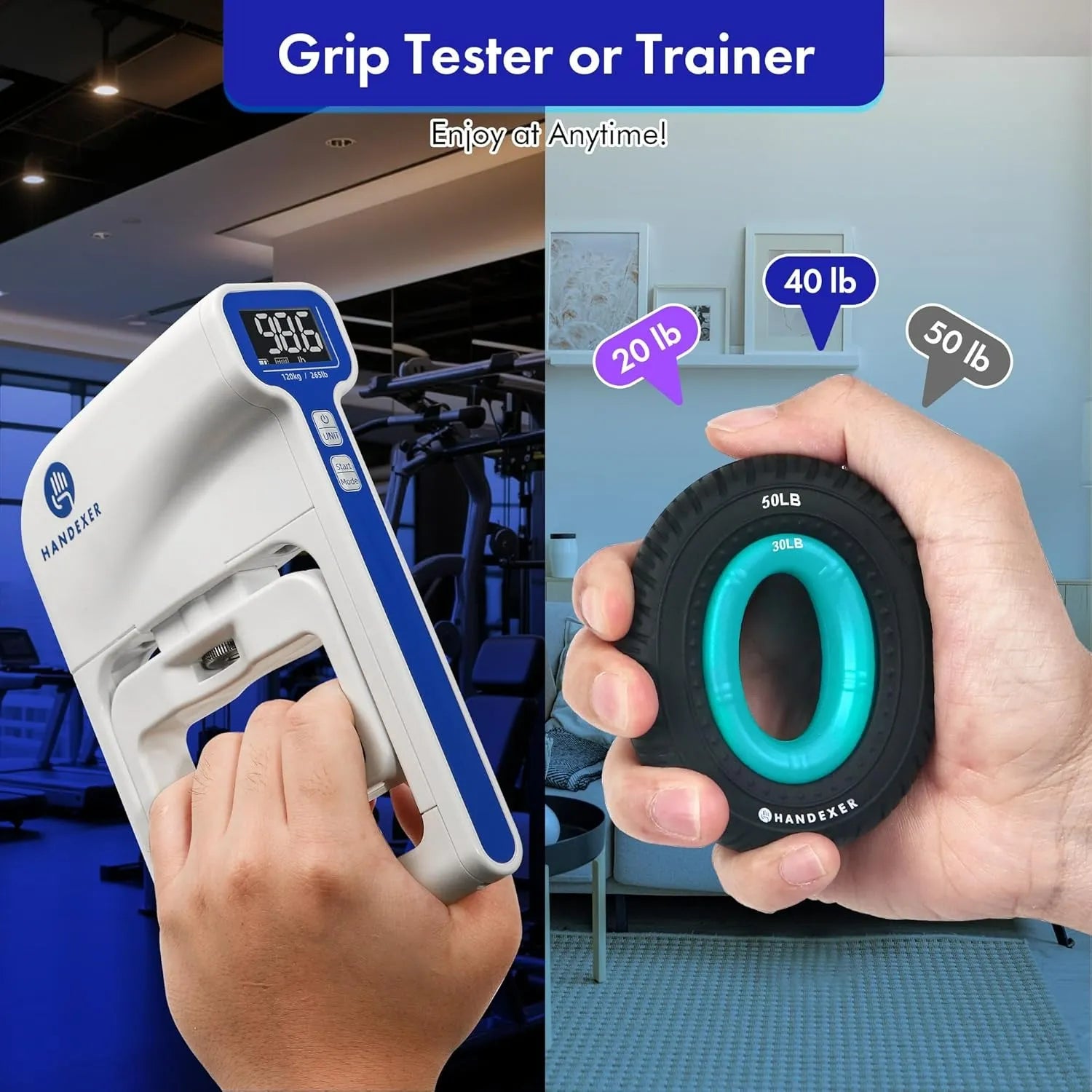
For a more structured approach, many families begin using simple hand strength assessment tools to establish a baseline and monitor change over time.This turns vague impressions into clear, trackable information.
Supporting Hand Function Through Structured Activity
Once awareness is established, the next step is not intensity—it is consistency.
Hand function responds well to:
- low-intensity, regular training
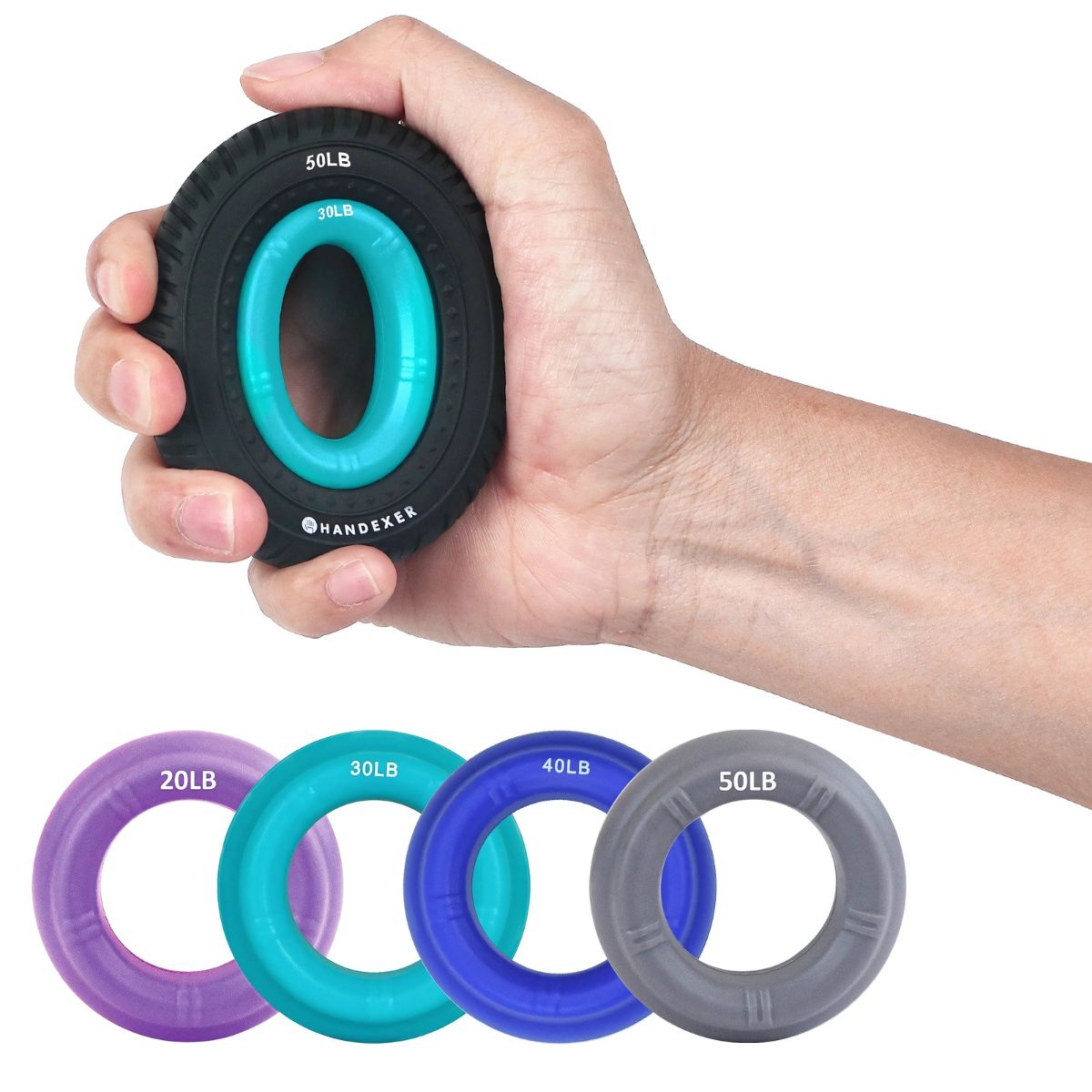
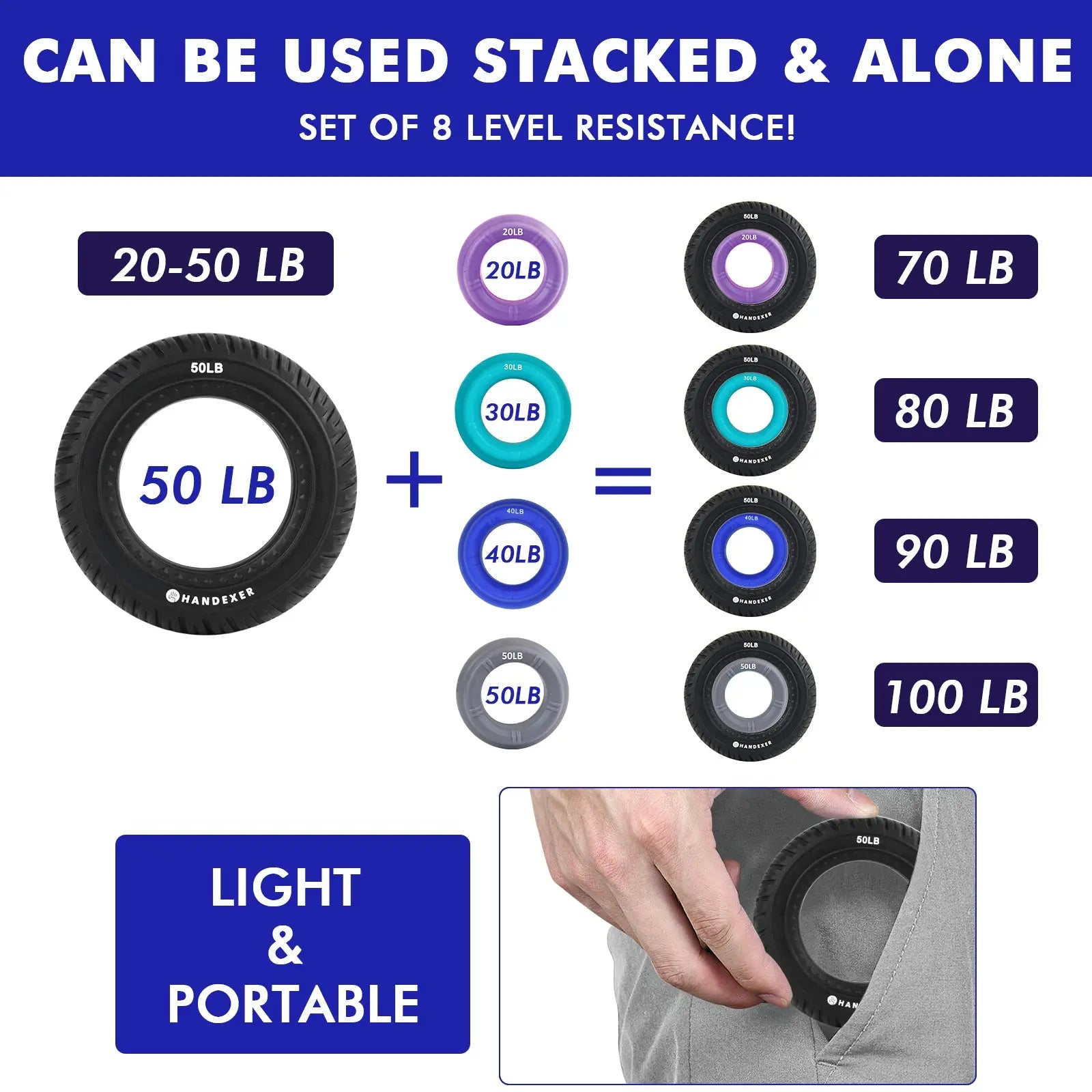
- controlled resistance exercises
- gradual progression rather than force-based effort
- recovery-friendly routines
The goal is not to “train harder,” but to maintain usable, functional strength in daily life.
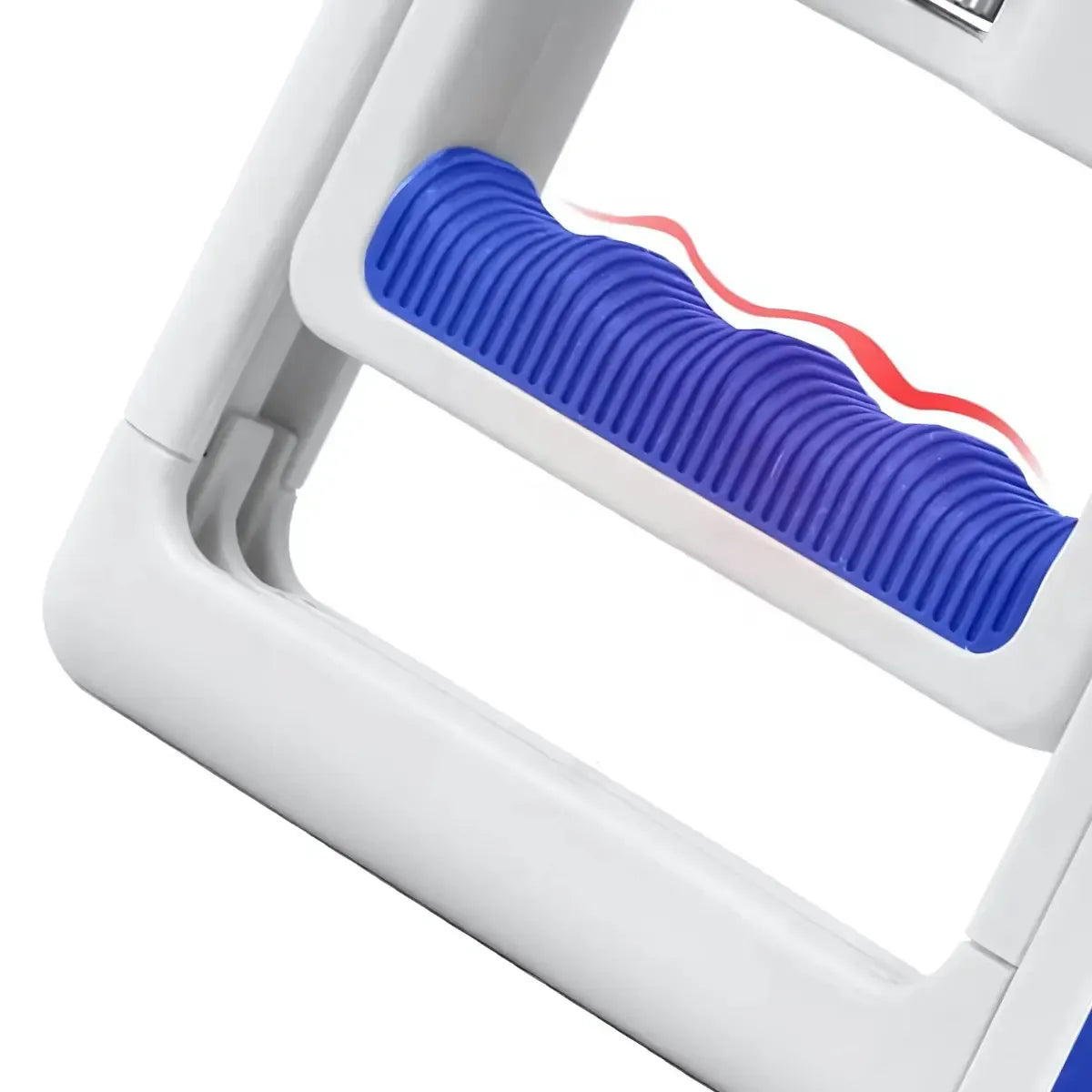
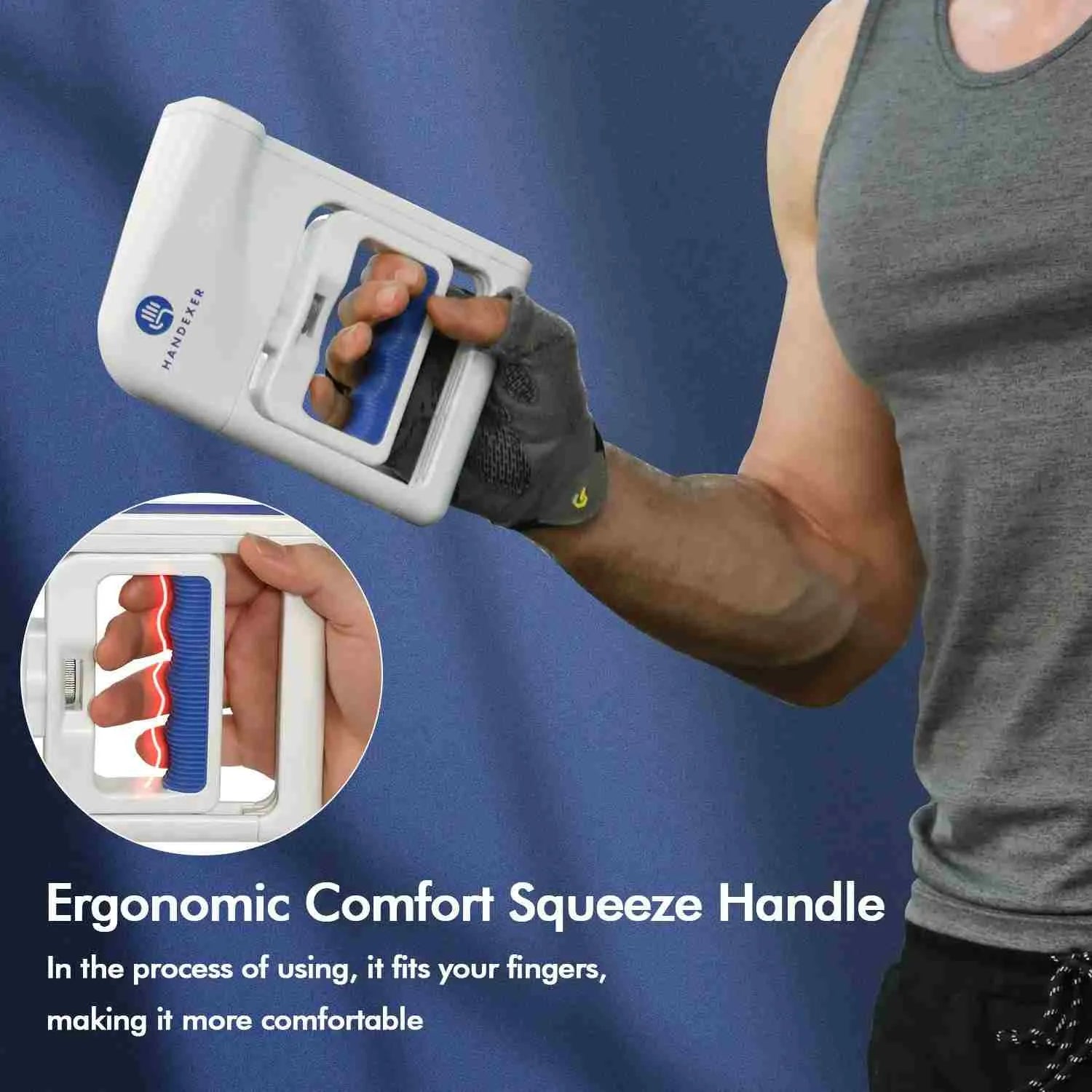
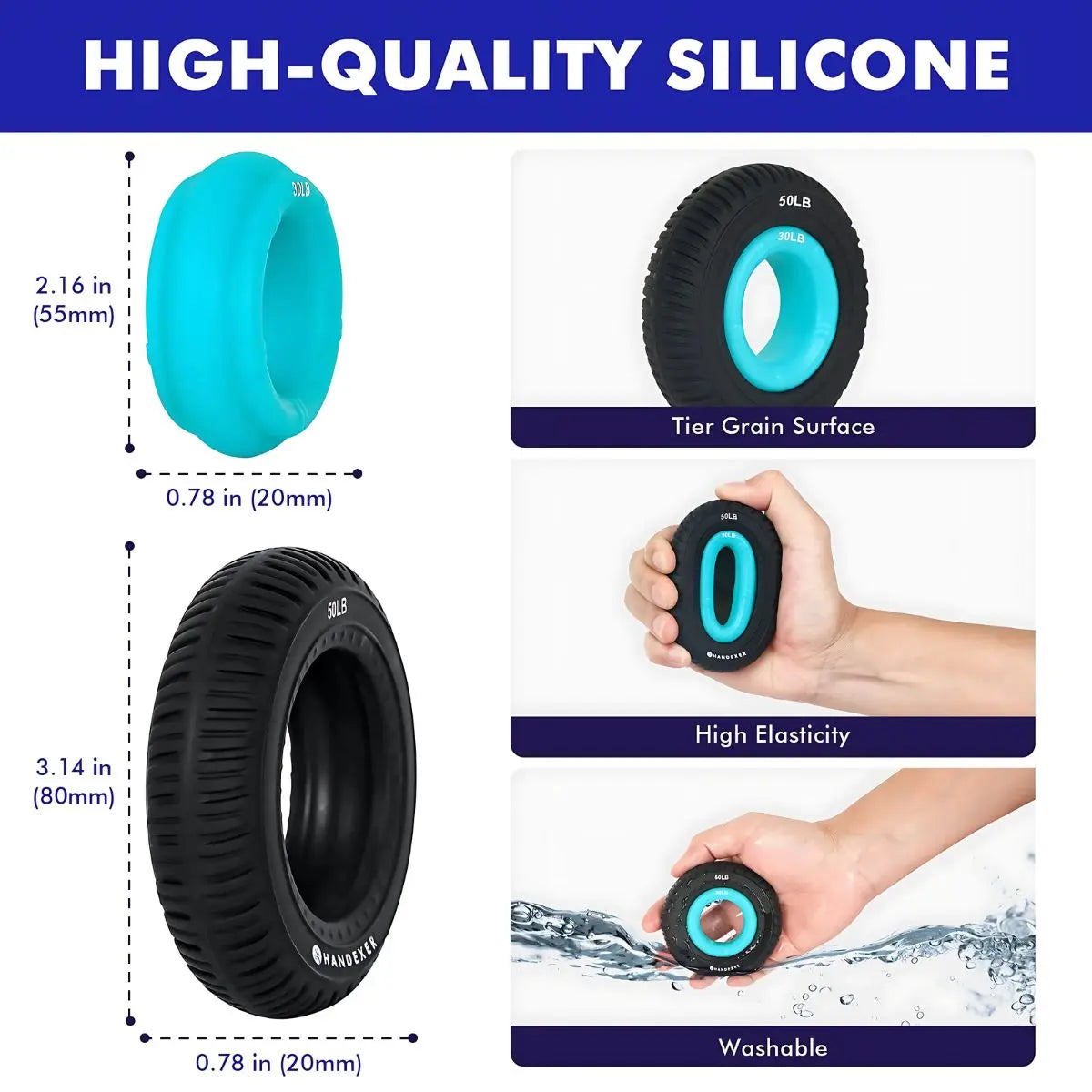
In this context, structured tools that combine assessment and training can help remove guesswork and make progress visible over time.
From Observation to Measurable Progress
One of the challenges in hand health is that changes are often felt before they are measured.
Without tracking, it becomes difficult to know:
- whether strength is stable
- whether decline is accelerating
- whether training is effective
This is where structured training become valuable—linking assessment, training, recovery, and tracking into one continuous loop.
Handexer is built around this idea of clarity:
- Measure clearly
- Train with purpose
- Recover with confidence
Not as isolated actions, but as a continuous understanding of hand function over time.
FAQ
1.At what age does grip strength decline usually start?
It often begins after age 40, but varies based on activity level and lifestyle.
2.Can grip strength reflect overall health?
It can act as a functional indicator, especially in older adults, reflecting general muscular and nervous system efficiency.
3.Should I be concerned if my father’s grip feels weaker?
Not immediately. However, consistent changes over time are worth observing and tracking.
4.Can grip strength improve at home?
Yes. Regular, low-intensity hand exercises can help maintain and improve functional strength.
5.What is the best way to monitor changes?
Establishing a baseline using simple grip assessment tools and tracking changes over time is one of the most effective approaches.






Share:
This Father’s Day Gift Idea: A Grip Strength Training System That Grows With Him
Help Your Father Regain Grip Strength in Just 5 Minutes a Day with Simple Hand Exercises