
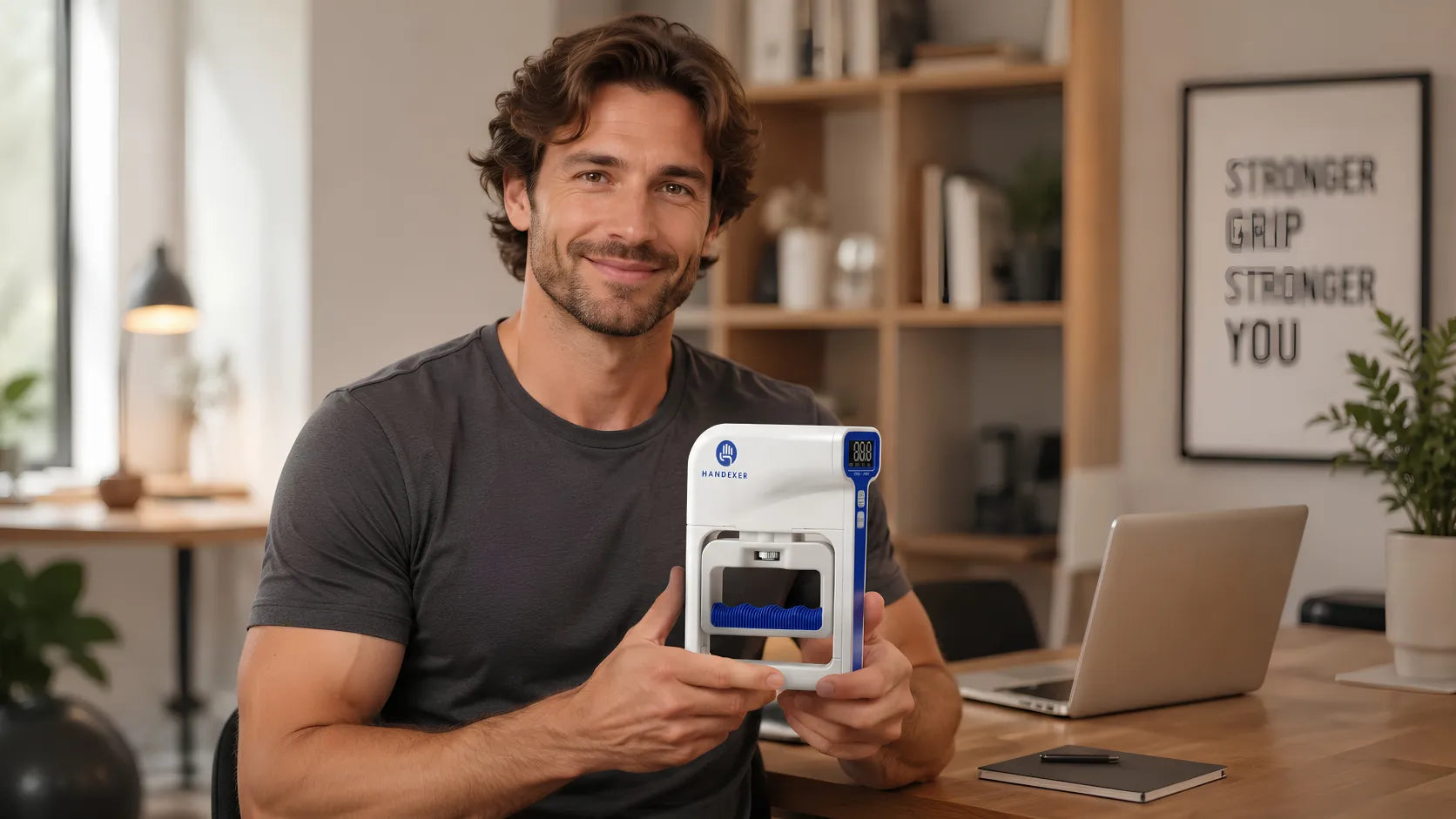
The modern digital workplace is defined by repetition. For millions of office workers, designers, and developers, the hand operates in a near-constant semi-flexed position for 6–10 hours a day, performing thousands of small, repetitive mouse movements.
Over time, this can contribute to what is commonly referred to as mouse hand pain, more formally associated with Repetitive Strain Injury (RSI) and in some cases early carpal tunnel–related symptoms.
Common symptoms include:
- Dull aching in the wrist or forearm
- Tightness or fatigue in the palm
- Tingling or mild numbness in fingers
- Reduced grip endurance
Occupational health research on RSI suggests that repetitive low-load movements combined with insufficient recovery can overload tendons and surrounding soft tissues, particularly in the wrist flexor and extensor systems.
While ergonomic tools such as vertical mice or wrist supports help reduce external stress, they only address part of the problem. The other side is tissue capacity and functional resilience of the hand itself.

Understanding Mouse Hand Pain: What Is Actually Happening?
Mouse-related discomfort is not simply fatigue—it is the result of repeated load without adequate variation or recovery.
1. Tendon Overload and Micro-Irritation
Continuous clicking and scrolling activate small forearm muscles repeatedly. Over time, this may lead to tendon sheath irritation (early tendinopathy patterns).
2. Reduced Circulation from Static Positioning
Prolonged wrist positioning reduces local blood flow, slowing metabolic recovery and increasing stiffness perception.
3. Nerve Sensitivity Under Mechanical Stress
Sustained wrist flexion or extension can increase pressure on the median nerve, contributing to carpal tunnel–like symptoms in some individuals.
👉 In simple terms: It is not just overuse—it is under-recovery combined with low movement variability.
Why Ergonomics Alone Is Not Enough
Ergonomics reduces harmful positions, but it does not restore lost capacity.If your daily hand usage is dominated by:
- Clicking
- Static hovering
- Low variability motion
Then over time, the hand becomes movement-deprived rather than simply fatigued.Modern rehabilitation approaches therefore combine:
- Ergonomic optimization
- Progressive loading
- Active mobility recovery
This is where grip training becomes relevant.
Hand Resilience Framework™ (Functional Recovery System)
A structured approach to mouse hand pain recovery:
1. Assess — Understand Baseline Capacity
Before training, establish your functional baseline:
- Grip endurance (time to fatigue)
- Pain triggers (specific movements)
- Wrist mobility limitations
However, subjective feeling alone is not enough for tracking recovery.
📏 Grip Strength Measurement (Key Upgrade)
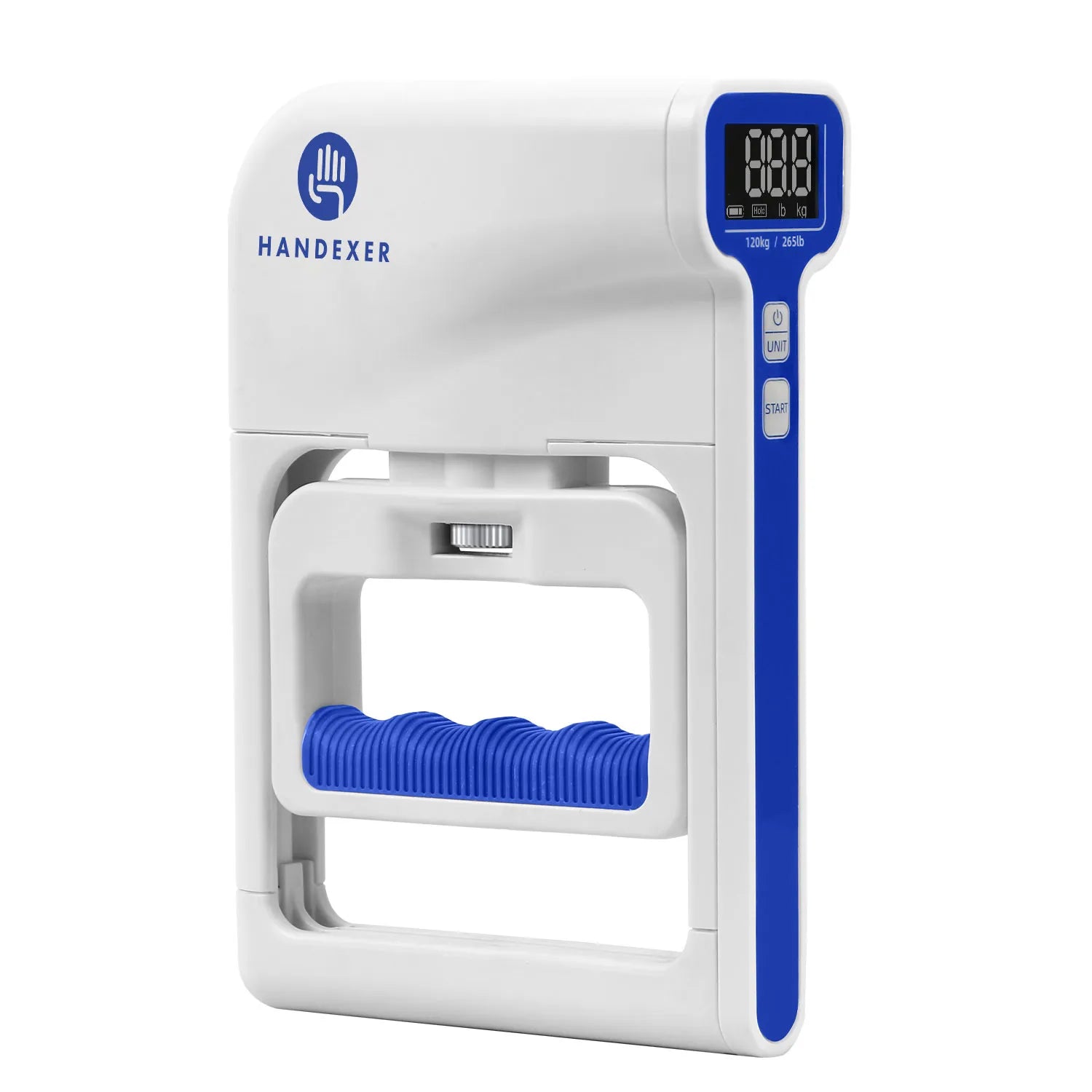
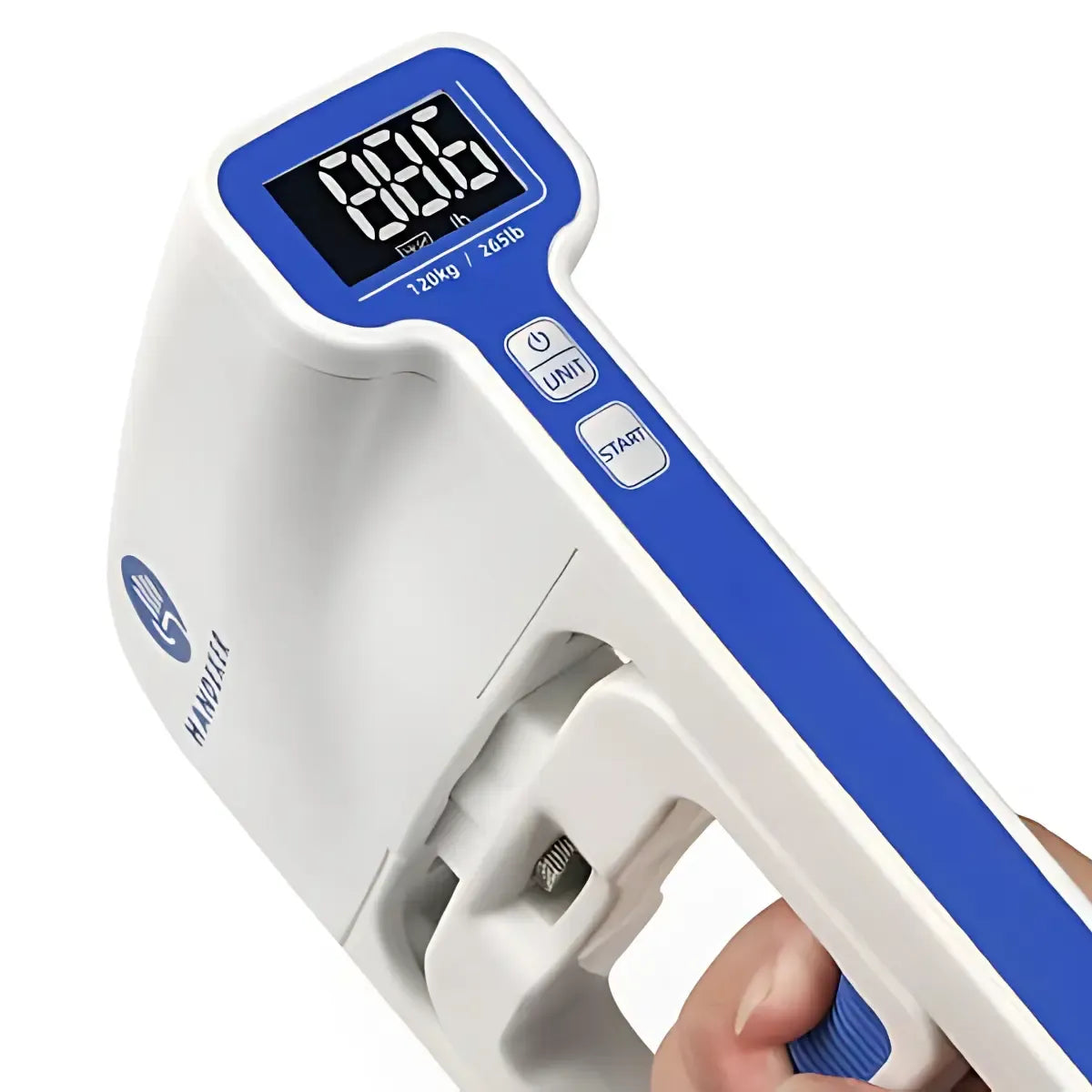
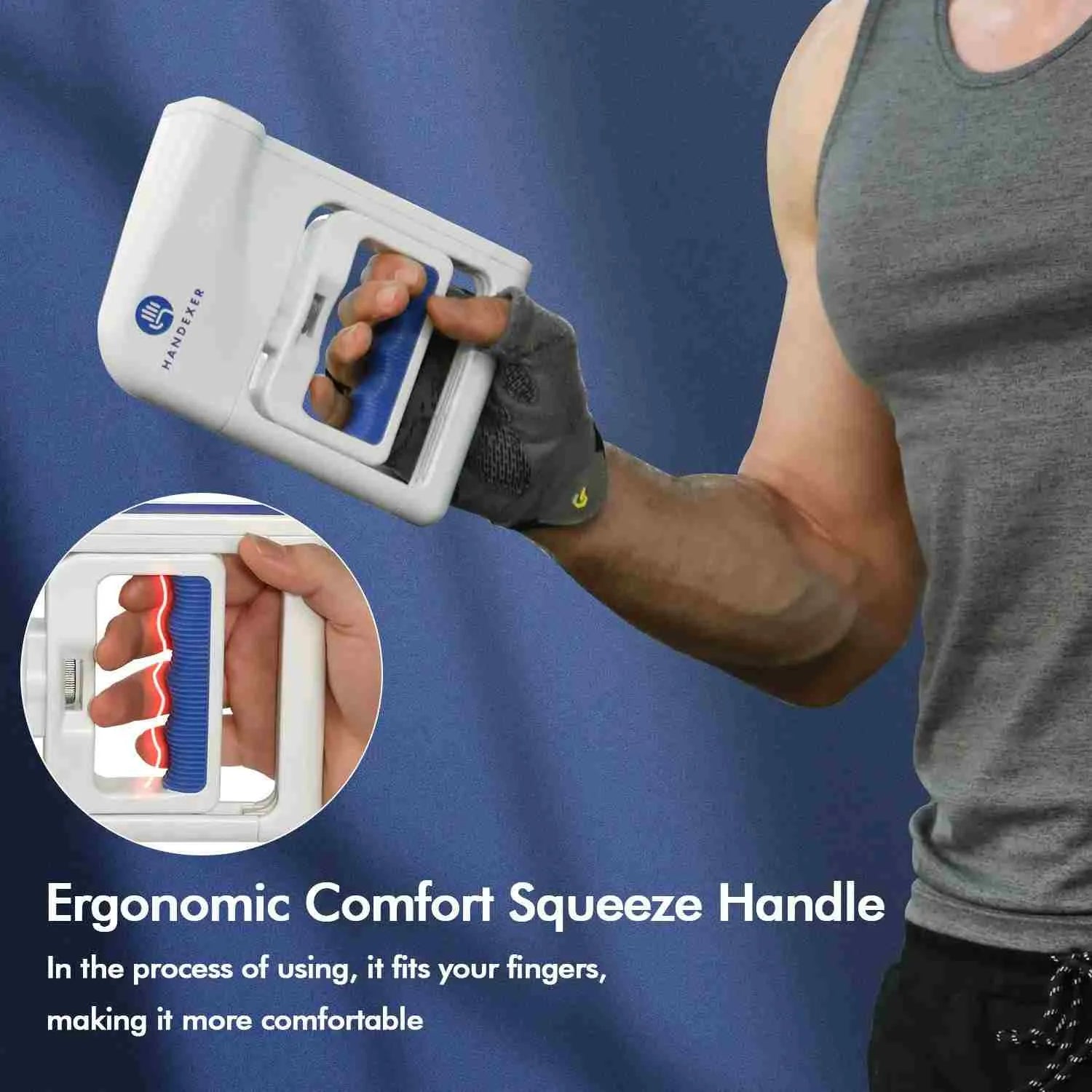
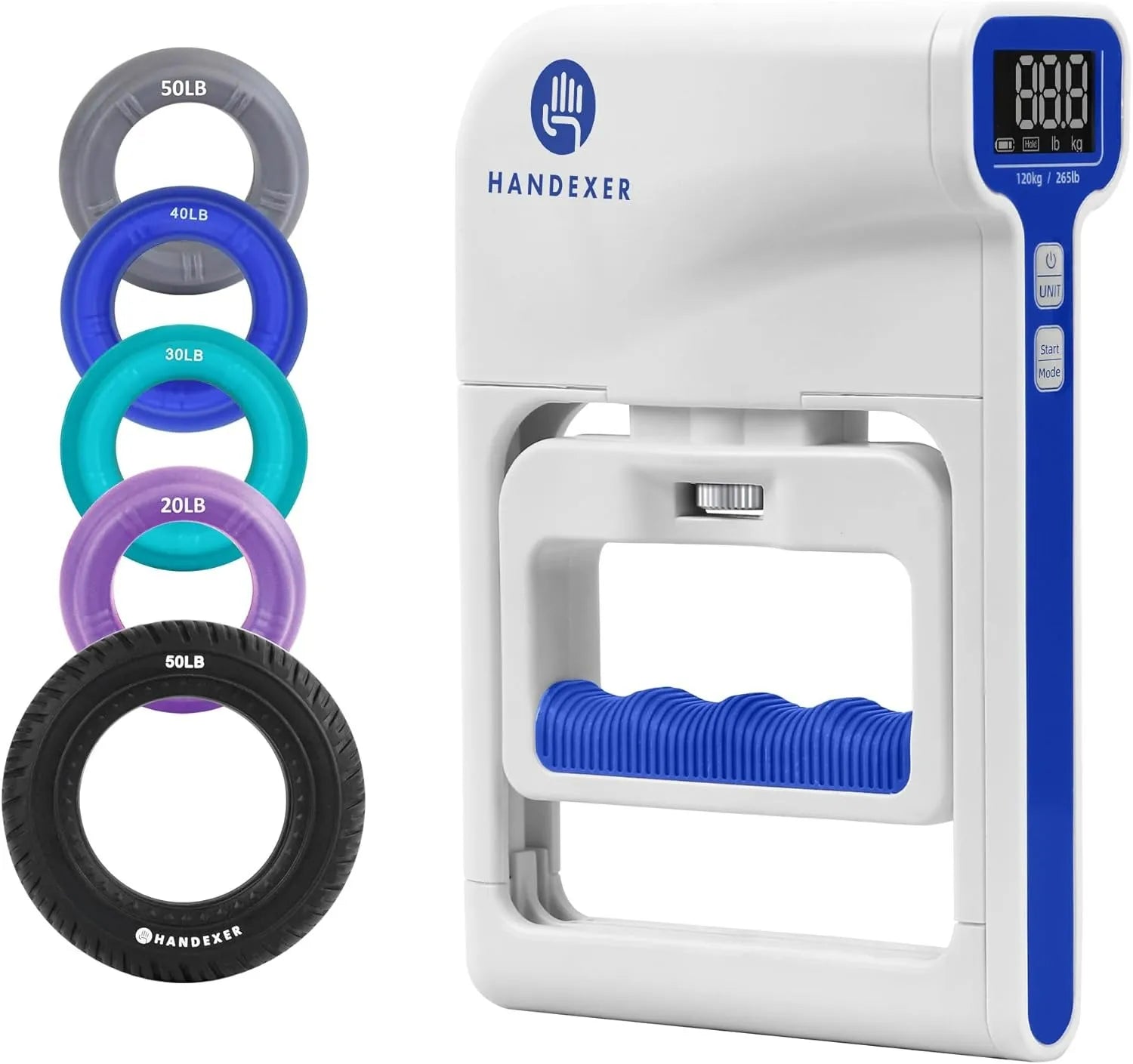
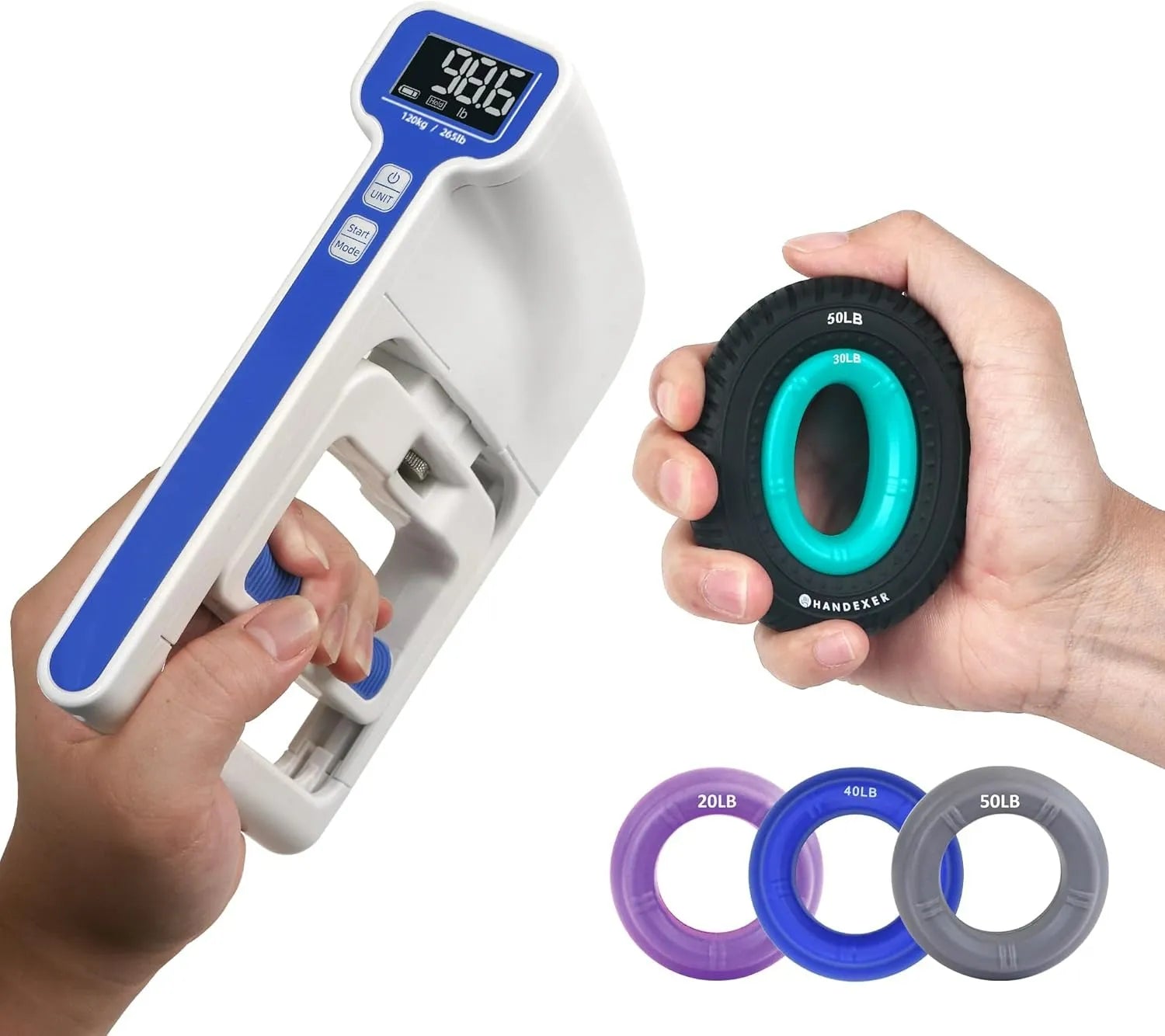
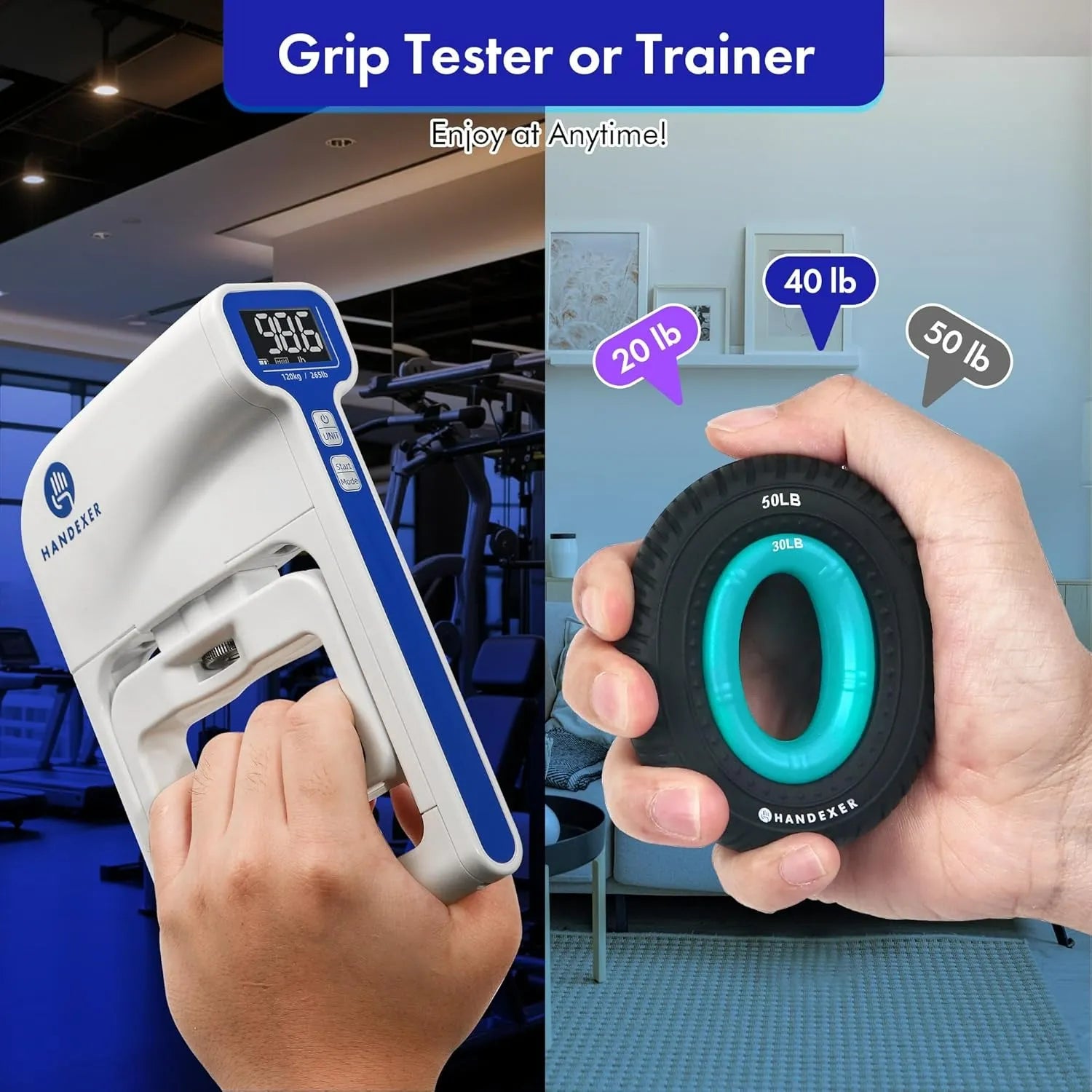
A hand dynamometer introduces objective measurement into recovery.
It helps you:
- Quantify baseline strength
- Track weekly/monthly recovery trends
- Detect overtraining or stagnation
- Turn subjective pain into measurable data
In RSI recovery contexts, grip strength measurement is less about “training harder” and more about: 👉 making recovery visible and trackable
2. Train — Reintroduce Controlled Load
Research in tendon rehabilitation consistently shows that low-load, controlled resistance is more effective than complete rest for restoring tendon capacity.
Recommended movements:
- Light resistance finger extension
- Controlled grip activation (non-maximal)
- Slow eccentric release movements
Goal: 👉 Improve tendon load tolerance without triggering irritation
3. Recover — Restore Mobility and Circulation
Recovery should focus on reversing static “mouse posture” patterns:
- Wrist flexor/extensor stretching
- Gentle mobility drills
- Open-hand activation movements
This helps restore:
- Blood flow
- Tissue elasticity
- Movement variability
4. Track — Build a Feedback Loop
Consistent tracking improves long-term outcomes.
Track:
- Daily discomfort (0–10 scale)
- Grip strength trends
- Activity triggers
Even minimal tracking creates strong behavioral feedback loops that improve recovery adherence.
Practical Exercises for Mouse Hand Pain Relief
Wrist Reset Stretch
Gently stretch both wrist flexors and extensors to restore muscle balance.
Finger Extension Band Work
Use a light resistance band to open the fingers outward, activating underused extensor muscles.
Controlled Grip Activation
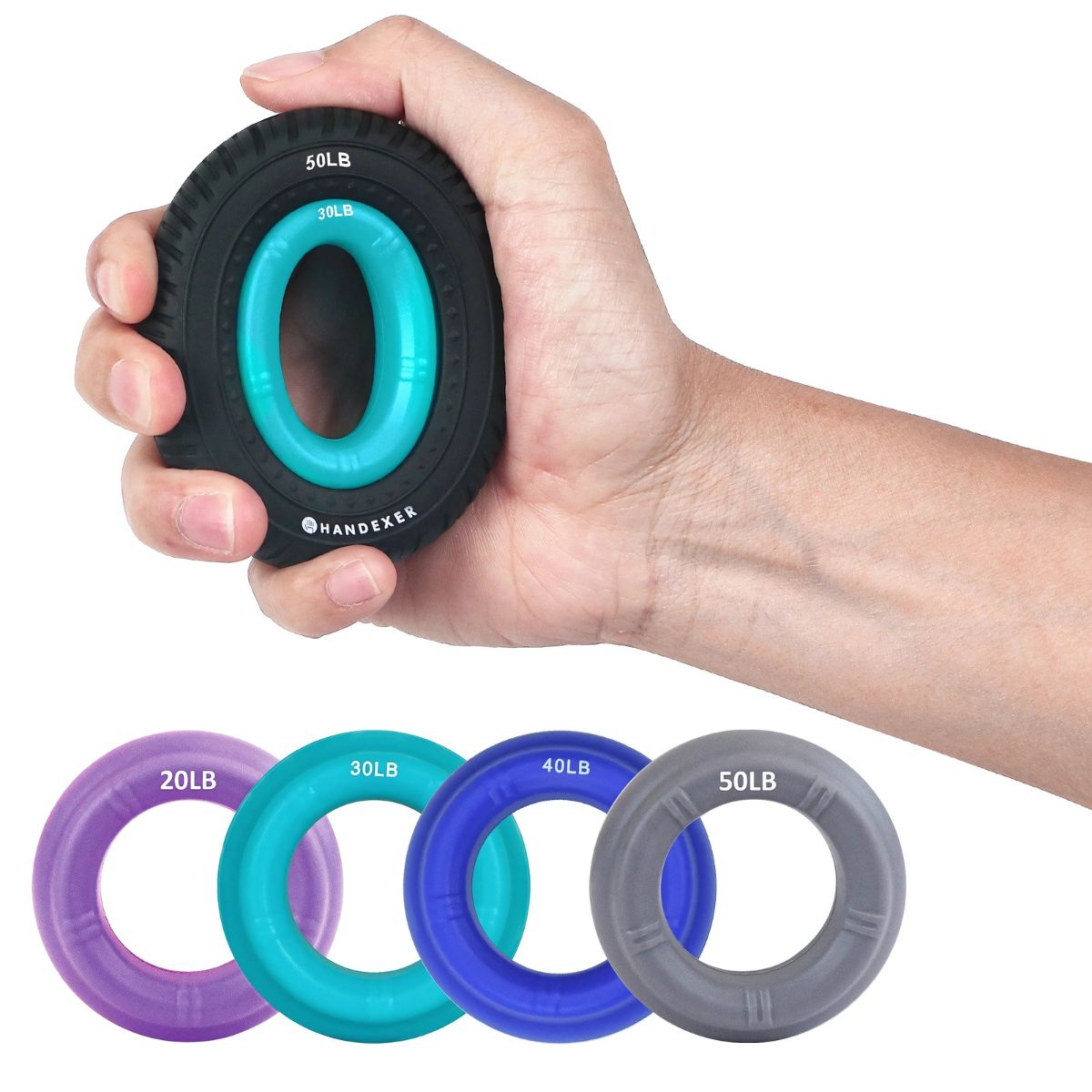
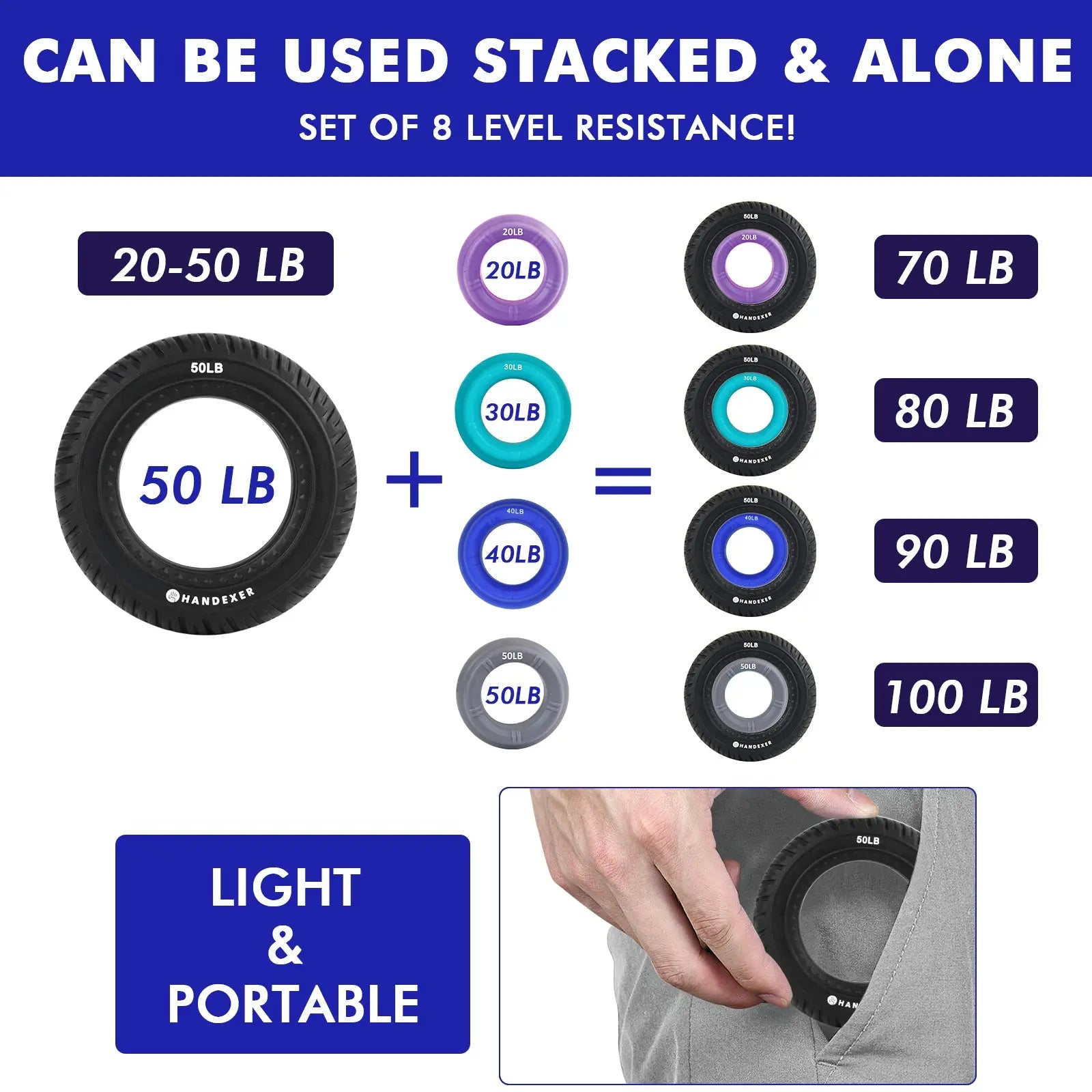
Slow squeeze-and-release cycles using a low-resistance tool to improve circulation and coordination.
When to Seek Professional Help
Consult a licensed physical therapist or medical professional if you experience:
- Persistent sharp or radiating pain
- Numbness or tingling that worsens at night
- Noticeable loss of grip strength
Early intervention significantly improves recovery outcomes in RSI-related conditions.
Building Long-Term Hand Resilience
The goal is not only symptom relief but long-term functional adaptation.
Healthy hand function depends on:
- Load variability
- Recovery cycles
- Balanced strength and mobility
This is the foundation of RSI prevention and long-term desk-work sustainability.
Start Building Measurable Hand Recovery
If you want to move beyond symptom relief and begin structured recovery:
👉 Start by understanding your baseline hand function and load tolerance.
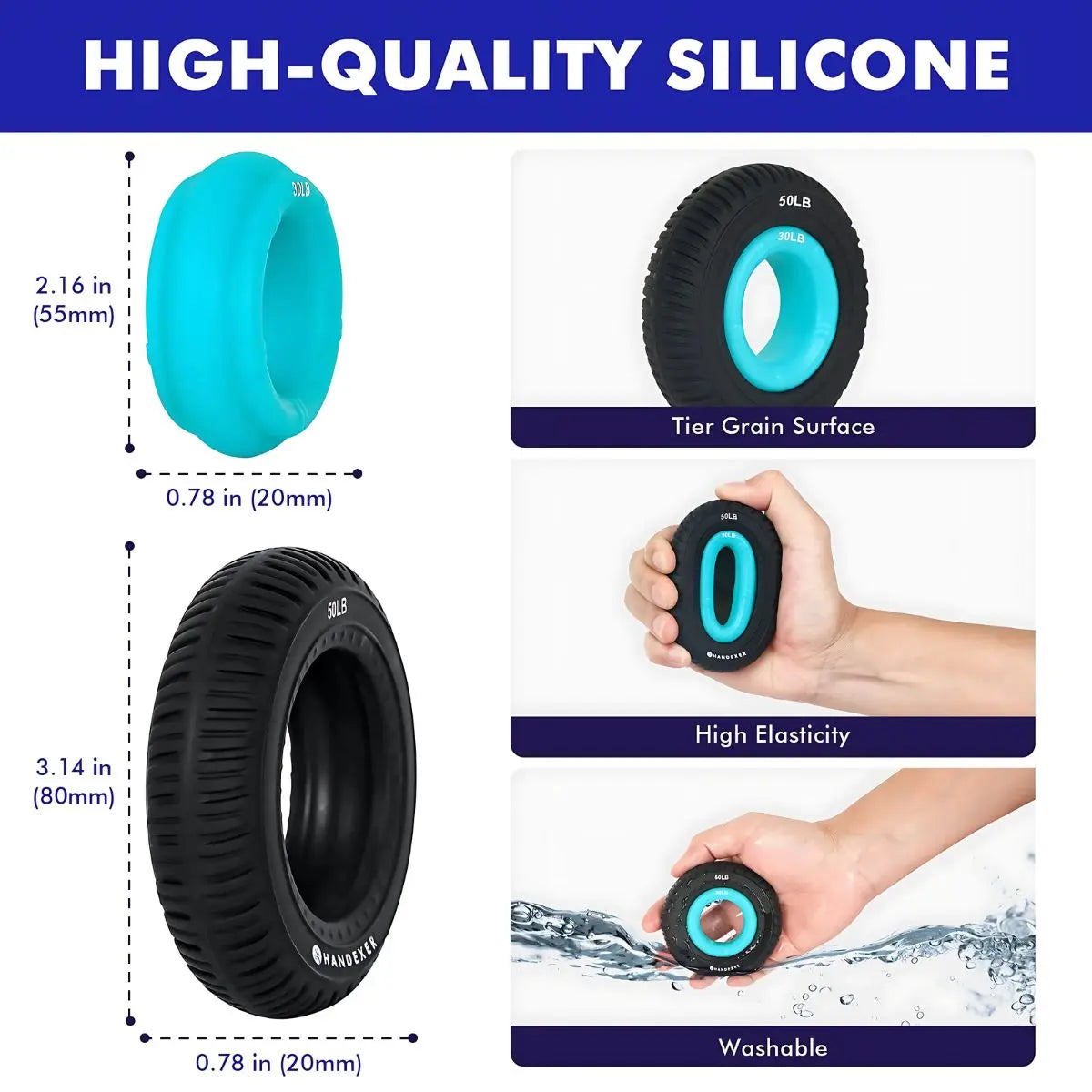
To make progress measurable, consider using a grip strength tester to track improvement over time instead of relying on perception alone.
👉 Explore structured recovery tools:
FAQ
1.What is mouse hand pain?
Mouse hand pain refers to discomfort caused by repetitive mouse use, commonly associated with RSI or early tendon overload in the wrist and forearm.
2.Can grip training help RSI or mouse hand symptoms?
Yes, when done with low resistance and proper progression. The goal is tendon recovery and load adaptation, not maximal strength.
3.Do grip strength testers really help?
Yes—but not as a training tool. They are primarily used to measure recovery progress and track functional improvement over time.
4.How long does recovery take?
Mild cases may improve within 2–4 weeks with consistent ergonomic correction and mobility work. Chronic cases may require longer structured rehabilitation.
5.Should I rest or train?
Complete rest is not typically recommended for RSI-related conditions. Controlled, low-load movement is generally more effective.






Share:
Long-term Grip Strength Training: What Grip Strength Training Benefits for Seniors Can Middle-Aged and Older Adults Gain?
Climbing Finger Strength Training Guide: Injury Prevention, Recovery & Performance