
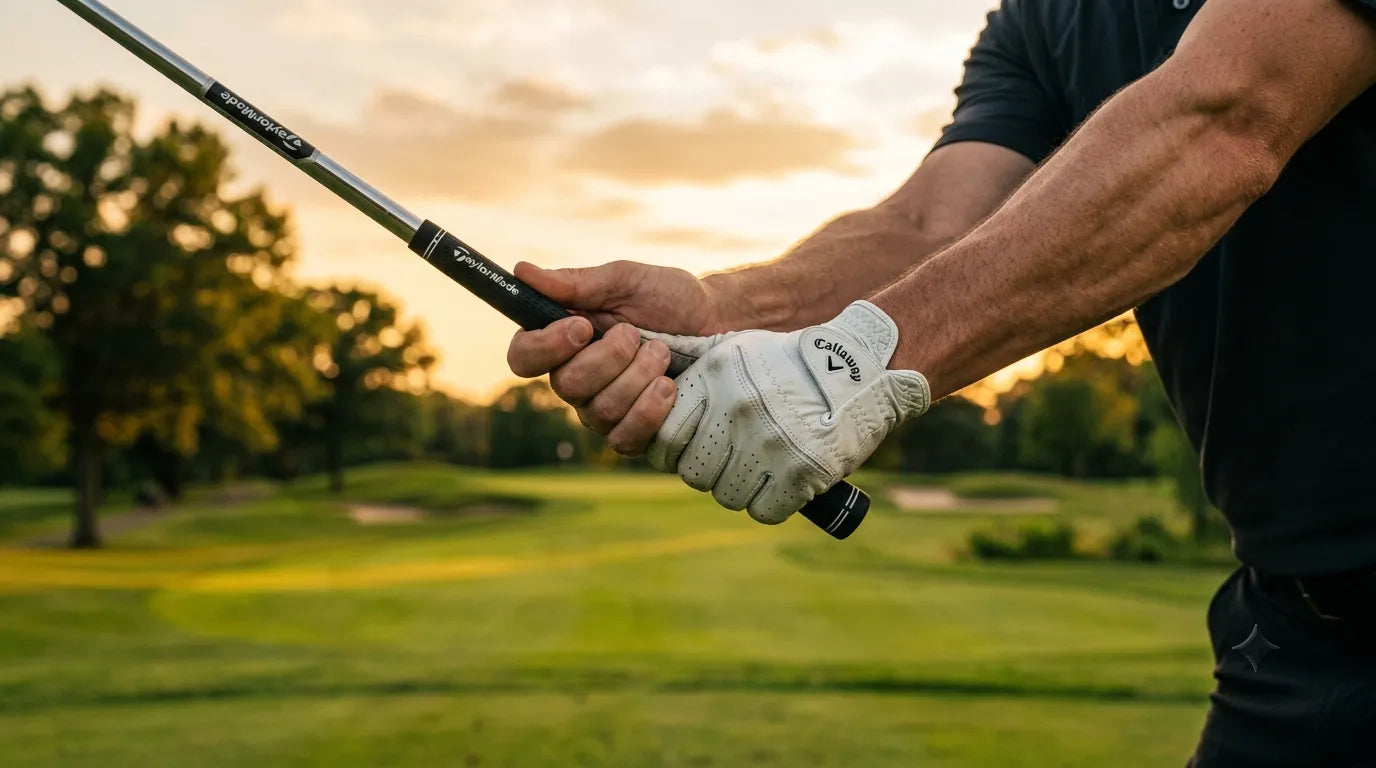
Many golfers spend hundreds or even thousands of dollars on new drivers, premium shafts, and lessons in search of extra distance.
But research in sports science consistently suggests a different and often overlooked performance factor:
your grip strength and hand function play a measurable role in swing speed, force transfer, and driving distance.
Instead of only upgrading equipment, improving the strength and control of your hands may unlock one of the most cost-effective performance gains in golf.
Why Grip Strength is Essential for Elevating Your Golf Game
Many golfers attribute plateaus in their swing speed to core rotation or back strength, often overlooking the critical role hand function plays in the kinetic chain. At Handexer, we view grip strength as more than just "holding on tight"—it is the vital bridge connecting your body’s explosive power to the club.
Improving your grip strength elevates your golf performance through three core mechanics:
1. From “Death Grip” to Efficient Control
A common mistake in golf is the “death grip”—excessive tension caused by insufficient hand strength.
When your hands feel weak, your body compensates by squeezing harder, which leads to:
- Reduced wrist mobility
- Increased forearm tension
- Limited clubhead speed potential
- Poor rhythm and timing
Functional grip training improves strength so you can maintain secure control with lower grip pressure. This allows your wrists to remain relaxed and responsive throughout the swing, supporting a smoother energy transfer.
2. Measurable Gains in Swing Speed
There is a direct correlation between hand function and clubhead speed. Enhanced grip strength allows you to maintain "lag" during the transition phase of your swing, resulting in a more explosive release at impact. When your hands are trained for function rather than just exertion, you can increase your swing speed safely, translating those functional gains directly into longer, more consistent drives.
3. Consistency and Stability Under Pressure
Golf is a game of repetition. Weak or under-trained hand muscles often lead to slight deviations in the swing path, particularly as fatigue sets in during the final holes of a round. Superior hand function ensures greater stability throughout the entire arc of your swing, minimizing off-center strikes. Whether you are performing delicate finesse shots or long, full-force drives, a trained grip provides the control and confidence needed to execute your game plan.
Assess Your Baseline: What Gets Measured Improves
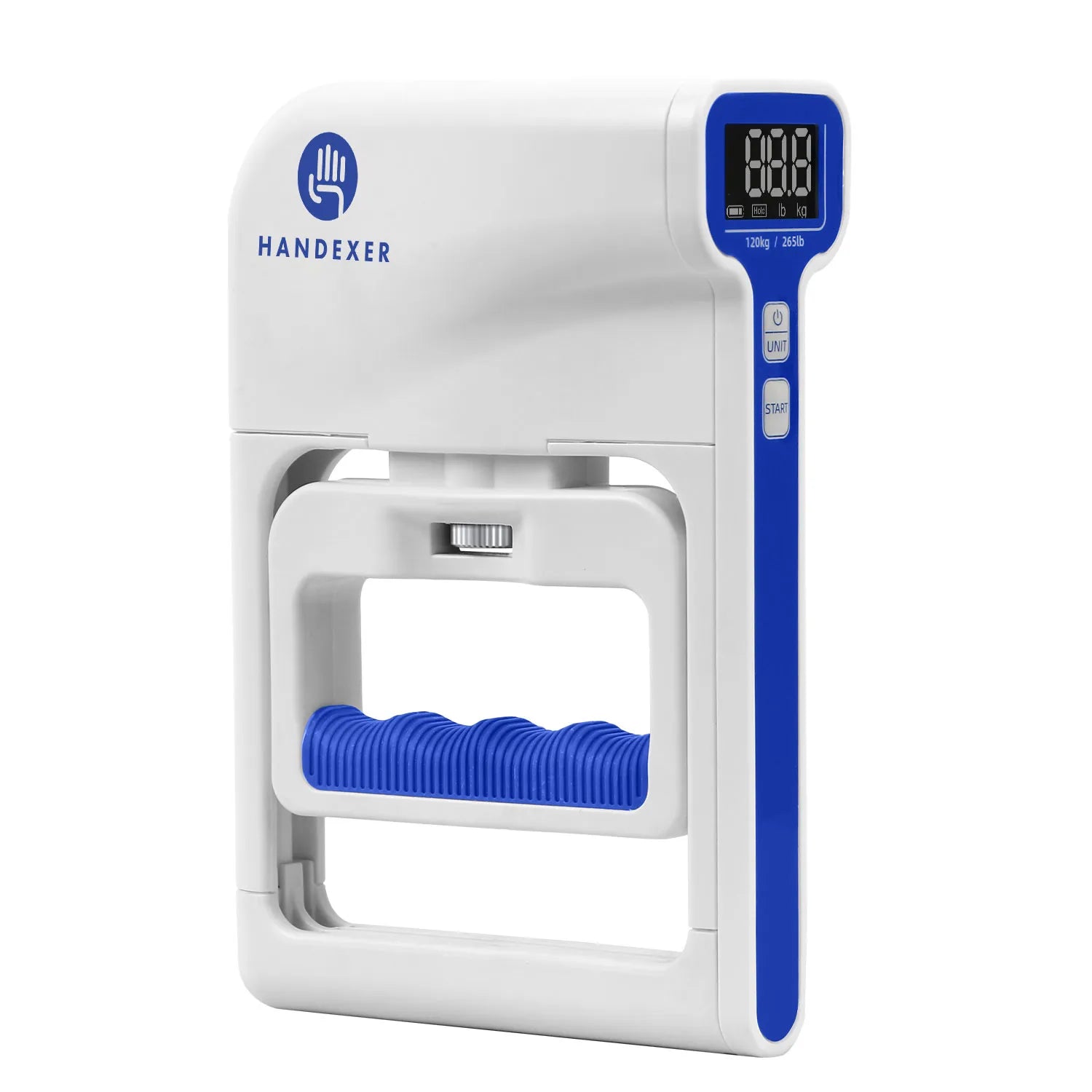
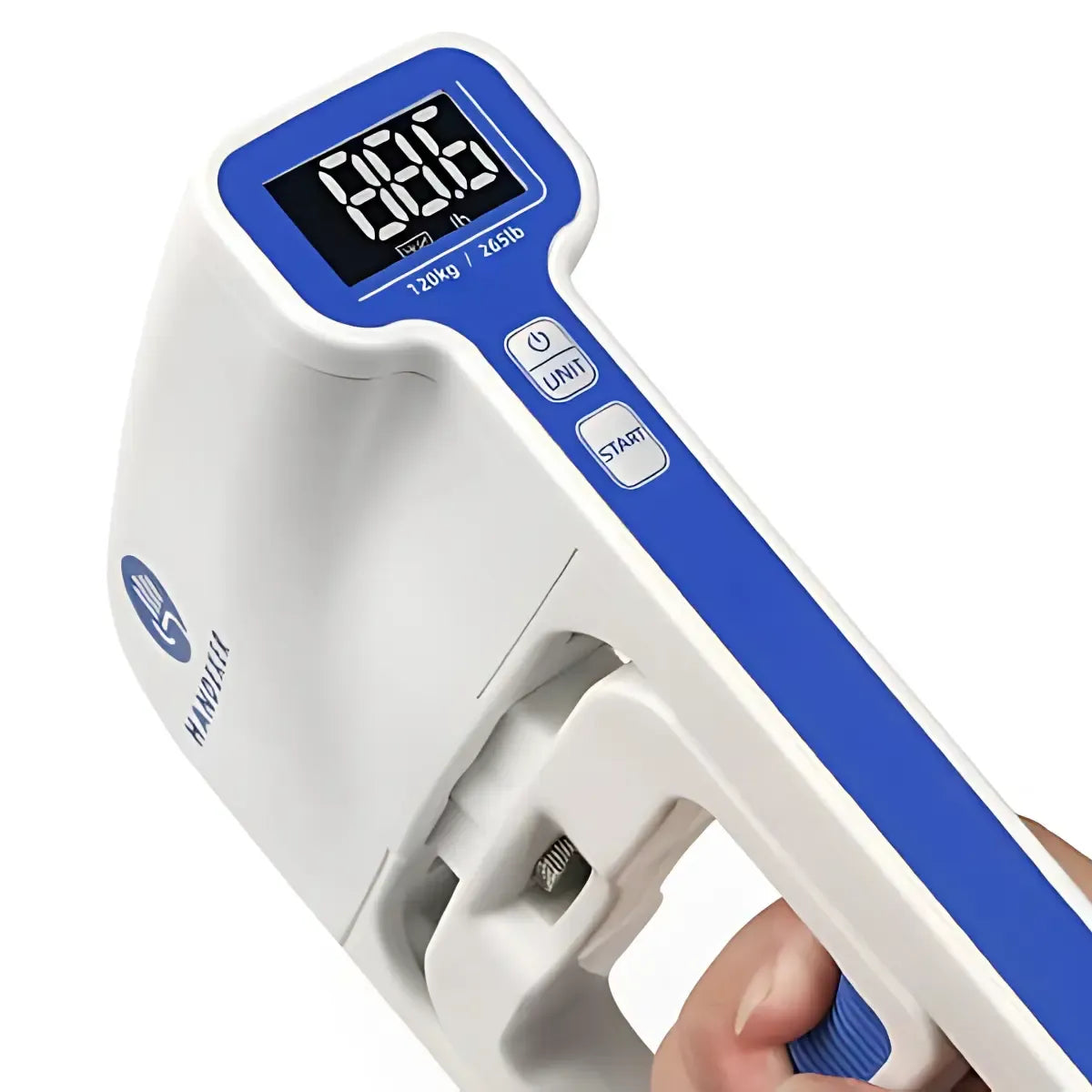
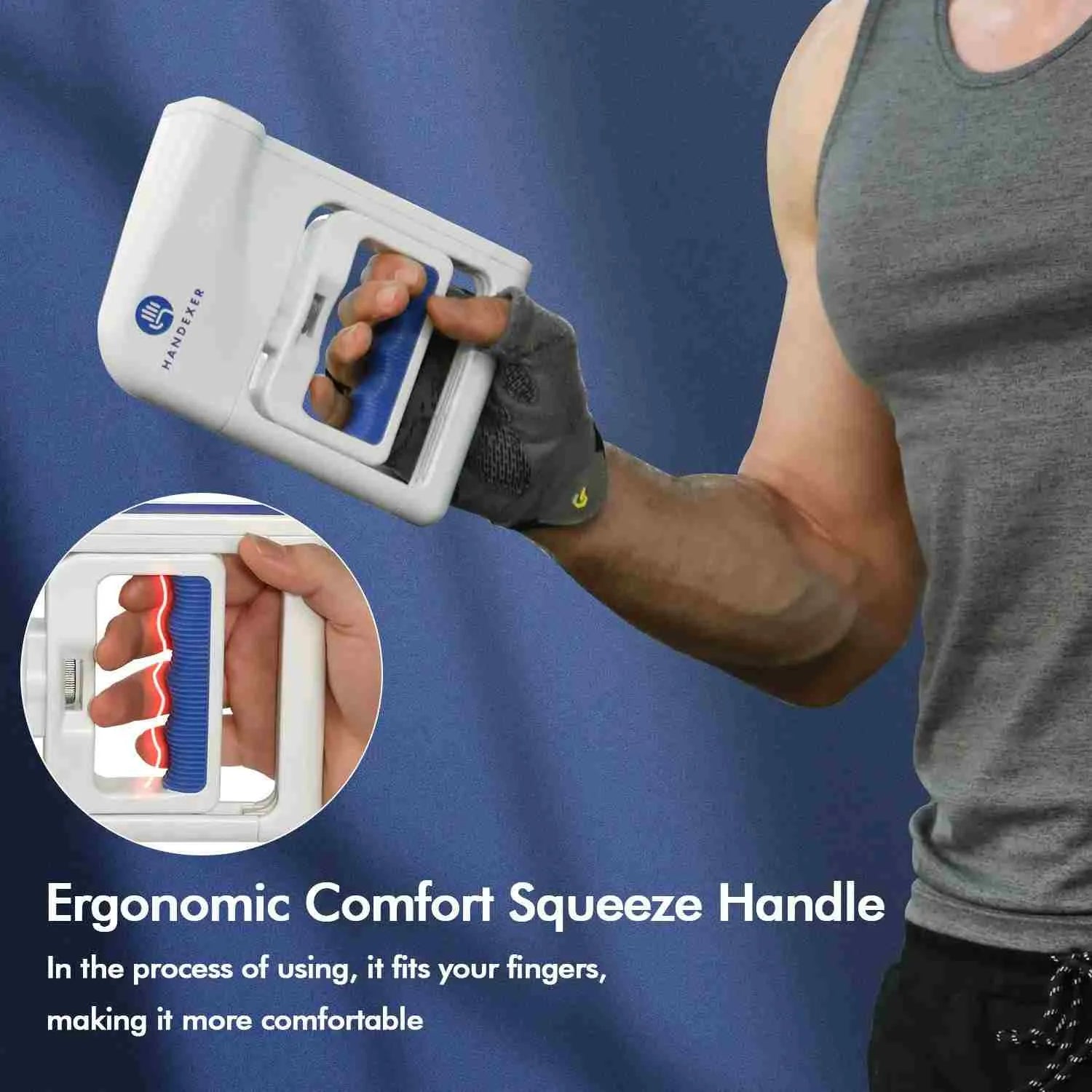
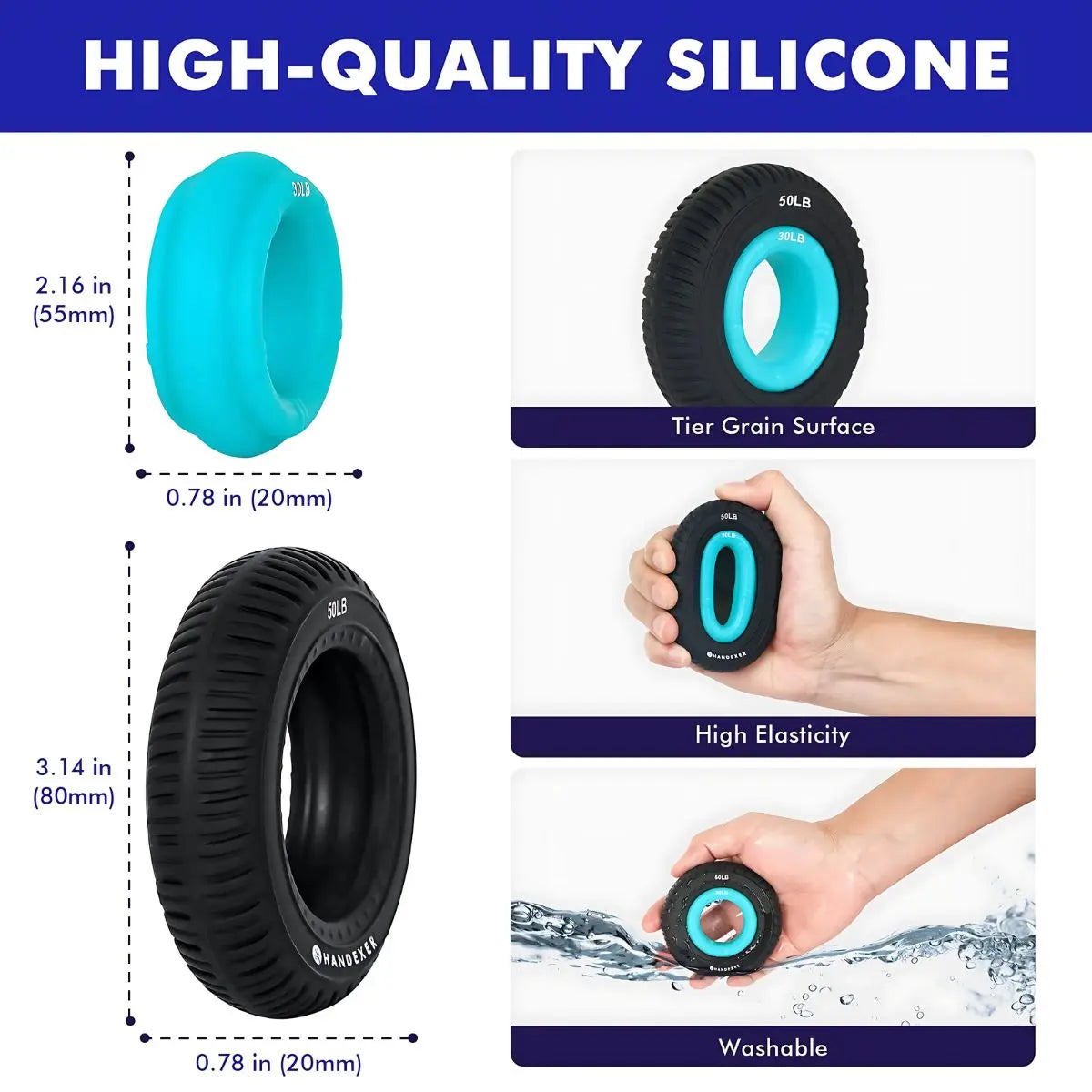
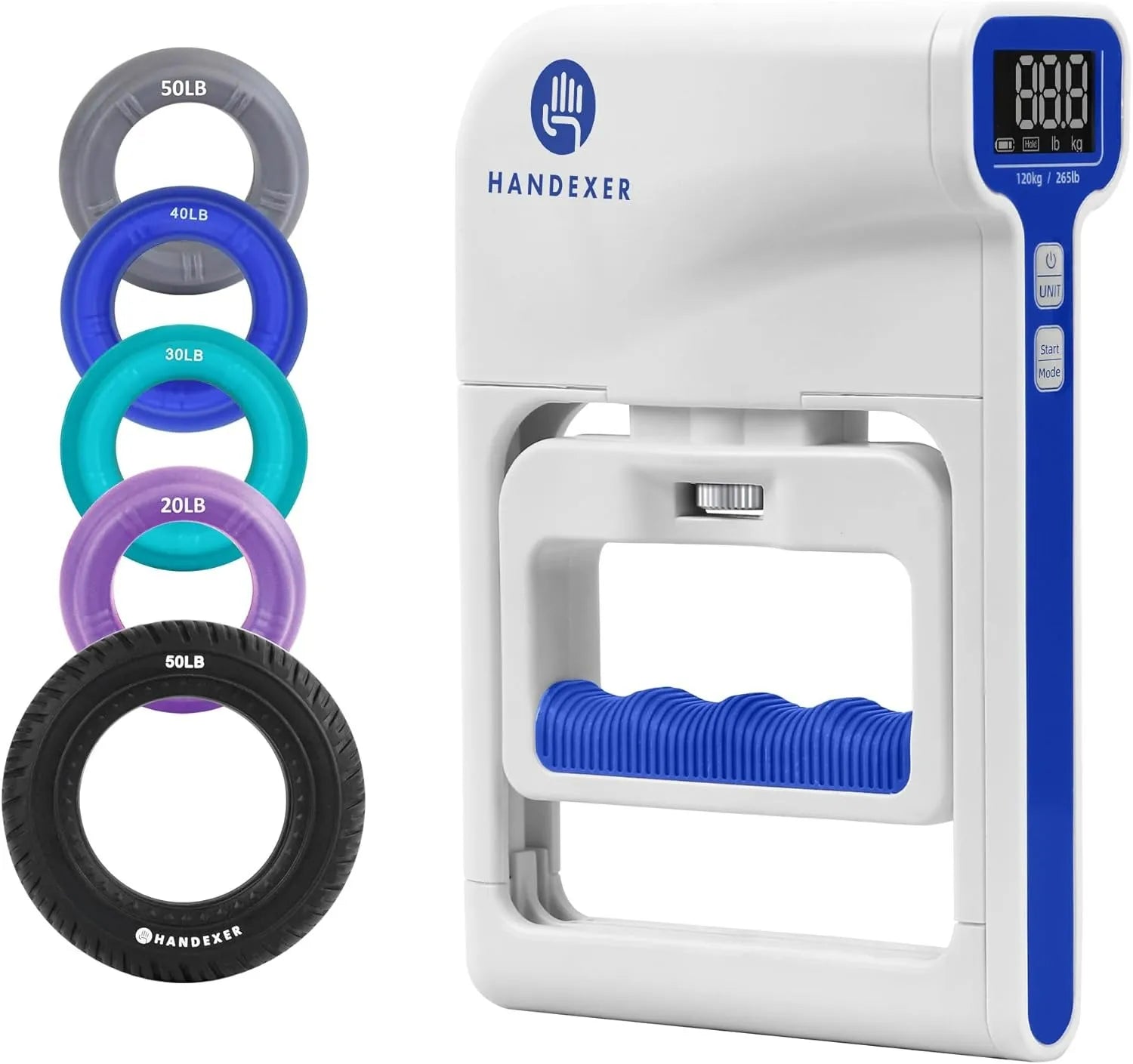
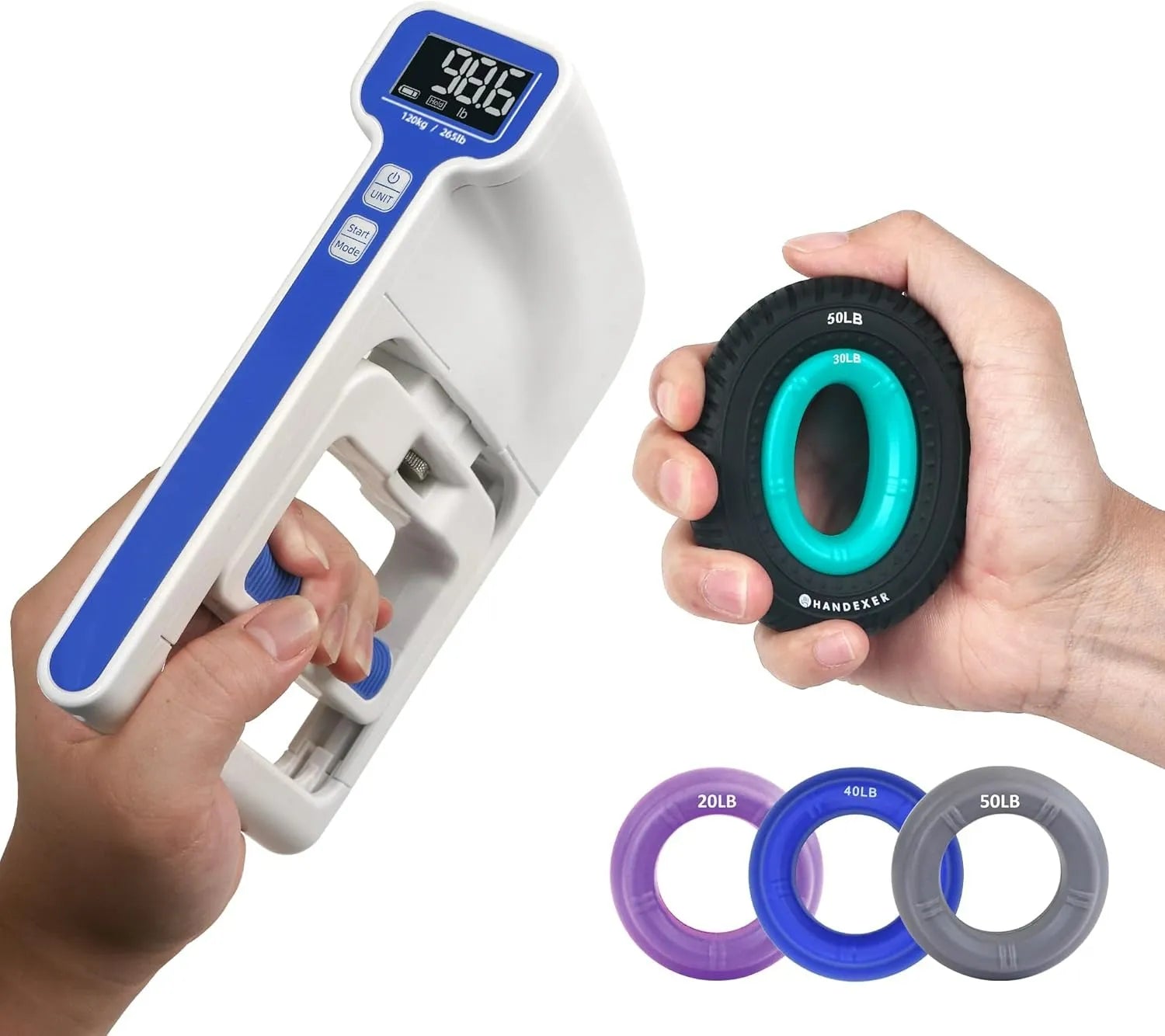
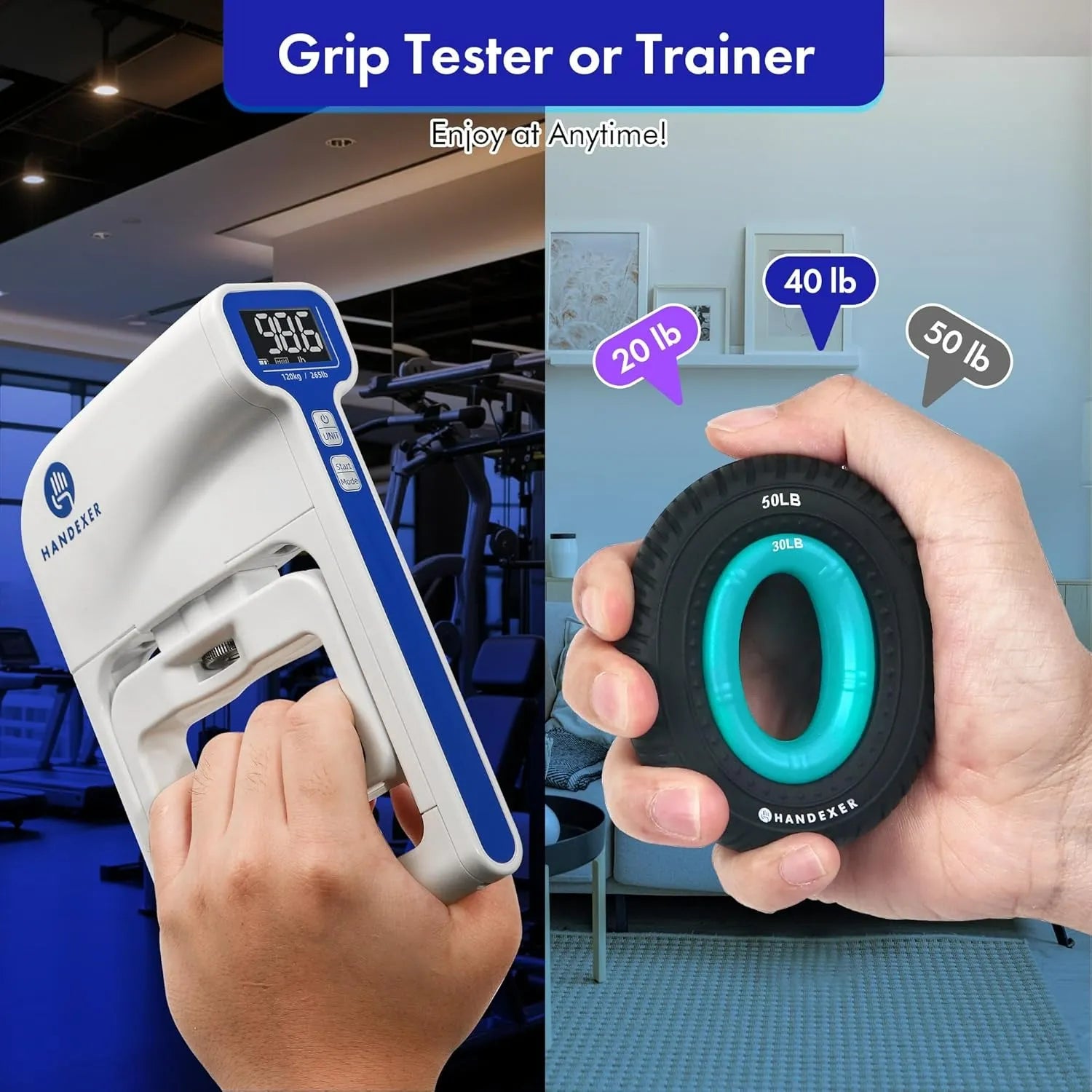
Before training, you need a clear starting point.Using a digital grip strength dynamometer allows you to:
- Identify strength imbalances between hands
- Track progress over time
- Build a measurable training framework
Just like golfers track swing speed or handicap, grip strength should be treated as a performance metric, not a guess.
👉 Measure your baseline before you train.
8-Week Functional Grip Progression
To see meaningful improvement, grip training must be structured and progressive—not random squeezing exercises.
Weeks 1-2: Baseline Assessment
Establish your current grip strength using a dynamometer and identify left-right imbalances.
Weeks 3-4: Endurance Development
Focus on high-repetition, low-resistance training to build forearm stamina and control.
Weeks 5-6: Dynamic Control
Introduce rotational and tension-release movements that mimic the dynamic demands of a golf swing
Weeks 7-8: Performance Integration
Re-test grip strength and integrate improvements into swing practice, focusing on feel, control, and clubhead speed.
Common Grip Training Mistakes Golfers Make
1. Training Only Max Strength
Many golfers focus only on squeezing as hard as possible, ignoring endurance and control—both of which matter more in golf.
2. Ignoring Wrist Mobility
Grip strength without wrist mobility leads to stiffness, not performance. Golf requires both stability and fluidity
3. Not Measuring Progress
Without measurement, improvement becomes subjective. You can’t improve what you don’t track.
Frequently Asked Questions
1.Does a stronger grip mean I should squeeze the club harder?
Absolutely not. Excessive squeezing creates muscle tension that limits movement. We aim to increase your *potential* strength so that your *natural* grip pressure is secure yet relaxed.
2.How often should I train my grip for golf?
Consistent, shorter training sessions—roughly 5 to 10 minutes, 3–5 times per week—are far more effective than long, infrequent workouts.
3.Can seniors benefit from grip training?
Absolutely. Maintaining hand strength is one of the most effective ways for senior golfers to prevent distance loss and maintain swing control well into their later years.






Share:
Grip Strength Training: Is It Overrated? What Most People Get Wrong
Weak Grip From Office Work? How to Prevent Mouse Hand and Build Stronger Forearms