
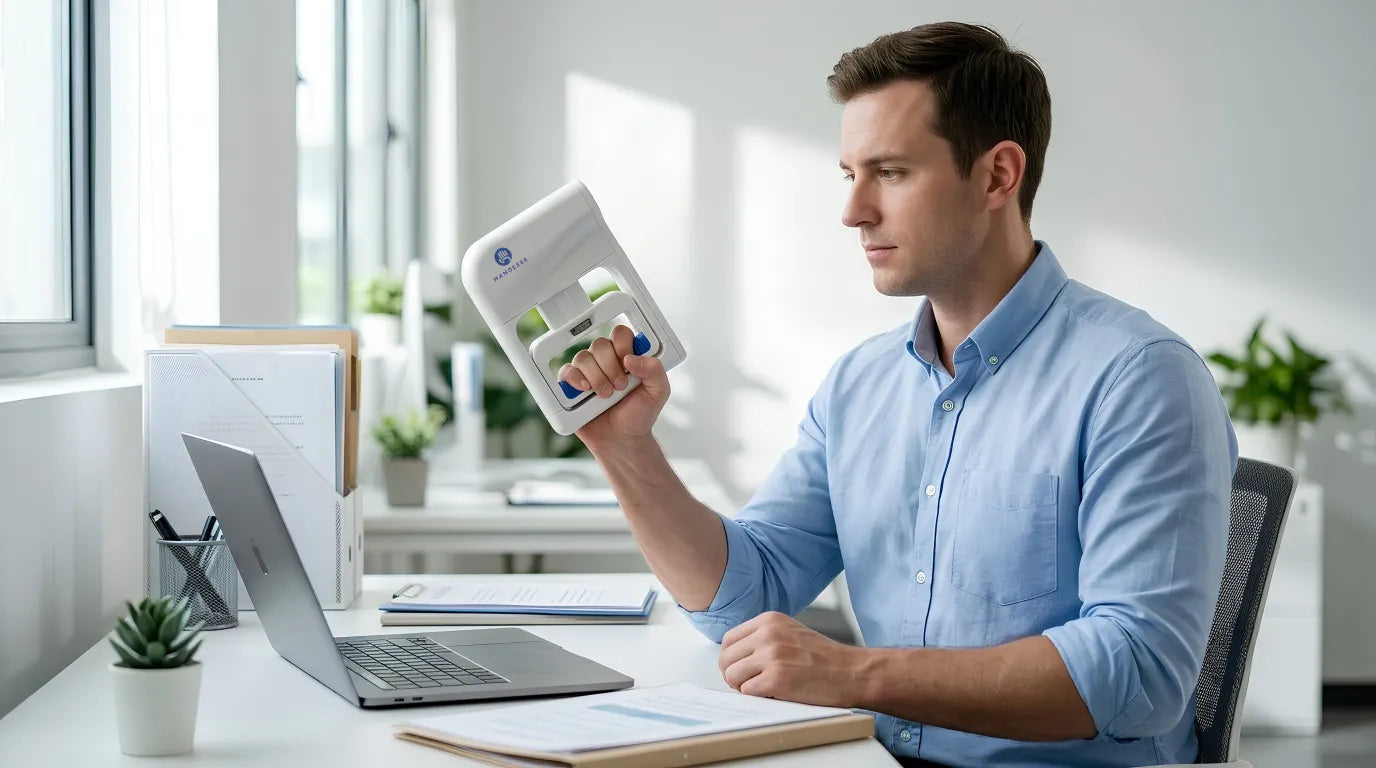
We’ve all experienced it: you walk into a meeting, lock hands with a colleague, and subconsciously form an impression based on a brief greeting. In social settings, we endlessly analyze these habits—debating the overbearing "bone-crusher" versus the passive "dead fish."
However, modern sports science and neurophysiology suggest that a person’s hand grip function carries a much deeper message than mere social etiquette.
While individuals routinely manage their facial expressions or posture, the physiological data running through the nervous system remains an objective indicator of internal readiness. Your actual grip strength isn’t just a baseline of forearm muscle power; it acts as a real-time window into your central nervous system efficiency and cognitive capacity.
By understanding how to read these subtle physical clues, you can move past subjective guesswork and gather clear insights about real-time stress levels, neuromuscular fatigue, and overall performance capability.
The Science of Neural Fatigue
Why do investigators look at the hand to understand the brain? The answer lies in our neural wiring. Generating force in your fingers requires a significant amount of real-time coordination between your brain's motor cortex, the central nervous system, and peripheral muscle groups. Because this pathway is highly sensitive, your hands are often one of the first places where mental exhaustion and physical drain become measurable.
When you are well-rested and highly focused, neural signals travel at peak efficiency, resulting in a stable, consistent motor output. But when cognitive load spikes or accumulated burnout sets in, those brain-to-muscle signals show micro-fluctuations.
— Source: PLOS ONE Motor Control & Cognitive Load Series
Decoding the Bio-Barometer
In high-pressure environments, professionals frequently mask exhaustion behind acute focus or practiced body language. But systemic physiological stamina leaves an objective biological footprint that verbal cues cannot completely hide.
Tracking changes in your baseline physical capacity offers valuable clues into two key areas of your daily performance:
- Neuromuscular Readiness: A steady, resilient hand performance profile indicates a healthy physiological reserve. It suggests that your nervous system is recovered, focused, and equipped to handle critical decision-making.
- Hidden Fatigue Indicators: Conversely, a sudden, unexplained downward trend in your personal metrics is a clear signal that your body is operating with reduced reserves. Catching these early neural dips gives you a data-driven warning long before physical discomfort or mental brain fog becomes disruptive.
— Source: University College London (UCL) Cognitive Epidemiology Data
— Source: Frontiers in Cardiovascular Medicine, Intrinsic Capacity
Why Data Tracking Matters: The Power of Long-Term Trend Mapping
A single snapshot of your strength does not tell the whole story. Your physical capacity naturally fluctuates based on sleep, daily workload, and recovery cycles. To truly optimize your performance and prevent burnout, you need two things: high-precision measurement and consistent, long-term tracking.
Without accurate tracking, a subtle drop in your nervous system efficiency remains invisible. But with a data-driven approach, identifying that downward shift becomes an actionable signal to adjust your recovery routine before it impacts your focus during critical tasks.
The 3-Step Performance Roadmap
Transforming these biological insights into a professional edge requires a structured sequence of objective data mapping and purposeful exercise:
Map Your Neuromuscular Baseline
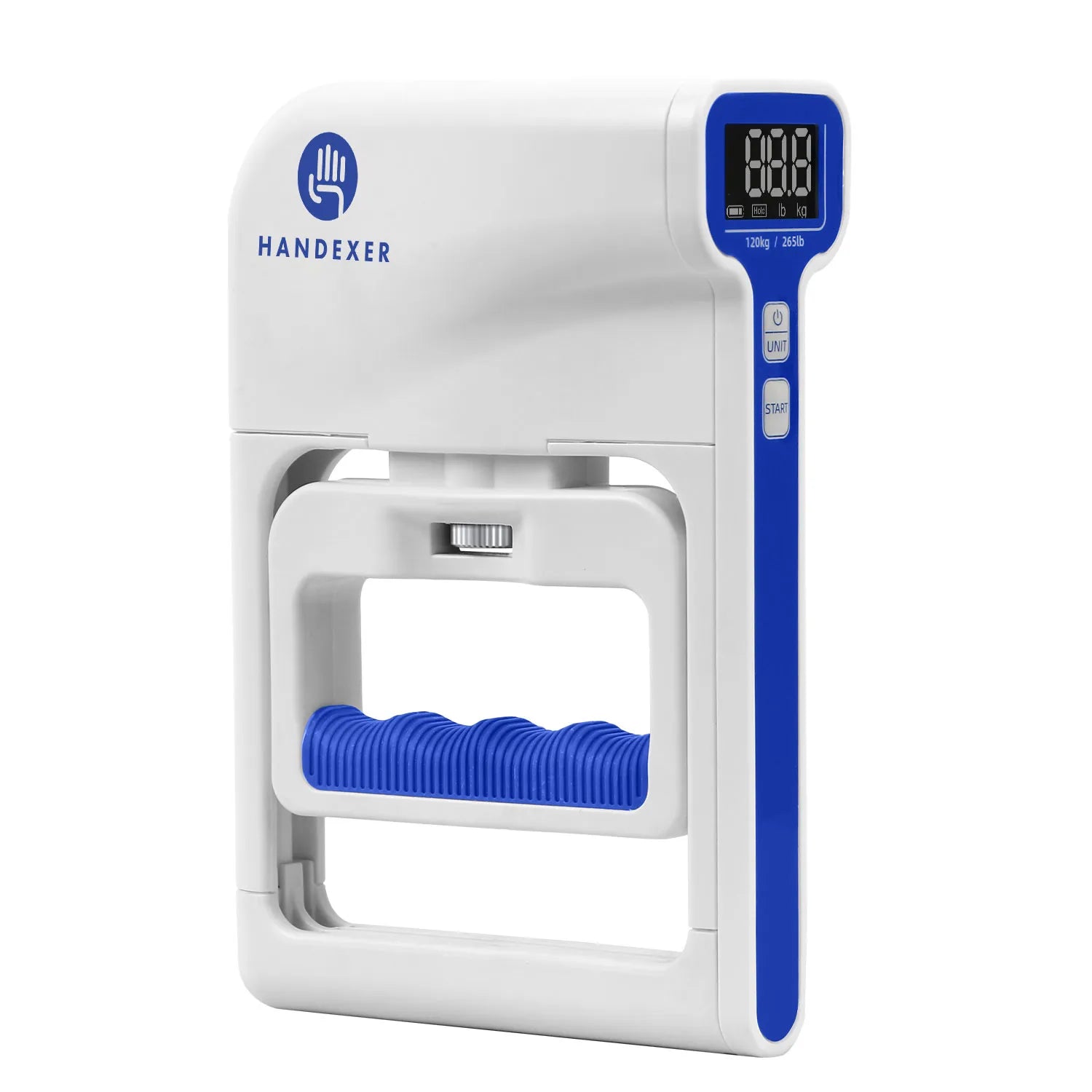
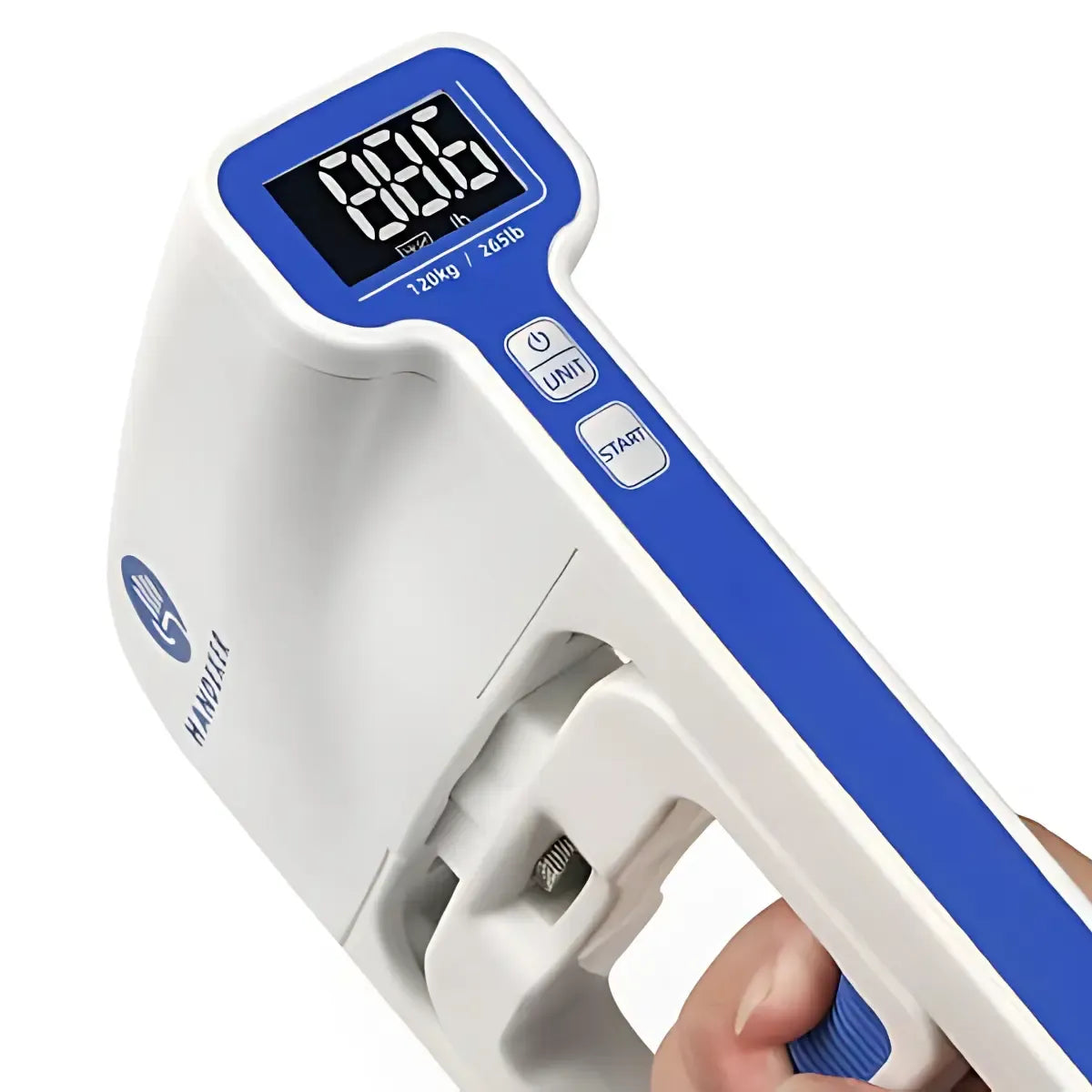
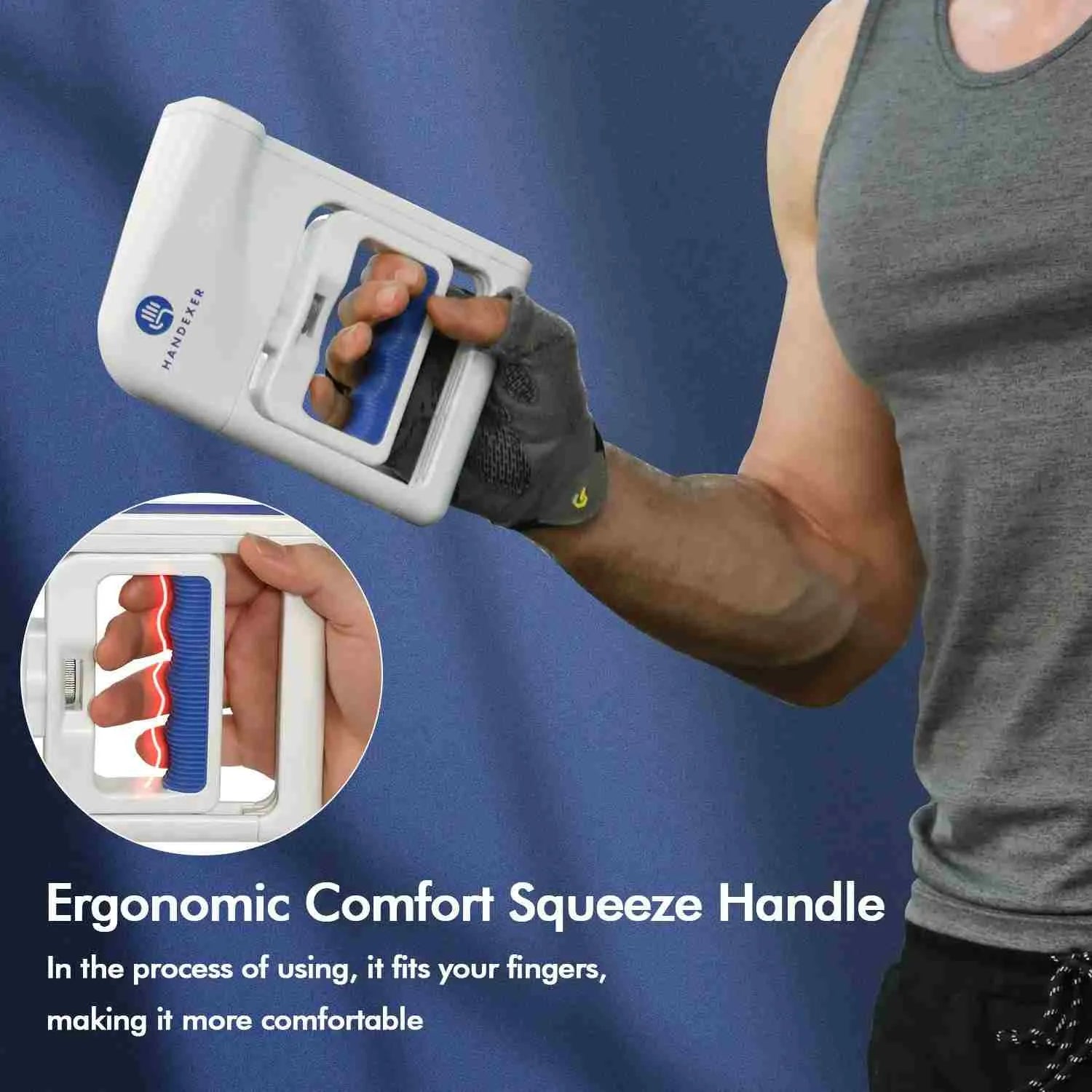
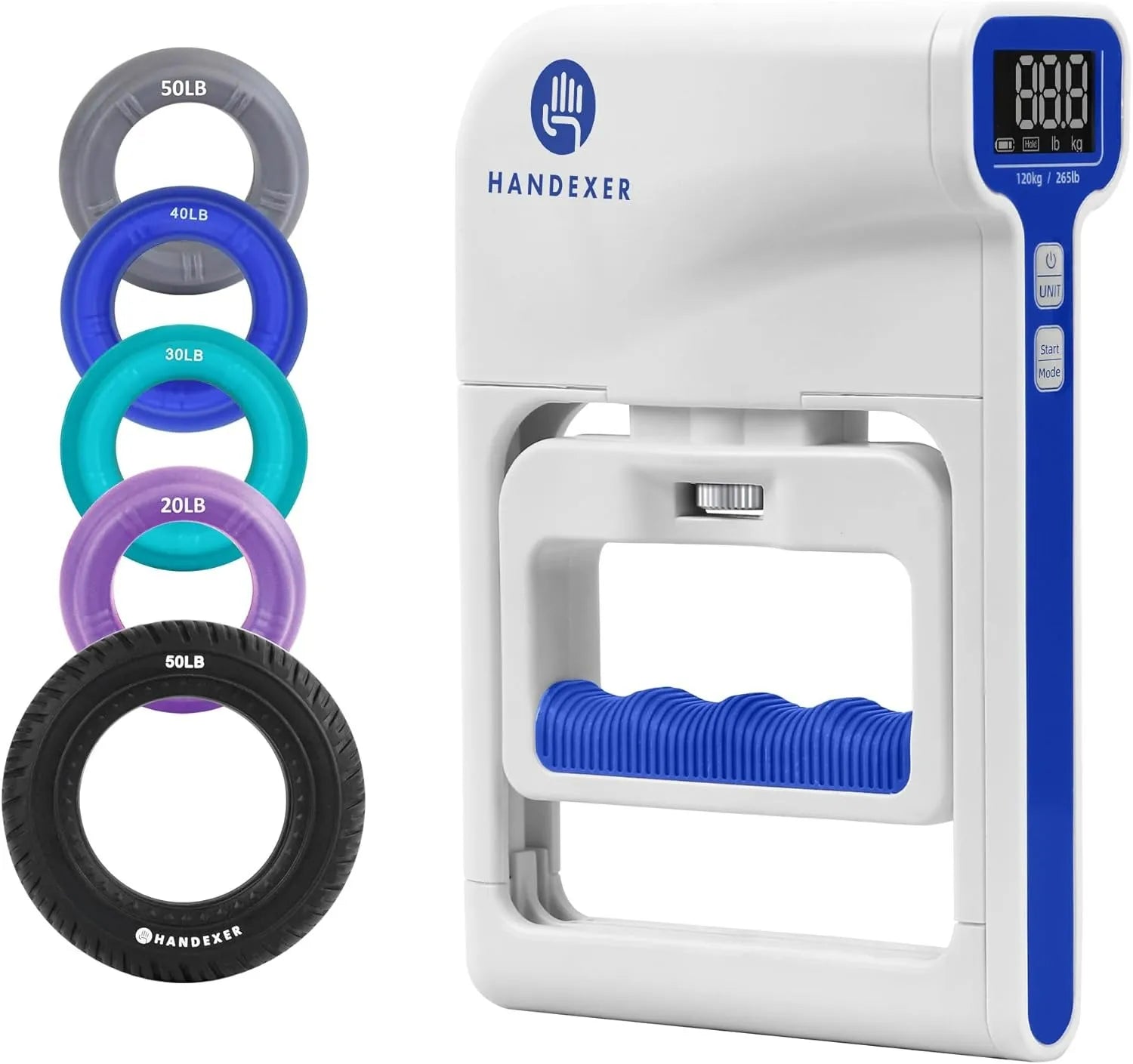
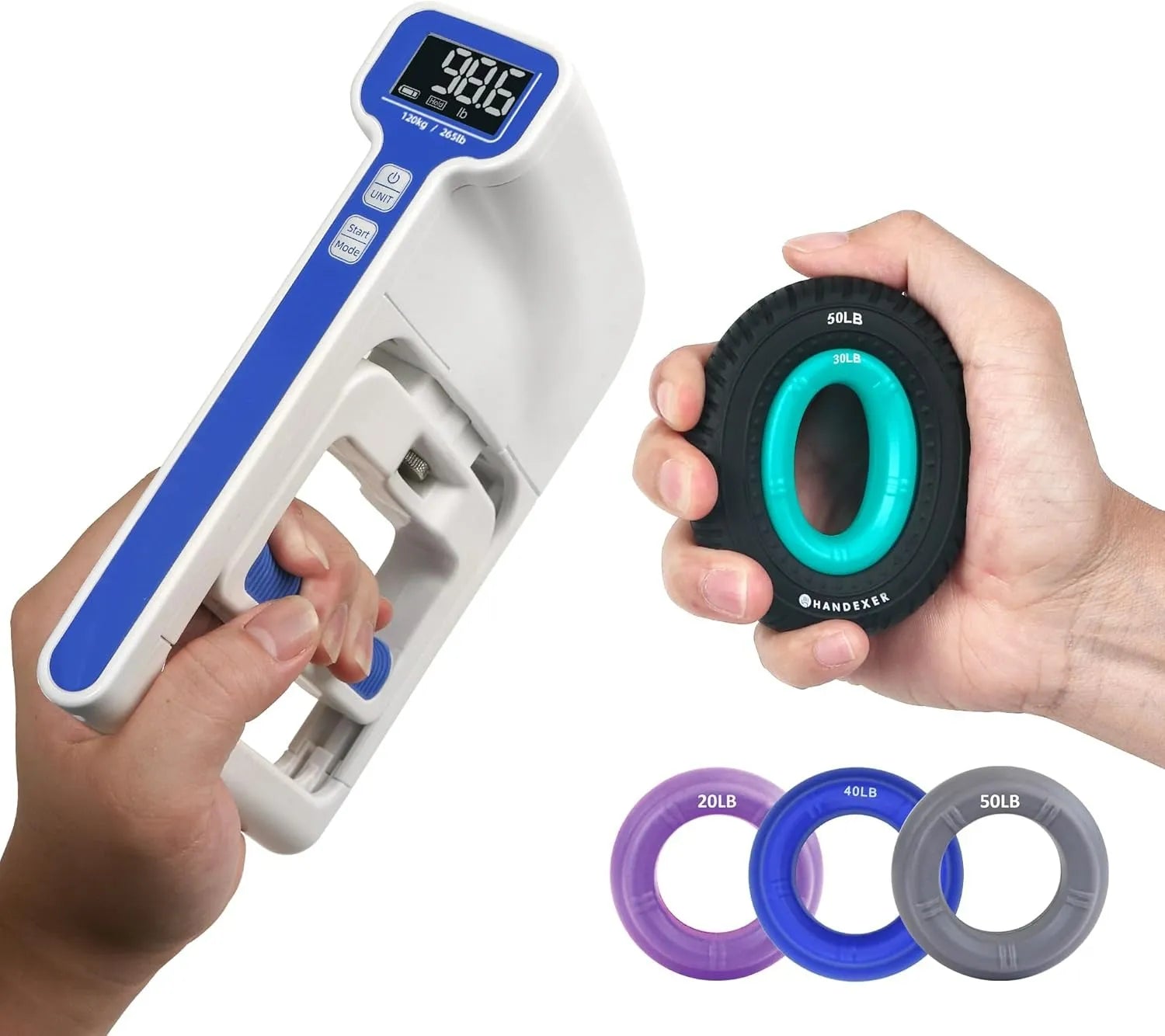
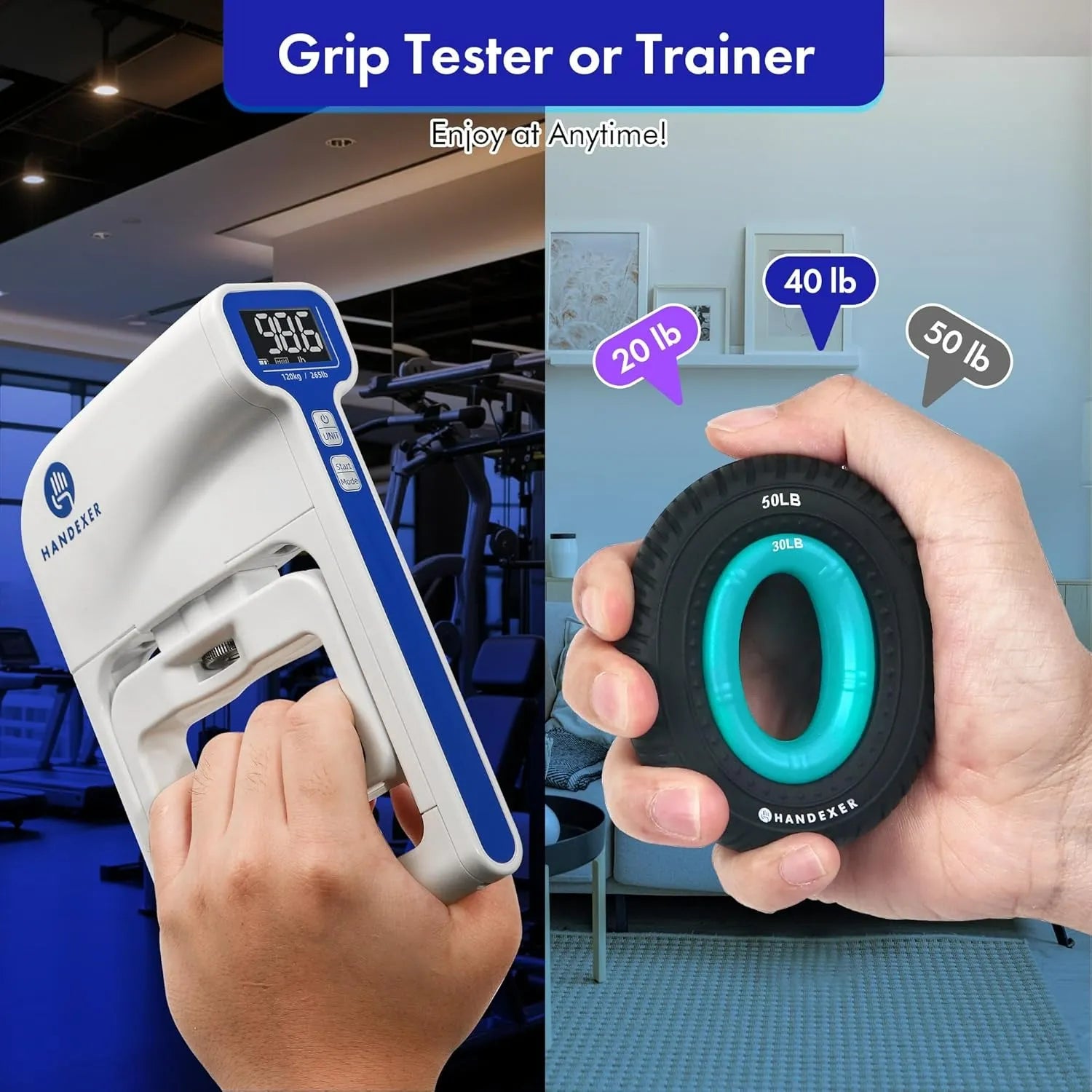
True self-mastery begins with hard data, not guesswork. Use a high-precision digital dynamometer to capture your baseline output. Advanced professional tracking devices support a maximum measurement capacity of up to a robust 265 lbs (120 kg) to accommodate everyone from daily tech workers to advanced athletes, delivering 0.1 lb precision to catch the most subtle shifts.
Audit Your Daily Cognitive Drain
Test your grip strength 2-3 times a week under identical conditions to map your personal trend lines. If you notice a consistent downward trend over several days, your body is revealing hidden neuromuscular fatigue. Use this data to manage your workflow scientifically, scheduling high-priority tasks for days when your nervous system is operating at peak efficiency.
Fortify Your Physical Presence and Balance
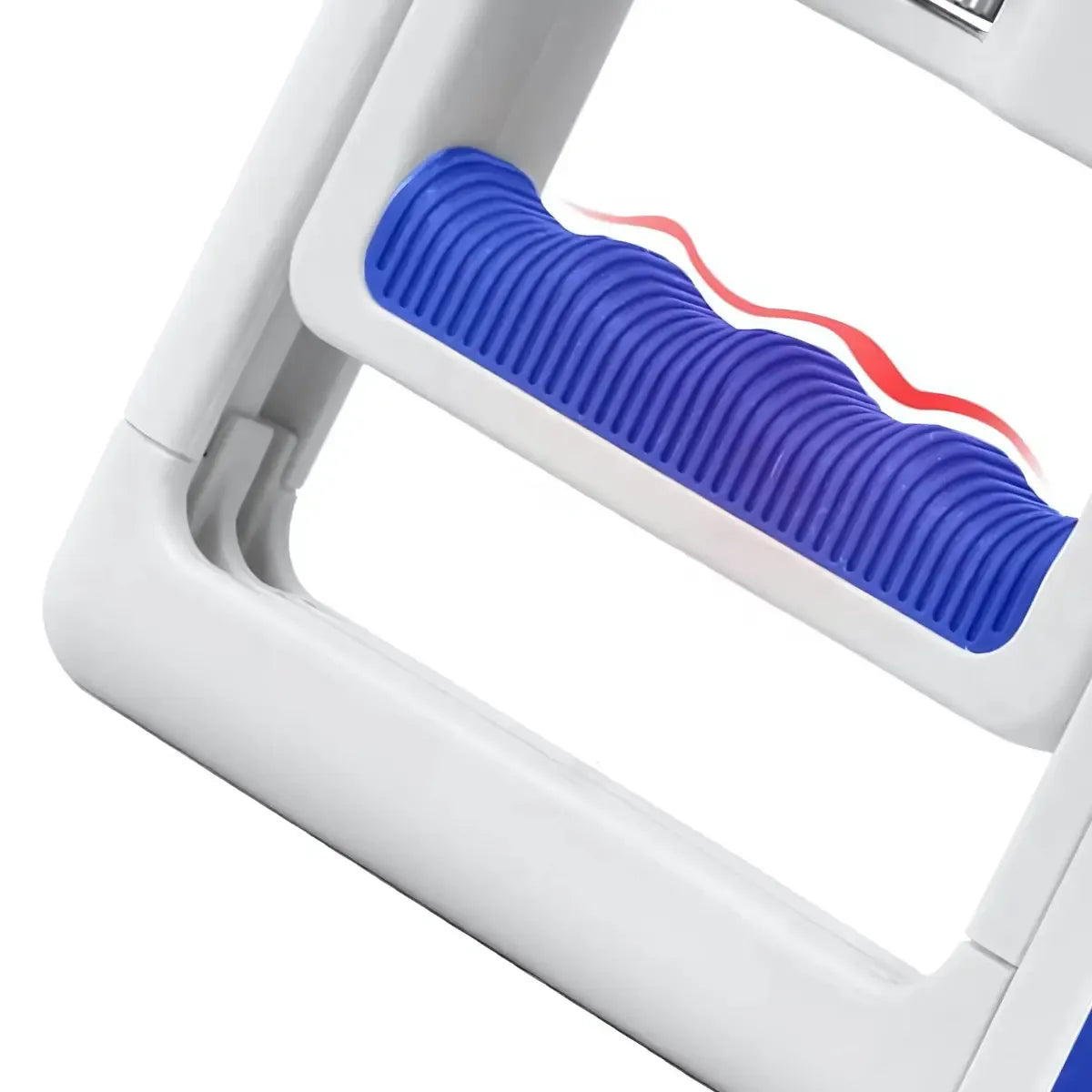
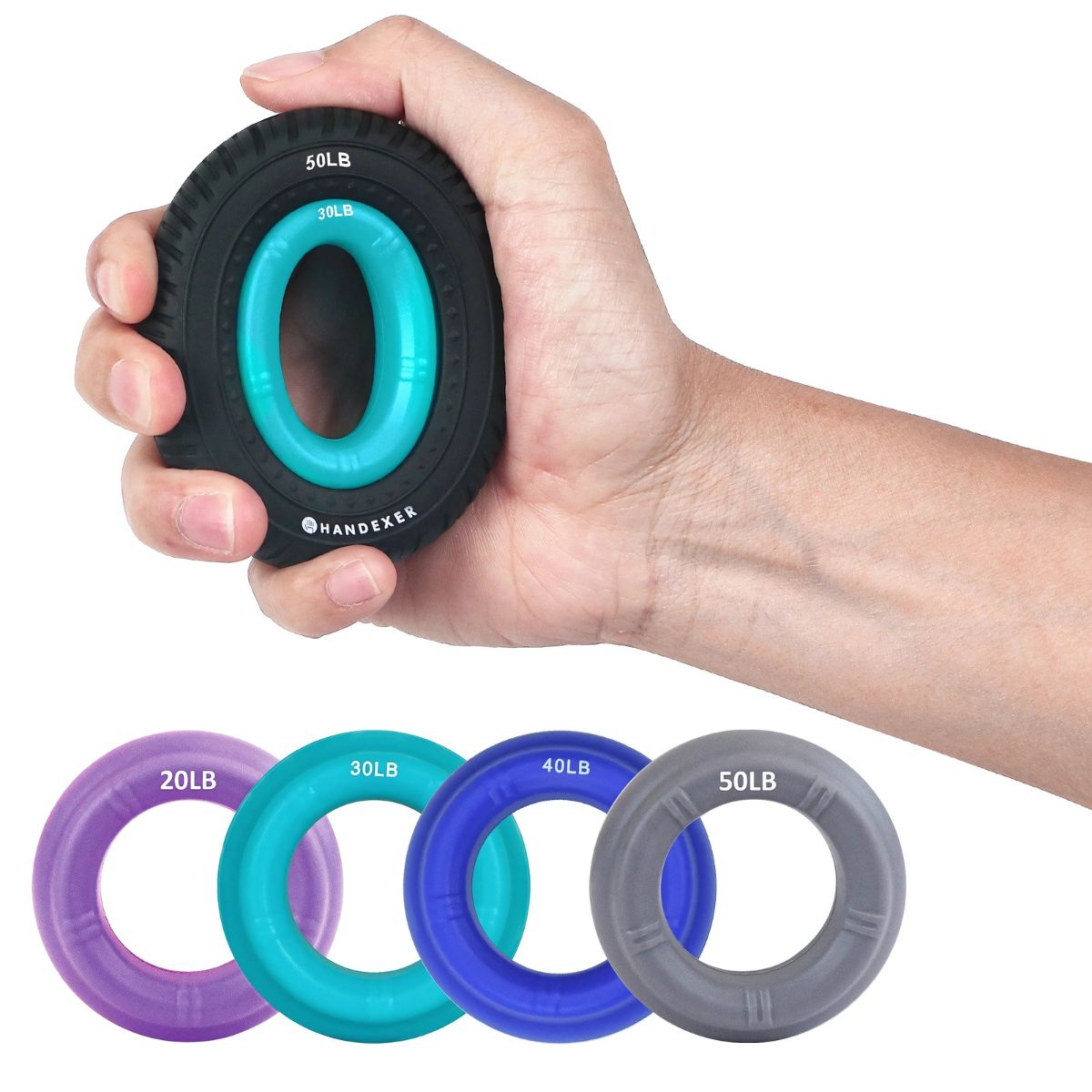
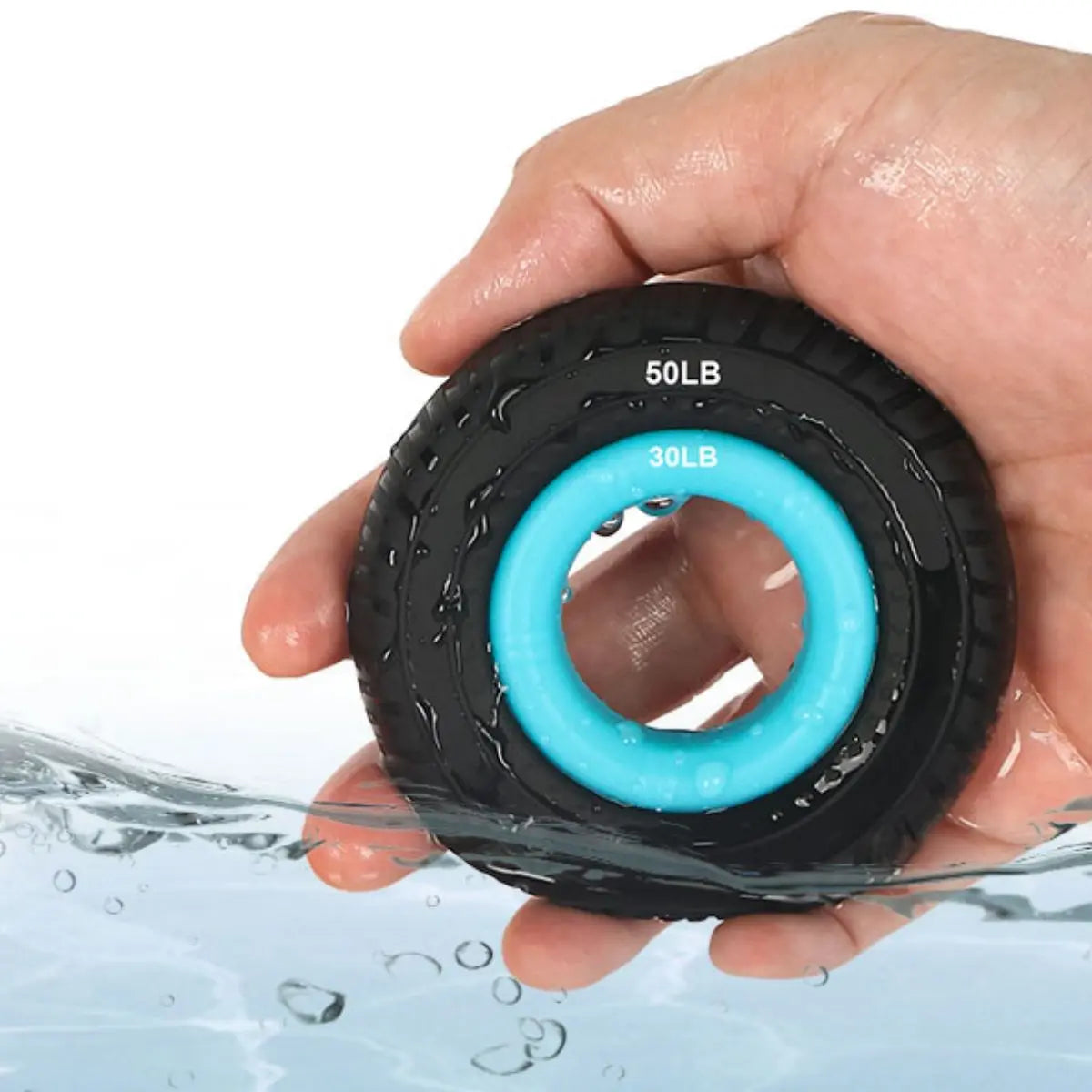
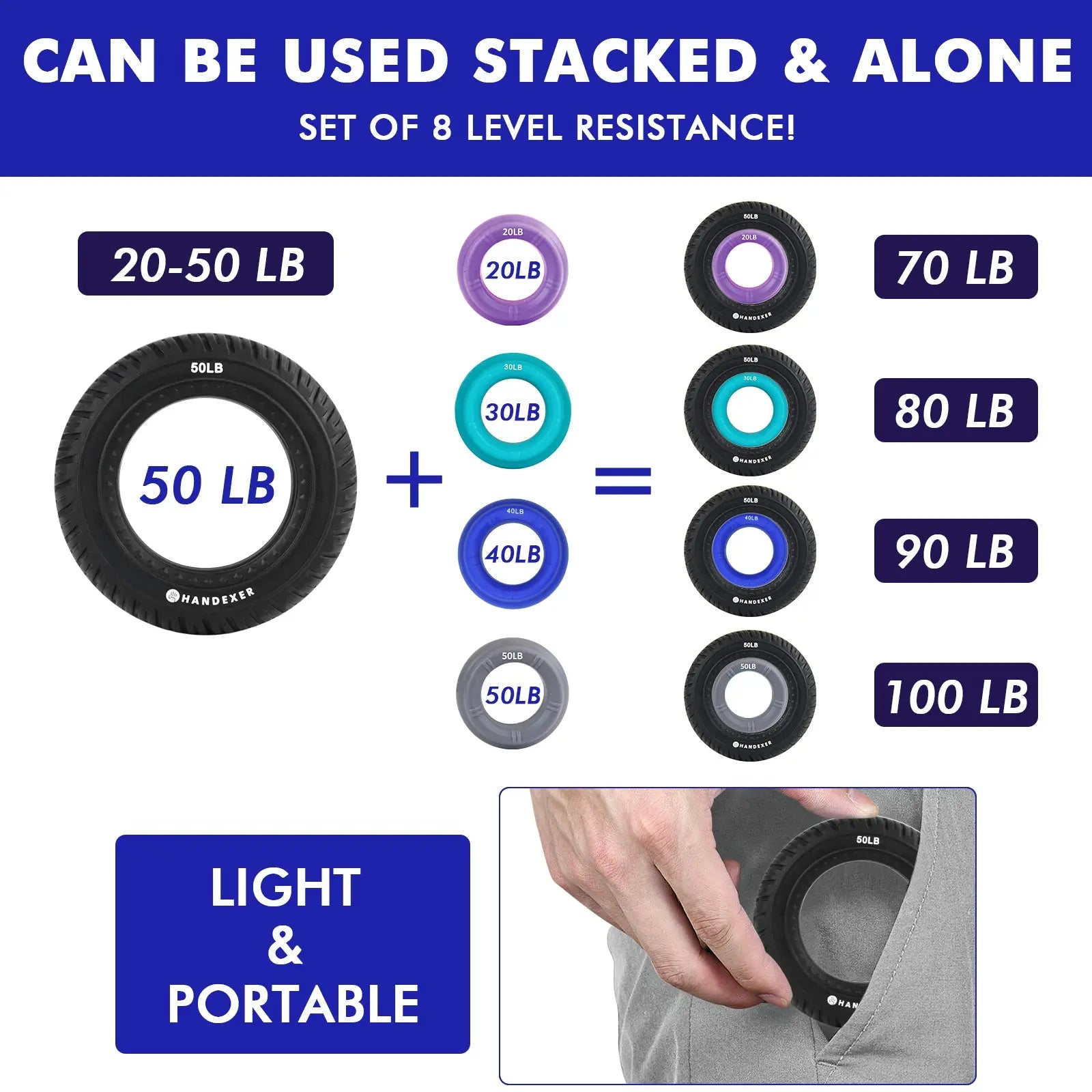
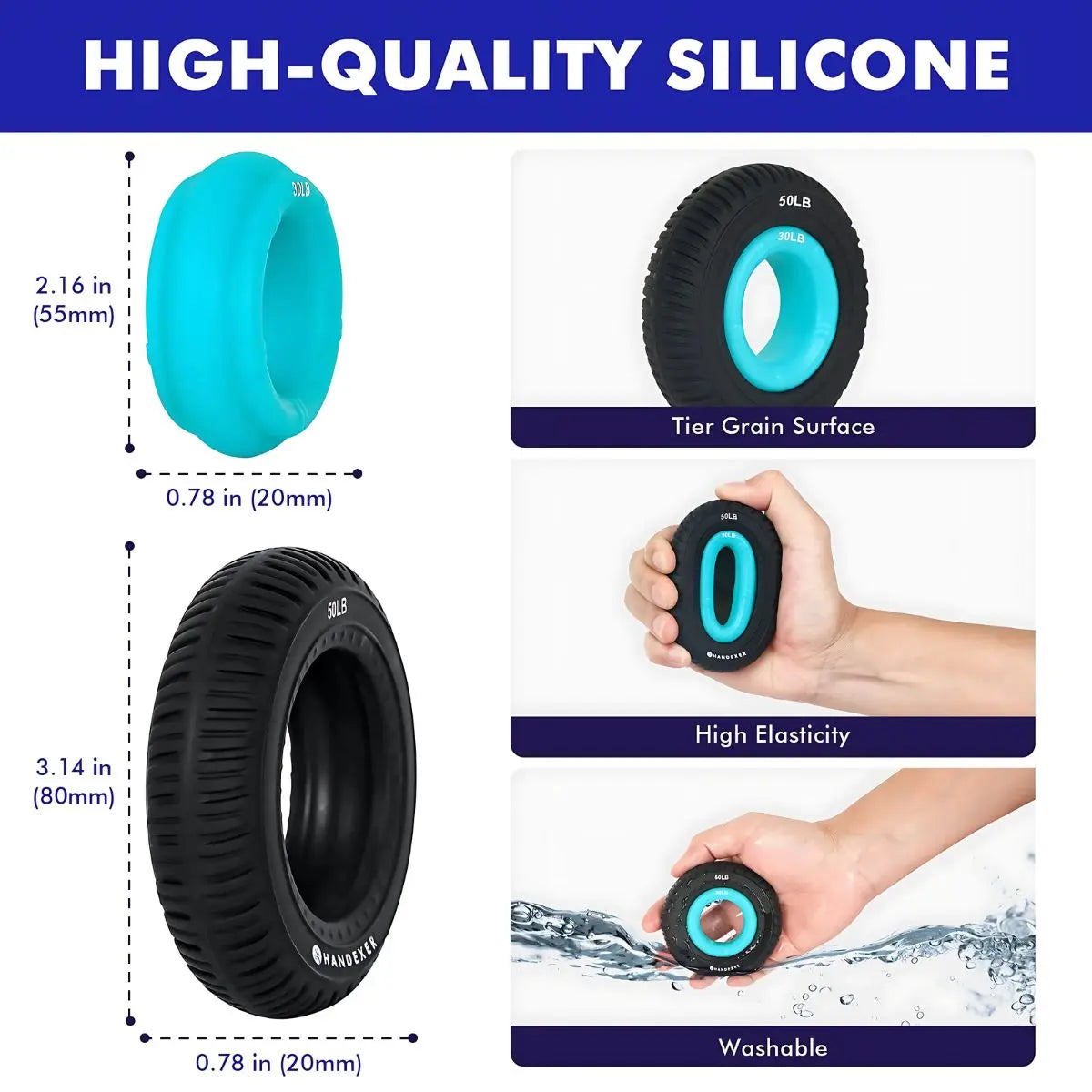
An authoritative, reliable physical presence requires genuine structural balance. Hours spent working on laptops or mice leave forearm muscles tight and unbalanced. Rebuild your functional capacity using variable, progressive resistance training tools. Lower settings stimulate healthy blood flow and tissue decompression, while higher settings build structural resilience.
Frequently Asked Questions
1. Can a change in grip strength really predict mental fatigue?
Yes. Because hand muscle activation requires a heavy neural load from the brain's motor cortex, central nervous system fatigue shows up in peripheral motor tasks early. A drop in tracking numbers provides an objective clue that your brain is overworked, even if your muscles do not feel sore.
2. What is the benefit of a digital tracking device over standard mechanical scales?
Mechanical tools lack the precision needed to catch subtle neural shifts. Professional digital monitors detect micro-changes down to fractions of a pound or kilogram, turning a simple squeeze into an actionable data point for tracking your recovery and peak readiness trends over a 30-day period.
3. How do variable resistance training tools protect against repetitive desk strain?
Generic, fixed-resistance tools often overload already exhausted tendons, causing strain. Variable resistance allows you to adapt your hand training to your daily data: use lighter tension for active recovery, mobility, and circulation on high-fatigue days, and systematically increase the resistance settings for building structural power when your baseline indicates full recovery.
Quantify Your Vitality. Command the Room.
Unlock Your Body’s Hidden Signals and Optimize Your Performance Edge
True confidence is built on objective data. Stop guessing about your cognitive readiness and start tracking your systemic recovery with professional clarity.





Share:
Weak Grip From Office Work? How to Prevent Mouse Hand and Build Stronger Forearms