

The repetitive nature of modern office work places an unprecedented strain on our upper extremities. We often overlook the subtle, cumulative stress placed on our hands and wrists, attributing the occasional mid-afternoon dull ache or stiffness to a standard day at the computer. However, ignoring these early signals can lead to more persistent issues that compromise daily productivity and overall quality of life.
To protect your hand health, it is essential to understand the mechanics of repetitive strain and adopt an objective, measurable approach to monitoring and recovery.
The Hidden Cost of the Desk: Understanding Repetitive Strain
Operating a computer mouse or trackpad does not require explosive physical power, but it demands something arguably more taxing: prolonged, low-grade isometric contraction. When you grip a mouse for hours at a time, the muscles in your forearm—specifically the flexors responsible for closing your fingers—remain under continuous, unbroken tension.
NIH CLINICAL INSIGHT "Sustained static postures restrict optimal blood flow to local tissues, leading to progressive tissue shortening, micro-fatigue, and metabolic waste accumulation over time." Source: National Institutes of Health (NIH) Repetitive Strain Protocols
 When the tendons running through the narrow carpal tunnel pathway become inflamed or thickened from this repetitive movement, they can impinge upon the median nerve. This mechanical pressure aligns with standard clinical descriptions of nerve compression, resulting in the tingling, numbness, and discomfort commonly known as Carpal Tunnel Syndrome.
Harvard Medical School Guidelines "Because keyboard and mouse usage heavily overwork the forearm flexor group, the extensor muscles on the back of the hand become severely underutilized, causing a mechanical imbalance that threatens joint stability." Source: Harvard Medical Health Publications, Musculoskeletal Balance Series
Why Hand Function Assessment is Your Best Early Warning System
Relying on pain as your sole indicator of injury is a reactive strategy. By the time noticeable numbness or sharp discomfort sets in, tissue degradation and nerve irritation may already be well advanced. A proactive approach requires clear measurement and objective data.
Lancet Longitudinal Study "Measurable hand grip function serves as an essential functional biomarker, serving as a reliable clinical 'barometer' of overall muscular and neural integrity." Source: Lancet Global Health Biomarker Reports
 A sudden or progressive decline in your tracking metrics serves as an early warning system. It indicates that your forearm muscles are failing to recover from daily workloads, allowing you to intervene with targeted recovery protocols before chronic conditions develop.
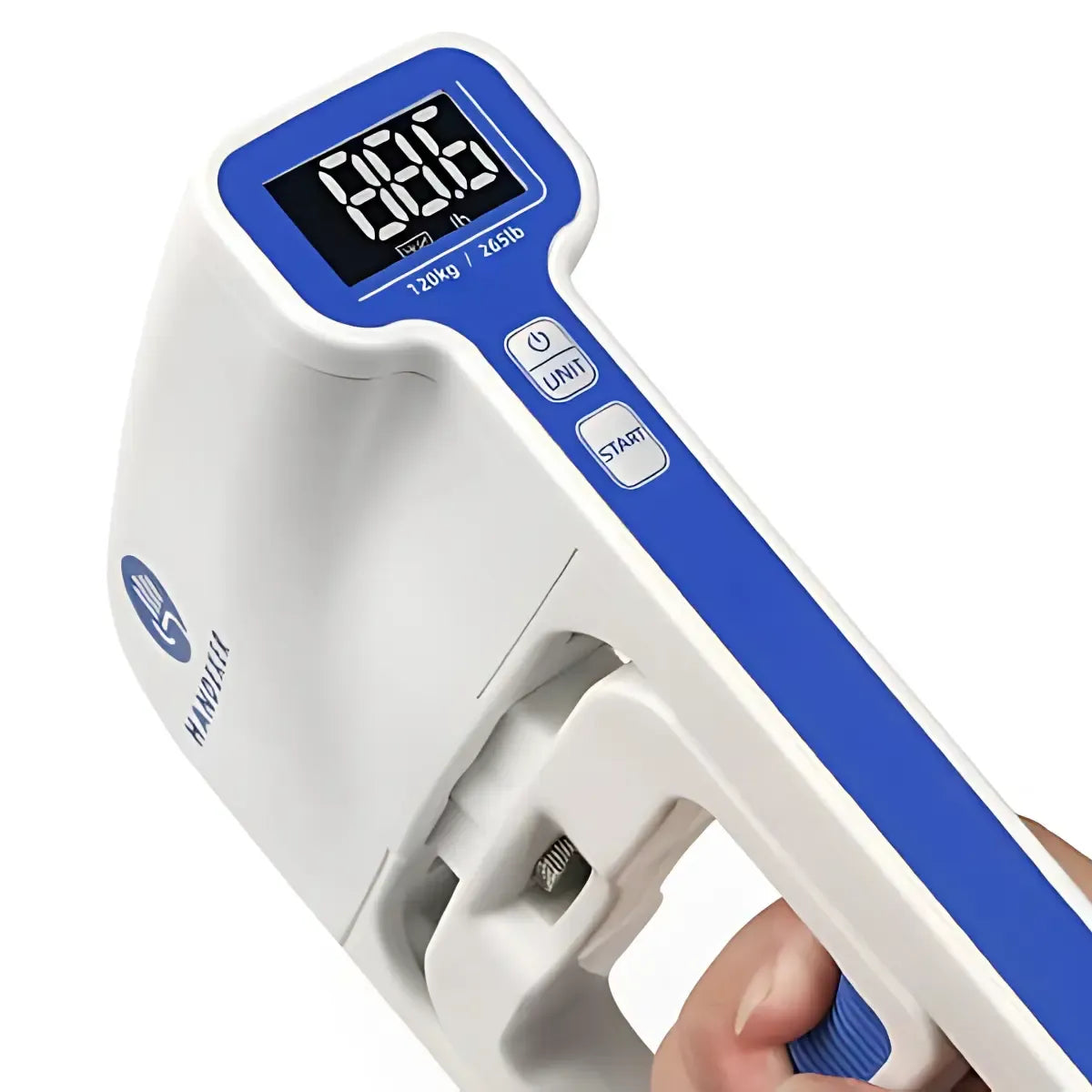
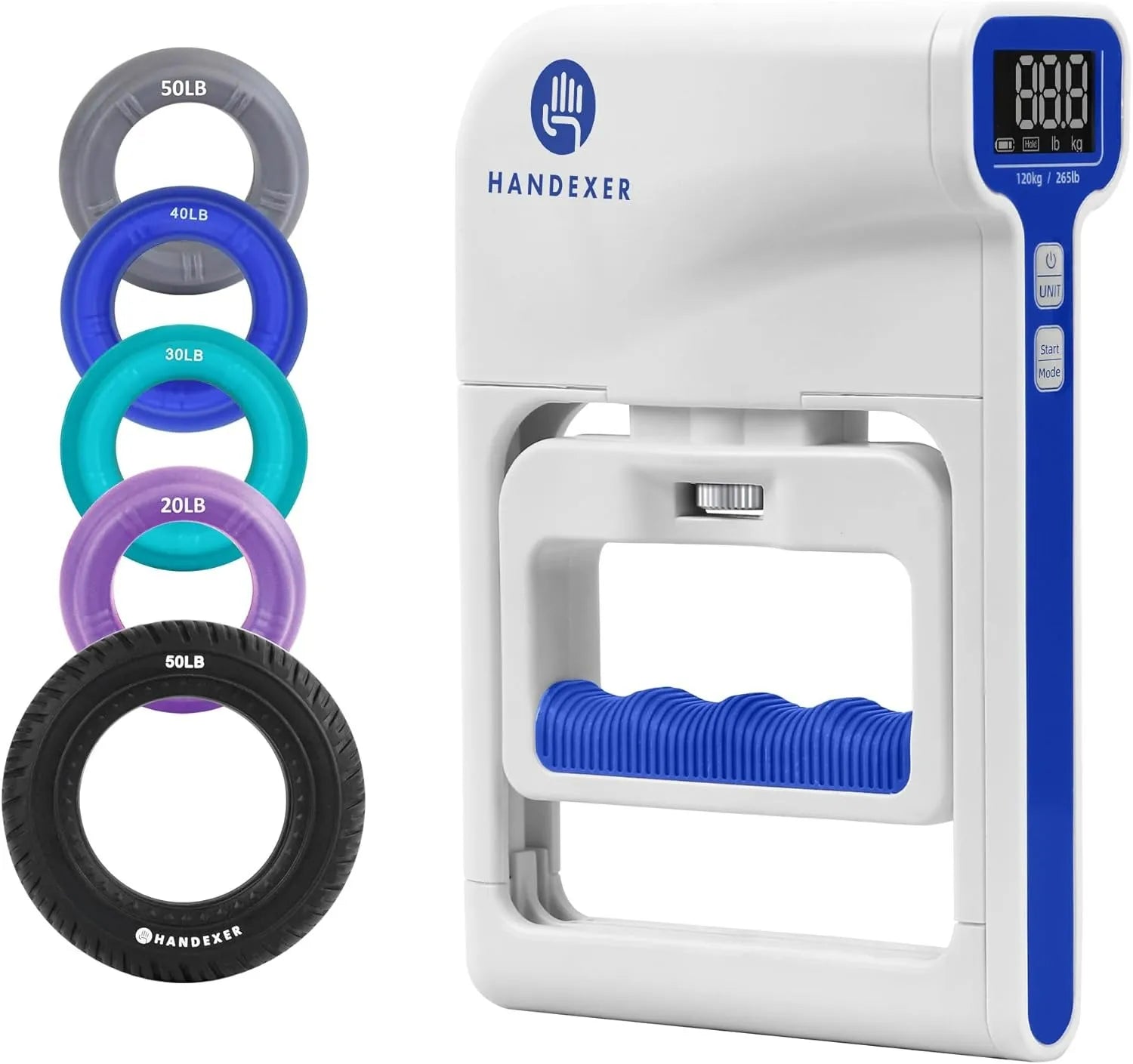
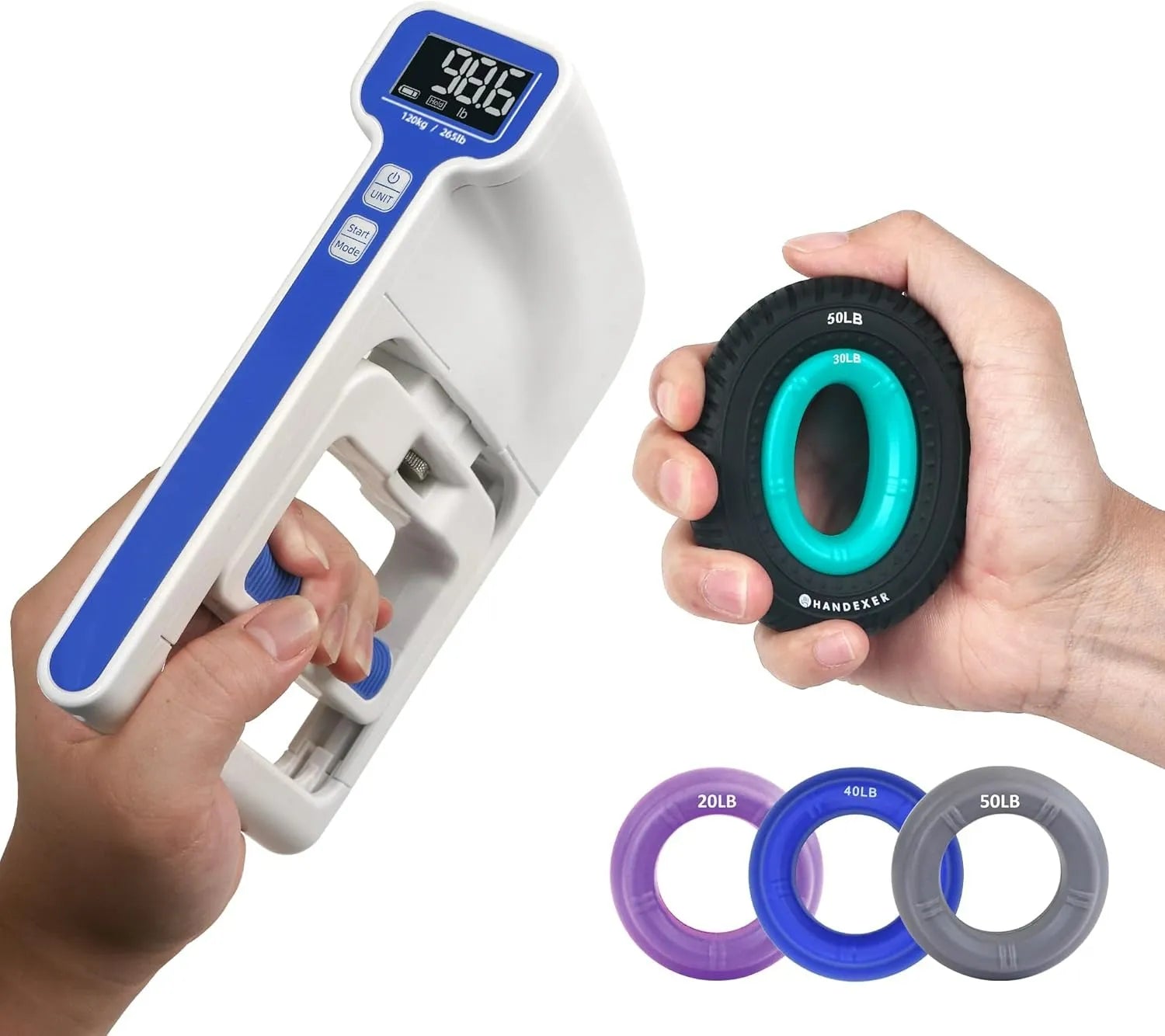
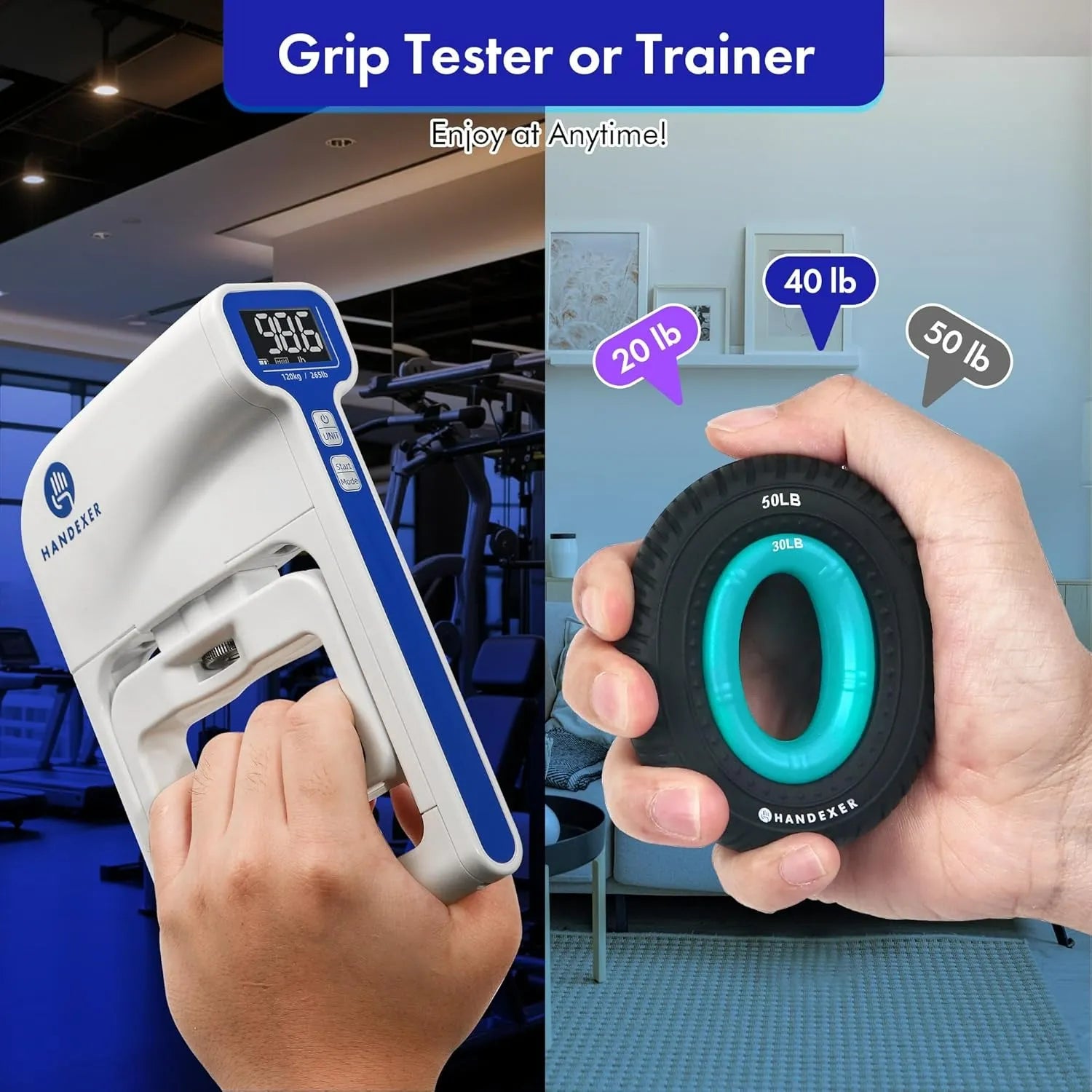
Handexer Digital Hand Dynamometer
Track your daily recovery and capture early tissue strain with 0.1 lb precision, replacing subjective guesswork with clinical clarity.
View DeviceThe 3-Step Strategy for Hand Health Recovery
1. Establish and Monitor Your Baseline:
Begin by assessing your current functional capacity. Take a consistent reading twice a week at the same time of day—for instance, every Monday and Friday morning before you begin typing. Documenting these numbers gives you a clear visual chart of your progress and alerts you to patterns of overwork.
2. Decompress and Stimulate Active Recovery
To counteract the constant shortening caused by mouse usage, combine gentle stretching with light dynamic movement. After stretching the inner forearm, introduce active recovery using a professional-grade grip ring at a gentle 20-30 lb resistance level. This low-resistance pulsing acts as an active pump, bringing fresh, oxygenated blood into fatigued tissues and flushing out accumulated metabolic waste.
3. Build Balanced Resilience with Progressive Loading
Correcting chronic muscle imbalance requires rebuilding functional resilience through adaptable resistance. Progressive training allows you to strengthen underutilized forearm pathways, match your exercise precisely to your weekly baseline data, and restore natural structural symmetry and stability to the wrist joint.
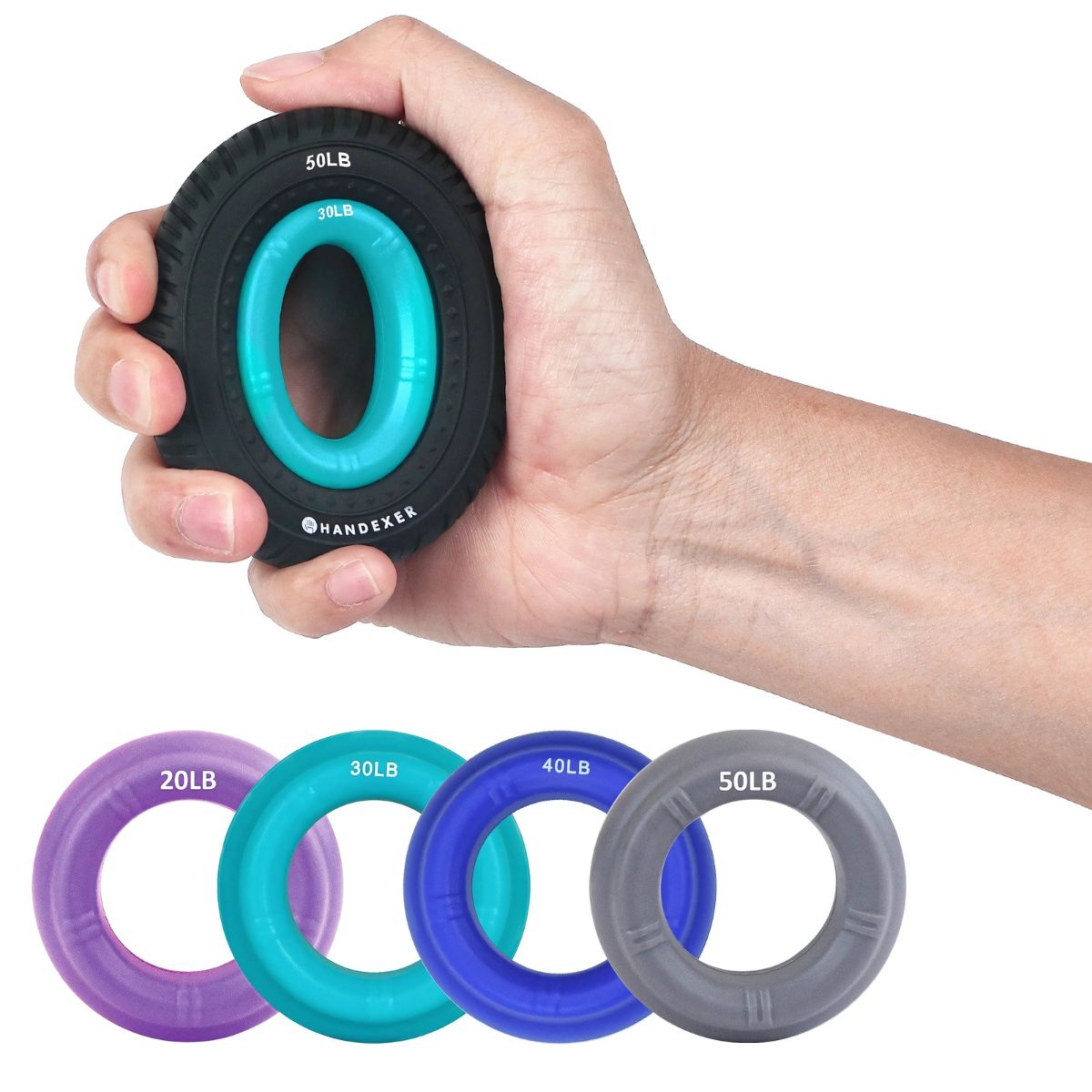
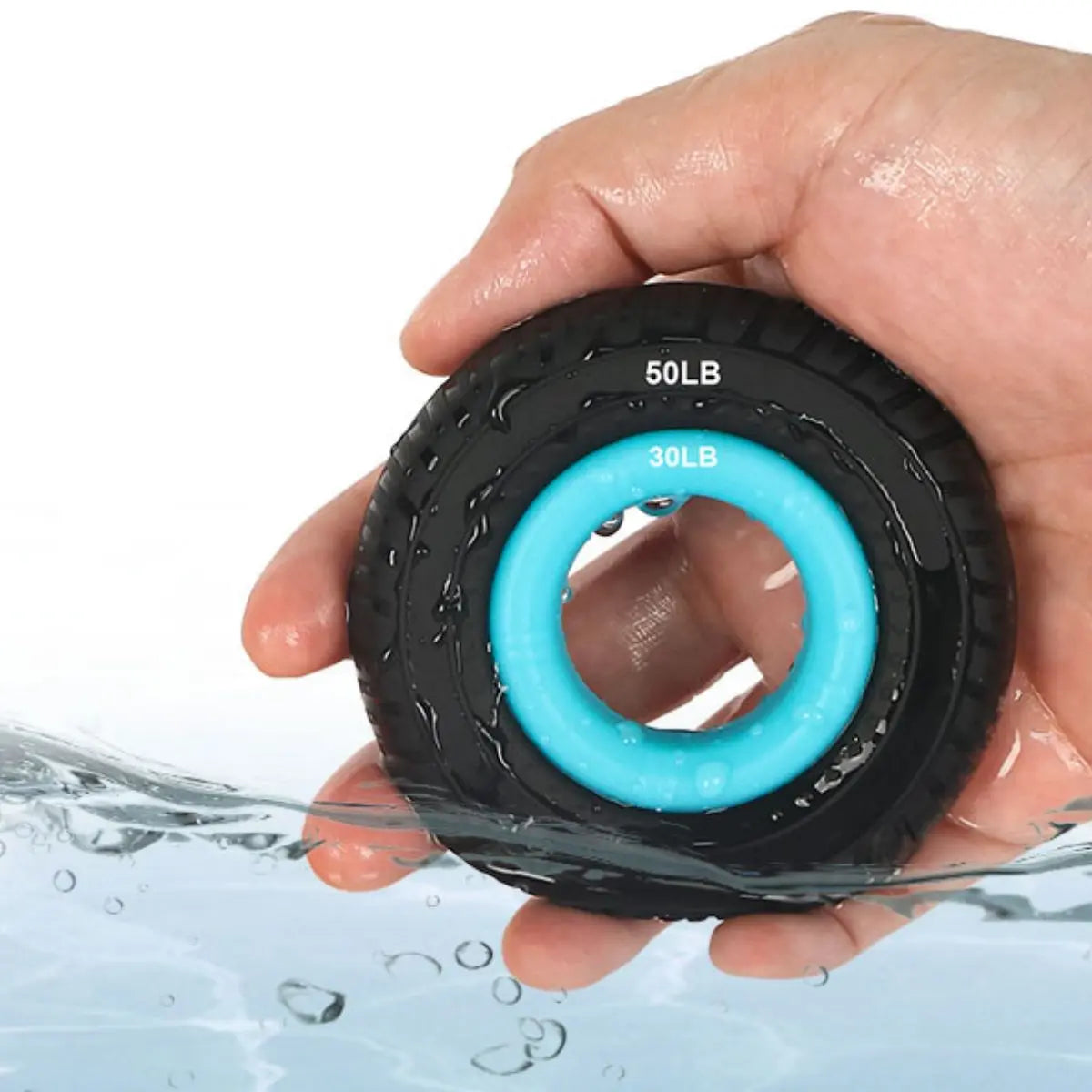
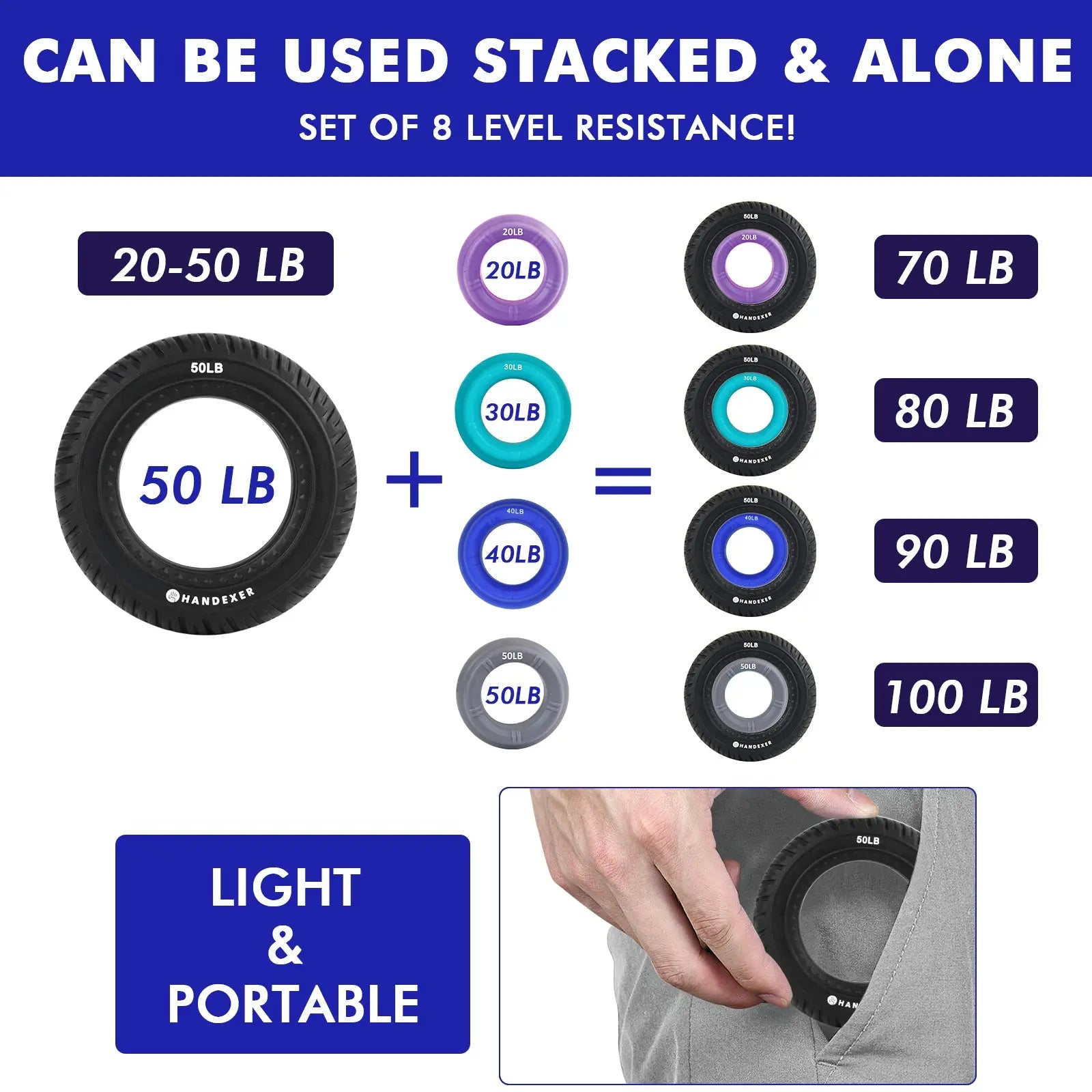
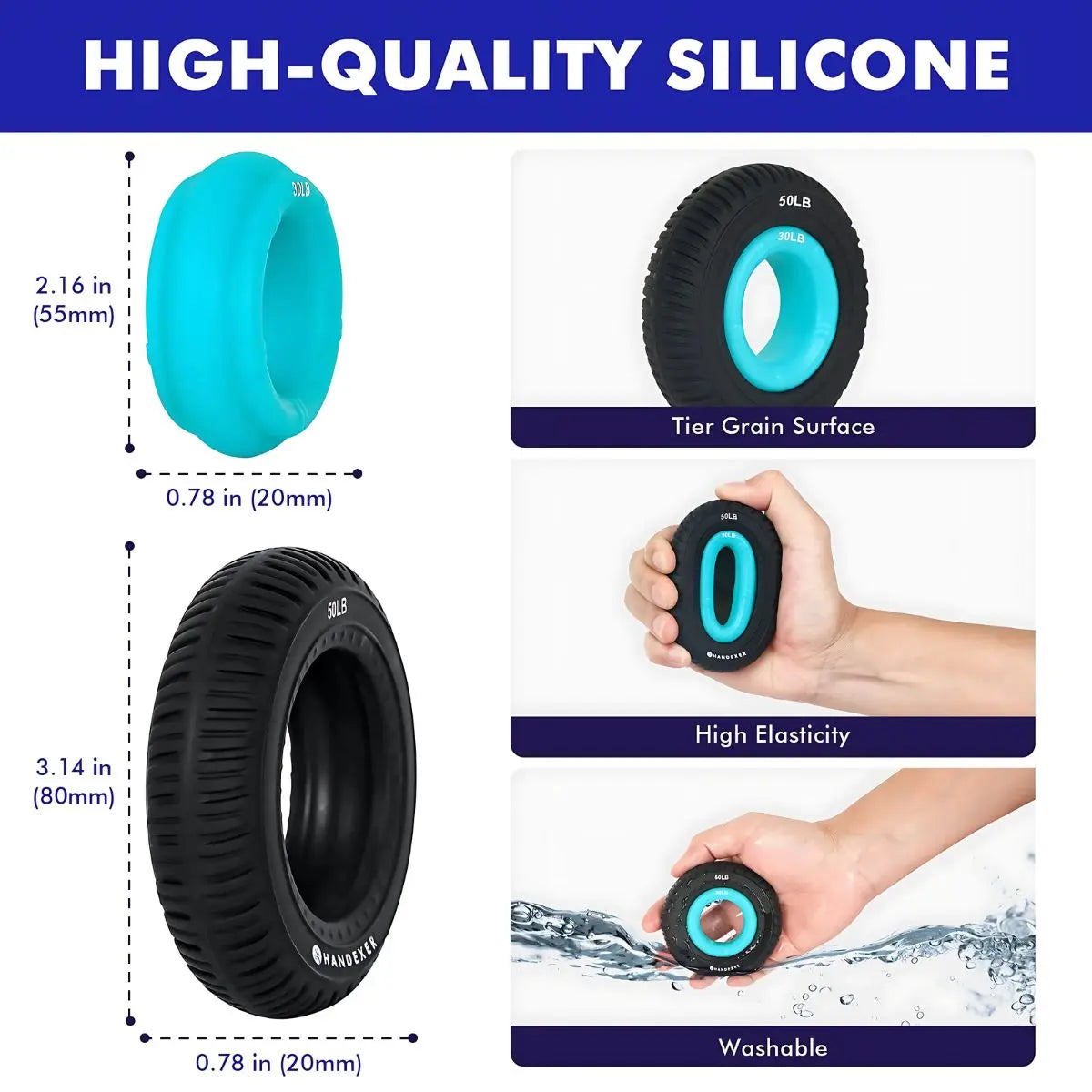
Handexer 2-in-1 Stackable Grip Set
Features a space-saving design with 8 adjustable resistance levels ranging from 20-50 lb (individual) up to 70-100 lb (stacked) to support everyone from recovery starters to high athletic goals.
Explore Grip SetFrequently Asked Questions
Yes. A sudden or gradual decline in grip metrics often indicates underlying muscle fatigue, tendon inflammation, or early nerve compression in the wrist, serving as a key indicator before severe symptoms like numbness begin.
Testing your baseline metrics once or twice a week provides a reliable data set to monitor hand fatigue and track long-term functional recovery without over-testing.
While stretching helps relieve immediate muscle tightness, true long-term recovery requires a combination of tissue decompression, objective assessment to track fatigue, and purposeful exercises to fix underlying muscle imbalances.
Take Control of Your Hand Health Recovery Today
Pair data-driven tracking with targeted hand exercise to reclaim your hand health with confidence.
Start Your Grip Strength Comeback Today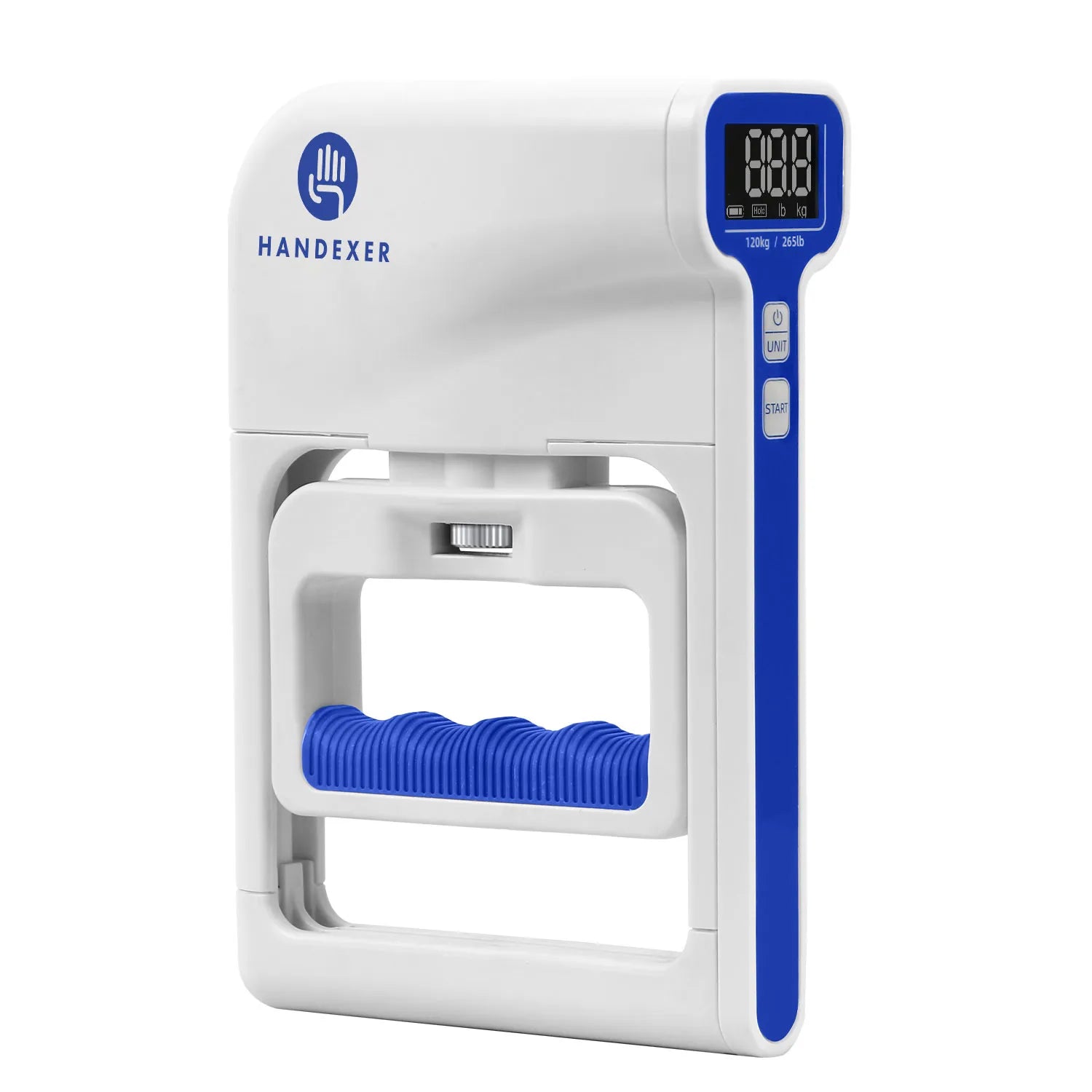






Share:
Golf Grip Strength: The Overlooked Key to Longer Drives
Tuning into Your Body’s Hidden Signals: What Your Grip Strength Says About Your Focus, Fatigue, and Performance Capacity