
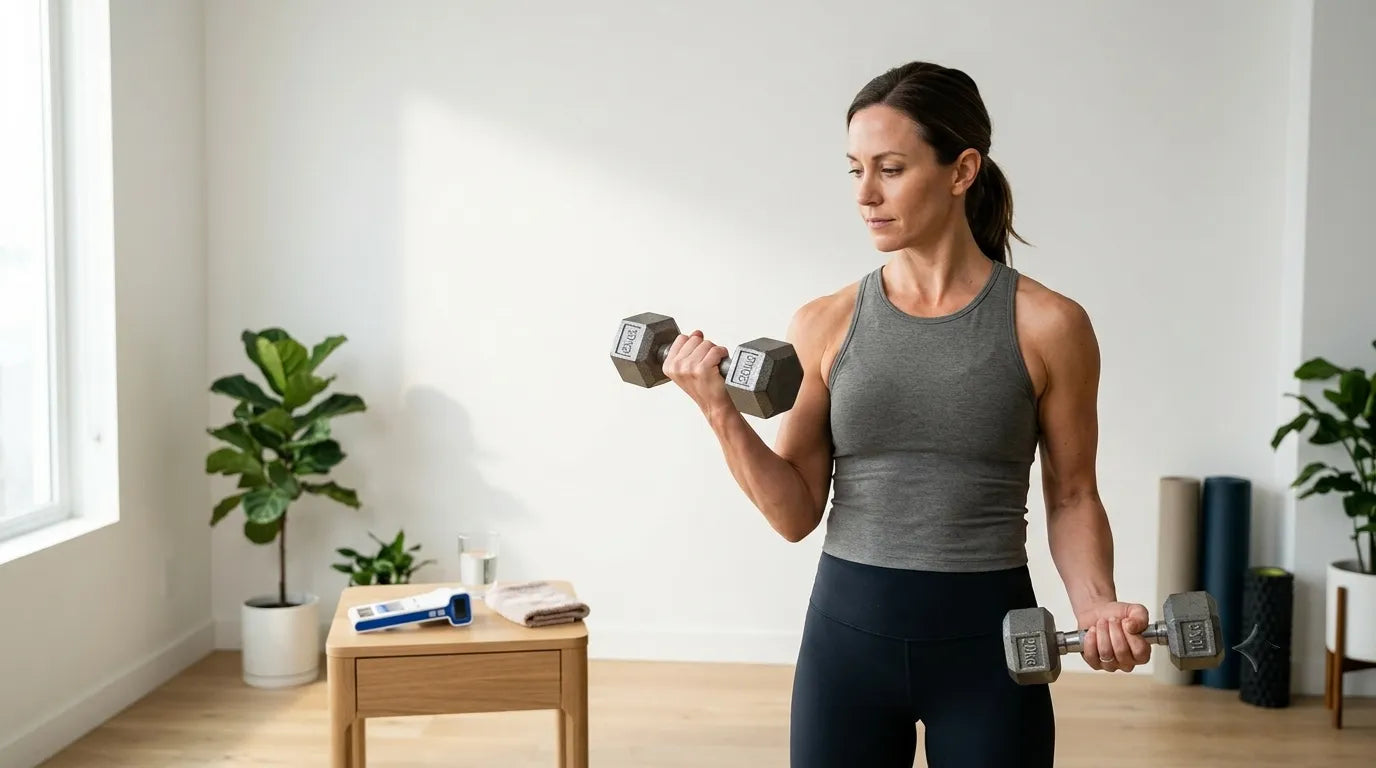
Have you ever noticed that carrying groceries feels like a breeze in your left hand, but a total struggle in your right? Or maybe you’re recovering from a minor wrist sprain or hand fatigue on one side, and suddenly you realize one hand has become way weaker than the other.
Having uneven hand strength is incredibly common, especially when you are recovering from an injury. But if you ignore it, that hand strength imbalance can make you overcompensate with your elbow or shoulder, leading to unwanted aches and pains.
In this simple guide, we’ll look at why this happens, share a cool brain trick called the "Cross-Education Effect," and show you how to fix grip strength imbalance step-by-step using a digital hand dynamometer for grip strength tracking.
💡 Why is One Hand Weaker?
First, a quick fun fact: Your hands will never be perfectly equal.
For most people, their dominant hand is naturally about 10% stronger. However, if you've recently done some hand rehabilitation exercises or rested one hand due to an injury, that gap can easily jump to 30% or more.
When one side is much weaker, your body starts to cheat. You might start using your shoulder or wrist in weird angles to lift things, which can cause strain elsewhere.
🧠 The "Cross-Hand" Brain Trick: Train One Side to Help the Other
Here is a super cool piece of science: If your right hand is resting or recovering, training your healthy left hand can actually stop your right hand from losing its strength!
Scientists call this the Cross-Education Effect. It sounds fancy, but here is what the research actually says in plain English:
• Keep Your Muscle:
A study in the journal Applied Physiology, Nutrition, and Metabolism showed that when people kept one arm completely still for 3 to 4 weeks, training the opposite healthy arm almost completely stopped the resting arm from losing its muscle size and strength.
• The Brain Connection:
Another study in Sports Medicine found that training one limb can give the untrained, resting limb a 10% boost in strength. Why? Because when you squeeze with one hand, the strength-mapping areas in your brain fire up on both sides.
So, if one hand is temporarily out of action, don't stop moving completely! Keeping your healthy hand active is a great, science-backed way to support your overall hand recovery.
📊 How to Fix Grip Strength Imbalance: A Simple 3-Step Method
Once your weaker hand is ready for light exercise, you shouldn't train both hands with the same weight. That will either overwork your recovering hand or not challenge your strong hand enough.
Instead, try this smart, step-by-step approach:
Measure Your Baseline (No Guessing!)
Before you start squeezing grip rings or stress balls, you need to know your starting numbers. Guessing how strong you are is an easy way to accidentally overdo it.
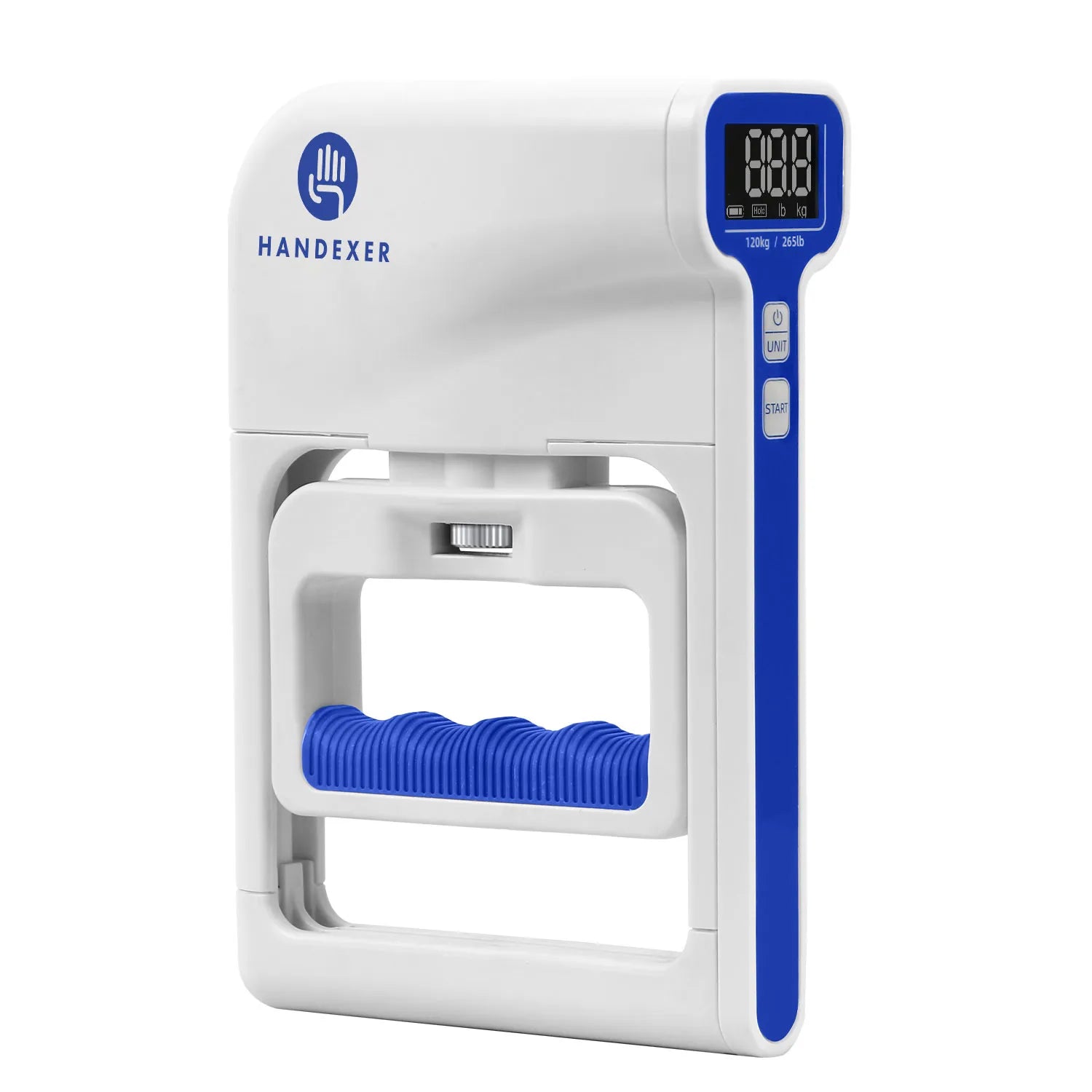
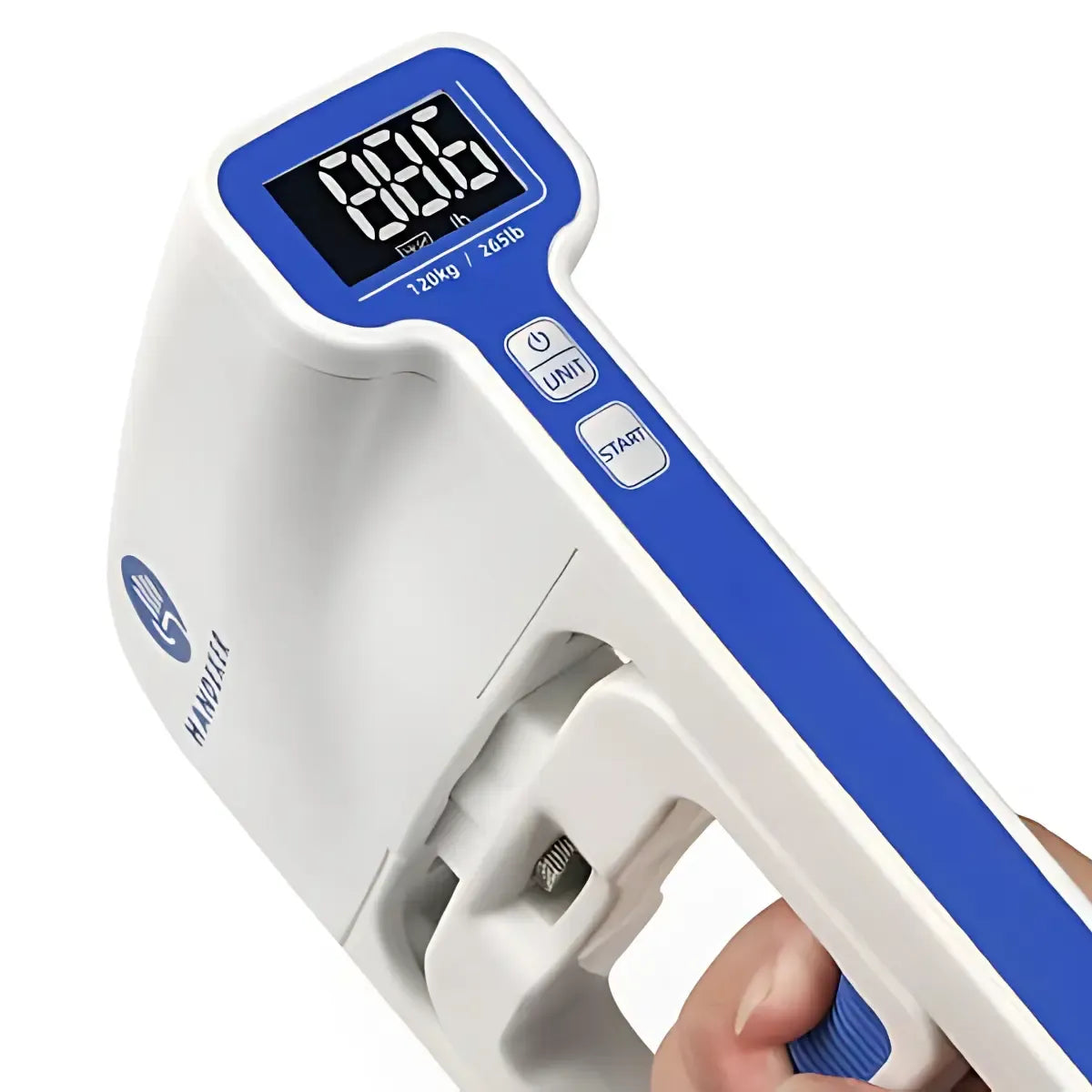
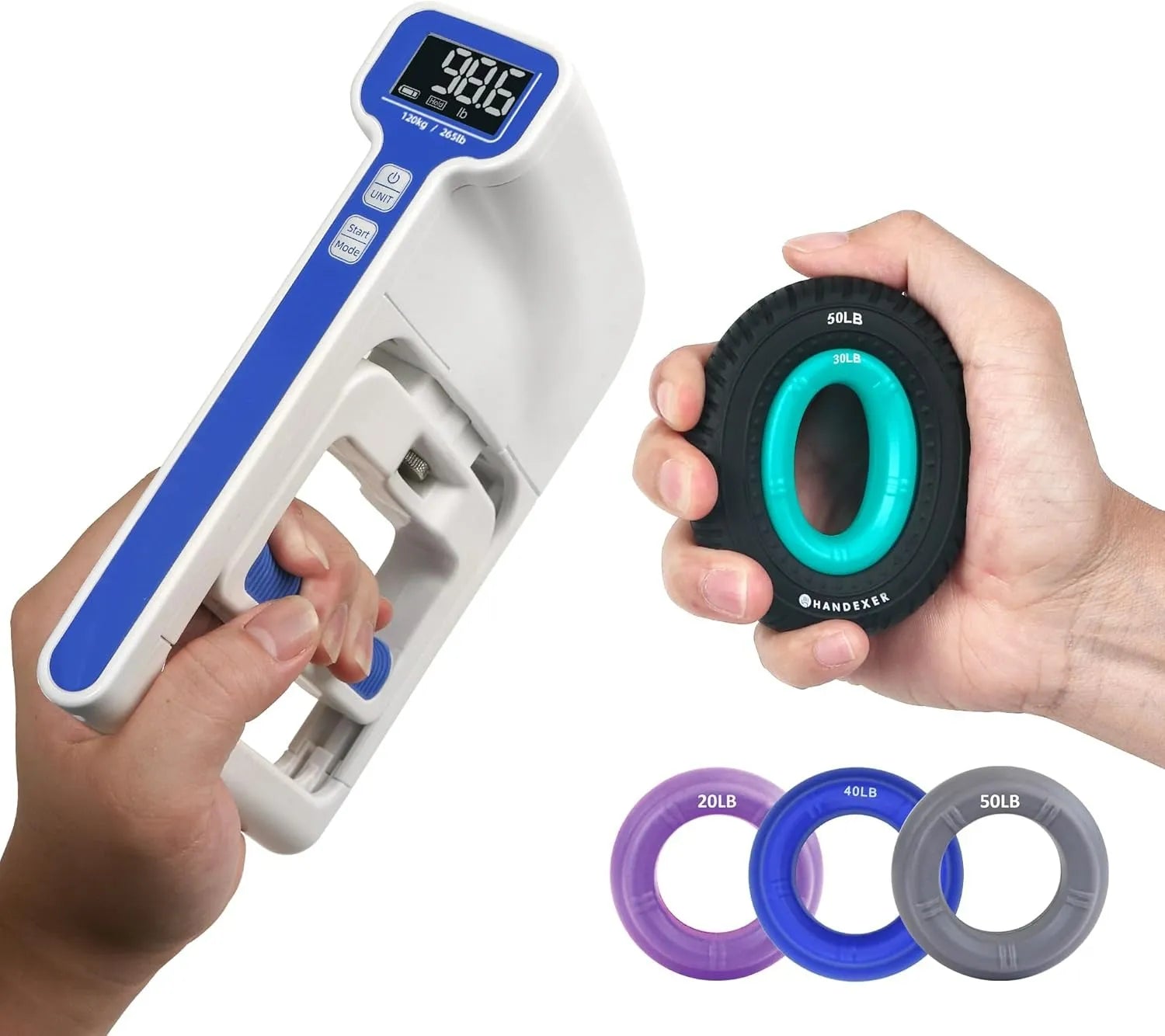
A digital hand dynamometer is the easiest way to measure grip strength:
- Hold the device with your elbow bent at a 90-degree angle.
- Give it a firm squeeze for 3 to 5 seconds.
- Check the screen and write down the numbers for both hands.
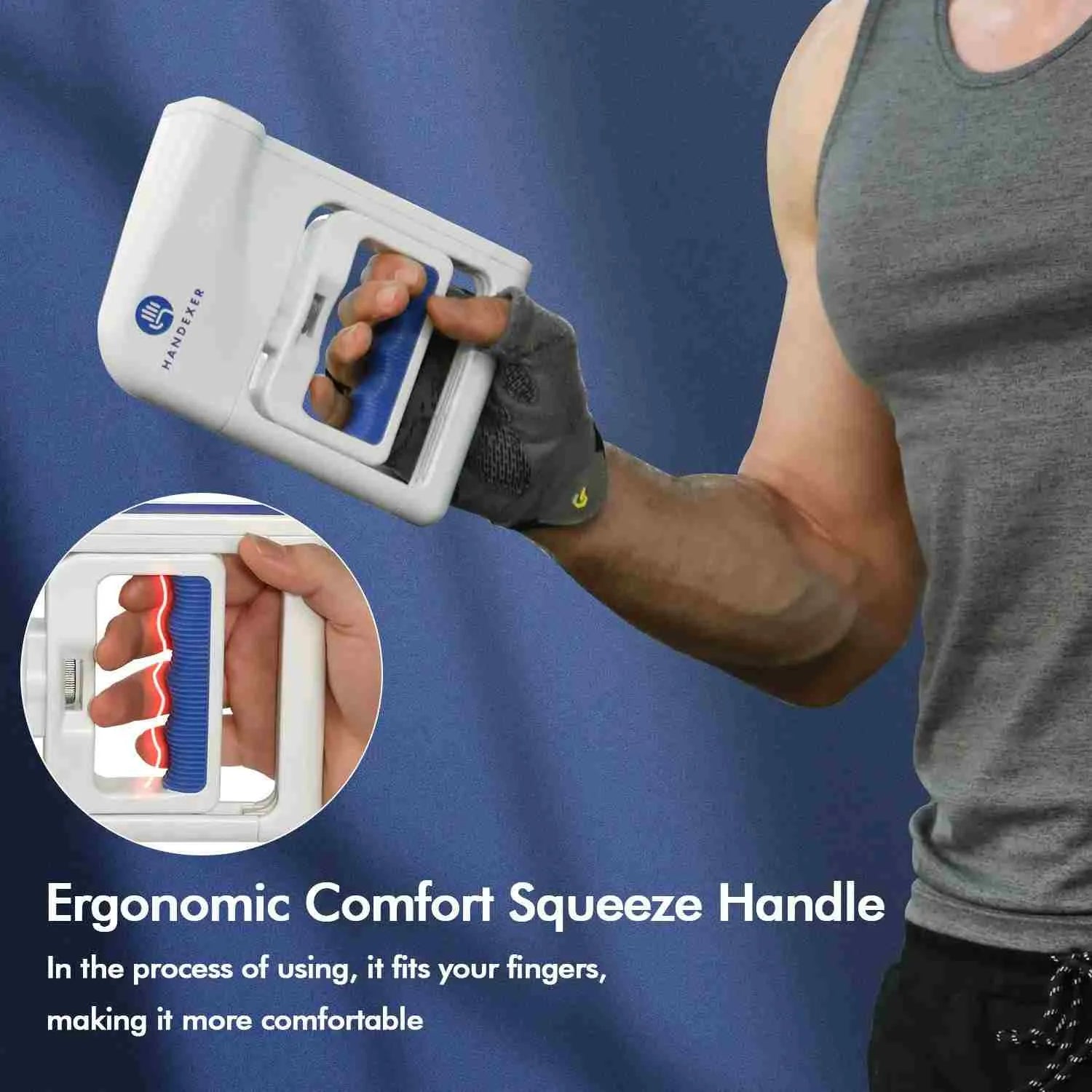
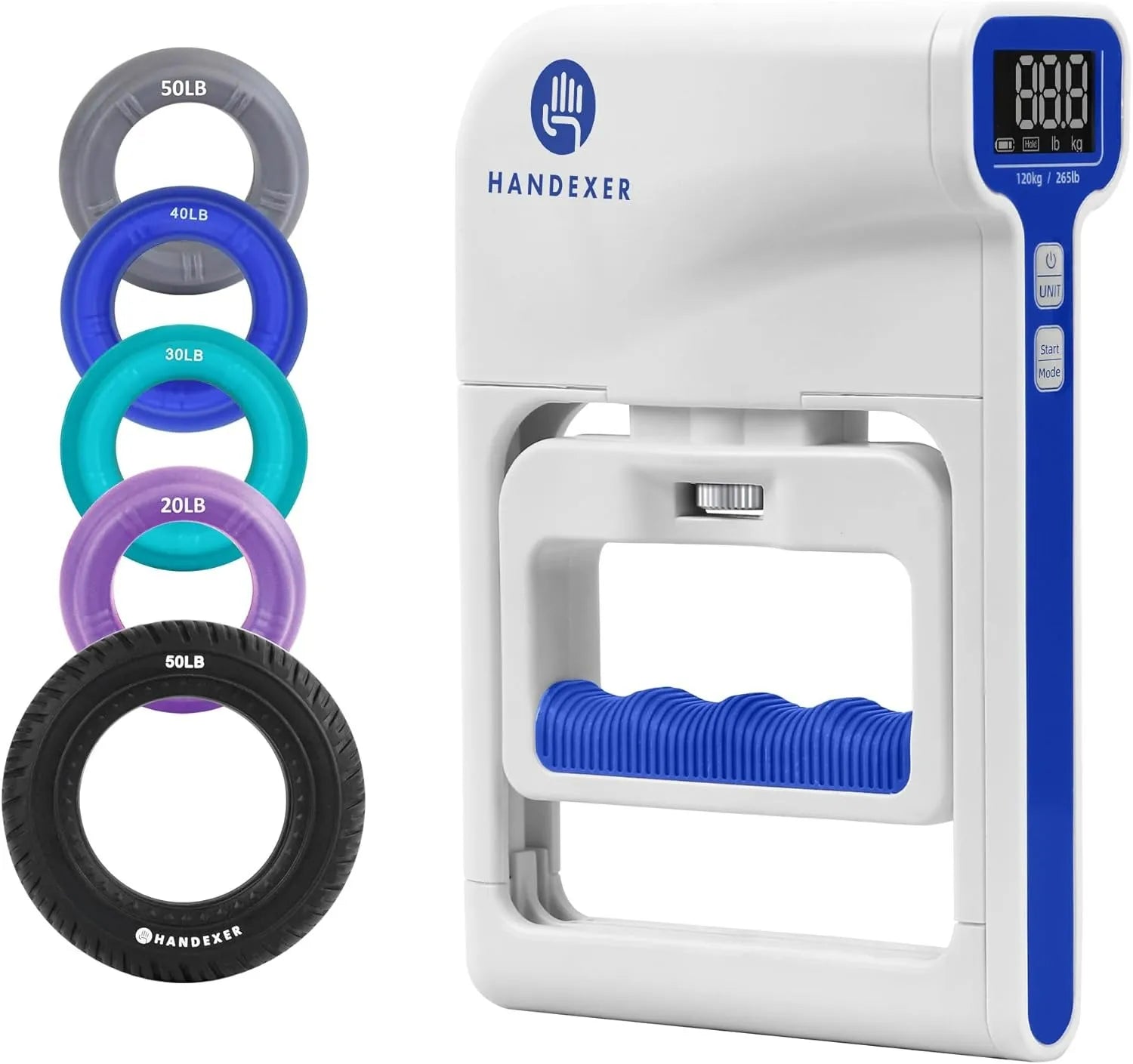
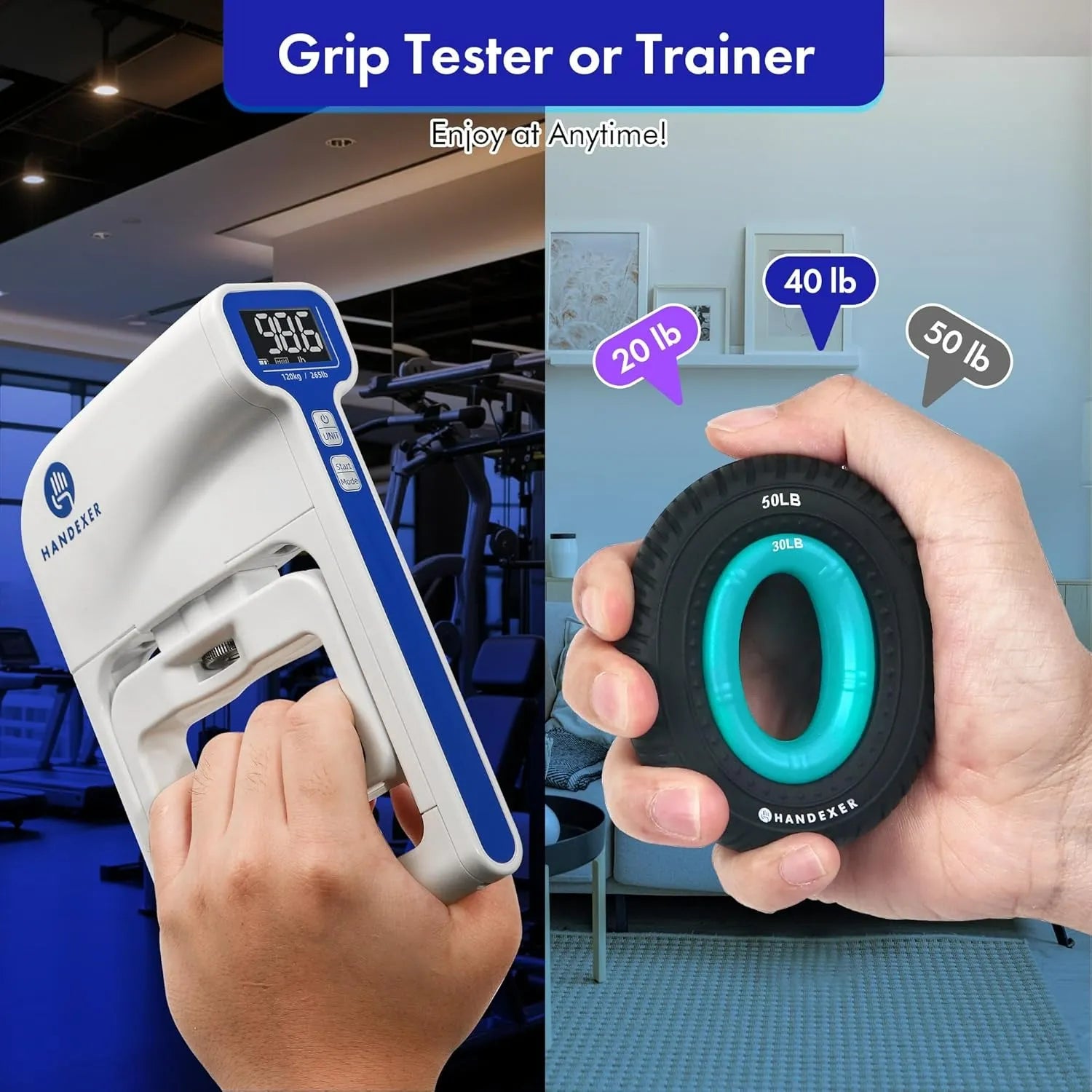
Using a straightforward, reliable tool like the HANDEXER Digital Hand Dynamometer makes this tracking effortless, giving you an exact digital reading on a clear screen without any guesswork.
Use Different Targets for Each Hand
Treat each hand like its own independent player.
- For your strong hand: Keep doing what you normally do to maintain its strength.
- For your weaker hand: Set your training tools to a much lighter, comfortable level—usually about half of what your strong hand can do.
Start with Your Weaker Hand First
When you do your daily hand exercises:
- Always exercise your weaker hand first. Your brain and muscles are fresh, so you can focus on good form.
- Match the reps, not the weight. If your weak hand can only do 8 light squeezes, do only 8 squeezes on your strong hand.
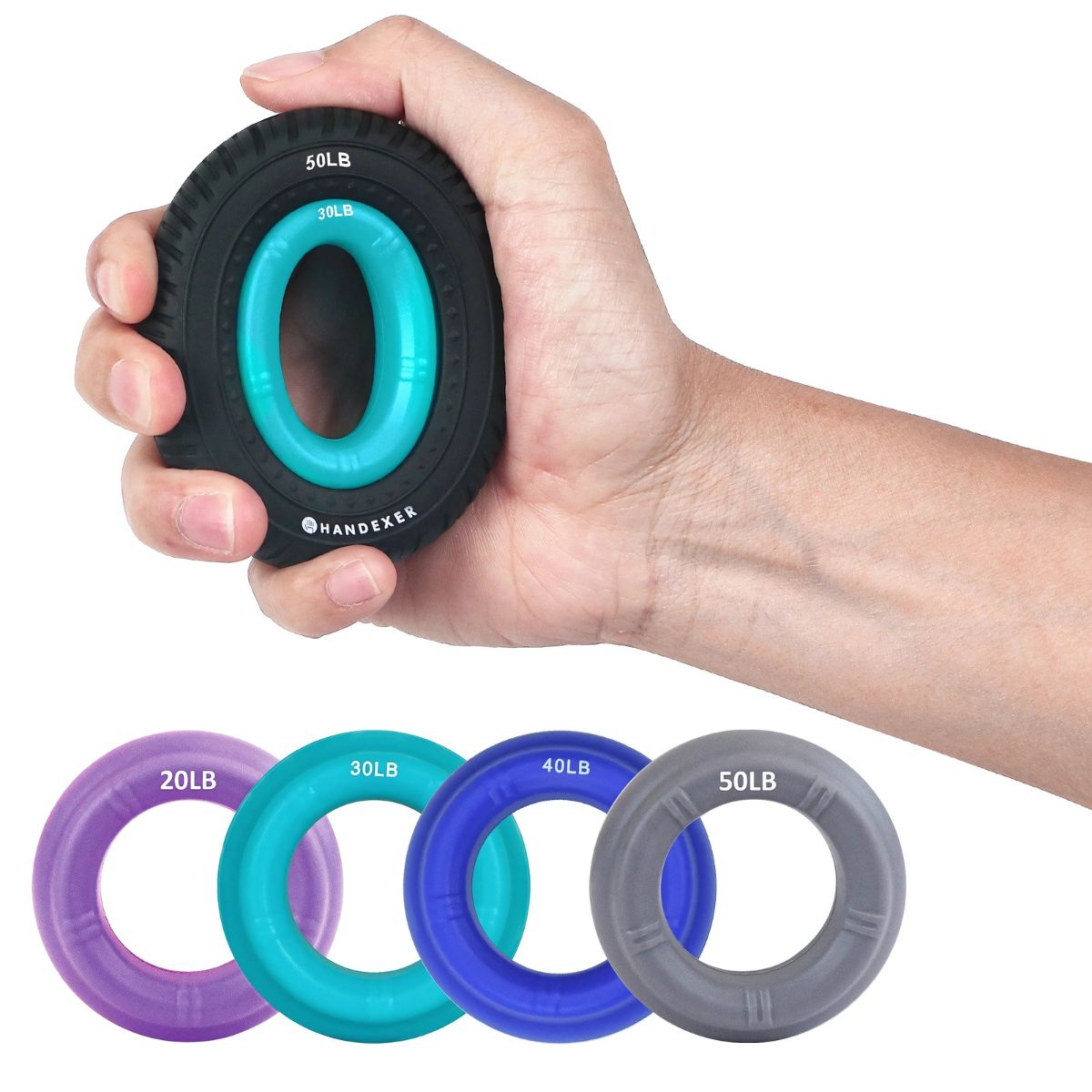
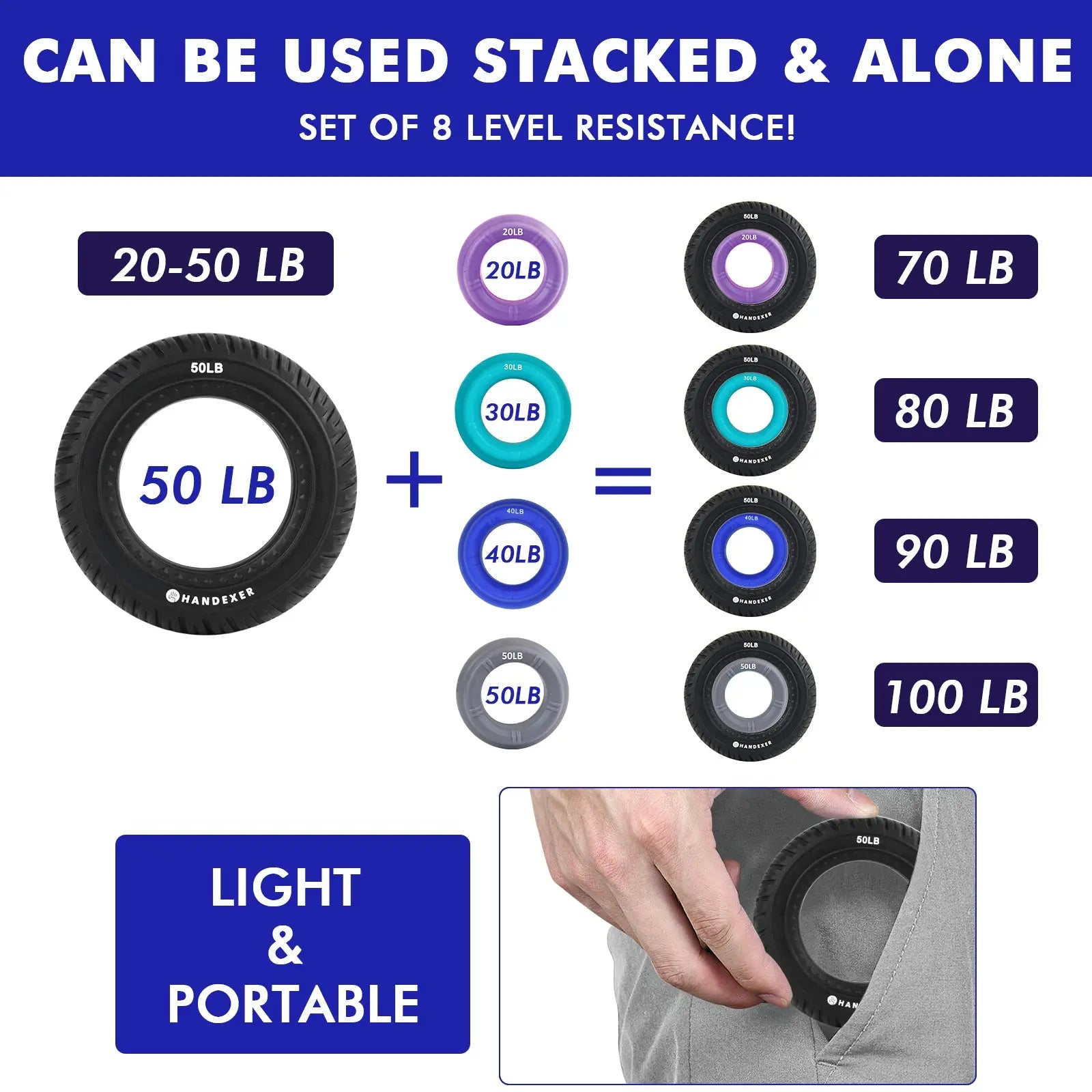
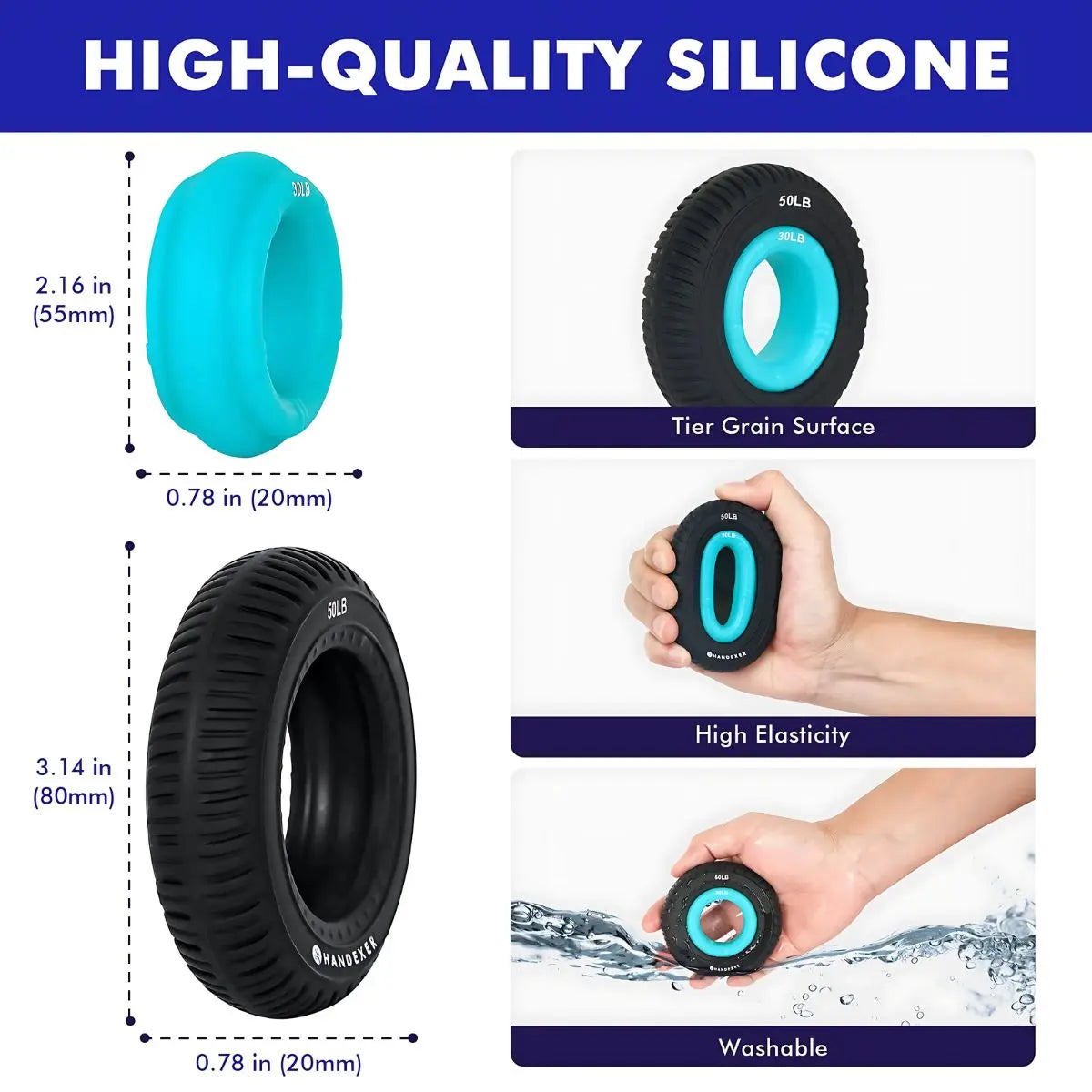
To make this non-symmetric training easier, it helps to use a multi-resistance set like the HANDEXER Silicone Grip Rings. You can easily use a lightweight, color-coded ring for your weaker hand and a higher-resistance one for your healthy hand so both sides get the exact level of challenge they need.
⚠️ Monitor Your Recovery to Avoid Overtraining
When trying to catch up, it is very easy to practice too much. But hand muscles and tendons are small and delicate, and they get inflamed easily.
To stay safe, you should regularly monitor grip strength recovery using your digital dynamometer.
The Weekly Check-In:
- Pick one morning a week to test your grip strength.
- If the numbers on your weaker side are slowly going up: Your plan is working! Keep doing what you're doing.
- If your numbers suddenly drop by 10% or more compared to last week: Your hand is telling you it's tired. Take a rest day and reduce your exercise volume.
❓ Frequently Asked Questions (FAQ)
Q1: Is it normal for my dominant hand to be much stronger than my other hand?
Yes, absolutely! For most people, the dominant hand (the one you write or eat with) is naturally about 10% stronger than the non-dominant hand. However, if the difference is greater than 15% to 20%, or if you’ve recently recovered from an injury, it is a sign of hand strength imbalance that you should slowly and safely work on balancing out.
Q2: Can a digital hand dynamometer cure my hand injury or act as physical therapy?
No, a digital hand dynamometer is not a medical device or a physical therapy treatment tool. It does not cure injuries or provide therapeutic treatment. Think of it as a smart tape measure for your hands: it is designed strictly to measure, monitor, and track your grip strength progress. It helps you see your baseline, plan your exercise intensity, and avoid overtraining by showing you when your muscles are too tired to exercise.
Q3: How often should I test my grip strength when trying to fix an imbalance?
Testing once a week is the sweet spot. Grip strength can fluctuate slightly from day to day based on your sleep, hydration, and daily fatigue. Testing every single day might give you inconsistent numbers and lead to unnecessary worry. A weekly check-in gives you a much cleaner, more accurate picture of your actual progress.
The Takeaway
Fixing an uneven grip takes a little patience and the right data. By treating each hand individually and tracking your progress weekly, you can safely bring your hands back into balance without the risk of overtraining. Keep it light, listen to your body, and let the numbers guide you!






Share:
Micro Grip Strength Workouts: 10-Minute Hand Grip Exercises for Busy People
Don’t Just Watch Your Heart Rate! What a 10-Second Grip Strength Test Reveals About Your Heart