
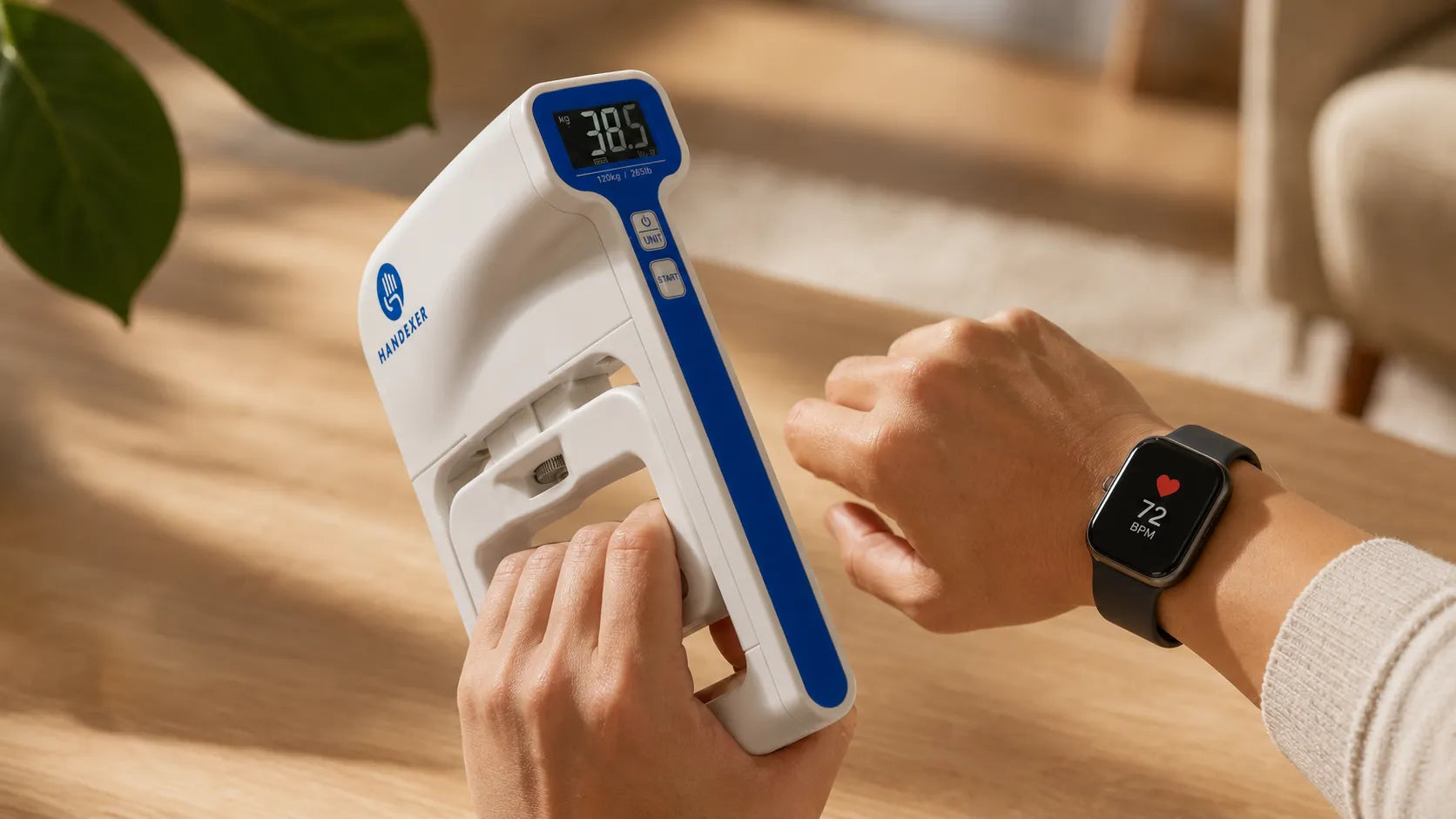
What is your go-to routine when managing your health at home? Usually, we slip on a smartwatch to track our heart rate, or wrap a blood pressure cuff around our arm to check our blood pressure.
While these metrics are undoubtedly important, they share a common drawback: they fluctuate too easily. Whether you just finished a cup of coffee, stepped out of a stressful meeting, or had a poor night's sleep, your heart rate and blood pressure can spike in an instant.
In reality, the medical community discovered a "hidden indicator" long ago that is more stable, less time-consuming, and an even more accurate reflection of your long-term, systemic health: grip strength.
A quick, 10-second test with a digital hand dynamometer does far more than measure your hand strength—it acts as a "rapid checkup" for your cardiovascular system. Today, let’s explore the deep connection between grip strength and heart health, and how you can easily leverage this metric right at home.
Why Your Hands Hold the Secrets to Your Heart
How can squeezing a handle tell you anything about your heart? It isn’t magic—it’s simple human biology:
Your Blood Vessels Speak First
For your muscles to squeeze with maximum force, they need an instant rush of oxygen and nutrients. If your microcirculation (the tiny blood vessels in your body) begins to stiffen or narrow—a primary early indicator of cardiovascular strain—your muscles can’t get the "fuel" they need, and your grip strength will silently drop.A Checkup on Your Body's "Wiring"
Squeezing requires a coordinated signal from your brain, through your nervous system, to your hand. If your body is chronically fatigued, stressed, or dealing with systemic strain (which heavily impacts your heart), this "wiring" loses its efficiency, making it harder to exert force.Your Physical "Savings Account"
Muscles act as a protective shield for your cardiovascular system. Rapid muscle loss as we age is closely tied to chronic inflammation and heart aging. Your grip strength is the ultimate, real-time proxy for your overall muscle quality and physical reserve.The Lancet Study: Grip Strength Outperforms Blood Pressure
For decades, blood pressure has been considered the gold standard of daily cardiovascular tracking. However, landmark modern epidemiological research has turned this assumption on its head.
The famous PURE (Prospective Urban Rural Epidemiology) study, published in the prestigious medical journal The Lancet, followed over 140,000 adults across 17 countries for several years. The researchers uncovered a striking statistic:
🔬 The Lancet Scientific Discovery
The study revealed that handgrip strength is a stronger predictor of cardiovascular mortality than systolic blood pressure (the "top number" on your blood pressure reading).Specifically, the researchers found that for every 5 kg (11 lbs) decline in grip strength, there is a:- 16% increase in the risk of death from any cause.
- 17% increase in the risk of cardiovascular-related death.
Why is this the case? While systolic blood pressure tells us the immediate "pressure" inside your arteries at one specific moment, your grip strength reflects the overall vitality, cellular integrity, and systemic aging of your entire cardiovascular and muscular systems.
Why Standard Gym Grippers Won’t Cut It: The Case for Going "Digital"
Many people think, "I get it, so why can't I just buy a cheap spring gripper and squeeze away?"
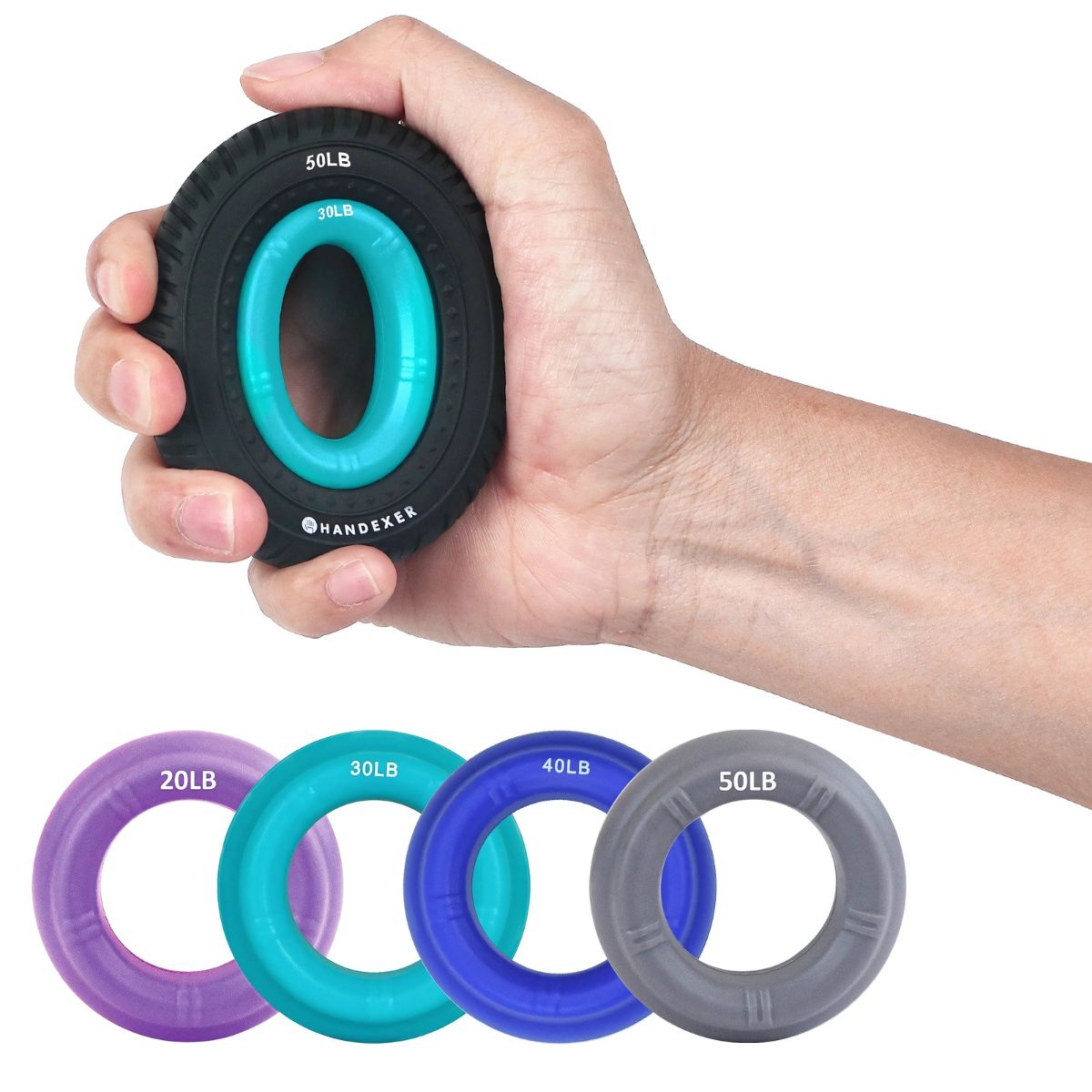
But that is not the case. If you want to use grip strength as a long-term indicator for health management, ordinary spring-loaded grippers or rubber squeeze rings simply won't help you. The reasons are simple:
It Lacks Precision
Subtle changes in your body's physical state can measure in fractions of a kilogram. A standard analog gripper cannot provide a decimal-level reading, leaving you completely in the dark about whether you are progressing or regressing.It Won't Keep Logbooks
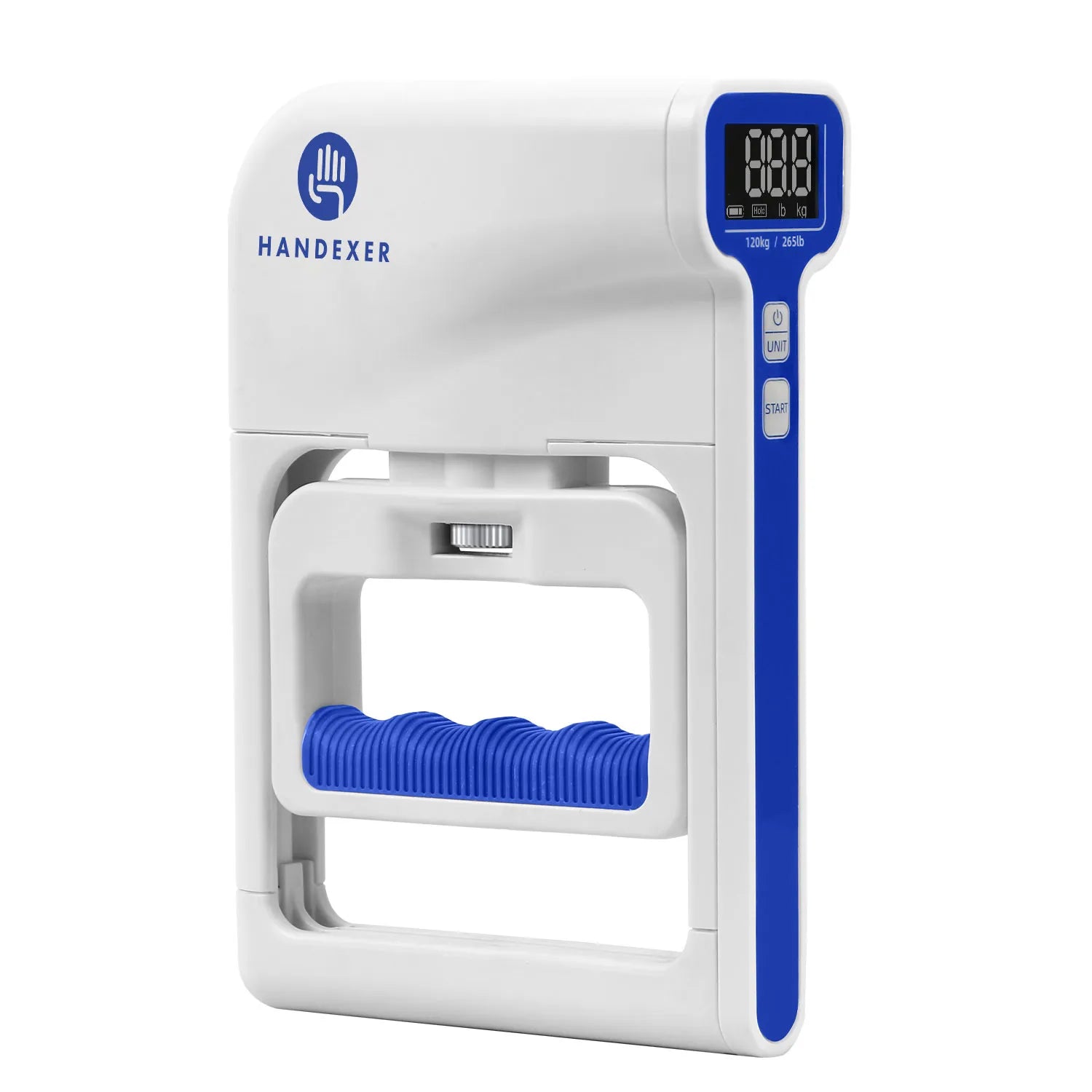
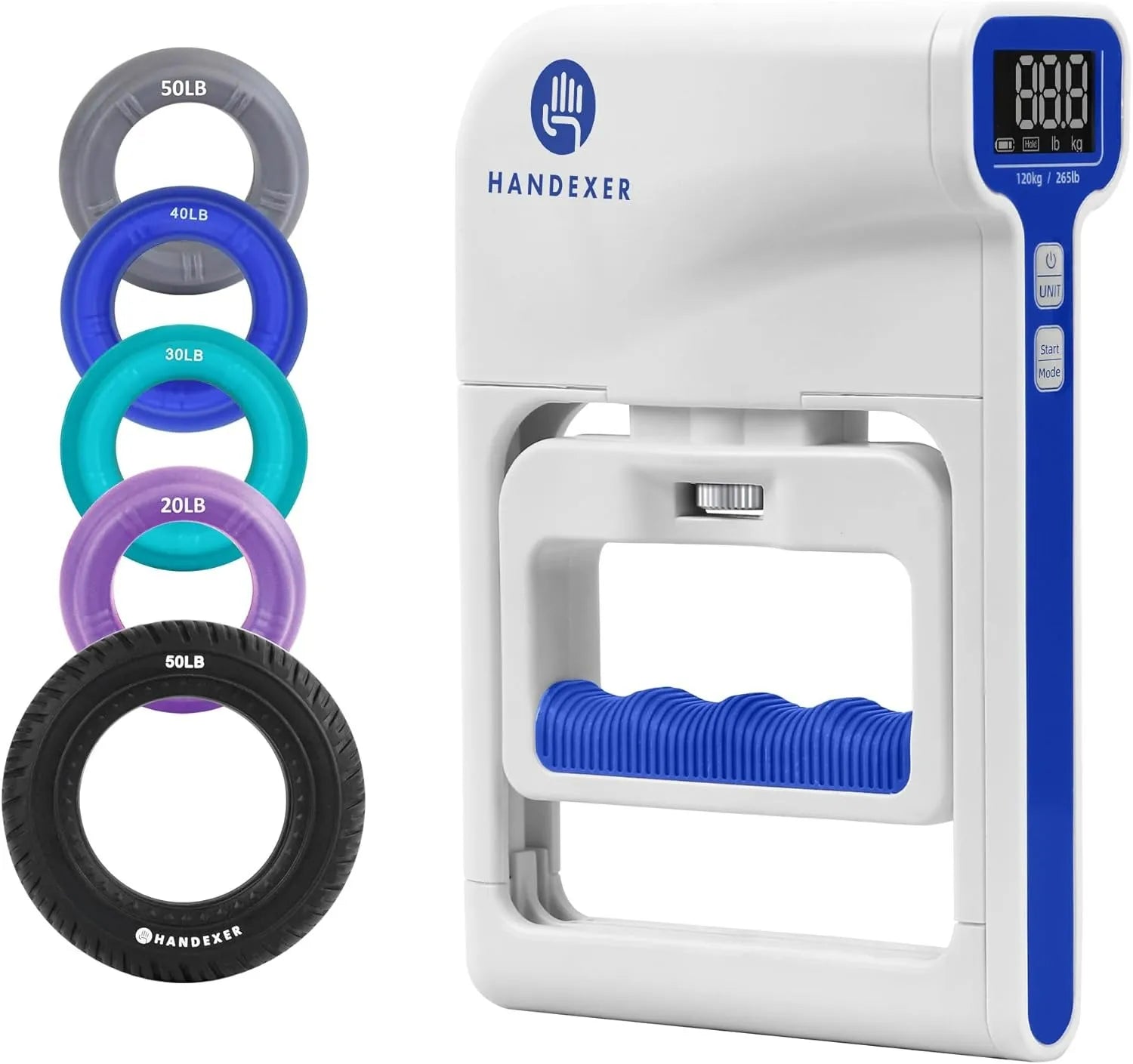
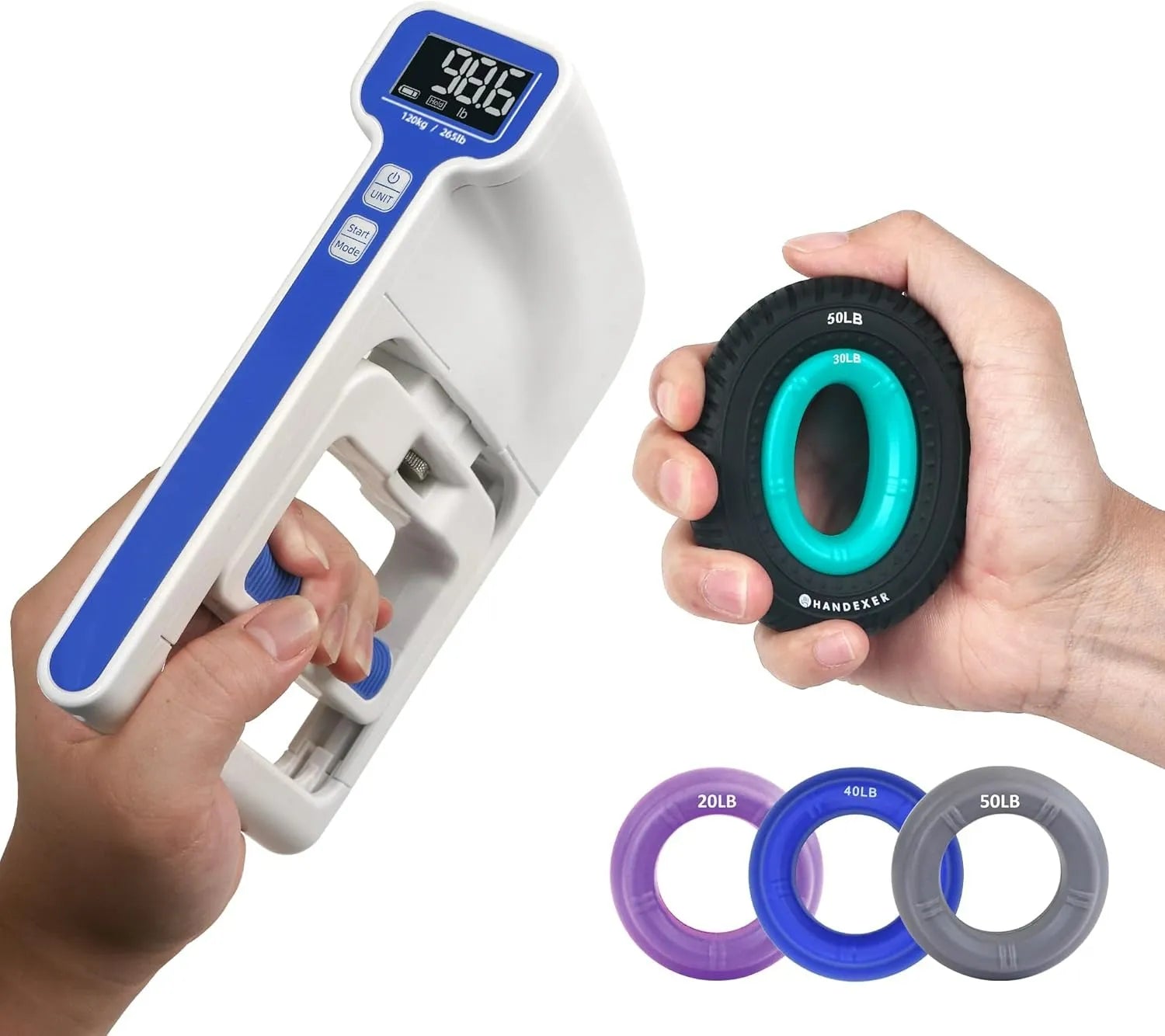
Effective health tracking is all about monitoring long-term trends rather than looking at a single isolated reading. The Handexer digital hand dynamometer features built-in user profiles that automatically save historical data for you and your family, plotting a clear, effortless health trendline just like a digital financial log.Without Feedback, You Can't Train Scientifically
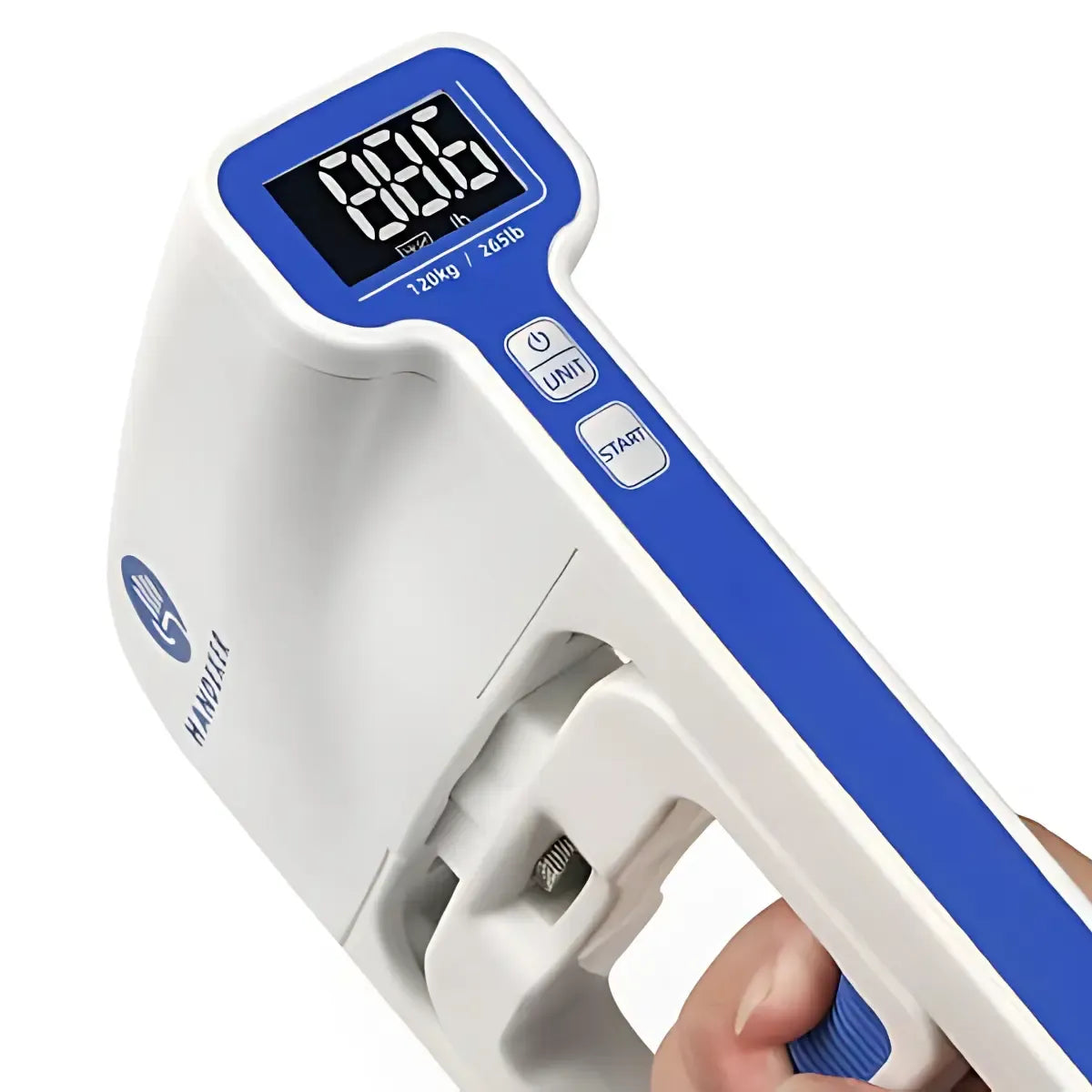
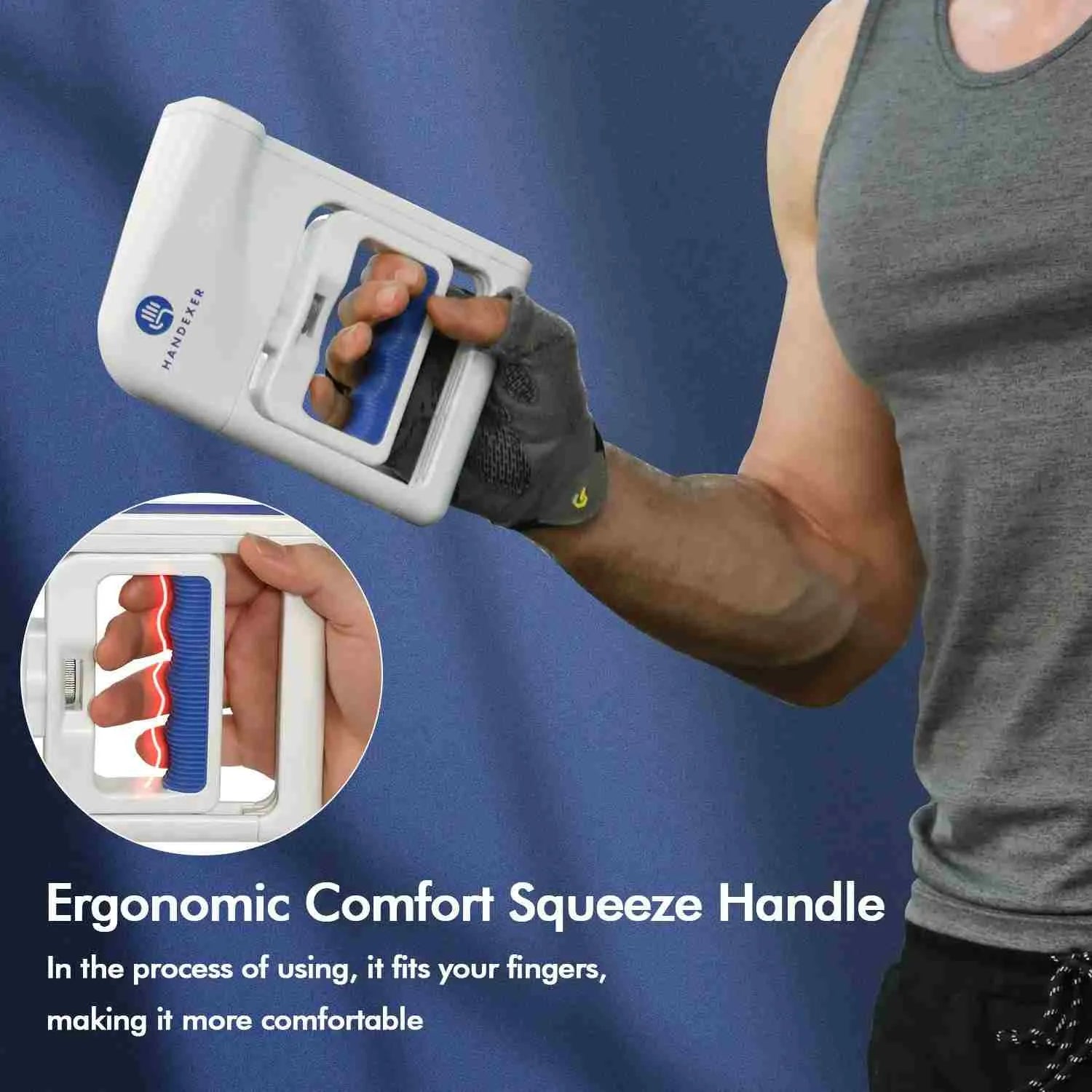
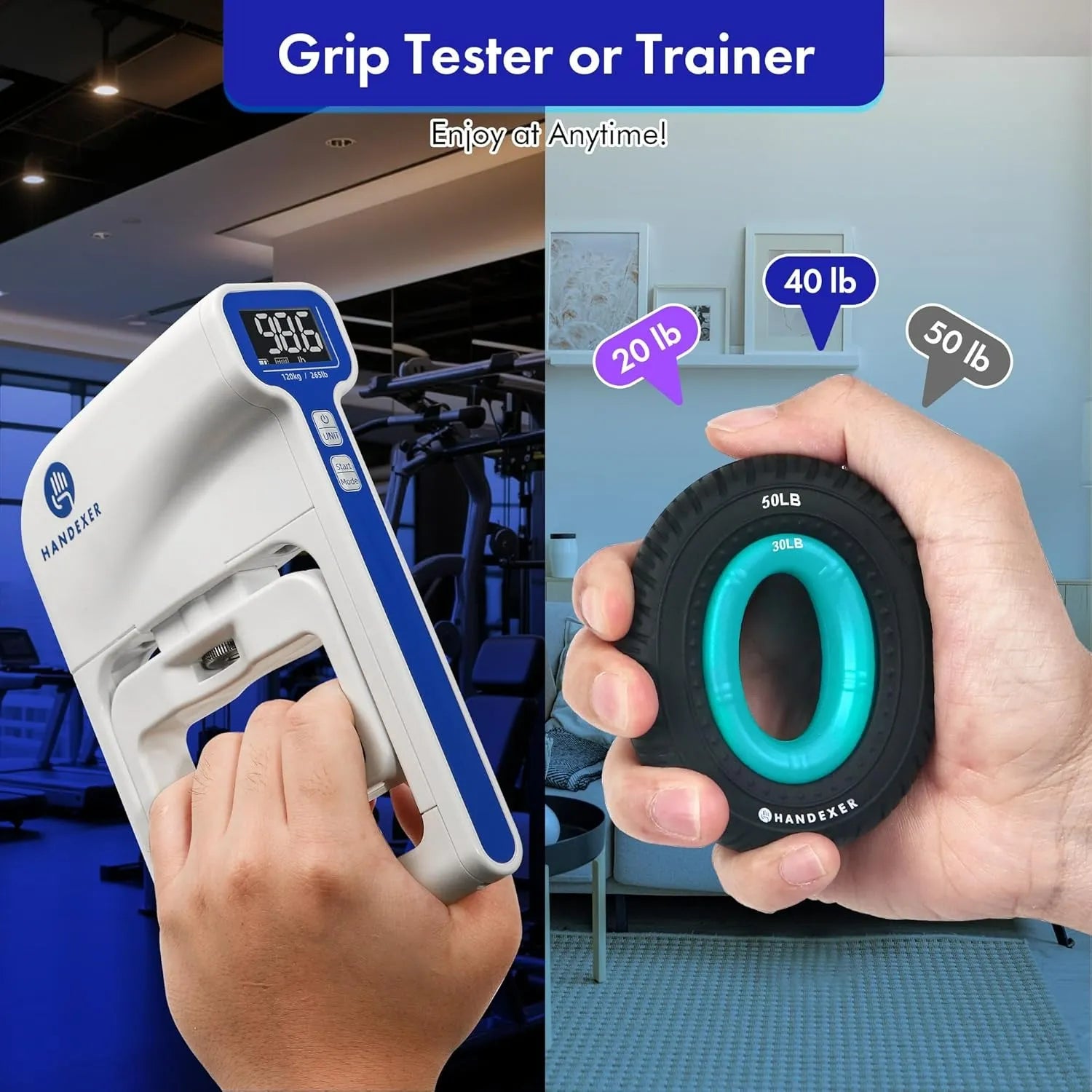
The "12-Minute Vascular Workout" we cover below requires holding your squeeze force within an incredibly precise target window. This level of control is impossible to maintain without a real-time digital display showing your live effort. 👉 Quantify Your Health with Data: Explore Handexer Smart Digital Dynamometers & Map Your Personal Trends
How to Measure Your Grip Strength Baseline at Home
To use this biomarker effectively, you must first establish your personal healthy grip strength baseline. Because baseline strength is highly dependent on age, biological sex, and genetics, you should track your performance relative to validated demographic medians.
Grip Strength Baseline Reference Chart
| Age Group | Target Range (Male) | Target Range (Female) |
|---|---|---|
| 20 - 29 | 40–50 kg (88–110 lbs) | 25–33 kg (55–72 lbs) |
| 30 - 39 | 43–52 kg (94–114 lbs) | 27–35 kg (59–77 lbs) |
| 40 - 49 | 40–49 kg (88–108 lbs) | 25–33 kg (55–72 lbs) |
| 50 - 59 | 35–44 kg (77–97 lbs) | 22–29 kg (48–64 lbs) |
| 60+ | Under 30 kg (66 lbs) warrants lifestyle focus | Under 18 kg (40 lbs) warrants lifestyle focus |
Please Note: These targets are informational baseline references. Falling below these ranges is not a medical diagnosis—it is simply a positive, objective indicator to focus on resistance training, proper rest, and active lifestyle tracking.
How to Perform Isometric Handgrip Training at Home for Vascular Fitness
A digital hand dynamometer isn't just a measurement device; it’s also an active physical training tool.
In sports and preventive medicine, a method called Isometric Handgrip Training (IHT) has been heavily researched for its ability to support healthy blood pressure and improve blood vessel elasticity. During a sustained, low-intensity squeeze, blood flow is temporarily restricted. Upon release, a natural surge of blood flow stimulates the arteries to release nitric oxide, a natural compound that relaxes and dilates blood vessels.
Here is the clinically backed, isometric handgrip exercise routine you can perform right from your couch:
The 12-Minute Isometric Workout Protocol:
-
Find Your Max: First, measure your maximum grip strength using your digital hand dynamometer (your Maximum Voluntary Contraction, or MVC).
-
Calculate Your Training Zone: Calculate 30% to 40% (roughly 1/3) of that maximum. (e.g., If your max is 90 lbs, your training target is 30 lbs).
-
Squeeze for 2 Minutes: Squeeze the handle and hold it steadily at that target 1/3 strength continuously for 2 minutes with your right hand.
-
Rest for 1 Minute: Let go completely and rest for 1 minute to allow the blood to rush back.
-
Switch Hands and Repeat: Alternate hands until you have completed 3 rounds per hand (12 minutes total).
Aim to complete this routine 3 to 5 days a week. During this exercise, the Handexer digital display shows your live squeezing force in real-time, helping you keep your output perfectly balanced inside the target zone—preventing you from squeezing too hard (which can spike blood pressure) or squeezing too soft (which won't trigger the vascular benefits).
👉 Redefining daily habits with tech: Explore the Handexer Digital Dynamometer and unlock minimalist, at-home vascular wellness tracking.
Frequently Asked Questions (FAQ)
Q1: My reading is lower than the reference chart—does this mean I have a medical issue?
Absolutely not. A hand dynamometer is simply a daily tool for tracking physical baseline trends and guiding your exercises; it is not a medical diagnostic device. A lower reading typically indicates that your body is currently fatigued, you may be experiencing some muscle detraining, or you have been less active recently. Treat it as a positive, objective reminder to prioritize regular physical activity and a healthier daily routine, and you will gradually see those numbers climb back up!Q2: Why does my grip strength change between morning and evening?
This is completely normal. Your muscles and central nervous system follow a natural daily clock (circadian rhythm). Factors like hydration, mental fatigue, and food intake can also cause your strength to fluctuate throughout the day. For the most accurate, reliable data, standardize your testing: test yourself once a week at the exact same time (such as Tuesday mornings before breakfast).Q3: Is isometric handgrip training safe if I have high blood pressure?
For most people, holding a low-resistance squeeze (only 30% to 40% of your max effort) is considered highly safe. However, because static muscle contractions can cause a temporary, brief spike in blood pressure during the squeeze itself, anyone with diagnosed stage 2 hypertension (140/90 mmHg or higher) or an existing heart condition should consult their physician before starting this routine.Hold Your Health in Your Hands
True wellness doesn't happen during a once-a-year checkup; it is built on the small, consistent habits we practice every single day.
Understanding the connection between grip strength and heart health is the first step. By taking 10 seconds a week to check your baseline and 12 minutes a day supporting your vascular fitness, you gain an honest, data-backed partner in your physical health journey.
🛒 Unlock the data hidden in your palm: Start map your family’s digital health trends and make vital changes visible.






Share:
Why is One Hand Stronger Than the Other? How to Fix Grip Strength Imbalance Safely
How to Build a Grip Strength Plan for Different Ages and Sexes