
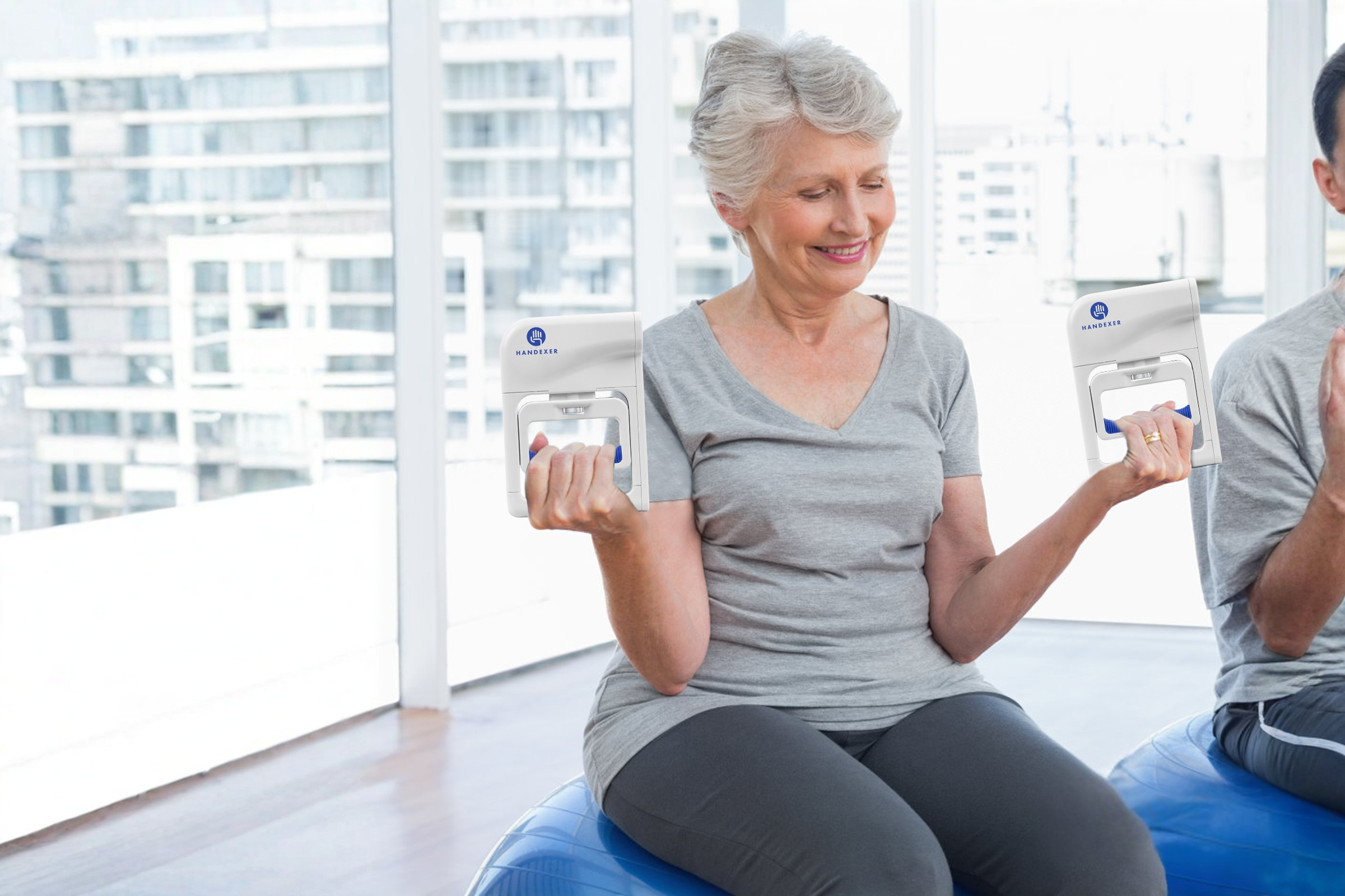
Osteoporosis is one of the most common age-related conditions worldwide, yet many people do not realize that one of the strongest predictors of bone health is something you can easily measure at home — your grip strength.
A growing number of studies in the U.S., Japan, Korea, and Singapore show a consistent finding: low grip strength is strongly associated with low bone mineral density and a higher risk of osteoporosis and fractures.
If you want to stay proactive about your bone health, tracking grip strength is one of the simplest and most powerful habits you can build.
Why Grip Strength Matters for Bone Health
Grip strength is not just about hand power. It reflects the condition of your entire musculoskeletal system — including muscle mass, neuromuscular coordination, and structural bone strength.
Because muscle and bone health are deeply linked, declining grip strength often appears long before bone loss becomes visible or symptomatic.
Key reasons grip strength predicts osteoporosis risk:
- l Reduced muscle strength leads to lower mechanical load on bones
- l Bones weaken when not stimulated
- l Sarcopenia (muscle loss) and osteoporosis often occur together
- l Grip strength is a simple, standardized screening method for whole-body strength
This makes grip strength an important early marker for osteoporosis — especially for adults over 40, postmenopausal women, and individuals with joint discomfort or declining mobility.
What Research Shows About Grip Strength and Osteoporosis
Across multiple international studies, the conclusion is consistent:
Lower grip strength = lower bone mineral density + higher osteoporosis risk.
Low Grip Strength Predicts Low Bone Density in Older Women
Early research found that women with weaker grip strength had significantly lower bone mineral density, highlighting grip strength as a predictor of bone health.
Postmenopausal Women Show Strong Grip–Bone Connection
Studies in Japan showed that reduced muscle strength, including grip strength, is strongly associated with osteoporosis after menopause — a time of accelerated bone loss.
Men With Weak Grip Strength Face Higher Fracture Risk
Research in Korea demonstrated that men with lower grip strength were more likely to have low bone mineral density and were at higher risk for fragility fractures.
Osteoporosis Impacts Strength, Posture, and Quality of Life
Studies also show that women with osteoporosis have weaker grip strength, poorer spinal alignment, and lower quality of life compared to healthy adults.
Strong Muscle Strength Helps Prevent Osteoporosis Across All Ethnicities
Research confirms that higher muscle strength is protective against osteoporosis, regardless of racial background or lifestyle.
Joint Pain + Weak Grip Strength Predicts Osteoporosis in Midlife
Findings from Singapore show that middle-aged women with chronic joint pain and weak grip strength are more likely to develop osteoporosis, even before old age.
Why You Should Start Tracking Grip Strength Now
Regular grip strength testing allows you to:
- l Detect early signs of bone or muscle decline
- l Monitor trends linked to osteoporosis risk
- l Evaluate the impact of exercise and lifestyle changes
- l Maintain mobility and independence as you age
- l Strengthen weak areas before problems grow
Who should test grip strength regularly?
- l Postmenopausal women
- l Middle-aged adults
- l Men and women with family history of osteoporosis
- l Seniors
- l Athletes and active individuals
- l Anyone experiencing joint discomfort or mobility decline
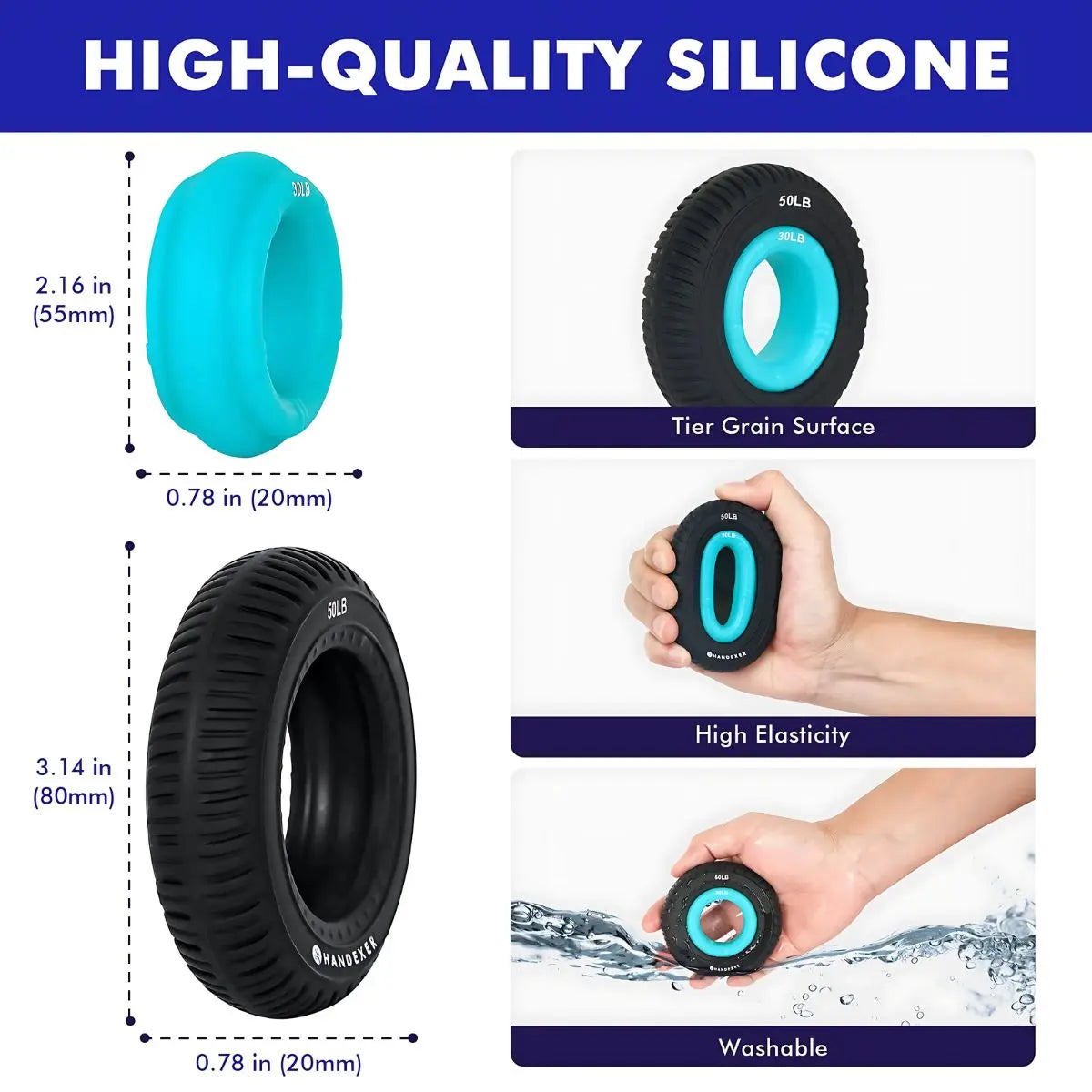
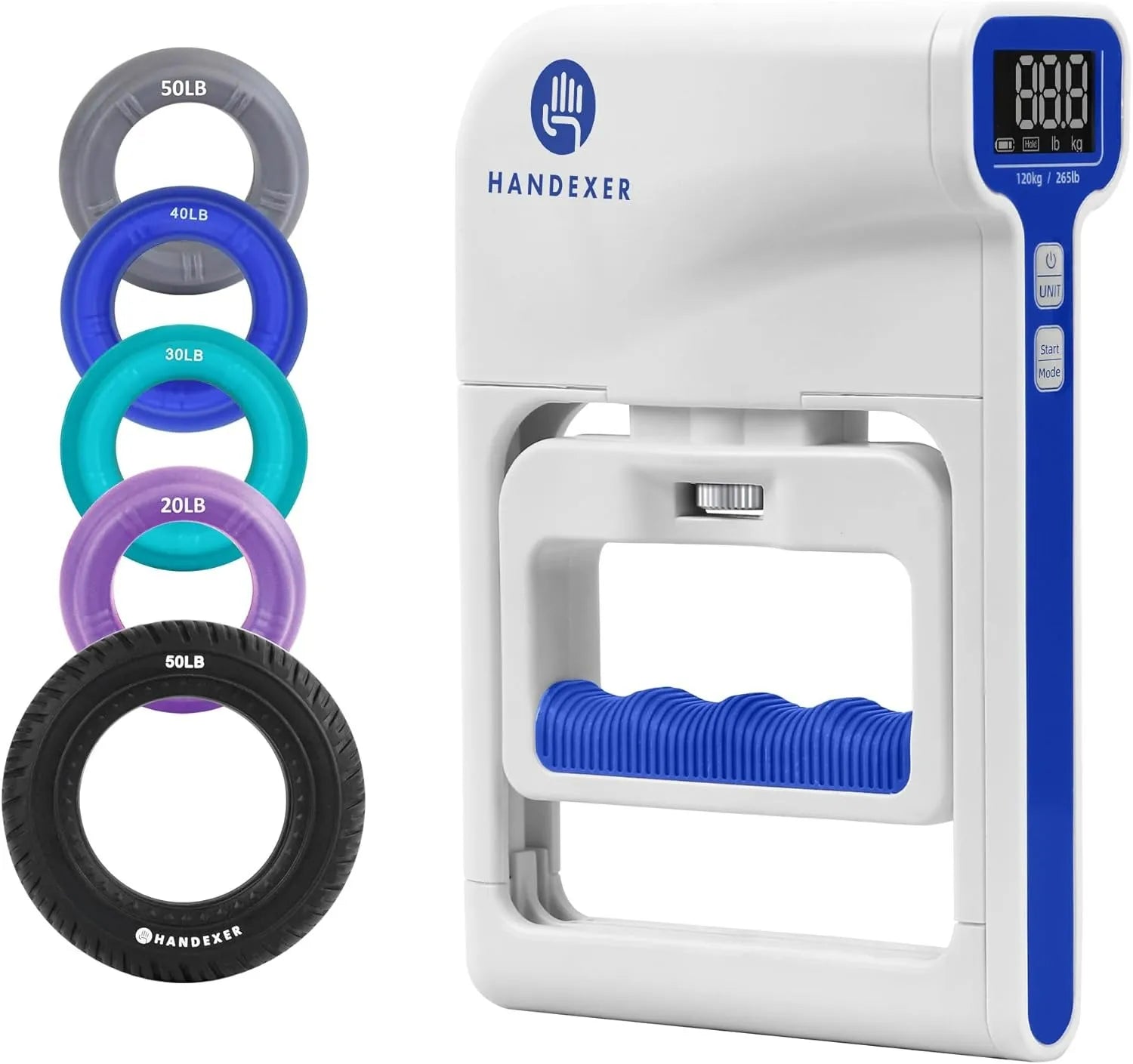
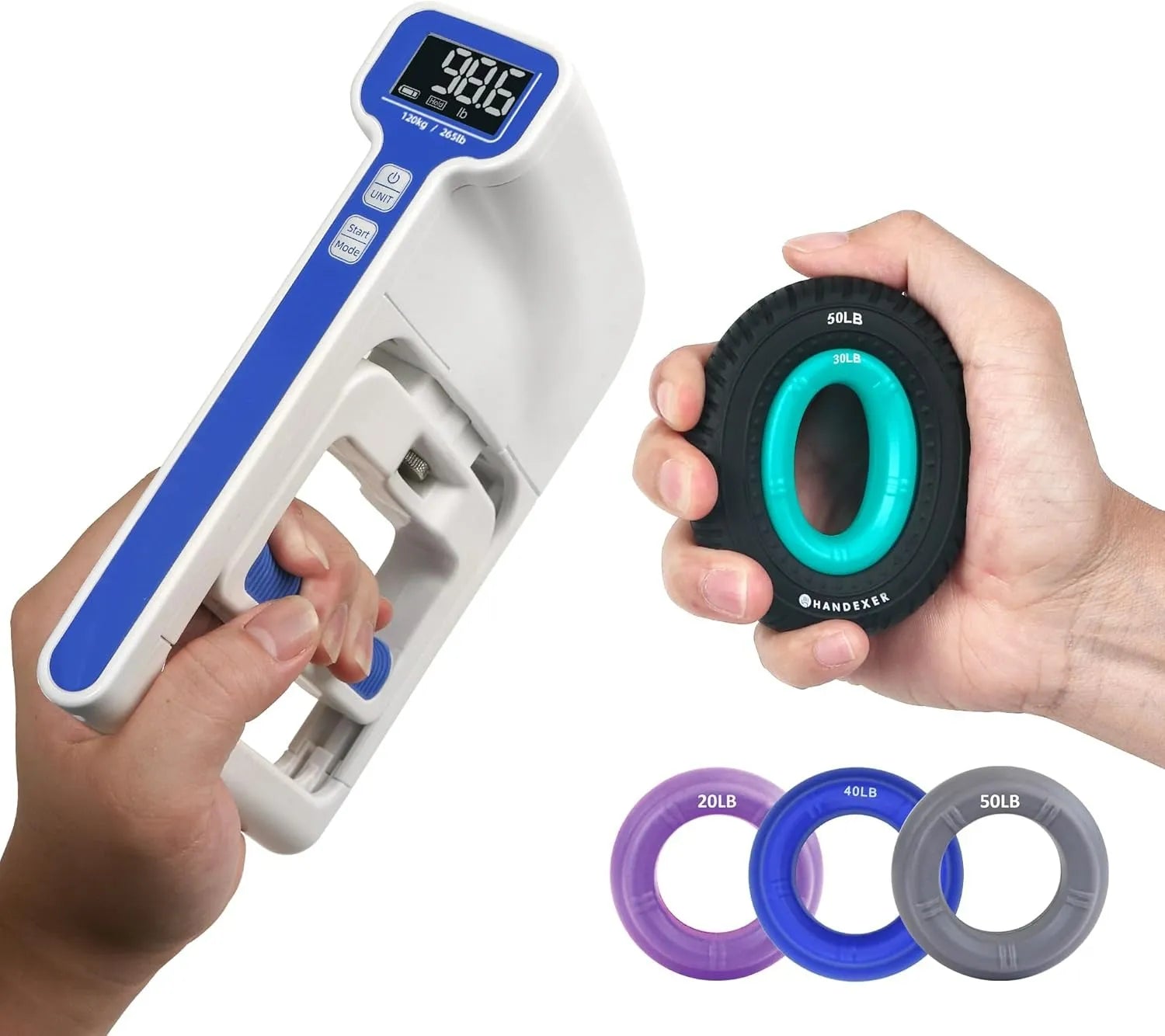
The Best Tool for Measuring Grip Strength: Handexer Digital Hand Dynamometer
To track grip strength accurately, you need a reliable and easy-to-use device.
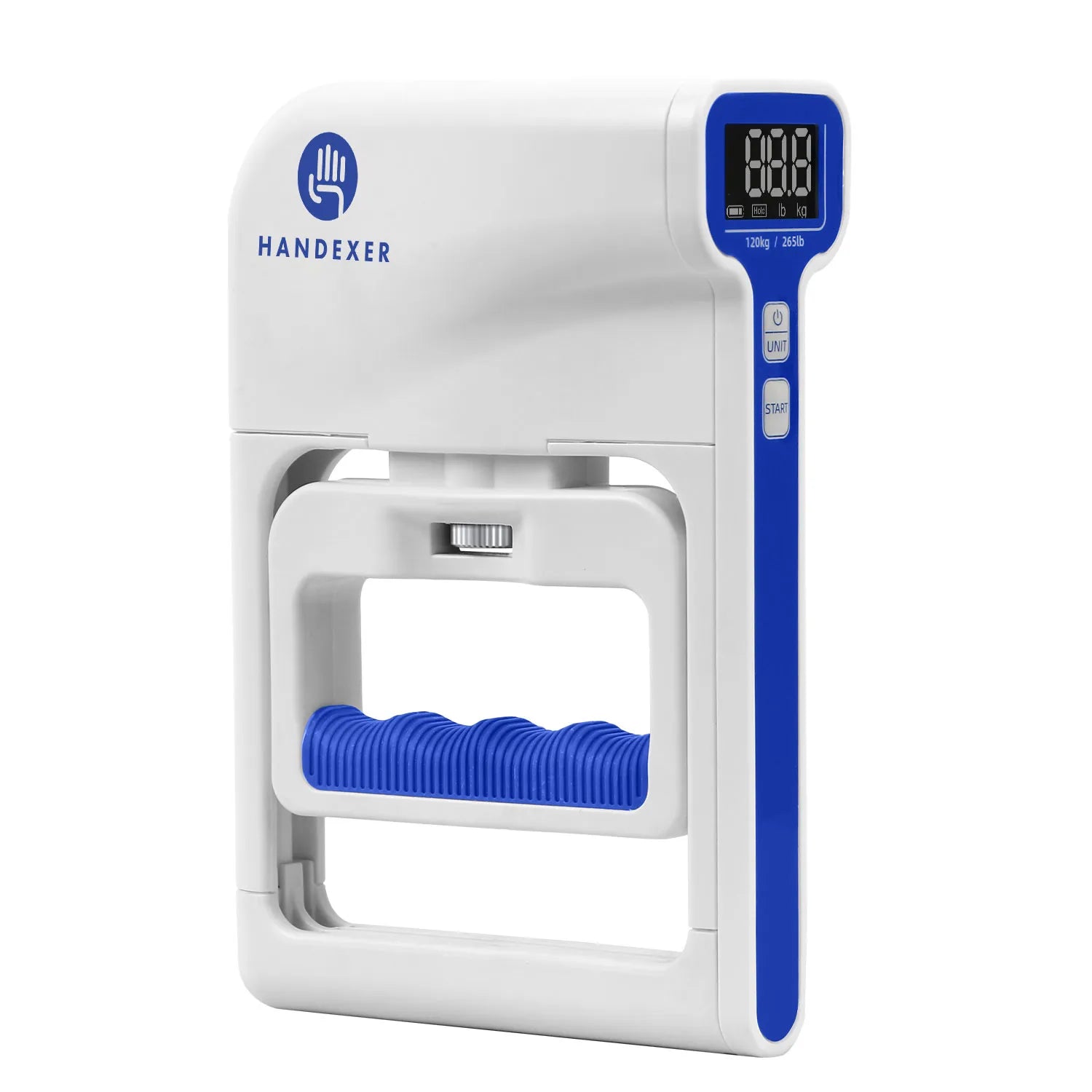
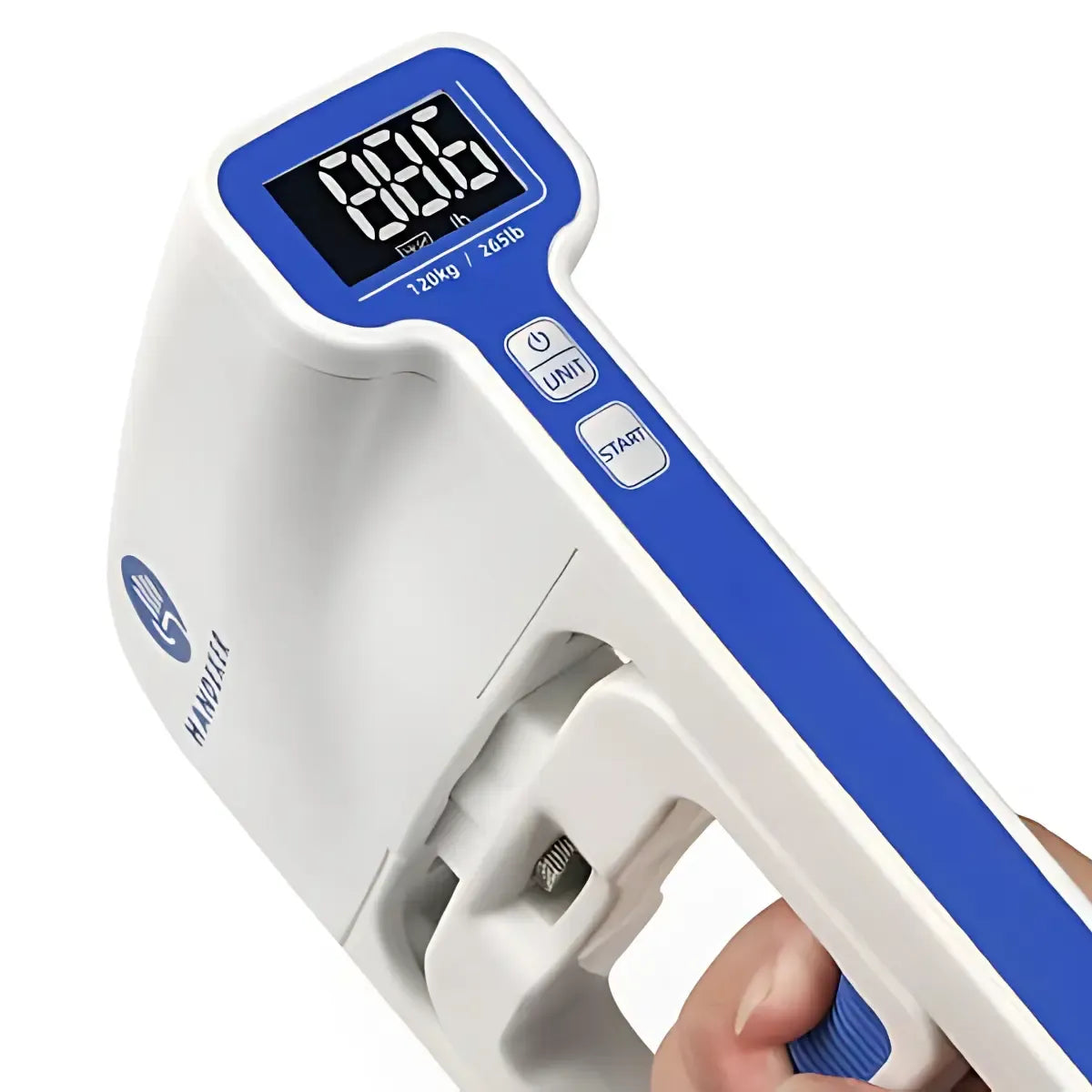
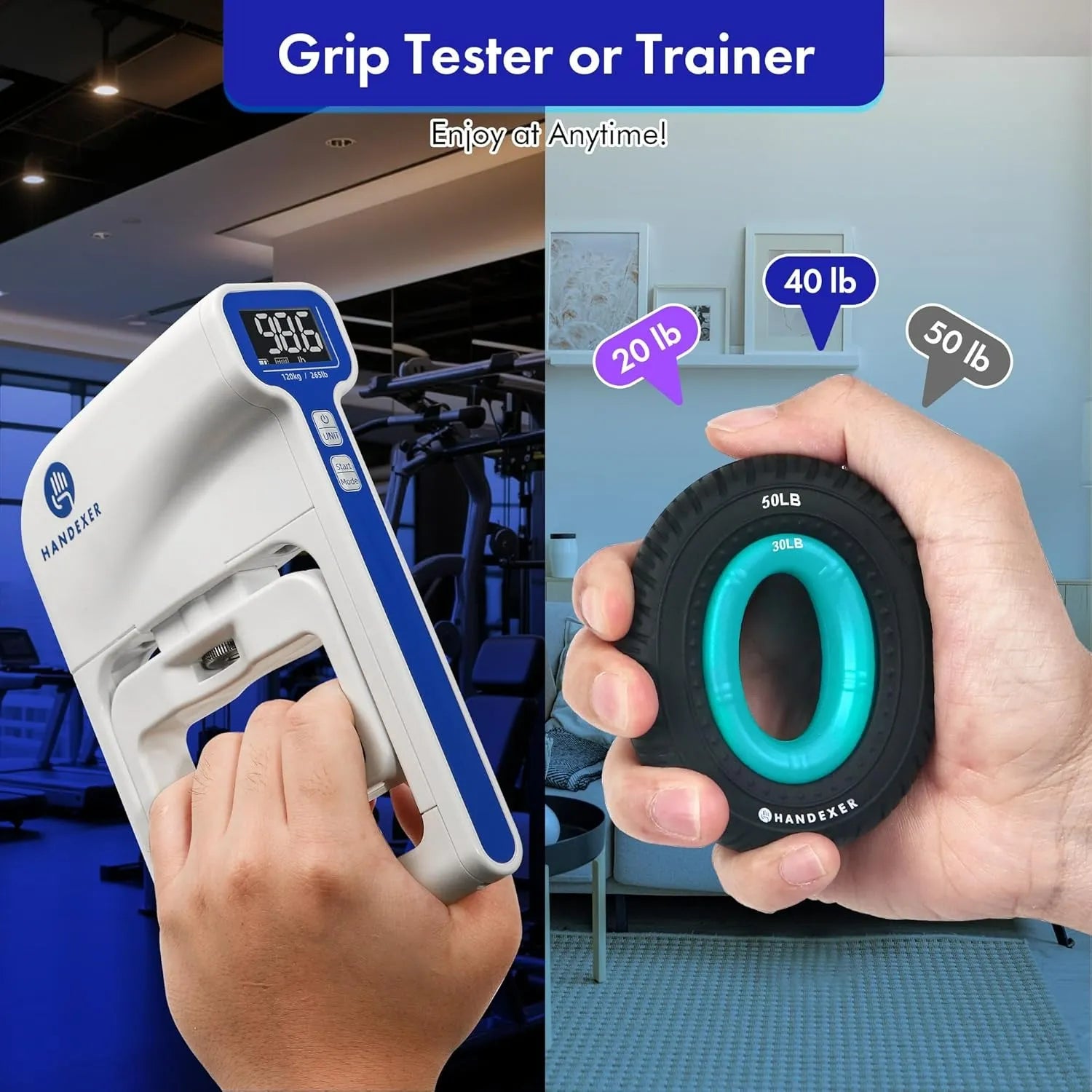
The Handexer Digital Hand Dynamometer is designed for precise, consistent strength measurement.
Shop the full collection of grip strength testers here:
https://www.handexer.com/collections/grip-strength-tester
Final Thoughts: Grip Strength Is a Key Indicator of Osteoporosis Risk
Osteoporosis often progresses silently, but grip strength offers an early and measurable warning sign.
Across decades of global research, the message is clear:
Stronger grip strength = stronger bones
Weaker grip strength = higher osteoporosis and fracture risk
If you care about long-term bone health, mobility, and independence, start measuring your grip strength now — it’s simple, fast, and incredibly valuable.
References
1. Kritz-Silverstein, D., & Barrett-Conner, E. (1994).
Grip strength and bone mineral density in older women.
Journal of Bone and Mineral Research, 9(1), 45–51. https://doi.org/10.1002/jbmr.5650090107
2. Tachiki, T., Kouda, K., Dongmaei, N., et al. (2019).
Muscle strength in relation to postmenopausal women in Japan: Osteoporosis study.
Journal of Bone and Mineral Metabolism, 37(1), 53–59. https://doi.org/10.1007/s00774-017-0895-7
3. Kim, S. W., Lee, H. A., & Cho, E. H. (2012).
Low handgrip strength is associated with low bone mineral density and fragility fractures in healthy Korean men.
Journal of Korean Medical Science, 27(7), 744–747. https://doi.org/10.3346/jkms.2012.27.7.744
4. Miyakoshi, N., Kudo, D., Hongo, M., Kasukawa, Y., Ishikawa, Y., & Shimada, Y. (2017).
Comparison of spinal alignment, muscle strength, and quality of life between postmenopausal women with osteoporosis and healthy volunteers.
Osteoporosis International, 28(11), 3153–3160. https://doi.org/10.1007/s00198-017-4184-z
5. McGrath, R. P., Kraemer, W. J., Vincent, B. M., Hall, O. T., & Peterson, M. D. (2017).
Muscle strength can help prevent osteoporosis in a diverse adult sample.
Journal of Strength and Conditioning Research, 31(9), 2586–2589. https://doi.org/10.1519/JSC.0000000000002080
6. Logan, S., Thu, W. P. P., Lay, W. K., Wang, L. Y., Cauley, J. A., & Yong, E. L. (2017).
Chronic joint pain and grip strength are associated with osteoporosis in mid-life women: Evidence from a Singapore cohort.
Osteoporosis International, 28(9), 2633–2643. https://doi.org/10.1007/s00198-017-4095-z






Share:
Grip Training Tips for Rock Climbers and Bouldering Beginners
The Power Behind Every Swing: Why Grip Strength Matters in Golf