
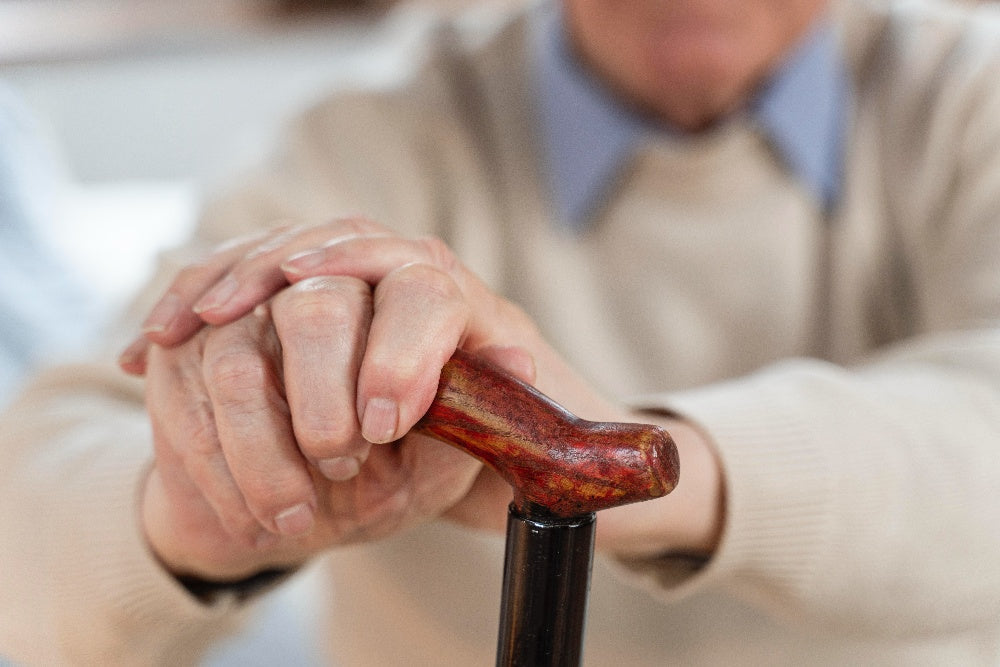
Introduction: Unlock a Future of Independence and Vitality
The journey of aging is a unique and personal experience, often characterized by a desire to maintain independence, vitality, and a high quality of life. While many focus on cardiovascular health or cognitive function, a critical component of graceful aging often overlooked is the strength and dexterity of our hands. Our hands are our primary interface with the world, enabling us to perform daily tasks, engage in cherished hobbies, and connect with loved ones. As we age, maintaining the strength and function of our hands is not merely about convenience; it's about preserving our autonomy and continuing to live life to its fullest. This article explores the profound importance of hand strength for graceful aging and provides simple, actionable exercises to help you keep your hands strong, capable, and vital.
The Power in Your Palms: Why Hand Strength Matters for Graceful Aging
The dexterity and strength of our hands are foundational to our ability to interact with our environment. From the simplest tasks like opening a jar or buttoning a shirt to more complex activities such as typing, writing, or preparing a meal, our hands are constantly at work. As we age, a natural decline in muscle mass and strength can affect these abilities, potentially leading to frustration and a reduced sense of independence. Maintaining robust hand strength ensures that these everyday actions remain effortless, allowing individuals to continue managing their personal care, their homes, and their lives with confidence. This continued capability is a cornerstone of aging gracefully, enabling individuals to remain self-sufficient and engaged.
Beyond the Grip: Connecting Hand Health to Overall Well-being
Grip strength is a key indicator of overall health, linked to reduced fall risk, cognitive function, and longevity.
The significance of hand strength extends far beyond the ability to grasp objects. Research consistently links declining grip strength to increased fall risk, longer hospital stays, cognitive decline, and even all-cause mortality [source: BTE Technologies, 2025]. This makes hand strength a crucial biomarker for overall health and longevity. A study showed that women over the age of 65 who fell more frequently had 24% less strength per kg of weight than age-matched women who suffered from falls infrequently [source: Mya Care, 2023]. Strong hands contribute to better balance and stability, reducing the likelihood of falls and the injuries that can accompany them. Furthermore, maintaining good hand function supports engagement in activities that are vital for mental and emotional well-being, such as hobbies, social interaction, and creative pursuits, all contributing to a more fulfilling and graceful aging experience.
The Unseen Powerhouse: Why Strong Hands are Your Ally for Graceful Aging
Our hands are remarkable tools, intricate systems of muscles, bones, tendons, and nerves that work in concert to provide us with a vast range of capabilities. As we move through life, these capabilities can be challenged by the natural aging process and various health conditions. However, by understanding these changes and proactively engaging in targeted exercises, we can significantly preserve and even enhance the power and dexterity of our hands, thereby safeguarding our independence and overall quality of life as we age.
More Than Just Grip: A Biomarker for Overall Health and Longevity
Grip strength is an indispensable biomarker of aging [source: NIH, 2023]. It serves as a reliable indicator of overall muscle strength and, by extension, general health and well-being. Research consistently links declining grip strength to increased fall risk, longer hospital stays, cognitive decline, and even all-cause mortality [source: BTE Technologies, 2025]. As you age, it becomes more important to exercise regularly — perhaps even increasing the amount of time you spend exercising to compensate for bodily changes [source: NIH, 2023]. This principle applies directly to hand strength; maintaining a strong grip is a proactive step toward supporting your overall health and potentially increasing your lifespan.
Unlocking Independence: Performing Daily Tasks with Ease
The ability to perform daily tasks is intrinsically tied to the functional capacity of our hands. Simple actions like preparing food, managing personal hygiene, driving, and even using a smartphone become significantly more challenging with diminished hand strength and dexterity. Strong hands allow for easier manipulation of tools, secure handling of objects, and sustained effort required for tasks. This independence is crucial for maintaining dignity and autonomy throughout the aging process. When these everyday activities can be performed without assistance or excessive difficulty, individuals can maintain a greater sense of control over their lives.
The Confidence Boost: Staying Engaged in Hobbies and Life
Our hobbies and social activities are often deeply intertwined with the use of our hands. Whether it's gardening, knitting, playing a musical instrument, painting, or simply holding a grandchild's hand, these activities bring immense joy and connection. As hand strength and dexterity decline, participation in these cherished pastimes can become difficult or even impossible, leading to feelings of loss and isolation. Maintaining strong hands ensures continued engagement in these fulfilling pursuits, fostering a sense of purpose and connection that is vital for emotional and psychological well-being. Staying active – particularly with meaningful and hands-on tasks – helps slow the process of muscle and nerve decline [source: NIH, 2023].
Understanding Age-Related Changes: Combating Sarcopenia and Dynapenia
As we age, our bodies naturally experience a decline in muscle mass, a process known as sarcopenia, and a corresponding loss of muscle strength, known as dynapenia. Starting in your late thirties, you naturally begin to lose both muscle mass and strength — including in your hand grip [source: Shadowz Grips, 2025]. From about 50, muscle mass and nerve function gradually decline [source: NIH, 2023]. These changes particularly affect the smaller muscles in the hands and forearms, which are crucial for fine motor skills and grip. Understanding these physiological shifts is the first step in addressing them. Targeted exercises can help to counteract sarcopenia and dynapenia, preserving muscle mass and strength in the hands and wrists, thereby mitigating their impact on daily function and overall health.
Your Proactive Hand Strengthening Toolkit: Simple Exercises for Every Day
Maintaining strong hands is achievable through consistent, targeted exercise. The good news is that you don't need specialized equipment or complex routines to make a significant difference. Incorporating simple hand exercises into your daily or weekly routine can lead to remarkable improvements in strength, dexterity, and overall hand health. These exercises are designed to be accessible, effective, and adaptable to varying levels of ability.
Getting Started: Essential No-Equipment Hand Exercises
Many effective hand strengthening exercises require nothing more than your own body. These can be performed anywhere, anytime, making them incredibly convenient.
- Fist Clenches: Make a tight fist, holding the tension for a few seconds, then release and spread your fingers wide. Repeat 10-15 times. This simple exercise engages the primary muscles responsible for grip.
- Finger Extensions: Start with your fingers together. Slowly spread them as far apart as possible, holding for a moment before bringing them back together. Repeat 10-15 times. This works the opposing muscles, crucial for dexterity.
- Thumb Touches: Touch the tip of your thumb to the tip of each finger on your hand, one by one, moving from your index finger to your pinky, and then back. Repeat 5-10 times for each hand. This exercise enhances fine motor control.
- Finger Bends: Place your hand flat on a table. Lift one finger at a time, keeping the others on the table, then gently bend it down. Repeat for each finger. This improves individual finger control and flexibility.
Boosting Grip Strength and Forearm Power
Beyond basic finger exercises, specific movements can significantly enhance grip strength and the power of your forearms, which are essential for many everyday tasks. Just 5 minutes of daily grip training can increase grip strength by 10-25% in 8-12 weeks, regardless of age [source: Shadowz Grips, 2025].
- STRESS Ball Squeezes: Using a soft STRESS ball, squeeze it firmly in your palm, holding for a few seconds, then release. Repeat 10-15 times. Gradually increase the duration of the squeeze or use slightly firmer balls as your strength improves. This is excellent for improving overall grip endurance and strength.
- Wrist Flexion and Extension: Sit with your forearm resting on a table or your thigh, palm facing down. Gently curl your wrist upward, then relax. Repeat 10-15 times. Next, turn your palm upward and repeat the motion, curling your wrist upward. This strengthens the muscles in your forearm that control wrist movement, vital for many actions.
- Wrist Curls with Resistance: If you have light weights or even water bottles, you can perform wrist curls. Sit with your forearm resting on your thigh, palm facing up, holding the weight. Curl your wrist upwards, then slowly lower. Repeat 10-15 times.
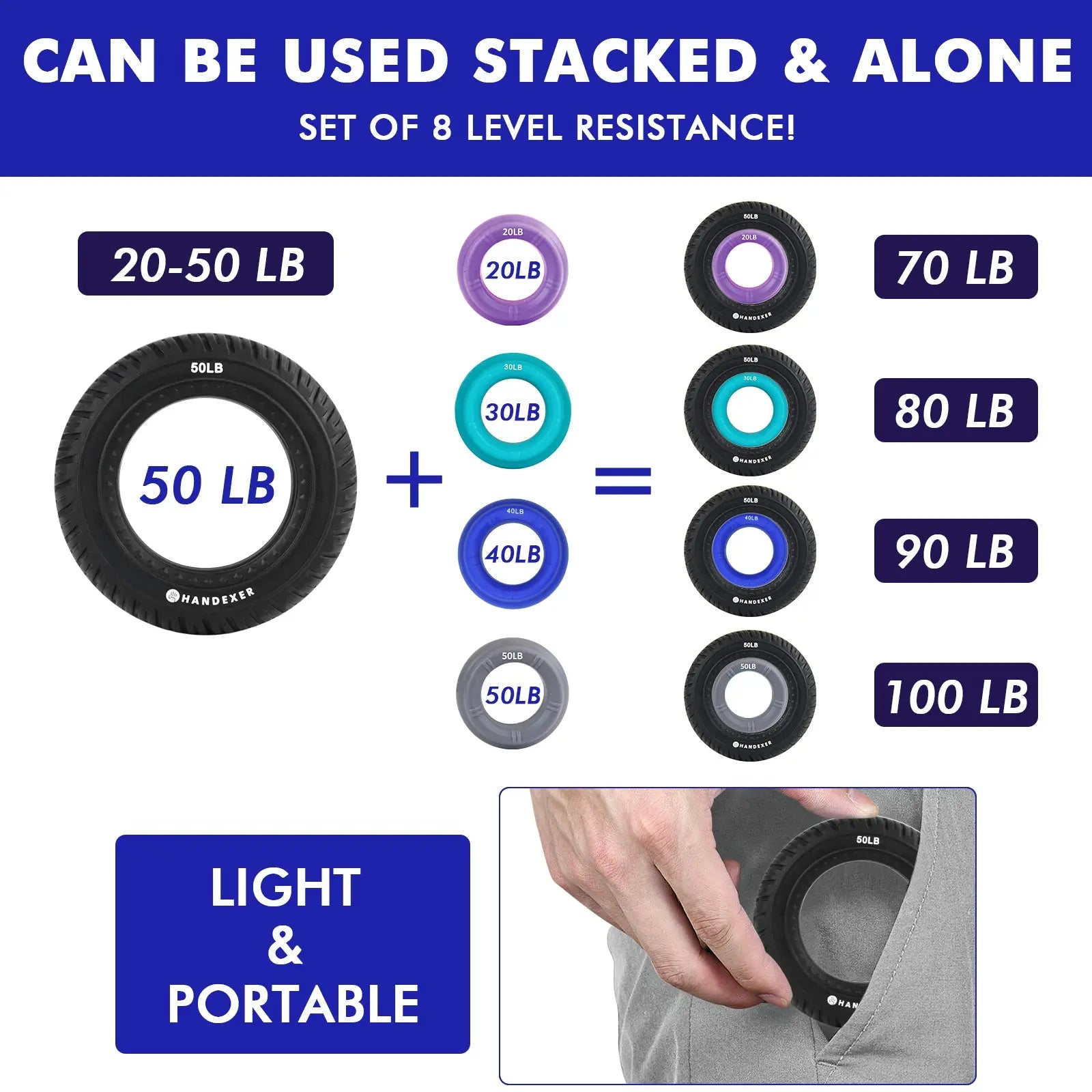
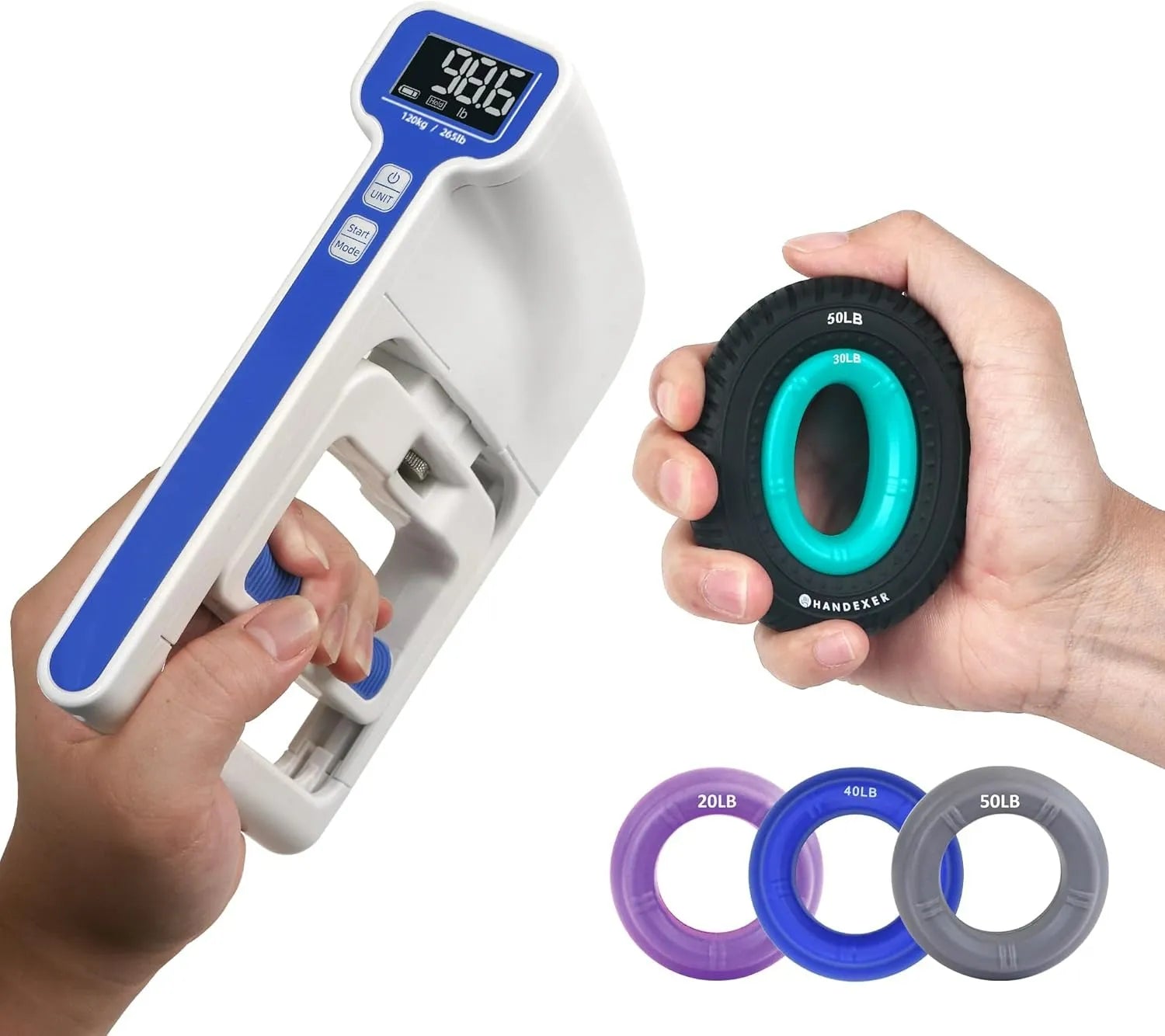
- Grip Strengtheners: For those looking for more targeted resistance, hand grip strengtheners are readily available. Start with a resistance level that allows for 10-15 repetitions and gradually increase as you get stronger.
Enhancing Dexterity and Fine Motor Control
Fine motor skills are critical for tasks requiring precision. These exercises help to improve coordination and the ability to manipulate small objects.
- Pick Up Objects: Place small items like coins, buttons, or beads on a table. Use your thumb and forefinger to pick them up one by one and place them into a container. This exercise directly improves pincer grasp and fine motor control.
- Finger Walks: Place your hand flat on a surface and "walk" your fingers across it, moving each finger independently to create different patterns or paths.
- Rubber Band Exercise: Place a rubber band around your fingers (close to the tips). Spread your fingers apart against the resistance of the band. Hold for a few seconds, then relax. Repeat 10-15 times. This strengthens the finger extensor muscles.
Important Tips for Safe and Effective Practice
To maximize the benefits of your hand exercises and prevent injury, it's important to approach them with care and attention.
- Warm-Up: Before starting any exercises, gently warm up your hands and wrists. This can involve gentle hand circles, finger wiggles, and light stretching for a few minutes.
- Listen to Your Body: Never push through sharp pain. Mild discomfort or muscle fatigue is normal, but sharp or persistent pain is a sign to stop and rest.
- Consistency is Key: Aim for regular practice, even if it's just for a few minutes each day. Consistency is more important than intensity.
- Proper Form: Focus on performing each movement slowly and deliberately, ensuring you are using the correct muscles and maintaining good posture.
- Progression: As your strength increases, you can gradually increase the repetitions, the duration of holds, the resistance, or the complexity of the exercises. However, always prioritize form over speed or quantity. If you're not sure what the best types of exercises are for you, ask your doctor or a physical therapist [source: NIH, 2023].
Beyond Exercises: Lifestyle Habits for Long-Lasting Hand Health
While targeted exercises are fundamental, integrating hand health into your broader lifestyle habits can amplify the benefits and contribute to sustained well-being. A holistic approach that includes nutrition, protection, and mindful daily habits can ensure your hands remain strong and functional for years to come.
Nourishing Your Hands from Within: The Role of Nutrition and Hydration
The health of your muscles, tendons, and joints is significantly influenced by your diet. A balanced diet rich in lean proteins supports muscle repair and growth, essential for combating sarcopenia. Calcium and Vitamin D are crucial for bone health, supporting the skeletal structure of the hands and wrists. Omega-3 fatty acids, found in fatty fish, flaxseeds, and walnuts, can help reduce inflammation, which is particularly beneficial for individuals with arthritis. Staying adequately hydrated is also vital, as water plays a key role in lubricating joints and maintaining the suppleness of connective tissues.
Smart Strategies for Daily Protection
Protecting your hands from daily wear and tear is a proactive measure that can prevent injury and discomfort. When engaging in activities that may stress your hands, such as gardening, doing household chores, or lifting heavy objects, consider using protective gear like gloves. For tasks involving repetitive motion or vibration, ensure you use ergonomic tools designed to minimize strain. Taking regular breaks during prolonged activities can also prevent fatigue and overuse injuries.
Integrating Hand Health into Your Routine
Making hand health a conscious part of your daily life is easier than you might think. This can involve simple rituals like performing a few finger stretches while watching television, incorporating STRESS ball squeezes during work breaks, or consciously practicing mindful movements throughout the day. Consider setting reminders on your phone for hand exercises or dedicating a specific time slot for a more comprehensive routine. The goal is to create sustainable habits that naturally support your hand strength and dexterity over the long term.
Understanding Potential Challenges: Common Conditions Affecting Hand Strength
While proactive exercise is key, it's important to be aware of common conditions that can affect hand strength and function, and to know when to seek professional advice. These conditions can range from inflammatory diseases to nerve compression issues, all of which can impact grip and dexterity.
Arthritis: Managing Pain and Stiffness in Joints
Arthritis is a prevalent condition that significantly impacts hand function. In 2019, about 528 million people worldwide were living with osteoarthritis; an increase of 113% since 1990 [source: World Health Organization, 2023]. Hand Osteoarthritis alone accounted for 10.37 million incidence cases and 194.28 million prevalence cases globally in 2021 [source: Frontiers, 2025]. Osteoarthritis, the "wear and tear" form, and rheumatoid arthritis, an autoimmune inflammatory disease, both affect the joints in the hands and wrists, causing pain, stiffness, swelling, and reduced range of motion. People with arthritis often experience a faster decline in grip strength and at younger ages [source: NIH, 2023]. While arthritis changes your grip from a structural perspective [source: NIH, 2023], regular, gentle exercises can help manage symptoms, improve joint mobility, and maintain muscle strength around the affected joints.
Women are three times more likely to have rheumatoid arthritis, and 60% of people with osteoarthritis are women [source: SingleCare, 2025]. This highlights the importance for women to be particularly aware of hand health and to implement preventative measures. Around 3.7 million (15%) people in Australia were estimated to be living with arthritis (excluding gout) in 2022 [source: Australian Institute of Health and Welfare, 2024], underscoring its widespread impact.
Nerve Compression Syndromes: Recognizing Symptoms
Nerve compression syndromes, such as carpal tunnel syndrome, can also severely impact hand function. Carpal tunnel syndrome occurs when the median nerve, which runs from your forearm into your palm, gets compressed as it passes through the carpal tunnel in your wrist. This can lead to numbness, tingling, and weakness in the hand, particularly affecting the thumb, index, middle, and part of the ring fingers. Symptoms often worsen at night. Early recognition and appropriate management, which may include specific exercises, splinting, or other therapies, are crucial to prevent permanent nerve damage and loss of function.
Other Factors: Parkinson's Disease and Frailty
Conditions like Parkinson's disease can also affect hand dexterity and motor control due to neurological changes impacting muscle function and coordination. Furthermore, general frailty, often associated with aging and chronic illness, can manifest as reduced muscle strength throughout the body, including the hands, exacerbating the risk of falls and functional decline. Recognizing how these and other conditions may influence hand strength is key to seeking appropriate medical support and adapting exercise routines.
When to Seek Professional Guidance
While many hand exercises are safe for general practice, it's essential to know when to consult healthcare professionals. They can provide personalized advice, diagnose specific conditions, and develop tailored treatment plans to ensure the best outcomes for your hand health.
Warning Signs: When to Consult a Doctor
Persistent or severe hand pain, significant loss of grip strength that hinders daily activities, sudden numbness or tingling, swelling that doesn't subside, visible deformities, or a noticeable decrease in range of motion are all reasons to consult a doctor. If you suspect you have a condition like arthritis or carpal tunnel syndrome, seeking a medical diagnosis is the first step toward effective management. A doctor can perform necessary examinations, order imaging tests if needed, and discuss treatment options.
Who Can Help: Understanding Your Support Team
Your healthcare team for hand health can include several specialists. Your primary care doctor is often the first point of contact for initial assessment and referral. Rheumatologists specialize in arthritis and other inflammatory conditions. Orthopedic surgeons can address bone, joint, and tendon issues. Physical therapists (PTs) and occupational therapists (OTs) are crucial for rehabilitation and developing exercise programs. A program at the University of Michigan showed MOW (Meals on Wheels) clients improved their grip strength an average of 42% in the dominant hand and 26% in the non-dominant hand after an 8-week intergenerational upper limb-based intervention program, demonstrating the effectiveness of targeted therapy [source: NIH, 2023]. OTs, in particular, are skilled in creating customized therapy plans to improve hand function for daily living and specific hobbies.
Conclusion: Empowering Your Journey to Graceful Aging
The strength and dexterity of your hands are far more than just functional tools; they are integral to your independence, your engagement with life, and your overall sense of well-being as you age. By understanding the natural changes that occur and embracing a proactive approach to hand health, you can empower yourself to navigate the aging process with grace and vitality.
Reclaim Your Independence: The Lasting Benefits of Strong Hands
Investing in hand strength is an investment in your autonomy. The ability to perform daily tasks with ease, to continue enjoying beloved hobbies, and to maintain social connections are all profoundly impacted by the capabilities of your hands. Strong hands are a powerful asset that allows you to live life on your own terms, fostering a sense of confidence and self-reliance that is invaluable as you age.
A Proactive Approach to a Fulfilling Future
The simple exercises and lifestyle habits discussed in this article offer a clear path toward improved hand health. Remember that consistency, patience, and listening to your body are key. Even small, regular efforts can yield significant long-term rewards. By integrating these practices into your routine, you are actively working towards a future where your hands remain strong, capable, and supportive of a rich and fulfilling life.
Embrace the Power in Your Hands, Embrace a Life of Graceful Aging
Your hands are a testament to your ability to interact with and shape your world. By prioritizing their strength and health, you are not just performing exercises; you are actively choosing to embrace a future filled with independence, engagement, and the enduring grace that comes from maintaining your vitality. Start today, and unlock the lasting power within your palms.













Share:
How to Build a Daily Hand Exercise Routine for Better Grip Strength
What Is Normal Grip Strength? Age & Gender Chart (2026 Guide)