
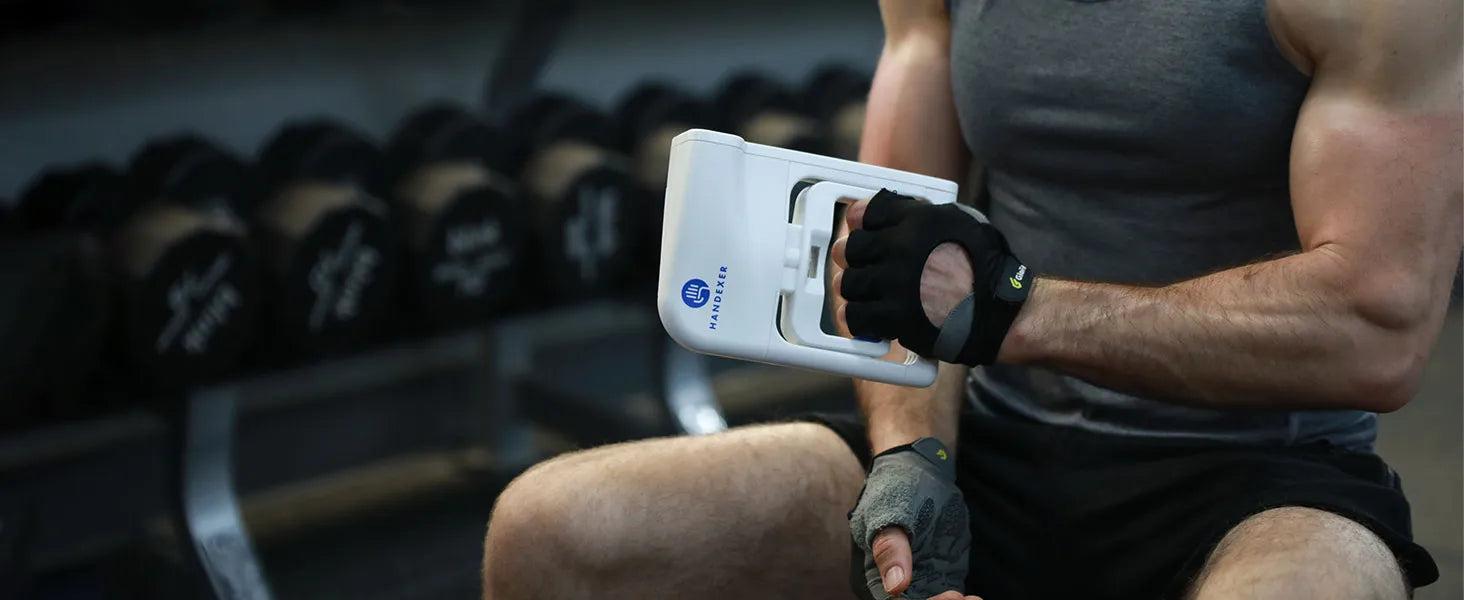
Strength Plateau? Your Grip Might Be the Problem
You’re training consistently. Your nutrition is on point. Sleep is decent.
Yet your deadlift hasn’t moved in months. Your pull-ups stall halfway. Your forearms burn out before your back does.
If you’re stuck in a strength plateau, your grip strength might be the hidden limiter.
Most lifters focus on big muscle groups. Few realize that grip strength often acts as the gatekeeper to total-body performance. And here’s the truth:
You cannot improve what you do not measure.
What Is a Strength Plateau?
A strength plateau happens when your performance stops improving despite consistent training, nutrition, and recovery. It often signals a limiting factor—neurological, muscular, or mechanical—that is preventing further progress.
Plateaus are frustrating because they’re rarely obvious. You assume your program needs adjusting. You add volume. You increase intensity.
But what if the real issue isn’t your legs, chest, or back?
What if it’s your hands?
Why Grip Strength Is the Silent Limiter
Grip strength connects your nervous system to the barbell. If your grip fails, your lift fails—regardless of how strong the target muscles are.
1. Deadlifts: The Grip Bottleneck
You may have the posterior chain strength to pull heavier weight.
But if your fingers can’t maintain tension, the bar slips before your glutes and hamstrings are fully challenged.
Result? Your lower body never reaches true overload.
2. Pull-Ups and Rows: Forearm Fatigue First
Many athletes experience forearm fatigue before their lats are even close to failure.
When grip gives out early:
-
Volume decreases
-
Time under tension drops
-
Back development slows
Over time, this creates the illusion of a back plateau—when in reality, it’s a grip endurance issue.
3. Bench Press and Upper Body Stability
Even pressing movements rely on grip.
A stronger grip improves:
-
Neural activation
-
Shoulder stability
-
Force transmission through the kinetic chain
This is known as irradiation—the neurological phenomenon where gripping harder increases overall muscular activation.
Weak grip means weaker output.
How Do You Know If Grip Is Your Limiter?
If your forearms fatigue before larger muscle groups, the bar slips during heavy lifts, or you rely heavily on straps, your grip strength is likely limiting your progress. Objective measurement confirms whether it’s a true weakness.
Most athletes guess.
But guessing doesn’t break plateaus.
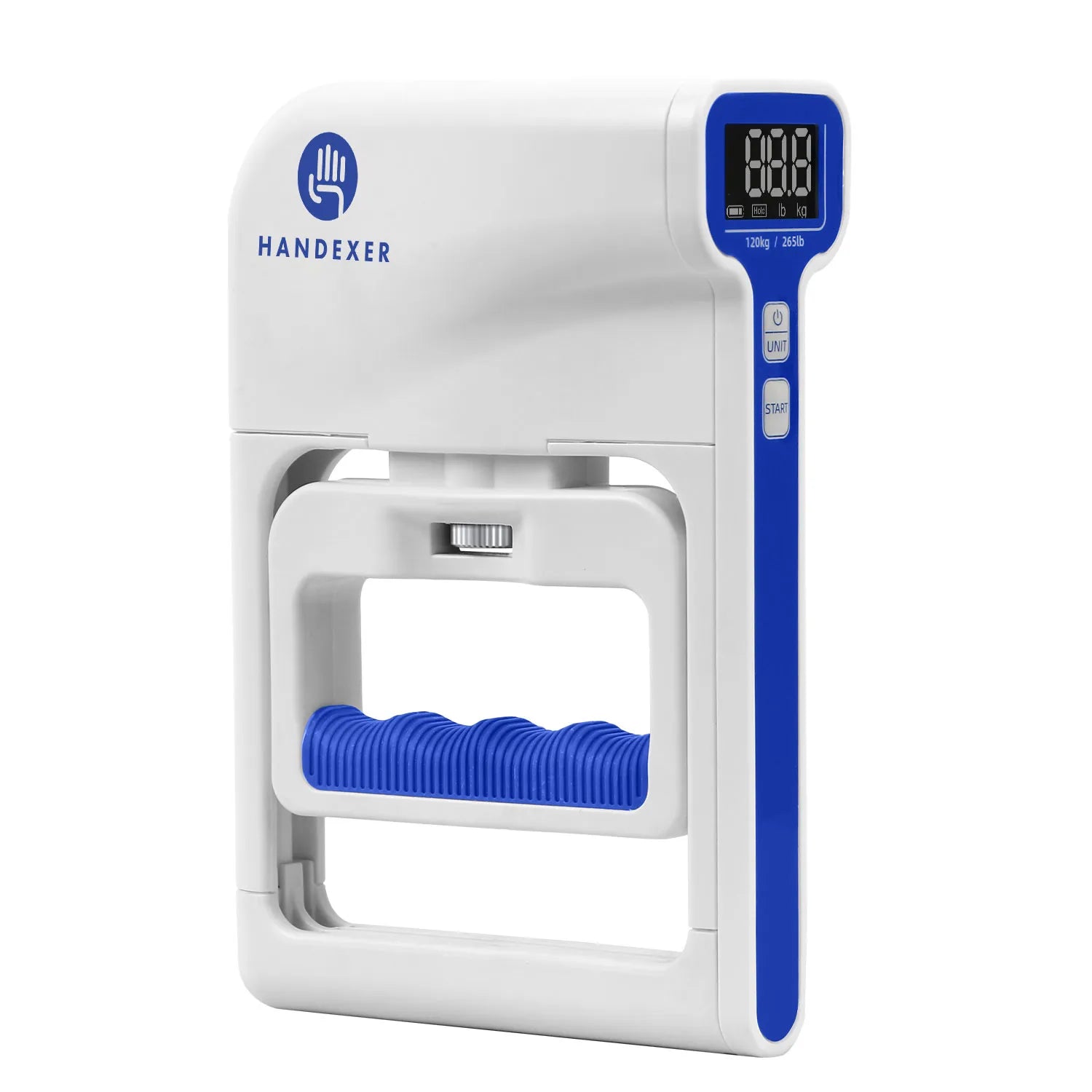
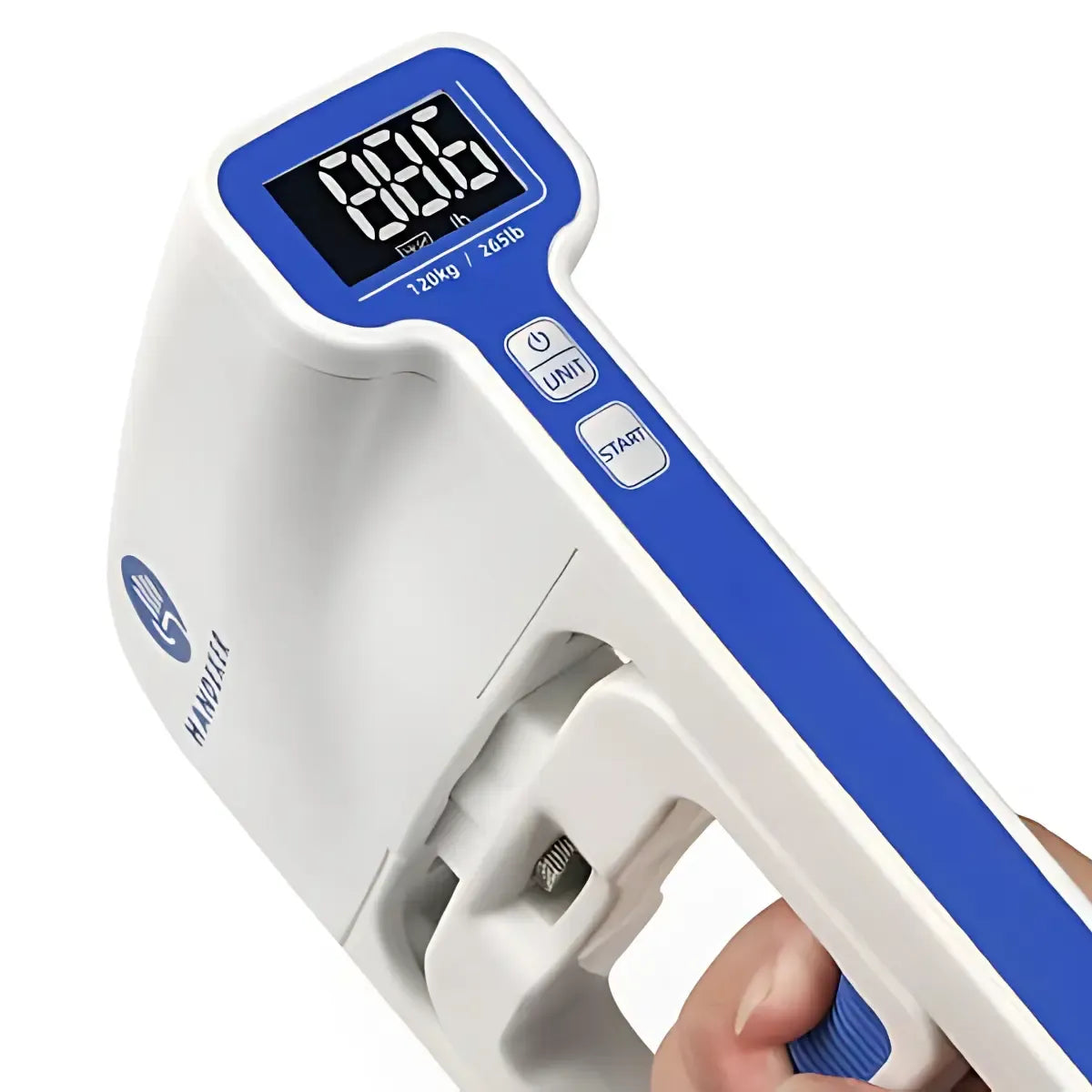
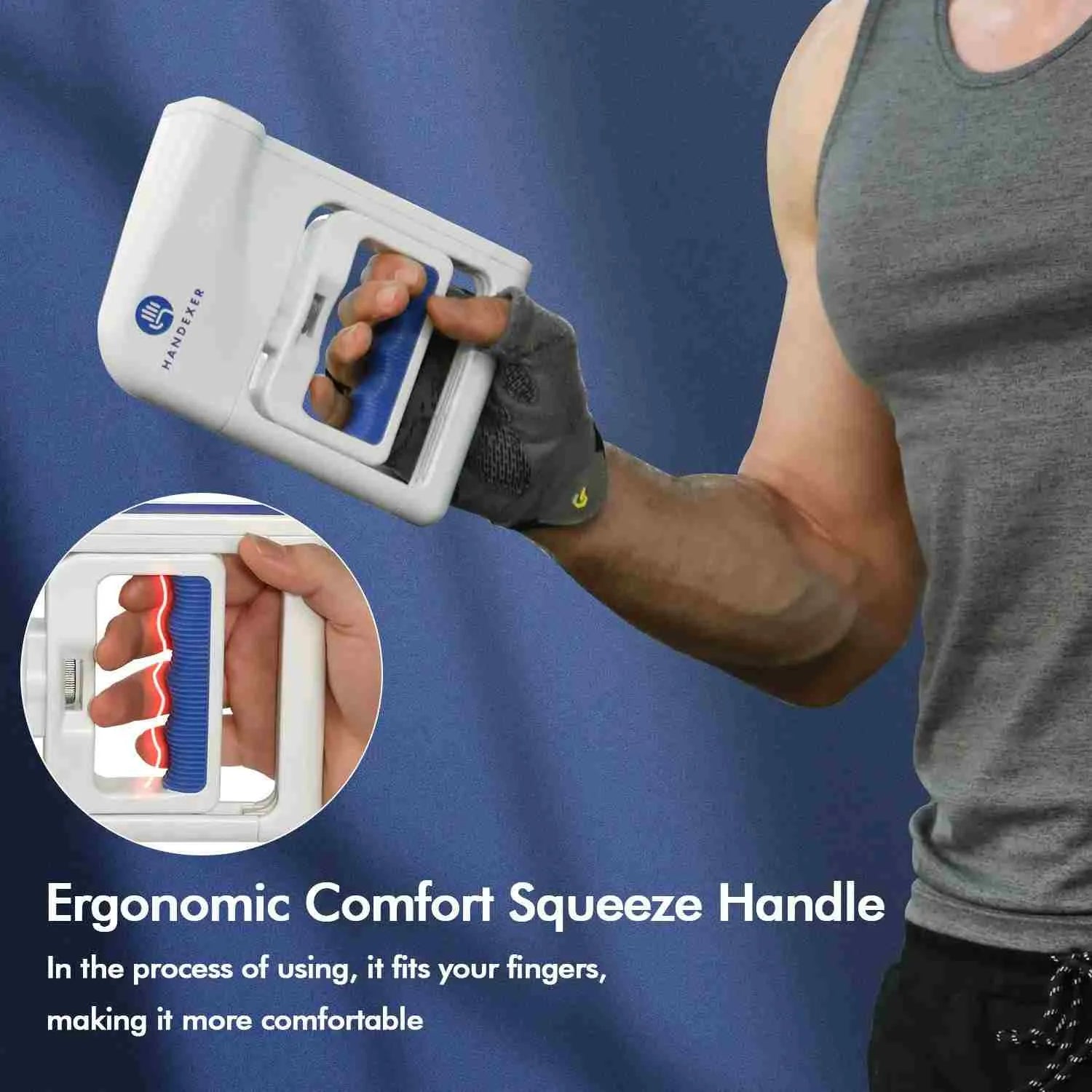
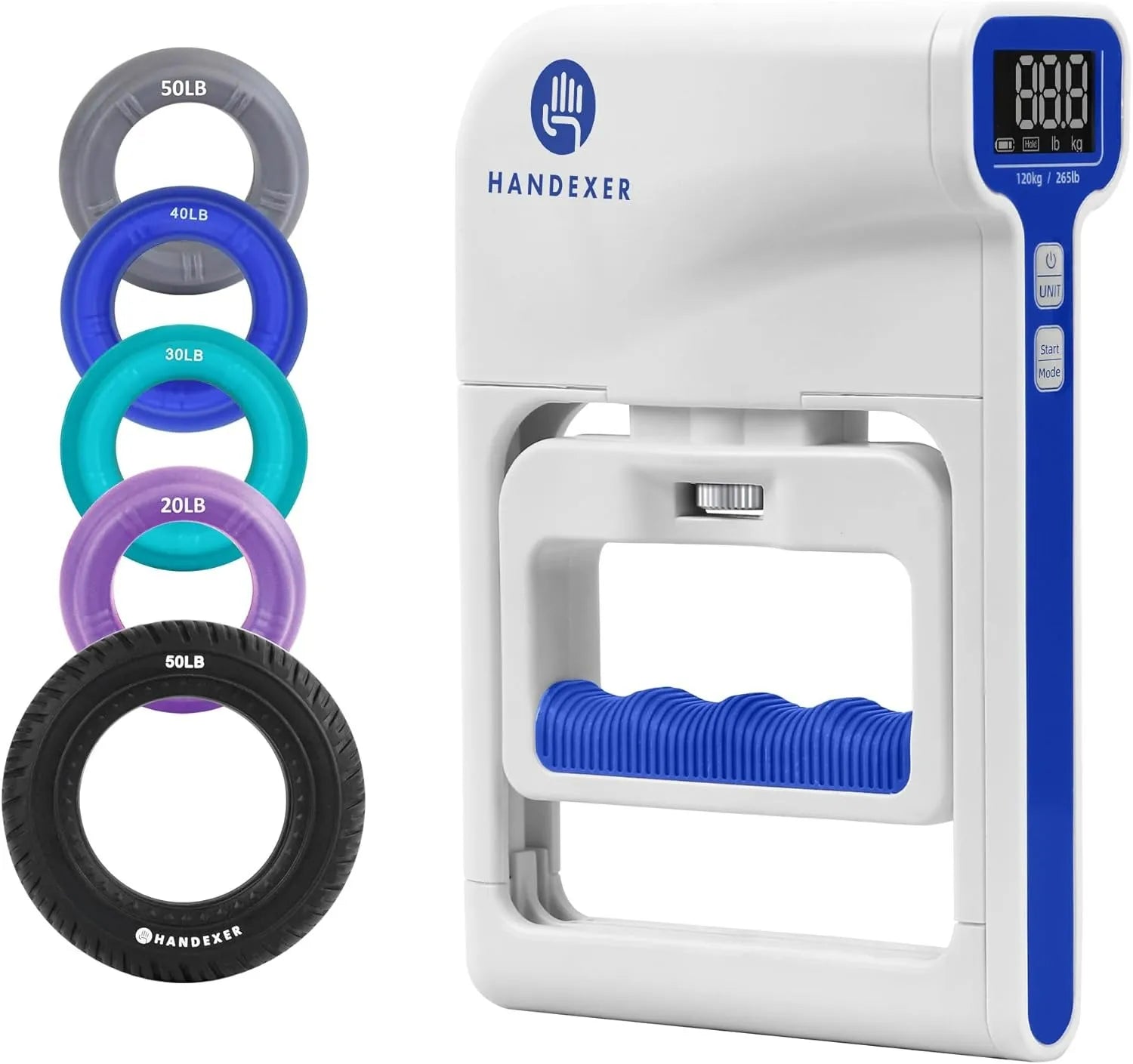
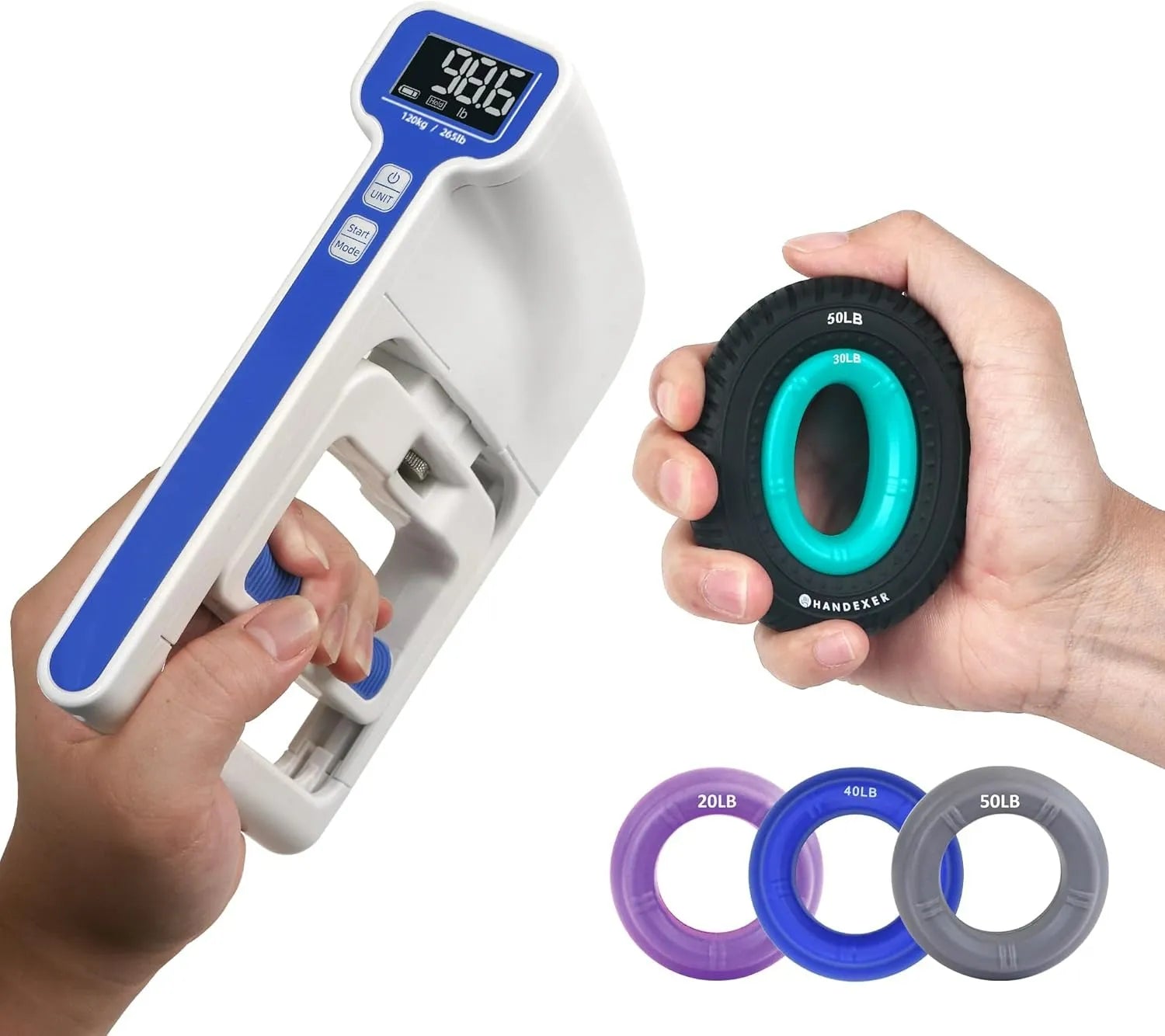
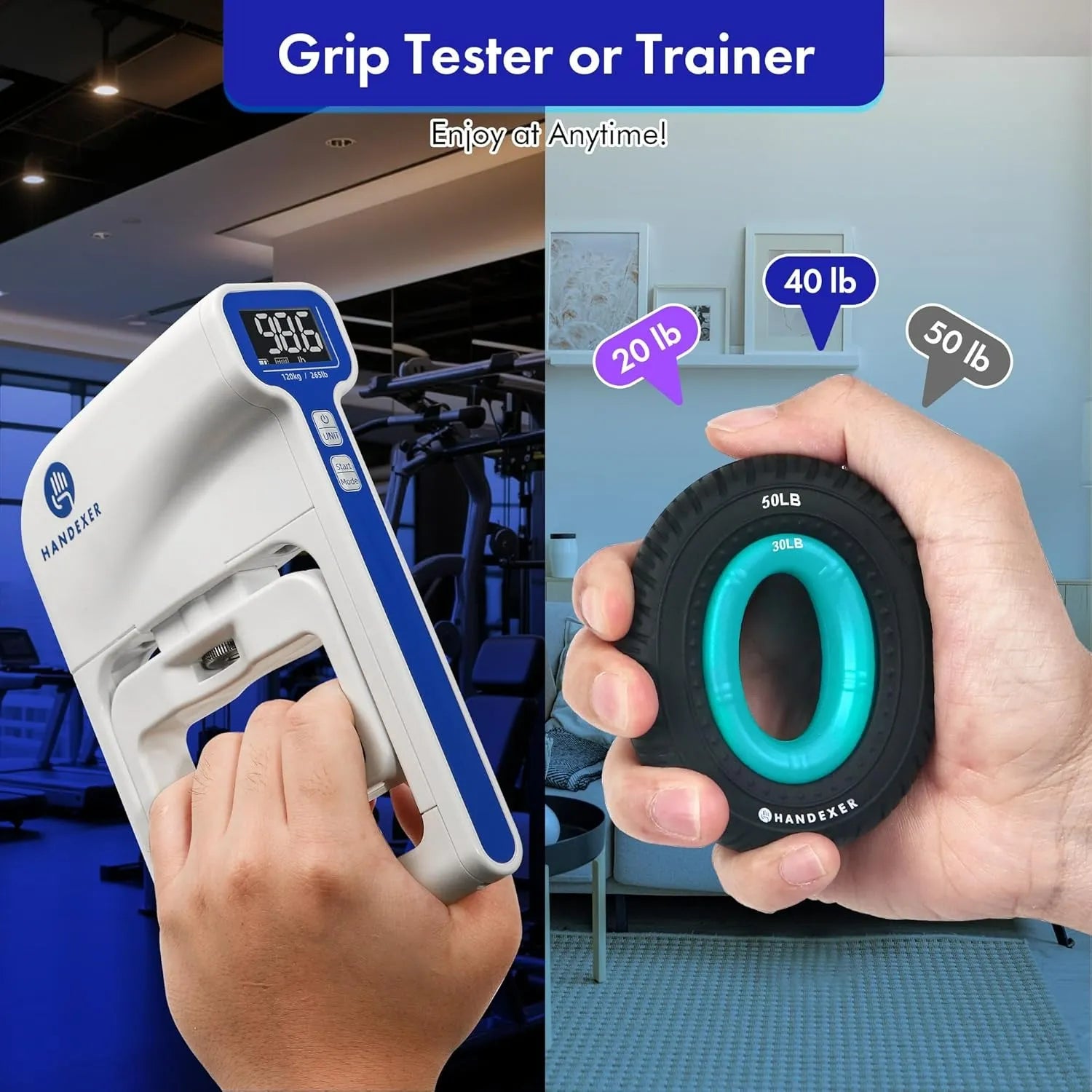
This is where objective tracking matters. Using a professional digital hand dynamometer allows you to:
-
Check your baseline grip strength
-
Compare left vs. right hand imbalances
-
Track weekly improvements
-
Identify when progress stalls
If you’ve never measured it, it’s time to check your baseline grip strength and see the numbers for yourself.
Because if you don’t know your current capacity, you can’t program intelligently.
What Is Considered Strong Grip Strength for Lifters?
Grip strength varies by age, gender, and training background. However, for male lifters:
-
100–120 lbs: Average
-
120–160 lbs: Strong
-
160+ lbs: Advanced
For female lifters:
-
60–80 lbs: Average
-
80–110 lbs: Strong
-
110+ lbs: Advanced
Serious strength athletes often exceed these numbers.
But here’s the key: your personal trend matters more than comparison.
Tracking progression over time gives you clarity. The Handexer 265lb/120kg Digital Hand Dynamometer is designed specifically for high-capacity athletes who need precise tracking—not guesswork.
The 4-Week Grip Challenge to Break Your Plateau
If you suspect grip is holding you back, try this structured approach:
Week 1: Establish Baseline
Measure both hands three times and record the highest score.
This is your starting point. Use a consistent position and time of day.
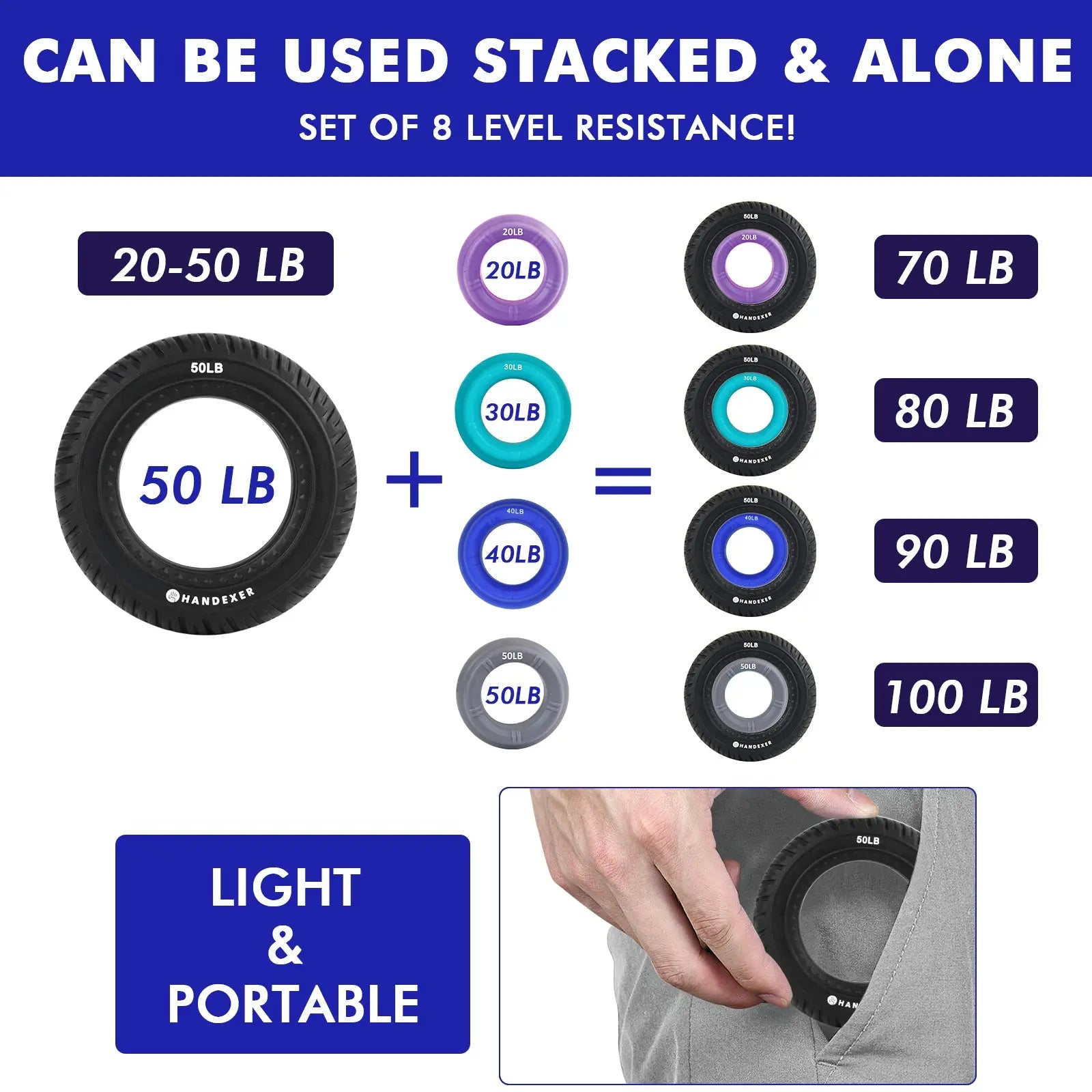
Week 2–3: Targeted Grip Training
Add:
-
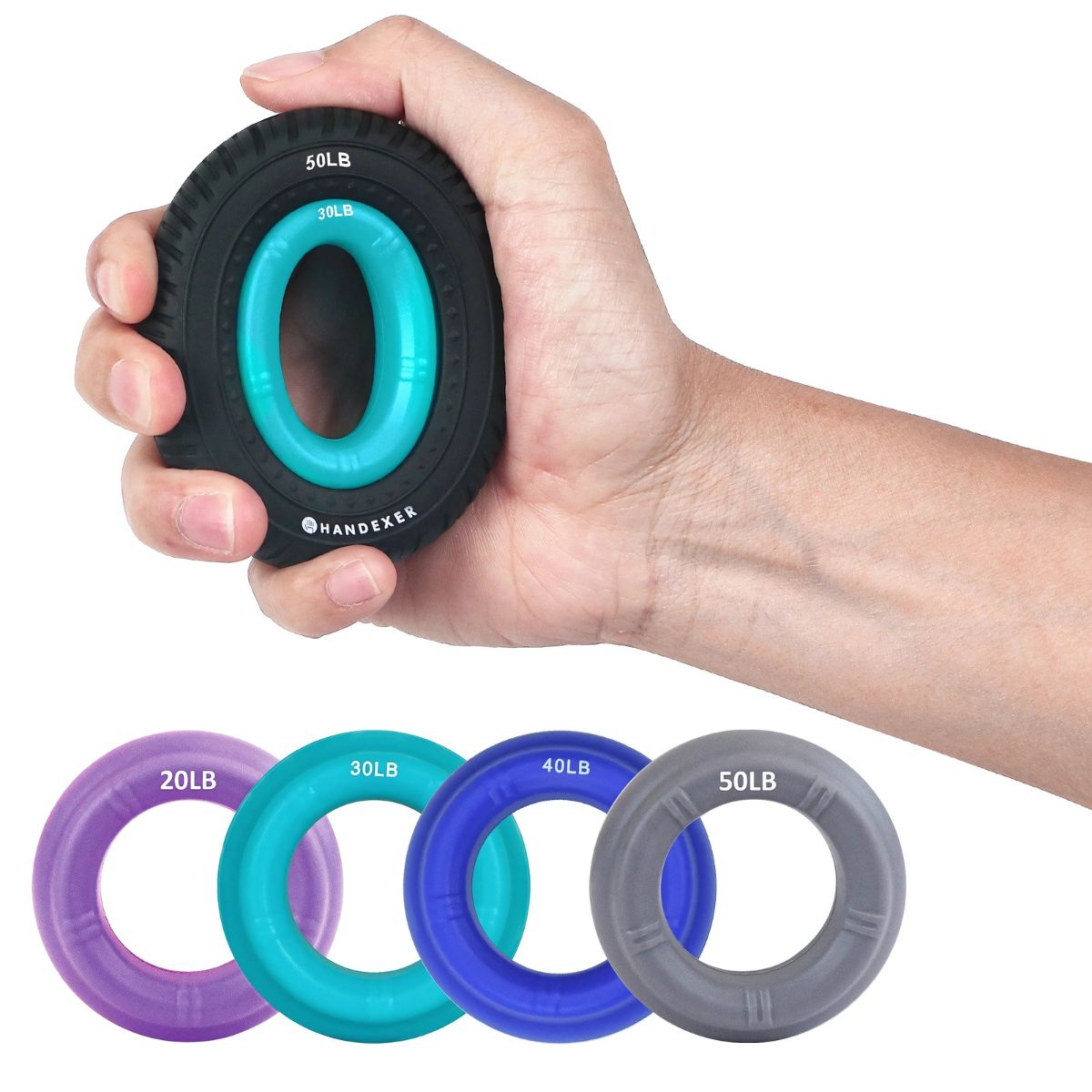
Farmer’s carries
-
Heavy holds
-
Plate pinches
-
Dead hangs
Train grip 2–3 times per week after main lifts.
Week 4: Re-Test
Re-measure under identical conditions.
If your numbers improve, you’ve identified a true bottleneck. If not, your plateau may lie elsewhere.
Either way, you now have data—not assumptions.
To stay consistent, many athletes use a multi-profile dynamometer to start your grip challenge and monitor weekly changes accurately.
Why Measurement Changes Everything
Elite athletes track:
-
1RM progression
-
Bar speed
-
Heart rate variability
-
Body composition
Why should grip be any different?
Grip strength is not just a forearm metric. It’s a neurological output indicator.
If your numbers drop, it may signal:
-
Central fatigue
-
Overtraining
-
Recovery deficits
In other words, grip strength can act as a performance dashboard.
And dashboards require instruments.
Final Thought: Remove the Weak Link
Plateaus aren’t random.
They’re signals.
Sometimes the limiting factor isn’t obvious. It’s not your legs. Not your chest. Not your programming.
It’s the one thing connecting you to the weight.
Your grip.
Before changing your entire training split, before adding more volume, before blaming genetics—measure the variable that might be silently capping your performance.
Because you cannot improve what you do not measure.
FAQ
1. Can weak grip really limit strength gains?
Yes. If your grip fails before your prime movers, you cannot fully stimulate larger muscle groups. Over time, this prevents progressive overload and contributes to strength plateaus.
2. How often should I test my grip strength?
For performance tracking, once per week under consistent conditions is ideal. Avoid testing immediately after heavy pulling sessions.
3. Should I use lifting straps if my grip is weak?
Straps can help overload target muscles temporarily, but they shouldn’t replace direct grip training. Measure and improve your grip alongside main lifts.
4. What grip strength is considered elite?
Elite male lifters often exceed 160 lbs per hand. Elite female lifters often exceed 110 lbs. However, consistent improvement is more important than comparison.






Share:
How to Improve Grip Strength at Home (Science-Backed Guide)
What Does Weak Grip Strength Mean? Health Risks Explained