
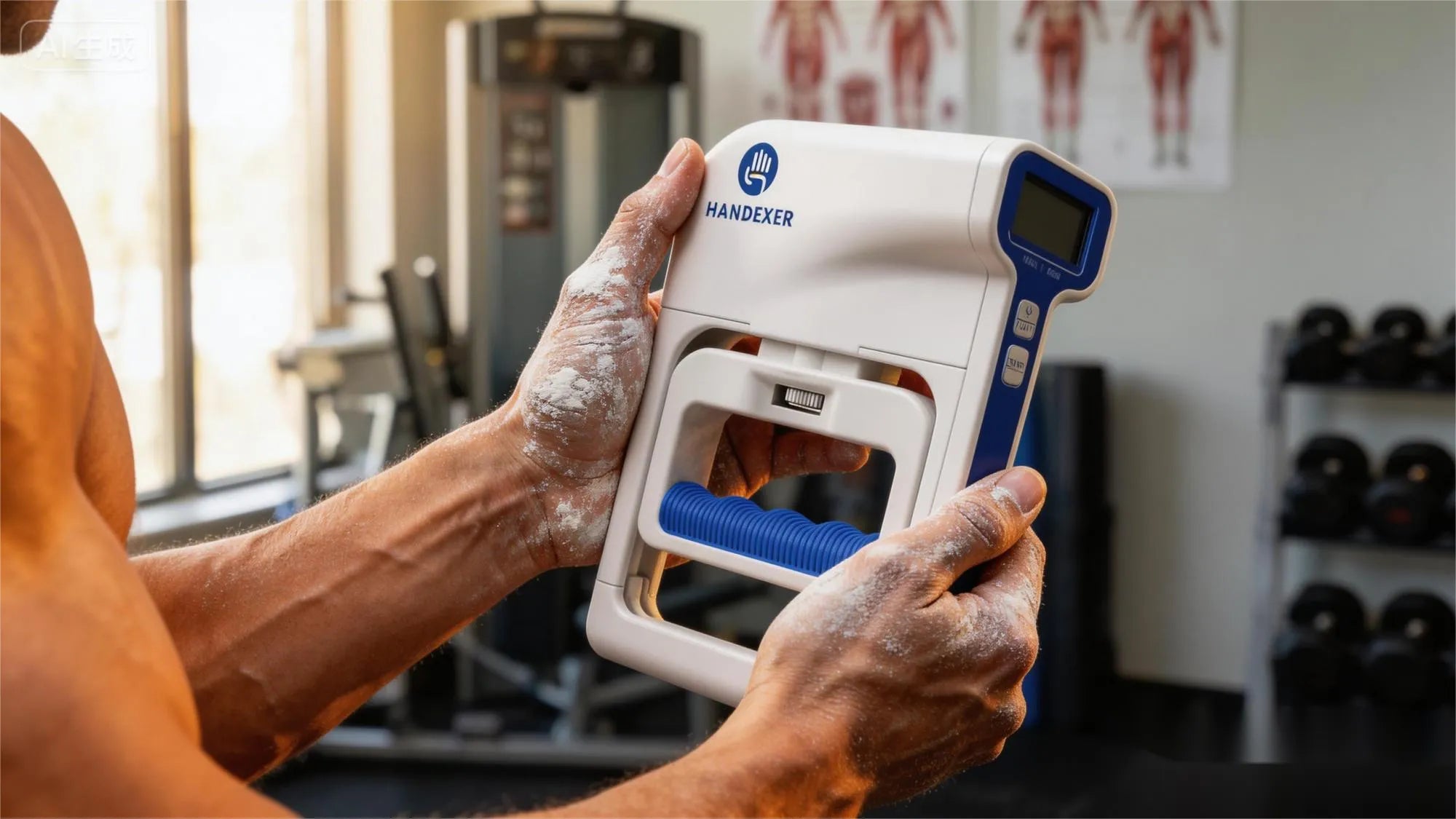
You might think grip strength only matters if you're a climber or powerlifter.
But research shows something surprising: weak grip strength is strongly linked to overall health, aging, and even mortality risk.
If your handshake feels weaker than it used to — or you struggle to open jars — your body may be signaling something deeper.
Let’s break down what weak grip strength really means, what’s considered “normal,” and how to measure it accurately.
What Does Weak Grip Strength Mean?
Weak grip strength generally indicates reduced muscle function and may be associated with aging, poor nutrition, sedentary lifestyle, neurological decline, or increased risk of chronic disease. Studies show it can predict overall strength, mobility, and long-term health outcomes.
Grip strength isn’t just about your hands.
It reflects:
-
Total-body muscle mass
-
Nervous system efficiency
-
Hormonal balance
-
Cardiovascular health
-
Biological aging
In fact, some clinicians call it a “vital sign of aging.”
Why Is Grip Strength a Health Predictor?
1. It Reflects Whole-Body Strength
Your hands don’t work in isolation.
Grip strength correlates strongly with:
-
Leg strength
-
Core stability
-
Bone density
-
Functional independence
If grip strength declines, overall muscle performance often follows.
2. It Predicts Long-Term Health Risk
Large-scale studies have found that lower grip strength is associated with:
-
Higher risk of cardiovascular disease
-
Increased fall risk in older adults
-
Slower post-surgery recovery
-
Increased mortality risk
This doesn’t mean weak grip = illness.
But it’s a measurable biomarker worth tracking.
3. It Signals Neurological Health
Grip strength depends on:
-
Motor neuron firing
-
Muscle fiber recruitment
-
Coordination
Declines may reflect nervous system inefficiency — especially after stroke, injury, or nerve compression (like carpal tunnel syndrome).
That’s why many rehab professionals use grip dynamometers to monitor recovery progress over time.
What Is Considered Weak Grip Strength?
Below is a simplified reference chart based on population averages.
Normal Grip Strength by Age & Gender (kg)
| Age Group | Men (Average) | Women (Average) | Below This May Be Considered Weak |
|---|---|---|---|
| 20–29 | 46–52 kg | 27–31 kg | < 35 kg (M) / < 20 kg (F) |
| 30–39 | 44–50 kg | 25–29 kg | < 33 kg (M) / < 18 kg (F) |
| 40–49 | 41–47 kg | 23–27 kg | < 30 kg (M) / < 16 kg (F) |
| 50–59 | 36–42 kg | 20–24 kg | < 26 kg (M) / < 14 kg (F) |
| 60+ | 30–36 kg | 17–21 kg | < 22 kg (M) / < 12 kg (F) |
Values may vary slightly by region and methodology.
🔎 Top Tip: If you’ve never tested your grip objectively, the first step is to check your baseline grip strength instead of relying on how “strong” you feel.
Common Causes of Weak Grip Strength
Weak grip is usually multi-factorial.
Lifestyle Factors
-
Sedentary behavior
-
Poor protein intake
-
Lack of resistance training
-
Chronic stress
Medical Factors
-
Sarcopenia (age-related muscle loss)
-
Stroke
-
Carpal tunnel syndrome
-
Arthritis
-
Diabetes
-
Neuromuscular disorders
Aging
After age 40, muscle mass declines roughly 1% per year without intervention.
Grip strength often declines even earlier if strength training is absent.
How to Accurately Test Your Grip Strength at Home
Guessing doesn’t work. Squeezing a tennis ball doesn’t count.
To obtain valid data, you need:
-
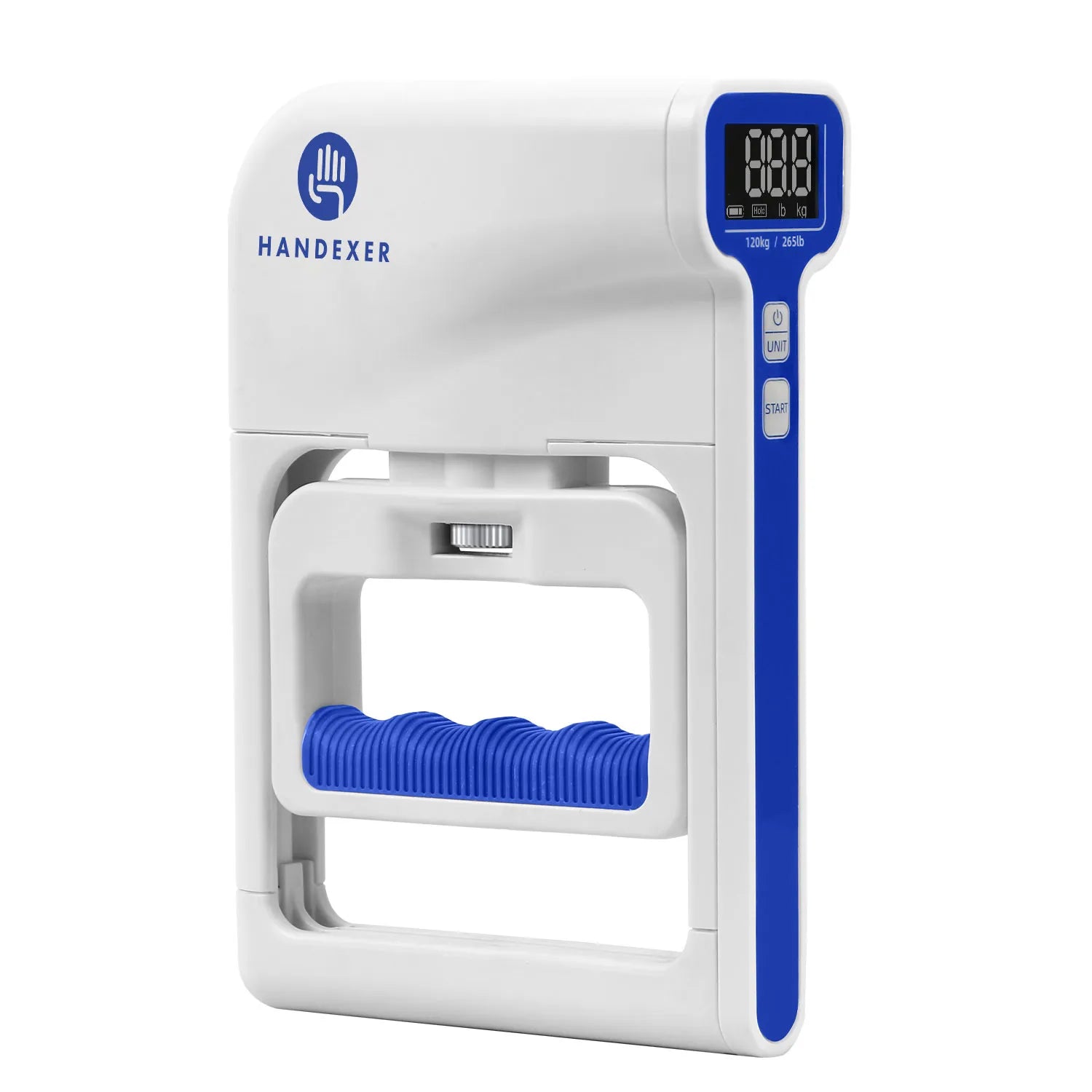
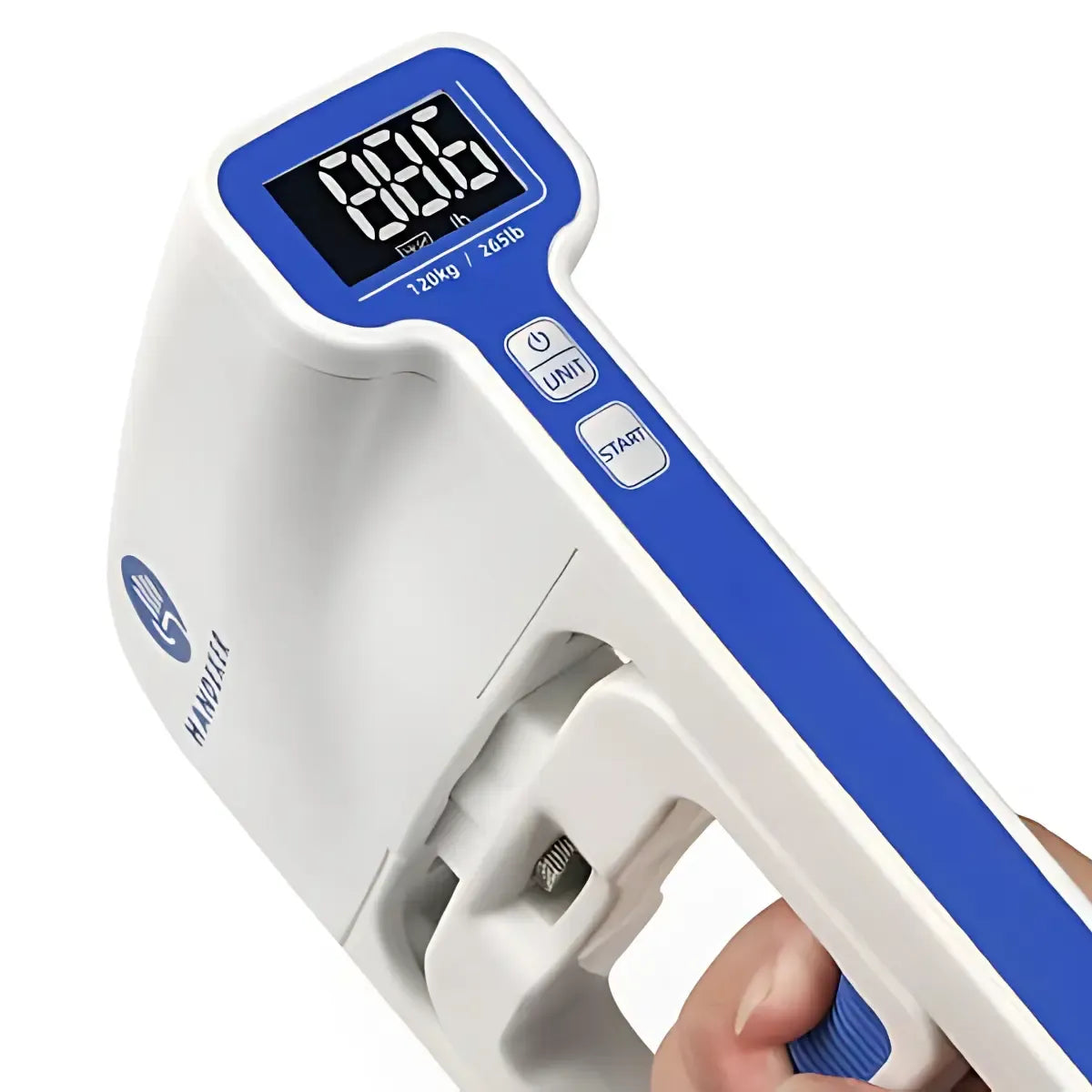
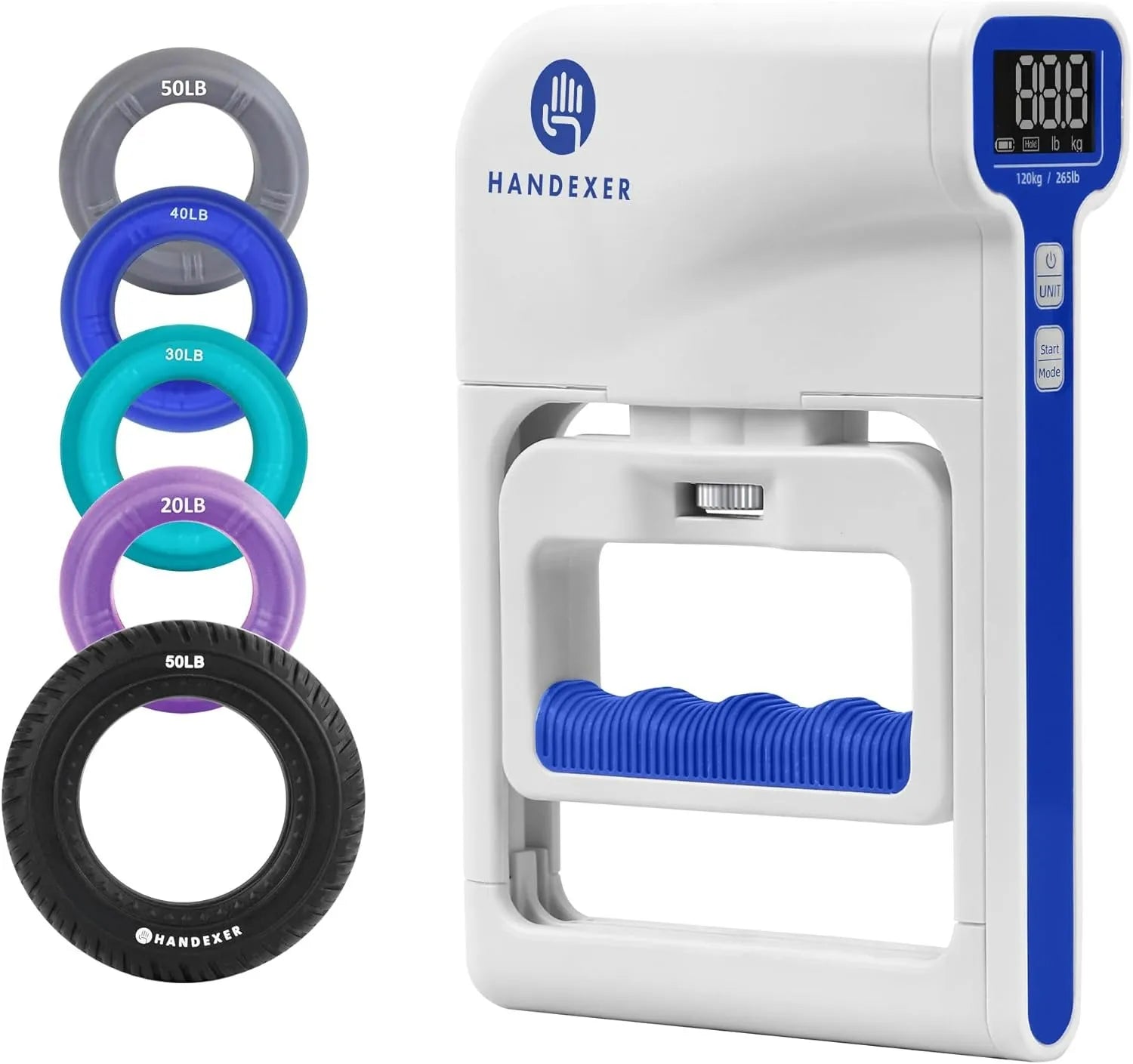
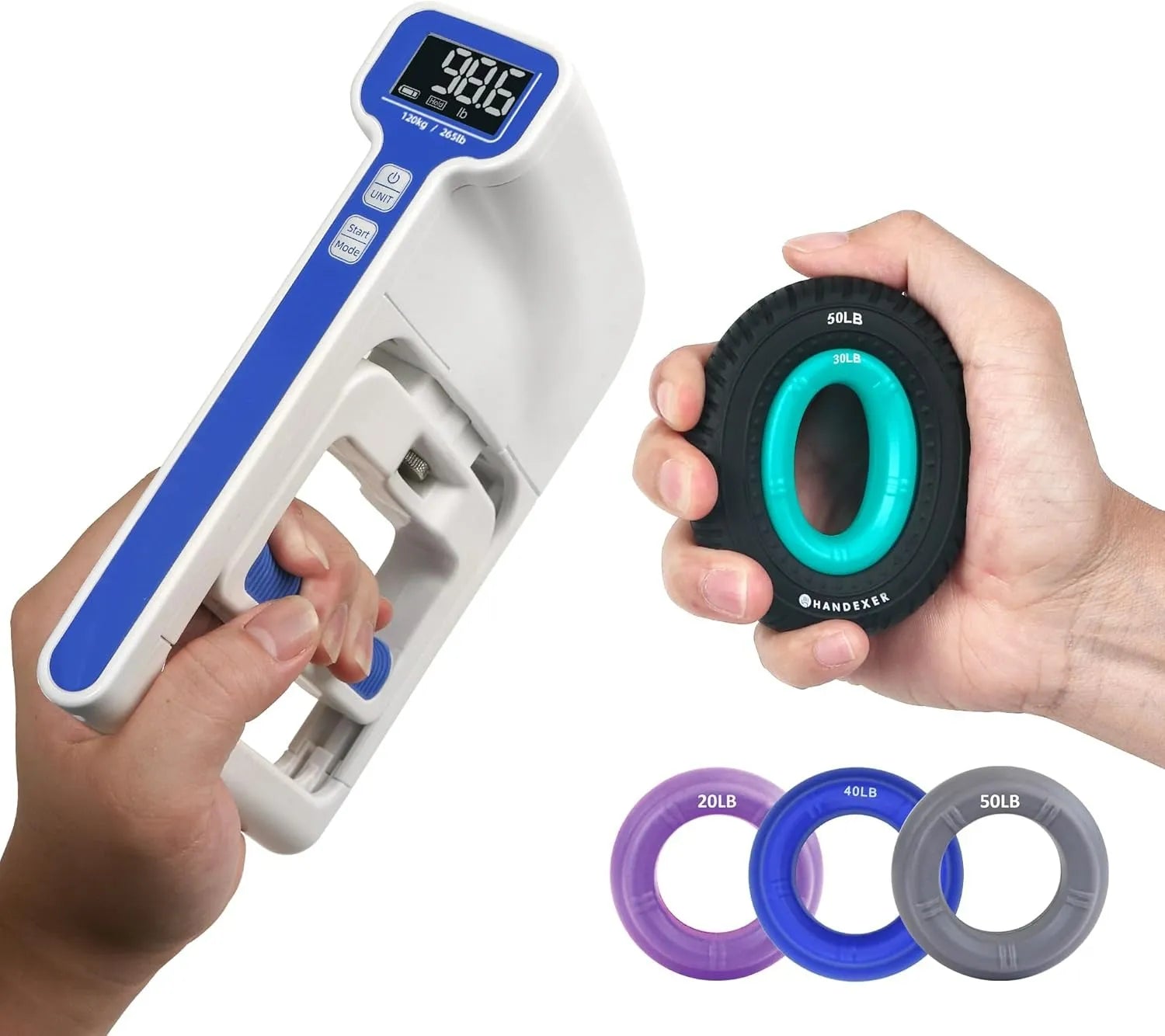
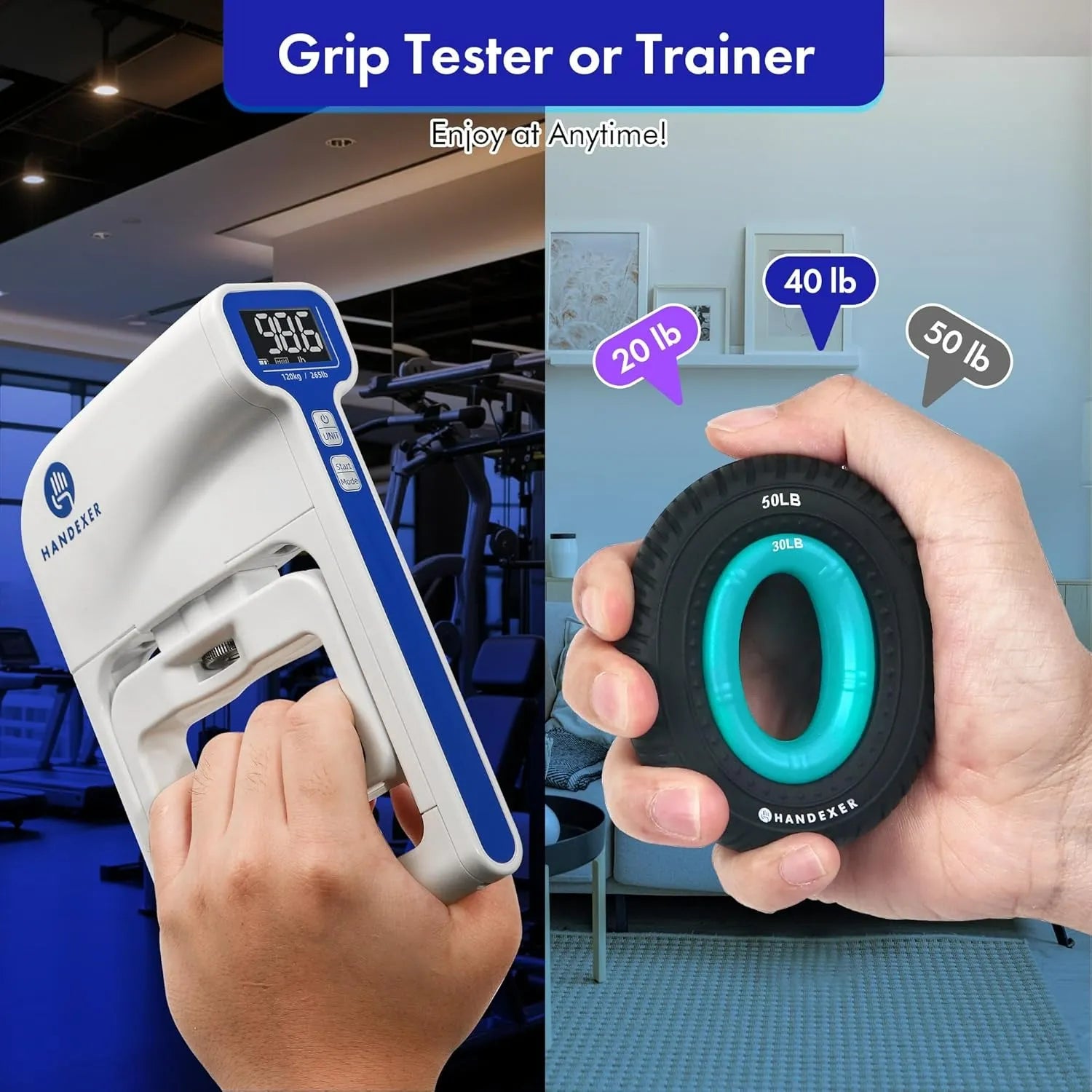
A calibrated digital hand dynamometer
-
Consistent posture (elbow at 90°)
-
3 attempts per hand
-
Record highest value
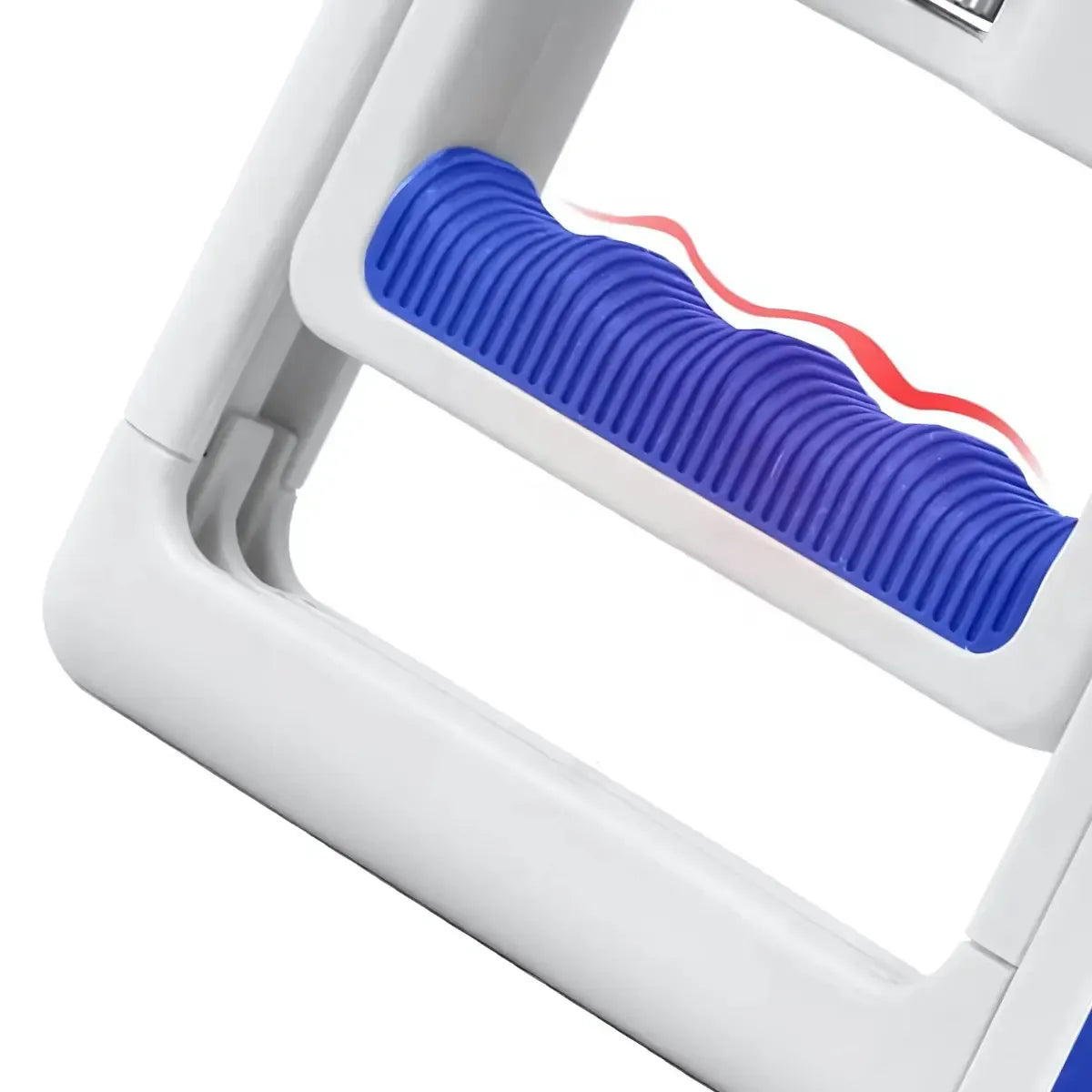
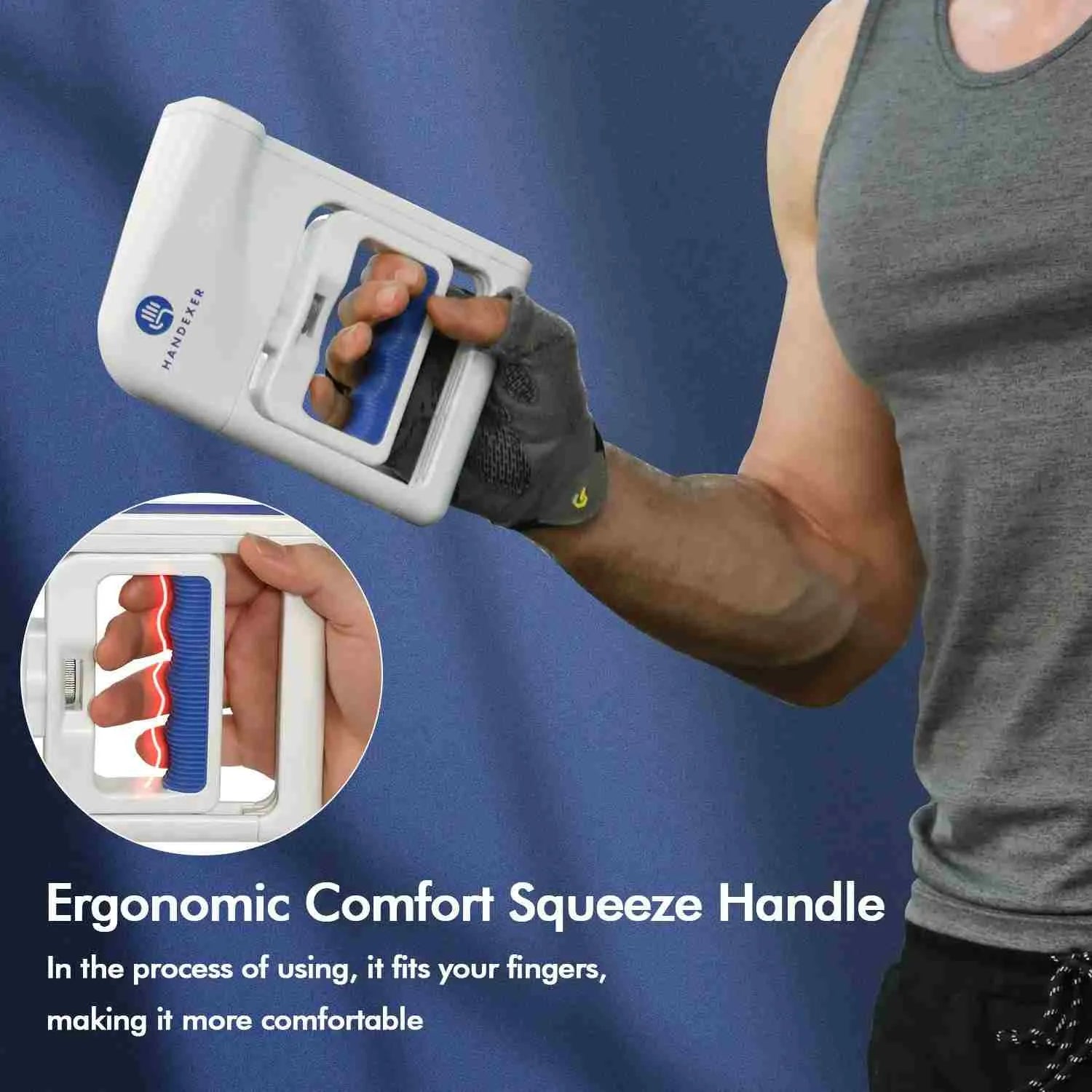
For precise long-term tracking, many users choose to start your grip challenge with a device that supports:
-
Age & gender input
-
User memory profiles
-
High precision measurement
-
Ergonomic comfort
That’s why consistent measurement matters more than single-day performance.
👉 Pro Tip:A high-capacity 265lb / 120kg dynamometer ensures accurate readings for both beginners and athletes.
How to Improve Weak Grip Strength
The good news?
Grip strength is trainable at any age.
1. Progressive Resistance Training
-
Deadlifts
-
Farmer’s carries
-
Pull-ups
-
Plate pinches
2. Direct Grip Training
-
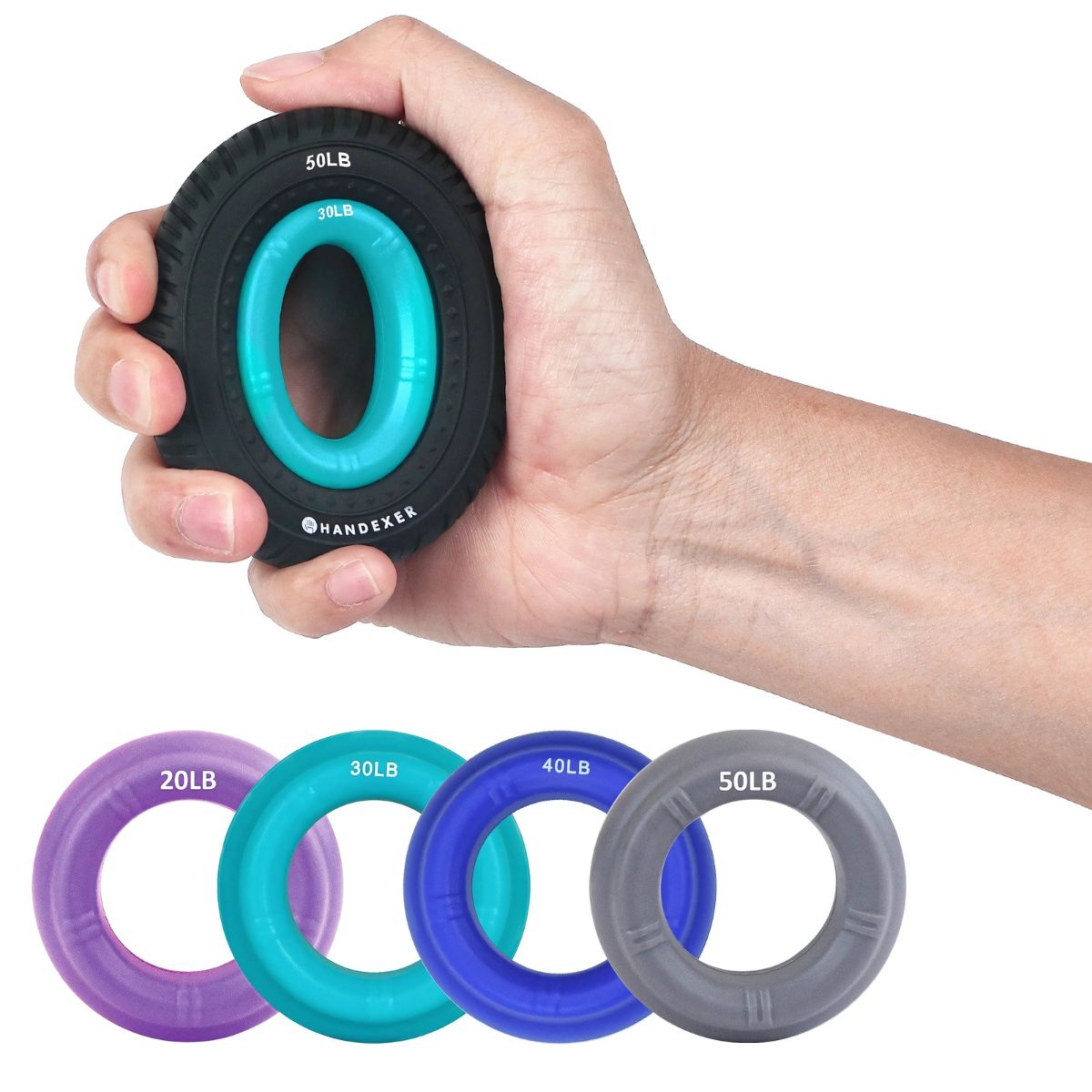
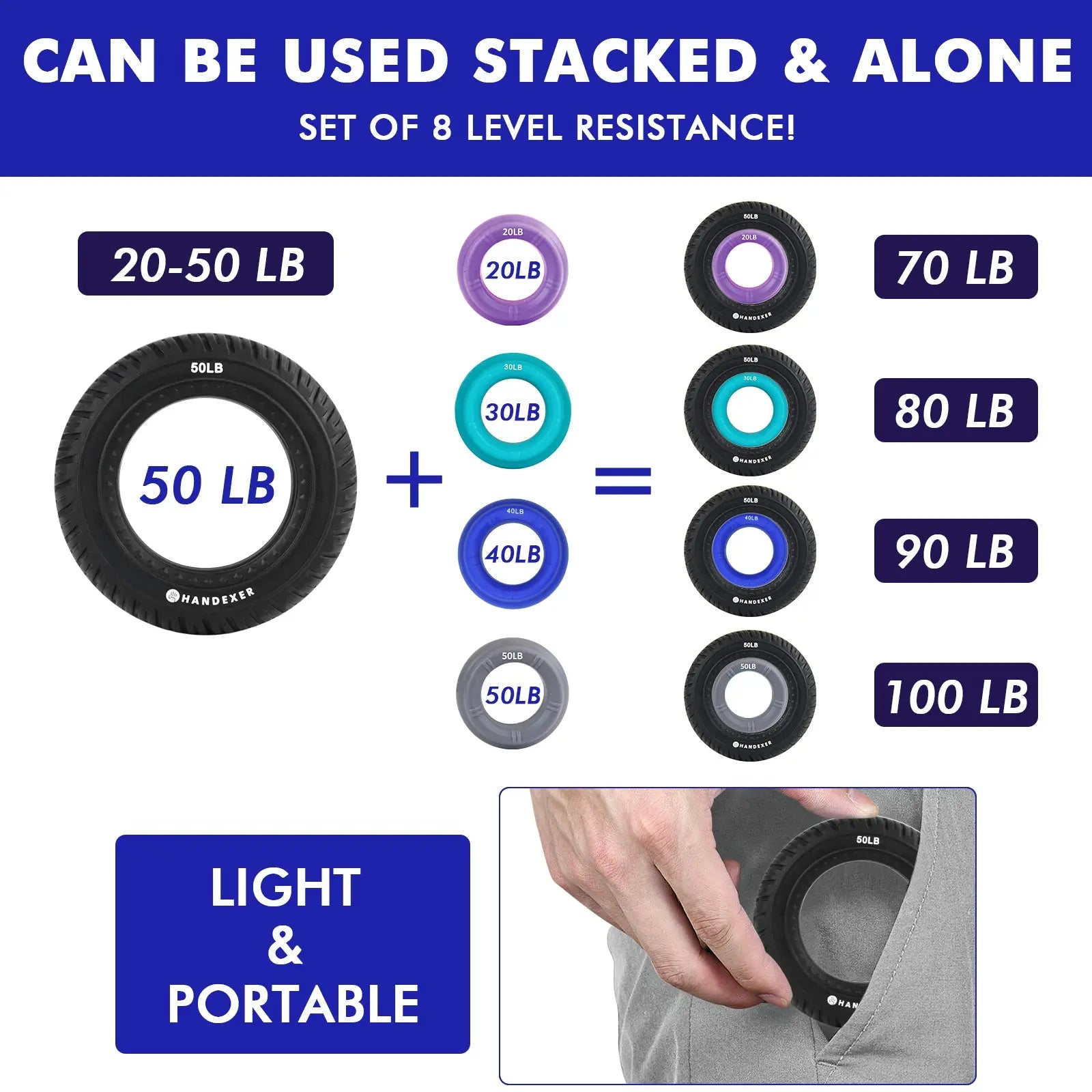
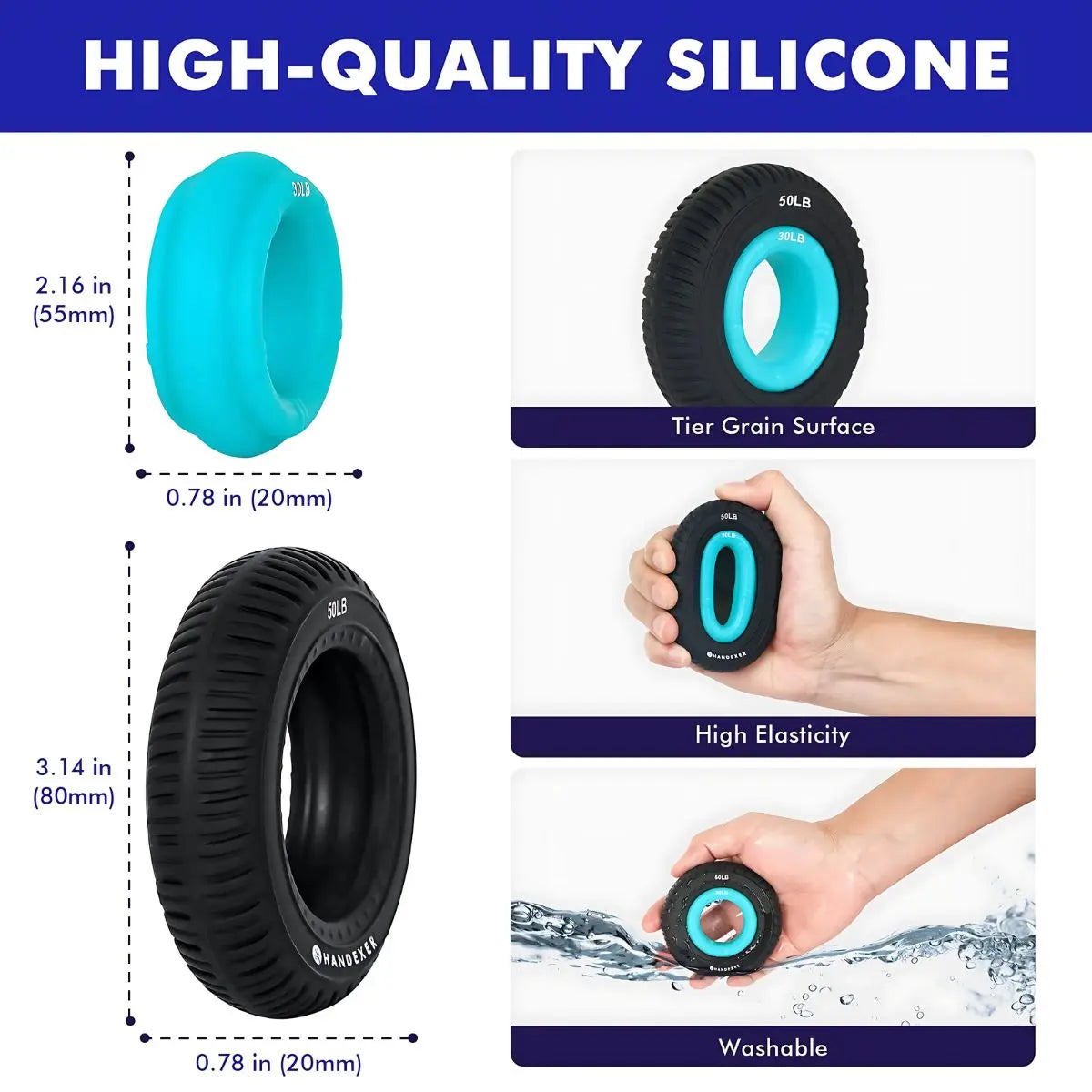
Hand grippers
-
Towel hangs
-
Rice bucket drills
3. Recovery & Nutrition
-
1.2–1.6g protein/kg body weight
-
Adequate sleep
-
Vitamin D sufficiency
Track your progress weekly — not daily — to avoid natural fluctuations.
When you measure consistently, improvement becomes visible and motivating.
When Should You Be Concerned?
You may want professional evaluation if:
-
Sudden strength loss
-
One-sided weakness
-
Progressive decline over months
-
Grip strength below age norms with fatigue
Grip strength isn’t a diagnosis tool — but it is an early warning metric. And early detection is powerful.
Final Thoughts
Weak grip strength is not just about your hands.
It’s a reflection of muscular health, neurological function, and biological aging.
The most important question isn’t: “Is my grip weak?”
It’s: “Do I know my number?”
Because you cannot improve what you do not measure.
FAQ
1. Is weak grip strength a sign of poor health?
Yes, low grip strength is associated with higher risk of cardiovascular disease, mobility issues, and overall mortality in long-term studies.
2. How often should I test my grip strength?
For general health tracking, once per week or once per month is sufficient. Rehab patients may test more frequently under supervision.
3. Can grip strength be improved after age 60?
Absolutely. Strength training and progressive overload can significantly improve grip strength even in older adults.
4. What device is best for testing grip strength?
A calibrated digital hand dynamometer with 120kg/265lb capacity and user profile tracking provides the most accurate and consistent results.






Share:
Strength Plateau? Your Grip Might Be the Problem
Grip Strength After Carpal Tunnel Surgery: Recovery Guide