
A practical guide to improving hand strength and grip strength after 60
Your hands quietly do a huge amount of work every single day—opening jars, holding a mug, buttoning a shirt, steadying yourself on a railing.
That’s why when hand strength for seniors starts to decline, it’s often one of the first things people notice in daily life. Things just feel… harder than they used to.
Most people respond by squeezing a stress ball a few times or trying to “train harder.” But hand strength doesn’t really respond well to guesswork or intensity alone.
It improves when you approach it a bit more deliberately—almost like a system:Assess → Measure → Train → Track progress
Not complicated, just often overlooked.Let’s walk through the most common mistakes and what actually tends to work better.
1. Focusing Only on Strength, Not Function
Many individuals believe that hand training begins and ends with squeezing a gripper as hard as possible. This is the "power trap"—focusing solely on raw force while neglecting the complex mobility of your fingers, wrists, and forearms.
-
The Fix: Redefine your goal. Instead of just "more weight," focus on hand function. Can you comfortably hold a glass? Can you manipulate small objects with ease? True hand health is about range of motion, coordination, and control.
2. Training like your joints are still 25
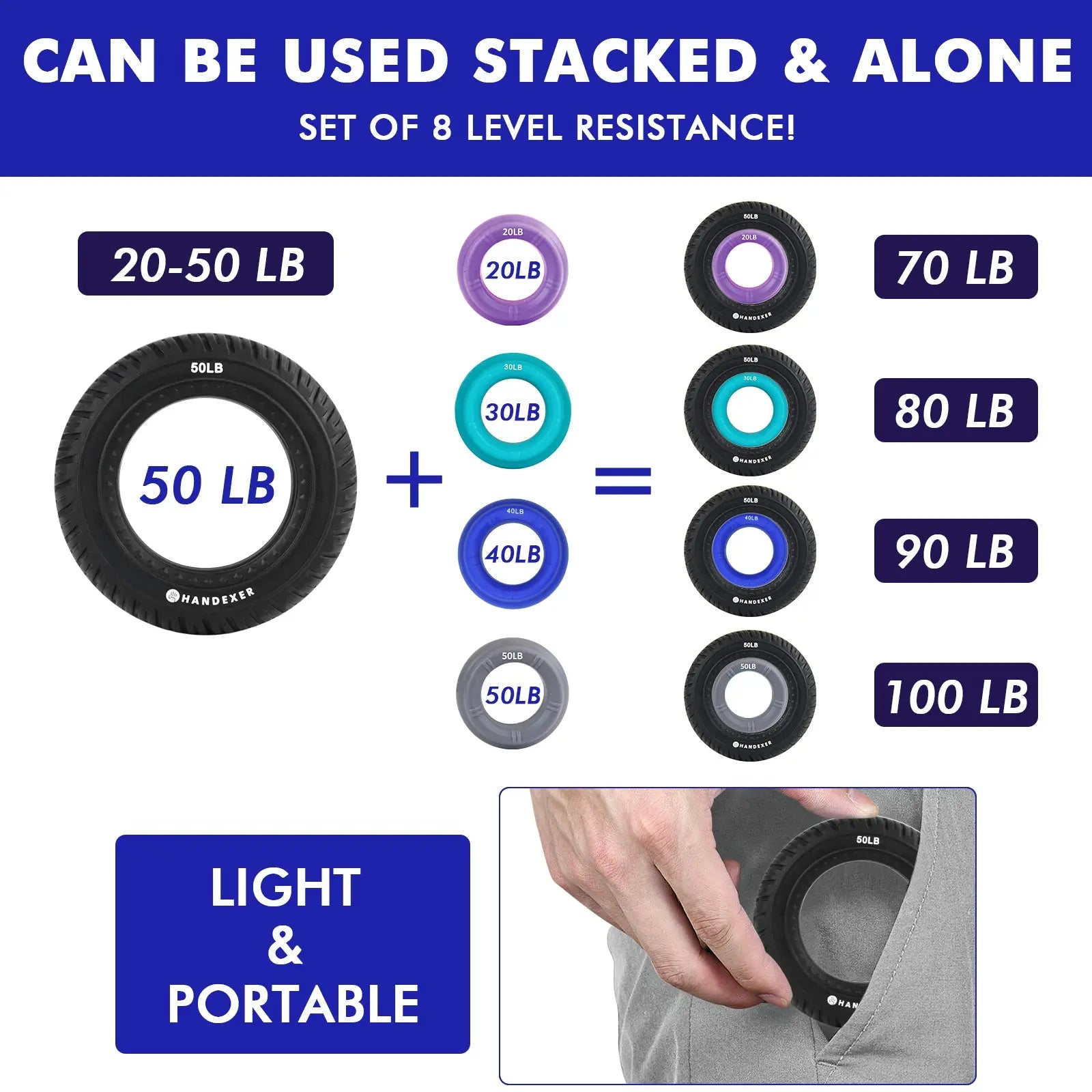
One of the biggest issues with grip strength training for older adults is simply intensity mismatch.Hands recover differently with age. Tendons and joints don’t respond well to sudden spikes in load.
People often go from “not training at all” to “daily intense squeezing,” and that gap is where irritation usually shows up.A slower build works better:
- start light
- stay consistent
- increase gradually
It’s not exciting, but it’s what tends to actually stick.
3. Neglecting the "Baseline" (Guesswork Training)
A lot of people train without any reference point.That makes everything feel uncertain: Is this working? Am I improving? Or just exercising?This is where measurement changes the entire process.
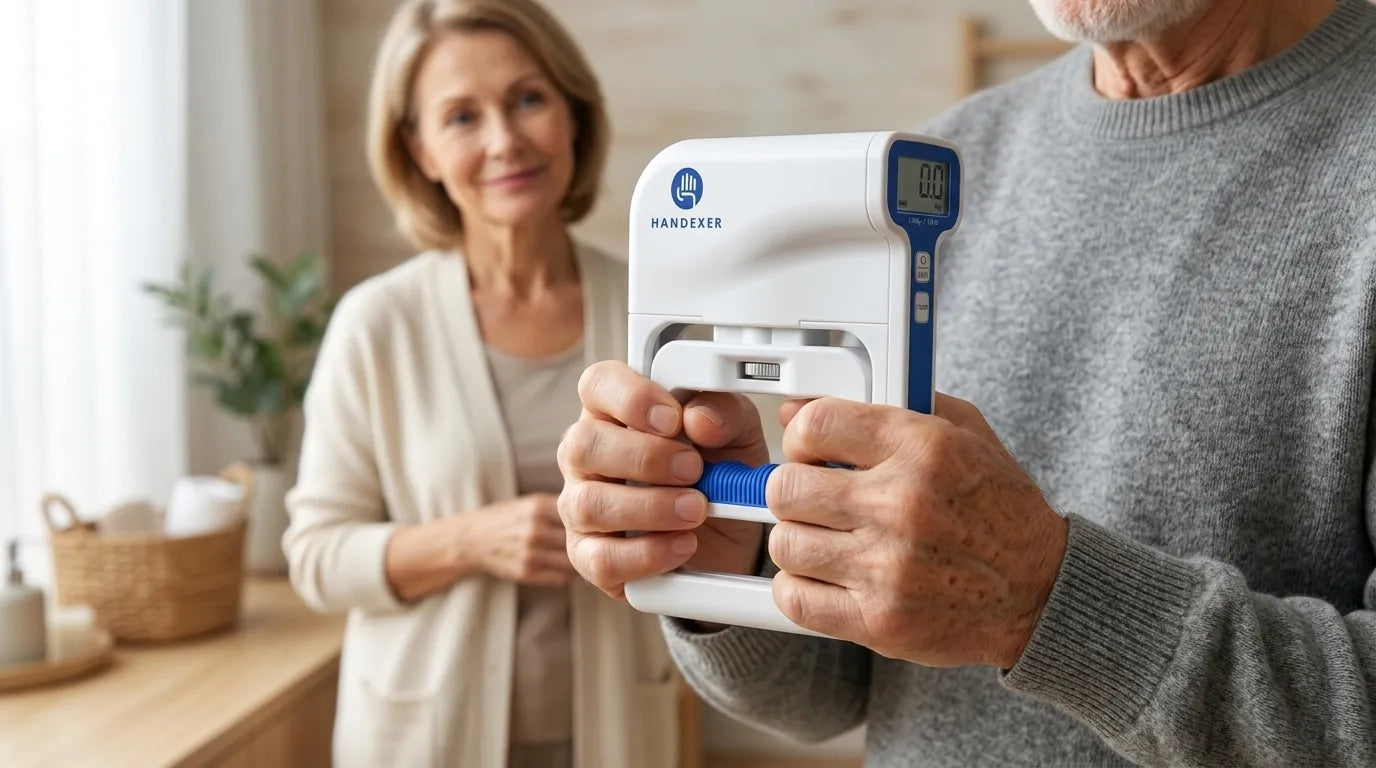
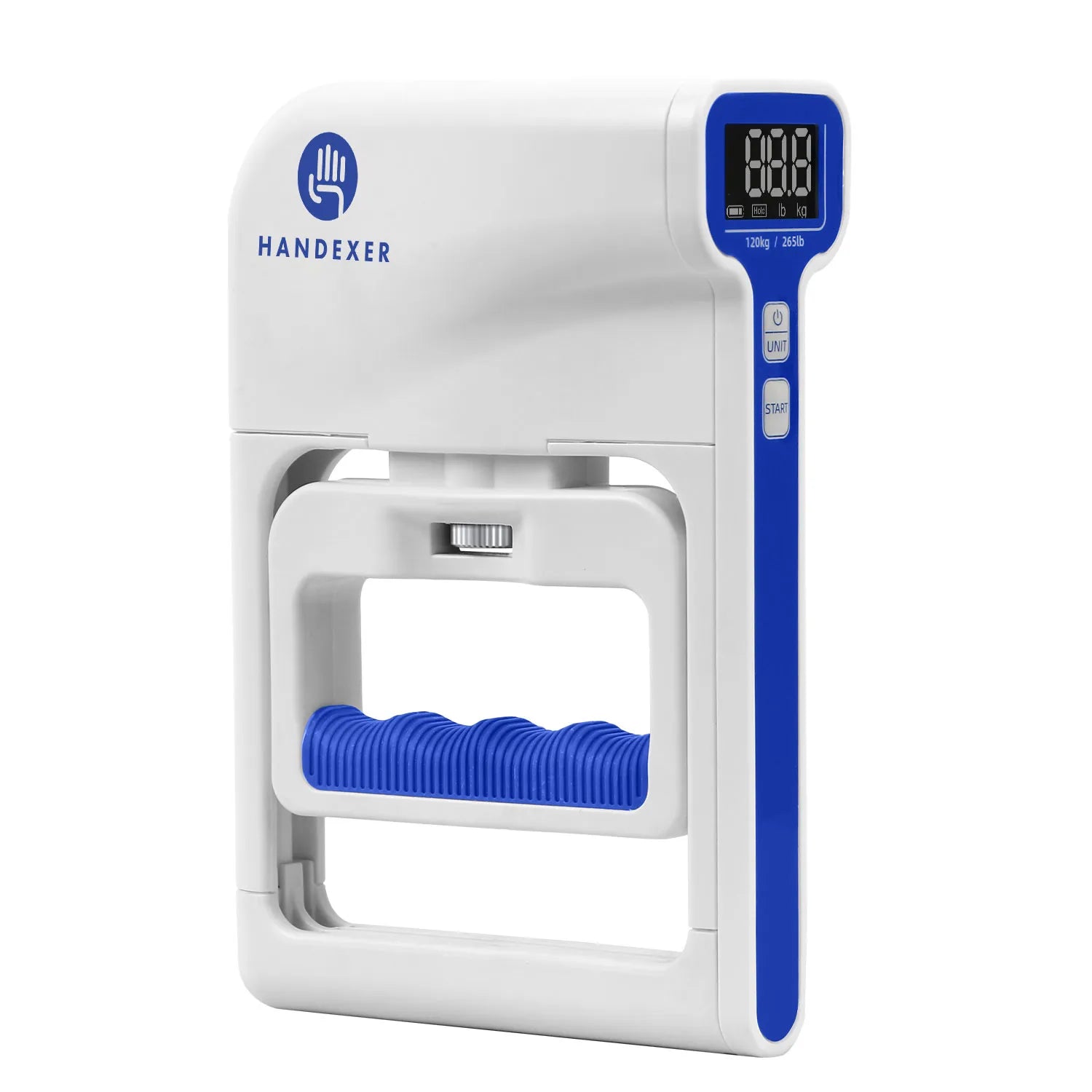
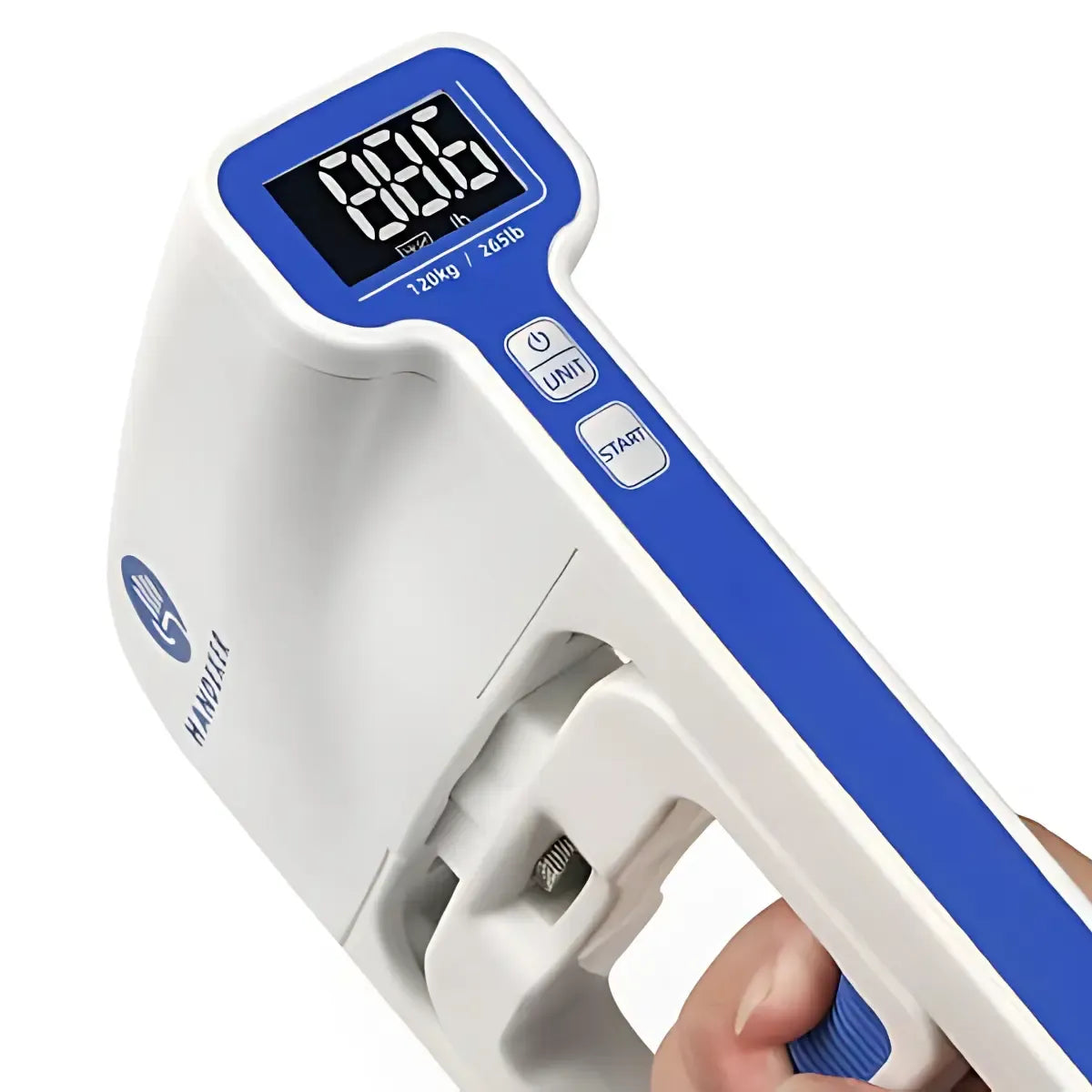
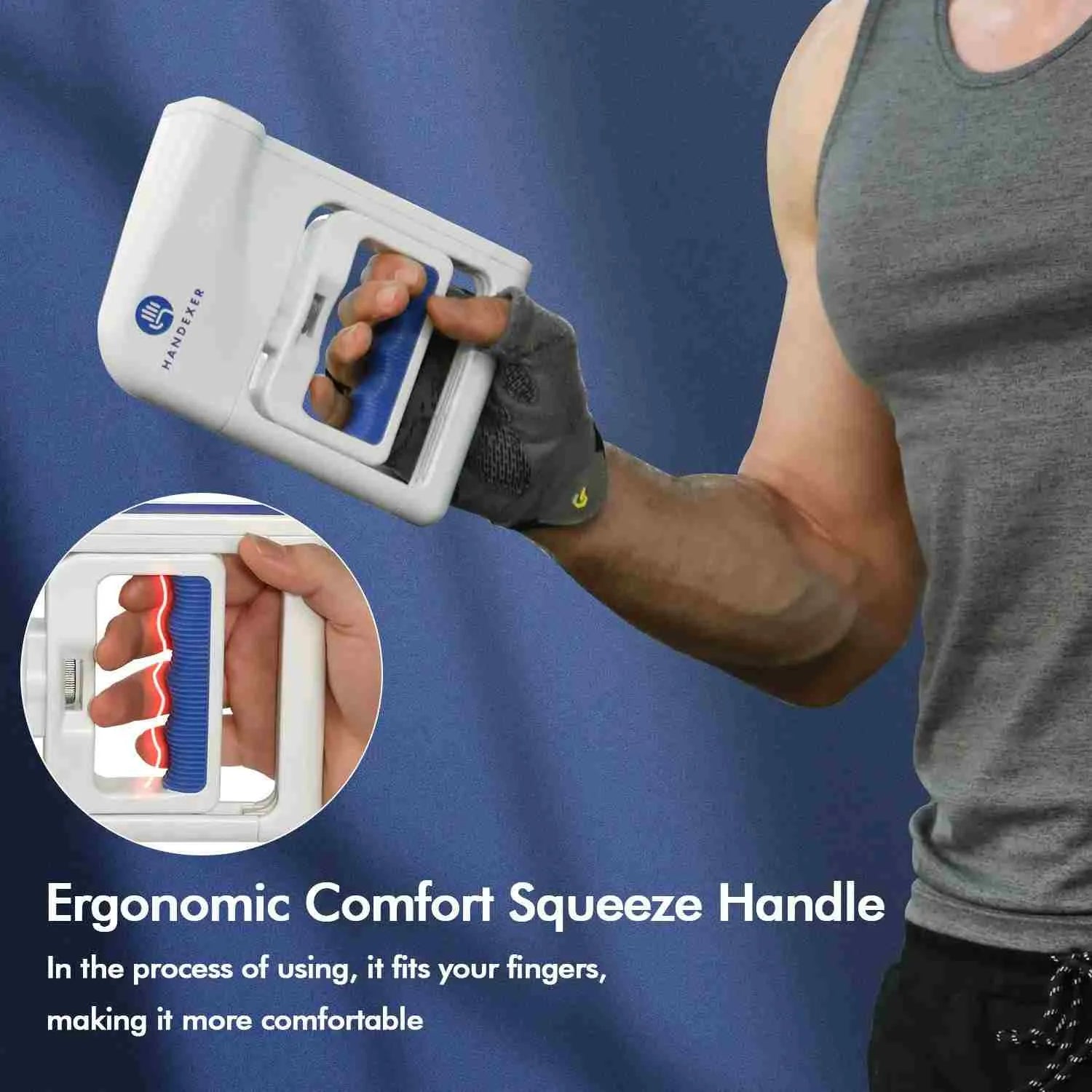
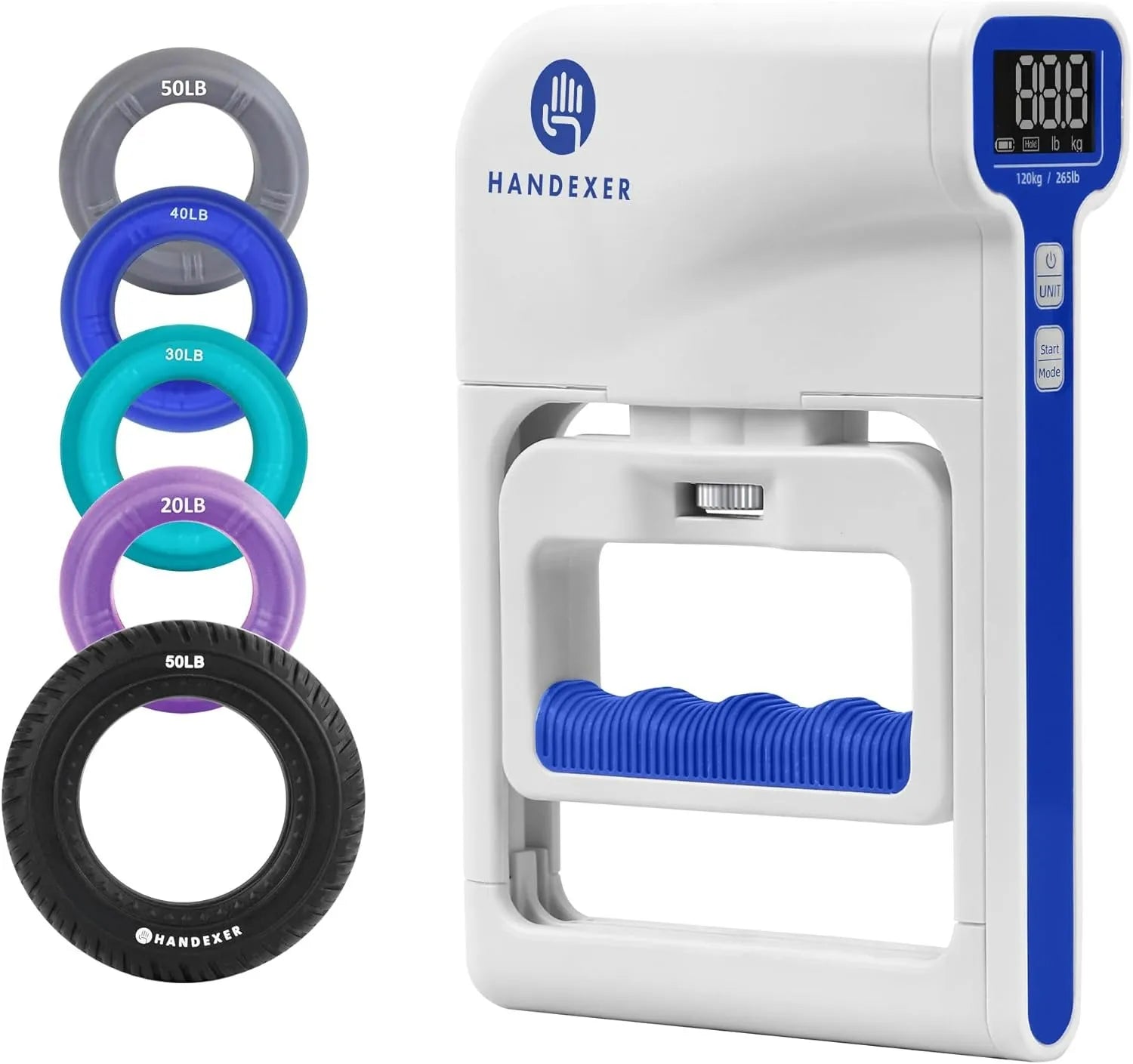
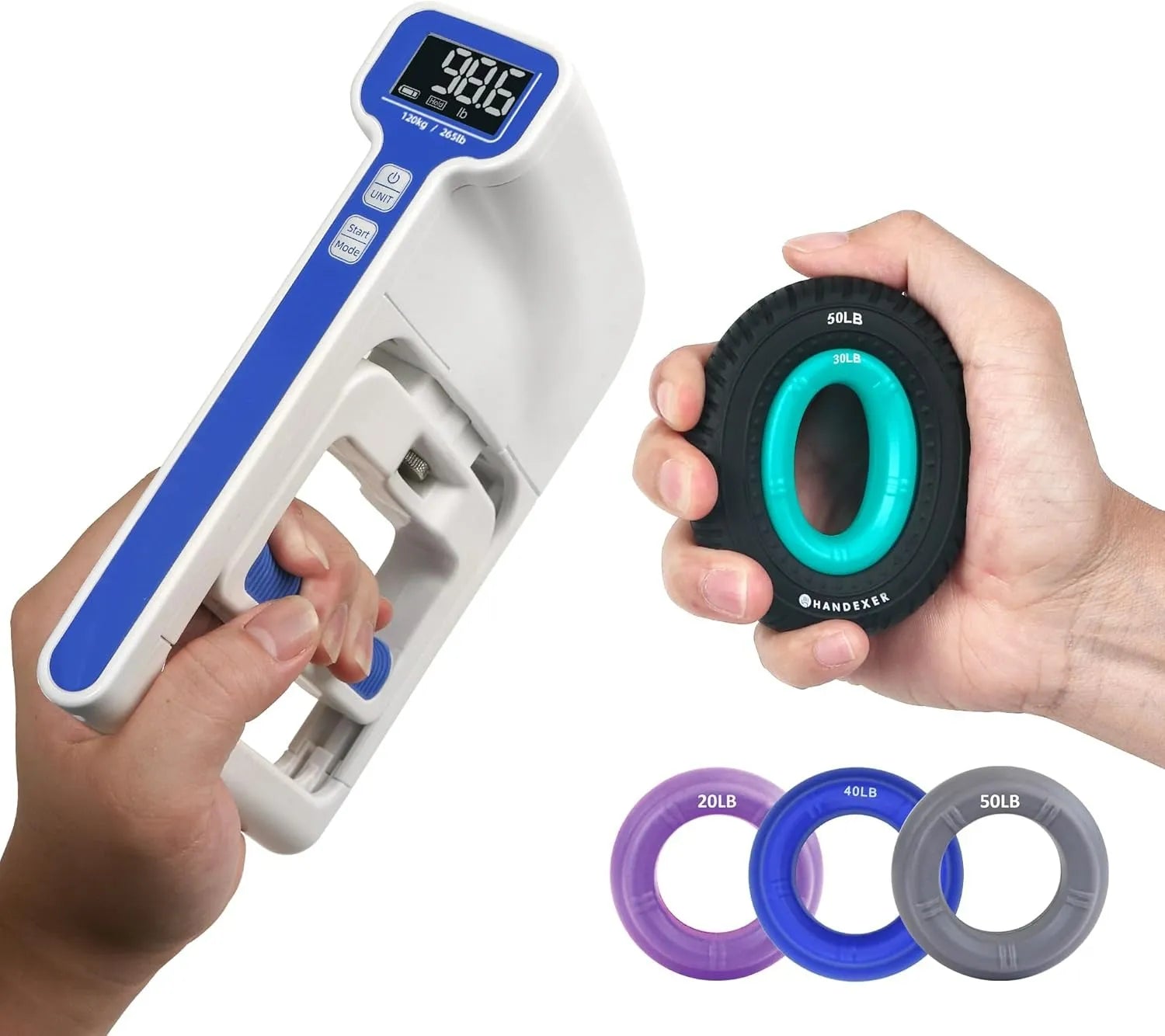
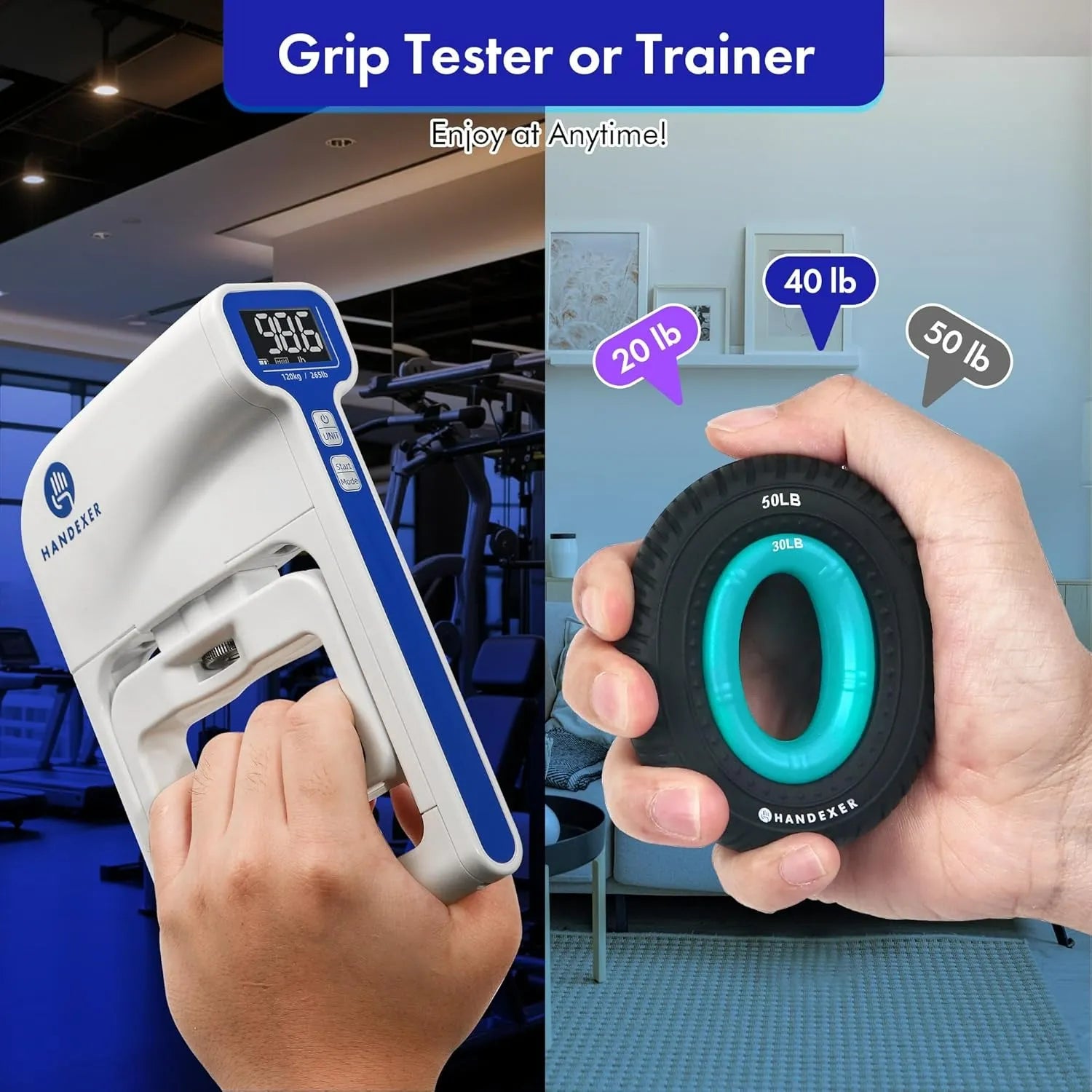
A simple digital hand dynamometer helps you establish a baseline grip strength so you’re no longer guessing.Once you have that:
- training becomes structured
- progress becomes visible
- adjustments become easier
👉 If you’re just starting out, it’s worth learning how to measure grip strength at home before building a routine.This turns training from something vague into something you can actually track.
4. Overlooking the "Train with Purpose" Principle
Training is only as effective as its intent. Many older adults mindlessly squeeze stress balls or grippers while watching TV. This lack of focus often results in poor form and minimal functional carryover to daily life.
Be intentional. Perform your exercises with a structured plan—focusing on specific movements like pincer grips, finger extensions, and wrist stabilization. Training with purpose builds neurological pathways, not just muscle.
5. Rushing Through Repetitions
Fast, jerky, or "rushed" reps are a hallmark of amateur training. In the context of hand health, speed often masks a lack of control and can place unnecessary shear stress on your finger joints.
-
The Fix: "Time Under Tension." Aim for a slow, controlled squeeze, a two-second hold at peak effort, and a slow, intentional release. This creates a stronger mind-muscle connection and is safer for joint longevity.
6. Skipping the Recovery Phase
Your hands consist of a dense network of small muscles and intricate nerve endings. Treating them as "indestructible" is a recipe for chronic pain. If you aren't integrating recovery—such as heat therapy, soft tissue massage, or gentle stretching—you are essentially sabotaging your own progress.
-
The Fix: View recovery as a mandatory part of your workout. After a training session, use light stretching and temperature therapy to reduce inflammation and promote tissue repair.
7. Failing to Track Your Journey
Without tracking, improvement is easy to miss.And when progress feels invisible, motivation usually drops.This doesn’t need to be complicated:
- test grip strength every 1–2 weeks
- note how your hands feel in daily tasks
- keep it simple and consistent
Over time, patterns become obvious.
👉 You can also compare your results with a basic grip strength chart by age to understand where you stand and how you’re improving.
A simple beginner routine for seniors
If you’re just starting hand strength training for seniors, keep it light and manageable.
2–3 sessions per week is enough.Each session (10–15 minutes):
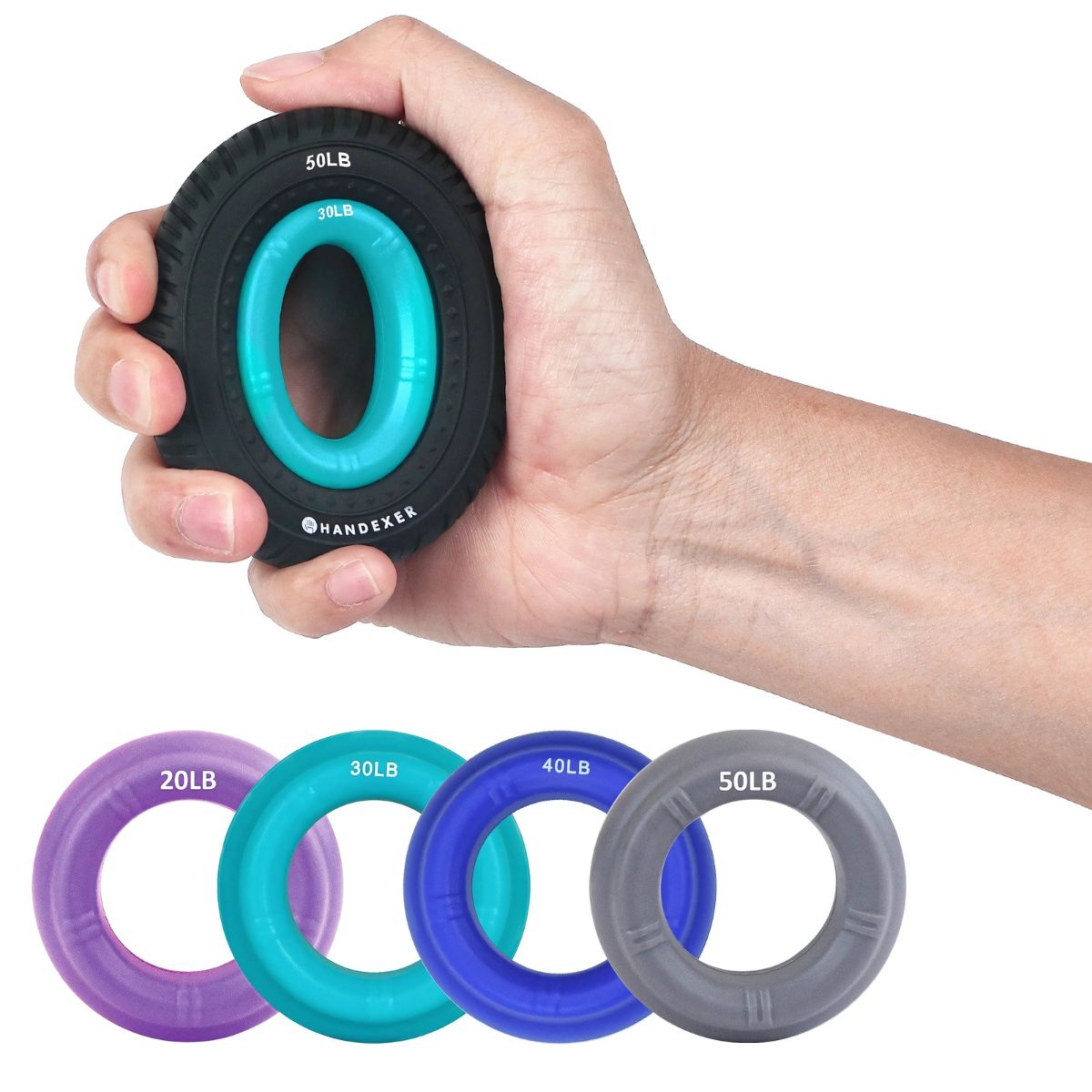
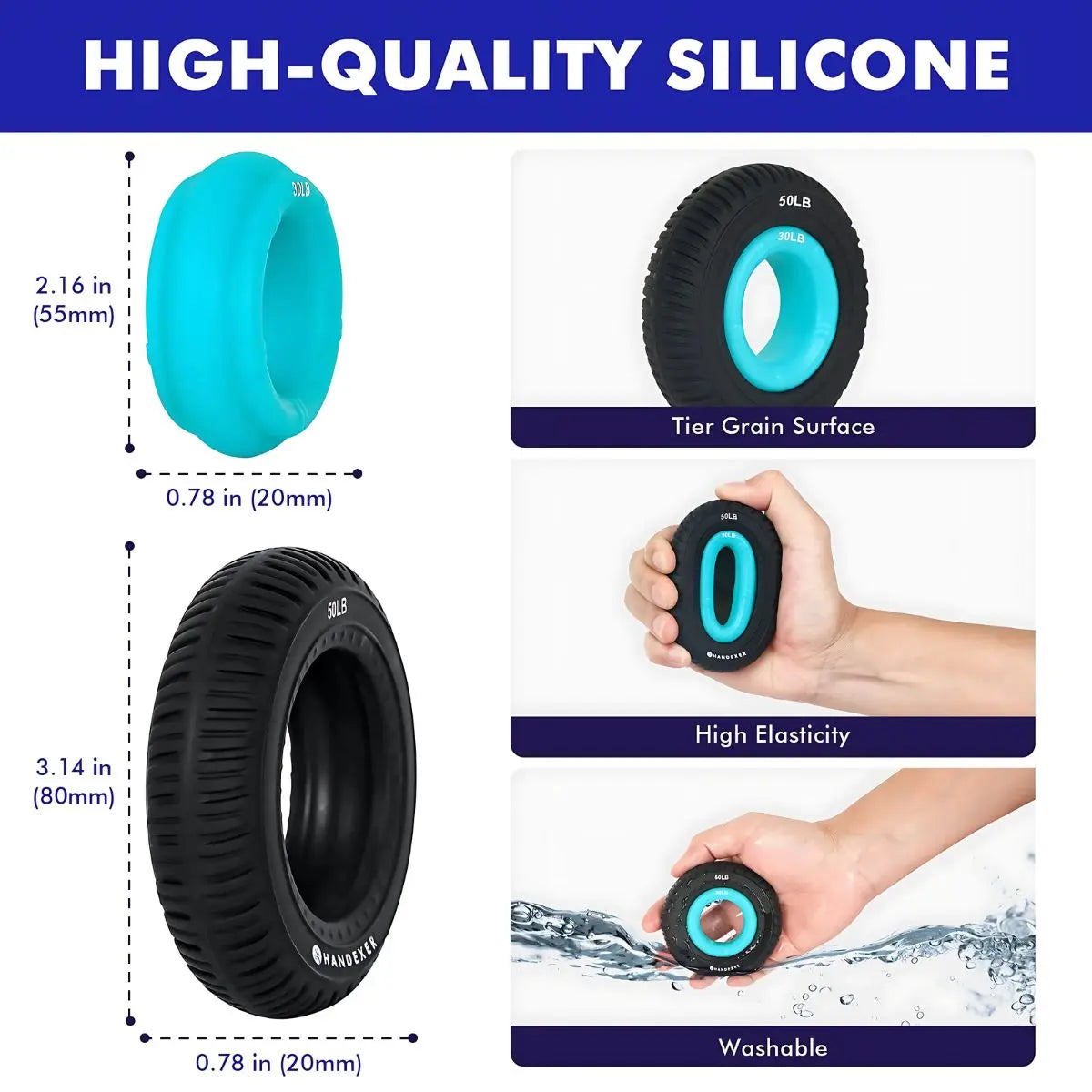
- Hand squeeze (soft ball or trainer): 10 reps
- Pinch grip holds (thumb + fingers): 8 reps (5–10 sec each)
- Finger extensions (rubber band): 10–12 reps
- Wrist curls (light resistance): 10 reps
- Rest 30–60 seconds between sets
Focus on control, not exhaustion.You should finish feeling “activated,” not drained.
A quick note on measurement and tools
Once you start tracking your progress, managing your training becomes far easier.A simple routine works perfectly here: Measure → Train → Remeasure.
Tools like a hand dynamometer are not essential, yet they make your progress tangible and help you stay consistent. And consistency is what truly delivers lasting results.
The Path Forward: Measure, Train, and Recover
Hand health is a lifelong journey, not a sprint. By avoiding these common mistakes and adopting a data-backed system, you can move from simple "grip training" to a comprehensive hand health solution that supports your independence for years to come.
Ready to start? Explore our professional assessment and training kits and begin tracking your hand health today.
FAQ
Q: How often should I train my hand strength?
A: Focus on quality over quantity. 2-3 sessions per week, lasting 10–15 minutes, are generally enough for most older adults to see significant improvements in hand function without overloading the joints.
Q: Is grip strength the only indicator of hand health?
A: Grip strength is a vital clinical marker of longevity, but it isn't the whole story. A comprehensive hand health approach includes flexibility, fine motor control, and the ability to perform daily tasks without pain.
Q: Can I use Handexer tools if I have existing joint pain?
A: If you have a history of injury or chronic pain (like arthritis), we recommend consulting with a physical therapist first. Our tools are designed for home-based "light clinical" use, but professional guidance ensures your specific recovery path is safe.






Share:
Help Your Father Regain Grip Strength in Just 5 Minutes a Day with Simple Hand Exercises
Practical Father’s Day: Giving the Gift of Independence and Function (Budget $50–$200)