
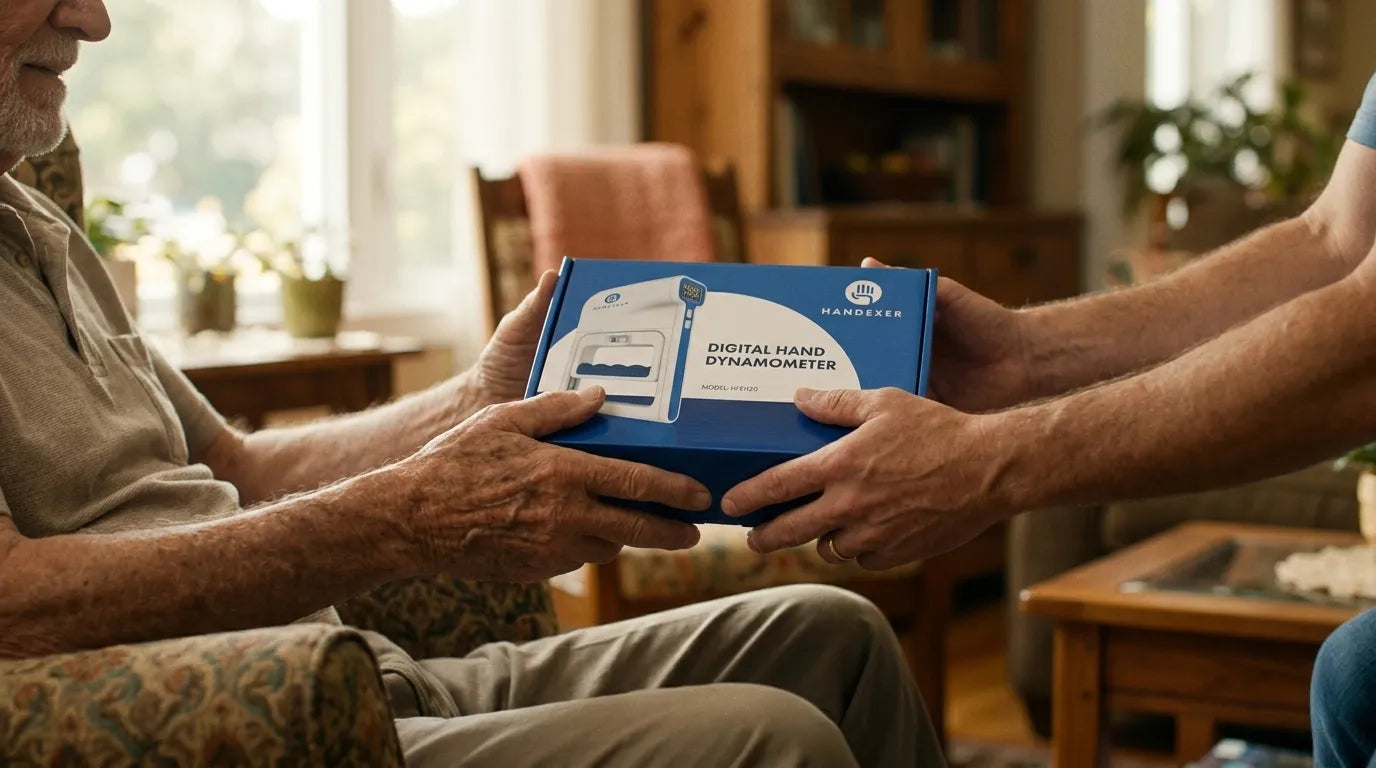
Every Father’s Day, we run into the same question: what do you get for the man who already has everything—or insists he doesn’t need anything at all?
Most of the time, we fall back on novelty gifts: mugs, ties, gadgets that feel fun in the moment but rarely last beyond the season. But as fathers grow older, what truly matters shifts away from “things” and toward something far more meaningful: the ability to stay independent, capable, and confident in daily life.
This year, instead of another novelty item, consider a more thoughtful direction—supporting what most fathers quietly value most: independence. And at the core of that independence is something often overlooked but scientifically important: hand function and grip strength.
Why “Practical” Is the New “Thoughtful”
For many fathers, usefulness outweighs sentimentality.As people age, priorities shift from owning things to maintaining ability. This isn’t just intuition—it is strongly supported by aging research.
Across large population studies:
- Grip strength typically declines by about 1%–2% per year after midlife (around age 40–50)
- Lower grip strength is widely used in geriatric medicine as a key indicator of frailty and functional decline
- In multiple cohort studies, grip strength has been shown to be a stronger predictor of future disability and hospitalization risk than BMI
In simple terms: Hand strength is not just about hands—it reflects overall functional aging.
When grip strength declines, everyday tasks become harder: carrying groceries, opening containers, using tools, cooking, and maintaining hobbies.A gift that helps preserve this ability is not just practical—it directly supports long-term independence.
Grip Strength Reference by Age (Male Adults)
Grip strength naturally changes with age, but the decline is gradual and measurable. Below is a commonly observed reference range for dominant hand grip strength in adult men, based on large-scale population studies and clinical screening standards.
| Age Group | Typical Grip Strength (kg) | Functional Meaning |
|---|---|---|
| 40–49 years | 45–52 kg | Peak adult strength; near lifetime maximum performance |
| 60–69 years | 38–45 kg | Moderate decline begins; most daily tasks still comfortable |
| 70–79 years | 30–38 kg | Noticeable reduction in endurance and grip reserve |
What These Numbers Mean in Real Life
These ranges are not just fitness statistics—they are increasingly used in clinical and geriatric assessment because grip strength reflects overall functional health.
Research in aging and rehabilitation consistently shows:
- Men below roughly 30–32 kg in later life are at higher risk of functional limitations
- Declining grip strength is associated with reduced ability to perform Activities of Daily Living (ADLs)
- Even moderate declines (5–10 kg over time) can translate into noticeable changes in real-world strength and endurance
Choosing a Gift That Respects His Dignity
Within a $50–$200 budget, there are many tools designed to support hand strength without feeling clinical or medical.When choosing a gift, keep these principles in mind:
1. Avoid a “Medical Device” Feel
The goal is empowerment, not reminder. Look for designs that feel modern, clean, and tool-like rather than rehabilitative equipment.
2. Emphasize Measurable Progress
Grip strength is one of the most trackable physical metrics. Devices that provide feedback make progress visible, turning improvement into motivation.
3. Prioritize Everyday Usability
The best tool is the one that becomes part of daily life—simple, intuitive, and easy to use anywhere.
Reframing Health: Proactive Hand Strength Management
At Handexer, we view health not simply as the absence of discomfort, but as the presence of function, strength, and control.
A combined assessment + training tools allows your father to:
- Measure clearly: Establish a baseline and track changes over time, similar to monitoring blood pressure
- Train with intention: Structured resistance exercises support hobbies like woodworking, gardening, or cooking
- Maintain long-term function: Consistent low-load training helps preserve flexibility and reduce fatigue-related decline
Grip Strength Measurement Tips (Practical Guide)
A grip strength dynamometer is simple to use—but consistency is what makes the data meaningful.
1. Keep a Standard Posture
Stand upright with the arm relaxed at your side. Avoid bracing against the body, which can artificially increase readings.
2. Use a Neutral Grip Position
Hold the device like a natural handshake. The handle should sit across the middle of the fingers, not deep in the palm.
3. Measure Under Consistent Conditions
Grip strength varies throughout the day depending on fatigue and activity. Try to measure at the same time of day for consistency.
4. Perform Multiple Attempts
Do 2–3 squeezes per hand with short rest (30–60 seconds). Record the highest consistent value.
5. Focus on Trends, Not Single Numbers
Daily variation is normal. What matters is long-term progression over weeks or months.
Gift Ideas for the Modern Dad ($50–$200)
Professional Assessment Tools
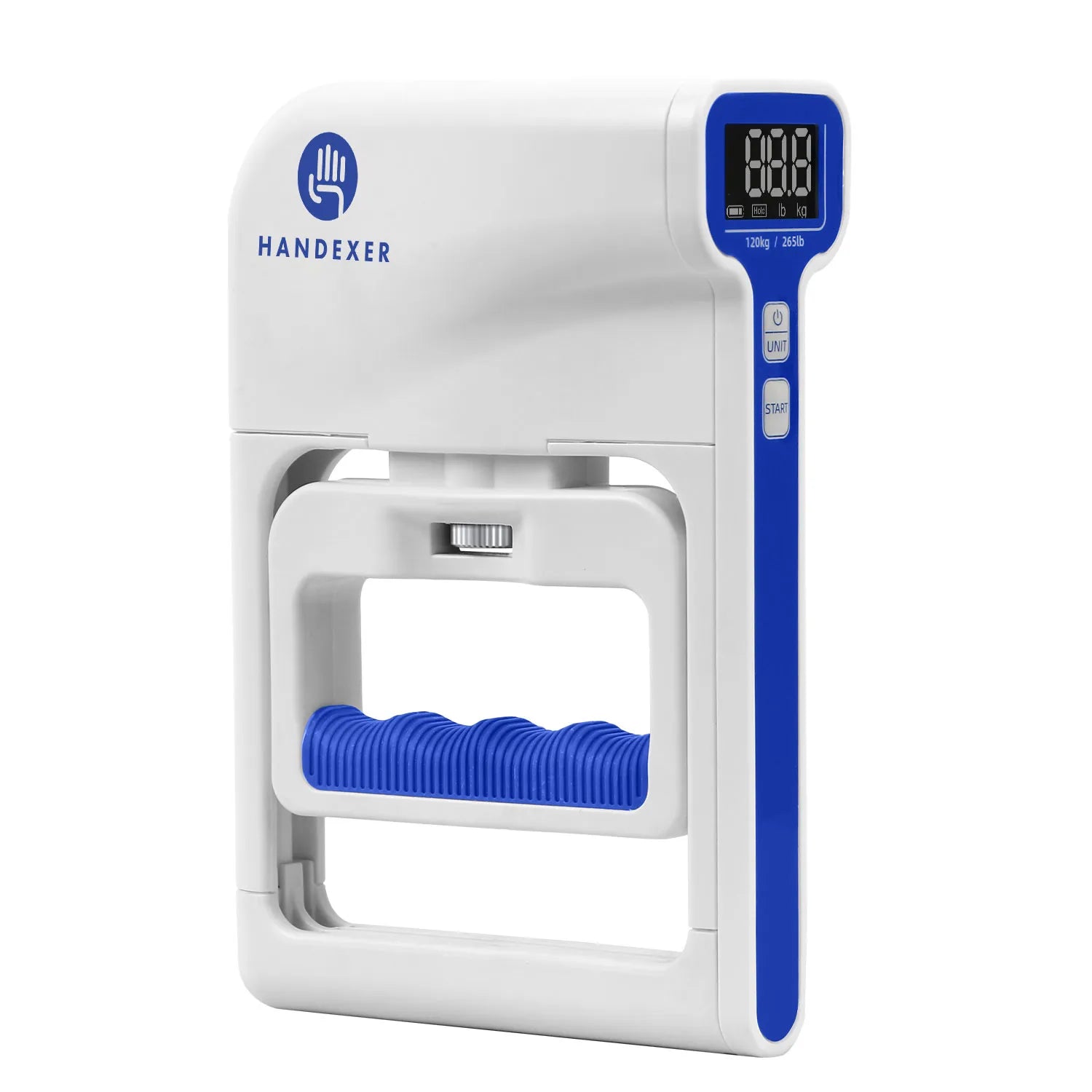
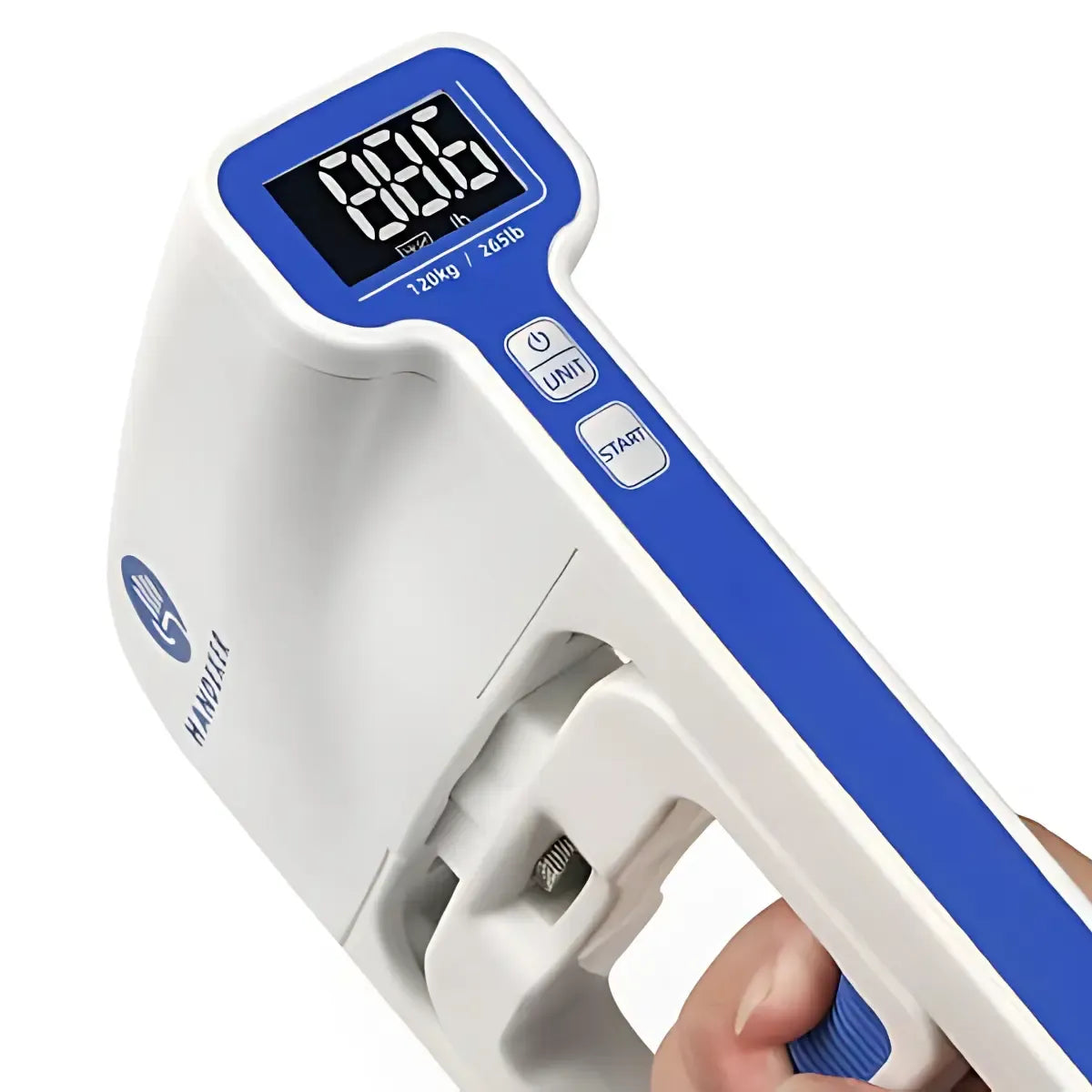
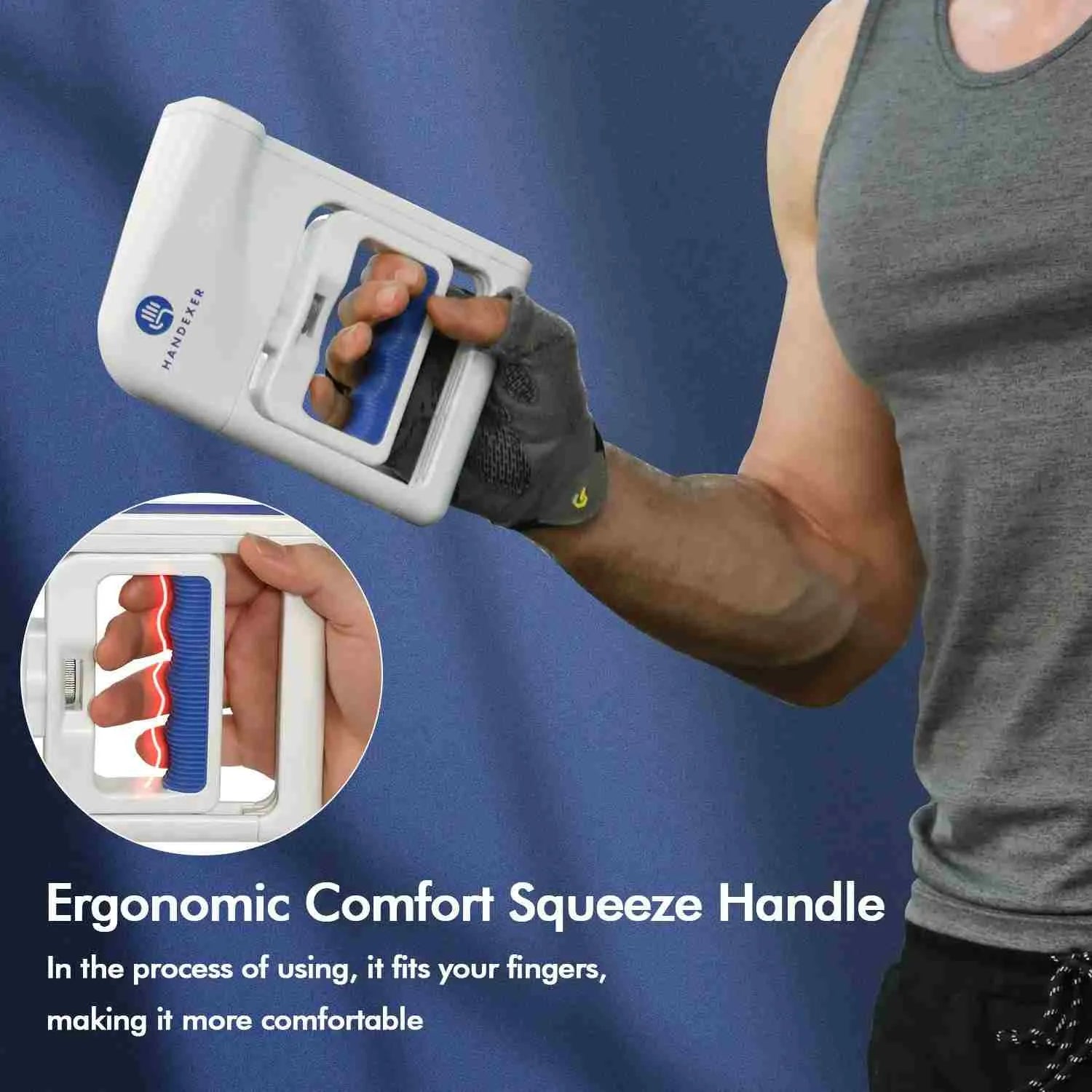
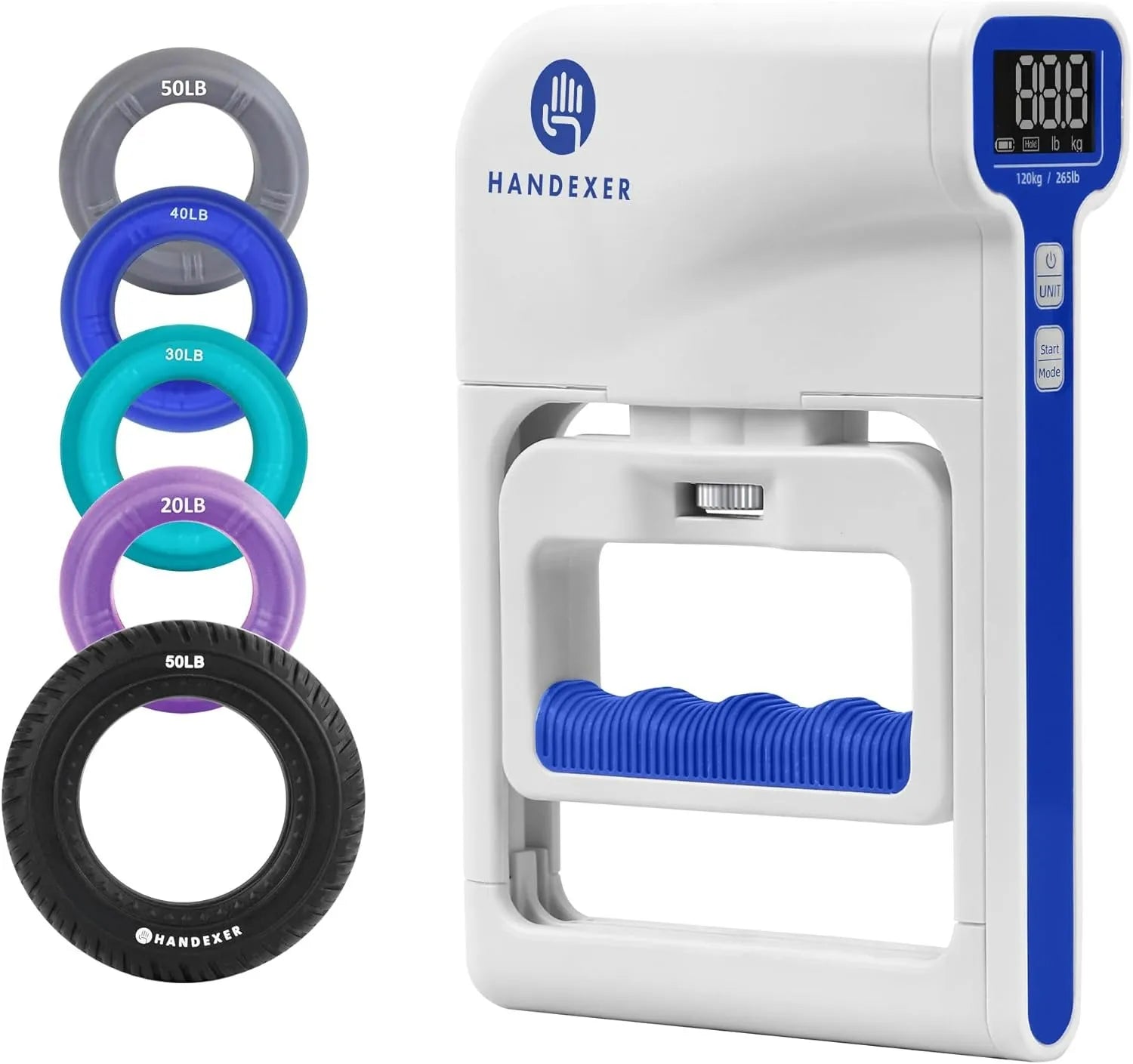
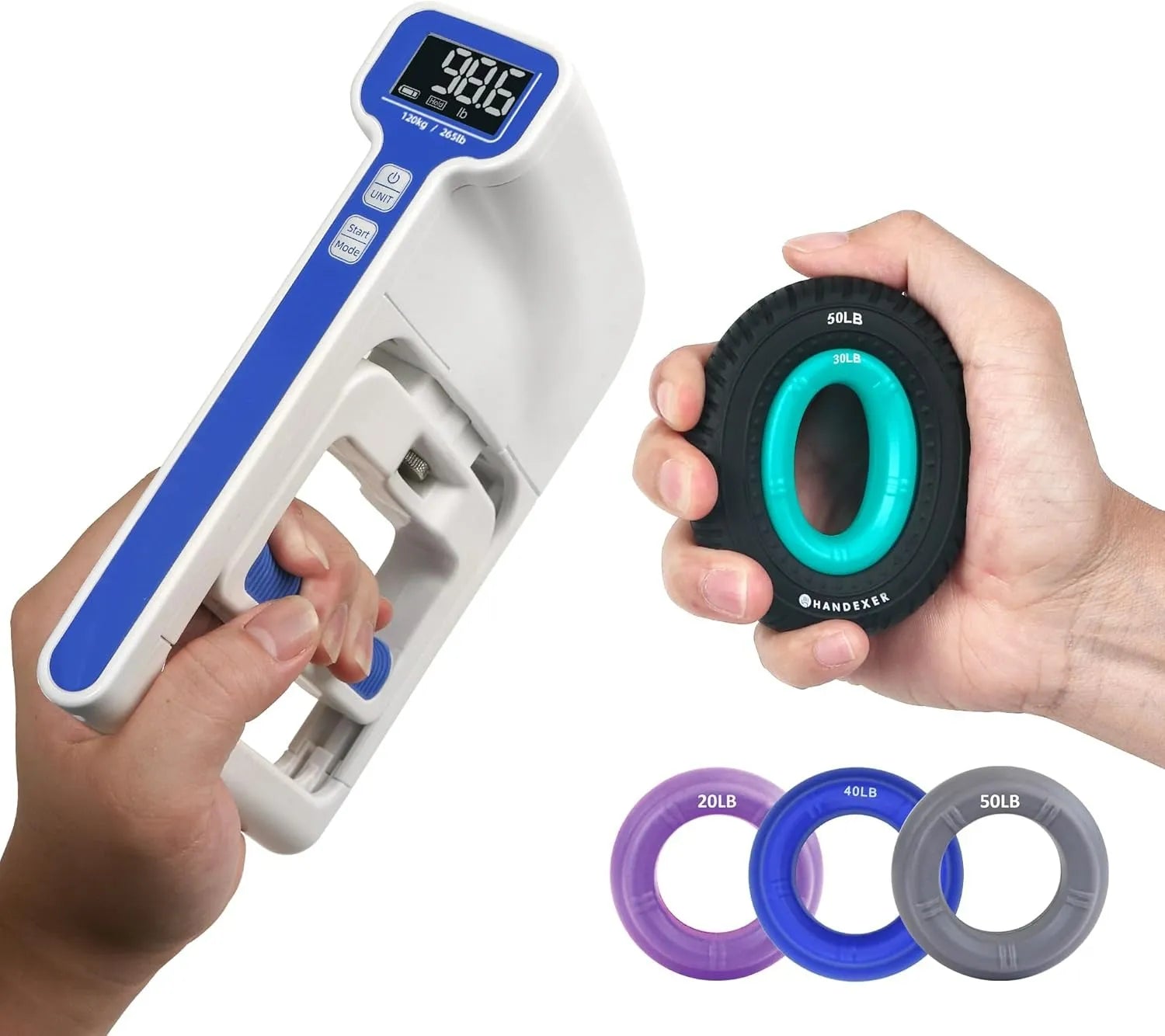
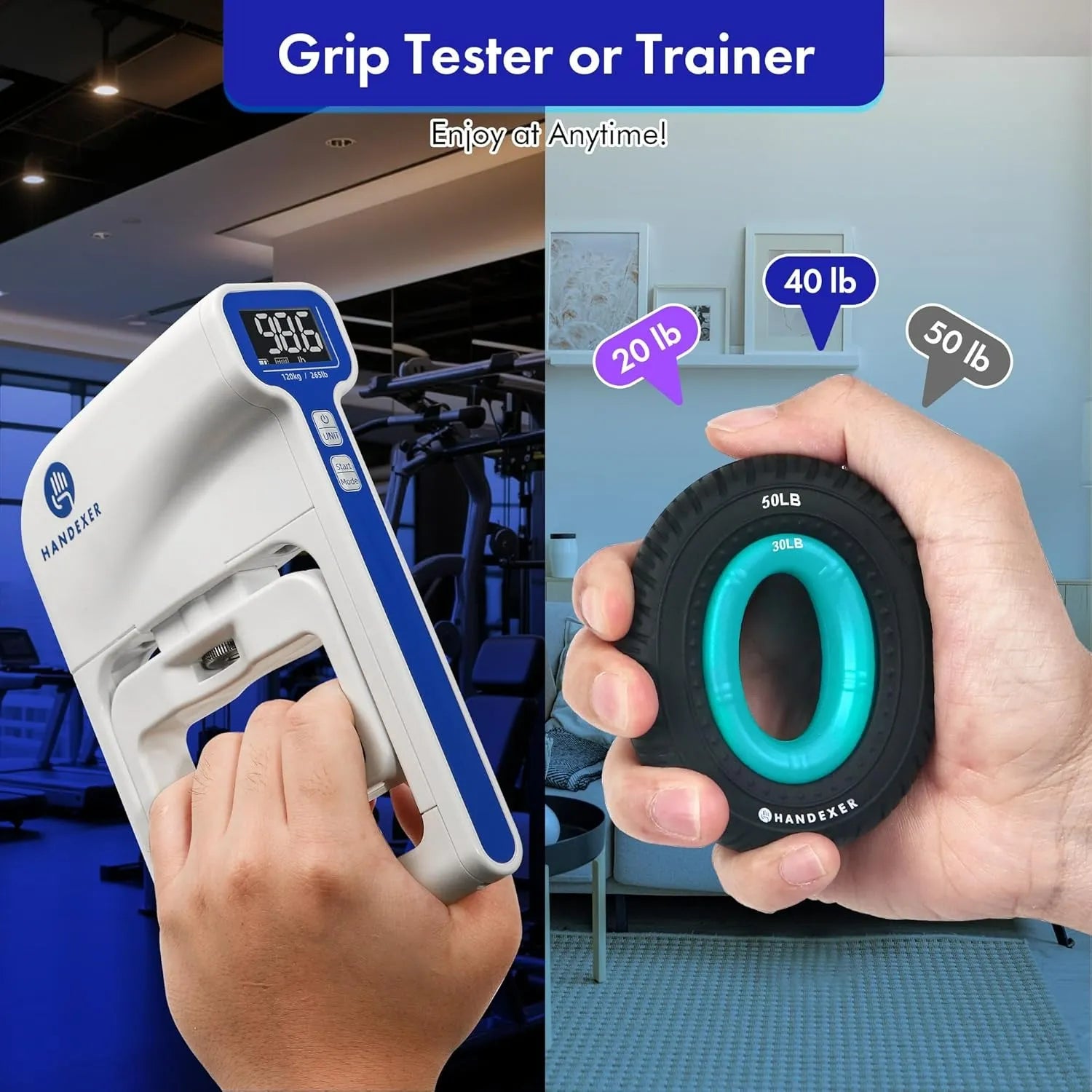
Ideal for data-oriented dads. A digital grip strength dynamometer enables precise measurement and long-term tracking.
Functional Training Bundle
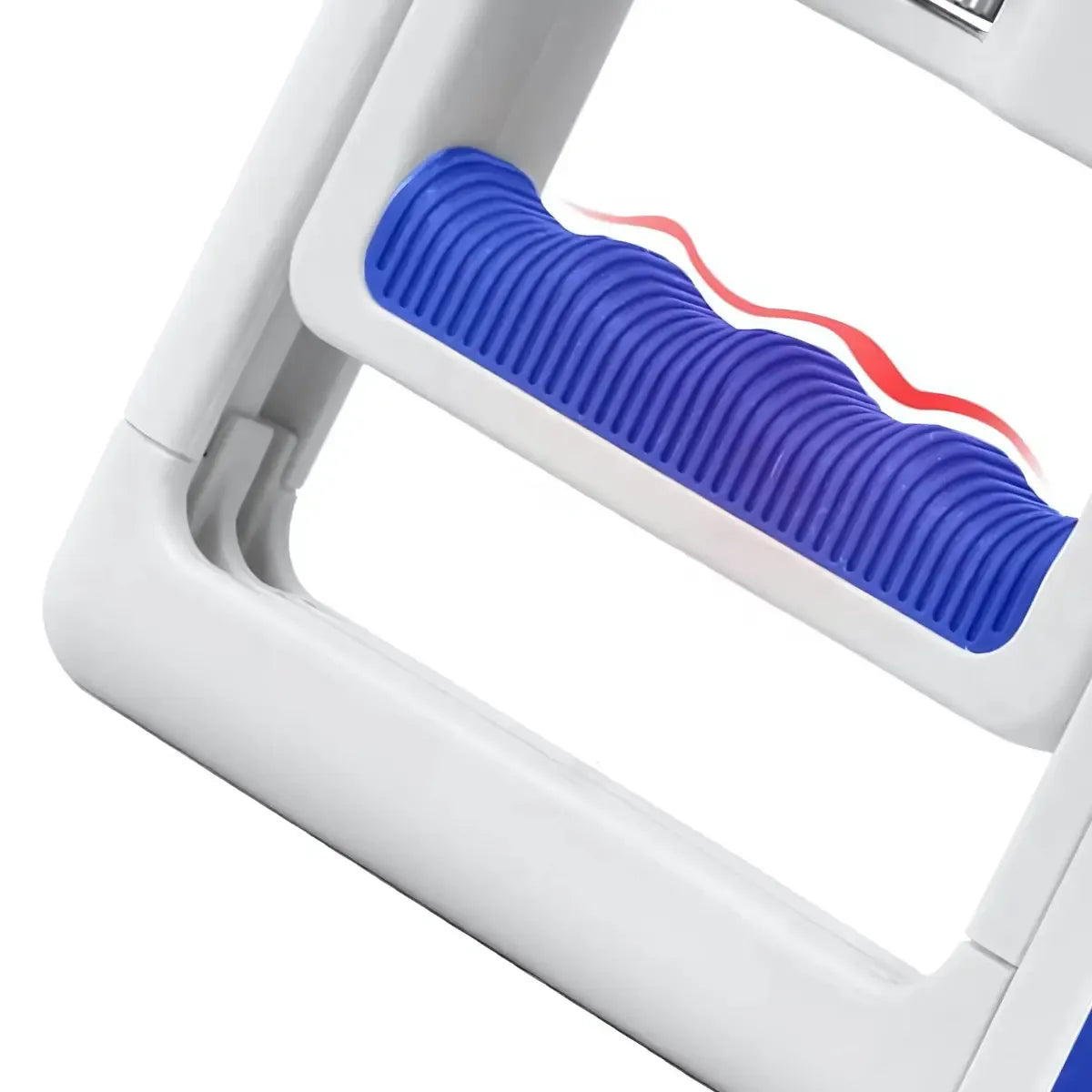
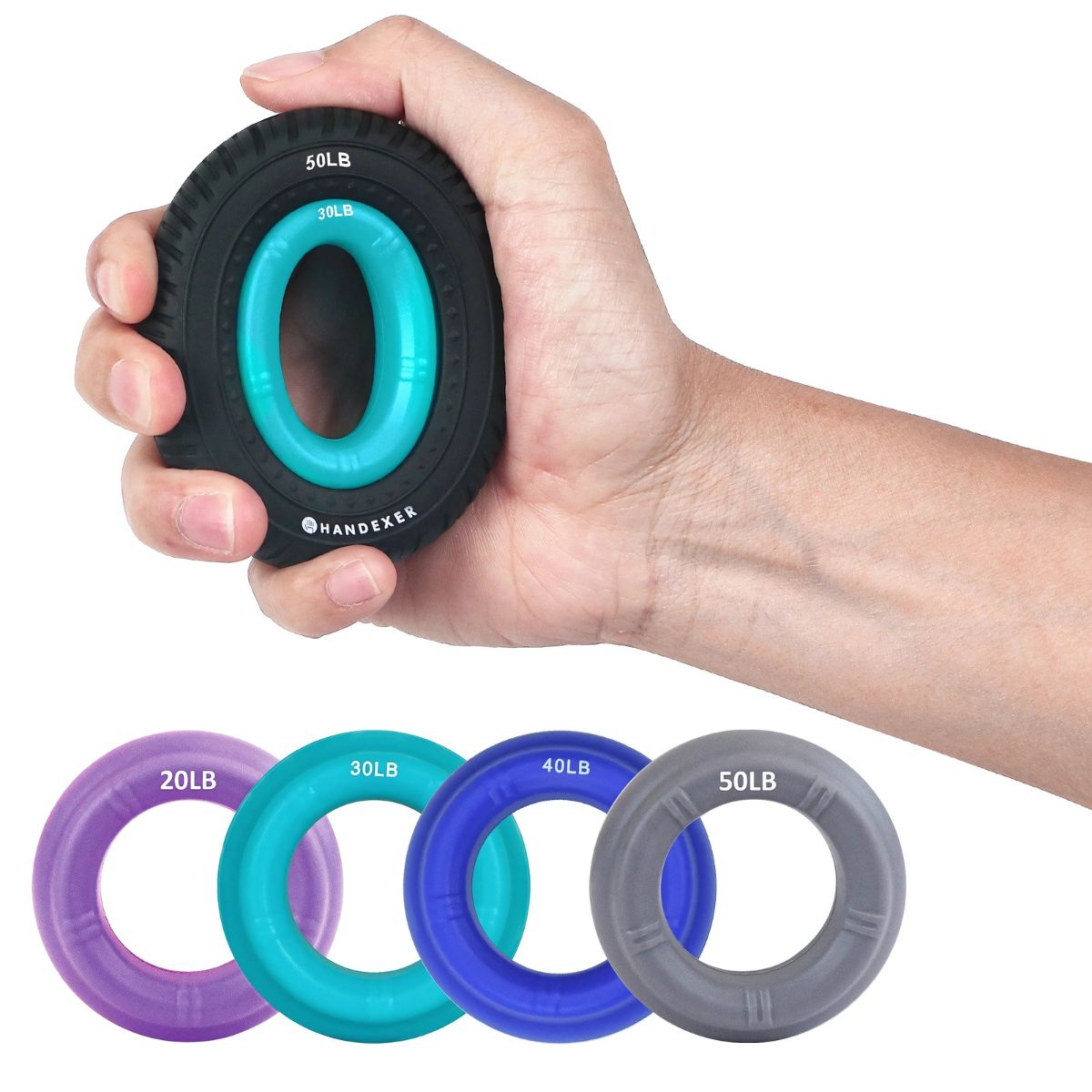
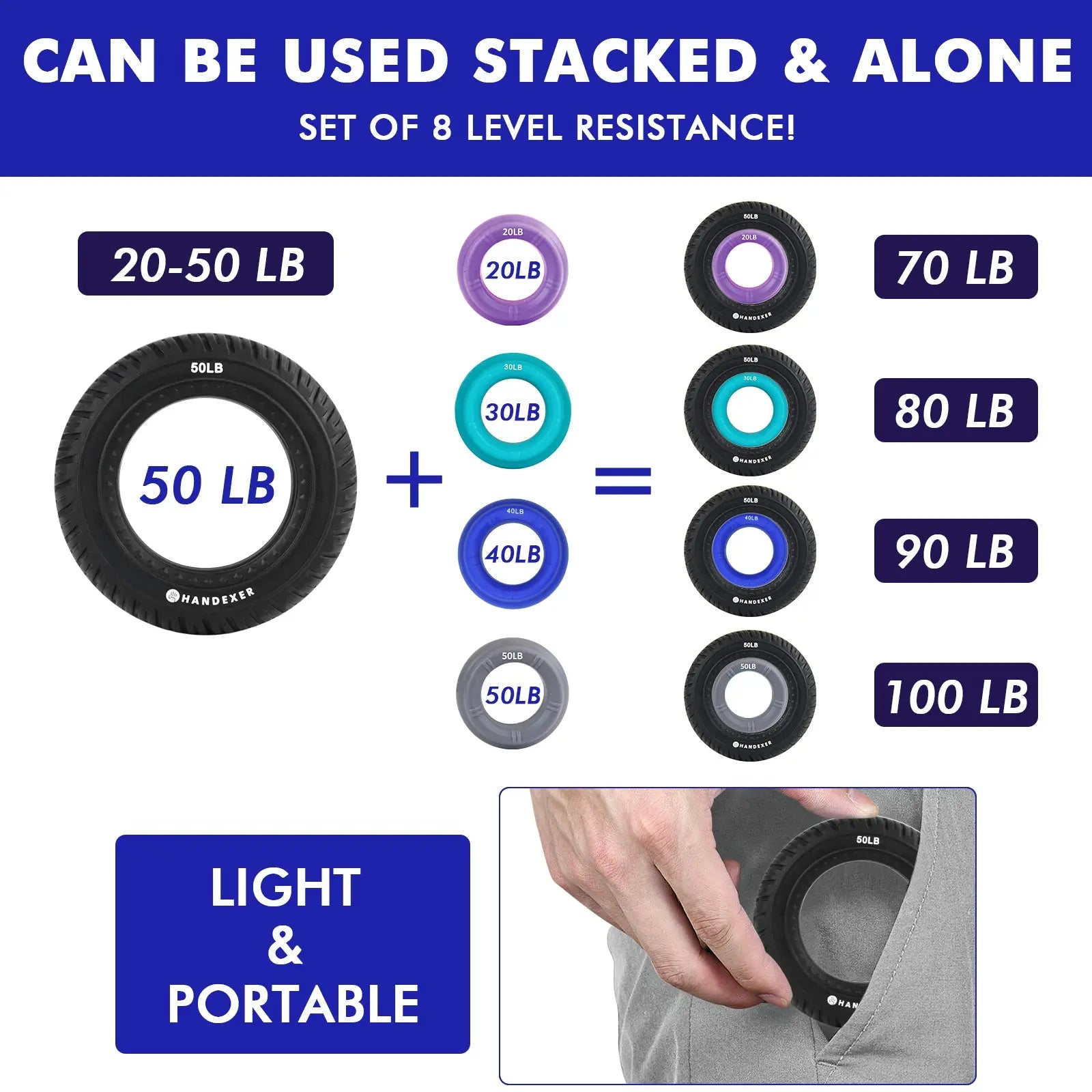
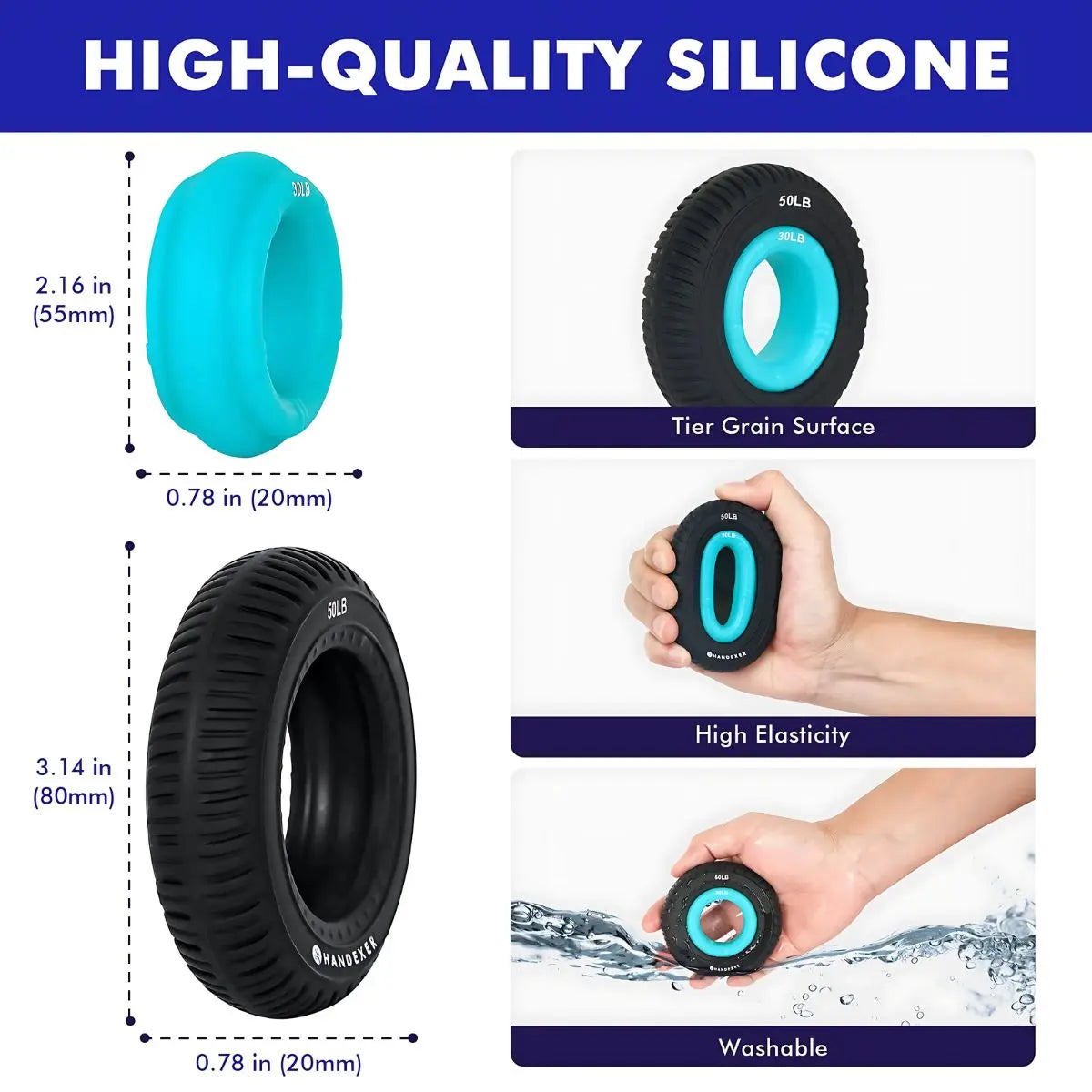
Adjustable resistance tools designed for progressive training, supporting grip strength, coordination, and daily hand function.
Recovery & Mobility Set
A complete set that includes both assessment and training tools, enabling a full “measure–train–track” loop for long-term progress.
Conclusion
The most meaningful gifts are those that help someone maintain control over their daily life.
Among all measurable indicators of aging, grip strength stands out as one of the most accessible and informative markers of functional independence.
Supporting it is not just about exercise—it is about preserving autonomy, confidence, and the ability to continue doing everyday things without limitation.
This Father’s Day, choose a gift that is practical, evidence-informed, and genuinely useful.Give him something that helps him stay strong, capable, and independent.
FAQ
1.Why is hand function so important for independence?
Hand function is essential for Activities of Daily Living (ADLs), including eating, dressing, grooming, and using tools. Grip strength is widely used in clinical settings as a proxy for overall functional health.
2.Will a hand-strength training gift feel uncomfortable?
Not if framed correctly. When positioned as a performance and capability tool rather than a medical aid, it communicates support for strength and independence.
3.Is home-based training effective?
Yes. Research in rehabilitation consistently shows that short, regular home-based training sessions can lead to measurable improvements, especially when adherence is high.






Share:
7 Common Hand Strength Training Mistakes Seniors Make (and What Actually Works)
Long-term Grip Strength Training: What Grip Strength Training Benefits for Seniors Can Middle-Aged and Older Adults Gain?