
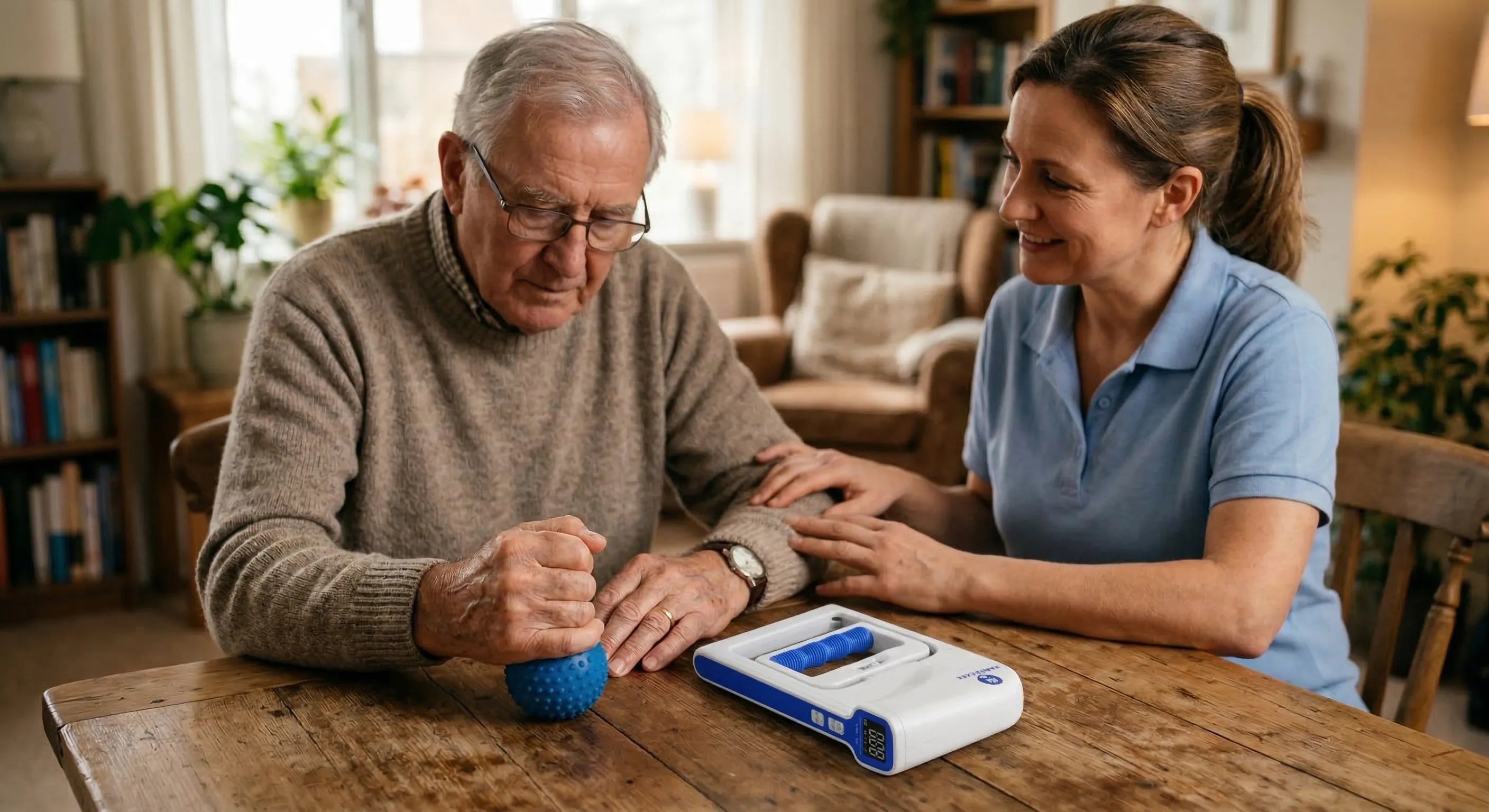
After a stroke, reduced hand strength is one of the most frustrating barriers to daily independence. Simple actions like holding a cup, buttoning a shirt, or turning a doorknob can suddenly feel difficult. That is why improving grip strength after stroke is not just about exercise. It is about restoring confidence, hand function, and measurable recovery.
For many patients and caregivers, the challenge is not only training the hand consistently but also knowing whether recovery is actually happening. A structured program combined with objective measurement can make that process much clearer. Tools like a digital hand dynamometer to monitor your recovery progress help turn vague impressions into usable data.
What is grip strength after stroke?
Grip strength after stroke refers to the amount of force a person can produce when squeezing with the affected hand. It often declines because stroke can impair muscle activation, coordination, sensation, and motor control, making grip recovery a key part of rehabilitation and functional independence.
Grip strength is more than a number. In stroke rehab, it often reflects broader upper-limb recovery. A weak grip may be linked to reduced forearm strength, poor finger coordination, spasticity, or limited neural control. Because of this, therapists frequently use grip performance as a practical marker of hand function.
In everyday life, stronger grip helps support tasks such as:
-
Holding utensils
-
Carrying lightweight objects
-
Opening containers
-
Stabilizing items while dressing
-
Using a phone or remote control
Why does grip strength decrease after a stroke?
A stroke can interrupt the brain signals that control the muscles of the hand and forearm. Even if the muscles themselves are healthy, they may no longer receive smooth, efficient instructions.
Common reasons include:
-
Muscle weakness: Reduced neural drive limits force production.
-
Poor coordination: The hand may close, but not with controlled timing.
-
Spasticity or stiffness: Excess muscle tone can restrict movement quality.
-
Sensory loss: Reduced sensation makes gripping less accurate and less confident.
-
Disuse: When the hand is hard to use, people often use it less, which further reduces strength.
This is why stroke rehabilitation usually focuses on both movement quality and strength rebuilding rather than raw squeezing force alone.
Can grip strength improve after stroke?
Yes, grip strength can improve after stroke, especially with early rehabilitation, repetitive task practice, strength training, and consistent monitoring. Recovery speed varies, but many patients can regain meaningful hand function when training is safe, progressive, and tailored to their condition.
The level of improvement depends on factors such as:
-
Stroke severity
-
Location of brain injury
-
Time since stroke
-
Age and general health
-
Consistency of rehab practice
-
Presence of pain, contracture, or severe spasticity
Recovery is rarely linear. Some weeks show visible gains, while others feel slow. That is exactly why measurable tracking matters. When patients can check their baseline grip strength and compare it over time, even small improvements become easier to notice and discuss with a therapist.
Best exercises to improve grip strength after stroke
The best exercises for grip strength after stroke combine gentle squeezing, finger extension, object manipulation, and functional daily tasks. The goal is not just stronger squeezing, but better control, endurance, and coordination for real-world hand use.
Before starting, patients should follow guidance from a qualified rehabilitation professional, especially if they have severe weakness, pain, or spasticity.
1. Soft ball or therapy putty squeezes
Use a soft foam ball or rehab putty. Squeeze gently and hold for a few seconds, then release slowly.
This helps retrain basic hand closing strength. It is often one of the earliest and safest exercises when introduced appropriately.
2. Towel scrunches
Place a small towel flat on a table and pull it toward you using the fingers.
This supports finger flexion and improves active hand engagement without needing heavy resistance.
3. Finger extension drills
Many stroke patients focus only on closing the hand, but opening the hand is equally important. Use rubber bands or therapist-approved tools to practice finger extension.
Balanced training helps reduce stiffness and improves practical hand control.
4. Object transfer practice
Pick up light objects such as blocks, cups, or sponges and move them from one place to another.
This builds functional grip patterns and encourages coordination rather than isolated squeezing.
5. Supported daily living tasks
Activities like holding a toothbrush, gripping a washcloth, or stabilizing a bowl during meals can reinforce recovery in meaningful ways.
Functional repetition often translates better to everyday independence than strength work alone.
How often should stroke patients train grip strength?
Most stroke patients benefit from frequent, low-to-moderate intensity hand practice rather than occasional hard sessions. Short daily sessions are usually more effective for motor relearning than inconsistent high-effort training.
A typical safe approach may include:
-
10 to 20 minutes of hand work
-
1 to 2 sessions per day
-
Rest when fatigue or poor movement quality appears
-
Gradual progression under rehab guidance
Overtraining is not helpful. If the hand becomes increasingly tight, painful, or less coordinated during a session, that is usually a signal to reduce intensity or stop.
Why measurement matters during stroke hand recovery
Many patients judge recovery by feeling alone. The problem is that daily perception can be misleading. Some days the hand feels stronger because pain is lower or energy is better. Other days real progress is happening, but it is too subtle to notice.
That is where grip measurement becomes useful.
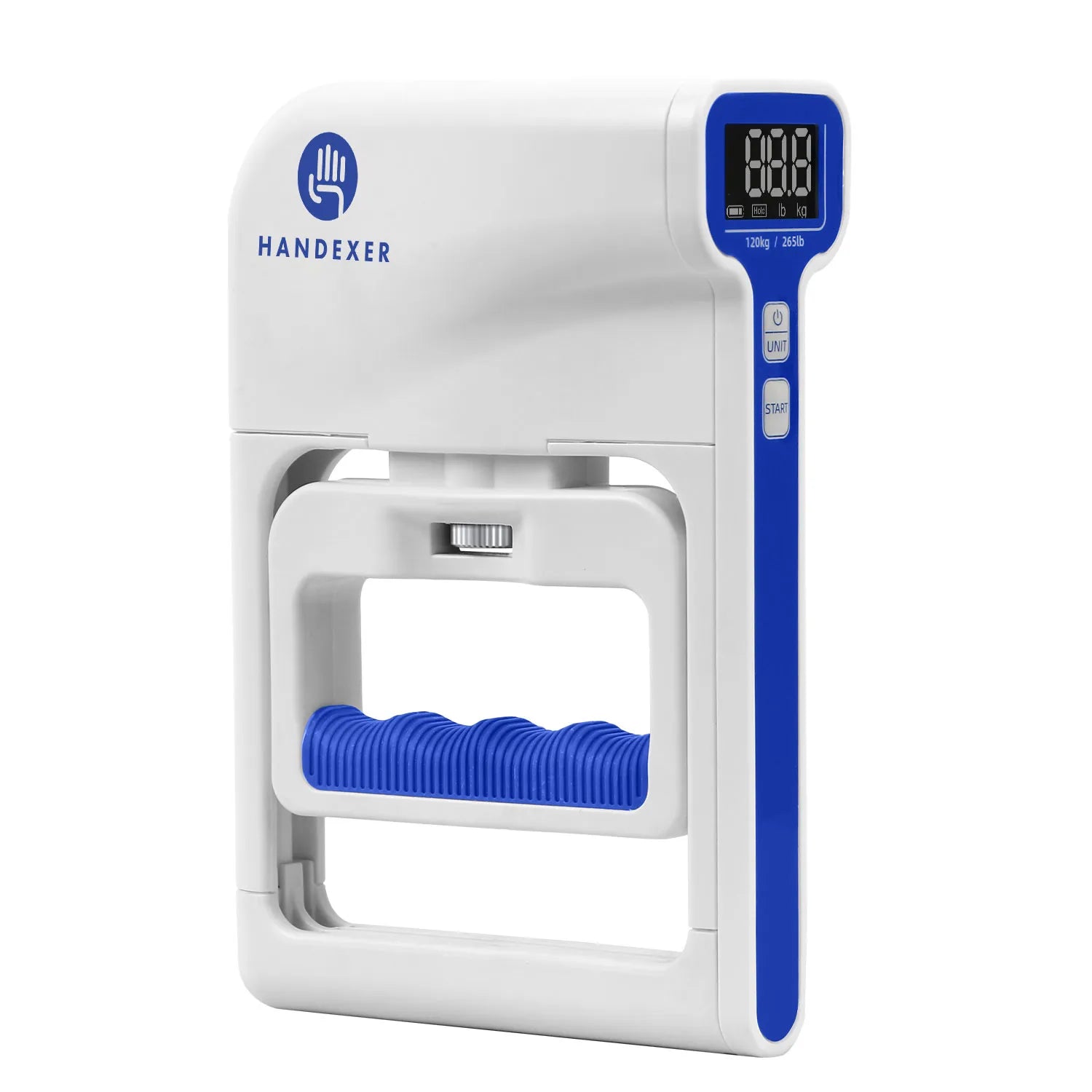
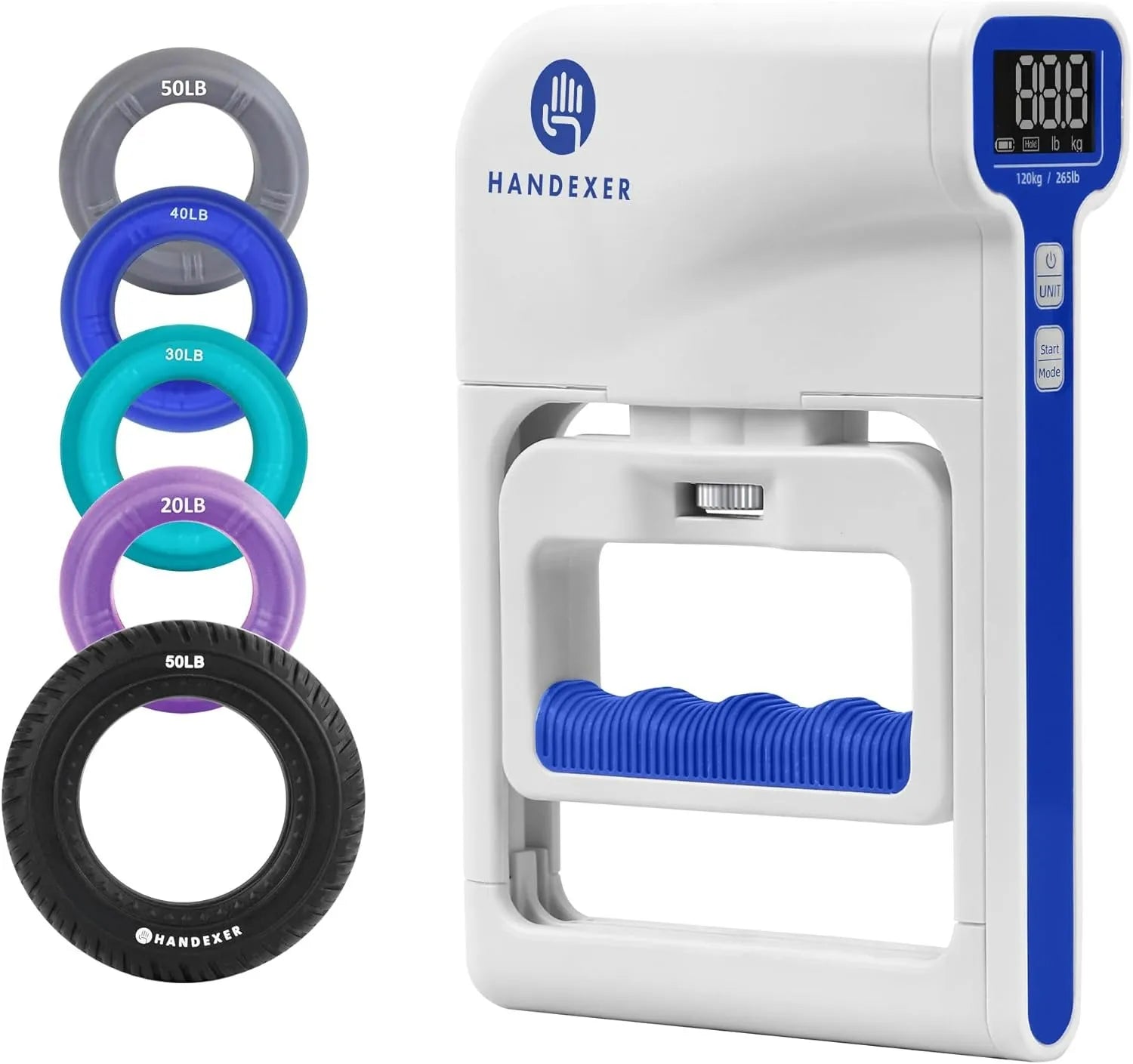
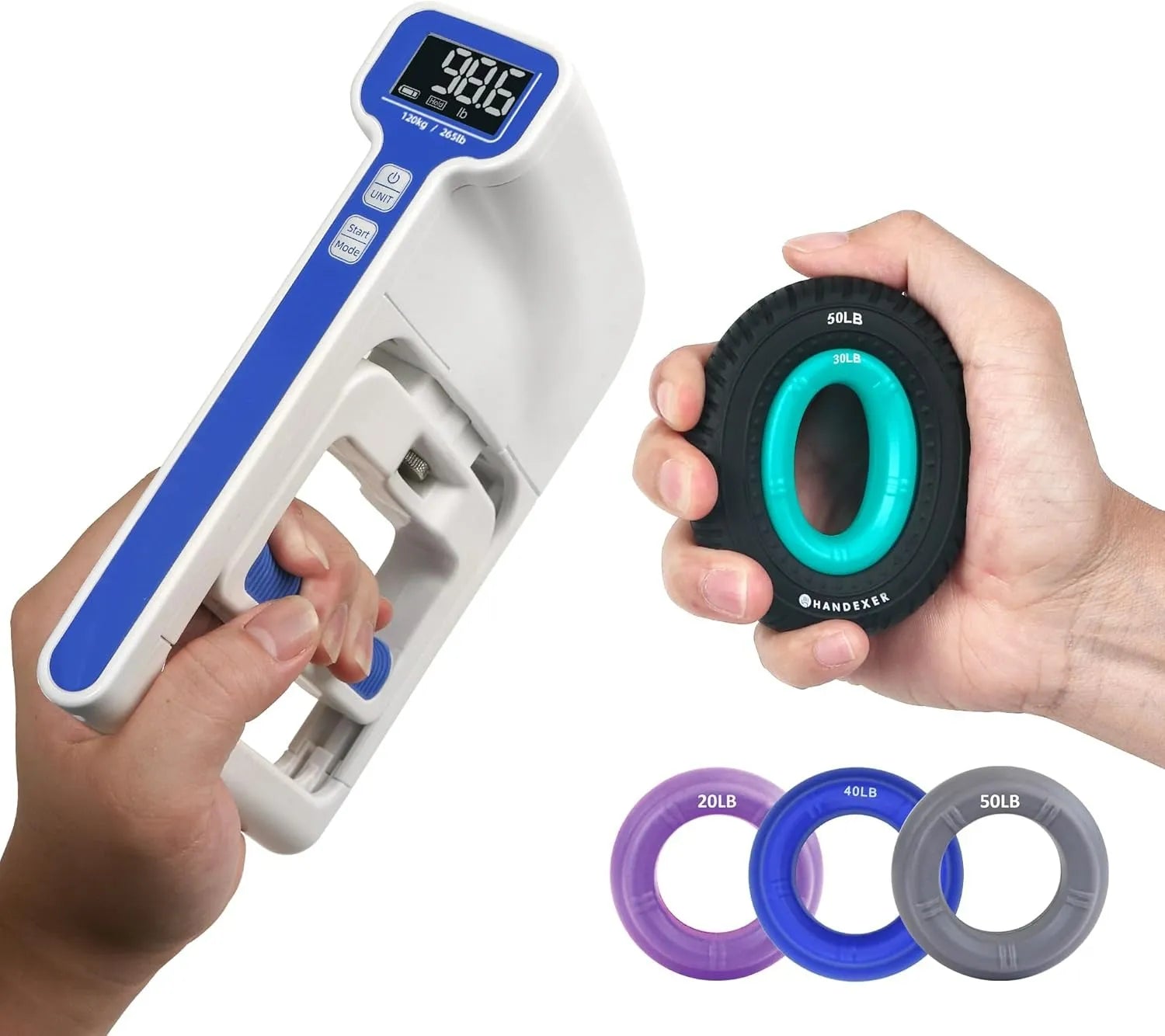
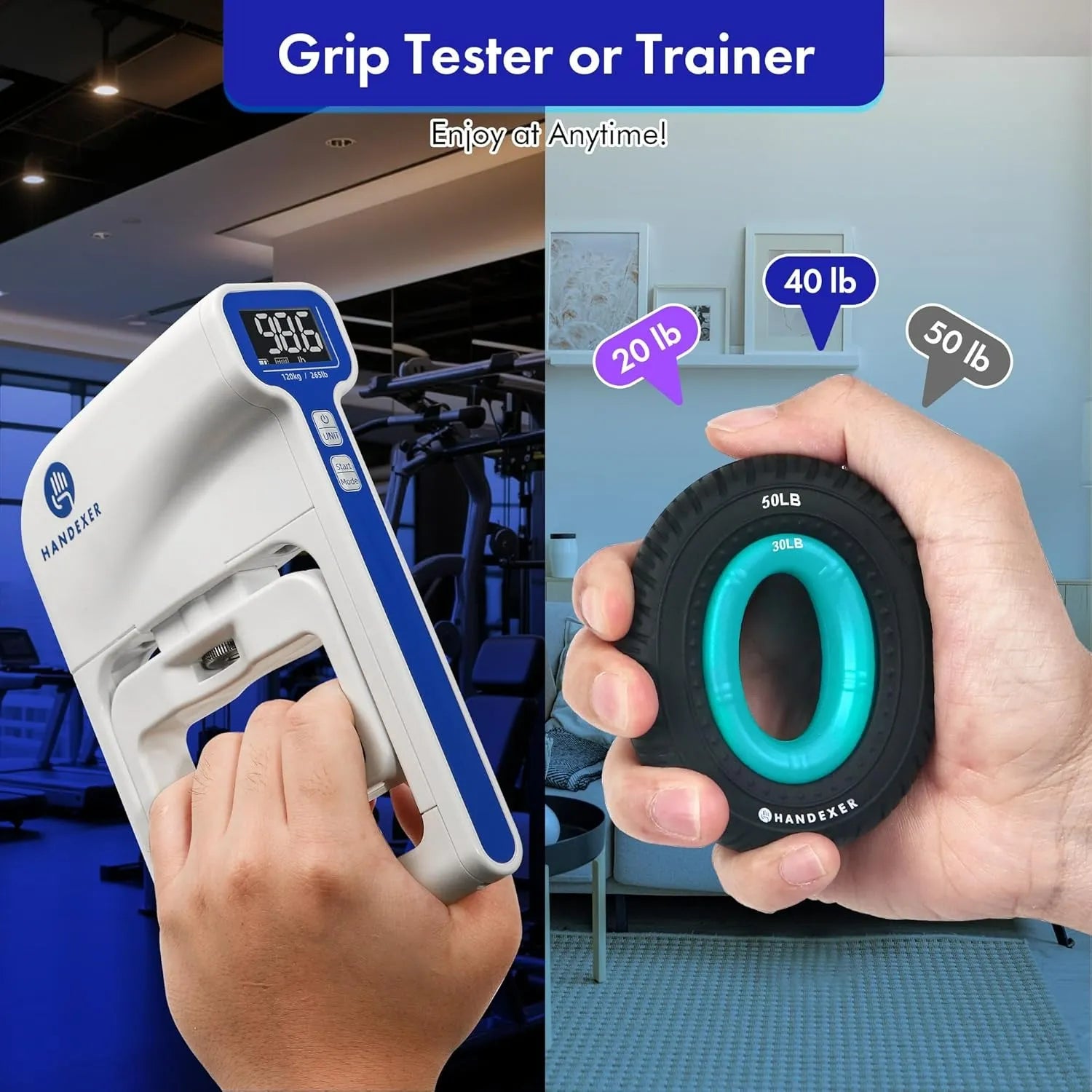
A quality digital hand dynamometer can help with:
-
Establishing a starting point
-
Tracking weekly or monthly changes
-
Comparing left and right hand performance
-
Supporting therapist discussions with objective data
-
Increasing motivation through visible progress
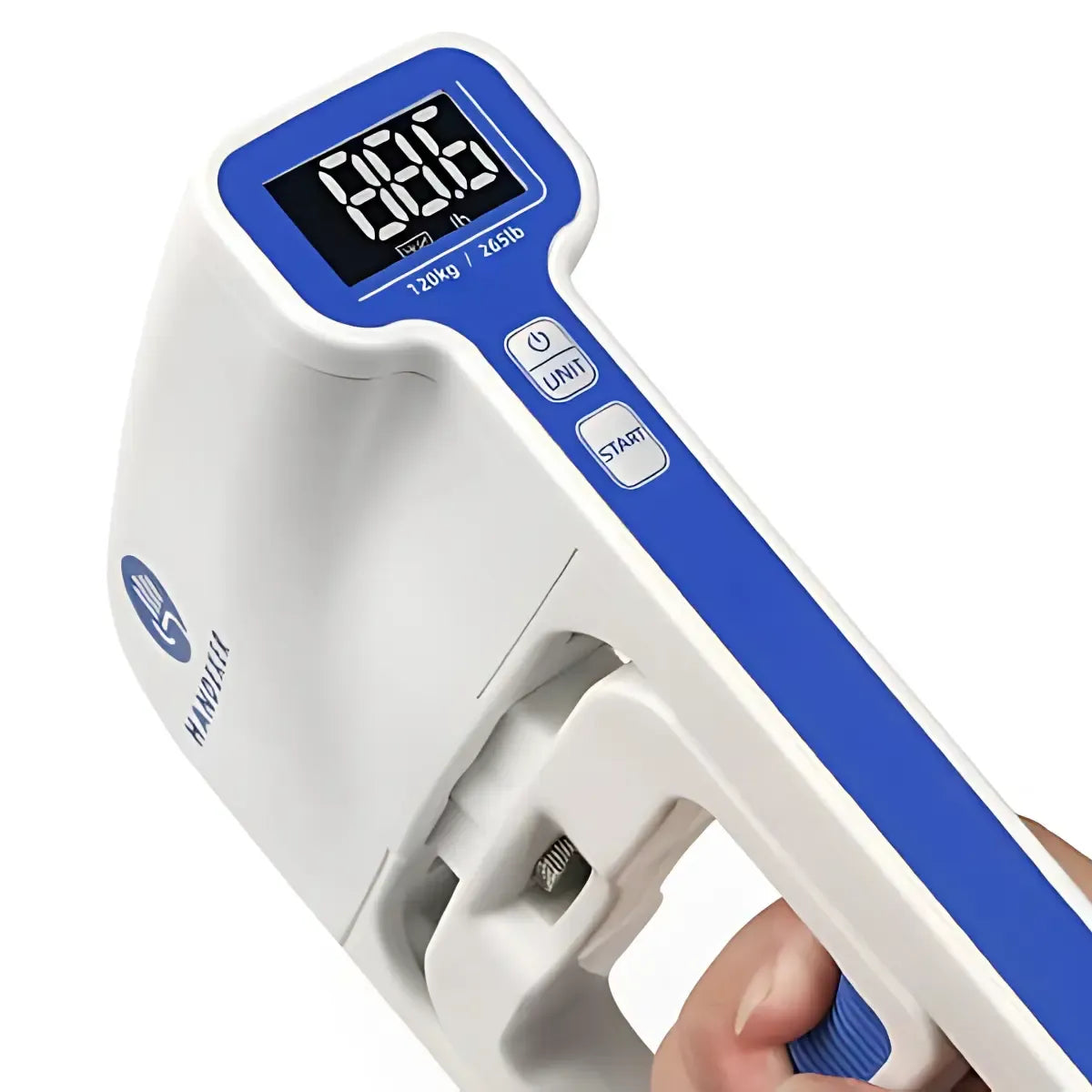
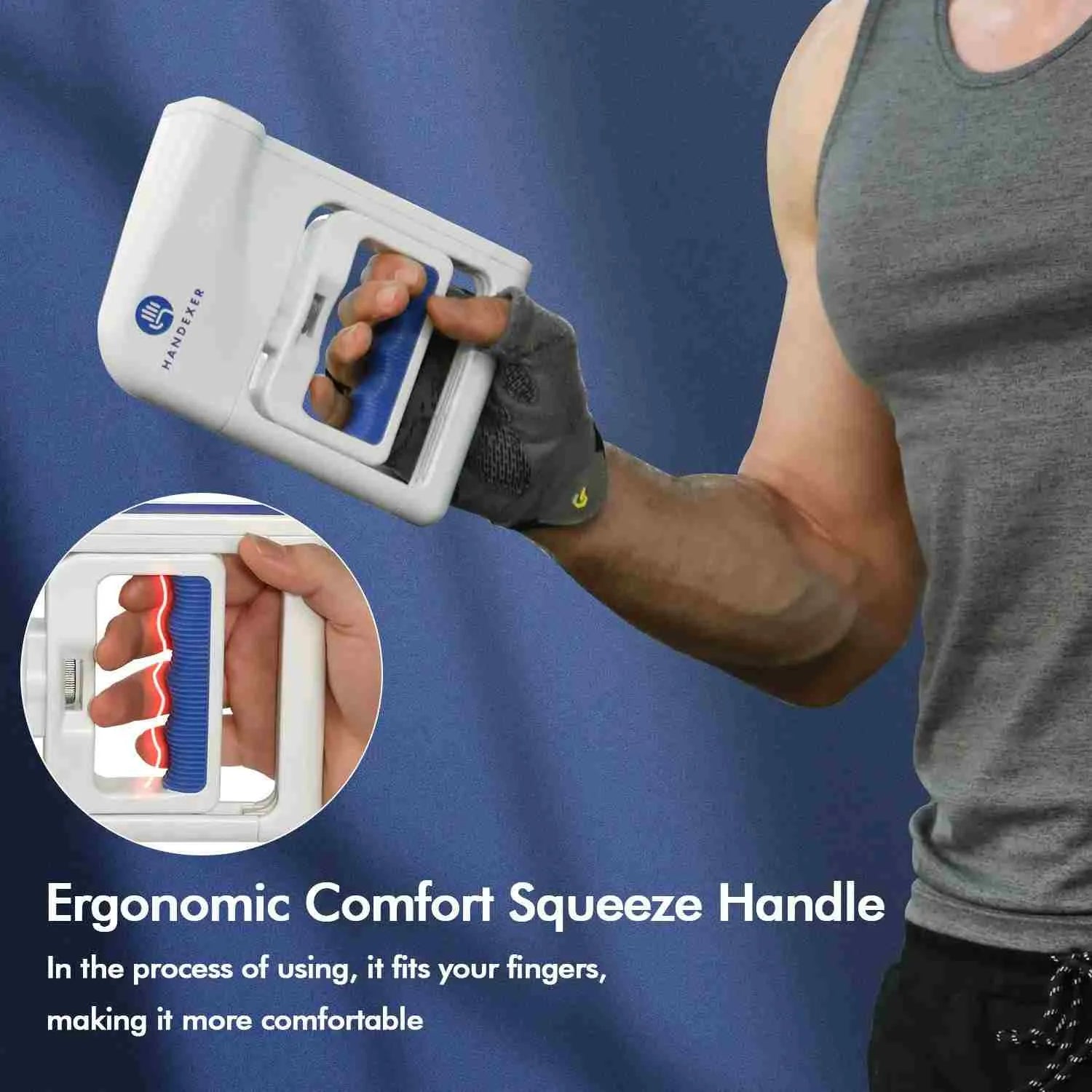
For rehab patients, a model with precise tracking, ergonomic handling, and user profile support for age and gender is especially useful. A high-capacity option such as the Handexer digital hand dynamometer with 265 lb / 120 kg range also remains practical as strength improves over time rather than becoming obsolete later in recovery.
How to measure grip strength after stroke correctly
Follow these basic steps:
-
Sit upright with the shoulder relaxed
-
Bend the elbow around 90 degrees if advised by your therapist
-
Hold the dynamometer comfortably, without compensating through the shoulder
-
Squeeze as hard as safely possible for a few seconds
-
Test 2 to 3 times and record the best or average score
Consistency matters more than perfection. Try to measure under similar conditions each time, such as the same time of day and same seated position.
For home users, the goal is not clinical perfection. It is trend tracking. Reliable repeat measurements help identify whether progress is stable, plateauing, or regressing.
When should you seek professional help?
Recovery exercises should be paused and reviewed by a clinician if the patient has:
-
New pain during gripping
-
Worsening hand tightness
-
Swelling or joint discomfort
-
A sudden drop in function
-
Unsafe compensatory movement patterns
A physical or occupational therapist can adjust the exercise plan, recommend better hand positioning, and determine whether the issue is weakness, tone, coordination, or fatigue.
Final thoughts
Improving grip strength after stroke is a gradual process, but it is one of the most meaningful parts of upper-limb rehabilitation. Better grip can support independence, confidence, and daily function. The key is to combine safe, repetitive practice with objective measurement.
Progress may feel slow at times, but measurable data can reveal gains that are easy to miss. When you can consistently start your grip recovery tracking with a digital hand dynamometer, you make rehabilitation more visible, structured, and motivating.
FAQ
1. How long does it take to regain grip strength after a stroke?
Recovery time varies widely depending on stroke severity, rehab consistency, and overall health. Some patients see early improvement within weeks, while others need several months of structured therapy and home practice.
2. Is grip strength a good sign of stroke recovery?
Yes. Grip strength is often used as a practical indicator of upper-limb function because it reflects hand activation, coordination, and usable strength in daily tasks.
3. Can a hand dynamometer help during stroke rehabilitation?
Yes. A hand dynamometer helps measure grip force objectively, making it easier to track progress, identify plateaus, and discuss recovery with a therapist.
4. Should stroke patients do grip exercises every day?
In many cases, yes. Short, controlled daily practice is often more effective than occasional intense sessions, but exercise frequency should still match the patient’s condition and therapist guidance.






Share:
Average Grip Strength by Age and Gender: What’s Normal and How to Improve It
Is Decreased Grip Strength an Early Sign of Arthritis? 5 Warning Signs You Need to Test at Home