
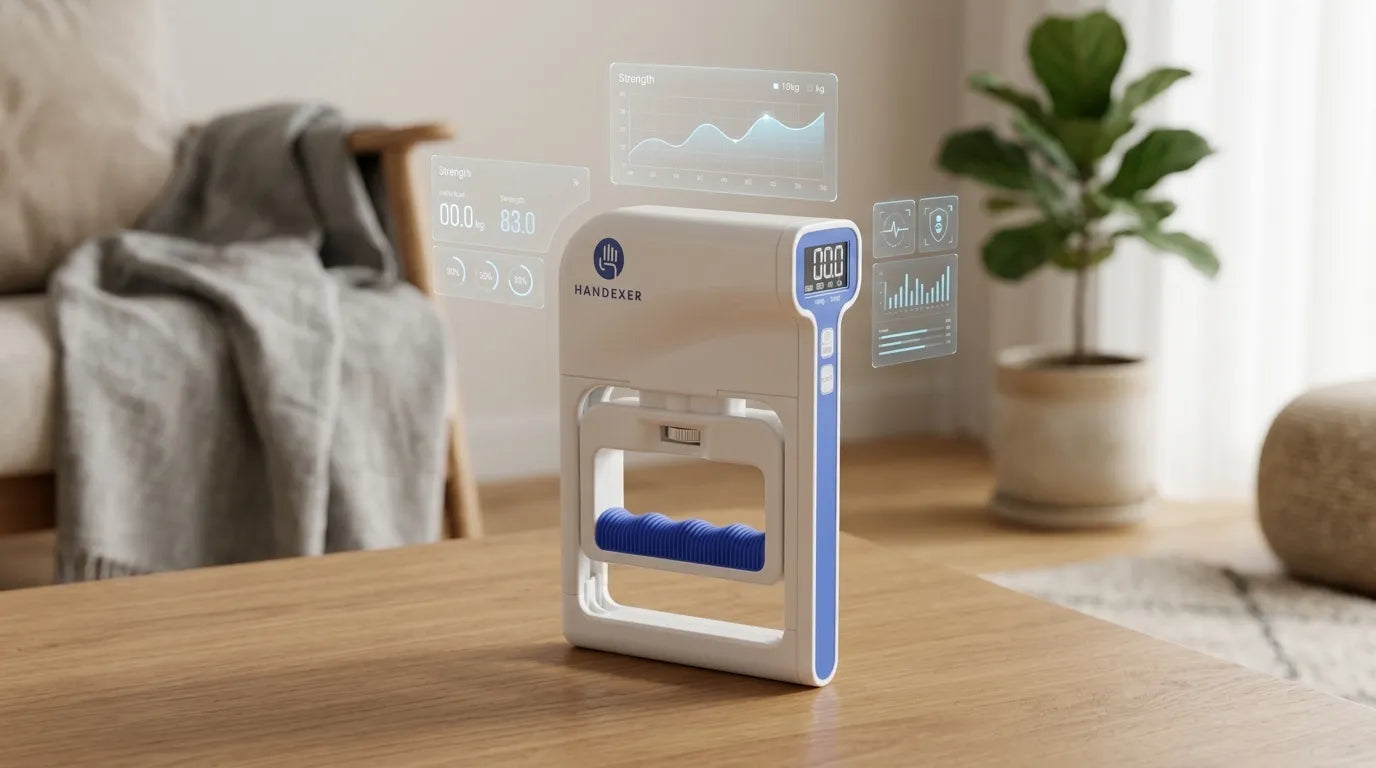
Grip strength is widely recognized in clinical research as a key indicator of overall muscle function, aging, and physical resilience. It reflects far more than hand power—it is often used as a proxy for functional health and recovery progress.
But if your goal is hand rehabilitation, performance tracking, or long-term strength maintenance, simply owning a basic gripper is not enough.You need a reliable grip strength tester (hand dynamometer) that gives you measurable, repeatable, and actionable data.
This guide will help you choose the right tool—and use it correctly to track recovery with confidence.
Why You Need a Hand Health Assessment (Not Just a Strength Test)
Most people view grip strength through a fitness lens—a metric for the gym. At Handexer, we view it through the lens of hand function. Whether you are recovering from an injury, managing the effects of aging, or looking to maintain peak performance, assessment is the first step of the journey.
A clear measurement tells you:
-
Where you stand: Is your hand function within the healthy range for your age?
-
How you’re recovering: Is your rehabilitation plan actually working?
-
When to adjust: Are you losing strength that needs to be addressed through purposeful training?
Types of Grip Strength Testers

Comparison Table
| Type | Best For | Accuracy | Tracking | Pros | Cons |
|---|---|---|---|---|---|
| Hydraulic Dynamometer | Clinical / baseline testing | High | No | Proven standard, no power needed | No data storage, harder to read |
| Digital Hand Dynamometer | Home rehab / tracking / performance | Very High | Yes | Precise, stores data, easy to use | Battery required, quality varies |
| Basic Spring Grip Tool | Casual fitness | Low | No | Cheap, simple | Not reliable for real tracking |
👉 If your goal is recovery or long-term tracking, a digital hand dynamometer is the most practical choice.
Choosing the Right Tool: Digital Precision vs. Basic Gadgets
When selecting a grip strength tester (or hand dynamometer), accuracy and usability are paramount.
The Digital Advantage
While analog or hydraulic testers have been the clinical standard for decades, digital hand dynamometers have revolutionized home and light clinical use.
-
Precision: Digital sensors provide granular data that is easier to read and less prone to human error.
-
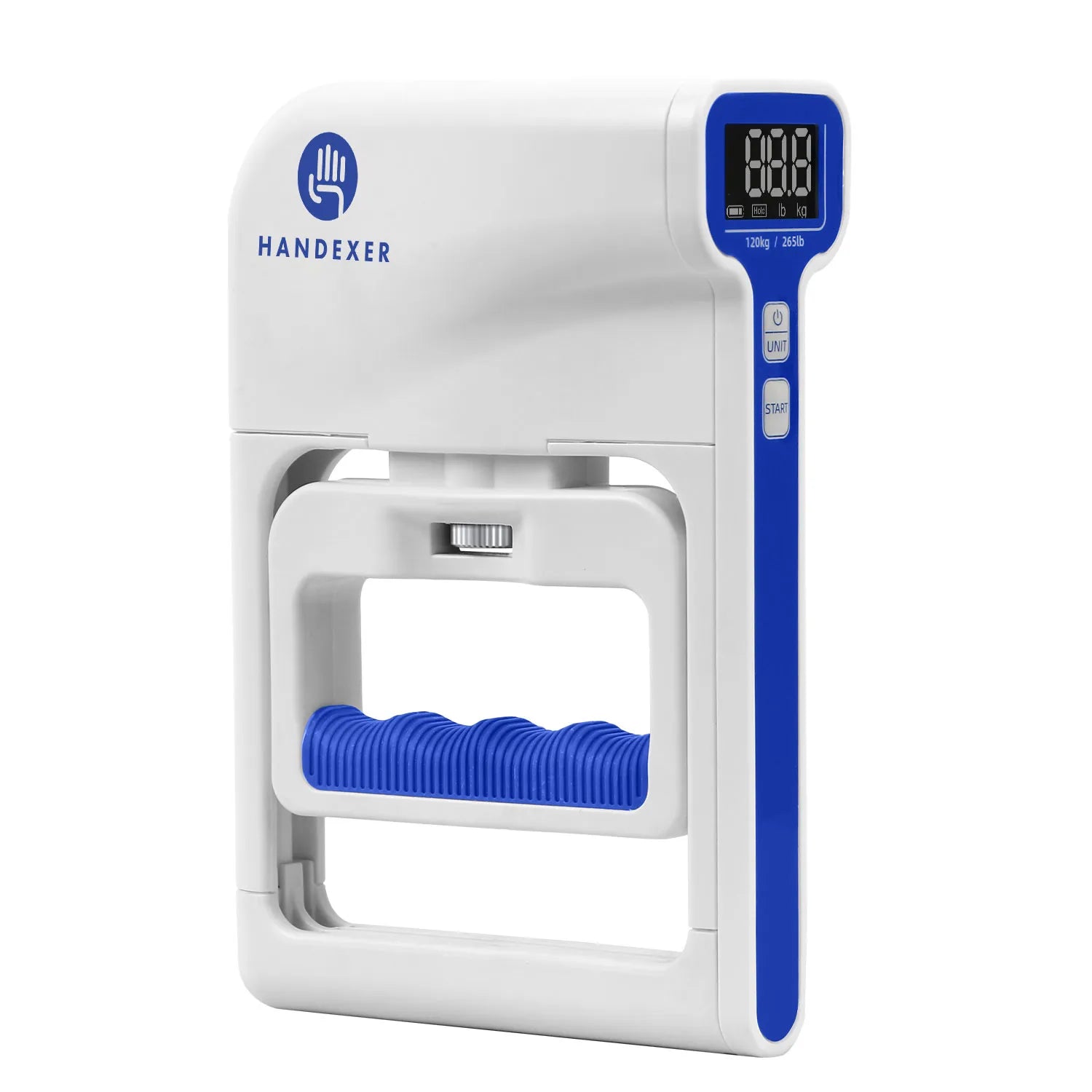
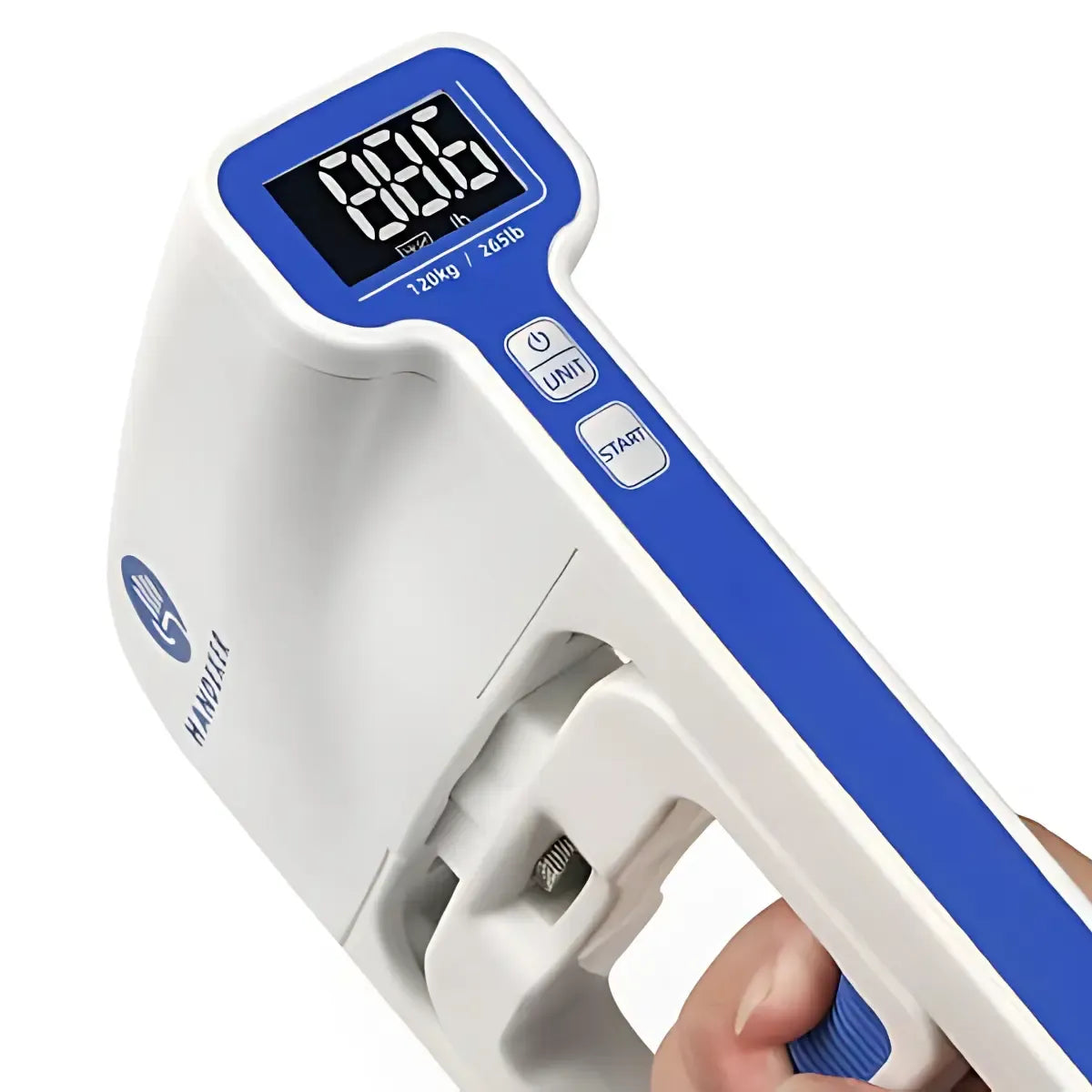
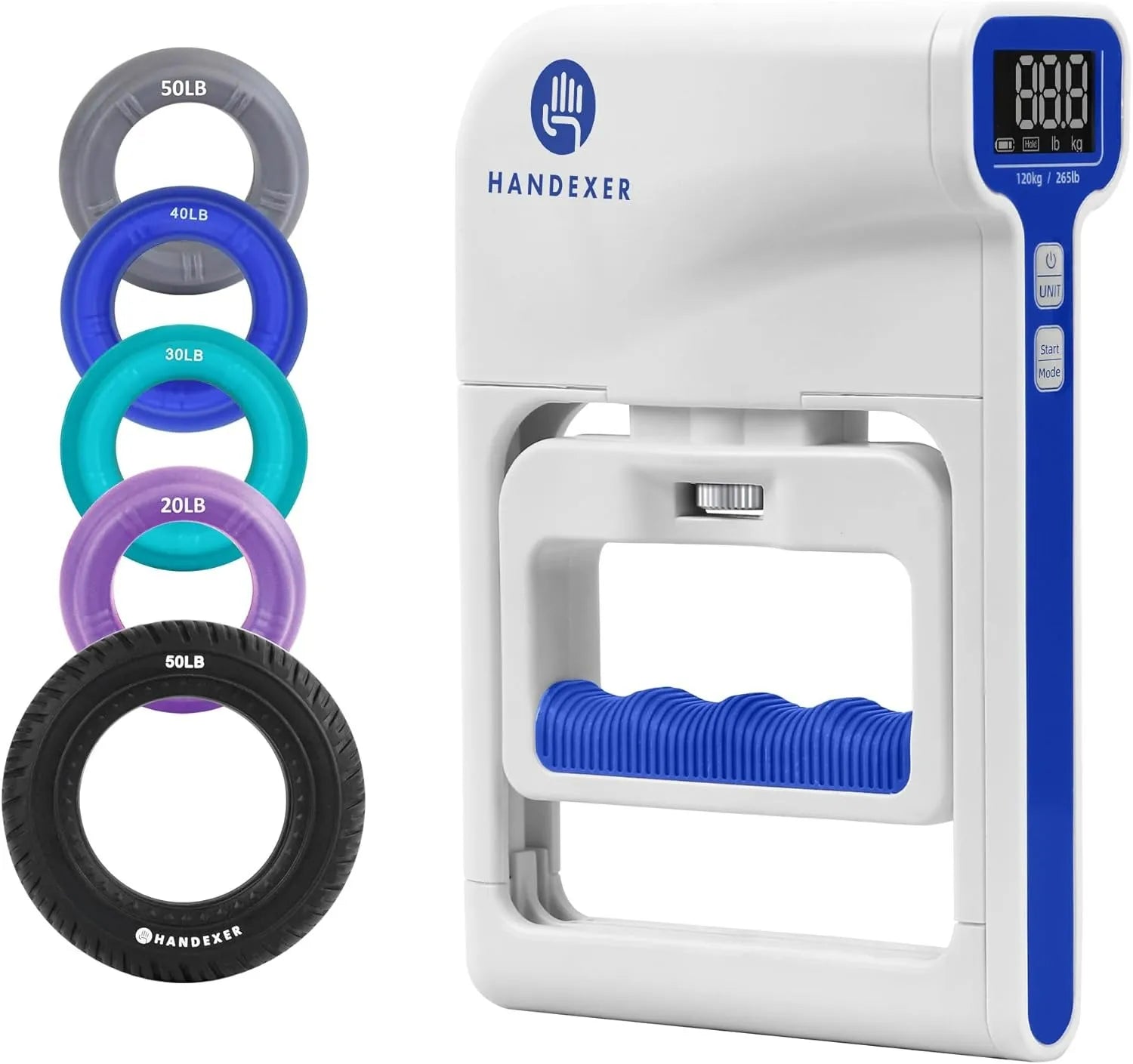
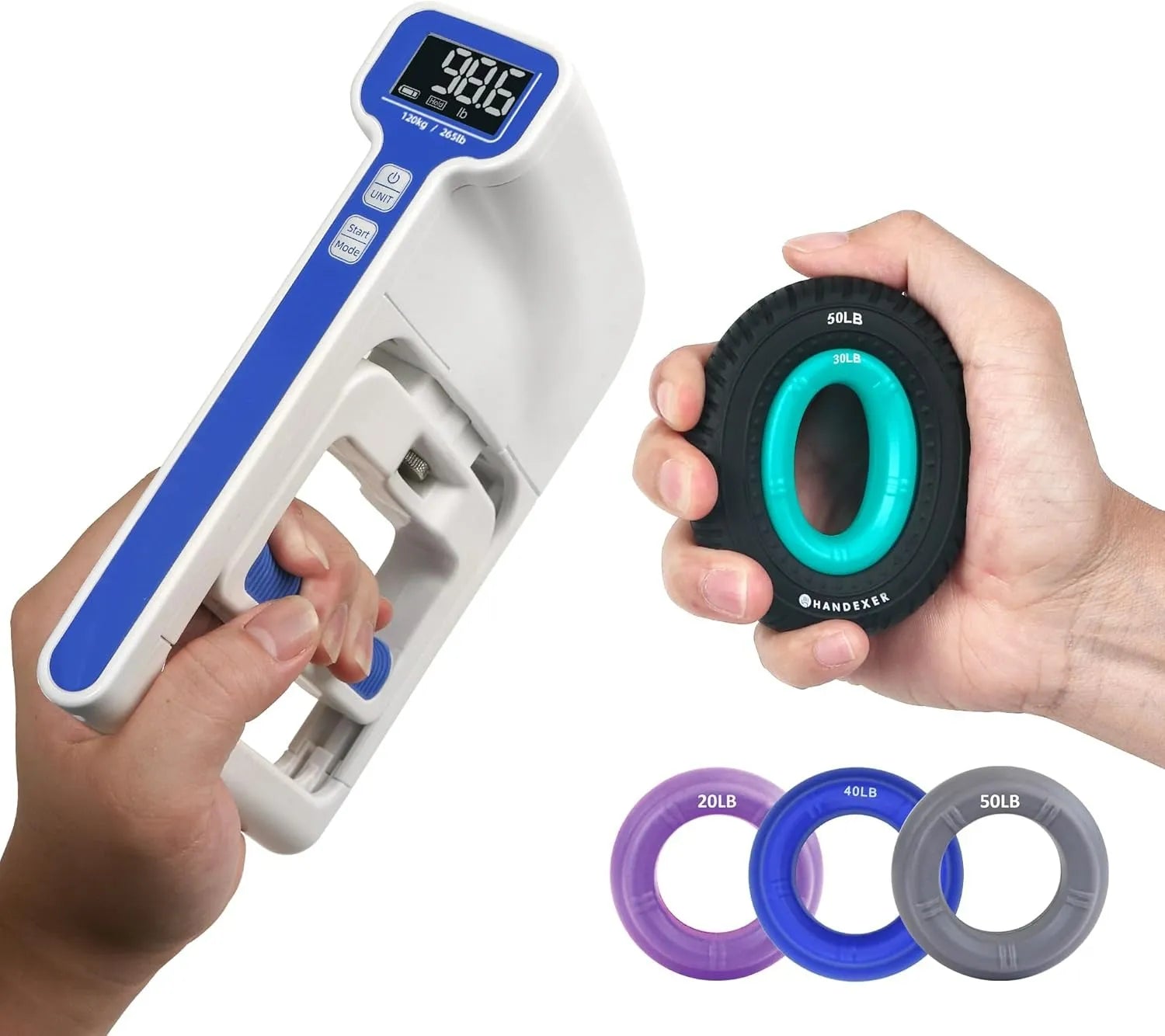
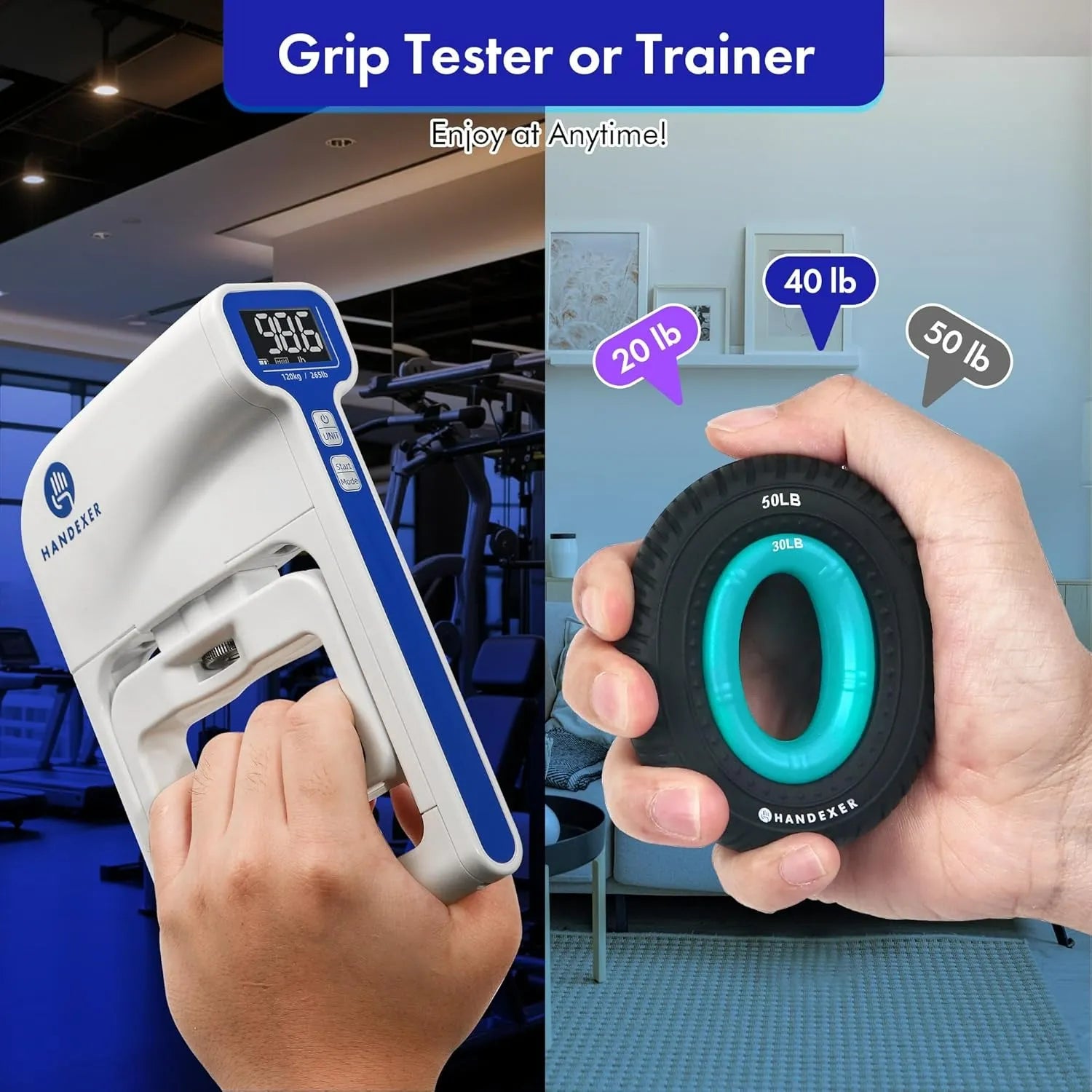
Tracking: Unlike simple tools, professional digital testers like the Handexer Grip Strength Hand Dynamometer allow you to save records, making it possible to see visible results over time.
-
Accessibility: They are designed for everyone—from seniors monitoring vitality to athletes tracking recovery.
Avoid "cheap gadget" styles that lack calibration. Trustworthy professionalism starts with a tool that provides repeatable, accurate data.
How to Choose the Right Grip Strength Tester
1. Accuracy and Calibration (Most Important Factor)
A reliable hand dynamometer should:
- Provide repeatable results with minimal variance
- Be factory-calibrated or adjustable
- Maintain consistency across multiple tests
👉 If a device does not specify calibration standards, avoid it.
2. Measurement Range
A good device should cover a wide range:
- Low strength users (rehab, elderly recovery)
- Average adults
- High-performance athletes
Typical reference ranges:
- Women: ~20–35 kg
- Men: ~35–55 kg
3. Digital Tracking Capability
Essential features for long-term use:
- Historical data storage
- Left/right comparison
- Trend visualization
👉 This is what transforms a simple tool into a progress system.
4. Ergonomics and Build Quality
Look for:
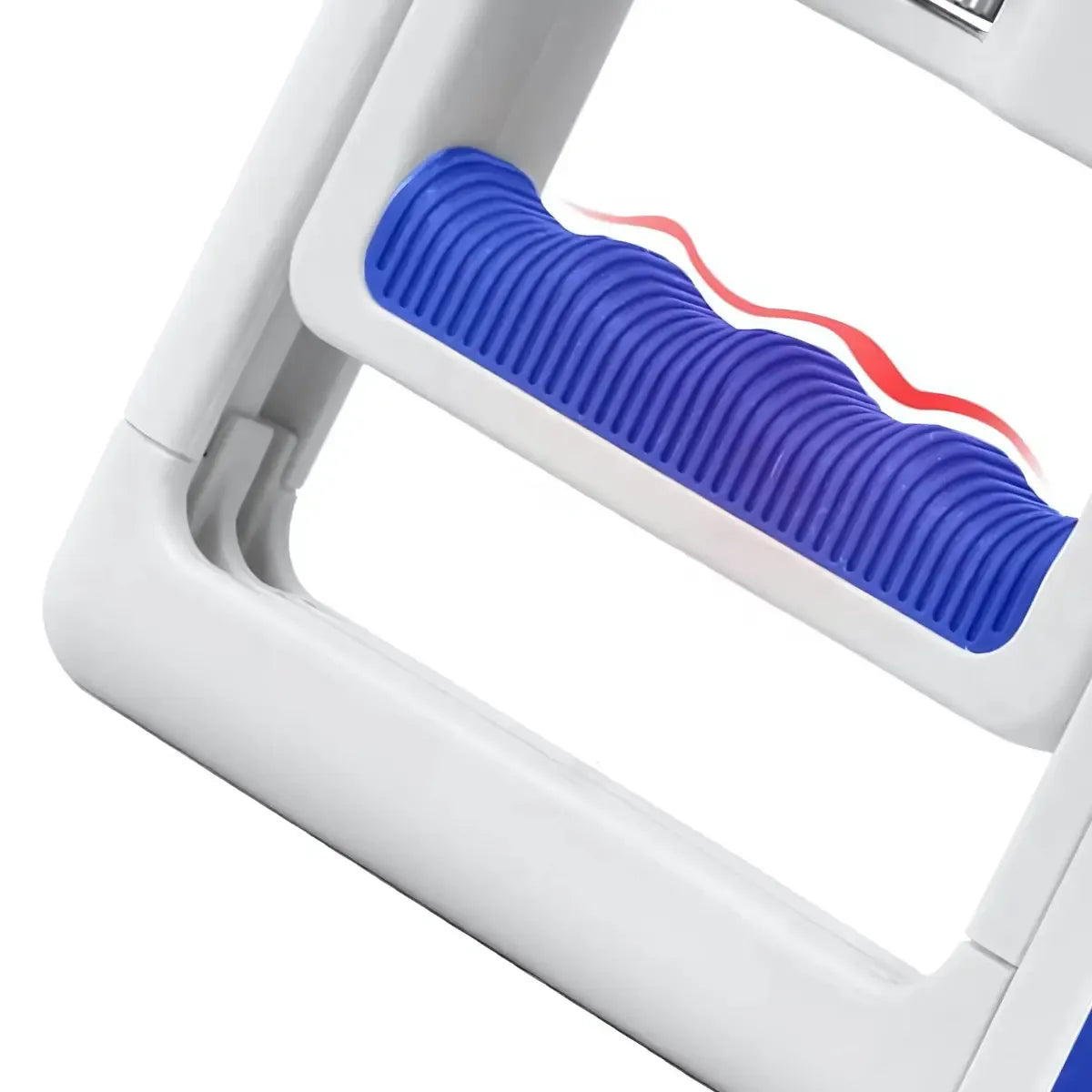
- Adjustable grip width
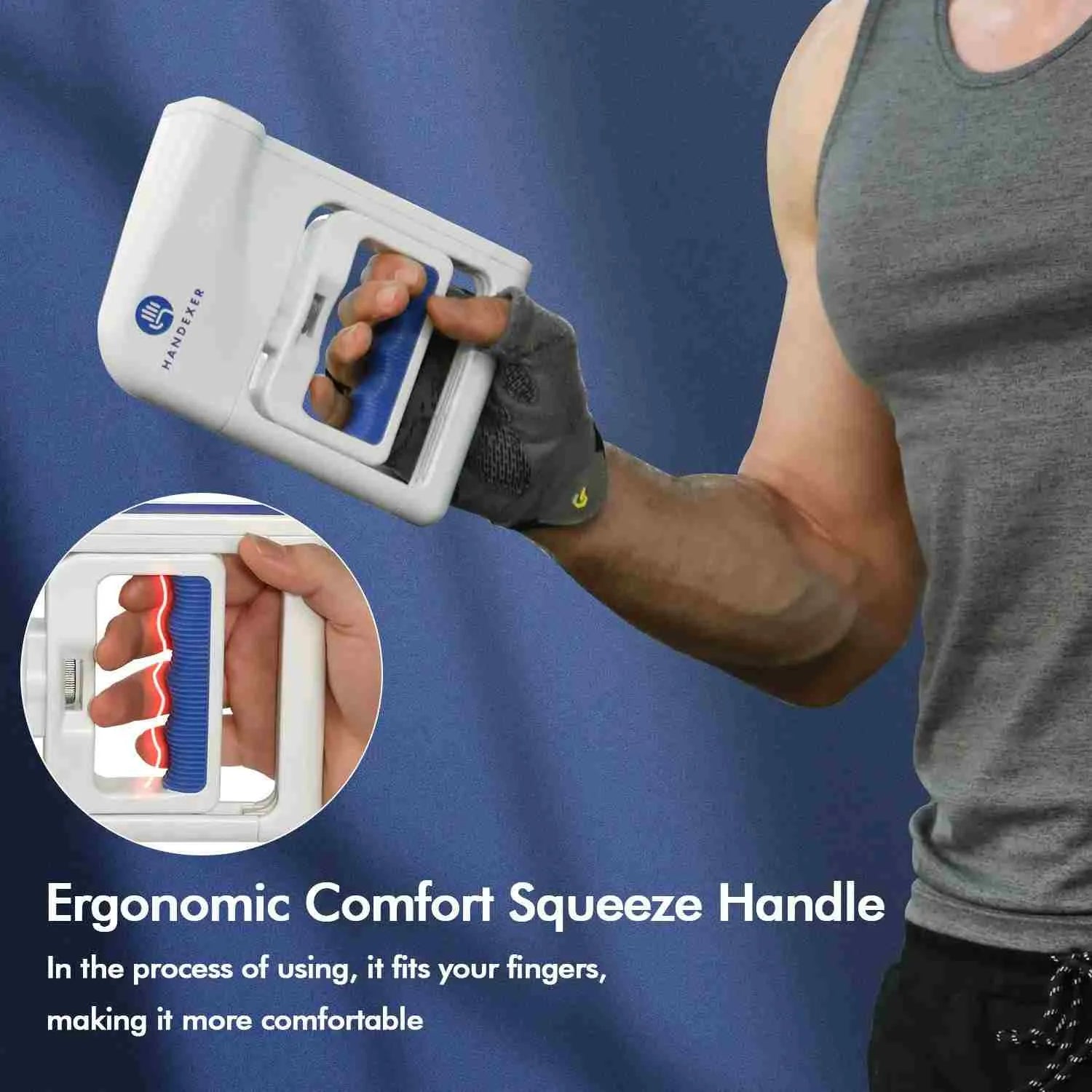
- Comfortable handle pressure distribution
- Durable structure for repeated testing
Poor ergonomics can distort test results.
How to Perform a Professional-Grade Hand Function Test

To get meaningful data, your testing protocol must be consistent. Follow these steps for a clinical-grade assessment at home:
- Posture: Sit comfortably in a chair with your feet flat on the floor.
- Arm Position: Keep your shoulder adducted and neutrally rotated. Your elbow should be flexed at a 90-degree angle, with the forearm in a neutral position.
- The Squeeze: Squeeze the device with your maximum effort for about 3-5 seconds. Exhale as you squeeze to avoid internal pressure.
- Consistency: Test both hands and repeat the process three times, taking the average for the most accurate baseline.
From Assessment to Action: Using Data to Guide Recovery
The power of Handexer isn’t just in the measurement—it’s in the Track and Improve phases. Once you have your baseline assessment:
-
Set Purposeful Goals: If your left hand is 20% weaker than your right due to injury, your goal is functional symmetry.
-
Monitor Progress: Use a tracking sheet or app to log your weekly scores. Seeing the numbers go up provides the confidence needed to stay committed to your recovery.
-
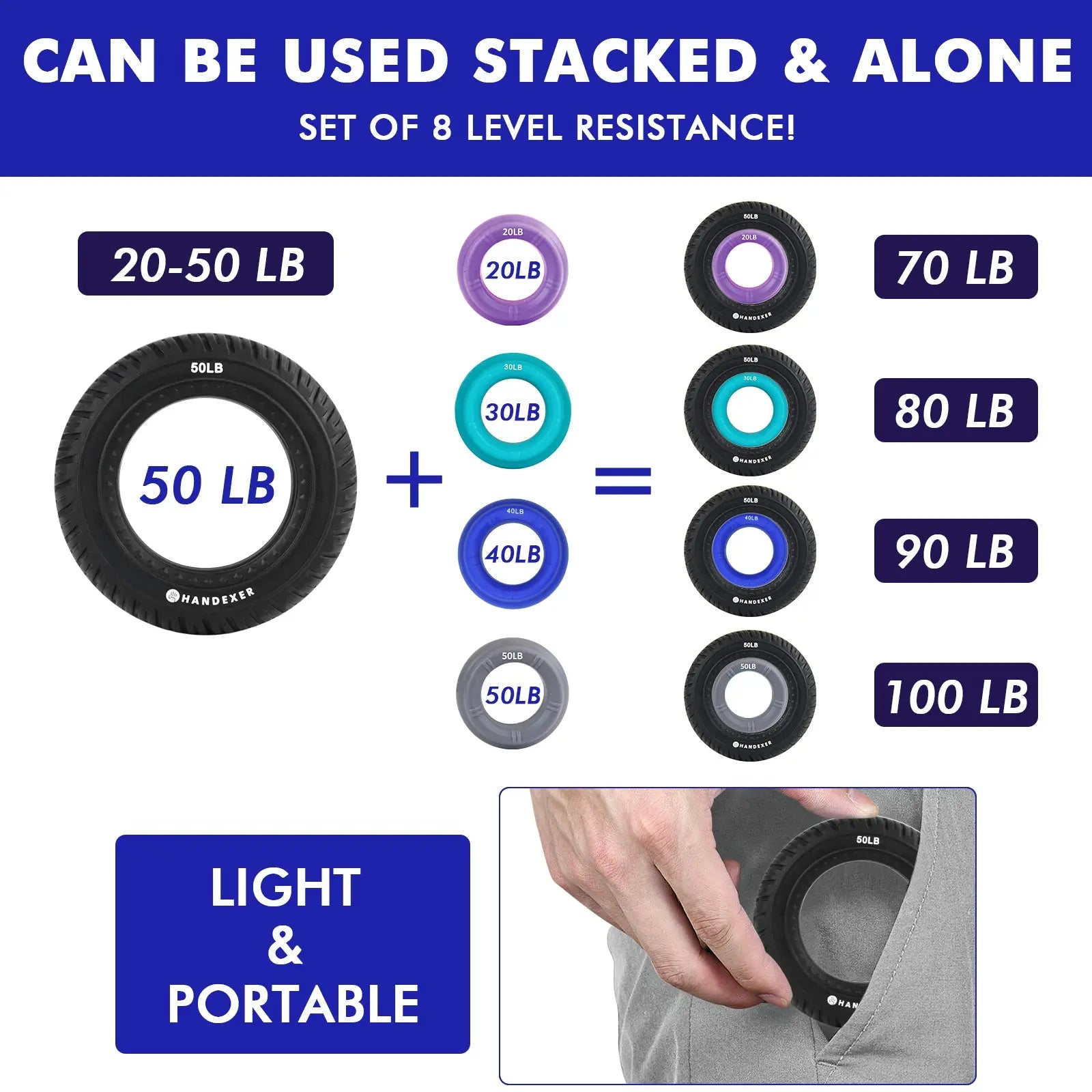
Refine Your Training: If your strength plateaus, it may be time to move from basic recovery to functional strength training with adjustable resistance tools.
Start Measuring What Matters
Improving hand health starts with measurement, not guesswork.
A reliable grip strength tester helps you:
- Understand your baseline
- Track recovery objectively
- Train with purpose
- Prevent unnoticed strength decline
👉 Choose the right tool, start measuring consistently, and turn hand health into something you can actually track and improve.
FAQ: Hand Health Assessment
Q1: Can I use a grip strength tester if I have arthritis?
Yes, but it should be used to monitor function rather than to push for maximum pain-inducing force. Always consult with a professional if you feel sharp pain.
Q2: Why does my grip strength fluctuate?
Factors like time of day, fatigue, and even hydration can affect results. This is why we recommend "Clear Measurement" at the same time of day for consistent tracking.
Q3: Is grip strength a good indicator of overall health?
Absolutely. Research shows a strong correlation between grip strength and longevity, as it reflects overall muscle mass and vitality.
Q4:Do I need a medical-grade device?
Not necessarily—but if you're tracking recovery or rehabilitation, higher accuracy digital devices are strongly recommended.






Share:
Grip Strength Norms: Are the Statistics Accurate and Why Do They Matter?
How to Use Grip Rings for Hand Strength Training