

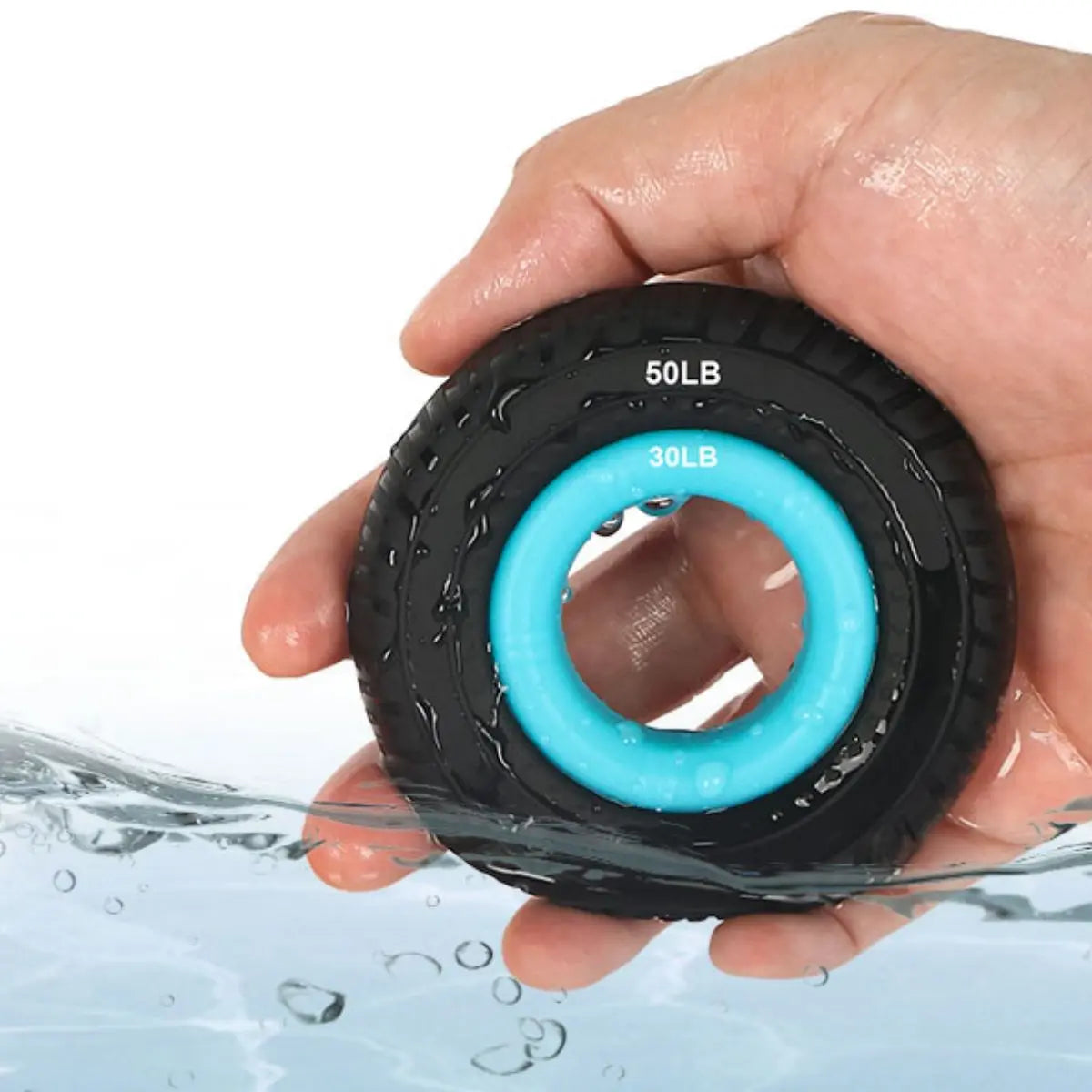
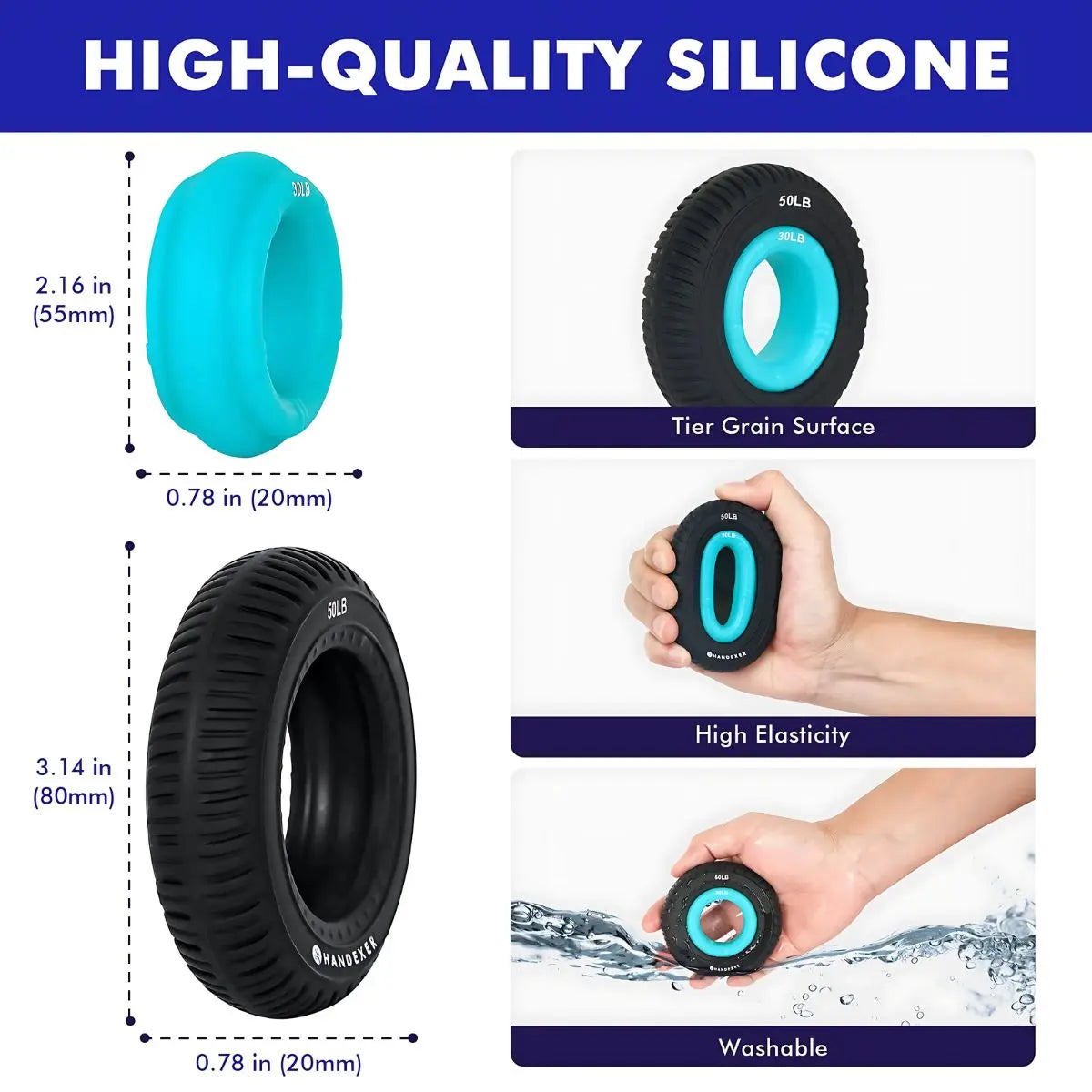
Grip rings are simple yet surprisingly versatile tools used to train hand strength, finger coordination, and forearm endurance in a more natural and joint-friendly way. Unlike traditional metal grippers that rely on a single squeezing motion, grip rings—especially silicone-based ones—allow multiple types of resistance-based movements.
What makes them particularly useful is that they don’t isolate just one muscle group. Instead, they engage your fingers, thumb, and forearm together in a coordinated pattern, which is closer to how your hands actually work in real life.
Because of this, they are commonly used in a wide range of settings, from sports performance and climbing training to rehabilitation and everyday hand maintenance. Their portability also makes them easy to integrate into daily routines, even outside of formal workouts.
👉 If this already sounds like something you could use daily, grip rings are one of the easiest tools to start with.
Benefits of Grip Ring Training
Grip ring training is often underestimated because it looks simple. However, consistent use can create noticeable changes in both performance and daily comfort.
1. Improved Functional Strength in Daily Life
Stronger hands don’t just matter in the gym—they show up everywhere in real life. Things like carrying grocery bags, opening tight lids, holding tools for long periods, or even typing for extended hours all depend on hand strength and endurance.
When your grip improves, these everyday tasks feel less tiring, and you’ll notice that your hands fatigue much more slowly than before.
2. Better Finger Control and Dexterity
Most people think grip strength is just about squeezing harder, but real hand performance is much more nuanced. You also need control—being able to adjust pressure, isolate fingers, and maintain precision.
Grip ring exercises help activate smaller stabilizing muscles in your fingers and thumb that are often ignored. This translates into better coordination for tasks like using tools, playing instruments, or performing sports movements that require precision.
3. Reduced Risk of Overuse Strain
Modern life puts a lot of repetitive stress on the hands—especially from typing, phone use, and mouse work. Over time, this can lead to stiffness, discomfort, or even chronic strain in the forearm and wrist area.
Balanced grip training helps counteract this by strengthening both the squeezing muscles and the often-neglected extension muscles. This balance is important because most hand fatigue actually comes from muscular imbalance rather than weakness alone.
4. Support for Recovery and Mobility
For people dealing with mild stiffness or recovering from hand fatigue, very light resistance training can help restore movement quality. The key here is not intensity, but gentle, controlled motion that encourages blood flow and joint mobility.
Grip rings are often used in this context because they provide resistance without being harsh on the joints, making them suitable for gradual reactivation of hand function.
👉 For recovery-focused users, starting with a lighter resistance grip ring is usually the most comfortable approach, especially for daily gentle movement and circulation work.
How to Choose the Right Grip Ring Resistance
Choosing the correct resistance level is one of the most important parts of training. If the resistance is too high, your form breaks down. If it’s too low, you won’t create enough stimulus for improvement.
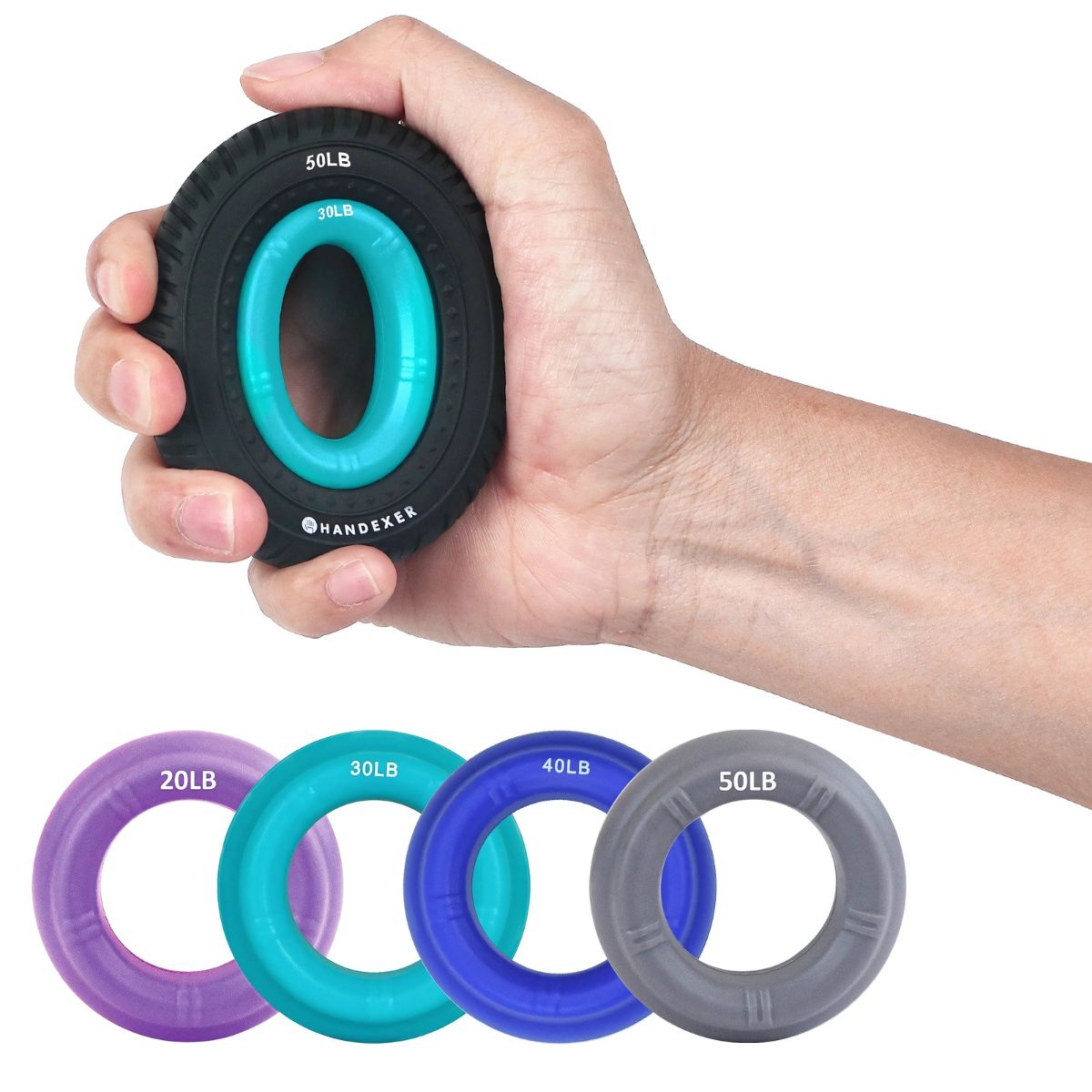
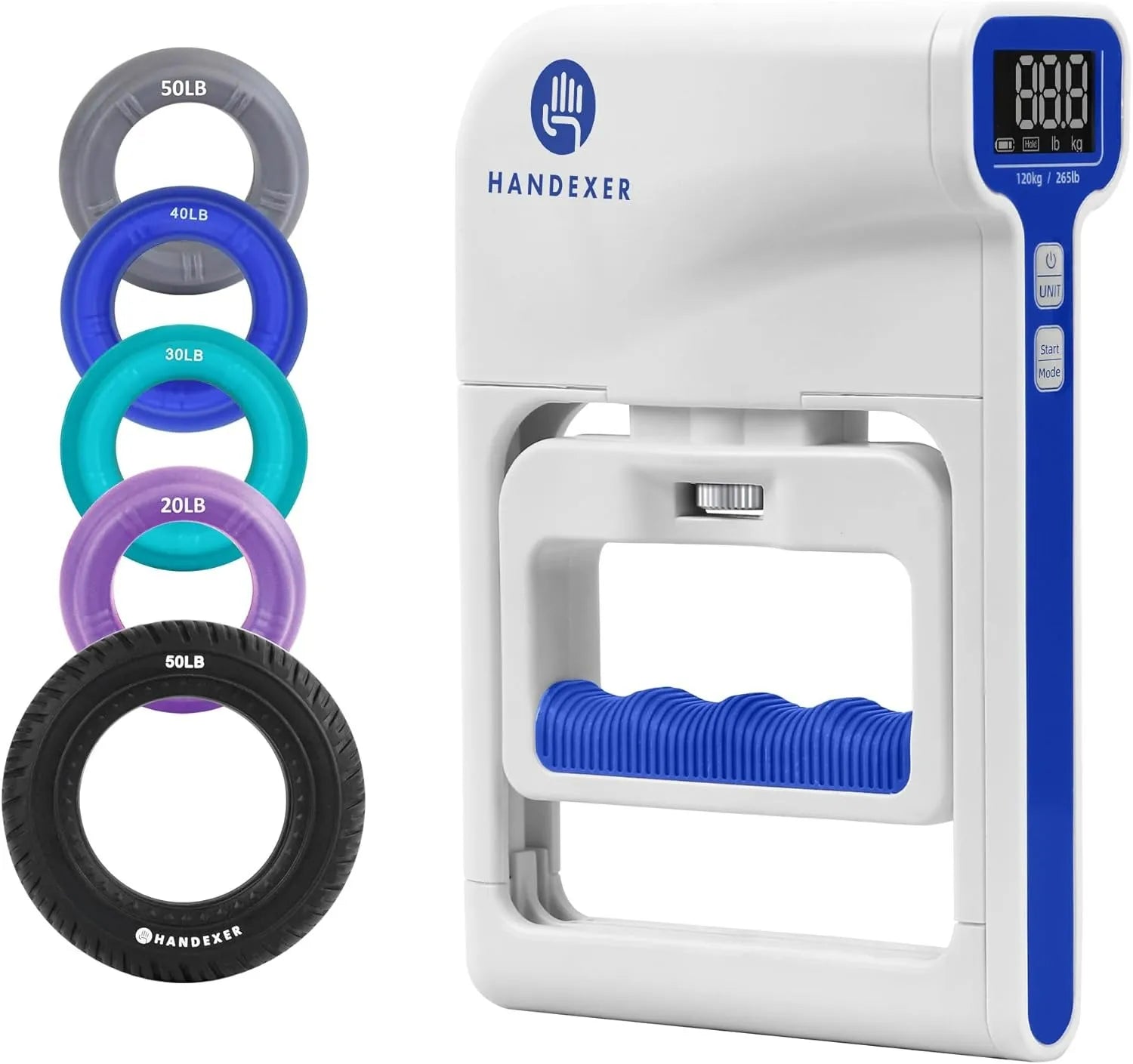
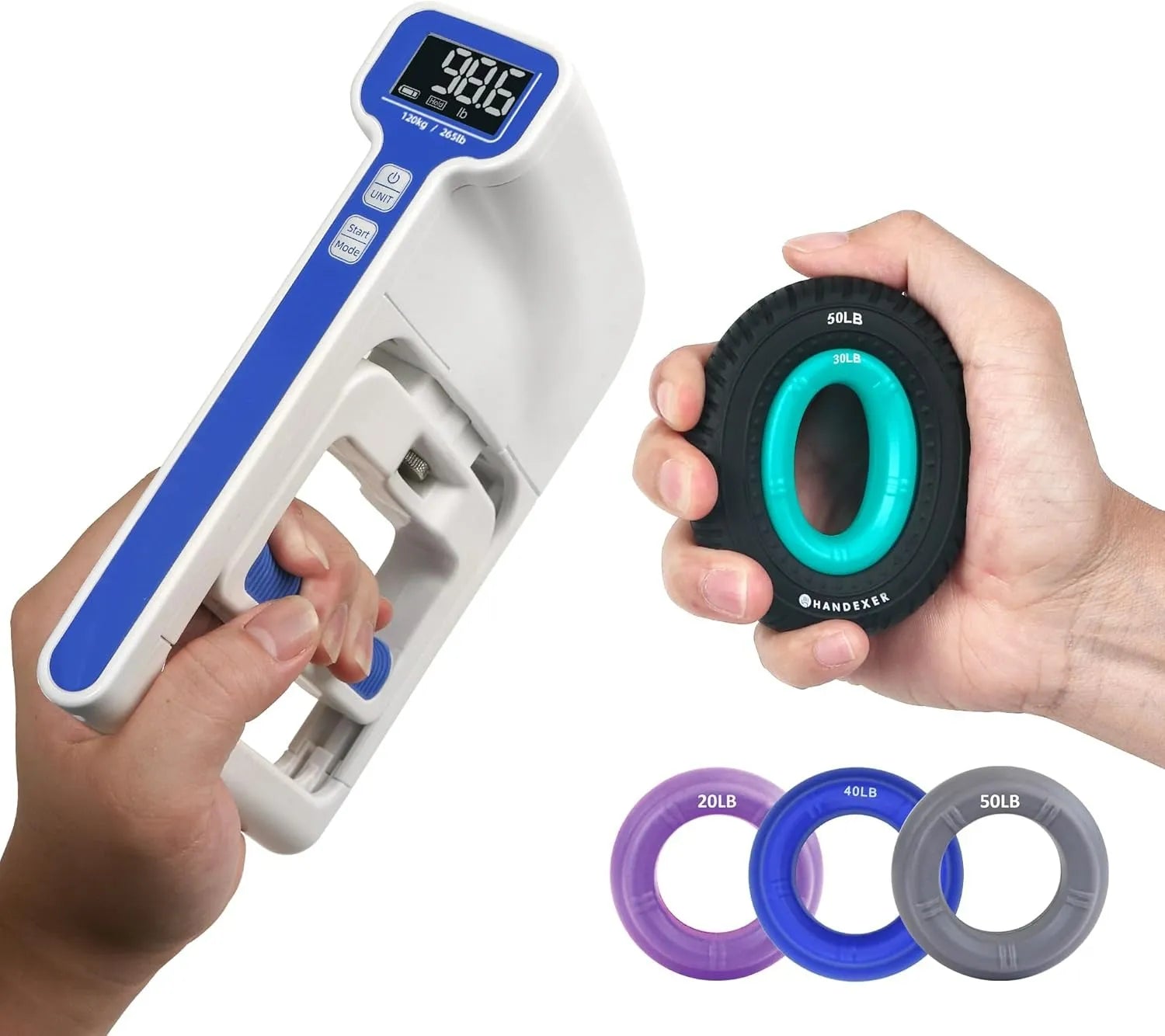
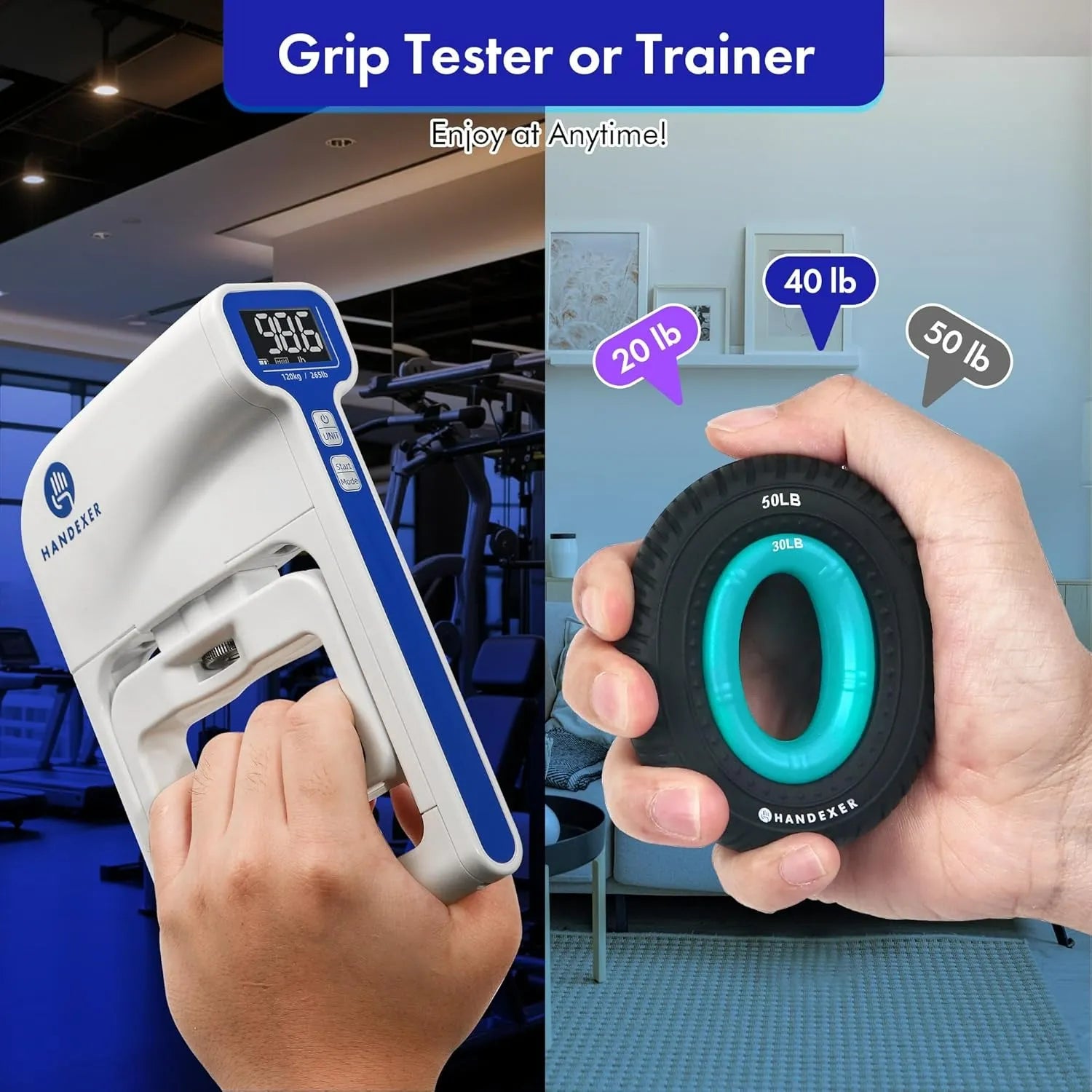
Beginner / Rehab Level (20–30 lb)
This level is best for people who are just starting out or those focusing on recovery and mobility work. The movements should feel controlled and smooth, not forced.
At this stage, your goal is not to “train hard,” but to reconnect your brain and muscles, improve circulation, and rebuild basic movement quality in your hands.
General Fitness Level (40–50 lb)
This is the most commonly used range for everyday users. If you work at a desk, go to the gym occasionally, or just want stronger hands for daily life, this level provides a balanced challenge.
At this stage, you’ll start noticing improvements in endurance—your hands won’t tire as quickly during repetitive tasks, and your grip feels more stable under load.
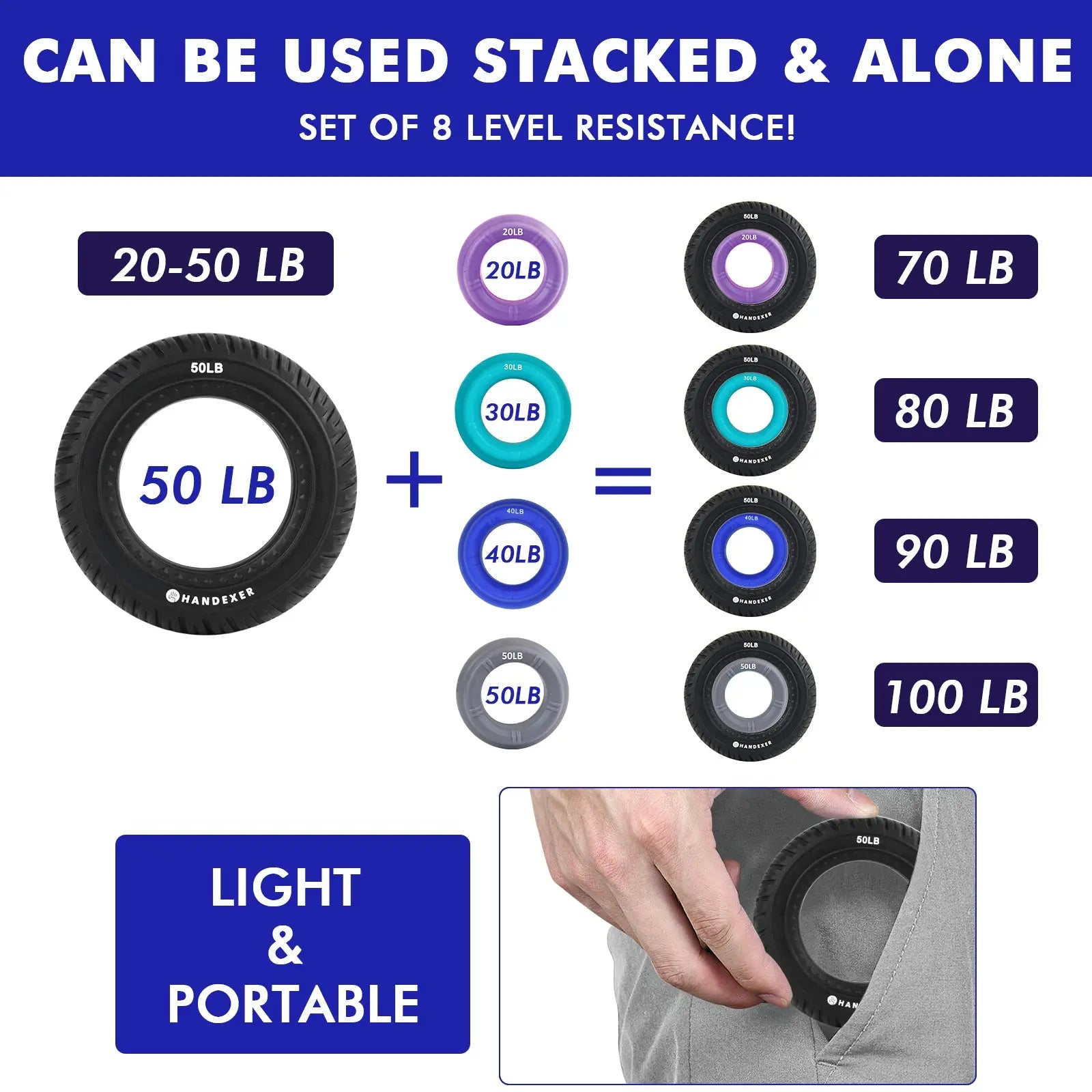
Advanced / Athletic Level (70–100 lb stacked)
This level is designed for people who already have a solid strength base, such as athletes, climbers, or combat sports practitioners.
Training here is less about comfort and more about performance. Sets are shorter, more intense, and focused on building explosive control and high-level grip endurance.
Grip Ring vs Traditional Hand Gripper
| Feature | Grip Rings | Metal Hand Grippers |
|---|---|---|
| Safety | Very joint-friendly, low impact | Can strain wrists if overused |
| Movement Type | Multi-directional (squeeze + pinch + extension) | Single squeeze pattern only |
| Training Purpose | Balance, rehab, endurance | Maximal strength |
| Portability | Extremely easy to carry | Portable but less versatile |
| Beginner Friendly | Yes, very | Sometimes intimidating |
Grip rings are generally better for people who want a more balanced, long-term approach to hand health, while traditional grippers are more specialized for maximum squeezing strength.
5 Best Grip Ring Exercises for Full Hand Development
To develop truly balanced hand strength, you need to train more than just the squeeze. Each exercise below targets a different part of your hand system.
1. Full-Palm Squeeze
 Place the grip ring in the center of your palm and close your hand around it with full pressure. The key here is not just squeezing hard, but controlling the release slowly.
That slow release phase is where a lot of strength development actually happens, because your muscles are working under tension while lengthening.
2. Precision Pinch
 Instead of using your whole hand, use your thumb and fingertips to compress the ring. This movement feels more delicate, but it’s extremely important for fine motor strength.
It directly improves your ability to grip small objects, stabilize tools, and maintain control in precision-based activities.
3. Finger Extension Training
 Place your fingers inside the ring and push outward against the resistance. This movement is often neglected, but it plays a huge role in preventing imbalance in hand muscles.
Most people overtrain squeezing and undertrain opening. This exercise helps correct that imbalance.
4. Individual Finger Isolation
 This exercise involves using one finger at a time to apply pressure against the ring. It may feel awkward at first because most daily activities don’t isolate fingers like this.
However, it is extremely effective for improving control, coordination, and identifying weak points in your hand strength.
5. Thumb Stability Training
The thumb plays a central role in almost every grip pattern. By pressing the ring between your thumb and index-side support, you strengthen one of the most important stabilizers in your hand.
This improves overall grip reliability, especially in dynamic or unstable movements.
3-Phase Grip Ring Training Program
Phase 1: Mobility & Recovery (Weeks 1–2)
At the beginning, the focus should be on gentle activation rather than intensity. Light resistance helps your hands re-adapt to movement without overloading the joints.
You should move slowly, focus on control, and prioritize consistency over force. The goal is simply to “wake up” the system.
Phase 2: Strength Building (Weeks 3–6)
Once your hands feel more comfortable, you can begin adding structured strength work. This is where you start to see noticeable improvements in grip endurance.
Reps become more intentional, and you begin combining different movements instead of doing isolated exercises only.
Phase 3: Performance Training (Week 6+)
At this stage, training becomes more athletic. You may use stacked resistance and shorter, more intense sets.
The goal is not volume, but output—how much force you can generate and maintain under fatigue.
How to Track Your Progress
If you want to improve consistently, tracking matters more than most people think.
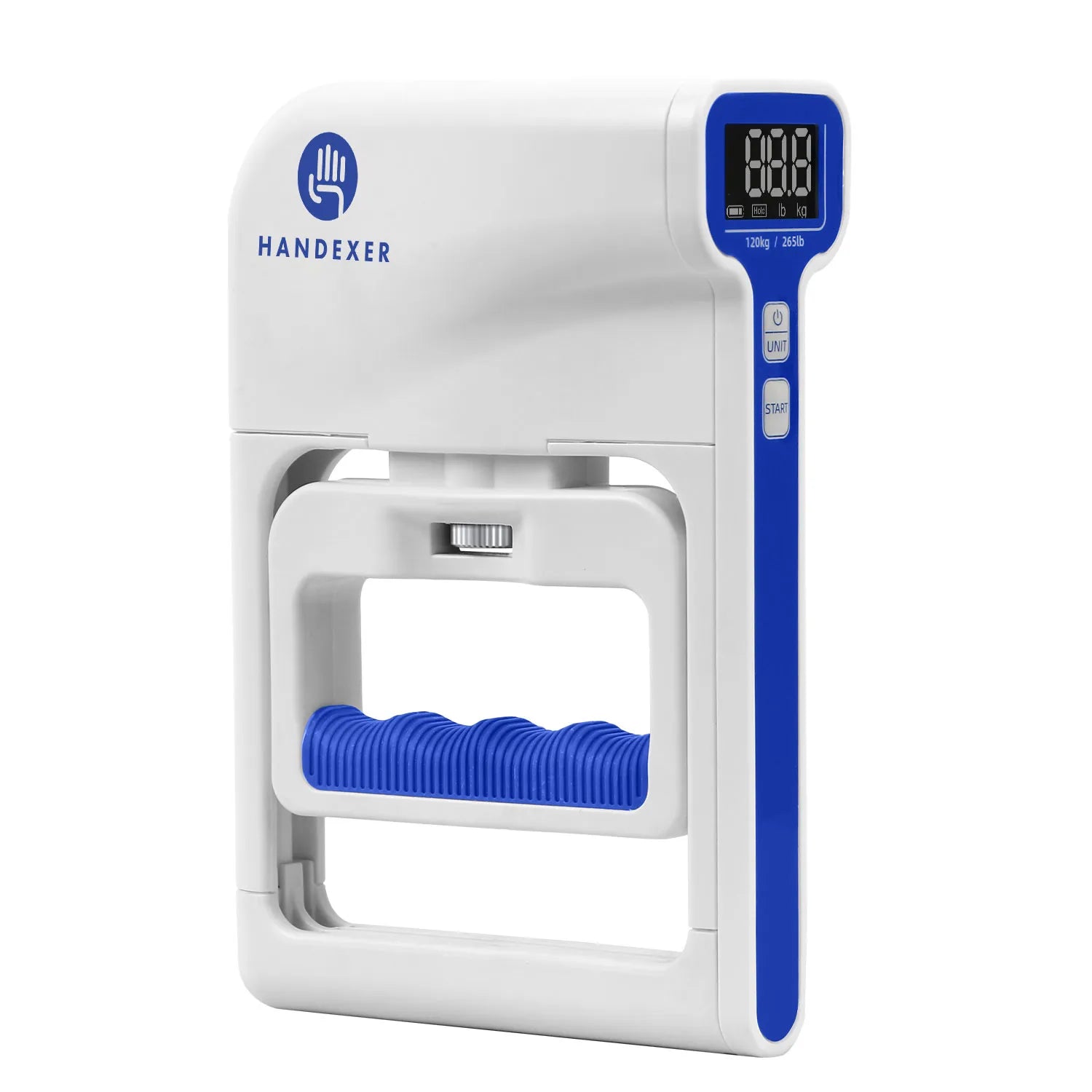
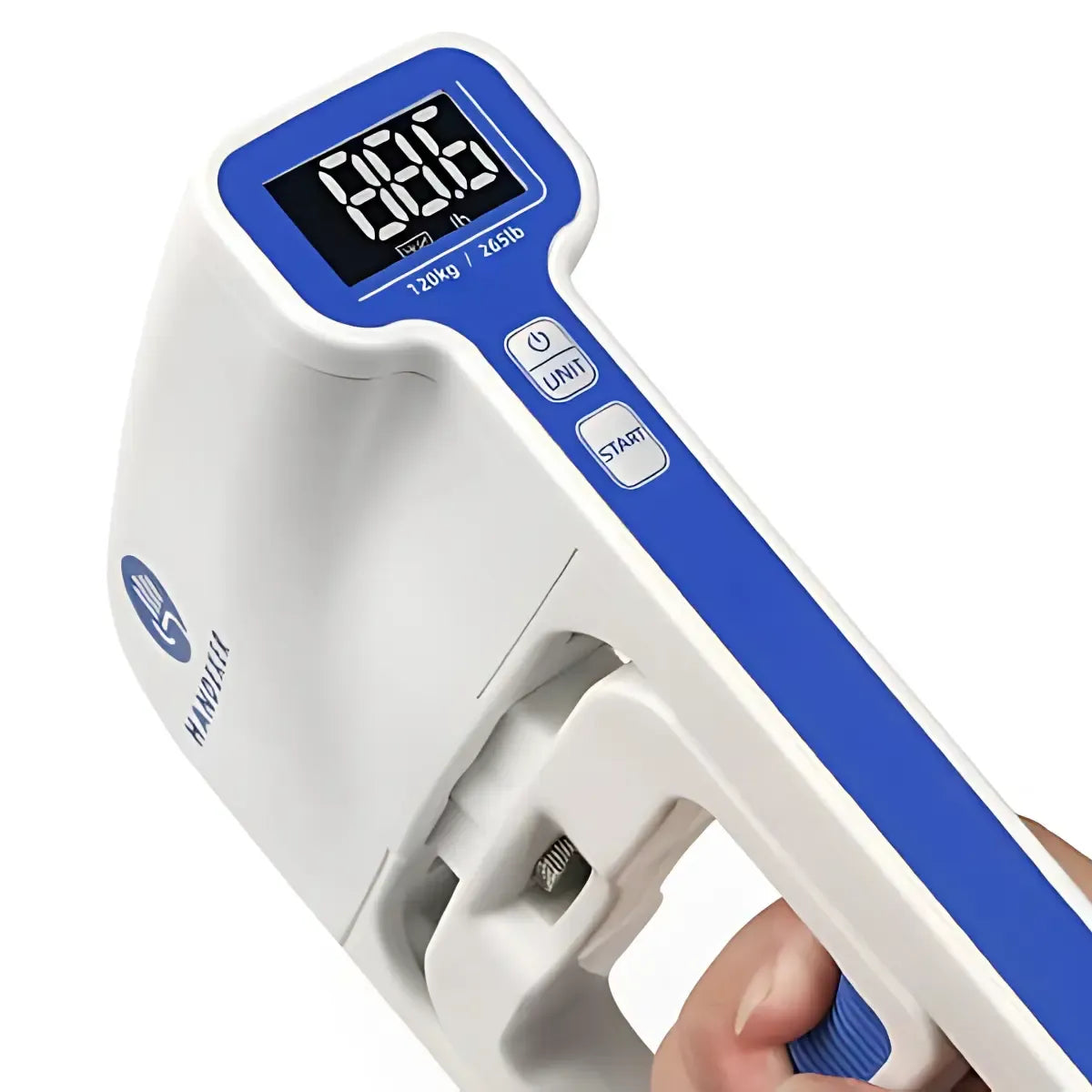
Some users pair grip ring training with a hand strength measurement tool like a hand dynamometer to see measurable improvements over time.
This helps you:
- Understand whether your training is actually working
- Adjust resistance levels intelligently
- Avoid stagnation
- Stay motivated through visible progress
Who Should Use Grip Rings?
Grip rings are useful for a wide range of people, especially those who want practical improvements in hand performance:
- Gym users looking to improve lifting performance
- Climbers building endurance in fingers and forearms
- Office workers dealing with stiffness or fatigue
- People in recovery or rehab phases
- Martial artists who rely on grip control
Final Thoughts
Grip rings work best when they are used consistently and progressively, rather than occasionally and intensely.
👉 If you’re unsure where to start, a basic grip ring set is usually enough—you can always upgrade resistance once your baseline strength improves and your training feels easier.
Start Your Grip Strength Training
The best approach is simple: start at a comfortable level, stay consistent, and increase resistance gradually as your strength improves.
Over time, what feels challenging today will become your baseline.
FAQ
1.How often should I train?
For most people, 2–3 sessions per week is enough. Hand muscles respond well to consistency, but they also need recovery time, especially if you’re new to training.
2.Can grip rings help with hand pain?
Light resistance training can sometimes improve stiffness and circulation, which may reduce discomfort. However, if you are dealing with persistent pain or medical conditions, it’s always best to consult a healthcare professional first.
3.When will I see results?
Most people notice small improvements in control within a couple of weeks. Strength and endurance gains typically become more obvious after 4–6 weeks of consistent training.







Share:
Grip Endurance Training: Why You Can Lift Heavy but Can’t Hold It (and How to Fix It)
8 Best Hand Exercises for Stroke Recovery