

Grip Strength After Carpal Tunnel Surgery: When and How to Track Recovery
Grip strength after carpal tunnel surgery is one of the most practical indicators of functional recovery. While numbness and tingling often improve quickly, measurable hand strength can take weeks—or months—to return.
If you are recovering from carpal tunnel release, objective testing helps distinguish true muscular recovery from subjective improvement. Without data, progress is guesswork.
You cannot improve what you do not measure.
What Happens to Grip Strength After Carpal Tunnel Surgery?
After carpal tunnel surgery, grip strength typically decreases for 2–6 weeks due to post-operative inflammation and tissue healing. Most patients regain baseline strength within 3 months, while full recovery may take up to 6–12 months depending on severity and rehabilitation consistency.
During surgery, the transverse carpal ligament is released to reduce pressure on the median nerve. While this relieves nerve compression, the surrounding tissues temporarily lose mechanical stability.
Common early-stage symptoms:
-
Reduced grip force
-
Weak pinch strength
-
Fatigue during daily tasks
-
Mild palm tenderness
These changes are expected. The key is tracking improvement systematically.
Why Measuring Grip Strength Matters in Rehabilitation
Many patients rely on “how it feels.” That approach is unreliable.
Clinical rehabilitation protocols often include dynamometer testing because:
-
It quantifies muscular output in kilograms or pounds
-
It reveals asymmetry between hands
-
It tracks week-over-week improvements
-
It validates therapy effectiveness
If you are working with a physical therapist, ask how your grip is being measured. If you are rehabilitating at home, it becomes even more important to monitor your recovery progress using an objective device.
A high-capacity digital dynamometer allows you to:
-
Record multiple attempts
-
Store user profiles (age/gender baselines)
-
Compare dominant vs. non-dominant hand
-
Track longitudinal trends
To accurately check your baseline grip strength, using a calibrated digital device is essential rather than relying on improvised resistance tools.
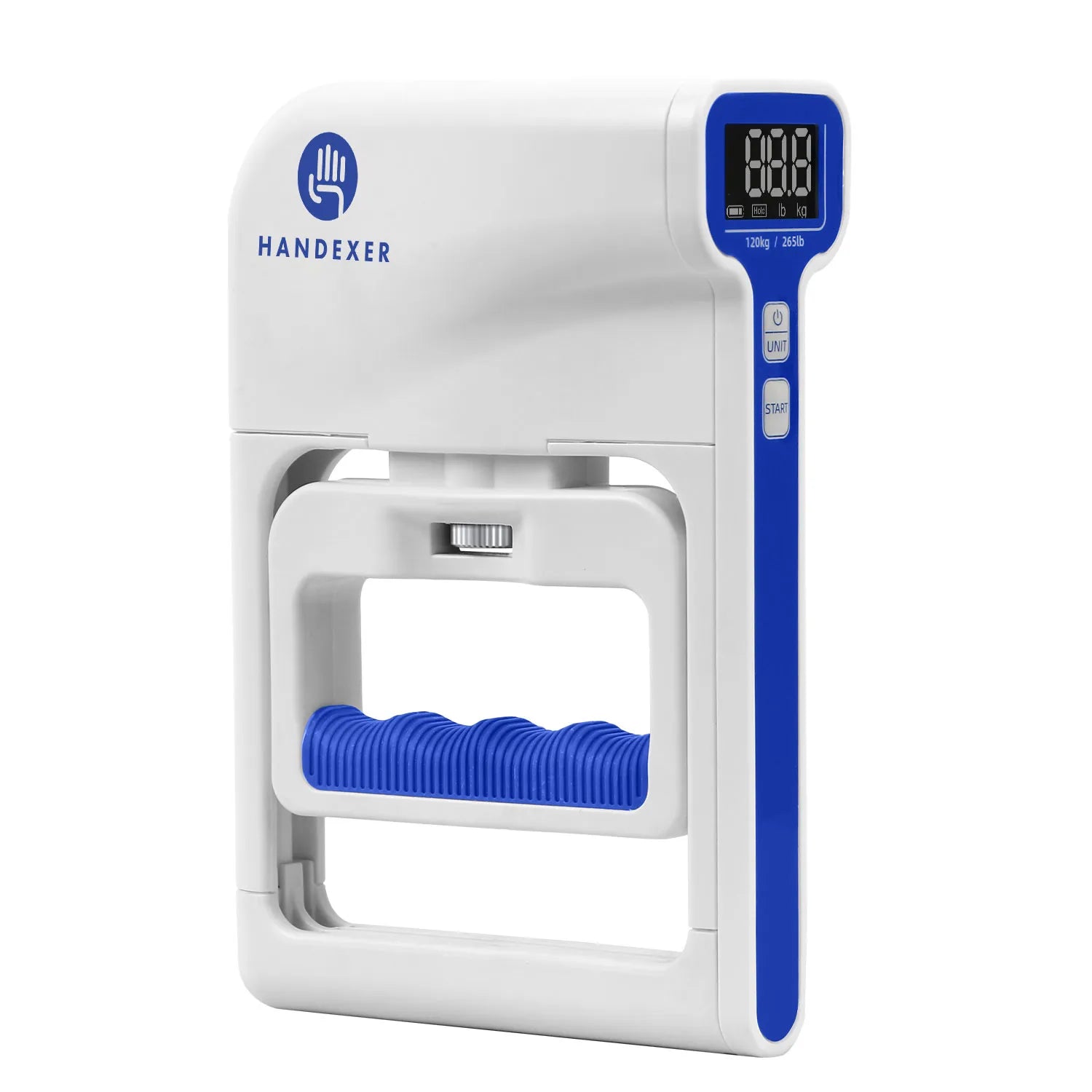
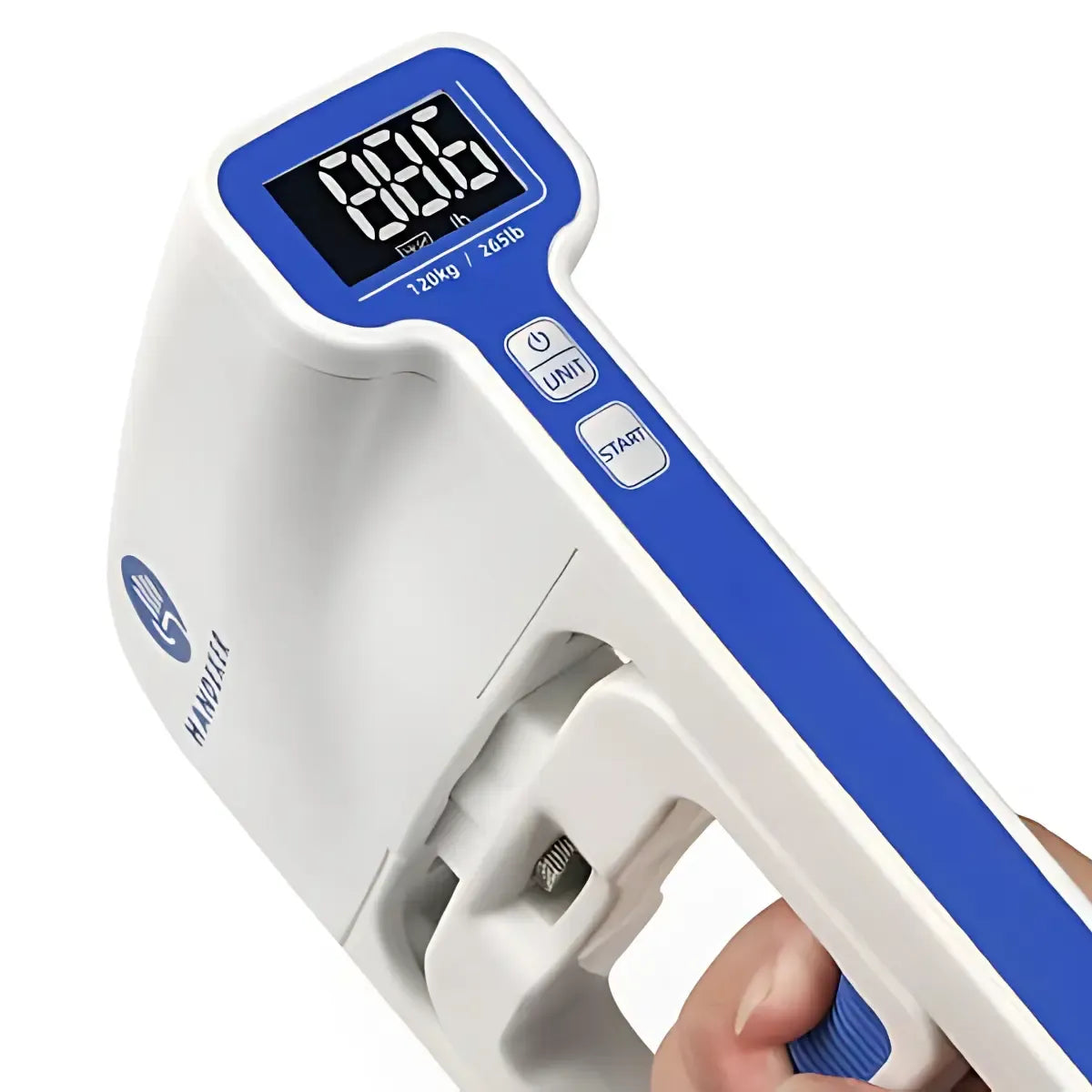
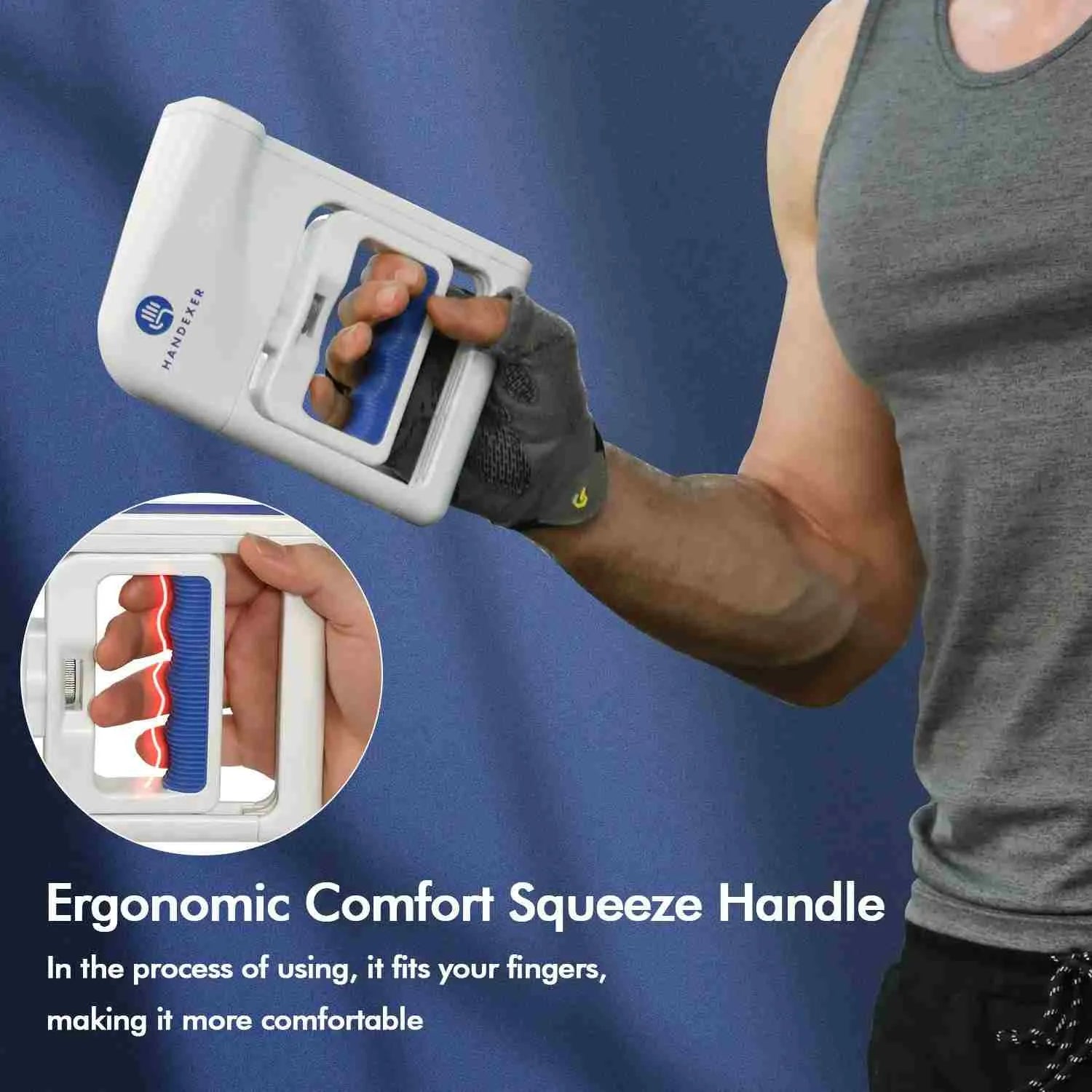
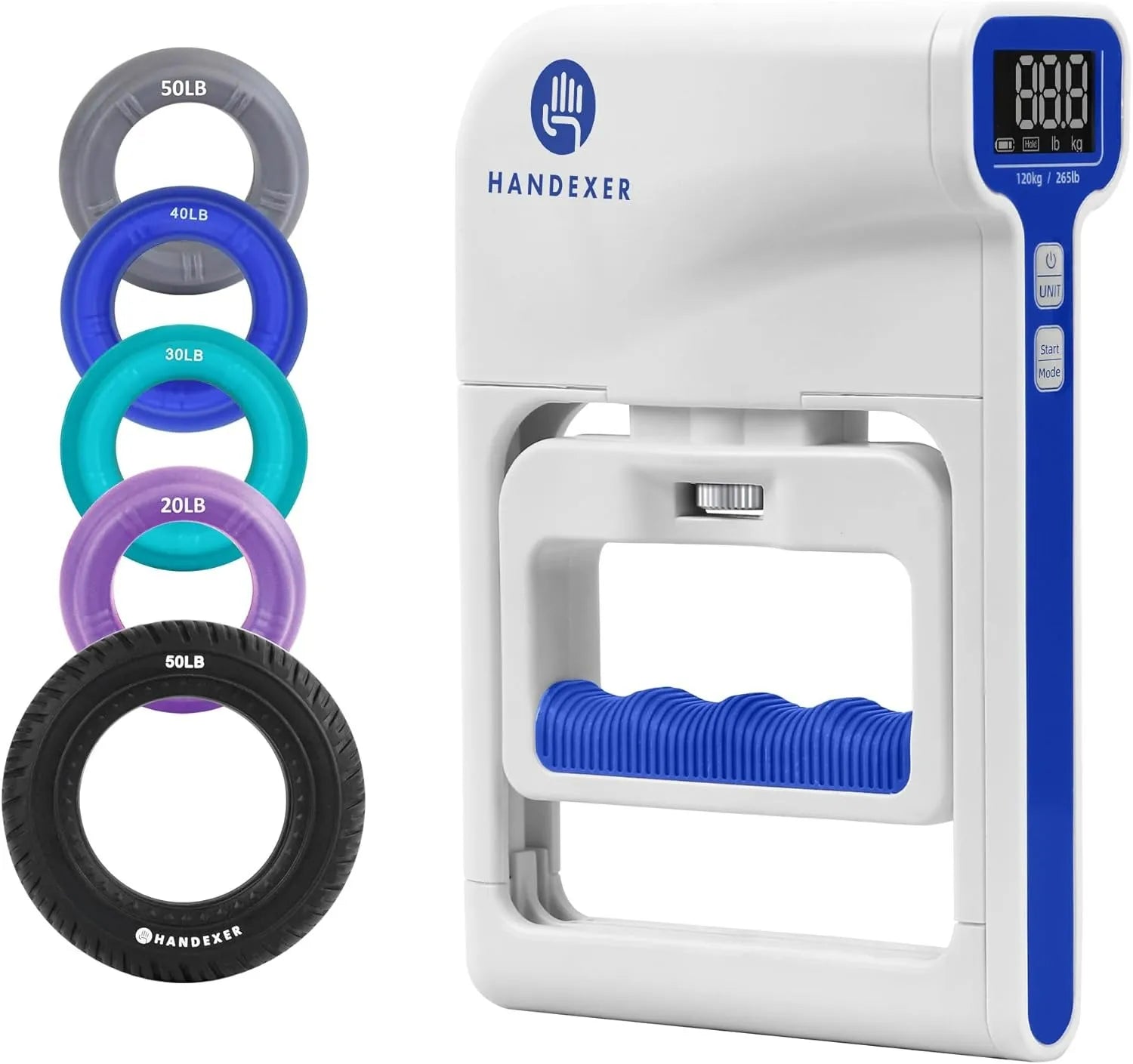
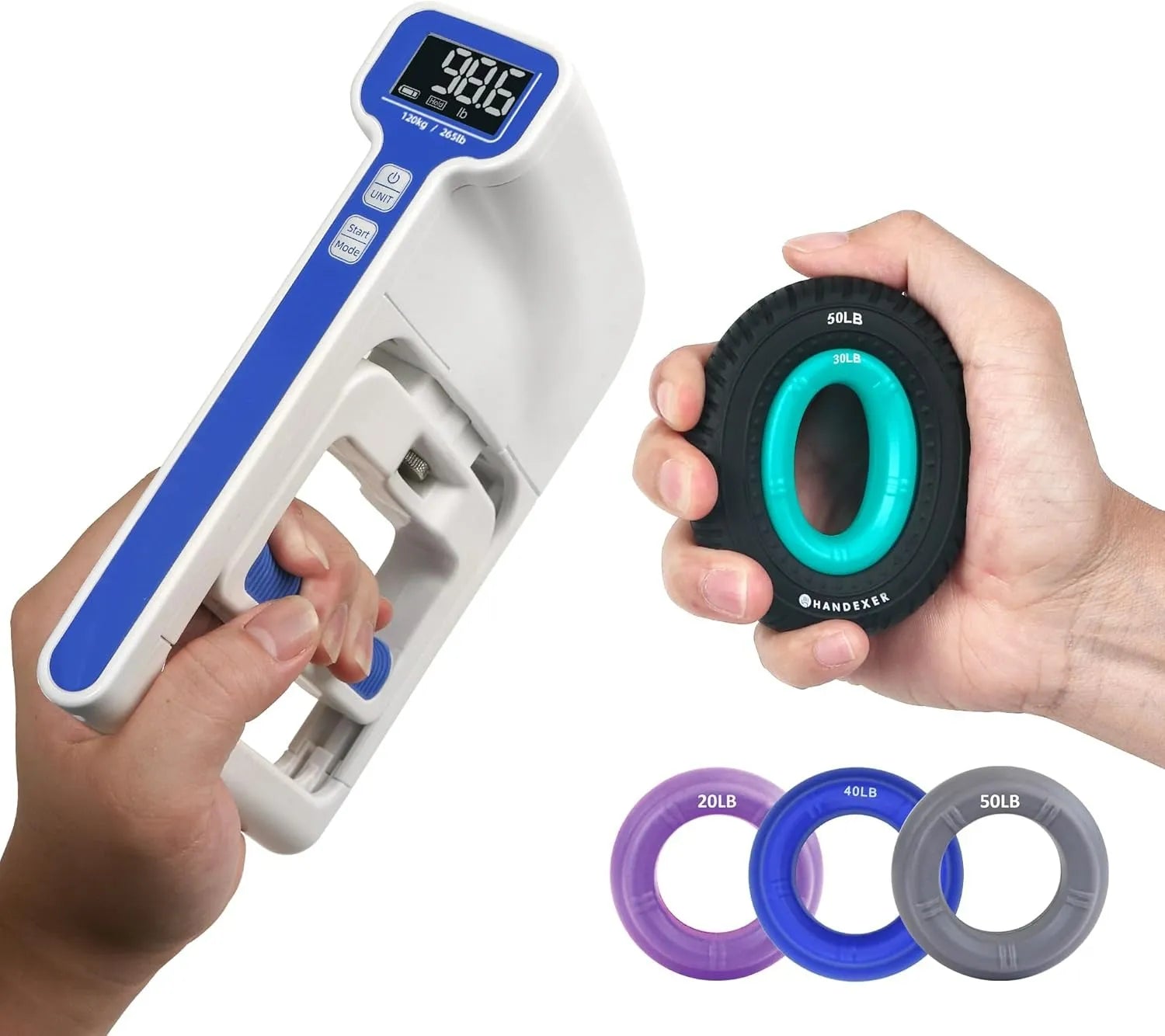
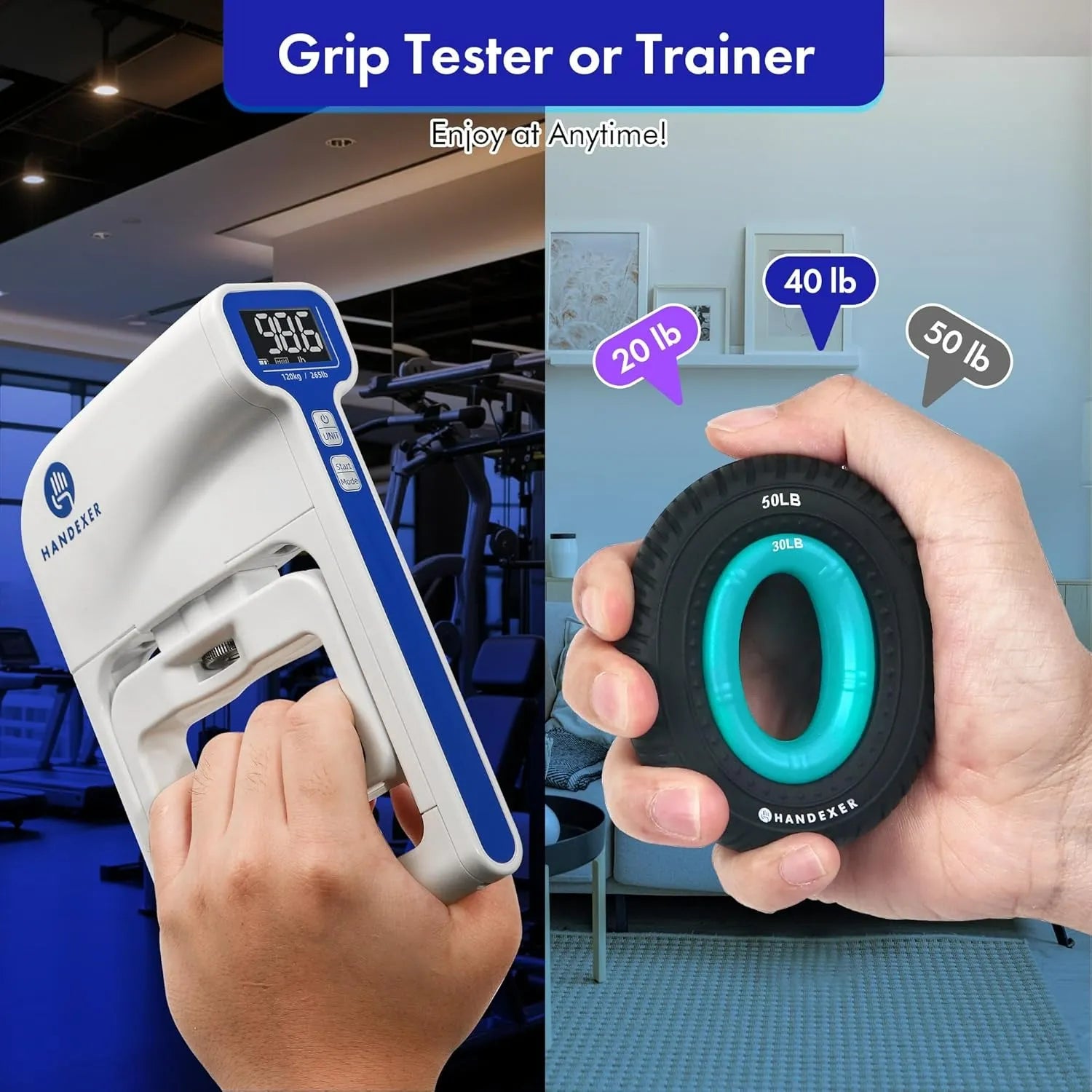
For home-based tracking, many patients use a digital hand dynamometer similar to the one found on the Handexer grip strength dynamometer product page. It provides consistent readings up to 120kg/265lb, ensuring that as you regain strength, the device does not limit your measurement range.
Grip Strength Recovery Timeline After Surgery
Weeks 0–2: Protection Phase
-
Focus: wound healing
-
Avoid forceful gripping
-
Expect noticeable weakness
Testing is usually not recommended during this stage unless advised by a clinician.
Weeks 2–6: Early Activation Phase
-
Gentle squeezing exercises begin
-
Light resistance work
-
Measurable but modest strength gains
This is the stage where baseline tracking becomes useful. Record readings weekly rather than daily to avoid overtesting.
Weeks 6–12: Progressive Strength Phase
-
Structured strengthening exercises
-
Gradual return to heavier tasks
-
Grip strength may approach 70–90% of pre-surgery levels
Here, consistent measurement helps identify plateaus. If numbers stagnate for 3–4 weeks, therapy adjustments may be necessary.
You can start to systematically monitor your recovery progress and compare data trends over time using a dedicated tracking device such as the Handexer digital grip strength tester.
3–12 Months: Functional Reintegration
-
Near-full grip recovery for most patients
-
Return to occupational or athletic activities
-
Continued minor gains possible
At this stage, comparing your injured hand to your unaffected hand provides useful symmetry benchmarks.
How to Properly Measure Grip Strength at Home
Accurate testing technique matters as much as the device.
Follow this protocol:
-
Sit upright with shoulder adducted (close to body)
-
Elbow flexed at 90 degrees
-
Forearm in neutral position
-
Wrist slightly extended (0–30 degrees)
-
Squeeze maximally for 3–5 seconds
Repeat three times per hand and record the highest value.
Avoid:
-
Testing when fatigued
-
Holding breath (Valsalva maneuver)
-
Excessive wrist flexion
Consistency in posture ensures your data is comparable week to week.
What Is a “Good” Grip Strength After Surgery?
There is no universal number. Recovery depends on:
-
Age
-
Sex
-
Pre-surgery strength
-
Duration of nerve compression
-
Rehab adherence
Instead of comparing yourself to generic charts, focus on:
-
Percentage improvement over time
-
Symmetry between hands
-
Functional capacity (opening jars, carrying groceries)
A digital dynamometer with user profiles allows you to log demographic data, helping contextualize your performance more accurately.
When Should You Be Concerned?
Consult your physician or therapist if:
-
Strength declines after initial improvement
-
Severe pain persists beyond 6–8 weeks
-
Numbness does not improve
-
There is marked asymmetry after 4–6 months
Objective grip data makes these conversations more productive because you can present measurable trends rather than vague descriptions.
The Bottom Line: Recovery Requires Measurement
Carpal tunnel surgery relieves nerve compression, but muscular recovery requires time and structured rehabilitation.
Tracking grip strength provides:
-
Objective validation
-
Motivation through visible progress
-
Early detection of stagnation
-
Clear communication with healthcare providers
Rehabilitation without measurement is estimation.
Data turns recovery into a measurable process.
FAQ
1. How long does it take to regain grip strength after carpal tunnel surgery?
Most patients recover significant grip strength within 3 months, but full restoration can take 6–12 months depending on nerve damage severity and therapy compliance.
2. Is it normal for grip strength to decrease after surgery?
Yes. Temporary weakness is common during the first 2–6 weeks due to tissue healing and inflammation.
3. How often should I test my grip strength during recovery?
Testing once per week is generally sufficient. Over-testing may cause fatigue and skew results.
4. Can I measure grip strength at home?
Yes. A calibrated digital hand dynamometer provides accurate, repeatable measurements suitable for home rehabilitation tracking.






Share:
Strength Plateau? Your Grip Might Be the Problem
How to Interpret & Improve Your Grip Strength Score (2026 Action Guide)