

Quick Answer: Hand grip strength is far more than just a measure of hand or forearm force. Medical research shows that your grip strength is a remarkably accurate window into your overall muscle quality, neuromuscular health, and long-term vitality. Tracking your grip force over time offers a simple, painless, and highly reliable way to monitor how well your body is aging.
Science has confirmed that we communicate in many ways without speaking a word. The eyes, for example, have long been called “the window to the soul” because they convey emotion through subtle changes in pupillary response.
Hands also communicate much more than we realize. Weathered skin or finely manicured nails can imply a lot about someone’s daily life. Nonvisual clues—like a firm, warm handshake—can leave a lasting impression on a prospective employer by conveying confidence and presence. But there is something much deeper hiding within a handshake: your hand grip strength.
Grip strength is not just a simple gauge of forearm muscle. It has become an essential "vital sign" included in medical exams worldwide. Just like taking your blood pressure or checking your heart rate, measuring your grip strength provides a surprising snapshot of your total physical well-being.
The Science: Why Does Your Grip Reflect Your Total Health?
So, why does squeezing a simple device reveal so much about what is happening inside your body? It comes down to how your muscles, bones, heart, and brain work together as a single system.
1. Muscle Strength Directs Bone Density
When your muscles contract and pull on your bones, they exert physical force. Over time, your body responds to this force by reinforcing the internal architecture of the bone, making it denser and stronger. Stronger muscles naturally lead to stronger bones, reducing the risk of osteoporosis, frailty, and dangerous falls as you get older.
2. The Brain and Nervous System Connection
Making a tight fist isn't just a physical action—it requires rapid, high-speed signals from your brain and motor nerves. Research from North Dakota State University shows that older adults with a weaker hand grip are more likely to experience early cognitive impairment. When parts of the brain that coordinate movement begin to slow down, grip strength drops. In short, your grip is a direct reflection of your brain's nerve health.
3. Heart Health and Longevity
Grip strength is intimately tied to your cardiovascular system. In the landmark PURE Study published in The Lancet (which followed over 140,000 adults across 17 countries):
- Every 5 kg (11 lbs) reduction in grip strength was linked to a 16% increase in all-cause mortality risk.
- Surprisingly, grip strength was found to be a stronger predictor of cardiovascular death than systolic blood pressure.
What Do Your Numbers Mean? (Standard Reference Chart)
To help you understand your squeeze numbers, researchers and medical bodies have established standard benchmarks:
- Sarcopenia (Severe Muscle Loss) Thresholds: Based on the clinical consensus of the European Working Group on Sarcopenia in Older People (EWGSOP2).
- Mobility Limitation Thresholds: Derived from a 2010 population study published in the Journal of the American Geriatrics Society (JAGS).
- Healthy Baseline Standards: Based on public health reference datasets from the National Health and Nutrition Examination Survey (NHANES).
| Health Category | Men Baseline | Women Baseline | What This Means for Your Daily Health |
|---|---|---|---|
| Muscle Loss Risk (Sarcopenia) | Below 27 kg (59.5 lbs) | Below 16 kg (35.3 lbs) | EWGSOP2 Medical Cut-off: Signals an increased risk for muscle loss, chronic fatigue, and physical frailty. |
| Mobility Risk Threshold | Below 37 kg (81.6 lbs) | Below 21 kg (46.3 lbs) | JAGS Study Findings: Scores below these numbers indicate a higher likelihood of struggling with walking 0.5 km or climbing stairs. |
| Healthy Baseline (Ages 30–50) | 40 – 54 kg (88 – 119 lbs) | 24 – 35 kg (53 – 77 lbs) | NHANES Normal Range: Represents healthy population averages for muscle quality and nervous system control. |
| Optimal Physical Capability | Above 55 kg (121 lbs) | Above 36 kg (79 lbs) | High Physical Reserve: Associated with excellent physical resilience and greater protection against age-related decline. |
The Big Advantage of Testing Grip Strength
Measuring grip strength is remarkably convenient:
- No needles or blood draws required.
- Zero harmful radiation (unlike CT scans or X-rays).
- Cost-effective and quick (compared to expensive MRIs or specialized doctor scans).
Because it takes less than a minute and can be done anywhere, testing your grip is one of the easiest health habits to maintain at home.
How to Optimize and Take Control of Your Health
Now that you know what hand grip strength reveals, here is a simple 3-step action plan to use this biomarker to your advantage:
Step 1: Assess Your Grip Strength Accurately
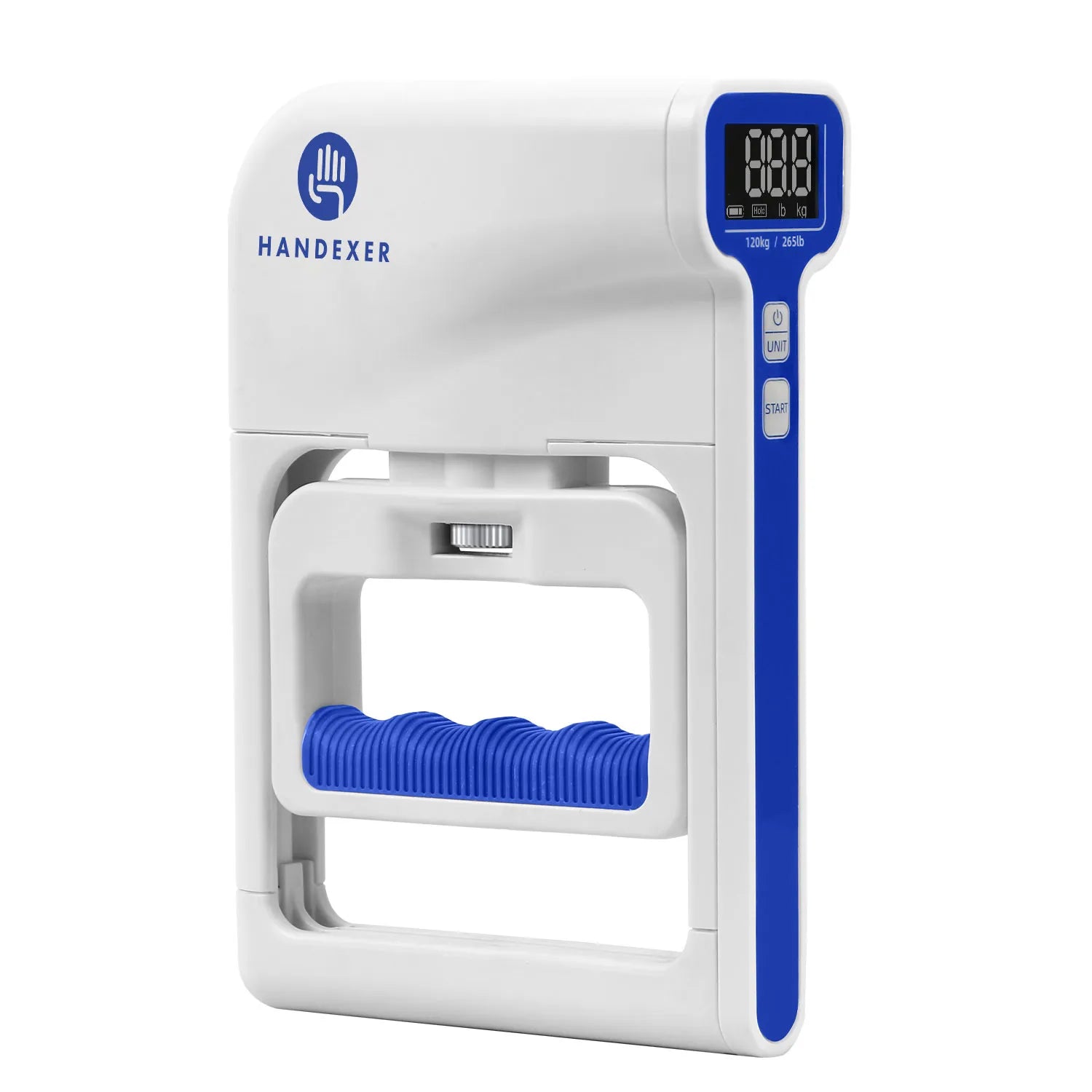
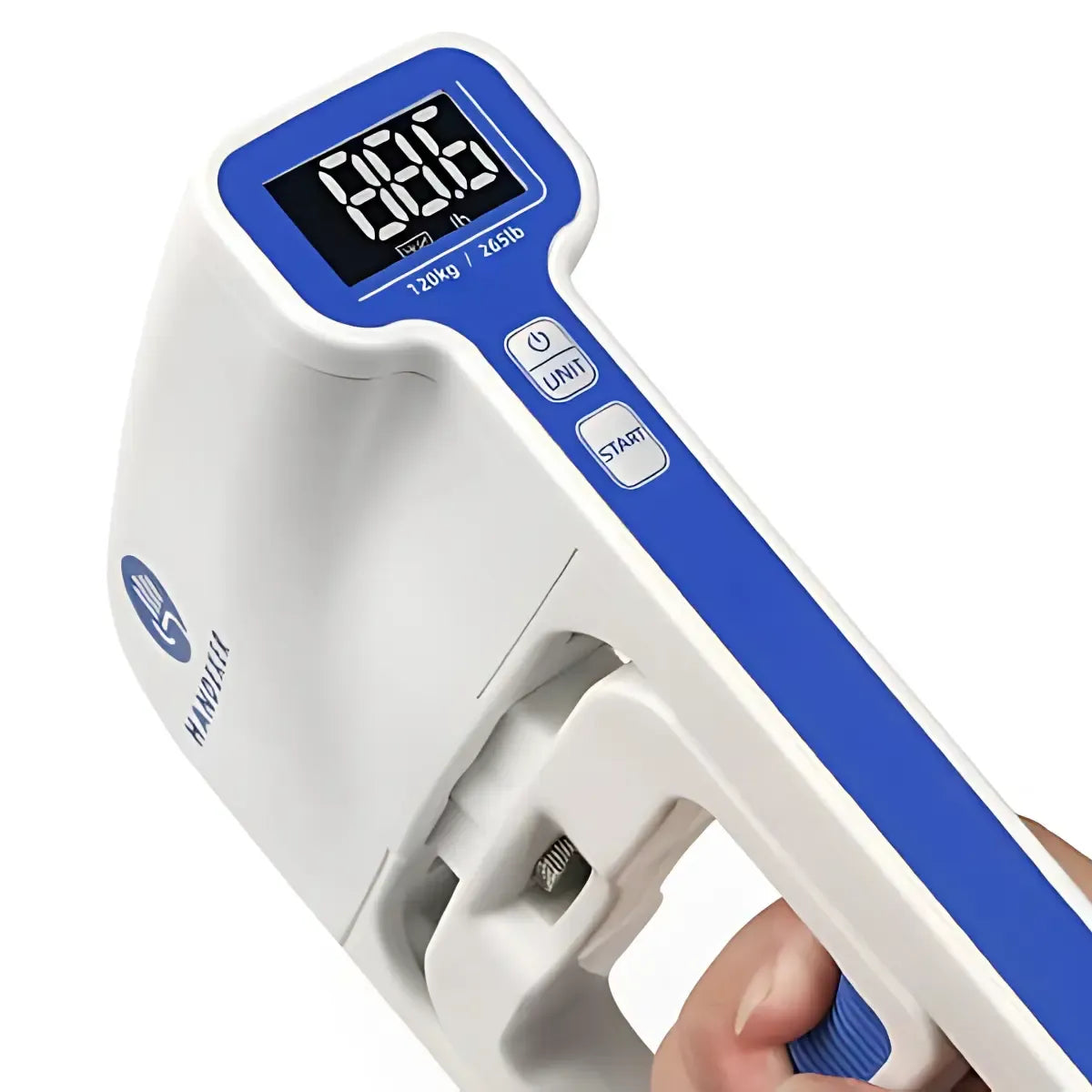
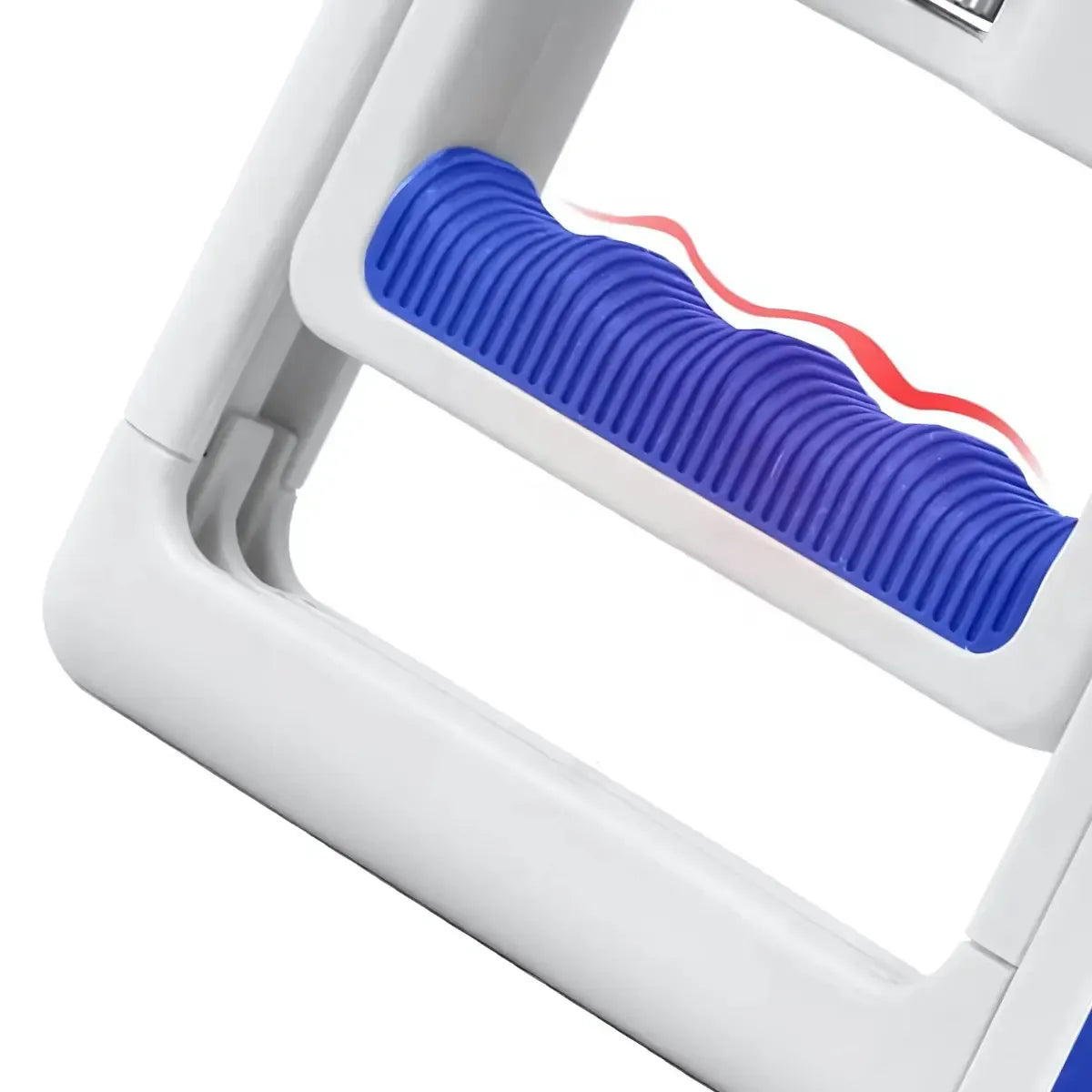
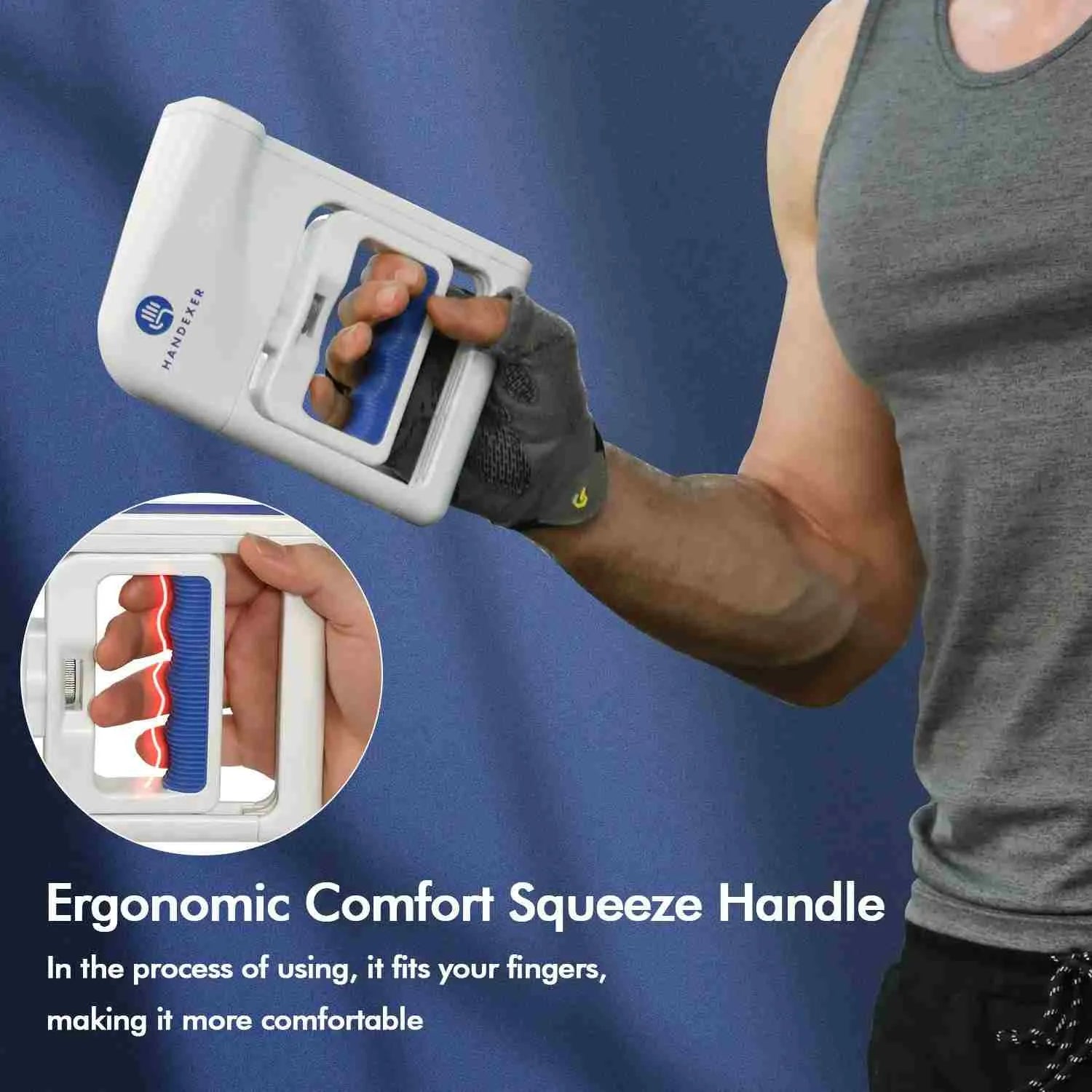
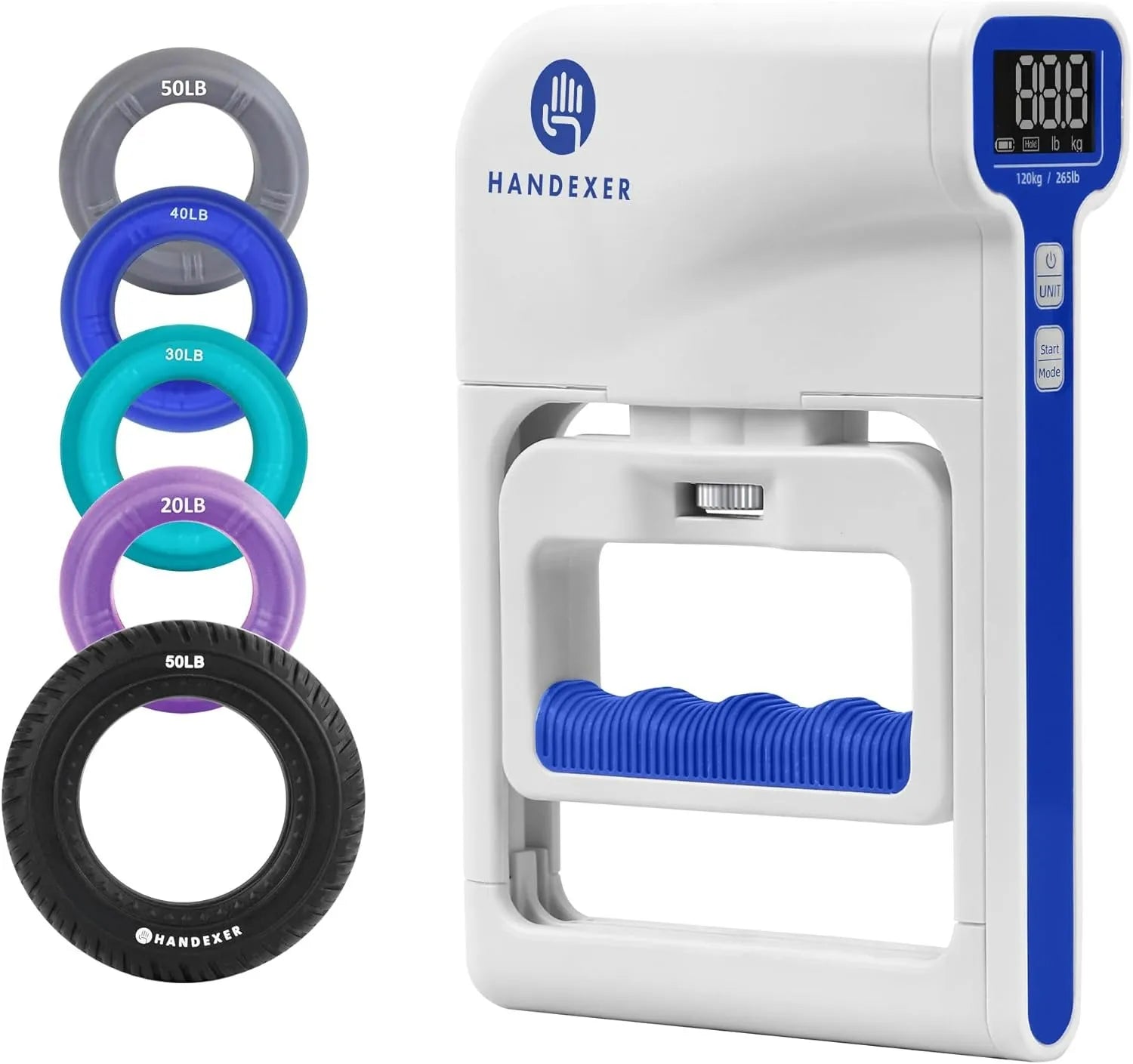
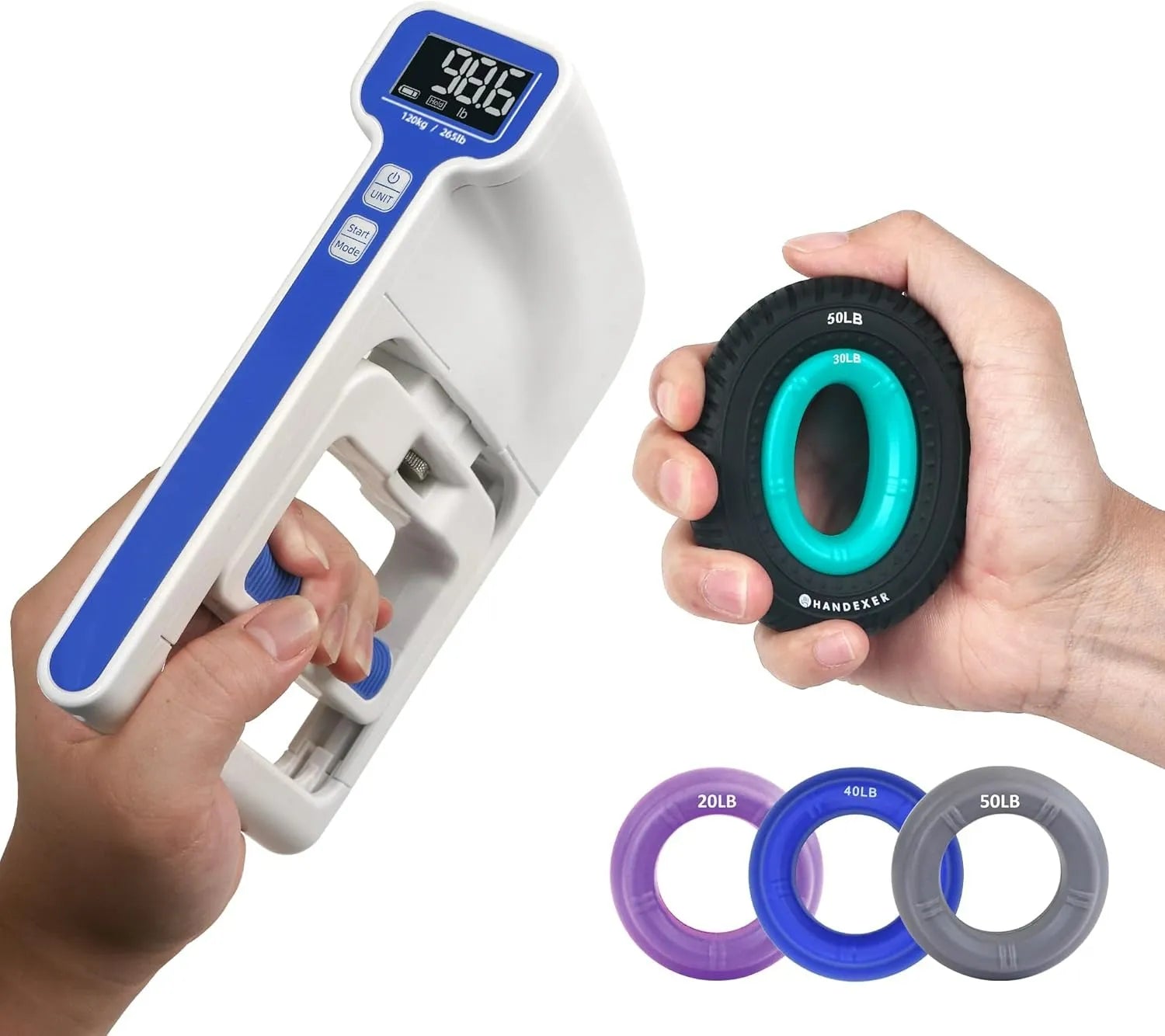
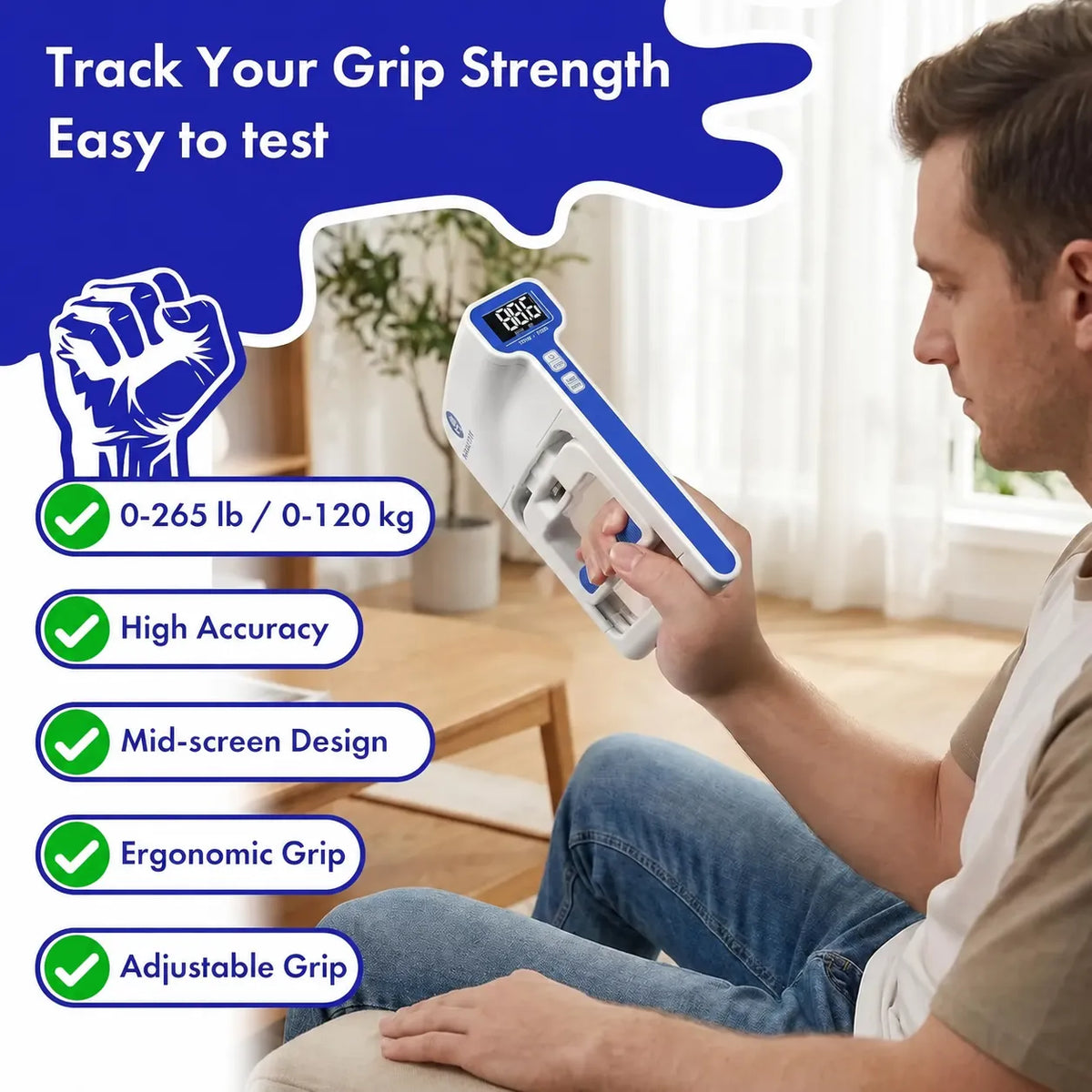
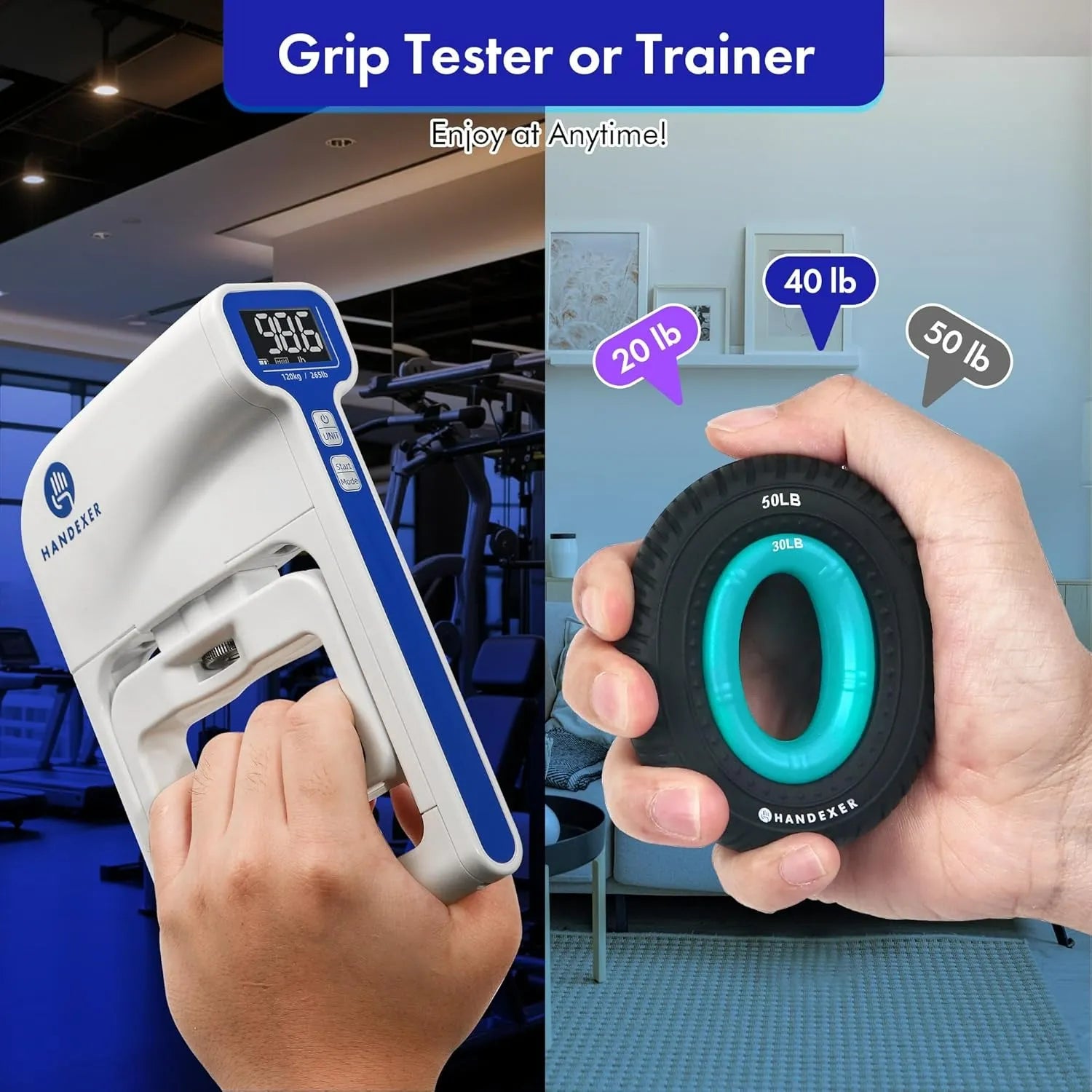
Testing your strength manually (like squeezing someone’s hand) is subjective and impossible to track accurately over time. To get reliable, quantitative data in pounds or kilograms, a calibrated tool is essential. Using a handheld dynamometer, such as the Handexer™ Digital Hand Dynamometer, gives you a precise, objective reading in seconds—whether at home, in a gym, or in a clinic.

How to test properly:
- Sit or stand comfortably with your shoulders relaxed.
- Bend your elbow at a 90-degree angle, keeping your upper arm close to your side.
- Squeeze the handle as hard as you can for 3 to 5 seconds while exhaling smoothly.
- Perform 3 trials per hand with brief rest breaks in between, and take your highest score as your baseline.
Step 2: Track Your Baseline Over Time
A single squeeze tells you where you stand today, but tracking your numbers over months and years tells the true story of your physical health.
As we age, a gradual change in strength is natural. However, catching a sudden or sharp drop in grip force early can alert you to hidden issues like overtraining, severe chronic fatigue, or muscle loss. Conversely, watching your numbers climb during exercise or physical rehabilitation offers motivating proof that your body is recovering and gaining resilience.
Step 3: Strengthen Your Hand Grip
The great news is that grip strength is highly trainable at any age! Strengthening your hands isn't just about making a impression with a firmer handshake—it is a non-pharmacological lifestyle change that supports your overall physical health.
- Isometric Training: Holding submaximal squeeze exercises (holding around 30% of your maximum force) helps promote arterial flexibility and supports healthy resting blood pressure.
-
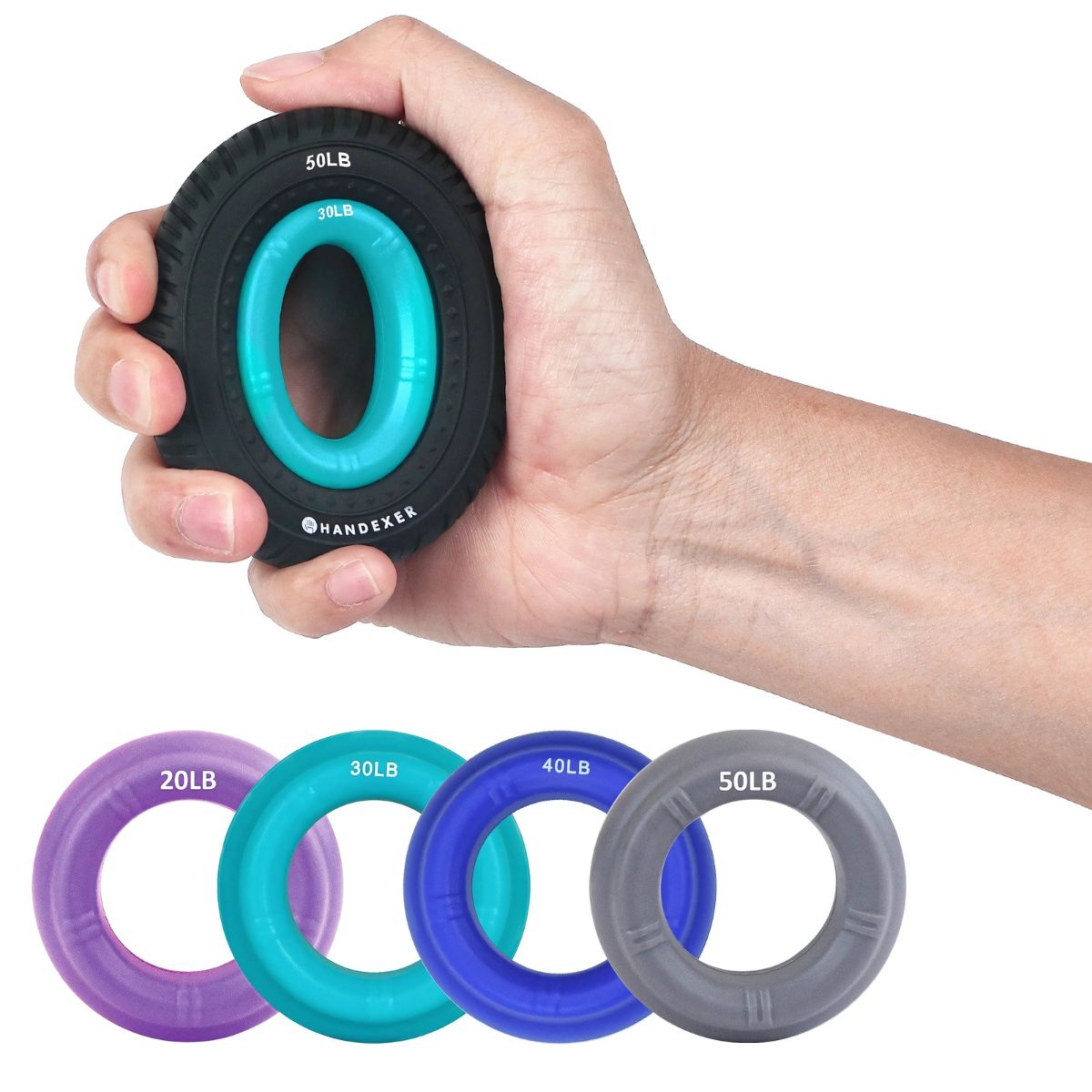
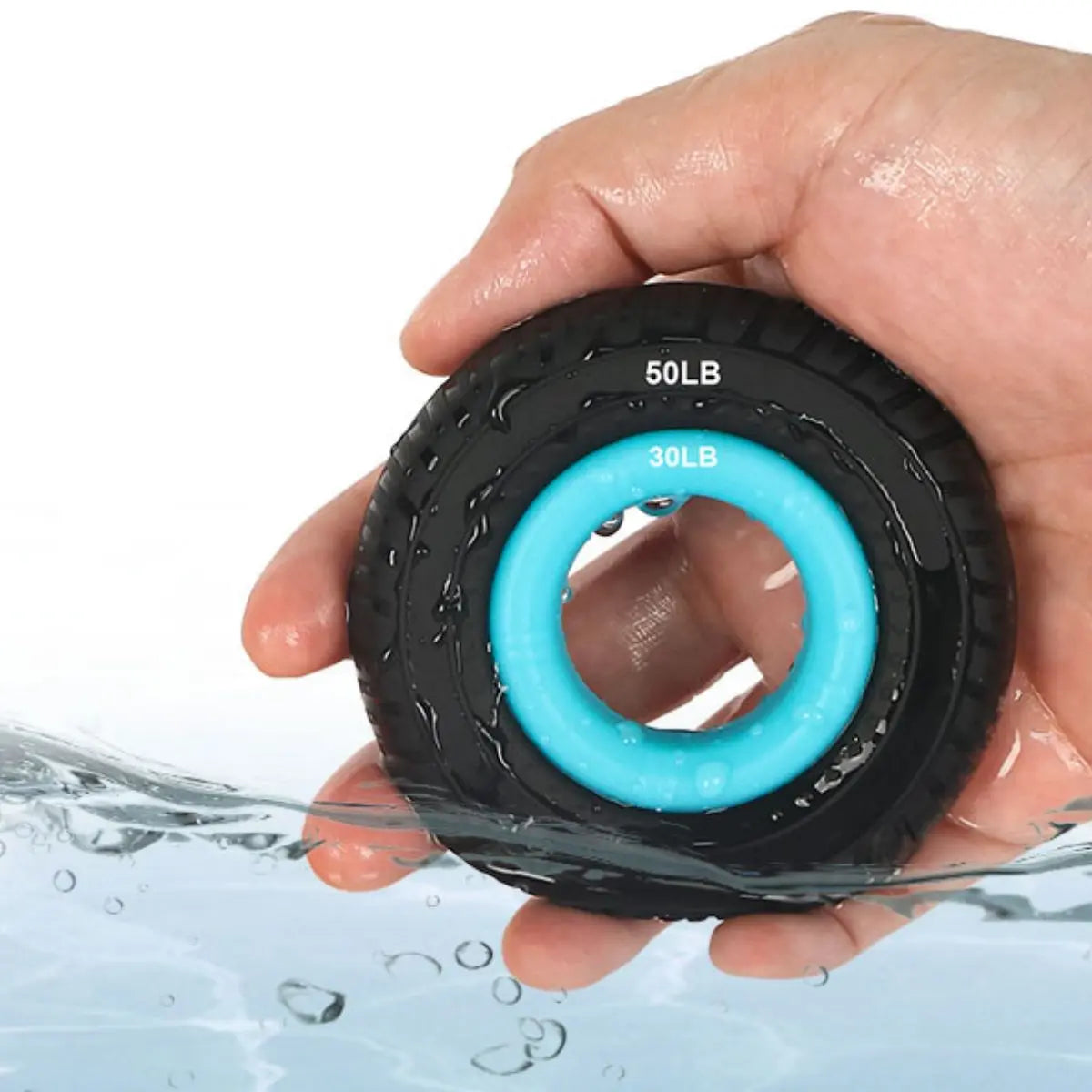
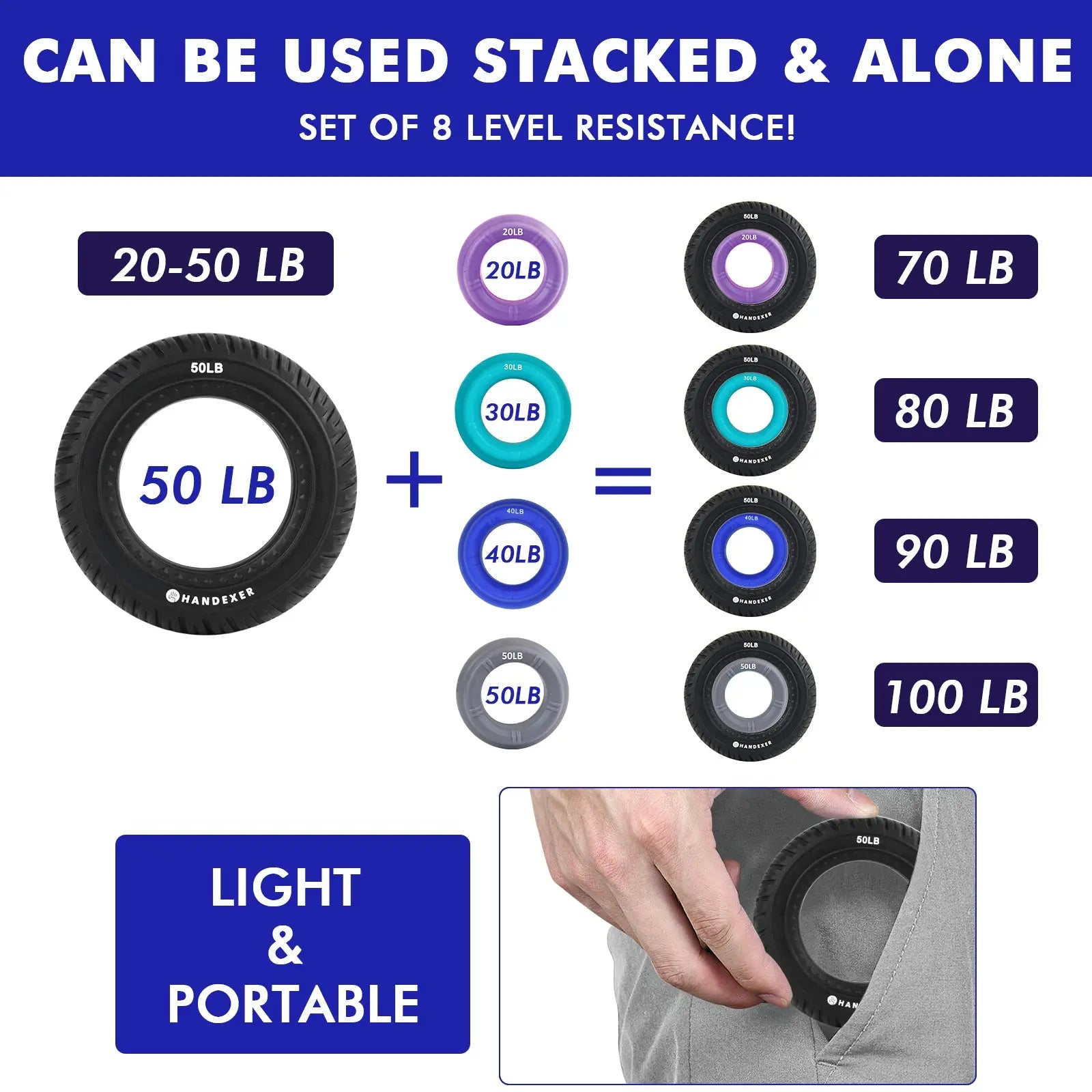
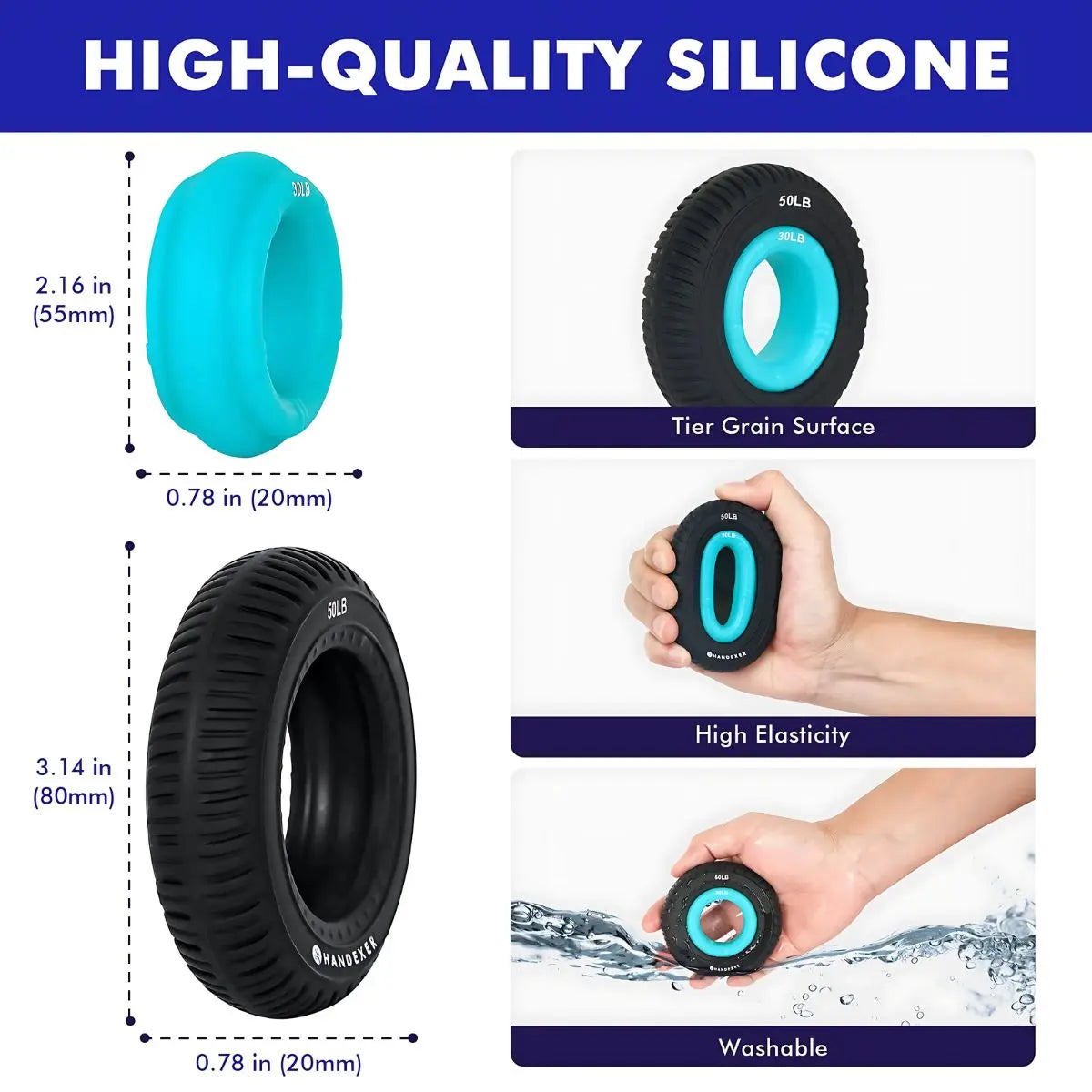
Progressive Resistance: Using training tools with color-coded or adjustable resistance levels—such as the Handexer™ Grip Strengthener Rings—allows you to safely build forearm strength, joint stability, and hand dexterity without straining your wrists.

Frequently Asked Questions
1. Is grip strength just genetic, or can anyone improve it?
While genetics and hand skeleton size influence your baseline, grip strength is very easy to train! Men and women of all ages can build stronger hands, forearms, and wrists through simple, consistent resistance exercises.
2. Why is hand strength tied to blood pressure and heart health?
During isometric grip exercises, your blood vessels respond by expanding and becoming more compliant. Medical studies show that regular isometric handgrip training supports vascular health and helps maintain normal resting blood pressure over time.
3. Can testing my grip tell me anything about my brain health?
Yes. Because generating maximum squeeze force requires rapid, coordinated signals from your brain through your nerves, a steady decline in hand force can act as an early indicator of nervous system fatigue or age-related cognitive changes.
4. What is a normal grip strength score for my age?
For active adults aged 30–50, healthy scores generally range from 40 to 54 kg (88–119 lbs) for men and 24 to 35 kg (53–77 lbs) for women. Scores dropping consistently below 27 kg (men) or 16 kg (women) signal a need to start incorporating regular hand and forearm strengthening into your routine.
5. How often should I test my grip strength?
Testing once every 2 to 4 weeks is ideal for tracking long-term trends. Try to test around the same time of day under similar conditions so temporary factors like morning stiffness or caffeine intake don't throw off your baseline.





Share:
Carpal Tunnel Syndrome: Could Working From Home Be Hurting You?
Anatomy of the Wrists and Hands
1 comment
Me interesa recibir información sobre dinamómetros digitales computarizados que permitan realizar diferentes tipo de evaluación sobre la fuerza de agarre y donde lo puedo adquirir de forma local (Lima, Perú).