
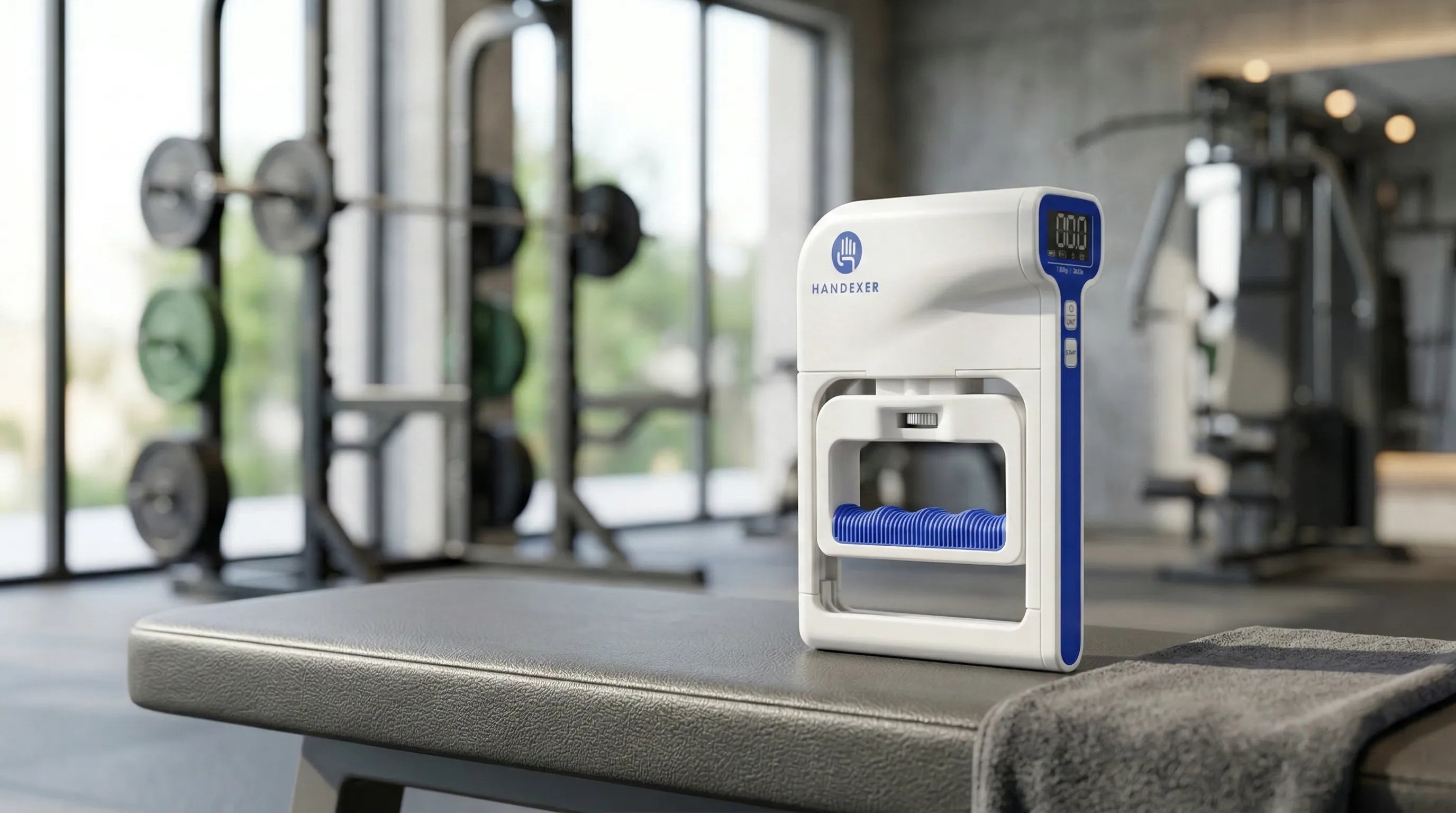
You’ve squeezed a digital hand dynamometer and noted your force output. Now comes the most practical question: What does this number say about my physical condition, and how can I systematically improve it?
Grip strength is far more than hand power. It reflects your central nervous system’s recruitment efficiency, total upper-body muscle quality, and systemic recovery capacity.
Whether you want to lift heavier at the gym, climb higher, recover from wrist strain, or stay strong and independent as you age, this practical guide turns your raw score into a clear, step-by-step game plan.
Input your measurement to get an immediate functional evaluation.
🔍 Assess My Functional Tier →Instead of worrying about a single number, group your score into one of three simple health tiers:
What It Reveals: Your hand and forearm muscles aren't firing at full capacity. This often happens from a sedentary routine, wrist or nerve irritation (like "mouse-hand" strain from office work), or simply not using your hands under load.
What It Reveals: Your grip is right on par with standard daily demands for your age and sex.
What It Reveals: Excellent muscle recruitment and forearm power. Very common among athletes, rock climbers, and people doing manual labor.
Before tweaking your training routine, remember that your grip reading can naturally go up or down by 2 to 4 kg (4 to 9 lbs) based on a few daily factors:
A heavy workout the day before, a bad night of sleep, or high stress lowers how fast your brain can signal your hand muscles to squeeze.
Slouching or bending your wrist at an odd angle cuts your squeezing leverage. Always stand or sit upright with your elbow bent at a clean 90-degree angle.
Most people squeeze strongest in the late afternoon, as body temperature peaks later in the day.
Cold hands and mild dehydration make muscles and nerves less responsive. Warm up your hands for better accuracy!
To build real, measurable hand power, mix these four straightforward exercises into your weekly workouts:


How: Pick up two dumbbells or kettlebells—one in each hand—where each weight equals roughly 20% to 30% of your body weight (for example, about 25–40 lbs / 12–18 kg per hand if you weigh 150 lbs / 70 kg). Pull your shoulders back with good posture, and walk with controlled steps.
Prescription: 3–4 sets of 30–45 second carries.
Why It Works: A 2024 study in the International Journal of Exercise Science confirms that loaded carries maximize sustained muscle activation across the forearm, grip, and core stabilization chain.

How: Grab a pull-up bar with an overhand grip and hang naturally while keeping your shoulder blades slightly pulled down (don't let your ears touch your shoulders).
Prescription: 3 sets of 20–60 second hangs.
Why It Works: A 2015 study in the Journal of Physical Therapy Science shows that vertical traction reduces disc pressure while building endurance in the deep hand-closing muscles.

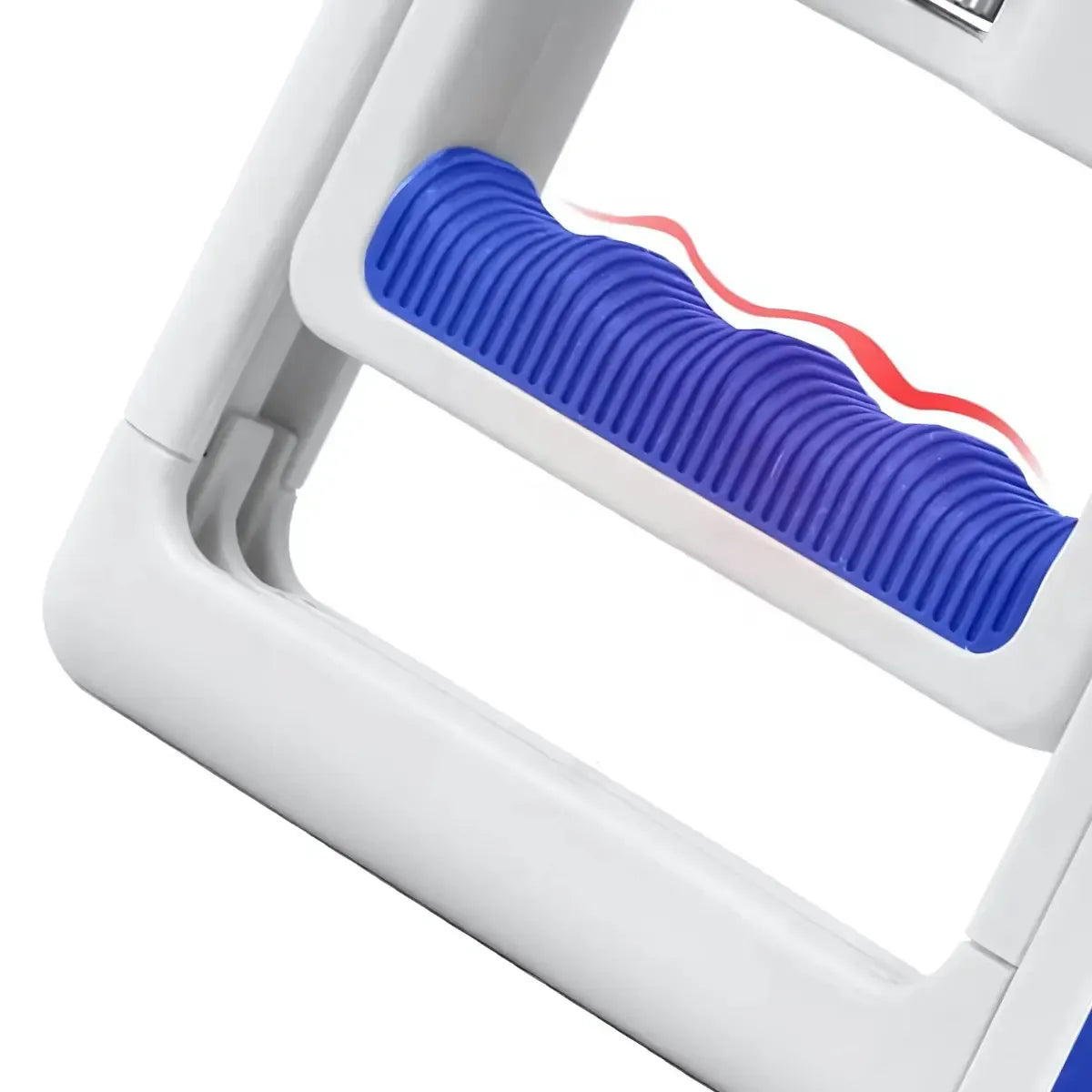
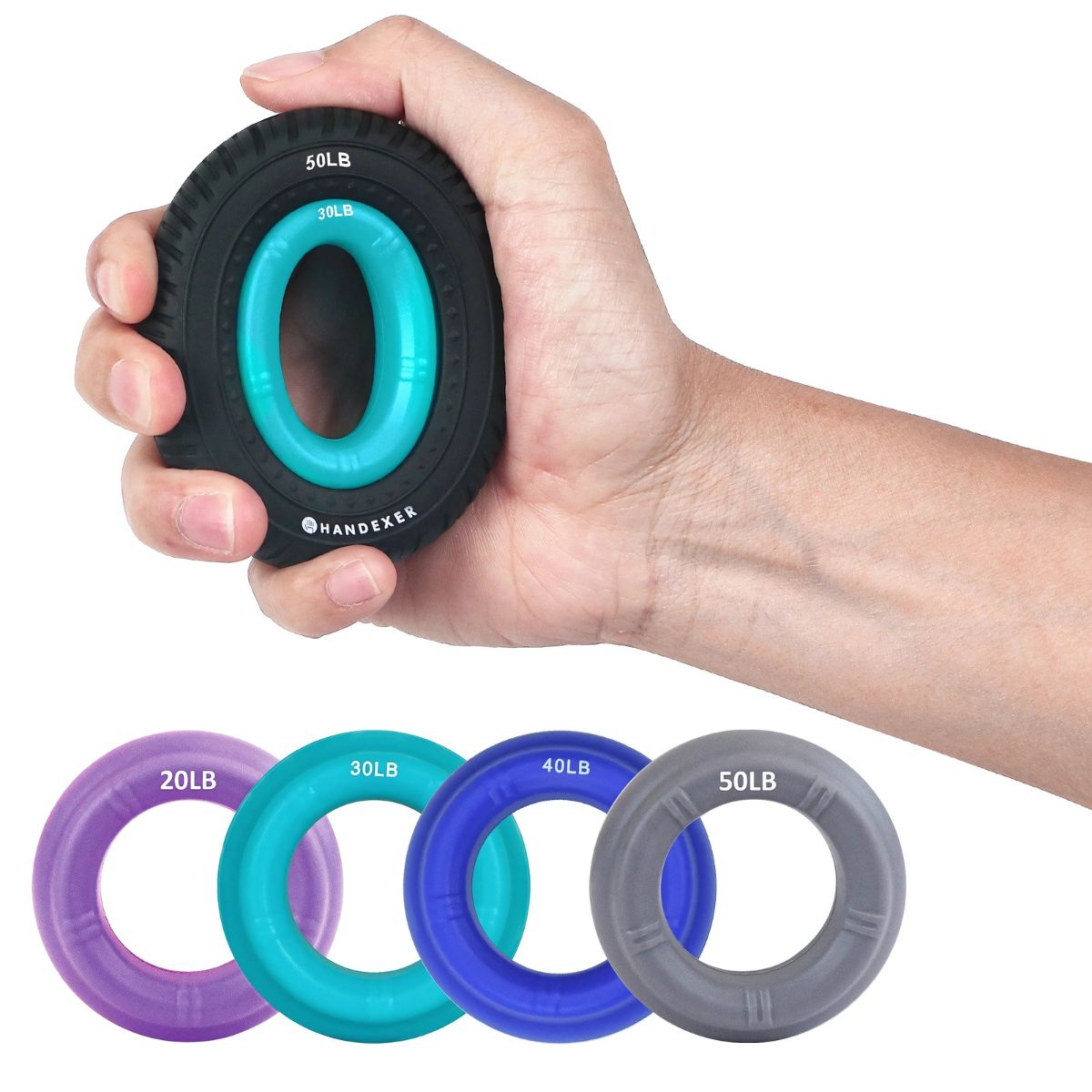
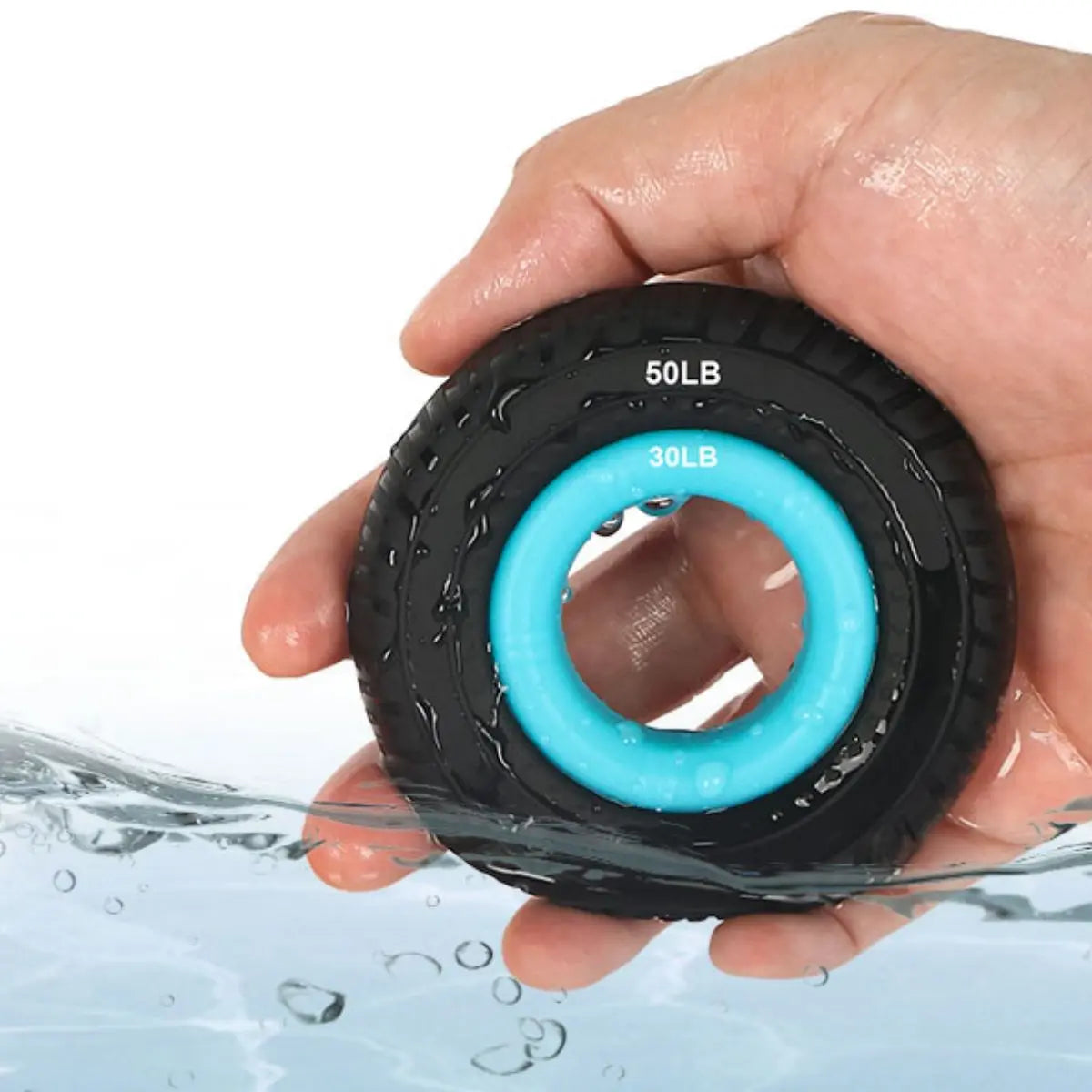
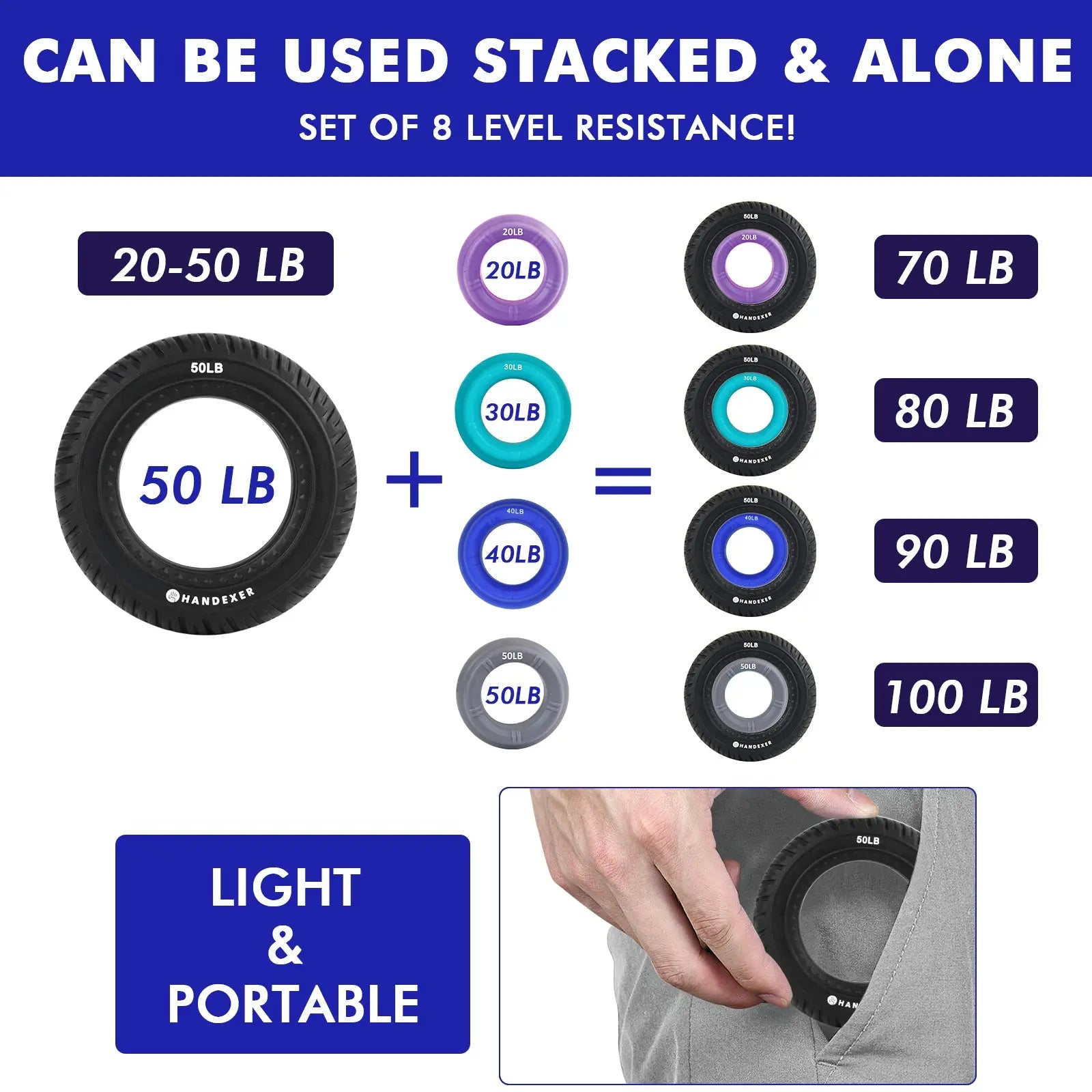
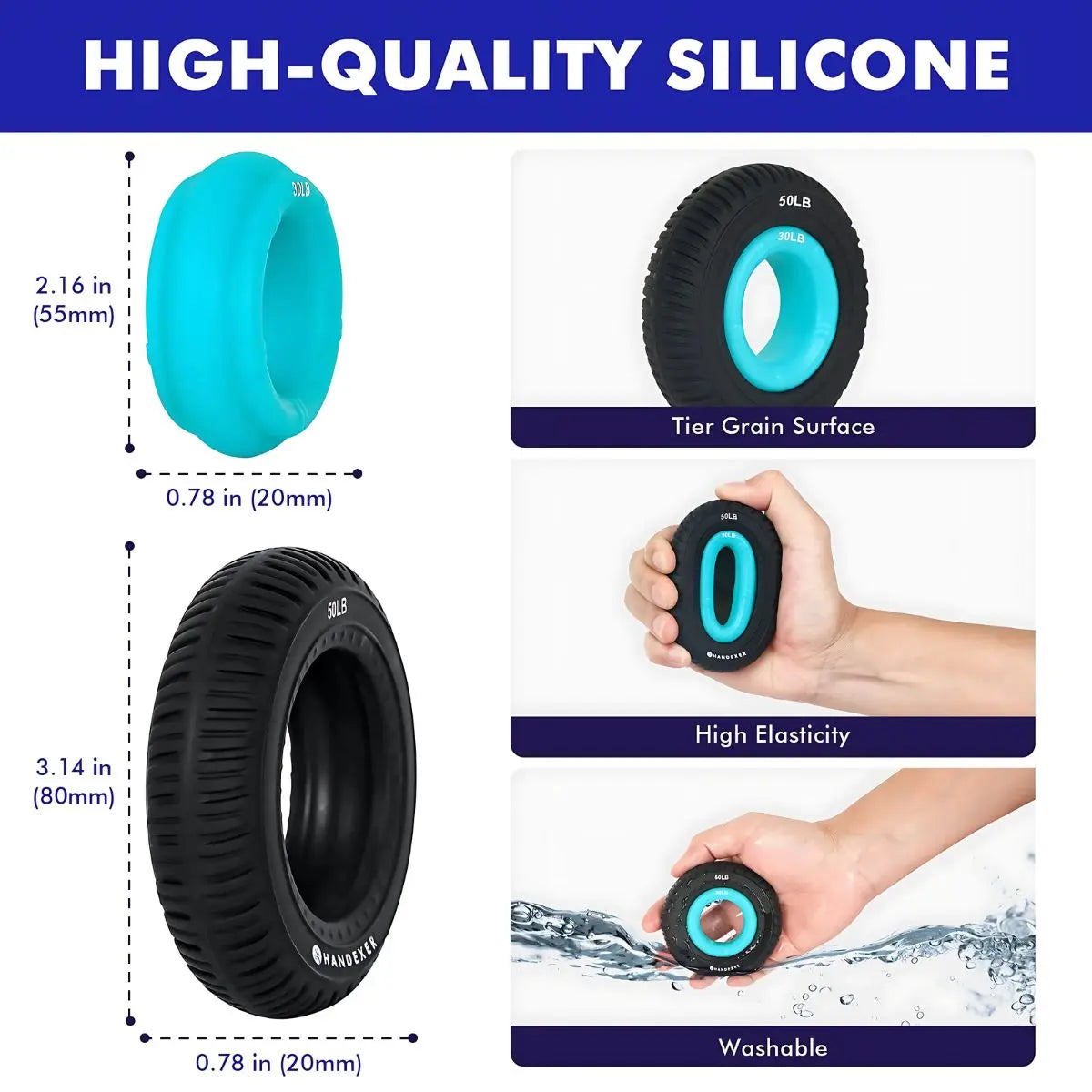
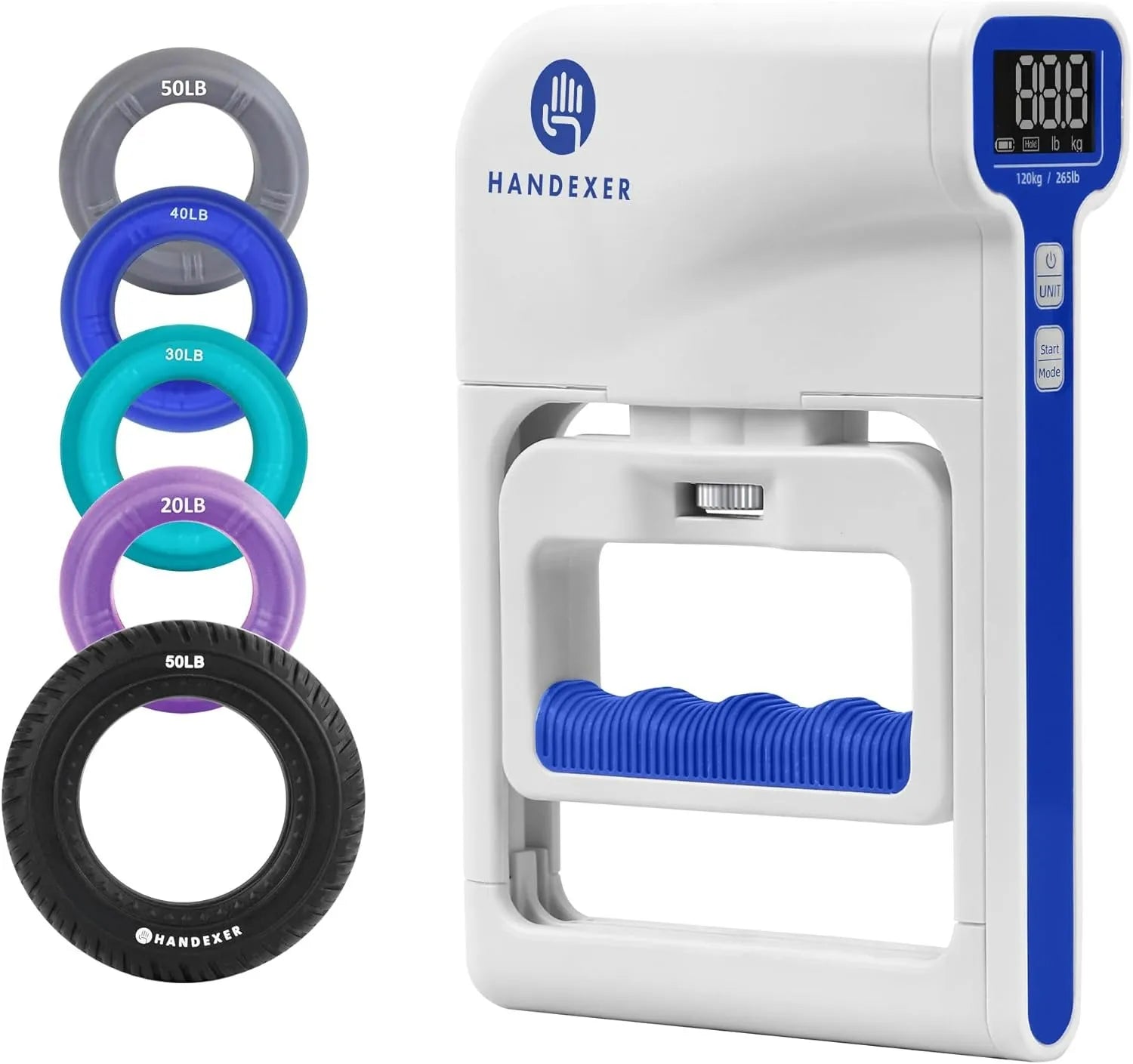
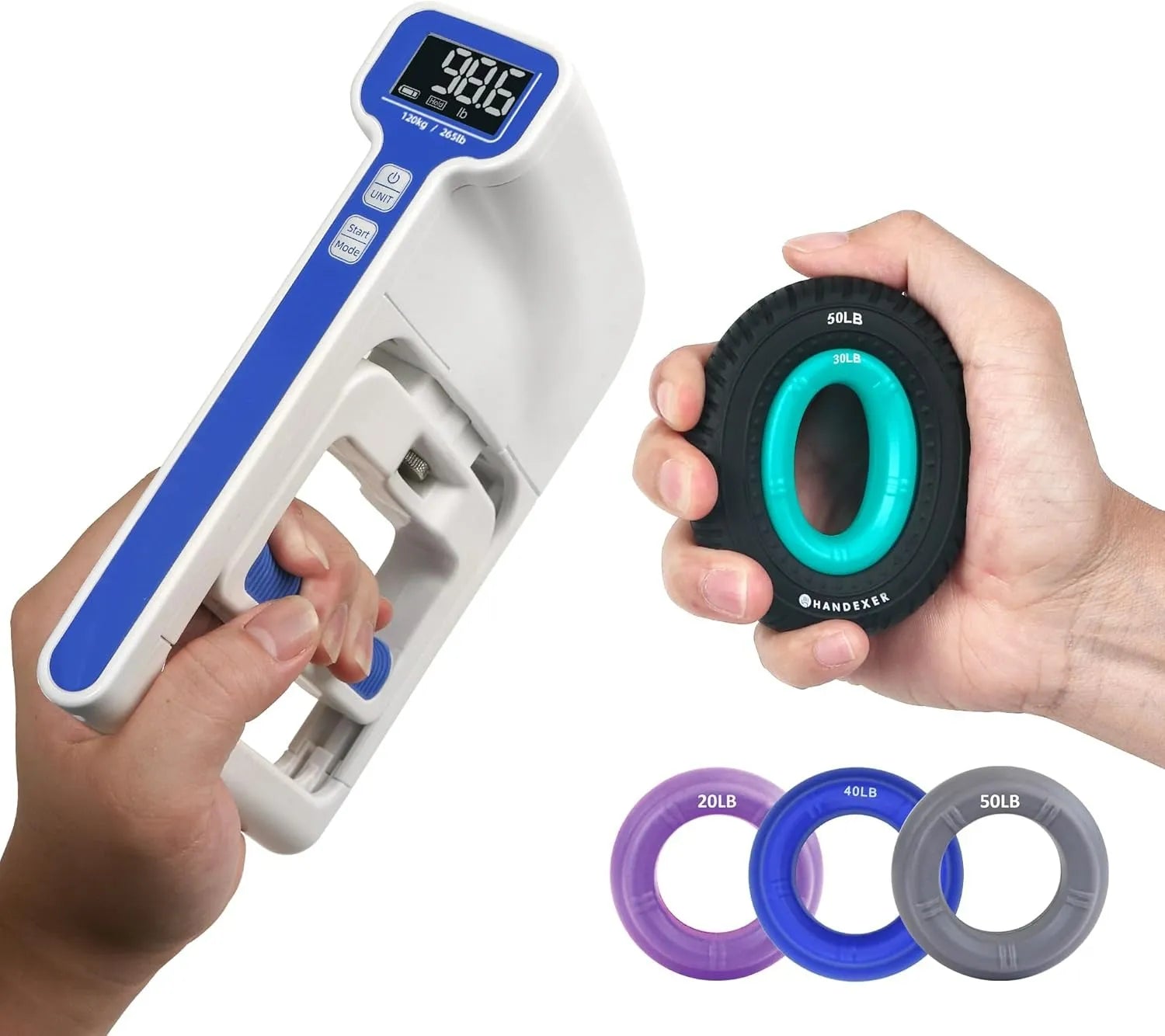
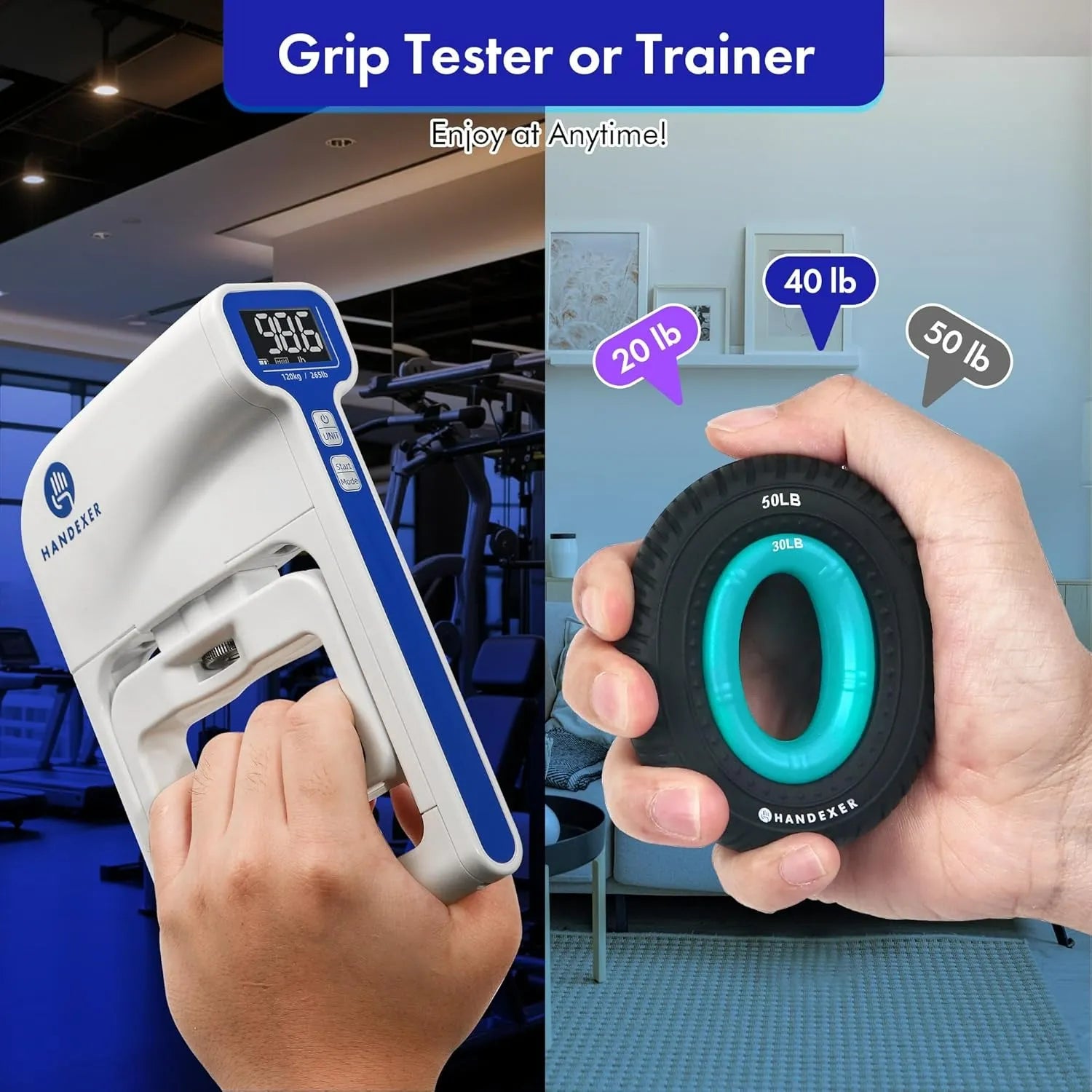
How: Hold an adjustable hand exerciser or Handexer Resistance Ring. Squeeze firmly for 2 seconds, then slowly release over 3 seconds.
Prescription: 3 sets of 10 to 12 controlled reps per hand.
Why It Works: Systematic meta-analysis research (2025) confirms that progressive resistance programs effectively rebuild muscle strength and physical function.

How: Rest your forearms on a flat bench or your thighs while holding a light dumbbell in each hand—typically 2 to 5 lbs (1 to 2.5 kg) for beginners, or 5 to 10 lbs (2.5 to 5 kg) for regular lifters—with palms facing down. Curl your wrists upward smoothly without lifting your forearms off the bench.
Prescription: 3 sets of 15 repetitions.
Why It Works: BJSM research (2012) confirms extensor deficits trigger tennis elbow, proving reverse curls balance forearm strength to prevent joint strain.
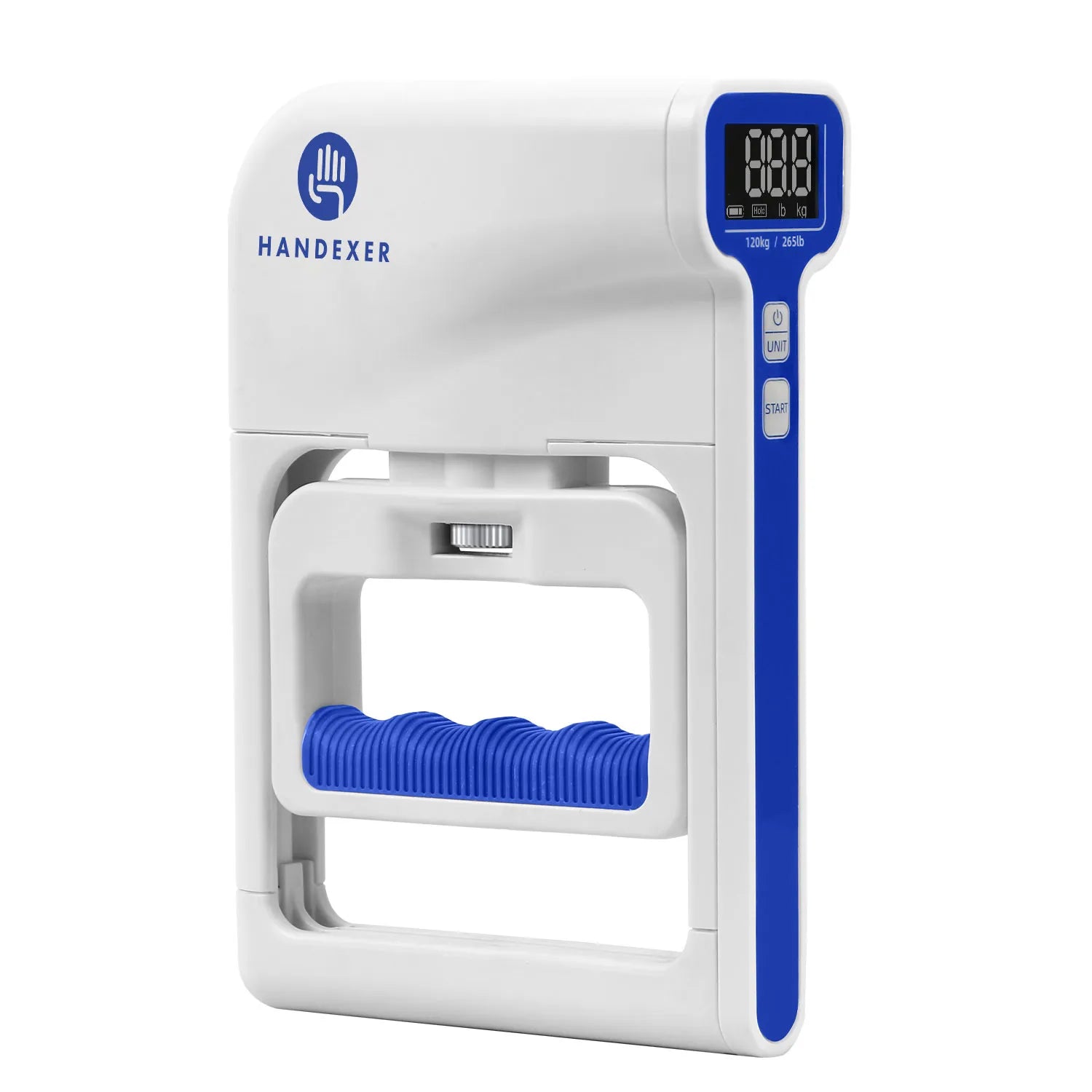
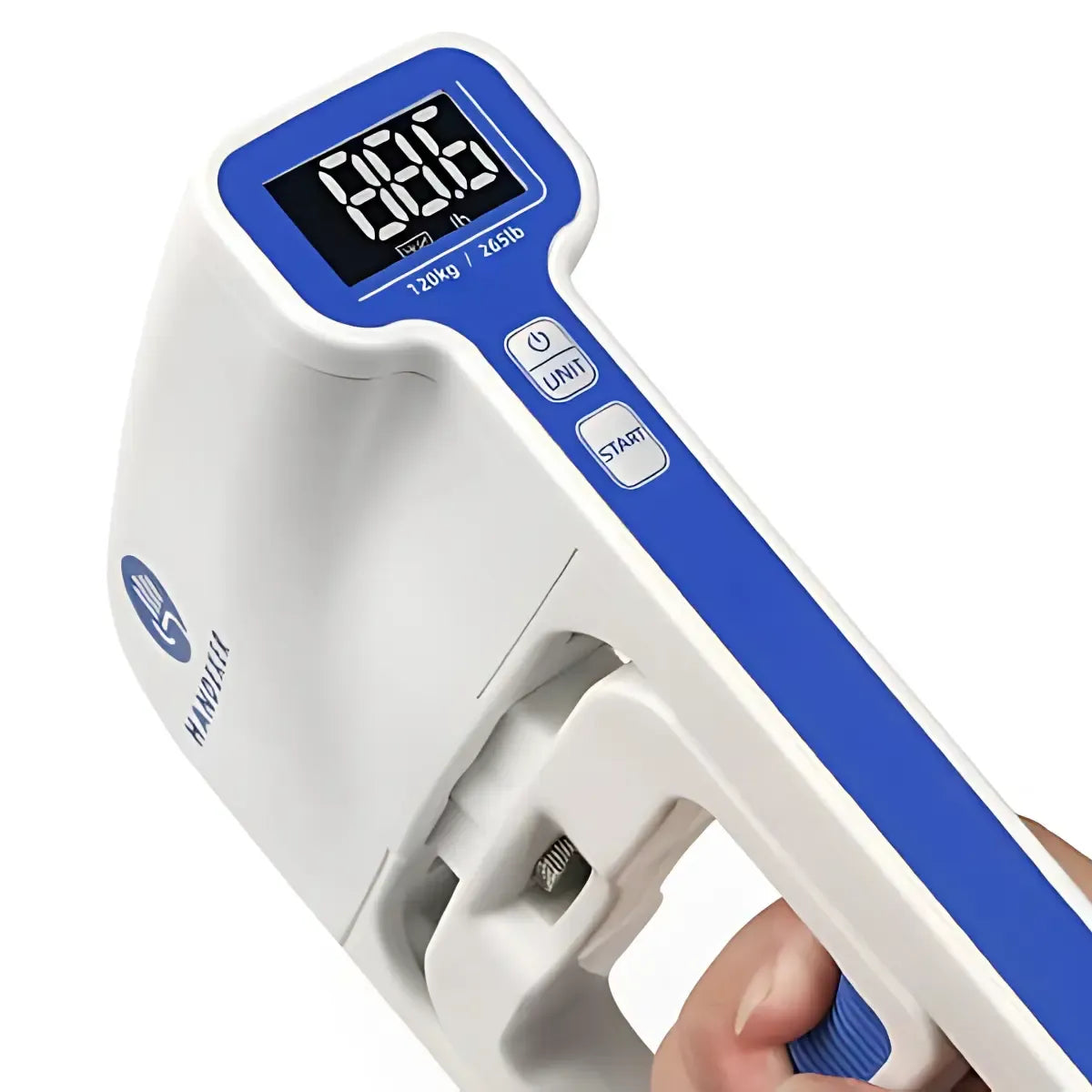
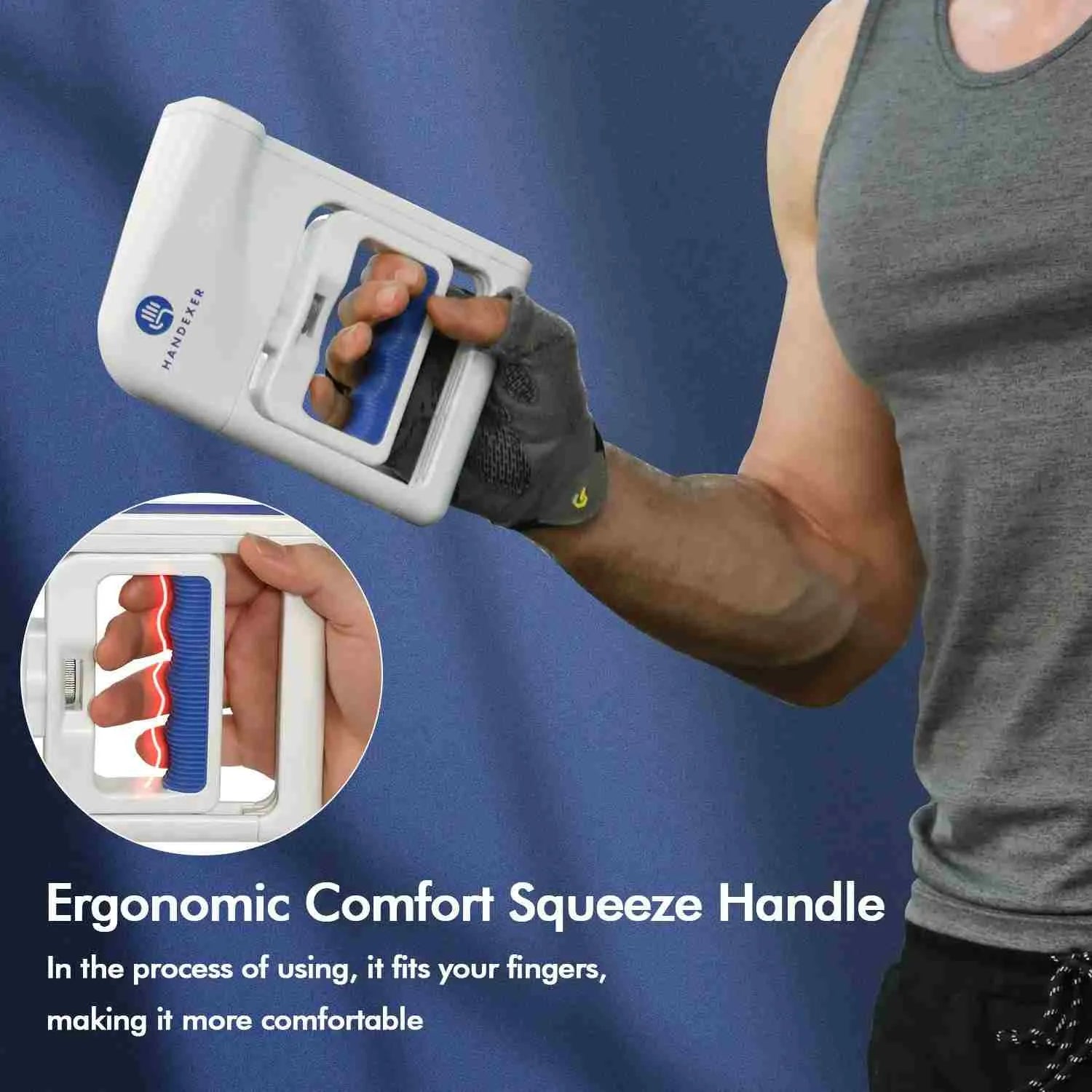
To ensure your training yields measurable physical adaptation, track your peak readings consistently using modern strain-gauge technology:






Share:
Grip Strength After Carpal Tunnel Surgery: Recovery Guide
Grip Strength by Age: What’s Normal After 50?