
Grip Strength by Age and Gender: What’s Normal?
Grip strength is one of the simplest and most reliable indicators of overall muscular health. Researchers frequently use it to assess functional strength, aging, and recovery from injury.
Whether you are an athlete, a bio-hacker tracking physical metrics, or someone monitoring long-term health, understanding grip strength by age and gender provides useful context for evaluating your own performance.
However, to interpret the numbers correctly, you first need a precise way to measure grip strength.
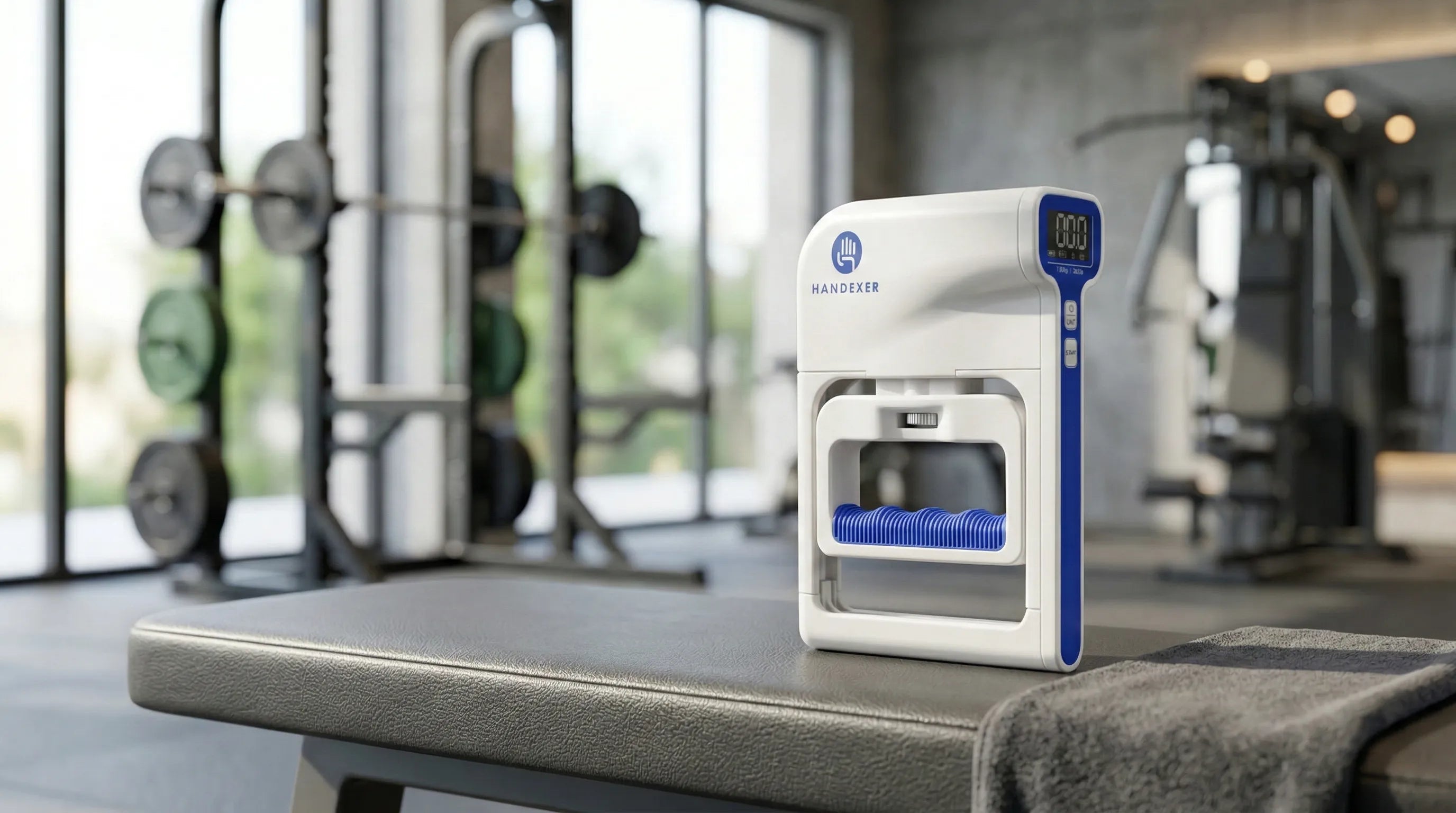
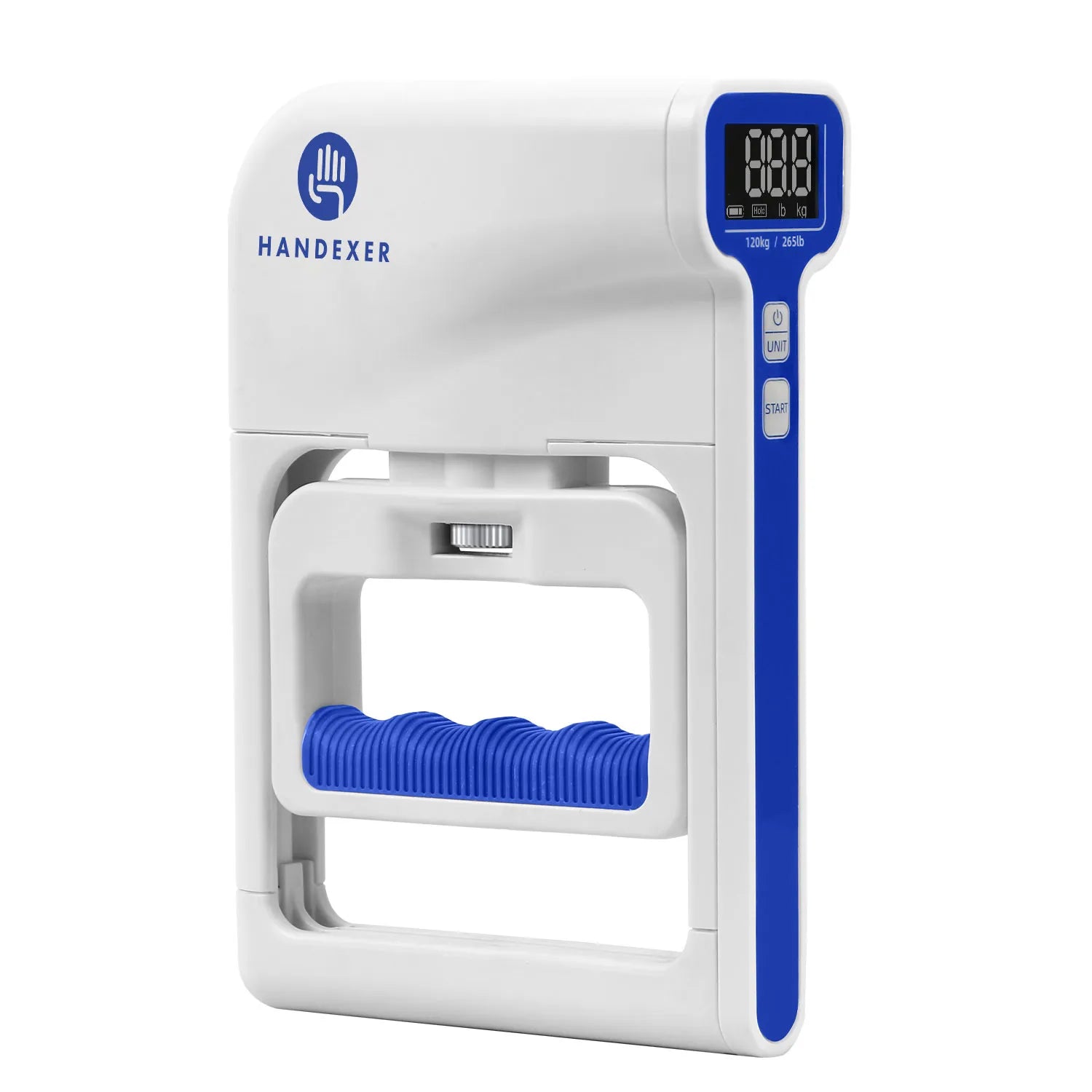
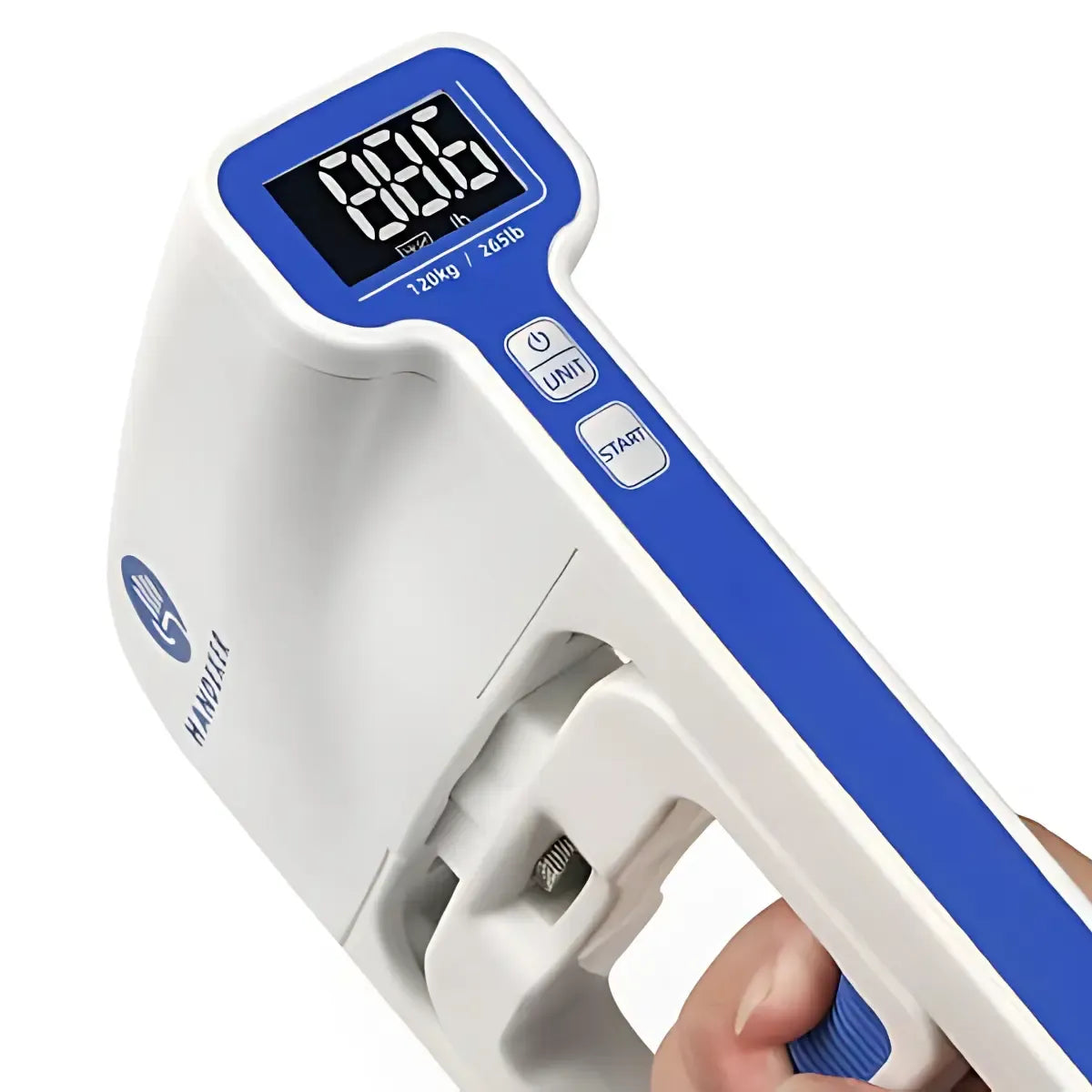
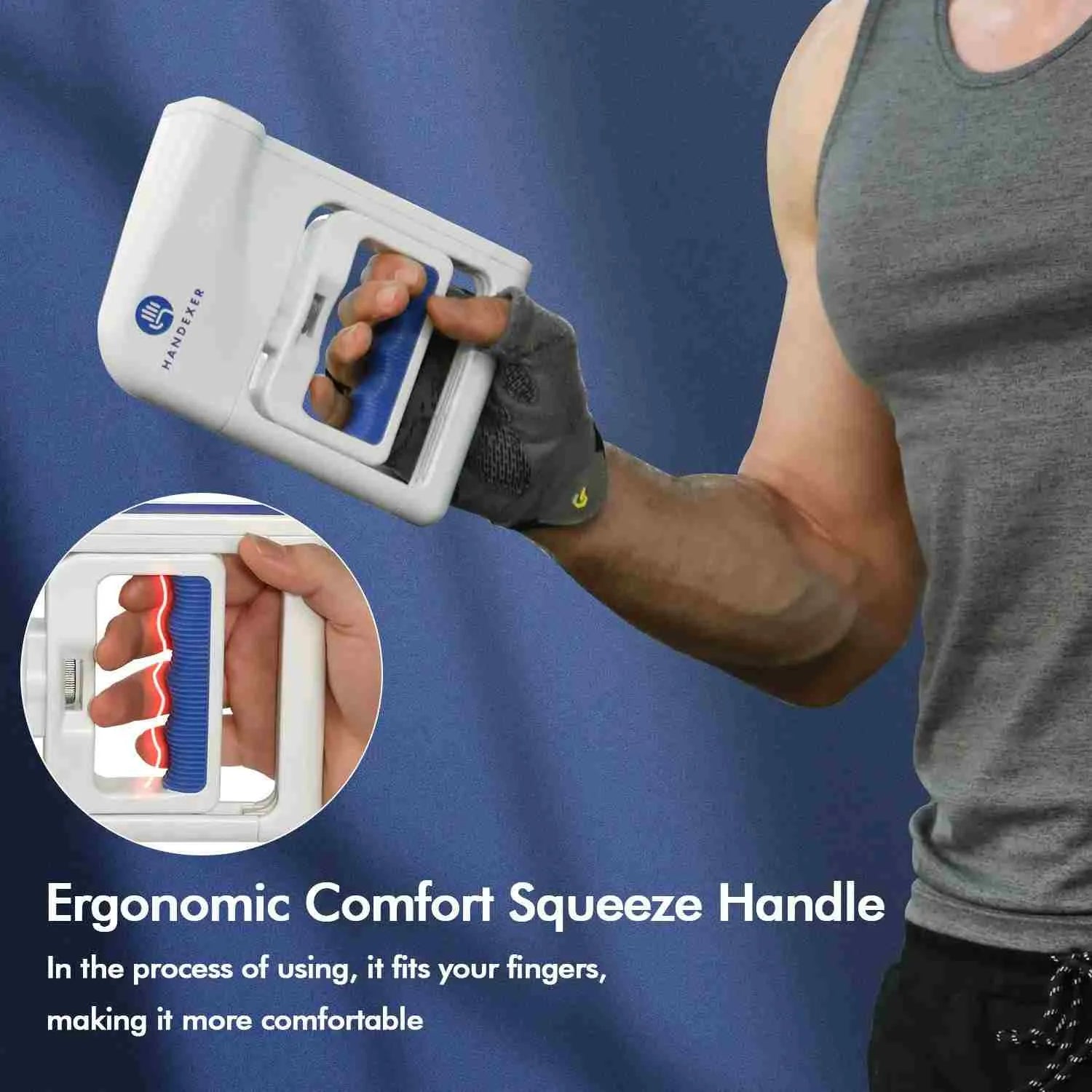
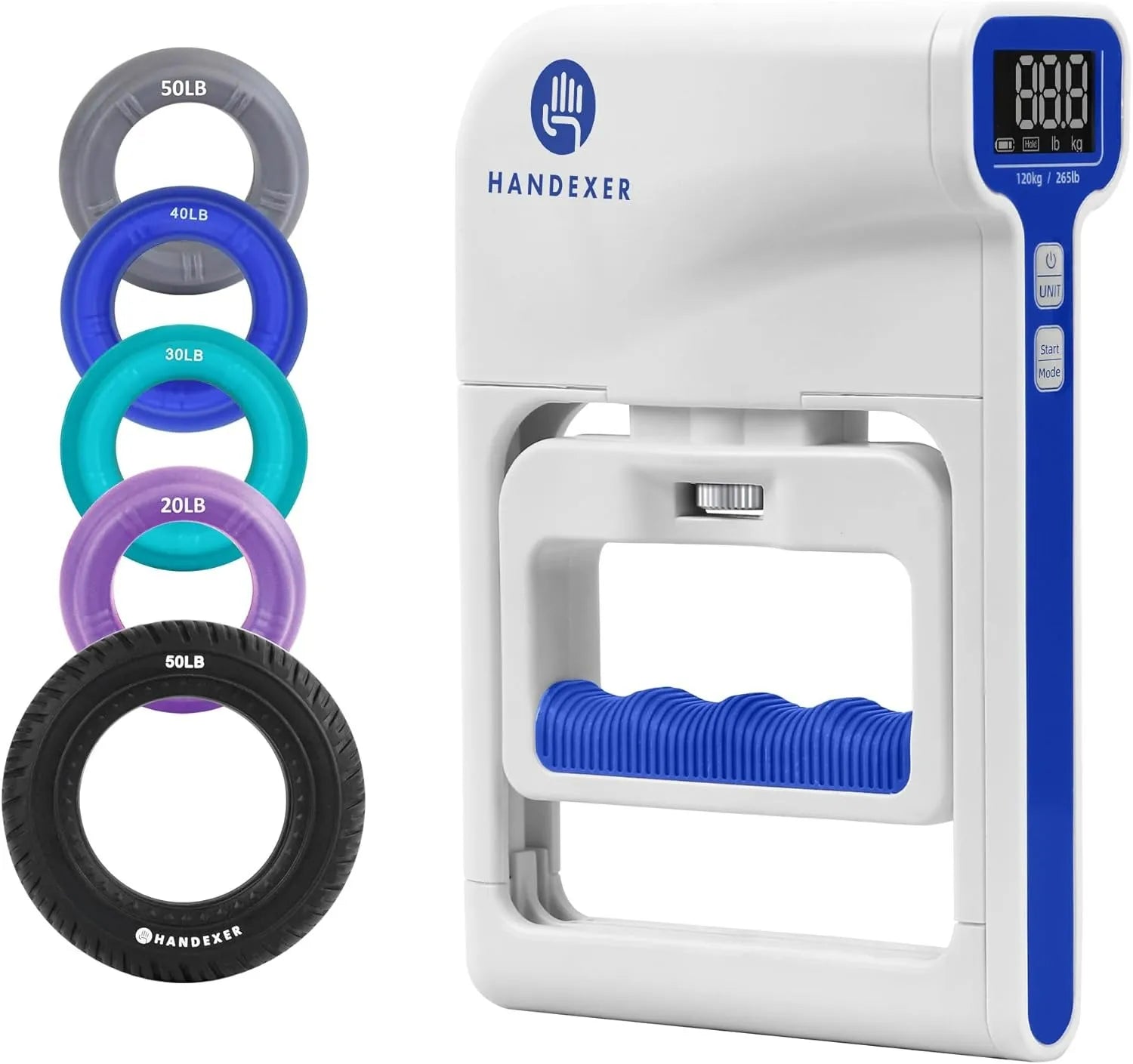
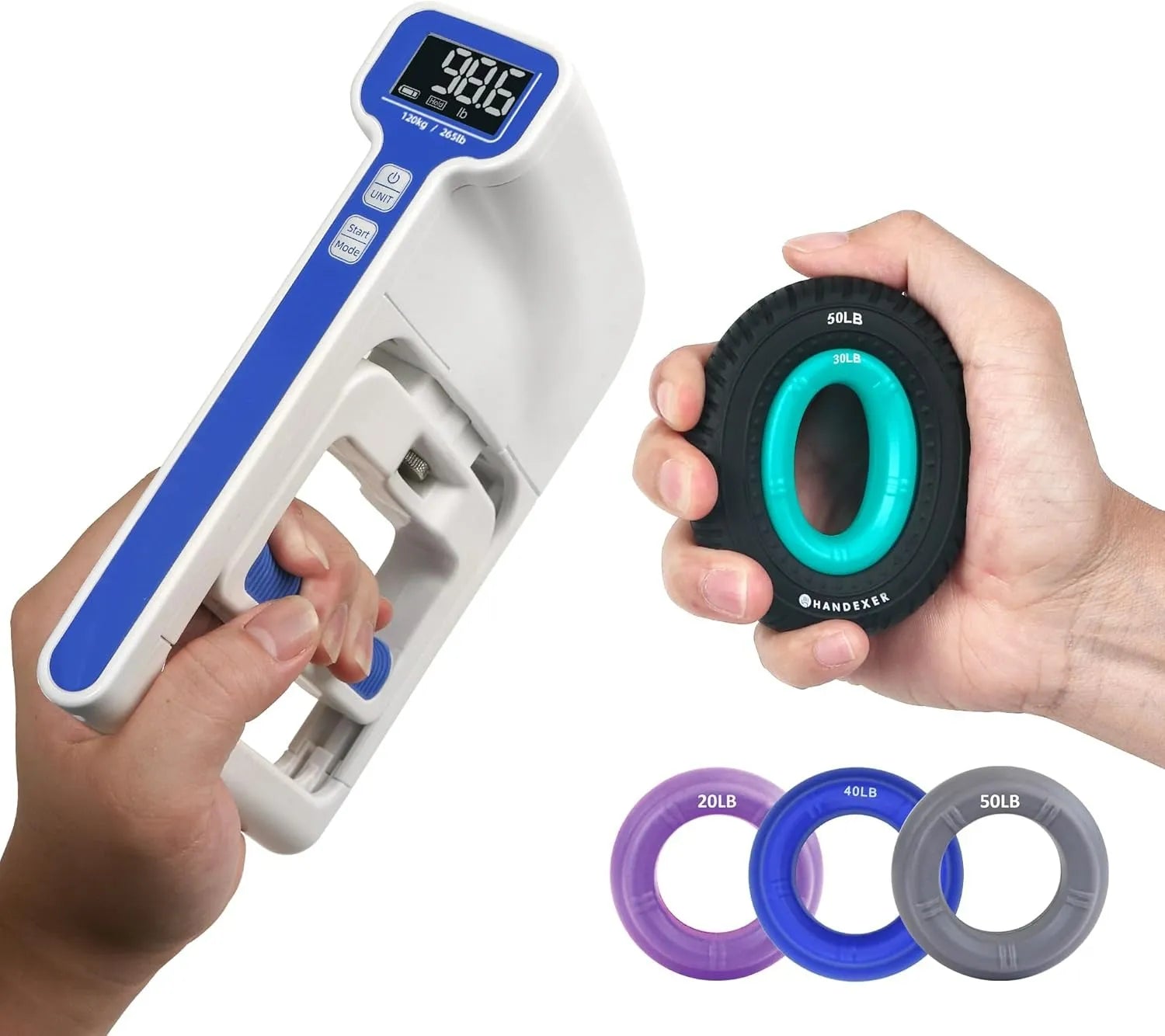
Tools like a digital hand dynamometer make it possible to check your baseline grip strength and monitor improvements over time.
What Is Normal Grip Strength by Age and Gender?
Normal grip strength varies by age and gender, but adult men typically average 45–50 kg (99–110 lb), while adult women average 25–30 kg (55–66 lb). Grip strength generally peaks between ages 30–40 and gradually declines with age.
These averages come from population studies using standardized hand dynamometer tests.
Average Grip Strength by Age and Gender
| Age Range | Men (Average) | Women (Average) |
|---|---|---|
| 20–29 | 46–52 kg | 28–32 kg |
| 30–39 | 48–54 kg | 29–34 kg |
| 40–49 | 44–50 kg | 26–31 kg |
| 50–59 | 40–46 kg | 23–28 kg |
| 60+ | 32–38 kg | 18–23 kg |
These values represent dominant hand strength and can vary depending on factors such as:
-
body size
-
occupation
-
physical activity level
-
injury history
For athletes or strength trainees, grip strength may exceed these averages.
Why Grip Strength Is an Important Health Indicator
Grip strength is not just about hand muscles. It is often used as a proxy measurement for total-body strength and neurological function.
Clinical studies have linked grip strength with:
-
overall muscular fitness
-
cardiovascular health
-
aging and longevity
-
rehabilitation progress
In rehabilitation settings, therapists frequently measure grip strength to monitor recovery progress after:
-
stroke
-
wrist injuries
-
tendonitis
-
carpal tunnel syndrome
Because grip strength is easy to measure and repeat, it becomes a valuable longitudinal metric.
How to Measure Grip Strength Correctly
To obtain reliable results, grip strength tests should follow a standardized procedure.
Step-by-Step Testing Method
-
Stand upright with your arm relaxed at your side.
-
Hold the dynamometer firmly in one hand.
-
Squeeze as hard as possible for about 3–5 seconds.
-
Record the value.
-
Repeat the test three times and take the highest score.
Accuracy depends heavily on using a proper measuring device.
Many people underestimate the value of measurement tools, but if you want meaningful data, you need consistent testing conditions.
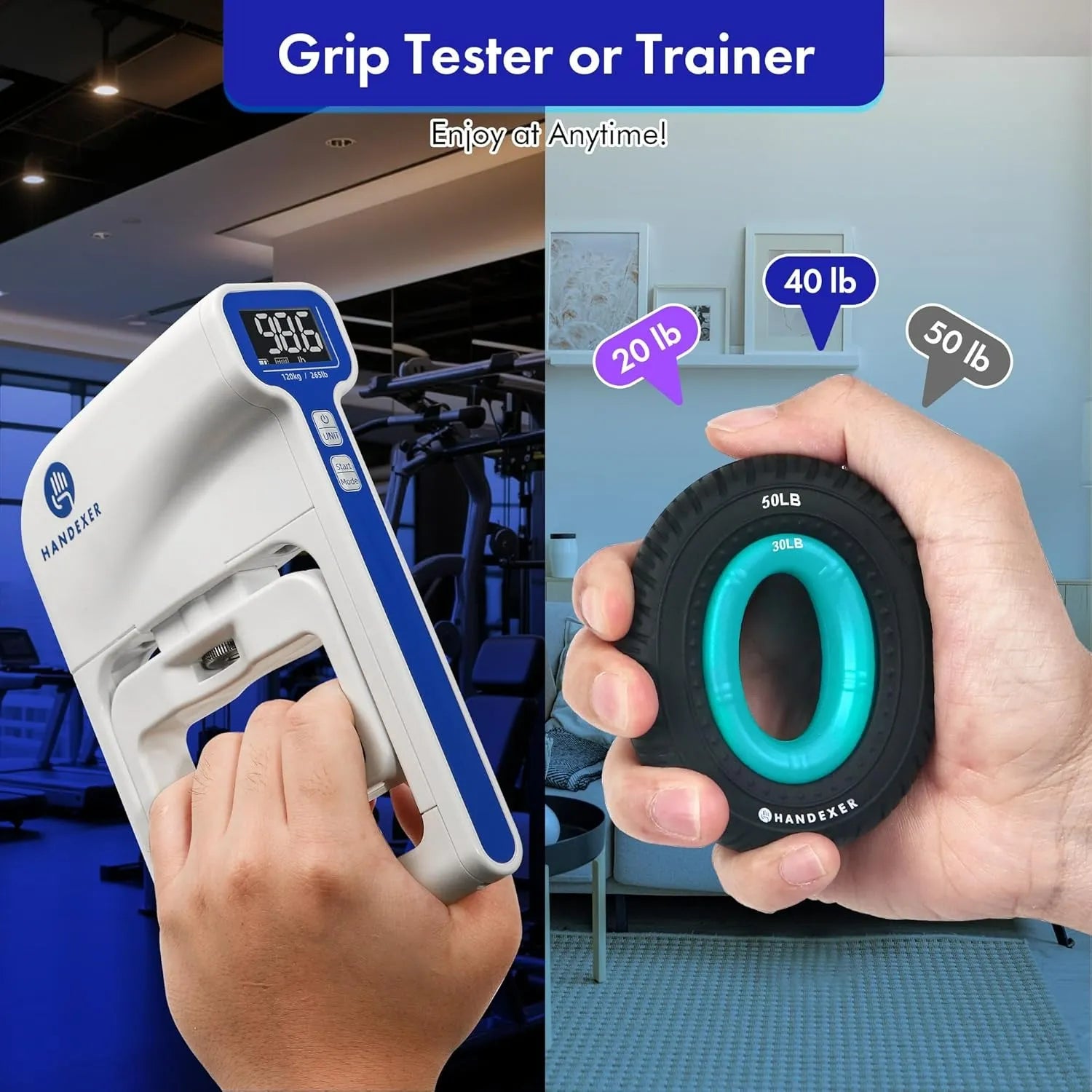
A high-capacity digital dynamometer allows you to check your baseline grip strength and track improvements with reliable numerical feedback.
Factors That Influence Grip Strength
Grip strength differs significantly between individuals. Several variables influence the results.
Age
Grip strength typically follows this pattern:
-
increases during teenage years
-
peaks between 30–40 years old
-
gradually declines afterward
However, resistance training can significantly slow down this decline.
Gender
On average:
-
men have 60–70% greater grip strength than women
-
this difference is mainly due to muscle mass and forearm size
However, trained female athletes often outperform sedentary men.
Training and Activity
Occupations or sports that heavily use the hands tend to produce stronger grip strength.
Examples include:
-
rock climbing
-
weightlifting
-
martial arts
-
manual labor
Tracking grip strength regularly can reveal training progress that may not be visible in other exercises.
How to Improve Your Grip Strength
If your grip strength falls below the average for your age group, improvement is usually achievable through targeted training.
Effective Grip Training Exercises
1. Farmer’s Carries
Holding heavy weights while walking strengthens the entire grip chain.
2. Dead Hangs
Simply hanging from a pull-up bar trains both grip endurance and forearm strength.
3. Hand Grippers
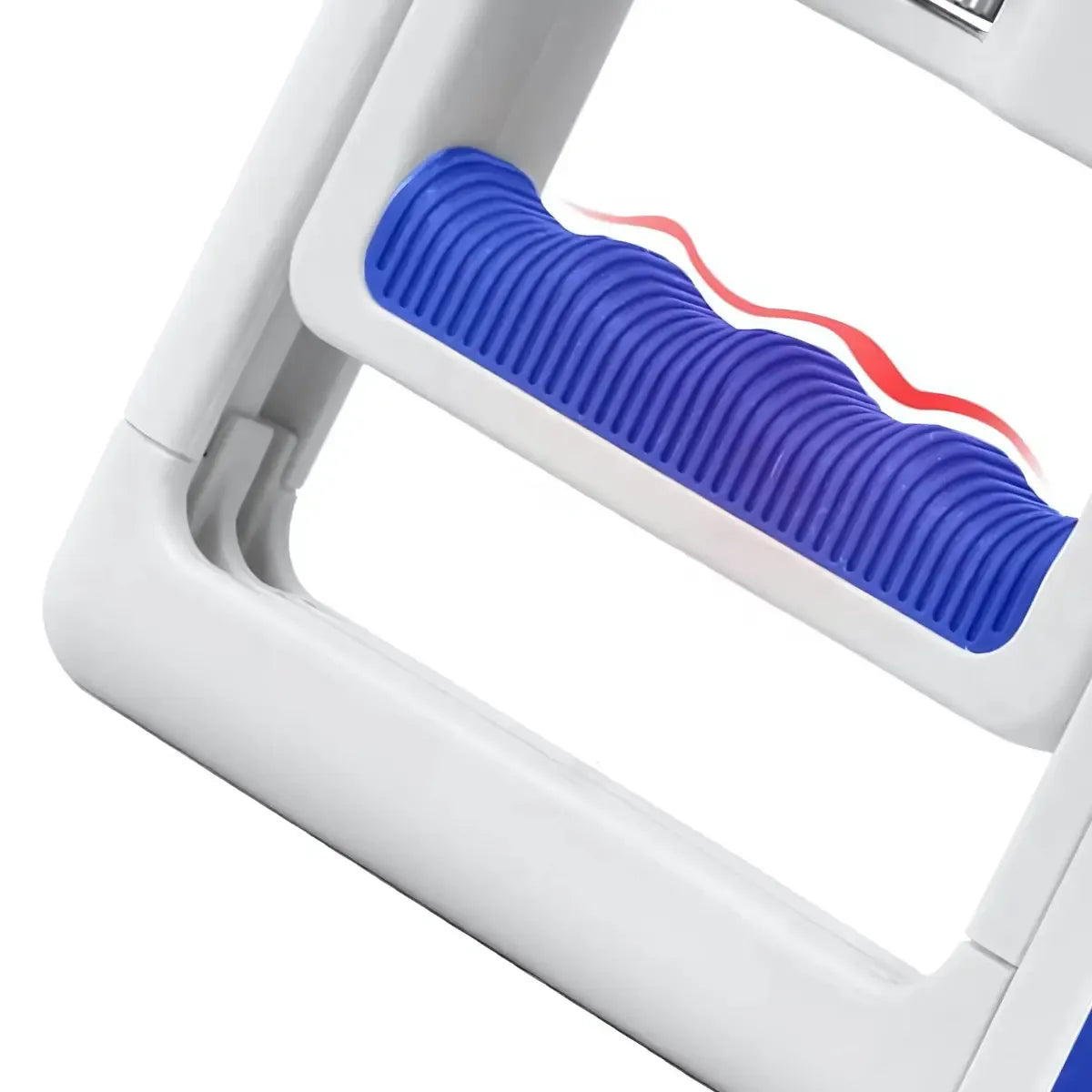
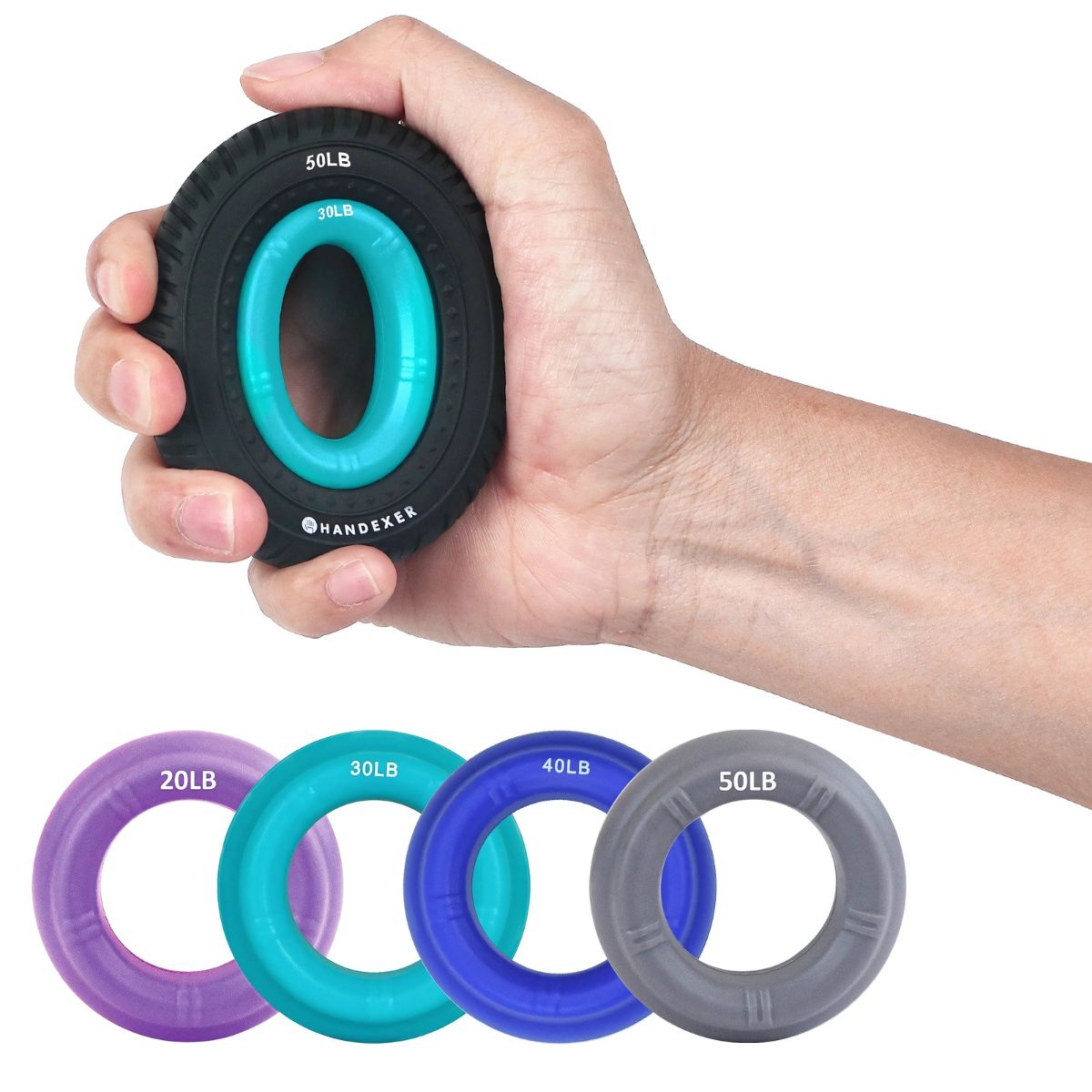
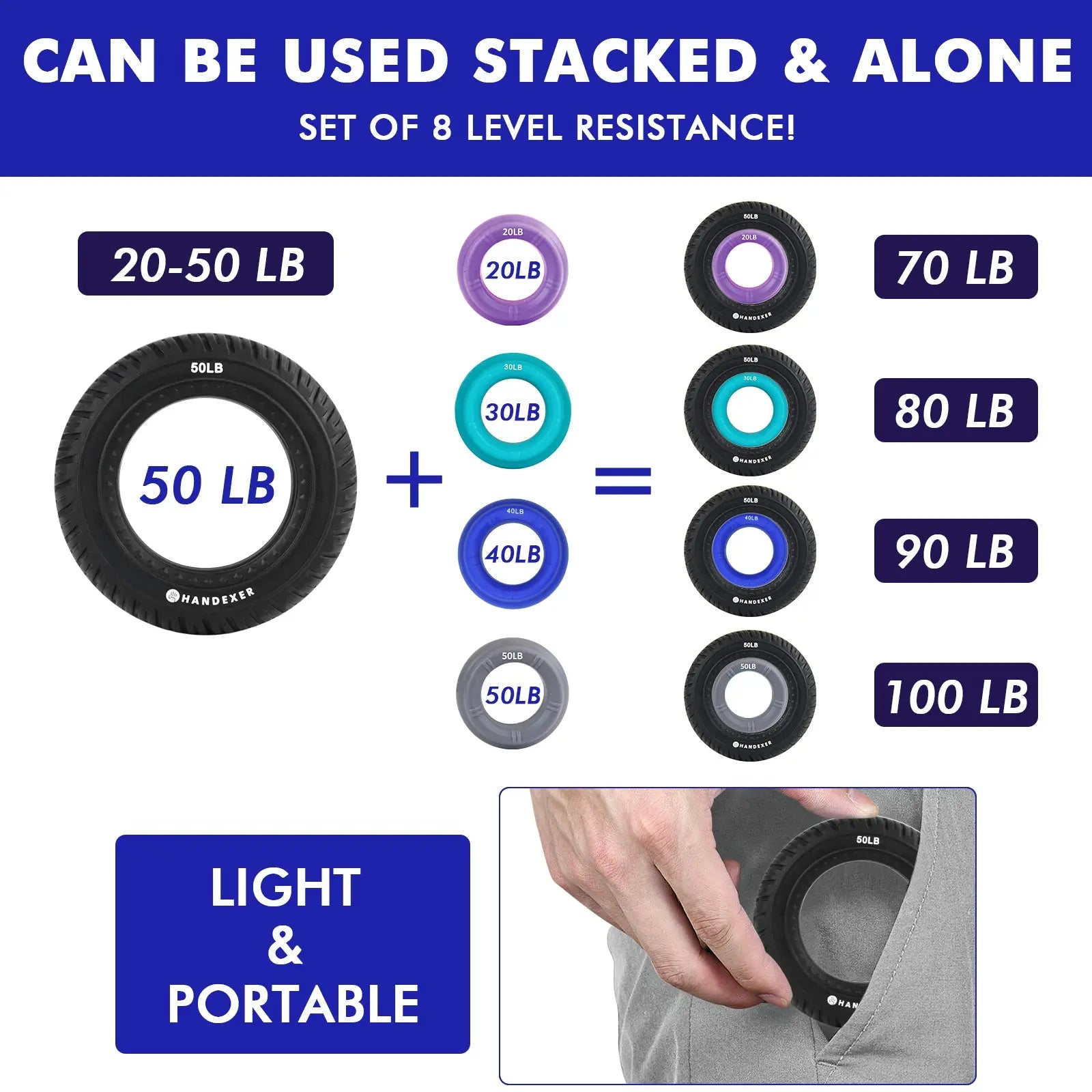
Portable grip trainers provide consistent progressive resistance.
4. Wrist Curls
Strengthening the forearm muscles directly improves grip performance.
The most effective approach is to combine progressive overload with measurement.
Without data, it becomes difficult to determine whether your training is working.
Using a digital hand dynamometer allows you to monitor your recovery progress or strength gains with objective numbers rather than guesswork.
Why Tracking Grip Strength Matters
Many people only test their grip strength once out of curiosity. The real value comes from long-term tracking.
Regular testing can reveal:
-
strength improvements from training
-
early signs of muscular decline
-
recovery progress after injury
Bio-hackers and athletes often treat grip strength as a baseline physical metric, similar to tracking:
-
body weight
-
resting heart rate
-
VO₂ max
With a reliable measurement tool, testing takes less than 10 seconds, making it easy to integrate into weekly training routines.
FAQ
What is a good grip strength score?
A good grip strength score depends on age and gender. For adults, men typically average 45–50 kg, while women average 25–30 kg. Athletes and strength-trained individuals often exceed these values.
At what age is grip strength highest?
Grip strength generally peaks between 30 and 40 years old. After that, it gradually declines unless maintained through regular strength training.
How often should you test grip strength?
Most people benefit from testing grip strength once per week or once per month. Regular testing helps track training progress or rehabilitation recovery.
Is grip strength related to overall health?
Yes. Research has shown that grip strength correlates with overall muscle strength, functional fitness, and long-term health outcomes.







Share:
Grip Strength After Carpal Tunnel Surgery: Recovery Guide
Grip Strength by Age: What’s Normal After 50?